
5052 Marine Aluminum Fencing and Railings for Custom Offshore Railing Construction
A railing on an offshore platform, workboat, marina structure, or service deck is not just a boundary. It is the part people reach for when the deck is wet, the vessel moves, the wind shifts, or a load swings closer than expected. From that practical angle, 5052 marine aluminum fencing and railings deserve attention because they solve several problems at once: saltwater exposure, weight control, fabrication flexibility, and long-term maintenance.
Many customers first compare railing materials by appearance or price per meter. A better starting point is the daily punishment the railing will face. Offshore railings live in spray, sun, vibration, impact, cleaning chemicals, and constant human contact. A material that looks acceptable in a warehouse may behave very differently after months of salt deposits and deck washdown. This is where 5052 aluminum shows its value.
Why 5052 Fits the Offshore Railing Job
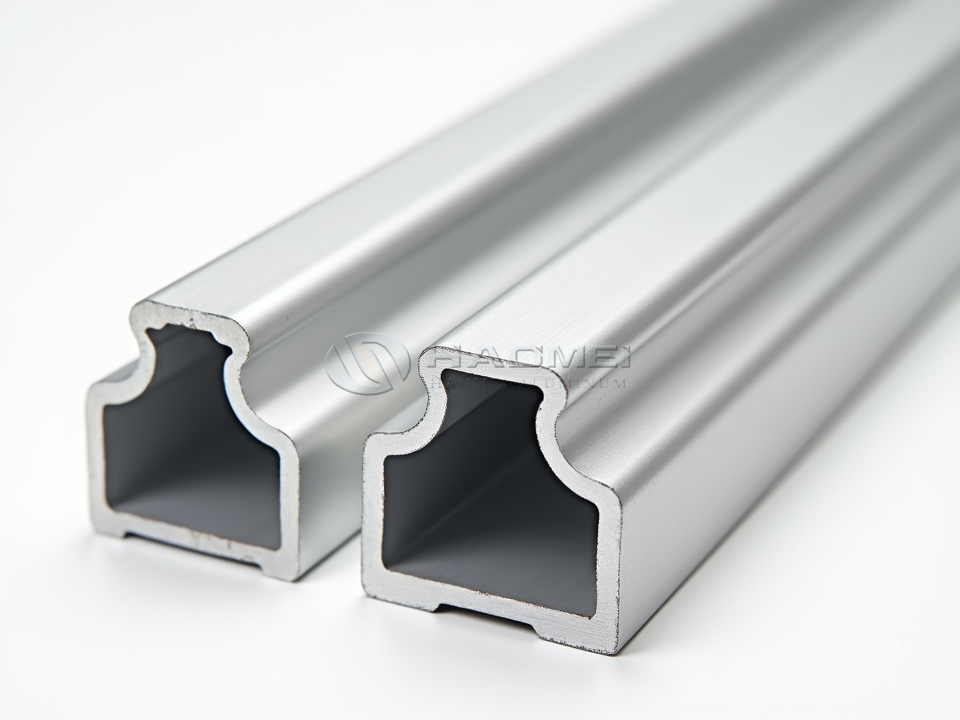
5052 aluminum is an aluminum-magnesium alloy widely used in marine environments. Its strength is not its only selling point. The real advantage is its balance. It has good corrosion resistance in seawater atmosphere, excellent formability, reliable weldability, and enough toughness for railing frames, fencing panels, stanchions, handrails, gates, and guard sections.
For custom offshore railing construction, that balance matters more than a single high number on a datasheet. Railings usually include bends, cutouts, welded joints, brackets, base plates, and connection points to decks or hull structures. If the alloy is too difficult to form, fabrication costs rise. If it is too weak, sections become bulky. If it corrodes too fast, the customer pays again in repair time. 5052 offers a practical middle path.
Compared with carbon steel, 5052 is much lighter and does not need heavy anti-rust coating systems to survive marine air. Compared with some harder aluminum alloys, it is easier to bend and weld for custom shapes. For many railing builders, that means smoother production and fewer surprises during installation.
The View From the Deck, Not Just the Drawing
A railing drawing may look clean: straight lines, standard heights, regular spacing, and neat corners. Offshore reality is different. Deck camber, welded foundations, equipment clearances, cable routes, hatches, ladders, fenders, and mooring hardware all interrupt the perfect line. Good railing construction accepts that the final product must fit the vessel or structure, not just the CAD file.
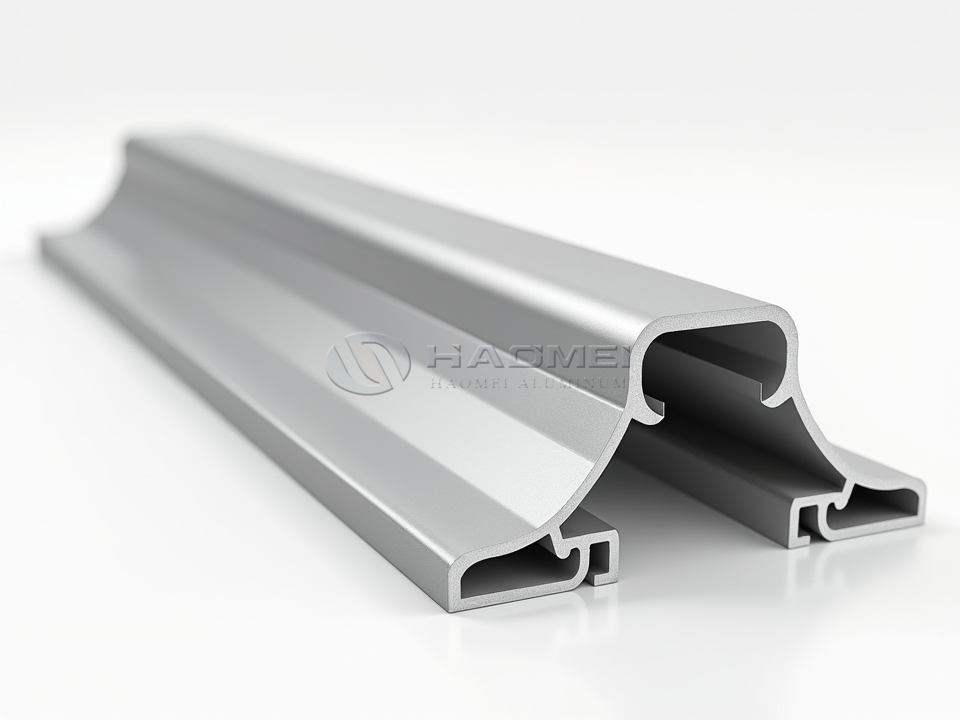
5052 marine aluminum fencing and railings are well suited to that reality because the material can be formed into practical profiles and adjusted into custom assemblies. Curved handrails, angled transitions, removable guard sections, toe-board combinations, and protective fence panels can all be planned with reasonable fabrication effort.
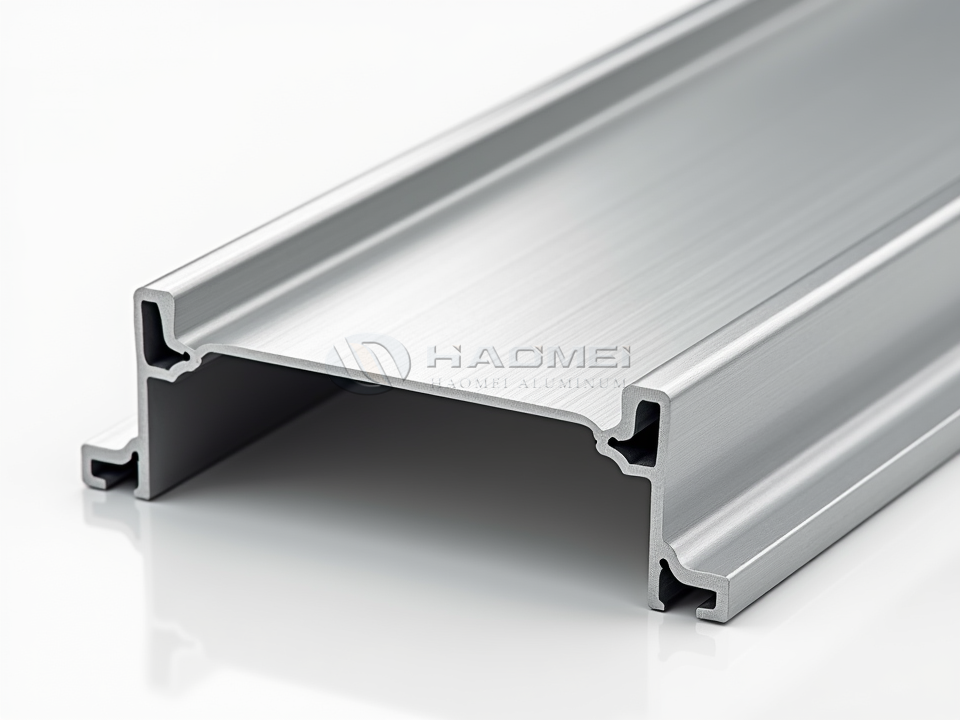
For projects where standard extrusions are not enough, Marine aluminum customized shapes can help match the railing profile to the deck layout, safety requirement, and installation method. This is especially useful when a customer wants a handrail that aligns with existing gunwale lines, dock edges, or platform equipment.
Corrosion Resistance Is a Design Habit
5052 performs well in marine environments, but good material choice should be supported by good design. Saltwater corrosion often begins in places people overlook: trapped moisture under brackets, unsealed crevices, mixed-metal fasteners, poor drainage holes, and rough weld zones that collect salt.
A well-designed 5052 railing should avoid water traps where possible. Horizontal surfaces should be minimized or shaped so water can run off. If base plates are used, drainage and sealant details should be considered. Fasteners should be compatible with aluminum, and isolation washers or coatings may be needed where stainless steel or other metals are attached.
Surface finish also affects service life. Mill finish may be acceptable for some industrial railing systems, but anodizing, powder coating, brushing, or marine paint systems can improve appearance and reduce cleaning effort. For offshore customers, finish selection should be based on exposure level, desired appearance, maintenance schedule, and contact with other equipment.
Welding and Fabrication Considerations
5052 is known for good weldability, which is a major advantage for railing fabrication. Welded joints are common in stanchions, corners, base assemblies, gates, and connection frames. Clean preparation is important. Aluminum oxide, oil, moisture, and salt contamination can weaken weld quality. Proper filler selection and controlled heat input help preserve strength and reduce distortion.
In railing work, distortion is more than a cosmetic issue. A long handrail that pulls out of alignment can create installation problems and uneven gaps. Fabricators should plan weld sequence, fixture the parts properly, and allow for heat movement. For customers ordering custom railings, it is worth asking how the fabricator controls straightness, hole alignment, and repeated section accuracy.
Bending is another strength of 5052. It can be formed into smooth curves and practical angles without the cracking risk seen in less formable materials. This allows designers to create railings that follow deck geometry while avoiding excessive welded joints. Fewer joints often mean cleaner appearance and fewer places for corrosion to start.
Safety Starts With the Small Details
Offshore railings must feel stable. A user may not know the alloy name, but they will notice if the handrail flexes too much, if posts vibrate, or if a gate latch feels weak. The correct profile thickness, post spacing, base design, and weld detail all affect confidence.
For fencing sections, customers should consider opening size, impact risk, and visibility. Solid panels may block wind and increase load on the railing. Open rail designs reduce wind pressure and allow water to pass through, but they must still prevent falls and meet site rules. Mesh or infill panels can be useful around machinery areas, passenger zones, or service platforms.
Handrail shape also matters. A comfortable gripping surface improves safety, especially in wet conditions. Sharp corners and rough welds should be removed. Edges should be finished so gloves, ropes, and clothing do not catch. These details may seem small, but they are often what separate a practical offshore railing from a decorative barrier.
Weight Savings Without a Fragile Feel
Every kilogram matters on a boat, floating dock, or offshore structure. Lighter railings can reduce load on deck foundations, simplify handling during installation, and make removable sections easier for crews. 5052 aluminum provides weight savings compared with steel while still offering a strong, solid feel when properly designed.
This does not mean every railing should be made thinner. Smart weight reduction comes from profile geometry, not simply from removing material. Tubes, channels, hollow profiles, and reinforced shapes can improve stiffness without unnecessary mass. The best design uses the alloy efficiently, placing material where it adds strength and removing it where it only adds weight.
Customers sourcing Marine aluminum fencing and railings should share details such as installation location, expected loads, coating preference, drawing requirements, and whether the railing must be fixed, removable, foldable, or modular. Better input at the start usually leads to better fit on site.
Custom Construction for Real Offshore Use
Custom offshore railing construction may include straight guardrails along deck edges, curved bow railings, access platform barriers, stair railings, fold-down safety rails, dock fencing, boarding gates, and equipment protection rails. Each type has different demands.
A boarding gate needs accurate hinges and dependable latches. A stair railing needs comfortable height and continuous grip. A platform railing near equipment may need removable panels for maintenance access. A bow or stern rail may need smooth curves and clean alignment with other hull profiles. 5052 supports these variations because it can be cut, formed, welded, and finished in many ways.
Modular construction is often useful offshore. Instead of one long welded assembly, railing sections can be built in manageable lengths and joined with sleeves, flanges, or bolted plates. This makes transport easier and reduces site installation time. It also allows damaged sections to be replaced without removing the full system.
What Customers Should Confirm Before Ordering
Before purchasing 5052 marine aluminum fencing and railings, customers should confirm alloy temper, dimensions, wall thickness, surface finish, tolerance requirements, and whether fabrication drawings are needed. If the railing will be installed in a regulated environment, load requirements and local safety standards should be checked early.
It is also wise to discuss packaging. Aluminum railings with finished surfaces can be scratched during transport if they are not protected properly. Long profiles should be supported to avoid bending. Welded assemblies should be packed so corners, brackets, and polished surfaces do not rub against each other.
Maintenance is simple but still necessary. Regular freshwater rinsing helps remove salt deposits. Inspection should focus on fasteners, weld areas, coating damage, and contact points between different metals. If the railing is powder coated or painted, small scratches should be repaired before corrosion can spread under the coating.
A Better Railing Is Felt Every Day
The best offshore railing is the one crews stop thinking about because it simply works. It stays firm under hand pressure, drains properly after spray, resists corrosion, fits the deck without awkward gaps, and does not demand constant repainting. 5052 marine aluminum fencing and railings support that kind of dependable performance.
For custom offshore railing construction, the material is only part of the answer. The real result comes from matching 5052 aluminum with thoughtful profile design, careful welding, suitable surface treatment, and installation details that respect the marine environment. When those pieces come together, the railing becomes more than a safety line. It becomes a durable working part of the vessel, dock, or offshore structure.

Related Products
Marine aluminum fencing and railings
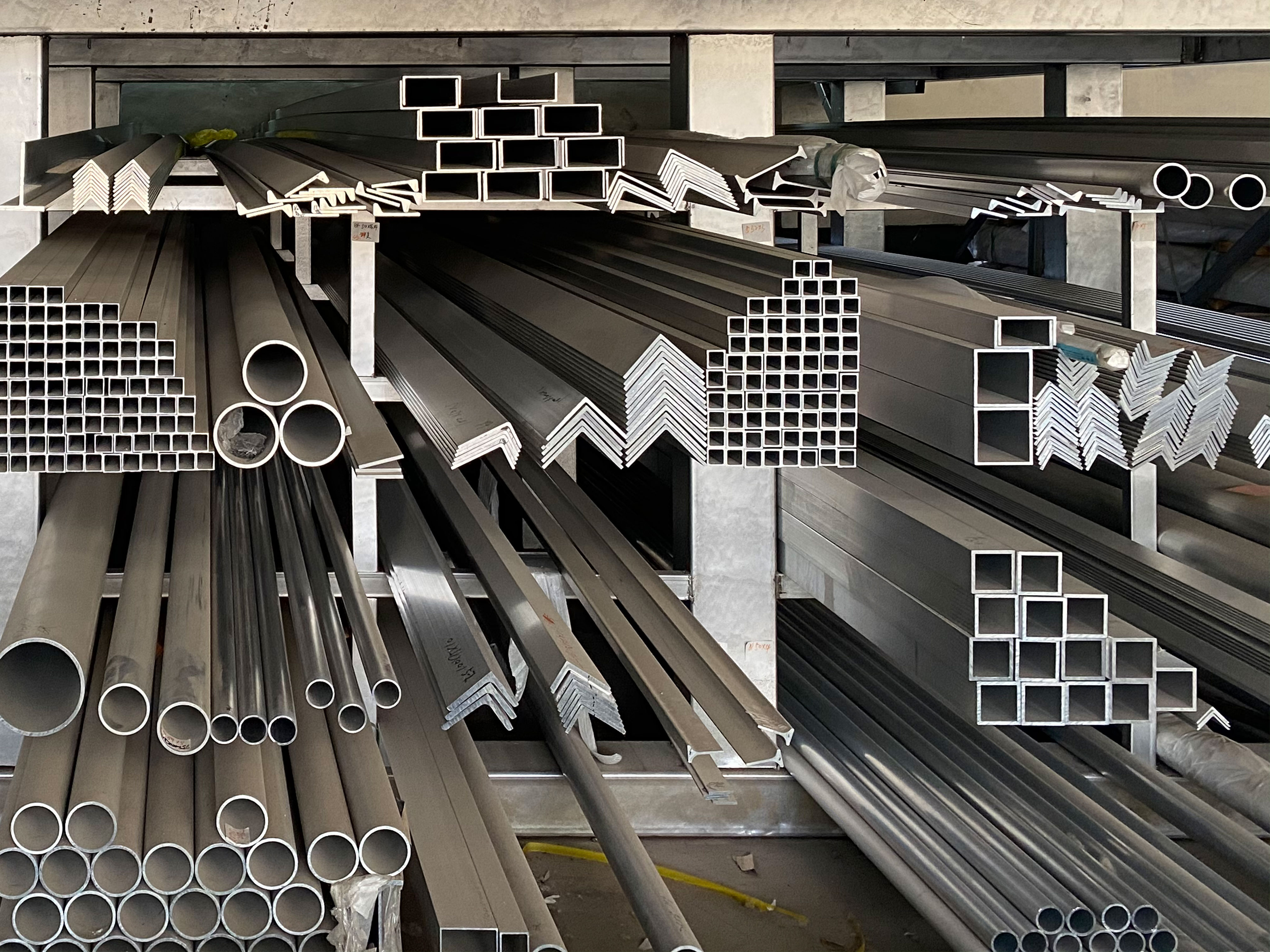
Marine Grade Aluminum Fencing and Railings are fabricated using marine-grade aluminum alloys such as 5083, 5052, and 6061, which are engineered specifically for protection against saltwater corrosion and marine atmospheric conditions.
View Details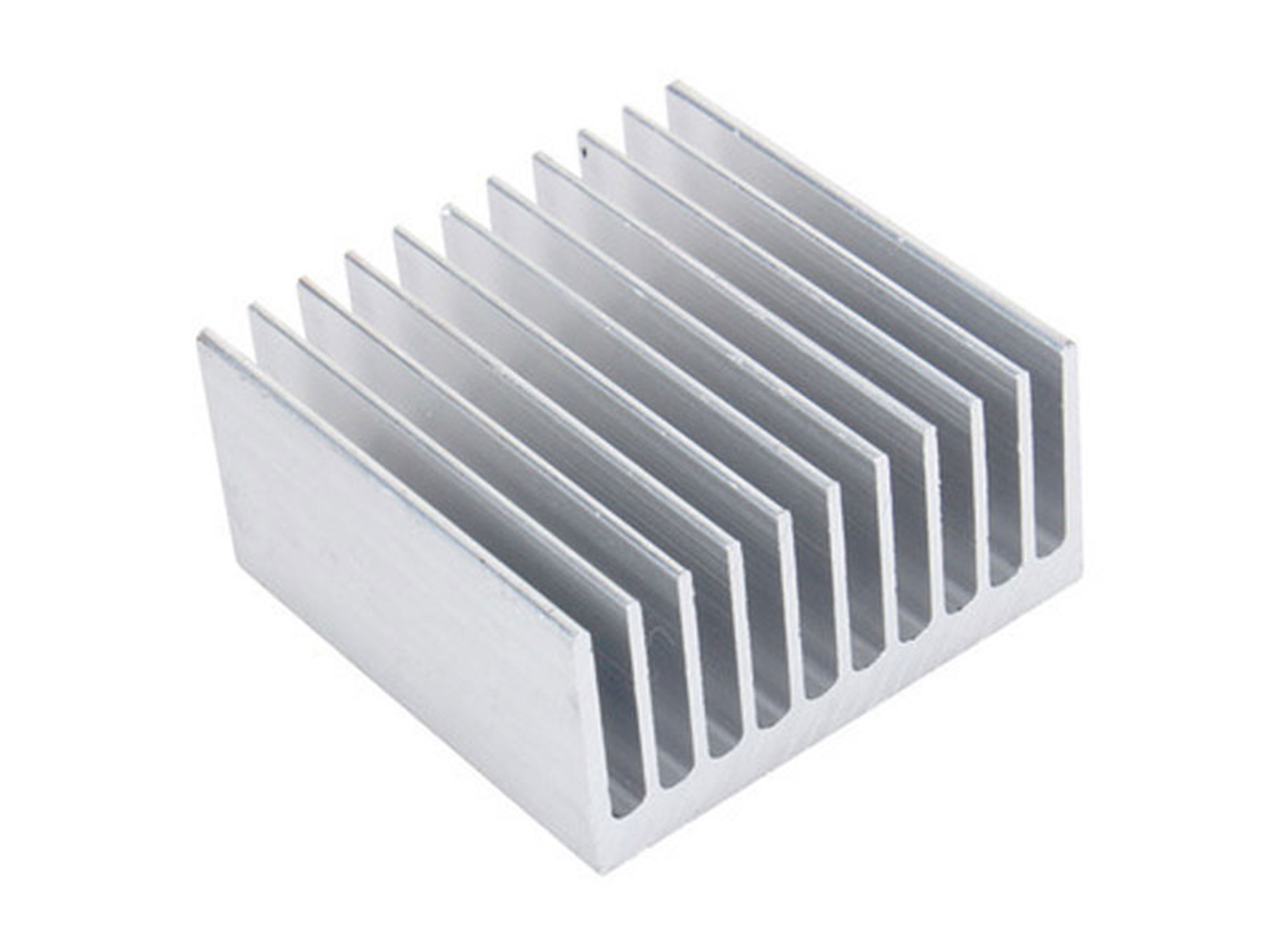
Marine aluminum heat sink profile
Marine Grade Aluminum Heat Sink Profiles utilize alloys such as 6061 and 6063 that not only exhibit high thermal conductivity but also possess excellent corrosion resistance required for saltwater exposure.
View Details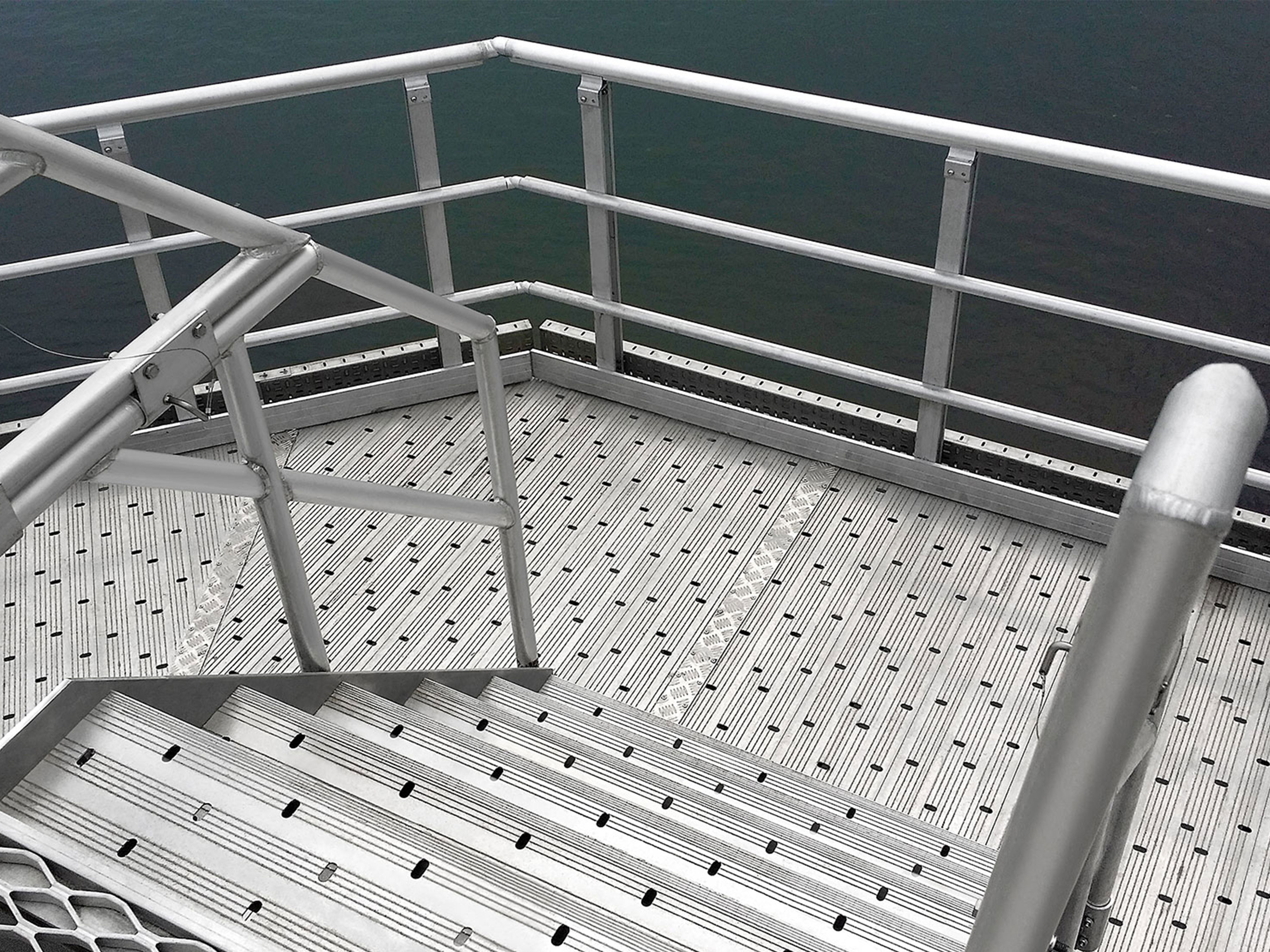
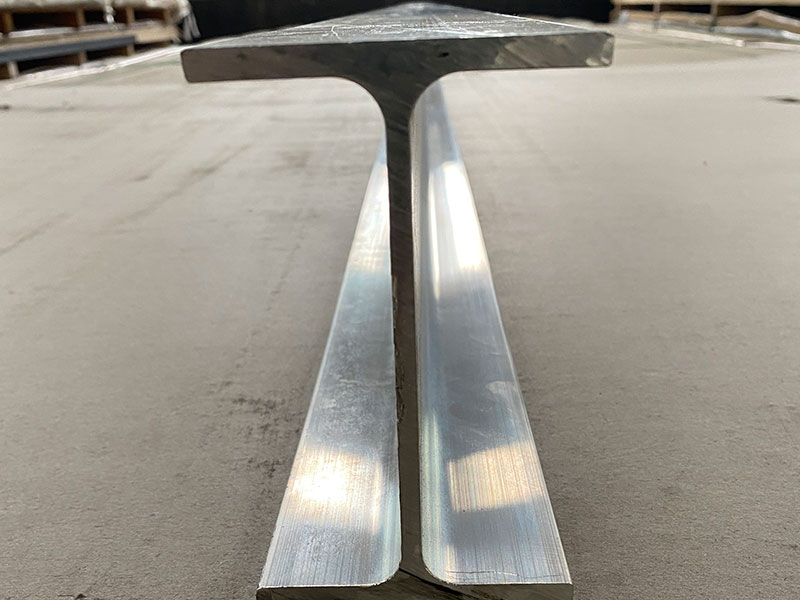
Marine aluminum customized shapes
Marine Grade Aluminum Customized Shapes encompass a broad range of aluminum extrusions and fabrications engineered beyond standard profiles—such as channels, angles, tubes, and beams—into complex, project-specific geometries.
View DetailsRelated Blog
Marine Aluminum Heat Sink Profile for Heavy Duty Offshore Cooling Systems
In the marine industry, cooling systems are critical components of any operation, especially in offshore applications where durability and reliability are imperative.
View Details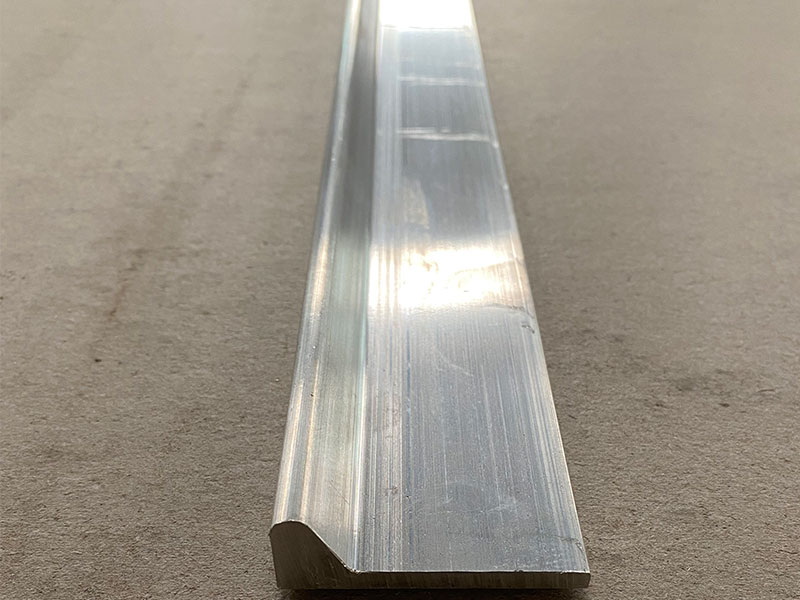
Marine Aluminum Customized Shapes for Offshore Construction and Deck Safety Solutions
Marine aluminum customized shapes are often introduced as "lightweight corrosion‑resistant metal," but offshore construction teams value them for something more specific: they turn the harshest environment into a predictable engineering problem.
View Details
6061 Marine Aluminum Heat Sink Profile for Cooling Solutions for Offshore Electronics
6061 Marine Aluminum Heat Sink Profile: Optimal Cooling Solutions for Offshore ElectronicsIn the demanding environment of offshore electronics, reliable thermal management is critical.
View Details
5083 Marine Aluminum Fencing and Railings for Custom Coastal Guardrails
5083 marine aluminum is a widely used alloy for coastal guardrails, fencing, and railings because it combines excellent corrosion resistance in seawater environments, strong mechanical properties, and good weldability.
View Details
Marine Aluminum Fencing and Railings for High Strength Boat Deck Safety Barriers
When it comes to ensuring safety on boat decks, the choice of fencing and railing materials plays a critical role. Marine aluminum fencing and railings have emerged as the premier solution for high strength, corrosion-resistant.
View Details
Marine Aluminum Fencing And Railings For Lightweight Boat And Ship Deck Railings
Explore marine aluminum fencing and railings for boat and ship decks, with alloy data, performance specs, installation guidance, and use cases.
View Details
Leave a Message