
3mm Marine Grade Aluminium Sheet
A 3mm marine grade aluminium sheet is a lightweight, corrosion-resistant material widely used in boatbuilding, offshore equipment, docks, transport bodies, and coastal structures. At this thickness, aluminium offers an effective balance between rigidity, formability, weldability, and low installed weight. It is especially suitable for panels, decks, bulkheads, cabins, lockers, consoles, interior partitions, and small-vessel hull components.
Marine-grade sheet is generally produced from 5xxx-series aluminium-magnesium alloys. These non-heat-treatable alloys develop strength through controlled cold working and retain excellent resistance to seawater exposure. The most frequently specified options at 3mm are 5052, 5083, and 5086.
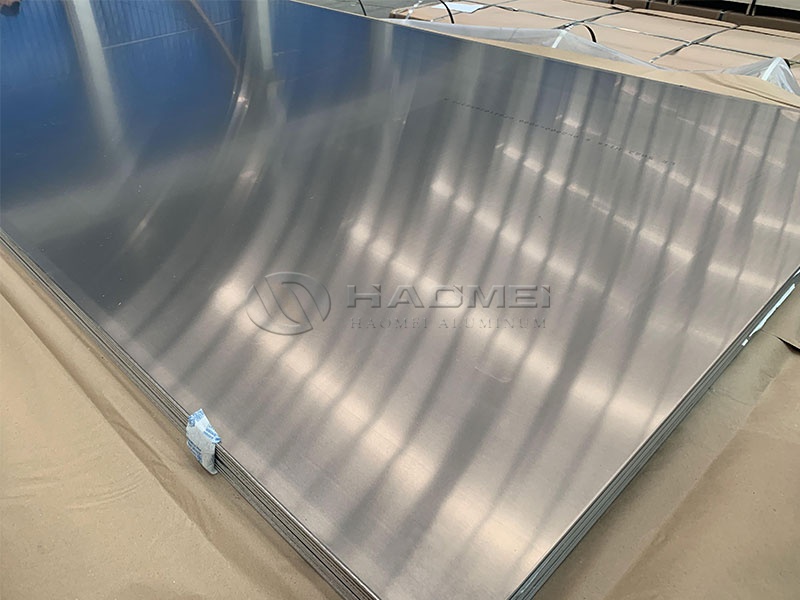
Why 3mm Aluminium Sheet Is Used in Marine Environments
Compared with steel, a 3mm aluminium sheet weighs roughly one-third as much while offering high natural resistance to salt spray and humid marine atmospheres. A stable aluminium oxide film forms naturally on the surface, helping protect the base metal from general corrosion. Magnesium-containing alloys improve this performance and provide dependable welded construction properties.
The material is practical for both structural and decorative work. It can be cut, bent, drilled, riveted, welded, and finished by brushing, painting, powder coating, or anodizing where the selected alloy and finish process are compatible.
| Function | Benefit of 3mm Marine Aluminium Sheet |
|---|---|
| Weight reduction | Reduces vessel mass, supporting payload capacity and fuel efficiency |
| Corrosion resistance | Performs well in saltwater, splash-zone, and humid coastal conditions |
| Structural paneling | Provides useful stiffness for bulkheads, decks, doors, lockers, and cabin panels |
| Welded fabrication | Suitable for MIG and TIG welding with compatible filler metal |
| Forming and shaping | Can be bent or rolled for consoles, curved panels, coamings, and covers |
| Low maintenance | Does not rust like carbon steel and can be easily cleaned or recoated |
Common Alloys for 3mm Marine Grade Aluminium Sheet
5052 is a popular choice for general marine fabrication. It has very good corrosion resistance, good formability, and reliable weldability. It is often selected for cabin sides, interior panels, fuel tanks, hatch covers, and non-critical structural components.
5083 provides higher strength and is frequently used where demanding seawater performance is required. In suitable tempers such as H116 or H321, it is commonly used for hull plating, decks, bulkheads, superstructures, and workboat structures. For demanding vessel projects, Marine 5083 aluminum sheet is often specified because of its strong welded performance and corrosion resistance.
5086 is another marine-focused alloy with good strength, weldability, and corrosion behavior. It is used for welded hull structures, tanks, and marine fabrication that requires higher strength than 5052.
| Alloy | Main Alloying Element | Typical 3mm Tempers | Relative Strength | Typical Marine Use |
|---|---|---|---|---|
| 5052 | Magnesium | H32, H34, O | Medium | Cabin panels, tanks, trim, lockers, interiors |
| 5083 | Magnesium | O, H111, H116, H321 | High | Hulls, decks, bulkheads, superstructures |
| 5086 | Magnesium | H32, H111, H116 | High | Welded hull parts, tanks, structural panels |
| 5454 | Magnesium | H32, H34, O | Medium | Vehicle bodies, tanks, marine service panels |
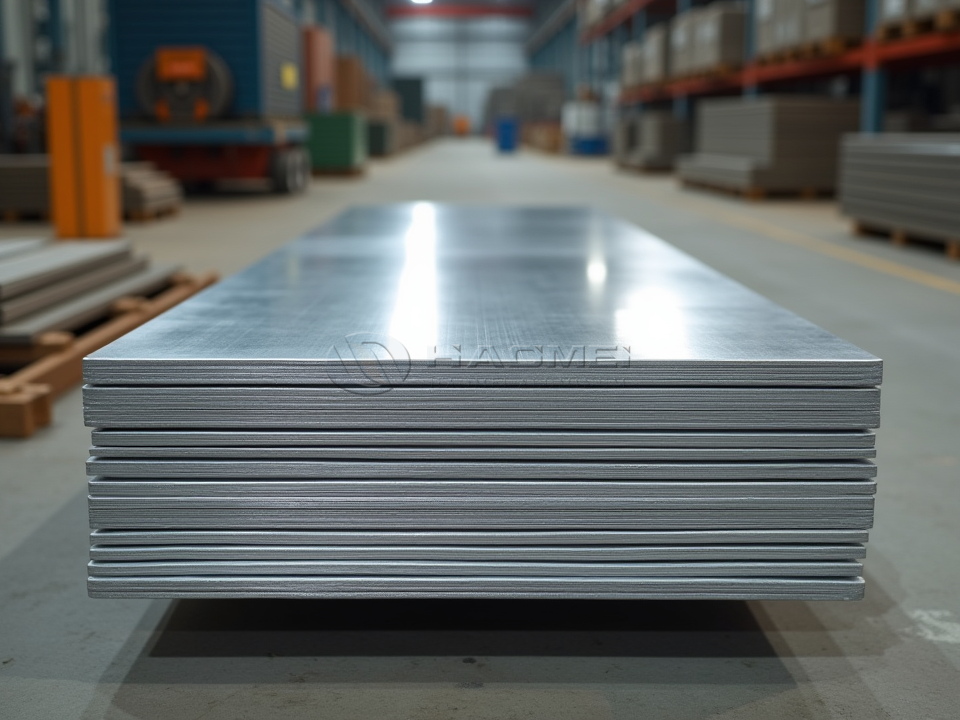
Chemical Composition
The chemistry of marine aluminium is controlled to deliver corrosion resistance, workability, and stable mechanical performance. Values shown are typical maximum or specified composition limits in weight percent; requirements can vary slightly by the governing standard.
| Element, % | 5052 | 5083 | 5086 |
|---|---|---|---|
| Silicon, Si | 0.25 max | 0.40 max | 0.40 max |
| Iron, Fe | 0.40 max | 0.40 max | 0.50 max |
| Copper, Cu | 0.10 max | 0.10 max | 0.10 max |
| Manganese, Mn | 0.10 max | 0.40-1.00 | 0.20-0.70 |
| Magnesium, Mg | 2.2-2.8 | 4.0-4.9 | 3.5-4.5 |
| Chromium, Cr | 0.15-0.35 | 0.05-0.25 | 0.05-0.25 |
| Zinc, Zn | 0.10 max | 0.25 max | 0.25 max |
| Titanium, Ti | - | 0.15 max | 0.15 max |
| Aluminium, Al | Balance | Balance | Balance |
Higher magnesium content gives 5083 and 5086 their higher strength. It also makes material selection and fabrication control important for long-term marine service, particularly in warm applications. Appropriate tempers, sound welding practice, drainage design, and isolation from dissimilar metals all contribute to service life.
Temper Conditions and Mechanical Performance
The temper identifies the metallurgical condition after rolling or stabilization. H32 and H34 indicate strain-hardened tempers with different strength levels. O temper is fully annealed and offers maximum forming ability. H116 and H321 are commonly chosen for 5xxx marine plates and sheets requiring improved resistance to exfoliation and intergranular corrosion.
| Alloy and Temper | Tensile Strength, MPa | Yield Strength, MPa | Elongation, % | Fabrication Character |
|---|---|---|---|---|
| 5052-O | 170-215 | 65 min | 18 min | Excellent for forming and bending |
| 5052-H32 | 210-260 | 160 min | 10 min | Balanced strength and workability |
| 5052-H34 | 230-280 | 190 min | 8 min | Higher hardness for durable panels |
| 5083-O | 275-350 | 125 min | 16 min | Good forming with high alloy strength |
| 5083-H116 | 305-385 | 215 min | 10 min | Marine structural sheet and plate |
| 5083-H321 | 305-385 | 215 min | 10 min | Stabilized condition for marine structures |
| 5086-H32 | 260-310 | 180 min | 8 min | Strong, weldable marine fabrication |
Mechanical values are typical guidance for approximately 3mm material. Confirm project-specific requirements through the mill test certificate and applicable standard.
Technical Specifications and Physical Data
A 3mm sheet is normally supplied in mill finish, although protective film, brushed finishes, painted coil-coated surfaces, or custom cut sizes may be available. Standard sheet dimensions vary by mill and region.
| Parameter | Typical Value or Option |
|---|---|
| Nominal thickness | 3.00 mm |
| Common thickness tolerance | According to EN 485-4 or ASTM B209 agreement |
| Density, 5052 | Approximately 2.68 g/cm³ |
| Density, 5083 | Approximately 2.66 g/cm³ |
| Approximate weight per m² at 3mm | 7.98-8.04 kg/m² |
| Approximate 1500 x 3000mm sheet weight | 35.9-36.2 kg |
| Typical widths | 1000 mm, 1250 mm, 1500 mm, 2000 mm |
| Typical lengths | 2000 mm, 2500 mm, 3000 mm, 6000 mm, custom |
| Surface | Mill finish, PVC film, brushed, coated, or anodized by agreement |
| Edge condition | Mill edge, slit edge, trimmed edge, or cut-to-size |
Standards and Documentation
Material must be selected against the vessel design, operating environment, classification requirement, and welding procedure. Internationally recognized standards provide a common basis for chemical composition, mechanical properties, tolerances, and certification.
| Standard or Document | Relevance to 3mm Marine Aluminium Sheet |
|---|---|
| ASTM B209 | Aluminium and aluminium-alloy sheet and plate requirements |
| EN 485-2 | Mechanical property requirements for sheet, strip, and plate |
| EN 485-4 | Dimensional and form tolerances for sheet and plate |
| EN 573-3 | Chemical composition limits for aluminium alloys |
| EN 10204 3.1 | Mill test certificate with traceable inspection results |
| DNV, ABS, Lloyd's Register | Classification approval may be requested for regulated vessel construction |
Fabrication and Installation Guidance
For welded fabrication, 5356 filler wire is commonly used with 5083 and 5086, while 5183 may be selected for higher-strength 5xxx welded structures. Final filler selection should follow the approved welding procedure specification. Welding softens the heat-affected zone in strain-hardened material, so structural design must account for reduced local strength adjacent to welds.
Use clean, dedicated aluminium tools where possible. Carbon-steel contamination can create surface staining and corrosion sites. Stainless steel fasteners should be electrically isolated from aluminium using suitable washers, sealants, or barrier tapes, especially in wet saltwater service. Avoid water traps, seal unprotected crevices, and provide drainage around joints.
A 3mm marine grade aluminium sheet delivers practical corrosion resistance, manageable fabrication, and efficient structural weight for a broad range of marine projects. Selecting the correct alloy and temper, supported by certified material documentation, helps ensure dependable performance from the workshop to long-term service on the water.

Related Products
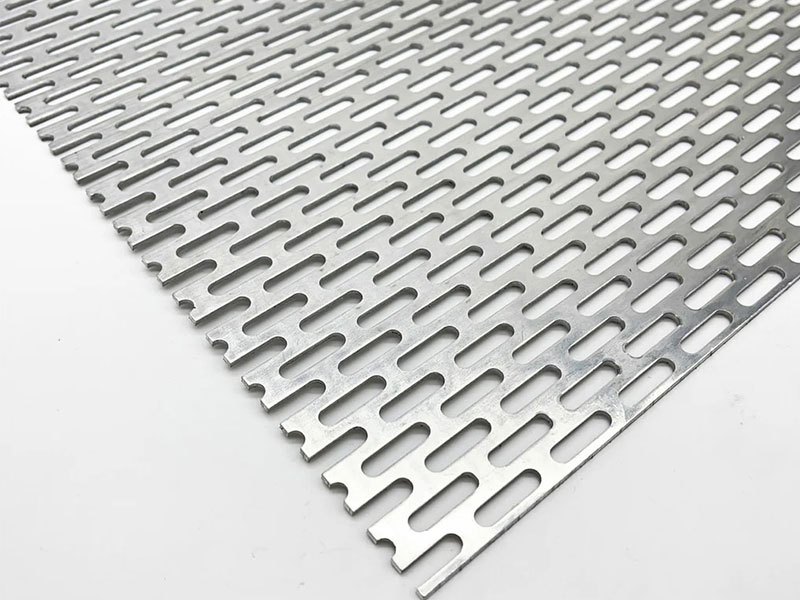
Marine perforated aluminum sheets
Marine Perforated Aluminum Sheets feature a series of uniform holes or shapes punched through the aluminum surface. These perforations can vary in size, pattern, and open area to tailor the sheets for specific applications.
View Details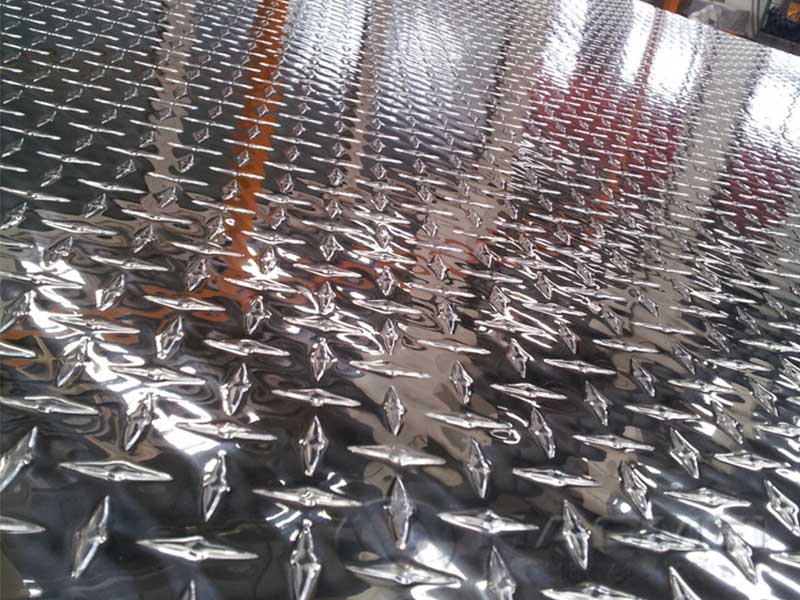
Marine Aluminum Tread Sheets
Marine Aluminum Tread Sheets are aluminum alloy plates featuring a raised surface pattern, commonly referred to as a tread design or diamond plate.
View Details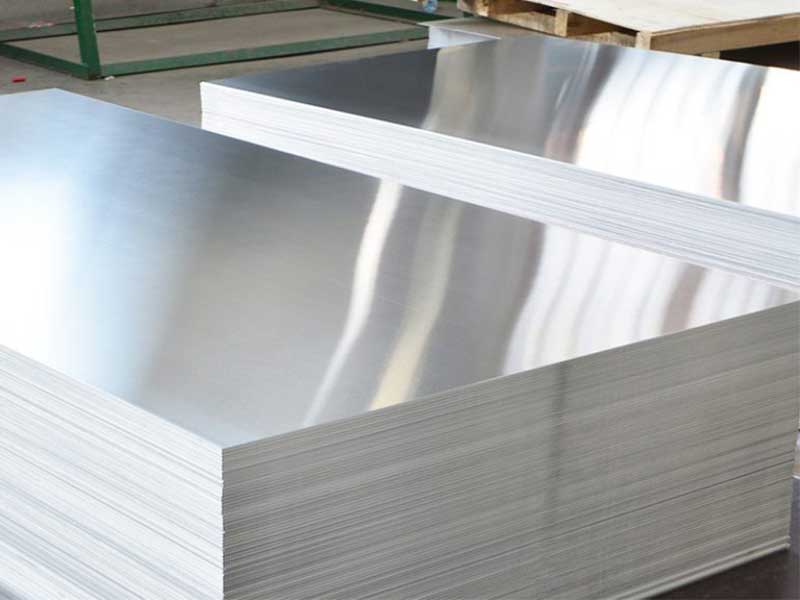
Marine anodized aluminum sheets
Marine Anodized Aluminum Sheets start with premium marine-grade aluminum alloys such as 5000 and 6000 series (typically 5083, 5052, and 6061).
View Details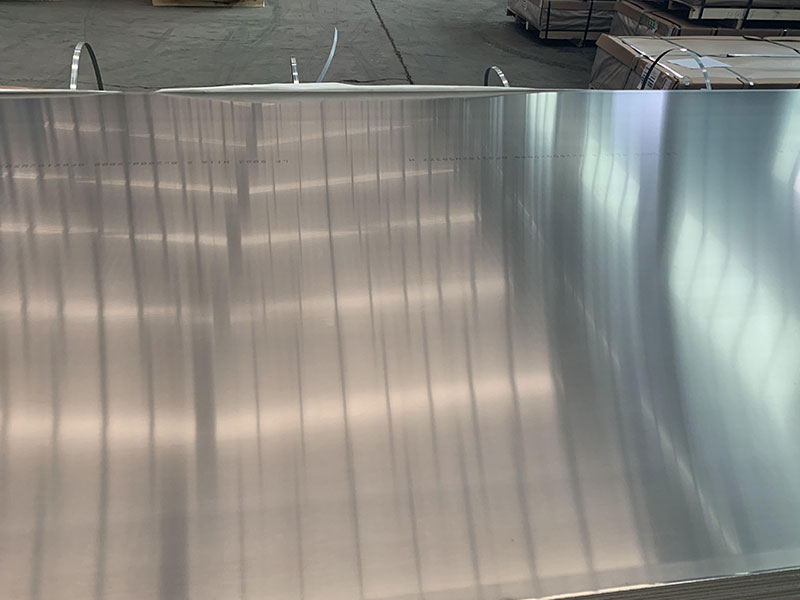
Marine 5383 aluminum sheet
5383 aluminum is a strain-hardened, non-heat-treatable alloy from the 5xxx series primarily alloyed with magnesium. It exhibits a unique balance of corrosion resistance and mechanical properties particularly suited for marine applications.
View Details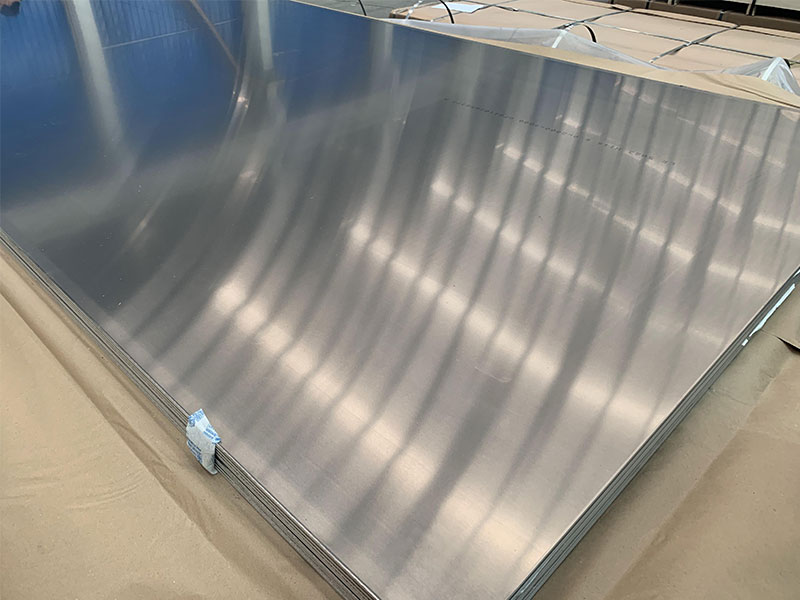
Marine 5052 aluminum sheet
Aluminum alloy 5052 is a non-heat-treatable, strain-hardened alloy with magnesium as the primary alloying element. It is designed to offer superior corrosion resistance in marine and saline environments, making it a dependable choice for components exposed directly to seawater or coastal atmospheric conditions.
View Details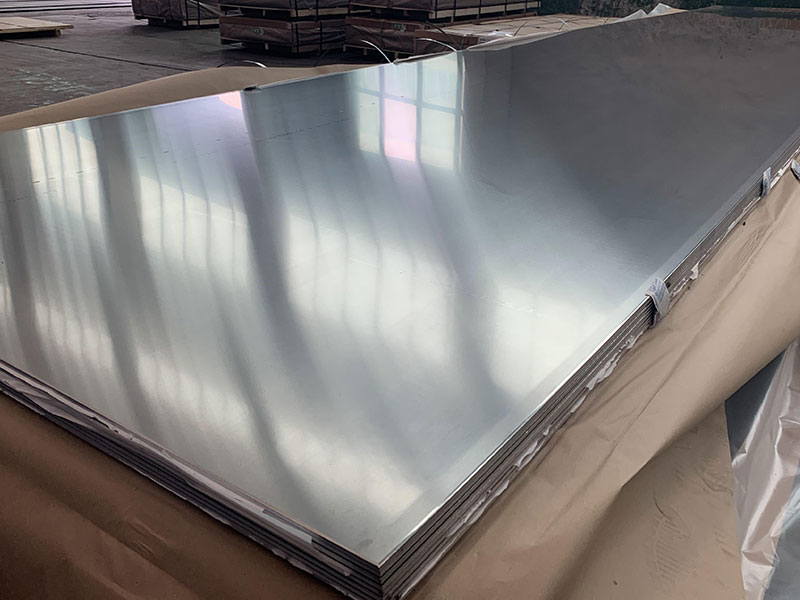
Marine 5086 aluminum sheet
This product article provides an in-depth and comprehensive understanding of Marine 5086 Aluminum Sheets, including their chemical composition, mechanical properties, corrosion resistance, fabrication capabilities, and typical marine applications.
View DetailsRelated Blog
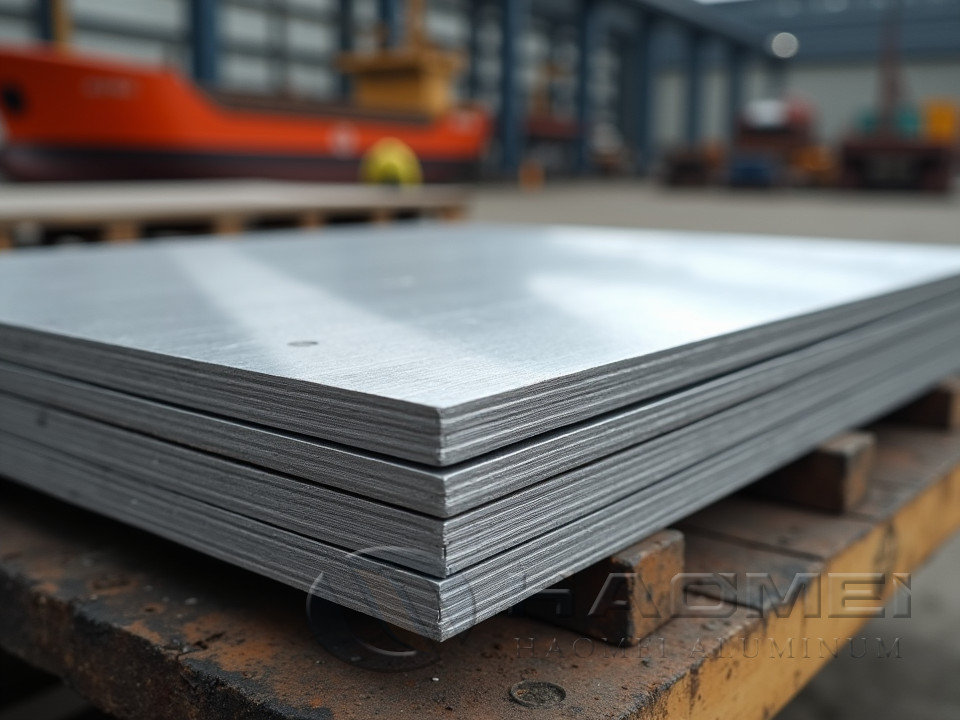
5086 Marine Heavy Duty Aluminum Plate
5086 marine heavy duty aluminum plate delivers seawater corrosion resistance, weldability, strength, and stable service for hulls and offshore structures.
View Details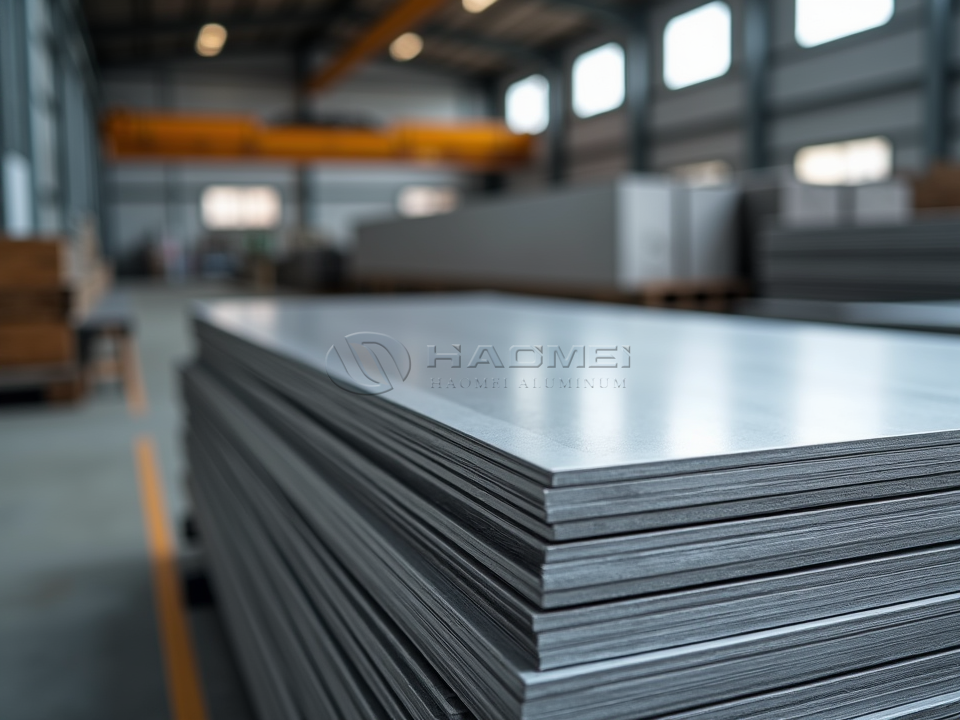
Marine Grade Aluminium 5052 3mm Aluminium Sheet Sizes
A practical guide to 5052 3 mm marine aluminium sheet sizes, properties, corrosion resistance, fabrication benefits, and boatbuilding applications for buyers.
View Details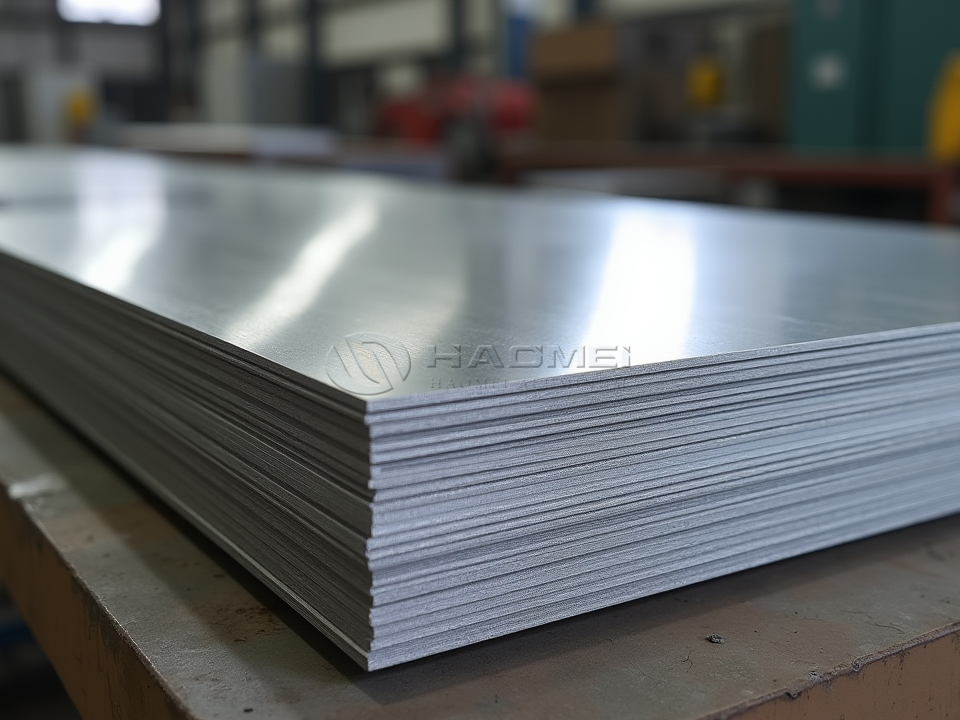
Marine Aluminum Alloy 5083 Sheet Mirror
Marine Aluminum Alloy 5083 Sheet Mirror combines a bright polished surface with high magnesium strength, corrosion resistance, temper options, and marine standards.
View Details
5083 as Marine Aluminum Plate
Learn how 5083 marine aluminum plate combines magnesium-rich strength, seawater corrosion resistance, weldability, tempers, standards, and selection data.
View Details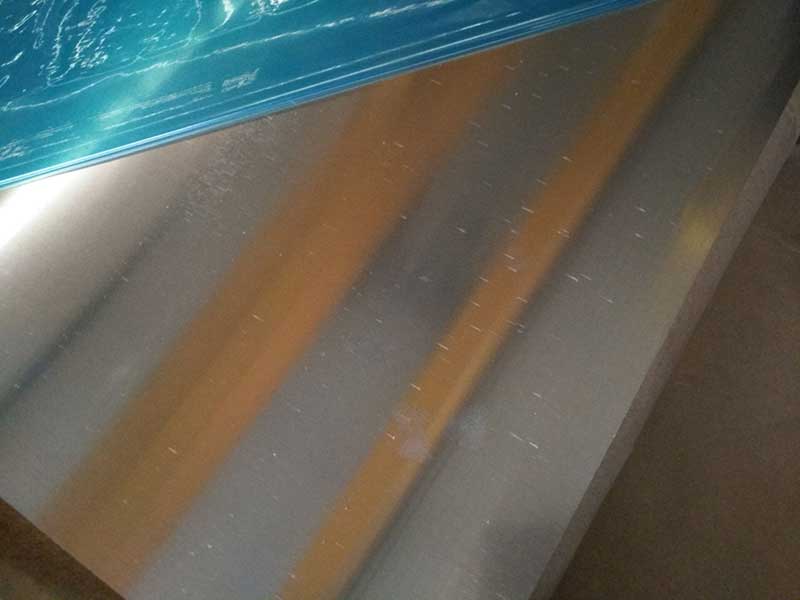
1060 2024 3003 6061 7075 aluminum sheet for boat
When selecting aluminum sheets for marine applications, one must consider not only the alloy's strength and weight but also its resistance to corrosion, formability, and other properties that can influence a vessel's performance and longevity.
View Details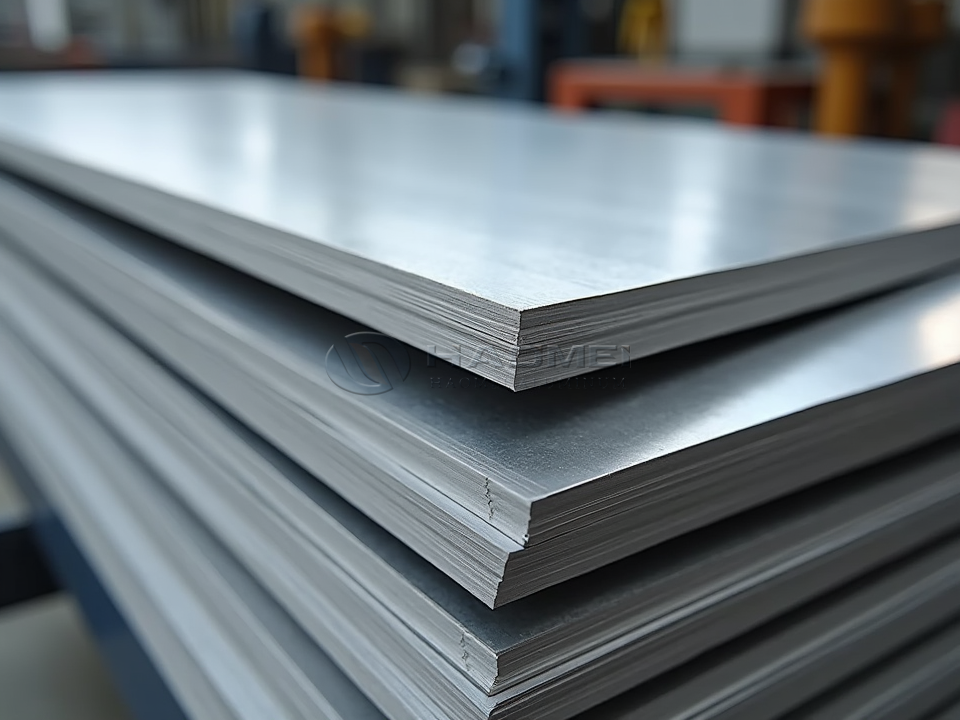
Aluminum Sheet Metal for Boat Building
Learn how marine aluminum sheet supports boat hulls, decks, cabins, tanks, and fittings, with alloy tempers, standards, dimensions, and chemistry data.
View Details
Leave a Message