
Aluminum Sheet Metal for Boat Building
Aluminum sheet metal for boat building is more than a lightweight substitute for steel. It is a working structural material that must absorb vibration, resist salt spray, accept welded joints, and retain dependable strength through years of wave impact. The best marine sheet does not simply survive seawater; it supports the way a boat is built, operated, repaired, and maintained.
For builders of fishing boats, patrol craft, workboats, ferries, landing vessels, yachts, and small recreational craft, aluminum is often selected for its high strength-to-weight ratio. A lighter hull can require less power, carry more useful payload, and respond more efficiently in changing water conditions. At the same time, aluminum naturally develops a protective oxide film that helps resist corrosion when the correct marine alloy and fabrication practices are used.
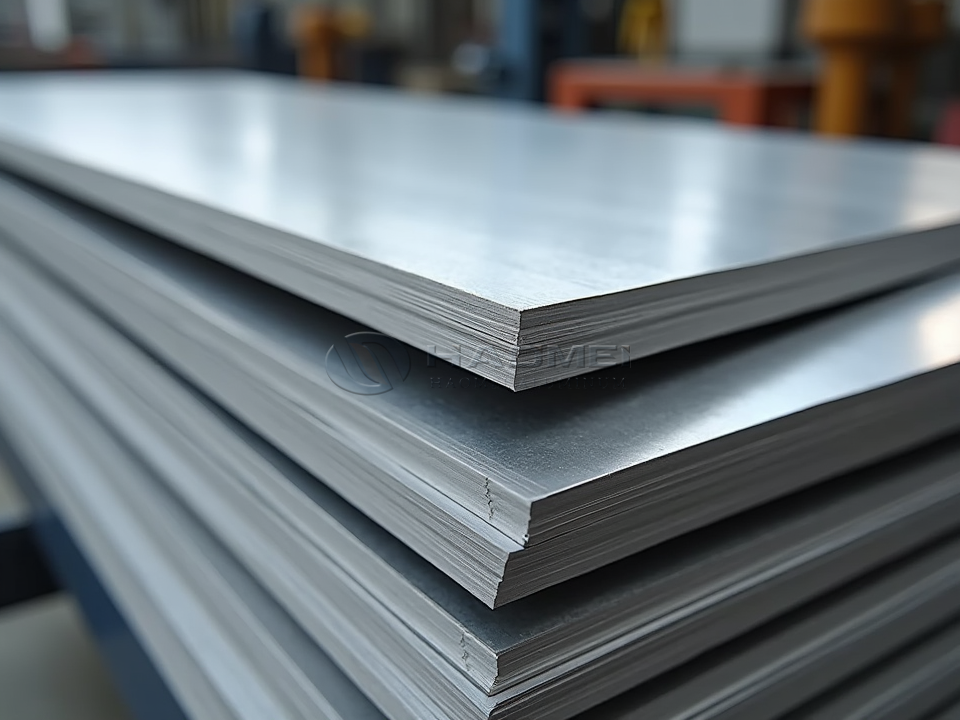
Marine Aluminum as a Functional Boat Component
The function of aluminum sheet metal changes with its location on the vessel. Hull plating carries hydrostatic pressure, slamming loads, abrasion, and localized impact. Deck sheet provides walking surfaces and supports fittings such as cleats, rails, hatches, and equipment mounts. Cabin panels need good formability and a clean surface for painting or finishing. Fuel tanks, storage boxes, fish holds, and interior partitions benefit from aluminum's corrosion resistance, low weight, and practical weldability.
This is why a single alloy is not always ideal for every part of a boat. High-magnesium 5xxx series alloys are the common choice for welded marine structures because they offer excellent seawater corrosion resistance without relying on heat treatment for strength. Alloy 5083 is widely used where hull strength is critical, while 5086 provides reliable corrosion resistance and weld performance for hulls, superstructures, and tanks. Alloy 5052 is often chosen for lighter-duty panels, cabinetry, trim, and formed parts.
For demanding shell plating, Marine 5083 aluminum sheet offers a strong balance of weldability, fatigue performance, and resistance to saltwater exposure. For decks, consoles, partitions, and fabricated equipment enclosures, Marine 5052 aluminum sheet is a practical option with good bending behavior.
Alloy Selection Through the Lens of Boat Loads
Rather than selecting metal only by thickness, boat builders should consider how each panel works under load. A hull bottom experiences repeated flexing and impact from waves. It normally requires thicker 5083 or 5086 plate in H116 or H321 temper. These tempers are processed to improve resistance to exfoliation corrosion and stress-corrosion cracking in marine service.
Hull sides may use slightly thinner sheet because wave impact is lower than at the bottom. Deck panels must resist foot traffic and local point loads, while still maintaining stiffness between supporting frames. Cabin sides and roof panels can often use 5052-H32 or 5052-H34, especially when forming, bending, or cosmetic finishing is important.
Typical material ranges include:
- Hull bottom plating: 4 mm to 12 mm, depending on vessel size, operating speed, frame spacing, and classification requirements
- Hull side plating: 3 mm to 8 mm
- Decks and bulkheads: 2 mm to 6 mm
- Cabin panels and interior structures: 1.5 mm to 4 mm
- Fuel tanks and fabricated boxes: 2 mm to 5 mm
Large vessels and high-impact workboats may require substantially thicker plate after structural calculations. Thickness should never be chosen from a general chart alone; it must correspond to vessel design loads, frame arrangement, welding layout, and applicable marine rules.
Temper Conditions That Affect Fabrication
Temper describes the condition of the aluminum after rolling, annealing, or strain hardening. It changes bending response, strength, and suitability for welded fabrication.
The O temper is fully annealed and soft. It is suitable for parts requiring deep forming, tight bending, or complex shaping. Since it has lower strength, it is more often used for formed components than highly loaded hull plating.
H32 indicates strain hardening and partial stabilization. It provides moderate strength with good workability, making it common for 5052 sheet used in interior marine applications, deck equipment, and formed panels.
H34 has greater strain hardening than H32. It offers higher strength but less formability, making it suitable for flat or gently formed components where stiffness is beneficial.
H116 and H321 are especially important for 5083 and 5086 marine plate. These tempers are intended for demanding saltwater environments and are widely specified for welded hull structures. During welding, strength in the heat-affected zone decreases, so designers must account for welded mechanical properties rather than relying only on parent-metal values.
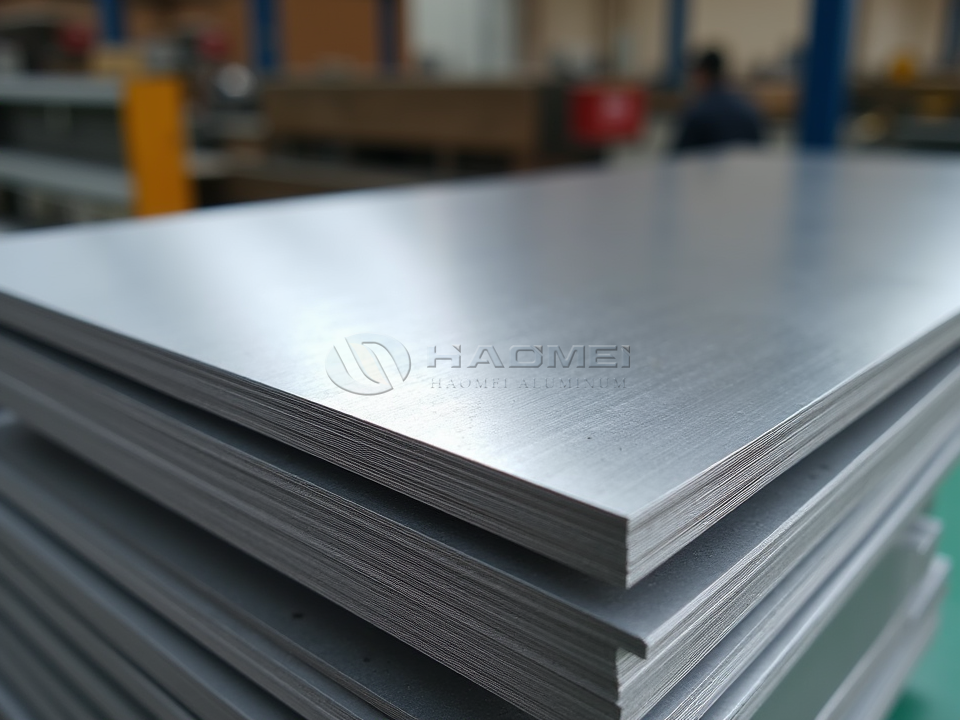
Common Mechanical Parameters
The actual values depend on thickness, temper, product form, and governing standard. Typical room-temperature ranges for marine sheet and plate are shown here.
| Alloy and Temper | Typical Tensile Strength | Typical Yield Strength | Elongation | Common Boat Uses |
|---|---|---|---|---|
| 5052-H32 | 210-260 MPa | 130-195 MPa | 10-18% | Cabin panels, lockers, trim, formed sheets |
| 5052-H34 | 230-280 MPa | 160-215 MPa | 8-15% | Deck panels, brackets, general fabrication |
| 5083-O | 275-350 MPa | 125-200 MPa | 12-20% | Curved hull sections, formed structural parts |
| 5083-H116/H321 | 305-385 MPa | 215-305 MPa | 10-16% | Hull bottoms, sides, bulkheads, decks |
| 5086-H116 | 290-360 MPa | 205-275 MPa | 10-16% | Hulls, tanks, superstructures |
Aluminum density is approximately 2.66 to 2.68 g/cm3, about one-third of carbon steel. Its elastic modulus is approximately 69 GPa, lower than steel, which means aluminum structures often require careful stiffener spacing and panel design to control deflection.
Chemical Composition and Its Marine Role
Magnesium is the principal strengthening element in 5xxx marine alloys. It improves strength while preserving excellent corrosion resistance. Manganese supports grain structure and toughness, while chromium helps control grain growth and improves resistance to certain corrosion mechanisms. Copper is tightly restricted because excessive copper can reduce seawater corrosion resistance.
| Alloy | Mg % | Mn % | Cr % | Si % Max | Fe % Max | Cu % Max | Al % |
|---|---|---|---|---|---|---|---|
| 5052 | 2.2-2.8 | 0.10 max | 0.15-0.35 | 0.25 | 0.40 | 0.10 | Balance |
| 5083 | 4.0-4.9 | 0.40-1.0 | 0.05-0.25 | 0.40 | 0.40 | 0.10 | Balance |
| 5086 | 3.5-4.5 | 0.20-0.7 | 0.05-0.25 | 0.40 | 0.50 | 0.10 | Balance |
Standards and Delivery Conditions
Marine aluminum sheet metal is commonly produced and inspected to ASTM B928/B928M for high-magnesium alloy plate used in marine service. ASTM B209/B209M may apply to aluminum sheet and plate for general applications. European projects may specify EN 485 for tolerances and mechanical properties, EN 573 for chemical composition, and EN 10204 3.1 inspection certificates. Classification projects can also require approval or material documentation aligned with DNV, ABS, Lloyd's Register, Bureau Veritas, or other vessel classification societies.
Standard supply forms include mill finish sheet, plate, cut-to-size blanks, and protective-film surfaces for appearance-sensitive panels. Typical widths range from 1,000 mm to 2,500 mm, with broader plate available for large hull construction. Longer sheets reduce transverse weld seams, which can improve fabrication efficiency and reduce potential distortion.
Fabrication Practices That Protect Marine Performance
Marine aluminum performs best when fabrication respects its electrochemical environment. Use compatible 5xxx filler wire, such as 5183 or 5356 where appropriate, and keep surfaces clean before MIG or TIG welding. Avoid carbon-steel contamination from shared brushes, grinding discs, or handling tools. Stainless fasteners require electrical isolation where galvanic corrosion could occur, especially in damp crevices or continuously wet areas.
Drainage, sealing, coating selection, and ventilation matter as much as alloy grade. Trapped seawater can create crevice corrosion even on highly corrosion-resistant aluminum. Good boat design allows water to escape, avoids unsealed lap joints, and separates dissimilar metals with nonconductive barriers or suitable sealants.
Aluminum sheet metal for boat building becomes most effective when alloy, temper, thickness, welding method, and structural design are treated as one system. Properly specified 5052, 5083, or 5086 marine sheet creates a hull and superstructure that are lighter, durable, repairable, and ready for long-term work on the water.

Related Products
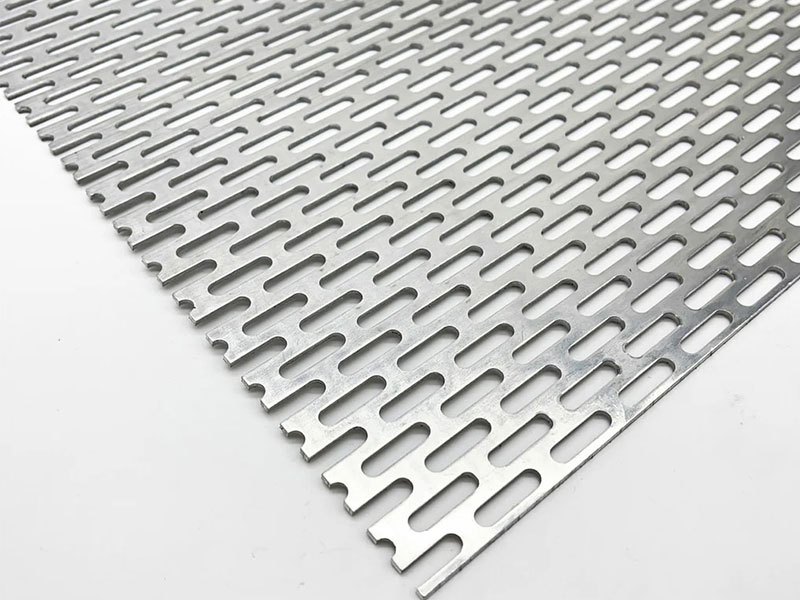
Marine perforated aluminum sheets
Marine Perforated Aluminum Sheets feature a series of uniform holes or shapes punched through the aluminum surface. These perforations can vary in size, pattern, and open area to tailor the sheets for specific applications.
View Details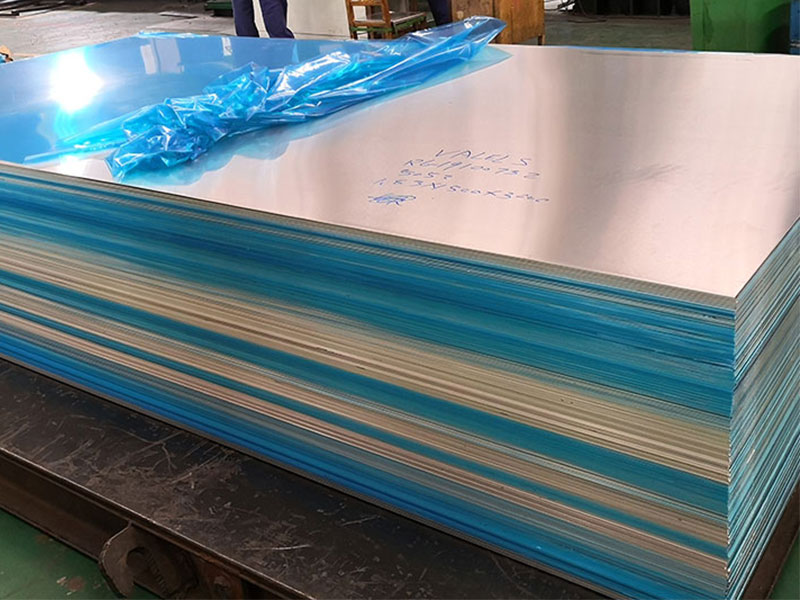
Marine 5059 aluminum sheet
5059 aluminum alloy is a strain-hardened material with a unique addition of magnesium and chromium, which provides outstanding resistance to localized corrosion like pitting and stress corrosion cracking.
View Details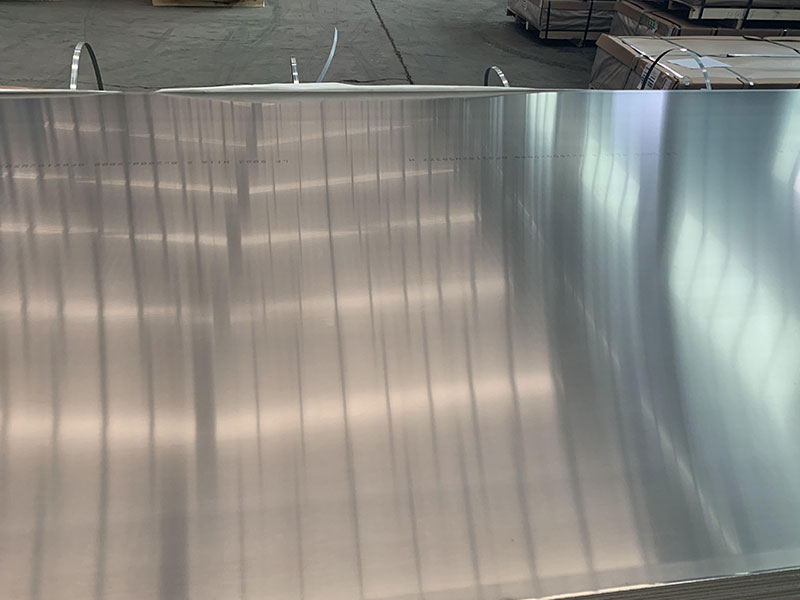
Marine 5383 aluminum sheet
5383 aluminum is a strain-hardened, non-heat-treatable alloy from the 5xxx series primarily alloyed with magnesium. It exhibits a unique balance of corrosion resistance and mechanical properties particularly suited for marine applications.
View Details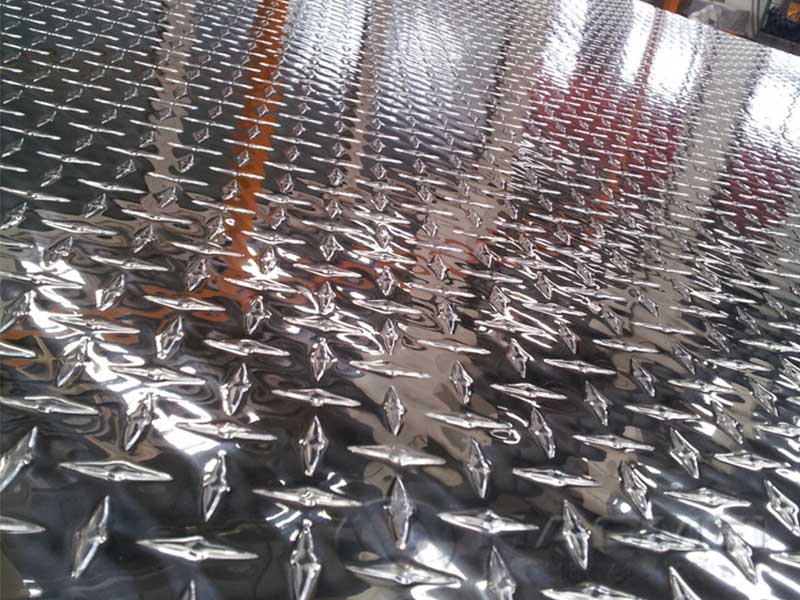
Marine Aluminum Tread Sheets
Marine Aluminum Tread Sheets are aluminum alloy plates featuring a raised surface pattern, commonly referred to as a tread design or diamond plate.
View Details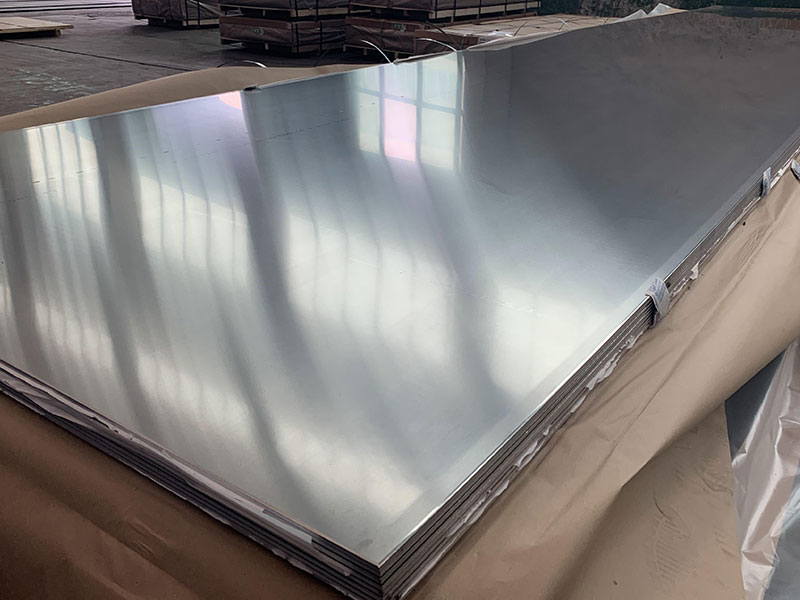
Marine 5086 aluminum sheet
This product article provides an in-depth and comprehensive understanding of Marine 5086 Aluminum Sheets, including their chemical composition, mechanical properties, corrosion resistance, fabrication capabilities, and typical marine applications.
View Details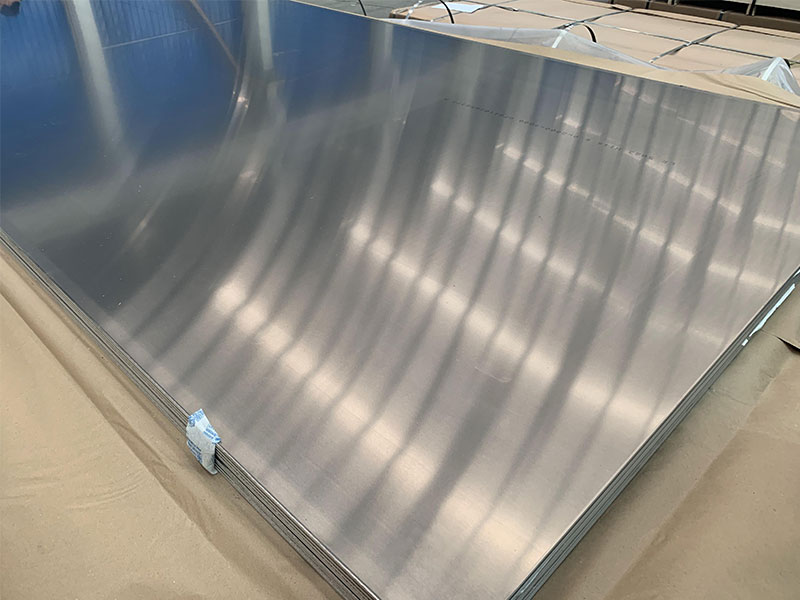
Marine 5052 aluminum sheet
Aluminum alloy 5052 is a non-heat-treatable, strain-hardened alloy with magnesium as the primary alloying element. It is designed to offer superior corrosion resistance in marine and saline environments, making it a dependable choice for components exposed directly to seawater or coastal atmospheric conditions.
View DetailsRelated Blog
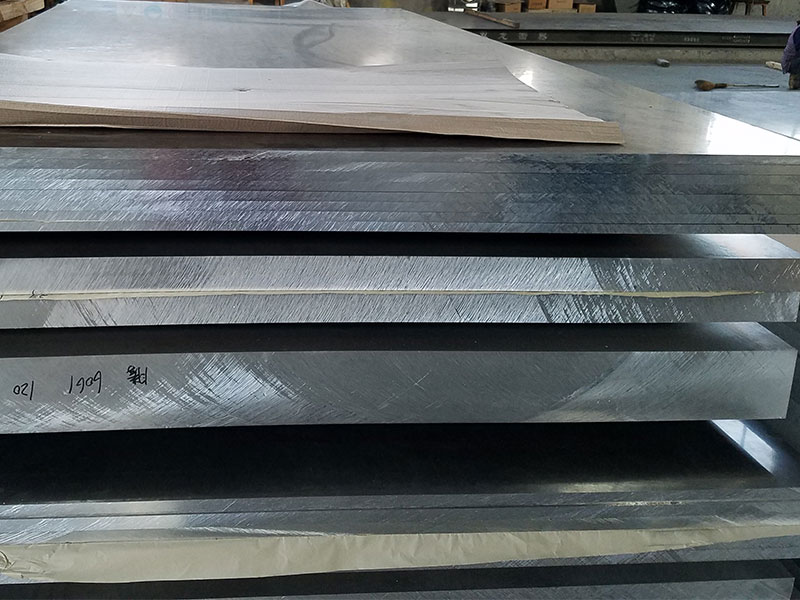
Aluminum marine grade
Marine Grade Aluminum: Capacity, Applications, and Class StandardsIn the vast expanse of the world’s oceans and waterways, the need for robust, resilient materials is manifolds greater than in conventional industries.
View Details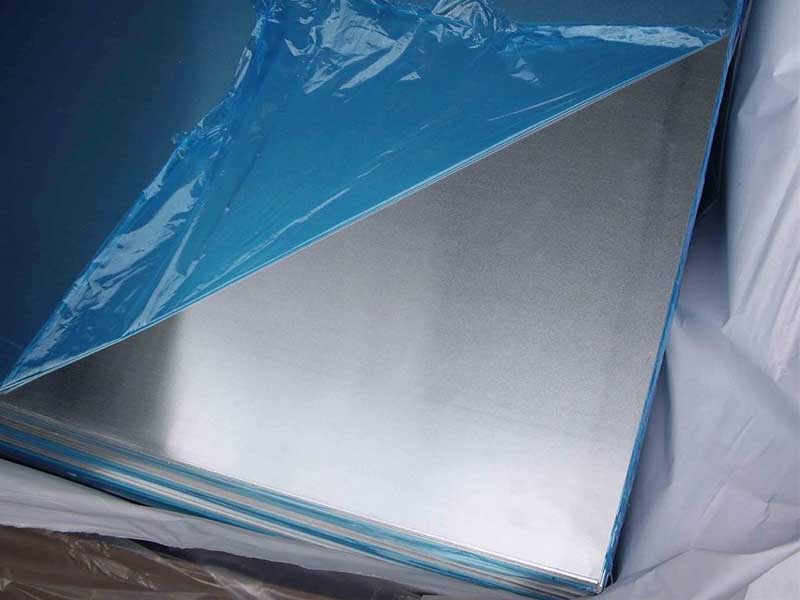
5754 Marine Grade Aluminum Alloy Aluminium Sheet
5754 marine grade aluminum alloy sheet is a workhorse material for corrosive, saltwater, and high-humidity environments where durability, formability, and long-term appearance matter.
View Details
5083 H321 Aluminium Alloy Plate for Marine
Explore 5083 H321 aluminium alloy plate for marine construction, including composition, temper, strength, corrosion resistance, standards, and uses.
View Details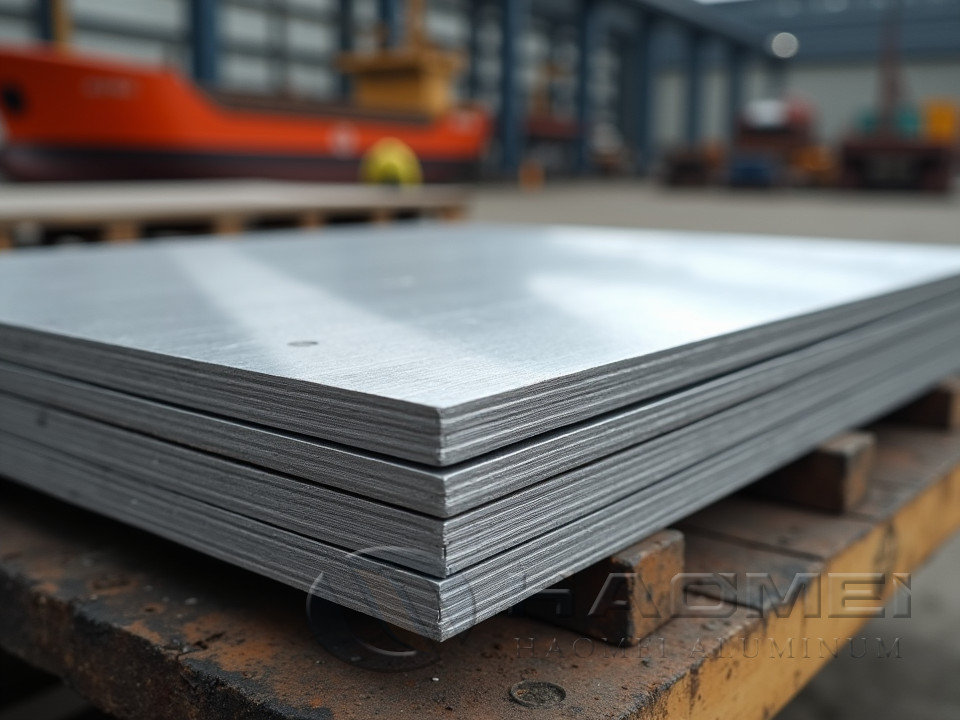
5086 Marine Heavy Duty Aluminum Plate
5086 marine heavy duty aluminum plate delivers seawater corrosion resistance, weldability, strength, and stable service for hulls and offshore structures.
View Details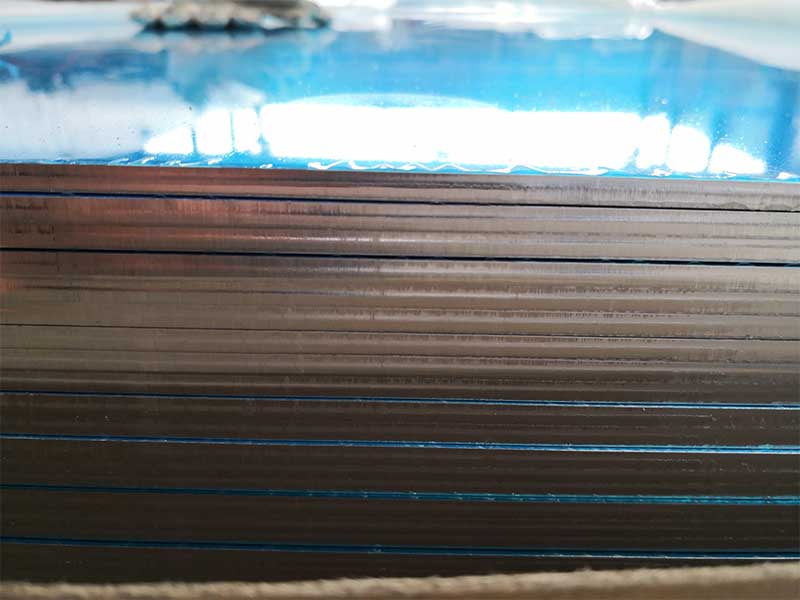
0.3mm 0.4mm 0.5mm 1.6mm Thickness Roll Aluminium Coil Sheet 5052 h32 For Boat
When it comes to marine applications, selecting the right material is crucial for performance, durability, and safety. Enter the 5052 H32 marine aluminum coil sheet, available in thicknesses ranging from 0.
View Details
5059 Marine Aluminum Plate
5059 marine aluminum plate delivers high strength, weldability, and seawater corrosion resistance for hulls, decks, patrol craft, and offshore structures.
View Details
Leave a Message