
Marine Grade Aluminium Alloy Plate
Marine grade aluminium alloy plate is not simply aluminum used near water. It is material selected for a demanding service environment where chlorides, humidity, vibration, welding heat, impact loads, and long maintenance intervals act together. A boat hull may look calm at berth, but its plate is continually handling stresses from waves, temperature changes, cargo movement, and seawater exposure.
The practical value of marine aluminum lies in its protective oxide film. When correctly alloyed, fabricated, drained, and insulated from dissimilar metals, aluminum forms a stable surface barrier that resists broad atmospheric and seawater corrosion. The best result is achieved by matching the alloy and temper to the structural location rather than selecting plate by thickness alone.
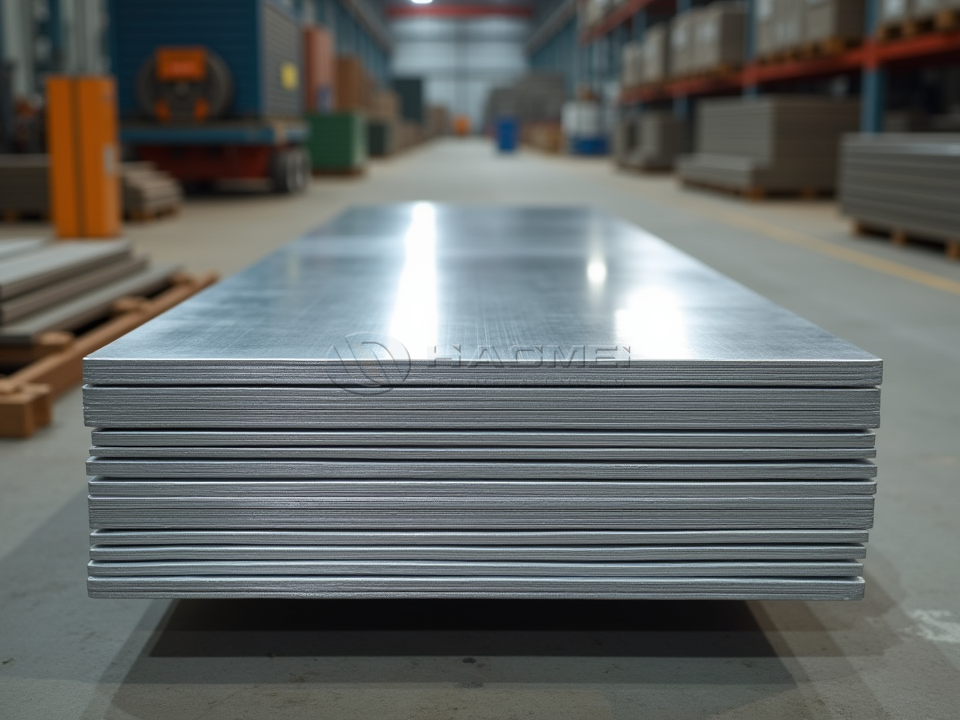
Why 5xxx Series Plate Dominates Marine Construction
Most welded hulls, superstructures, decks, bulkheads, tanks, and workboat components use non-heat-treatable 5xxx series aluminum-magnesium alloys. Magnesium provides strength while preserving excellent corrosion resistance and weldability. Among these grades, 5052, 5083, 5086, 5383, and 5454 are familiar choices for marine fabrication.
For high-strength hull plating, 5083 and 5086 are widely specified because they maintain dependable properties in welded structures and resist seawater attack effectively. 5052 is often selected for lighter-duty sheet-metal work, interior panels, brackets, cabinets, and formed components. A Marine 5083 aluminum sheet is particularly suitable where hull strength, corrosion performance, and welded construction must work together.
Marine grade aluminium alloy plate should be viewed as part of a complete build system. Welding filler selection, edge preparation, coating design, drainage paths, fastener isolation, and post-fabrication cleaning influence service life as much as the mill certificate.
Common Alloy Chemistry
Chemical composition defines the basic character of each marine alloy. The figures shown are typical specification ranges expressed as weight percentage. Actual values must always be confirmed against the applicable mill test certificate and procurement standard.
| Alloy | Si | Fe | Cu | Mn | Mg | Cr | Zn | Ti | Al |
|---|---|---|---|---|---|---|---|---|---|
| 5052 | 0.25 max | 0.40 max | 0.10 max | 0.10 max | 2.2-2.8 | 0.15-0.35 | 0.10 max | - | Balance |
| 5083 | 0.40 max | 0.40 max | 0.10 max | 0.40-1.0 | 4.0-4.9 | 0.05-0.25 | 0.25 max | 0.15 max | Balance |
| 5086 | 0.40 max | 0.50 max | 0.10 max | 0.20-0.7 | 3.5-4.5 | 0.05-0.25 | 0.25 max | 0.15 max | Balance |
| 5454 | 0.25 max | 0.40 max | 0.10 max | 0.50-1.0 | 2.4-3.0 | 0.05-0.20 | 0.25 max | 0.20 max | Balance |
The higher magnesium content in 5083 supports stronger plate performance, making it a frequent choice for vessel sides, bottoms, decks, and structural members. 5086 offers similar marine suitability and is often specified for welded pressure-related or structural fabrications. 5454 is valued where moderate strength and improved behavior at elevated temperatures are needed, including certain tanks and transport equipment.
Temper Is a Structural Decision
Temper describes the material condition after rolling and stabilization. In marine aluminum, the temper affects strength, formability, residual stress, and suitability for long-term exposure.
The O temper is fully annealed. It has high formability and is useful where deep bending, shaping, or complex fabrication is required, although its strength is lower than strain-hardened conditions. H32 and H34 indicate strain hardening followed by stabilization, delivering progressively higher strength with reduced forming latitude. They are frequently used for thinner marine sheet, paneling, and formed parts.
H116 and H321 are especially important for seawater-exposed 5083 and 5086 plate. These tempers are designed with resistance to exfoliation corrosion in mind and are commonly requested for hull plate. H116 is strain hardened and stabilized, while H321 is strain hardened and stabilized through a controlled thermal treatment. Project specifications may state one or the other based on plate thickness, class requirements, and fabrication method.
| Alloy and Temper | Typical Use | General Material Character |
|---|---|---|
| 5052-H32 / H34 | Cabin panels, formed parts, interior work | Good corrosion resistance and formability |
| 5083-O | Strongly formed or curved components | Excellent forming ability before fabrication |
| 5083-H116 | Hulls, decks, sides, offshore structures | High strength and seawater corrosion resistance |
| 5083-H321 | Structural plate and welded assemblies | Stable properties for marine plate applications |
| 5086-H116 | Hulls, tanks, workboats | Strong, weldable, corrosion-resistant plate |
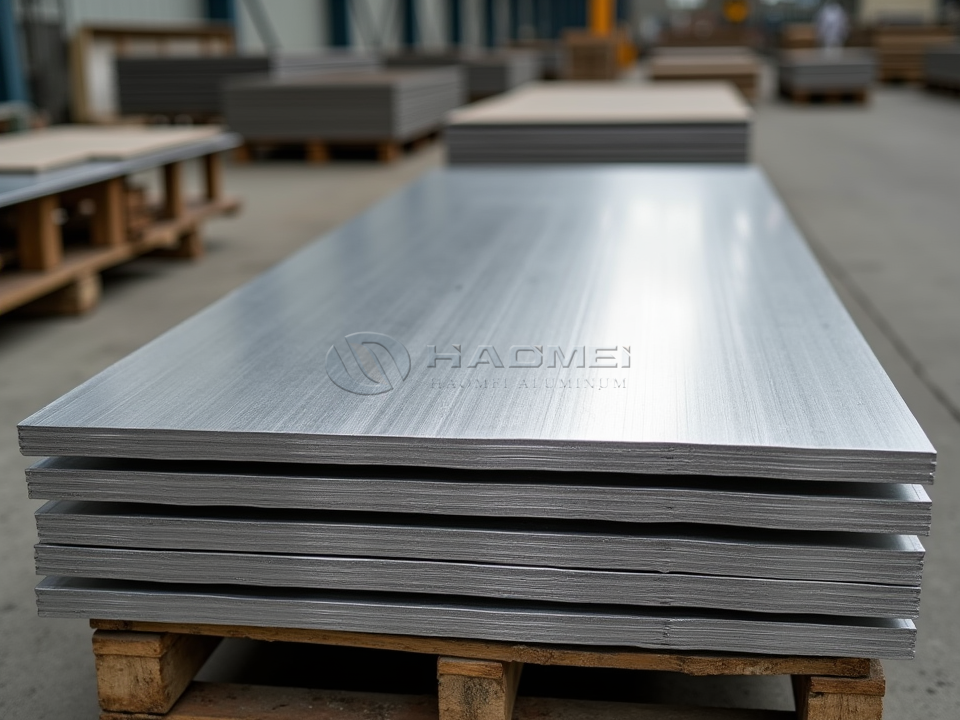
Parameters Buyers Should Confirm
A marine plate order should state far more than alloy and thickness. Important purchasing parameters include thickness, width, length, temper, surface finish, permissible dimensional tolerance, grain direction, edge condition, flatness requirement, protective film, packaging method, and testing documentation.
Typical plate thickness for marine fabrication ranges from approximately 3 mm to 150 mm, depending on the mill capability and alloy. Thin gauges are commonly used for panels and partitions, while heavier plate supports hull bottoms, structural foundations, landing craft, and high-load equipment. Common widths range from 1,000 mm to 2,500 mm, with cut-to-length supply available for nesting efficiency and reduced fabrication scrap.
Density is about 2.66 to 2.68 g/cm³ for common 5xxx marine alloys, substantially lower than steel. This weight advantage can support higher payload, lower draft, easier handling, or reduced fuel consumption, depending on vessel design. Aluminum is also non-magnetic and performs well in low-temperature service.
Standards and Documentation That Matter
Marine grade aluminium alloy plate is commonly produced and inspected to standards such as ASTM B928/B928M for high-magnesium aluminum alloy plate intended for marine service, ASTM B209/B209M for aluminum sheet and plate, EN 485 for tolerances and mechanical properties, EN 573 for chemical composition, and EN 10204 for inspection documents.
Where a vessel is subject to classification rules, purchasers may request documentation or approval aligned with organizations such as DNV, ABS, Lloyd's Register, Bureau Veritas, or CCS. Approval needs are project-specific. A plate can meet an alloy standard while still requiring additional traceability, ultrasonic testing, corrosion testing, or class documentation for a particular vessel contract.
Design Details That Protect the Plate
Even premium marine aluminum can suffer if water becomes trapped in crevices or if it contacts copper-bearing metals without insulation. Good design avoids stagnant seawater pockets, provides drainage, seals lap joints appropriately, and separates aluminum from stainless steel, carbon steel, copper, and certain treated woods where necessary.
Weld zones deserve attention because welding reduces the strength of strain-hardened 5xxx alloys near the joint. Designers normally account for this softened heat-affected zone rather than expecting the parent plate temper to remain unchanged after welding. Compatible filler metal, clean joint preparation, controlled heat input, and removal of welding residue all contribute to reliable marine performance.
For non-slip walkways, ramps, and wet access areas, Marine Aluminum Tread Sheets can provide practical grip while retaining the corrosion advantages of aluminum construction.
Marine grade aluminium alloy plate earns its reputation through disciplined material selection, not through an alloy name alone. When chemistry, temper, thickness, standards, fabrication, and corrosion-control details are aligned, it becomes a lightweight structural material prepared for years of demanding marine service.

Related Products
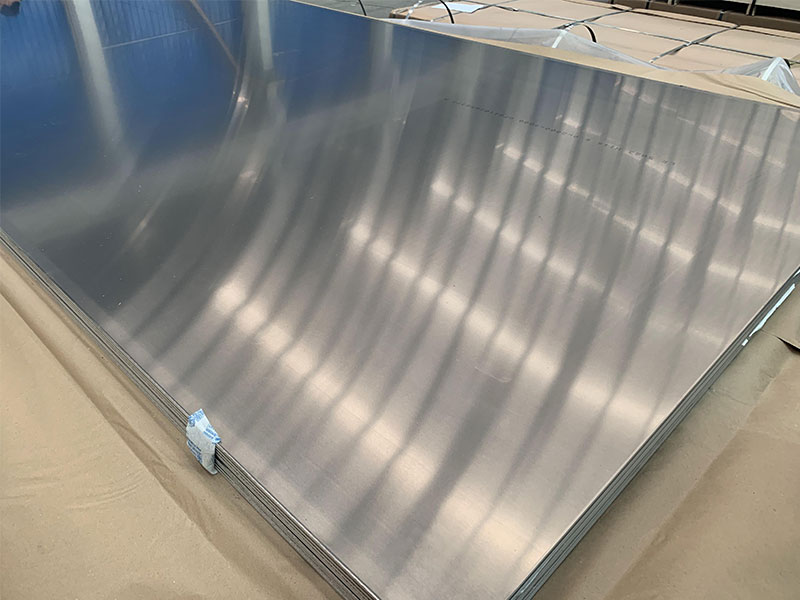
Marine 5052 aluminum sheet
Aluminum alloy 5052 is a non-heat-treatable, strain-hardened alloy with magnesium as the primary alloying element. It is designed to offer superior corrosion resistance in marine and saline environments, making it a dependable choice for components exposed directly to seawater or coastal atmospheric conditions.
View Details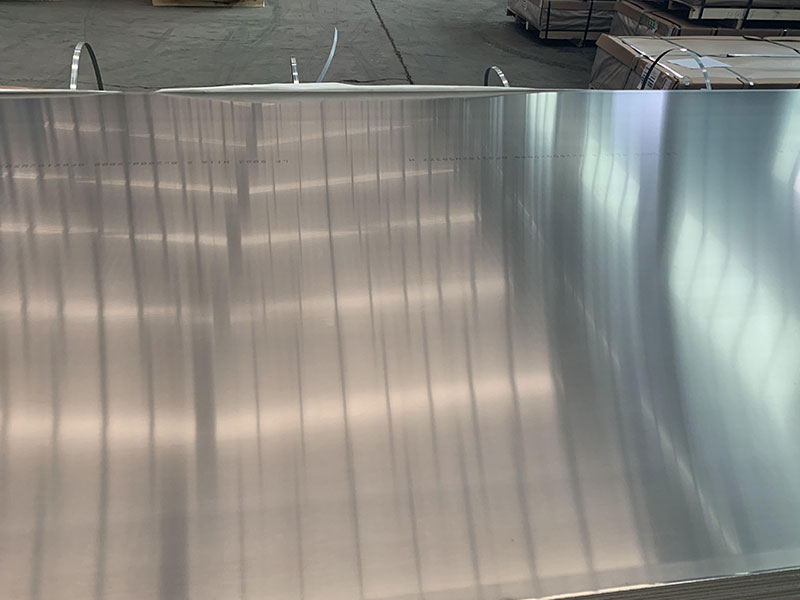
Marine 5383 aluminum sheet
5383 aluminum is a strain-hardened, non-heat-treatable alloy from the 5xxx series primarily alloyed with magnesium. It exhibits a unique balance of corrosion resistance and mechanical properties particularly suited for marine applications.
View Details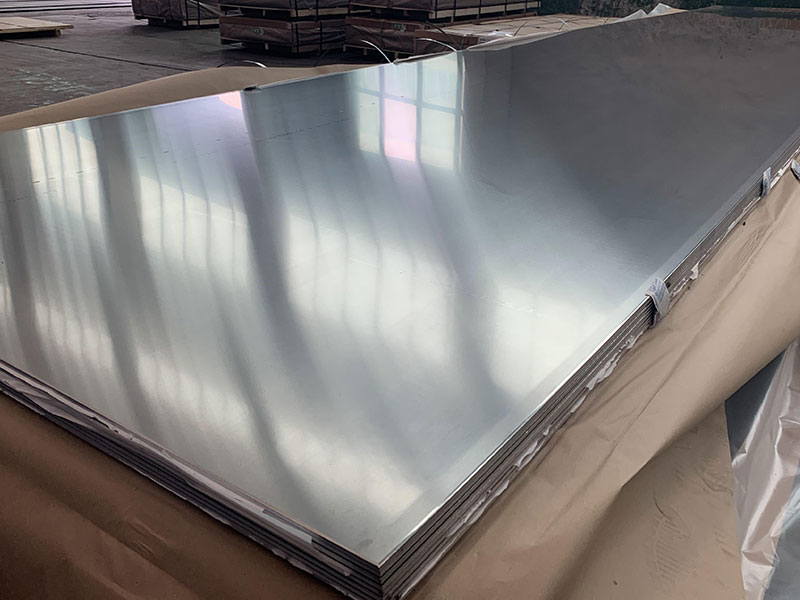
Marine 5086 aluminum sheet
This product article provides an in-depth and comprehensive understanding of Marine 5086 Aluminum Sheets, including their chemical composition, mechanical properties, corrosion resistance, fabrication capabilities, and typical marine applications.
View Details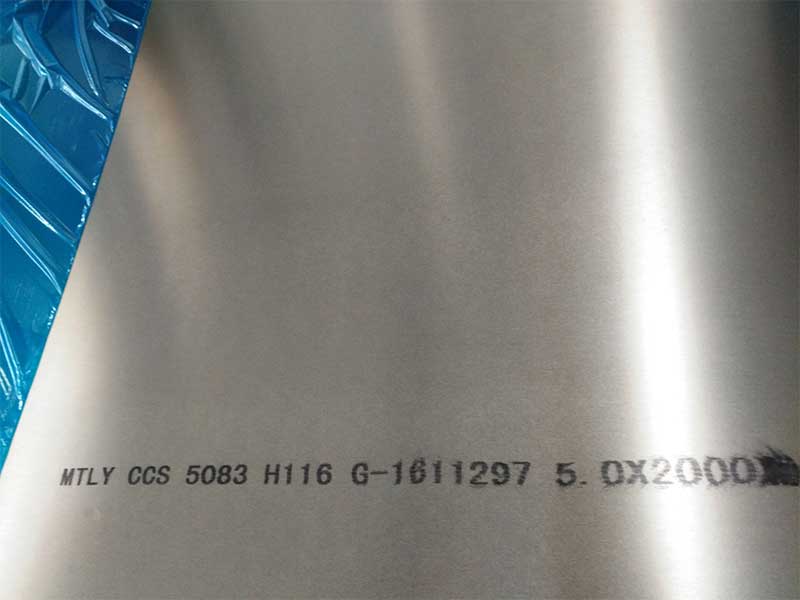
Marine 5083 aluminum sheet
Aluminum alloy 5083 is a non-heat-treatable alloy primarily composed of magnesium and trace elements that deliver outstanding protection against corrosion, particularly in seawater and saline atmospheres.
View Details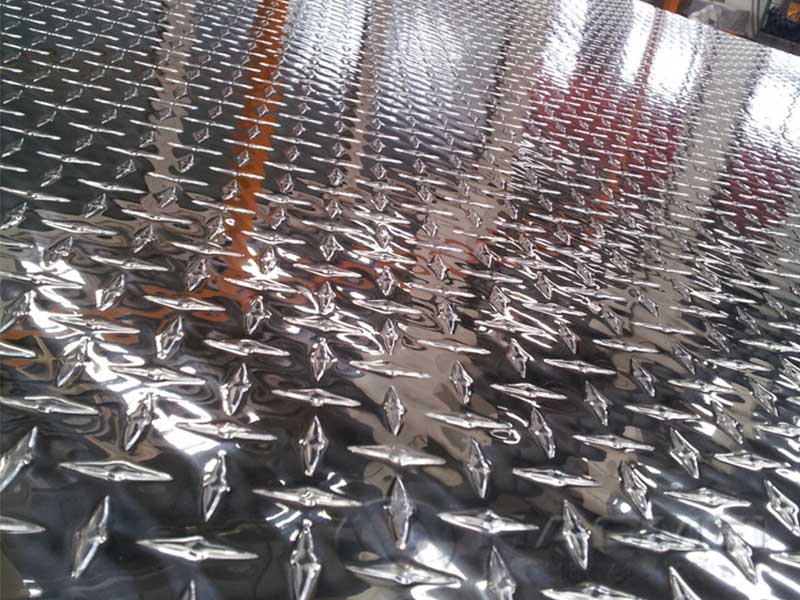
Marine Aluminum Tread Sheets
Marine Aluminum Tread Sheets are aluminum alloy plates featuring a raised surface pattern, commonly referred to as a tread design or diamond plate.
View Details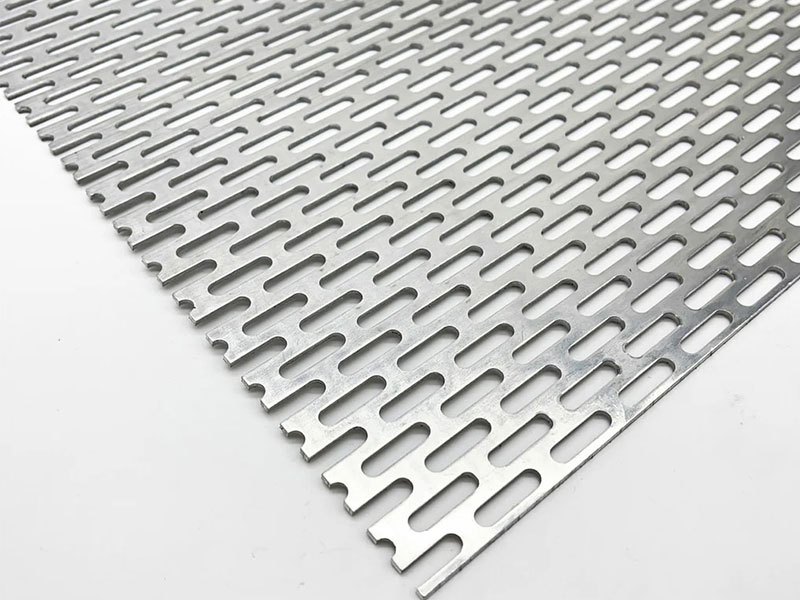
Marine perforated aluminum sheets
Marine Perforated Aluminum Sheets feature a series of uniform holes or shapes punched through the aluminum surface. These perforations can vary in size, pattern, and open area to tailor the sheets for specific applications.
View DetailsRelated Blog
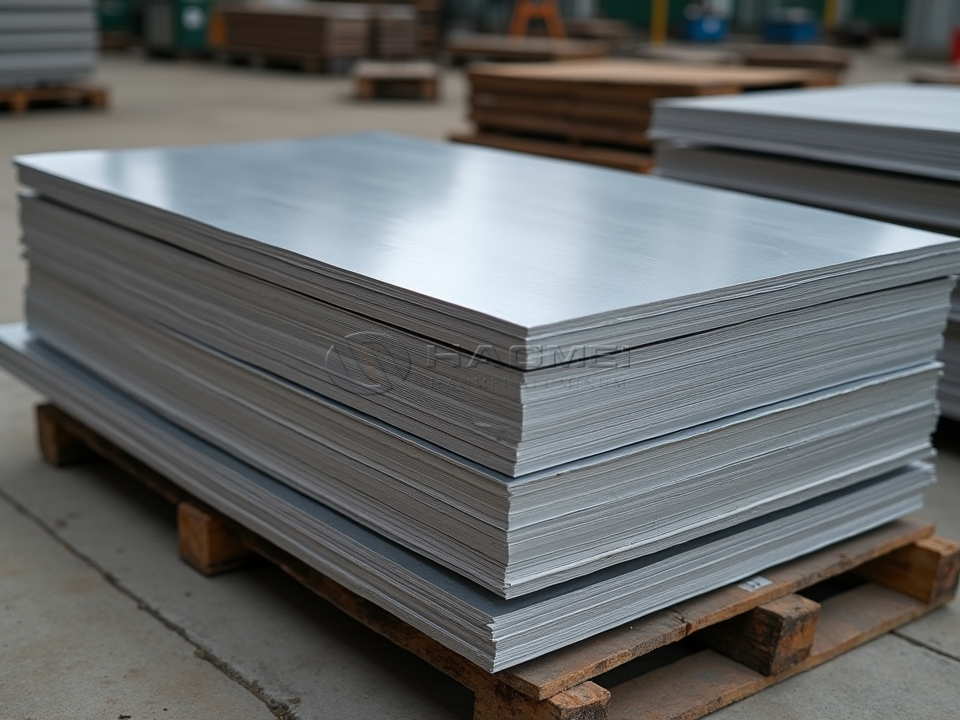
Aluminum Plate Marine 5052 Aluminum Checker
Learn how 5052 aluminum checker plate improves traction, drainage, corrosion resistance, and long-term service on boat decks, steps, and work platforms.
View Details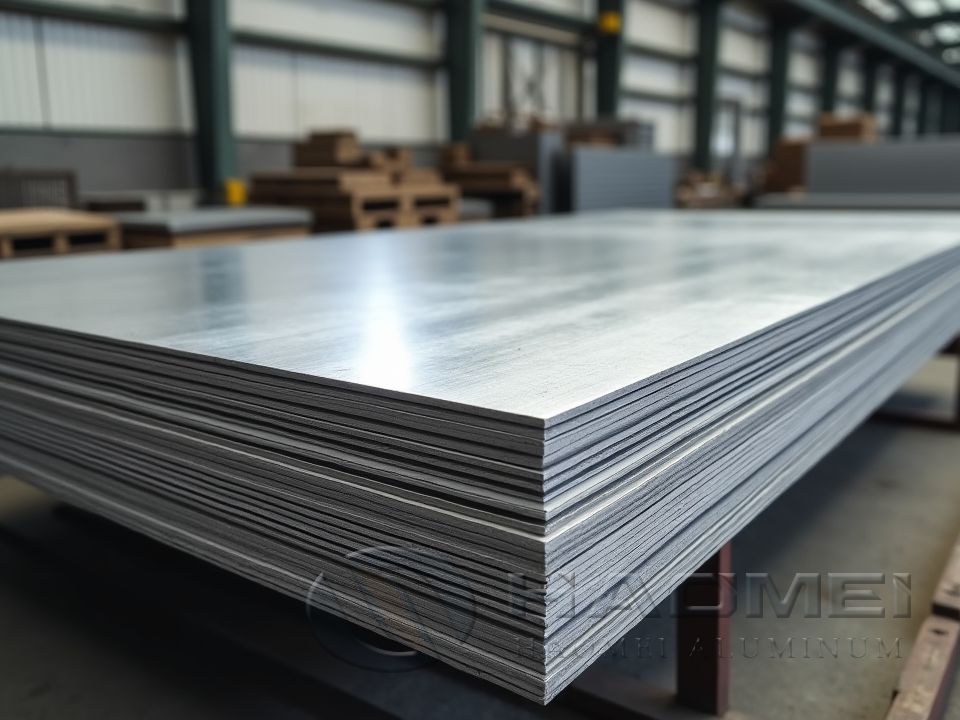
Marine 5383 Aluminum Sheet
Learn 5383 marine aluminum sheet properties, tempers, standards, chemistry, sizes, fabrication notes, and boatbuilding uses in one guide.
View Details
Marine Grade Aluminium Alloy Plate
Learn how marine grade aluminium alloy plate performs in saltwater, with alloy chemistry, tempers, standards, dimensions, and selection guidance.
View Details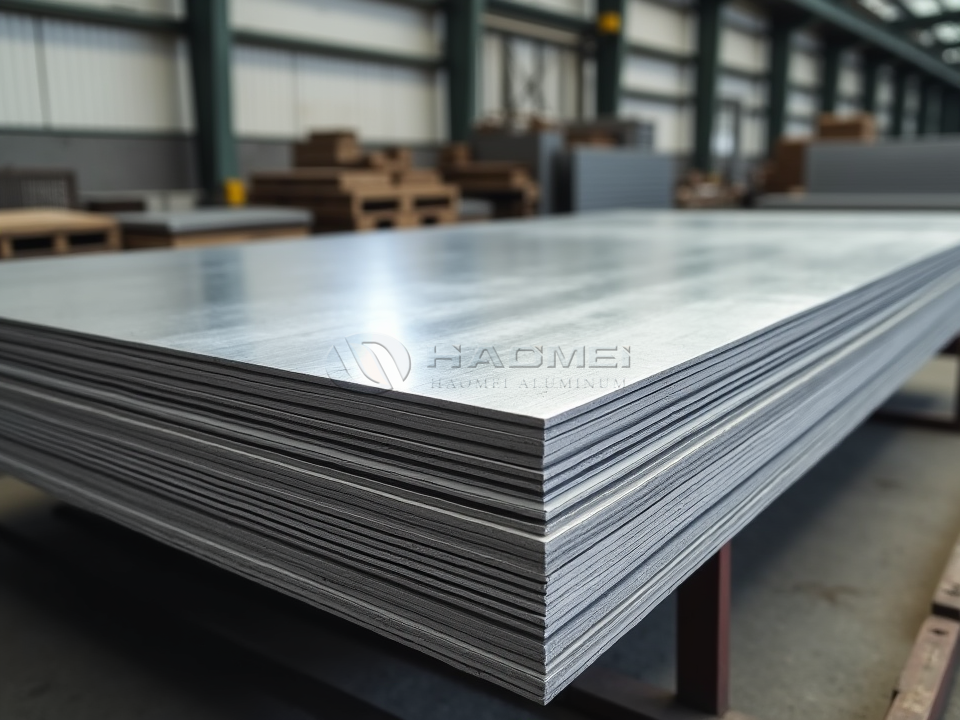
Boat Marine Aluminium Sheet Building 5083
Learn how 5083 marine aluminium sheet supports durable boat hull construction with corrosion resistance, tempers, standards, sizes, and chemistry data.
View Details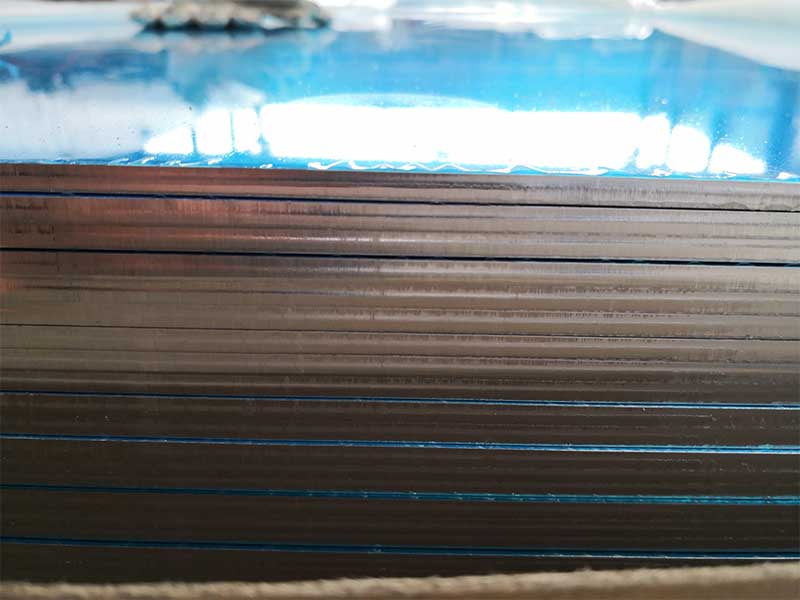
5754 marine grade aluminium alloy sheet
Comprehensive capabilities and technical specifications of 5754 marine grade aluminium alloy sheets. Ideal for marine applications, this alloy offers excellent corrosion resistance, superb weldability, and robust mechanical properties, ensuring durability
View Details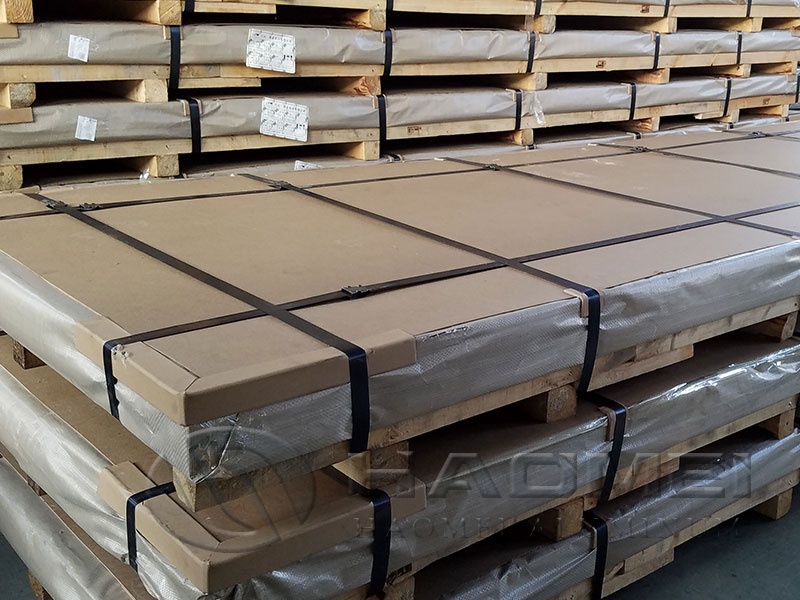
Marine 6061 Aluminum Bar
Marine 6061 aluminum bar offers high strength, excellent machinability, and reliable corrosion resistance for brackets, frames, fittings, and marine hardware.
View Details
Leave a Message