
High Strength Aluminum Alloy Plate 5083 5052 H32 6mm Aluminum Sheet for Boat
For modern boat construction, material selection influences weight, seaworthiness, fabrication efficiency, and long-term maintenance cost. High-strength 5083 aluminum alloy plate and 5052 H32 6mm aluminum sheet are widely selected for workboats, fishing vessels, patrol craft, yachts, ferries, landing craft, and offshore support equipment. Both are non-heat-treatable aluminum-magnesium alloys with excellent resistance to saltwater exposure, good weldability, and a favorable strength-to-weight ratio.
A 6mm marine aluminum sheet provides a practical thickness for many structural and semi-structural components. It delivers stiffness for hull panels and deck sections while remaining manageable for cutting, bending, rolling, and welding. The choice between 5083 and 5052 H32 depends on the vessel zone, structural load, forming requirement, and expected marine service conditions.
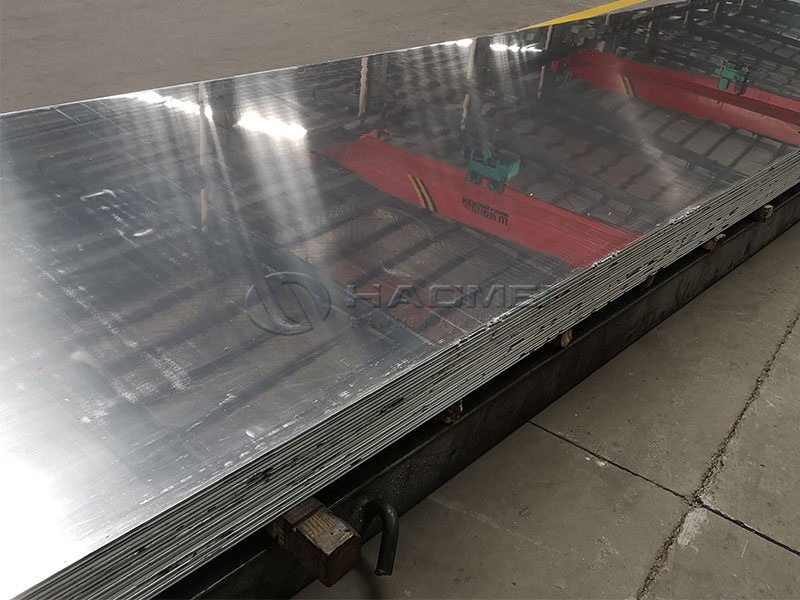
Built for Saltwater Service
Marine environments expose metal to chloride-rich water, changing temperatures, humidity, vibration, abrasion, and occasional impact. Ordinary aluminum sheets may lose appearance or develop corrosion problems when they are not selected and fabricated correctly. Alloy 5083 and alloy 5052 are magnesium-bearing grades recognized for their strong corrosion resistance in coastal and offshore conditions.
5083 is generally preferred where higher structural strength is required. It is commonly used for hull plating, bottom panels, transoms, longitudinal stiffeners, bulkheads, and heavily loaded deck structures. Temper conditions such as H116 and H321 are particularly associated with marine plate because they are designed to help resist exfoliation corrosion in demanding seawater use.
5052 H32 offers a balanced combination of moderate strength, excellent formability, and corrosion resistance. It is especially suitable for cabin sides, interior partitions, deckhouses, lockers, fuel tanks, trim panels, consoles, equipment covers, and lighter-duty boat components. The H32 temper indicates strain hardening followed by stabilization, providing more strength than annealed material while retaining useful bending performance.
For projects requiring heavier hull-grade material, Marine 5083 aluminum sheet offers an appropriate option for welded marine structures exposed to continuous saltwater service.
Alloy Chemistry and Material Characteristics
The magnesium content in 5xxx series alloys gives these sheets their marine corrosion resistance and solid work-hardening response. Small additions of manganese and chromium further support strength and microstructural stability.
| Alloy | Principal Alloying Elements | Typical Function in Marine Use |
|---|---|---|
| 5083 | Magnesium, manganese, chromium | High strength, outstanding seawater resistance, excellent weldability |
| 5052 H32 | Magnesium, chromium | Good corrosion resistance, easy forming, smooth fabrication behavior |
| Chemical Property, % by Weight | 5083 Typical Range | 5052 Typical Range |
|---|---|---|
| Magnesium, Mg | 4.0-4.9 | 2.2-2.8 |
| Manganese, Mn | 0.4-1.0 | 0.0-0.1 |
| Chromium, Cr | 0.05-0.25 | 0.15-0.35 |
| Iron, Fe | 0.0-0.4 | 0.0-0.4 |
| Silicon, Si | 0.0-0.4 | 0.0-0.25 |
| Aluminum, Al | Balance | Balance |
Actual composition and mechanical values should be verified against the applicable material standard, mill certificate, thickness, and temper ordered for the vessel project.
Mechanical Performance of 6mm Marine Sheet
At 6mm thickness, 5083 plate supplies a substantial improvement in strength over 5052 H32. This makes it an efficient solution when designers must maintain structural integrity without adding unnecessary weight. Aluminum is approximately one-third the density of steel, so replacing suitable steel elements with marine aluminum can reduce hull weight, improve payload capacity, lower fuel consumption, and support faster acceleration.
| Property | 5083 H116/H321, Typical | 5052 H32, Typical |
|---|---|---|
| Density | 2.66 g/cm³ | 2.68 g/cm³ |
| Tensile Strength | 275-350 MPa | 210-260 MPa |
| Yield Strength | 125-240 MPa | 160-195 MPa |
| Elongation | 10-16% | 10-16% |
| Elastic Modulus | Approx. 70 GPa | Approx. 70 GPa |
| Corrosion Resistance | Excellent | Excellent |
| Weldability | Excellent | Excellent |
Values are indicative and can vary with product form, temper, testing direction, and governing standard. Structural boat design should always be completed by qualified naval architects or engineers.
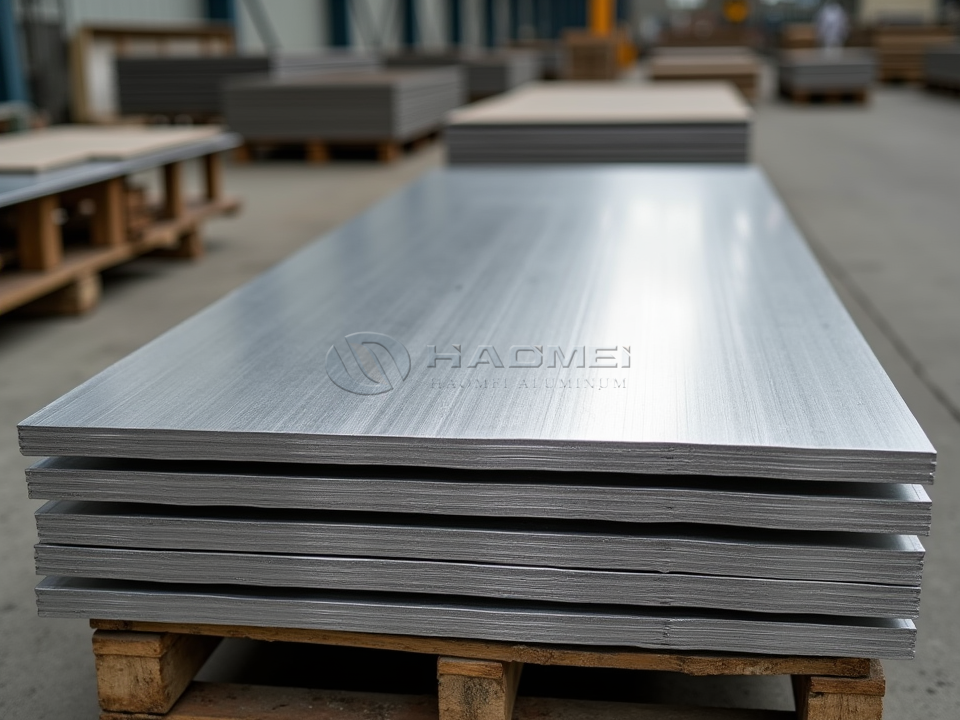
Why 6mm Thickness Works Well for Boats
A 6mm aluminum sheet is a versatile gauge that bridges the gap between lightweight cladding and heavier structural plate. In small and medium vessels, it may be used for hull sides, deck plating, floor panels, wheelhouse foundations, cockpit areas, transoms, fish holds, engine-room partitions, and support structures. Its thickness provides useful dent resistance and panel rigidity, particularly when combined with correctly spaced frames, stringers, or stiffeners.
For aluminum fishing boats and utility craft, 6mm 5083 plate is frequently chosen for impact-prone areas such as hull bottoms, bow zones, and transom structures. For cabin fabrication and formed accessories, 6mm 5052 H32 can be an economical, fabricator-friendly choice. It bends cleanly with proper tooling and can be shaped into hatches, console panels, lockers, sidewalls, and protective covers.
5052 H32 is also available for marine components where a clean finish and dependable forming performance matter. Marine 5052 aluminum sheet is commonly considered for boat fittings, non-critical panels, tanks, and deckhouse construction.
Welding and Fabrication Advantages
Both 5083 and 5052 can be welded effectively using MIG or TIG processes. Common filler alloys include 5183, 5356, and 5556, selected according to base alloy, joint design, required strength, and corrosion exposure. Welding should be performed by qualified personnel using clean material surfaces and appropriate shielding gas practices.
Marine aluminum fabrication benefits from several practical characteristics:
- Low weight simplifies handling during assembly and helps reduce lifting demands.
- Good weldability supports continuous, watertight seams for hull and tank fabrication.
- High corrosion resistance reduces dependence on heavy protective coating systems.
- Good low-temperature toughness supports service in cold-water environments.
- Non-magnetic behavior is useful near navigation and electronic equipment.
- Recyclability supports responsible material use at the end of vessel service life.
Care is still necessary during fabrication. Avoid direct contact between aluminum and more noble metals such as copper or uninsulated stainless steel in wet conditions. Use insulating barriers, suitable fasteners, sealants, and drainage design to reduce galvanic corrosion risk. Grinding dust, carbon-steel contamination, and trapped moisture should also be controlled.
Typical Boat Applications
5083 aluminum plate is well suited to demanding, strength-sensitive parts of a vessel. These include welded hulls, bottoms, shell plating, bulkheads, superstructure panels, landing ramps, work platforms, offshore access structures, and patrol boat components. Its high magnesium content and robust welded performance make it a trusted grade for professional marine construction.
5052 H32 aluminum sheet serves many lighter and formed applications. Typical uses include interior walls, cabin cladding, storage lockers, seat bases, fuel and oil tanks where appropriate design standards are met, equipment enclosures, ventilation covers, ceiling panels, decorative trim, and non-load-bearing deck features.
The best material plan often uses both alloys in the same boat. 5083 may form the primary welded hull structure, while 5052 H32 handles shaped panels and accessory components. This approach balances strength, weight, cost, and manufacturing efficiency.
Ordering Considerations
When purchasing 5083 or 5052 H32 6mm aluminum sheet for boat building, specify the alloy, temper, thickness tolerance, width, length, surface condition, applicable standard, required certification, and intended application. For hull construction, confirm whether a marine temper such as 5083 H116 or H321 is required. Plate flatness and surface protection are also important where CNC cutting, precision welding, or visible marine finishes are involved.
A carefully selected 6mm marine aluminum sheet provides a durable foundation for safer, lighter, and more corrosion-resistant vessels. Whether the requirement is a rugged 5083 hull plate or a formable 5052 H32 panel, these 5xxx series alloys deliver proven performance across commercial and recreational boat construction.

Related Products
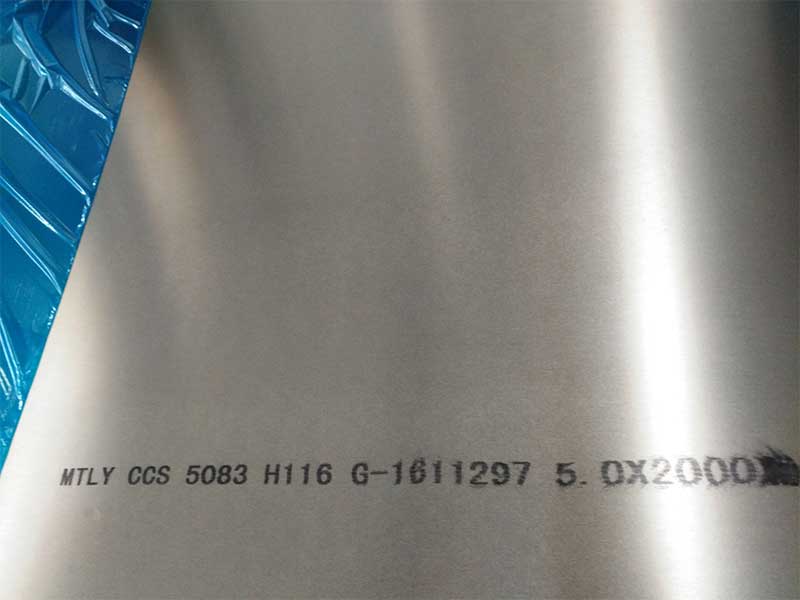
Marine 5083 aluminum sheet
Aluminum alloy 5083 is a non-heat-treatable alloy primarily composed of magnesium and trace elements that deliver outstanding protection against corrosion, particularly in seawater and saline atmospheres.
View Details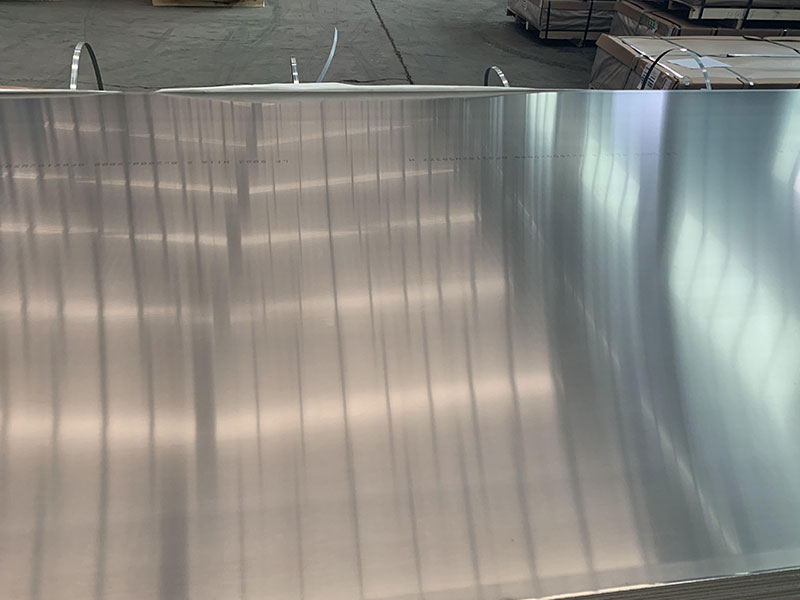
Marine 5383 aluminum sheet
5383 aluminum is a strain-hardened, non-heat-treatable alloy from the 5xxx series primarily alloyed with magnesium. It exhibits a unique balance of corrosion resistance and mechanical properties particularly suited for marine applications.
View Details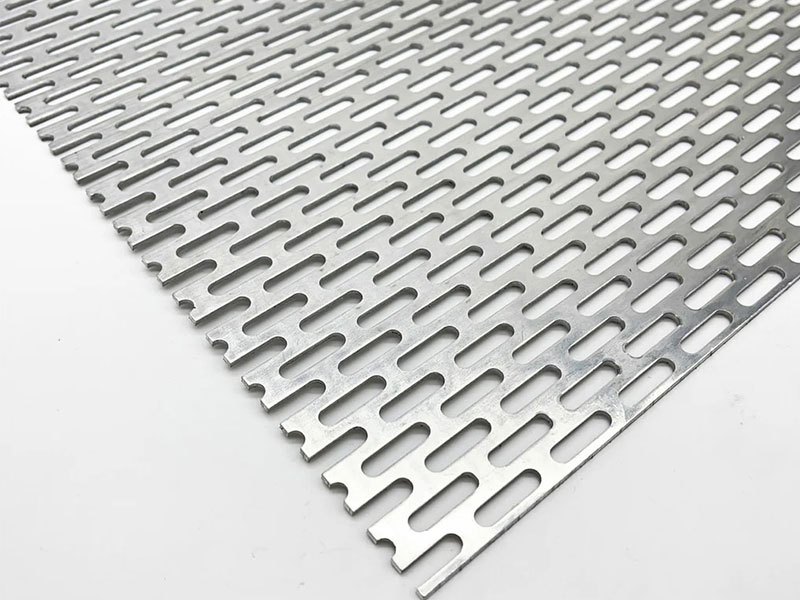
Marine perforated aluminum sheets
Marine Perforated Aluminum Sheets feature a series of uniform holes or shapes punched through the aluminum surface. These perforations can vary in size, pattern, and open area to tailor the sheets for specific applications.
View Details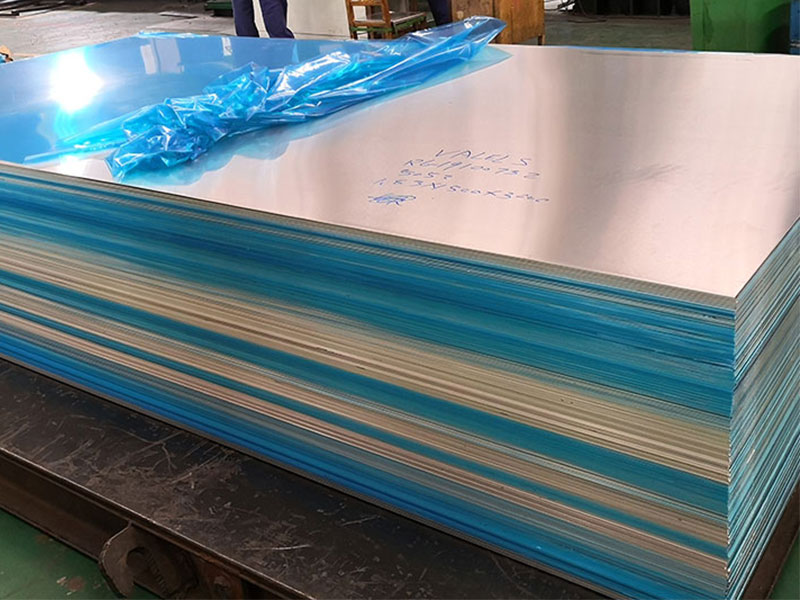
Marine 5059 aluminum sheet
5059 aluminum alloy is a strain-hardened material with a unique addition of magnesium and chromium, which provides outstanding resistance to localized corrosion like pitting and stress corrosion cracking.
View Details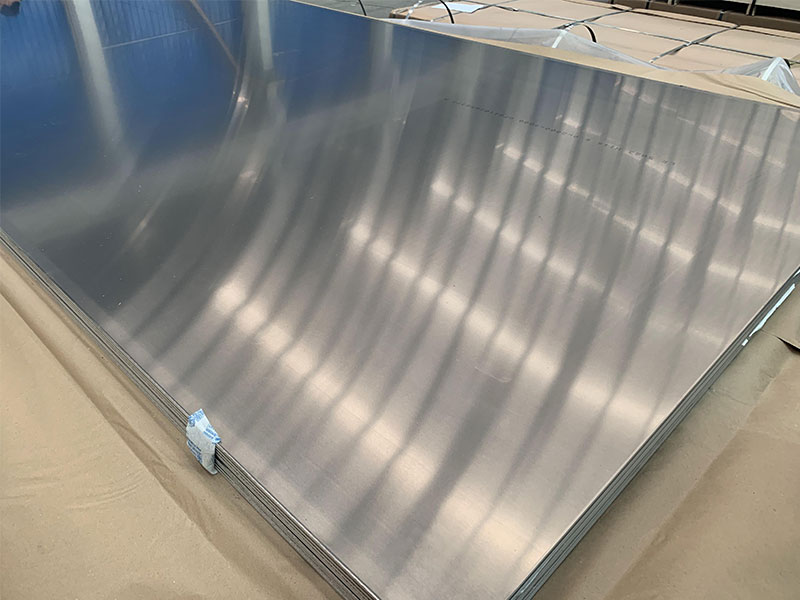
Marine 5052 aluminum sheet
Aluminum alloy 5052 is a non-heat-treatable, strain-hardened alloy with magnesium as the primary alloying element. It is designed to offer superior corrosion resistance in marine and saline environments, making it a dependable choice for components exposed directly to seawater or coastal atmospheric conditions.
View Details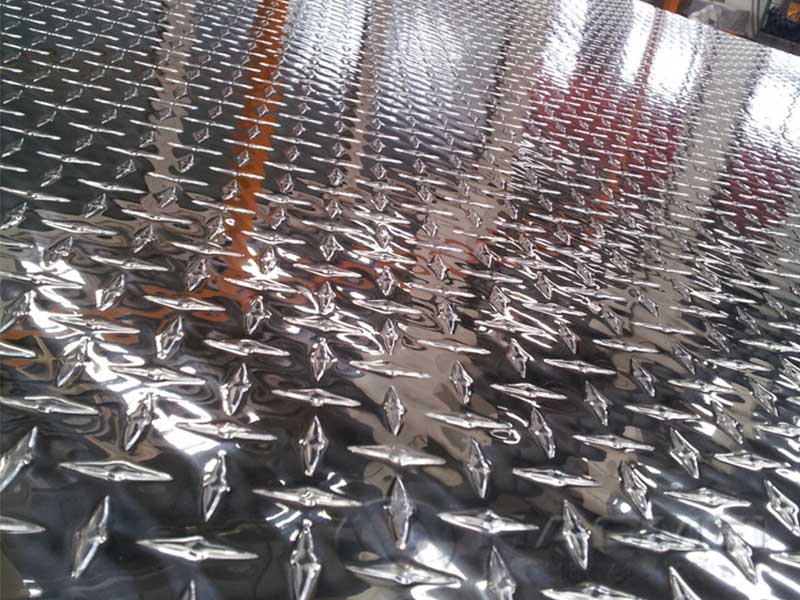
Marine Aluminum Tread Sheets
Marine Aluminum Tread Sheets are aluminum alloy plates featuring a raised surface pattern, commonly referred to as a tread design or diamond plate.
View DetailsRelated Blog
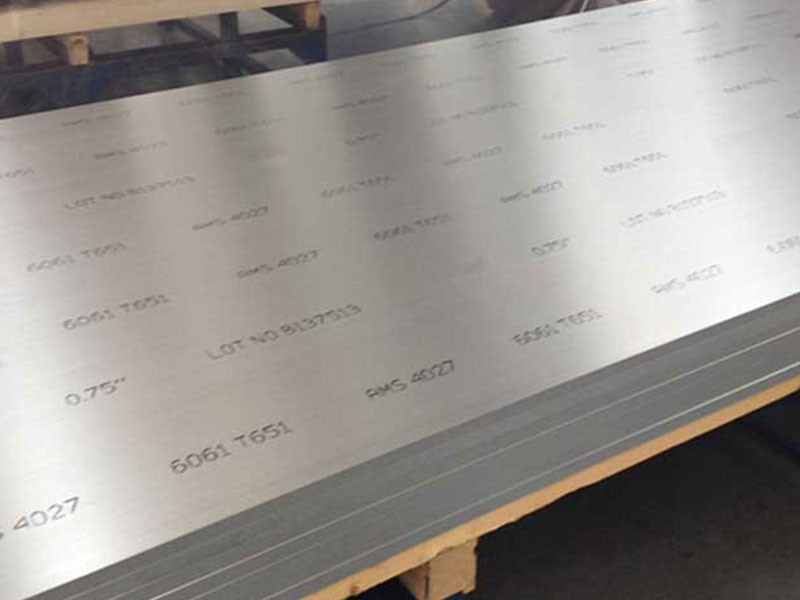
5052 5083 alloy 16 gauge aluminum sheet for boat building
5052 Aluminum Alloy5052 aluminum alloy is a non-heat treatable alloy known for its exceptional corrosion resistance, especially against saltwater, making it a popular choice for marine environments.
View Details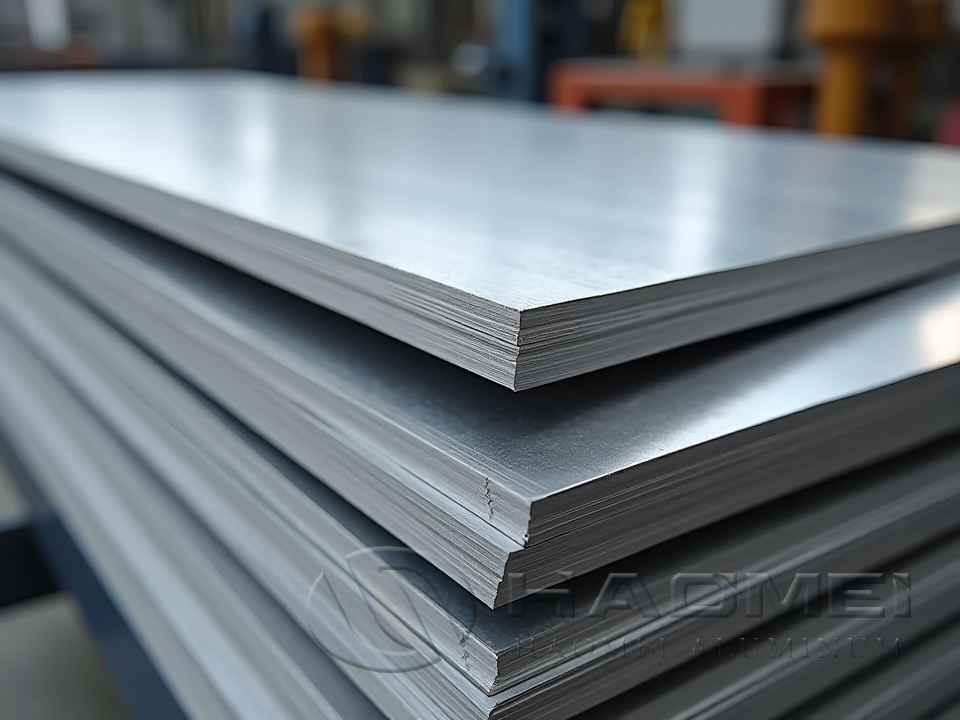
5059 Marine Heavy Duty Aluminum Plate
5059 marine heavy duty aluminum plate delivers high strength, weldability, and seawater corrosion resistance for hulls, decks, tanks, and patrol craft.
View Details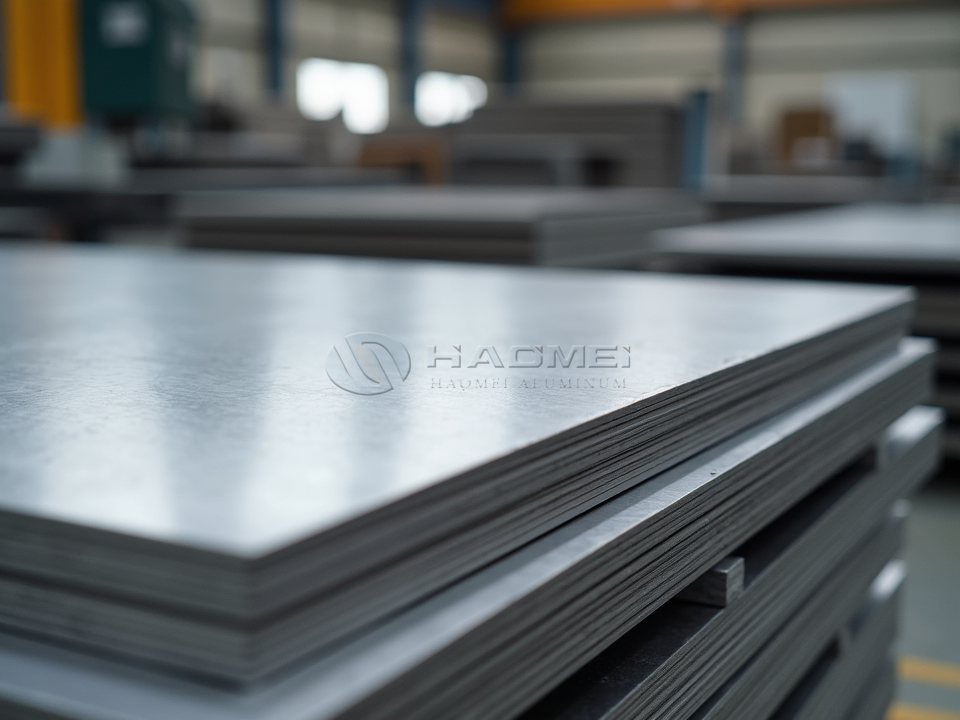
Anodized Aluminum Sheet 5154 O H111 H112 Marine Grade
Anodized 5154 marine aluminum sheet in O, H111, and H112 tempers delivers seawater resistance, formability, durable finish, and low weight.
View Details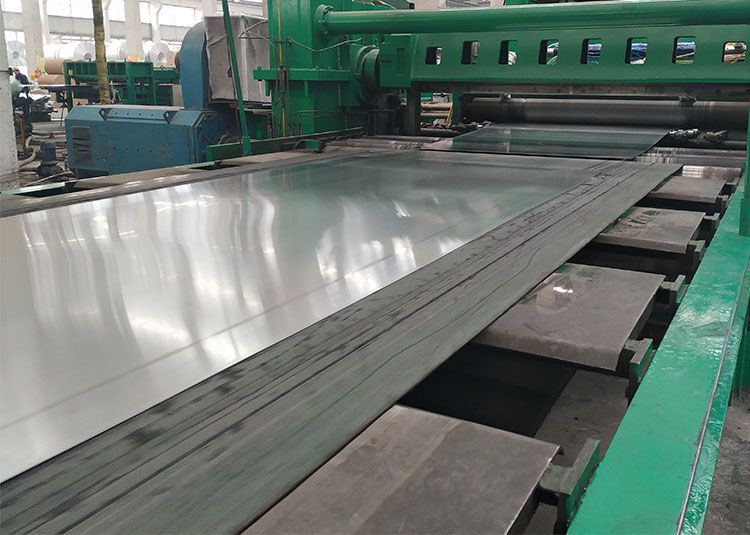
Aluminum sheet for boat 5083 5052 5754
When selecting aluminum sheets for marine applications, particularly boats, alloy choice plays a vital role in ensuring durability, corrosion resistance, and mechanical strength.
View Details
Manufacture Marine Aluminum Metal Plate 5083
Learn how 5083 marine aluminum plate is made for corrosion-resistant hulls, decks and tanks, with tempers, chemistry, standards and data.
View Details
Marine Grade 5052 5083 5086 H111 H112 H116 H321 Aluminum Sheet for Boat
Corrosion resistant marine 5052, 5083, and 5086 aluminum sheets in H111, H112, H116, H321 tempers for boat hulls, decks, tanks, and structures at sea.
View Details
Leave a Message