
5083 Marine Aluminum Fencing and Railings for Seawater Resistant Coastal Guardrails
Coastal guardrails live in one of the harshest service environments: salt spray, wet-dry cycling, ultraviolet exposure, abrasive sand, and constant human contact. 5083 marine aluminum fencing and railings are designed for these conditions, combining high magnesium alloy chemistry with strong welded performance and long-term resistance to seawater corrosion.
For piers, seawalls, marinas, ferry terminals, waterfront promenades, bridge approaches, and coastal resorts, 5083 aluminum provides a practical balance of strength, weight reduction, fabrication flexibility, and low maintenance. It is especially valued where carbon steel rust staining, coating failure, and heavy installation loads create long-term cost problems.
Material Character
5083 is a non-heat-treatable aluminum-magnesium-manganese alloy. Its strength comes mainly from solid solution strengthening and controlled strain hardening rather than artificial aging. In marine railing systems, this matters because welded joints retain dependable performance and do not require post-weld heat treatment.
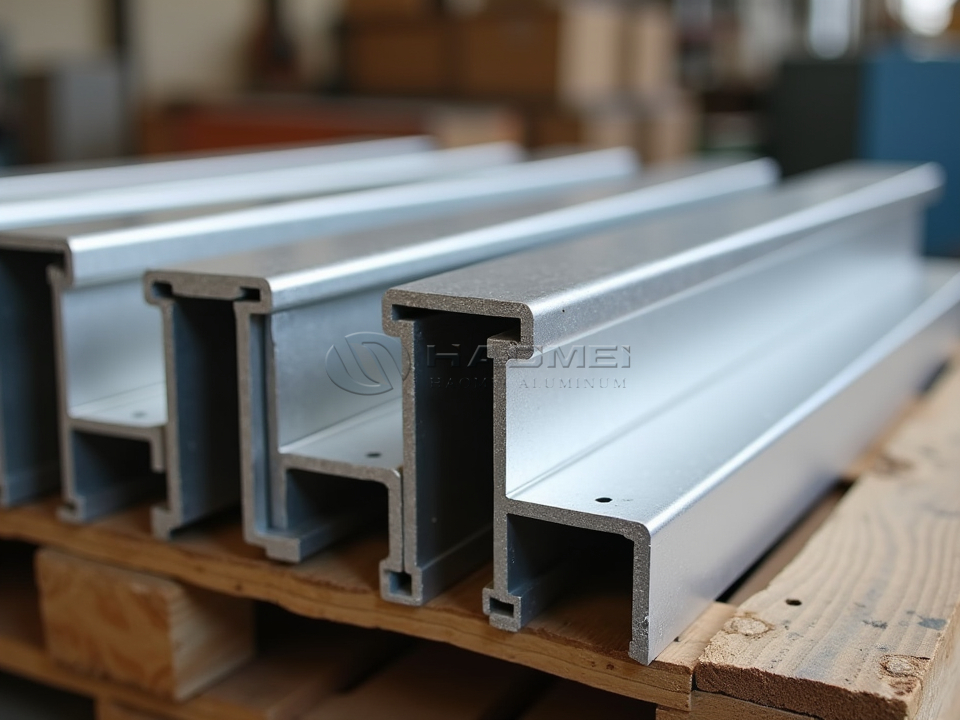
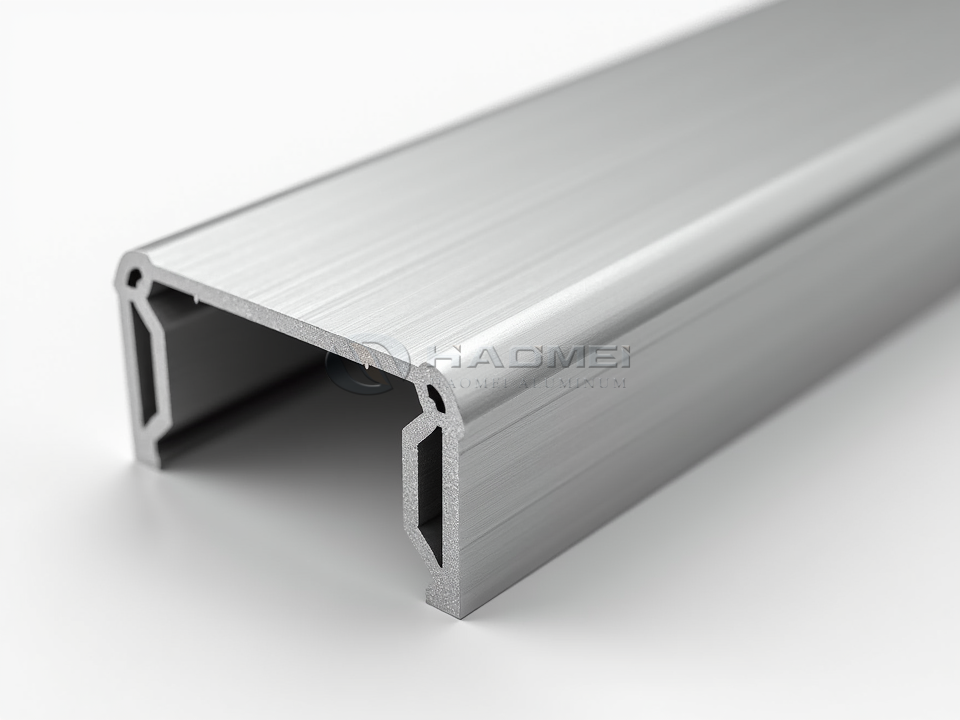
The alloy is widely used for ship structures, workboat decks, offshore access systems, dock components, gangways, splash-zone panels, and safety barriers. For railing projects requiring shaped channels, posts, handrails, toe boards, brackets, and cover plates, 5083 can be supplied as plate, sheet, bar, formed sections, and selected profile geometries. For broader design families, Marine Grade Aluminum Profiles can be integrated with 5083 structural parts to optimize cost and appearance.
Chemical Composition
Typical composition ranges follow common EN AW-5083 and AA 5083 references. Final certification should be confirmed by mill test certificate for each production lot.
| Element | Typical Range, wt.% | Function in Marine Guardrails |
|---|---|---|
| Aluminum, Al | Balance | Lightweight base metal with natural oxide protection |
| Magnesium, Mg | 4.0-4.9 | Main strengthening element; improves seawater resistance |
| Manganese, Mn | 0.40-1.00 | Grain control and improved strength stability |
| Chromium, Cr | 0.05-0.25 | Enhances corrosion performance and structure control |
| Iron, Fe | Max 0.40 | Controlled impurity level for durability |
| Silicon, Si | Max 0.40 | Controlled impurity level; affects fabrication behavior |
| Copper, Cu | Max 0.10 | Kept low to protect corrosion resistance |
| Zinc, Zn | Max 0.25 | Controlled to maintain marine performance |
| Titanium, Ti | Max 0.15 | Grain refinement during casting |
| Others | Each max 0.05, total max 0.15 | Residual control |
Mechanical Performance
5083 fencing and railings are commonly specified in H111, H116, or H321 tempers depending on forming needs, corrosion requirements, and plate or profile thickness. H116 and H321 are often preferred for marine exposure because they are controlled for resistance to exfoliation and stress-corrosion tendencies in aggressive environments.
| Property | Typical Value or Range | Relevance to Coastal Guardrails |
|---|---|---|
| Density | 2.66 g/cm3 | About one-third the weight of carbon steel |
| Tensile Strength | 275-350 MPa | Supports rigid, impact-resistant railing structures |
| Yield Strength | 125-215 MPa | Depends on temper and thickness |
| Elongation | 10-16% | Allows forming and energy absorption |
| Elastic Modulus | Approx. 70 GPa | Used for deflection control in posts and rails |
| Melting Range | 570-640°C | Suitable for marine welding fabrication |
| Thermal Conductivity | Approx. 117 W/m.K | Helps reduce localized thermal stress |
| Electrical Conductivity | Approx. 29% IACS | Important for galvanic design checks |
Technical Specifications for Guardrail Systems
Actual dimensions are project-specific, but the following table reflects common design choices for coastal fencing and railings.
| Component | Common Specification | Notes |
|---|---|---|
| Handrail tube | 40-80 mm outer diameter | Round, oval, or rectangular designs |
| Post section | 50 x 50 mm to 100 x 100 mm | Wall thickness selected by wind and crowd load |
| Wall thickness | 3-8 mm | Thicker sections for piers, ports, and exposed sites |
| Panel height | 900-1400 mm | Based on local safety code and site risk |
| Infill spacing | Usually max 100-120 mm | Helps prevent climbing or fall-through risk |
| Base plate | 8-20 mm thick | Designed for anchor bolt loads |
| Surface finish | Mill, brushed, anodized, powder coated, duplex coating | Selection depends on appearance and exposure |
| Welding filler | 5183 or 5356 | 5183 is often selected for higher strength matching |
| Fasteners | 316 stainless or aluminum fasteners | Use isolation washers where galvanic risk exists |
| Service environment | Salt spray, splash zone, humid coastal air | Avoid direct contact with copper-rich metals |
Performance in Seawater and Salt Spray
The primary advantage of 5083 is its natural resistance to marine corrosion. Aluminum forms a thin oxide film that reforms when scratched. In 5083, the high magnesium content and low copper level support better durability in chloride-rich atmospheres than many general-purpose aluminum alloys.
In coastal guardrails, corrosion is rarely uniform only. Designers must also manage crevices, fastener interfaces, drainage traps, weld toes, and contact with dissimilar metals. A well-designed 5083 railing should allow water to drain, avoid sealed salt pockets, and isolate aluminum from stainless steel anchors using non-conductive washers, sleeves, sealants, or gaskets.
For structures exposed to direct wave splash or de-icing salts, a marine powder coating over a suitable pretreatment can extend appearance life. Mill-finish 5083 can still perform well structurally, but visible oxidation, staining, and surface dulling may occur over time. Brushed or blasted finishes provide a clean industrial look for docks and commercial waterfronts.
Fabrication Advantages
5083 is excellent for welded assemblies. It can be MIG or TIG welded with standard marine procedures, and the finished rail system can be fabricated into rigid modules for fast installation on site. This is useful for waterfront work where access windows are short and crane time is expensive.
Recommended fabrication practices include:
- Use 5183 filler where higher welded strength is required
- Use 5356 filler for many general marine railing assemblies
- Remove oxide, oil, and cutting residue before welding
- Design smooth transitions to reduce stress concentration
- Avoid long service exposure above about 65°C where sensitization risk must be considered
- Seal crevices around base plates, sleeves, and wall penetrations
For projects requiring custom handrail curves, shaped balusters, base channels, or integrated toe boards, Marine aluminum fencing and railings can be engineered to match architectural drawings while keeping marine durability at the center of the design.
Product Forms and Finish Options
| Product Form | Typical Use | Benefit |
|---|---|---|
| 5083 plate | Base plates, brackets, end caps, structural webs | High strength and easy CNC cutting |
| 5083 sheet | Decorative panels, kick plates, covers | Lightweight corrosion-resistant surfacing |
| Formed channel | Top rails, bottom rails, drainage edges | Clean geometry and strong stiffness |
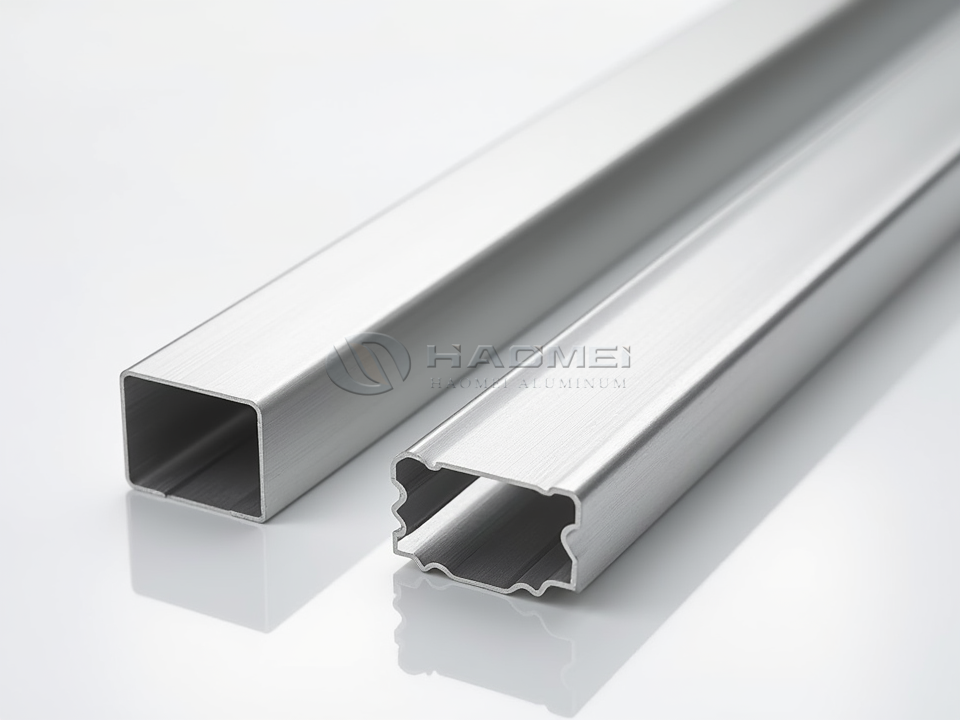
| Square or rectangular tube | Posts and intermediate supports | Simple installation and modern appearance |
| Round tube | Handrails and curved rail systems | Comfortable grip and low wind resistance |
| Custom welded modules | Preassembled railing bays | Faster installation and better shop quality control |
Coastal Applications
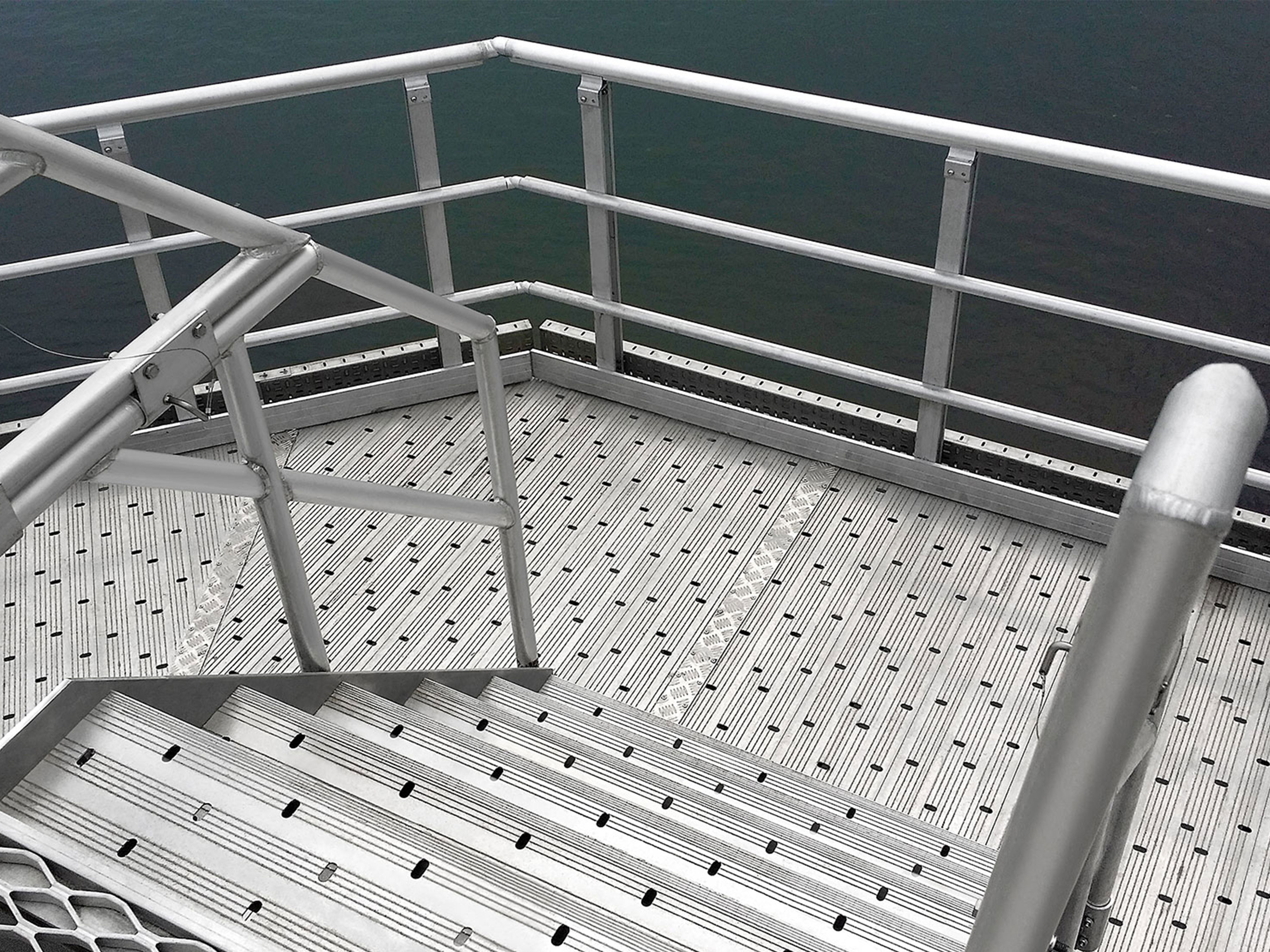
5083 marine aluminum guardrails serve both safety and architectural functions. They are light enough to reduce structural load on docks and concrete edges, yet strong enough for demanding public access areas.
Common use cases include:
- Marina walkways, floating docks, and pontoon edges
- Seawall protection rails and promenade barriers
- Ferry terminal pedestrian lanes and waiting platforms
- Coastal bridges, observation decks, and scenic overlooks
- Port service platforms and maintenance access routes
- Yacht club balconies, resort boardwalks, and waterfront stairs
- Fishery harbors, boat ramps, and slipway safety barriers
- Offshore service walkways where aluminum weight savings are valuable
Benefits for Owners and Contractors
5083 aluminum railing systems reduce life-cycle cost by minimizing repainting, rust removal, and heavy lifting during installation. Compared with galvanized or painted steel, aluminum does not create red rust streaks on concrete, stone, or timber decking. The lower weight also reduces handling risk during installation on floating structures.
| Benefit | Customer Value |
|---|---|
| High seawater resistance | Longer service life in coastal air and splash zones |
| Low weight | Easier transport, lifting, and installation |
| Strong welded performance | Reliable modular railing fabrication |
| Low maintenance | Less coating repair and no red rust staining |
| Clean appearance | Suitable for public waterfront and architectural sites |
| Recyclability | Supports sustainable infrastructure targets |
| Design flexibility | Works with tubes, plates, channels, and formed parts |
Design Notes for Better Service Life
The best 5083 guardrail is not only a good alloy choice; it is also a well-detailed assembly. Drainage holes should be placed where water may collect inside tubes. Welds should be continuous where crevice corrosion could start. Fastener holes should be deburred and isolated when stainless bolts are used. In high-traffic public areas, rounded handrail profiles improve comfort and reduce injury risk.
Where architectural color is required, specify marine-grade powder coating with proper surface preparation. For heavy splash zones, consider a duplex system: pretreatment, primer, and topcoat. In hidden connection zones, sealants and isolation pads often provide more value than cosmetic coating alone.
Why 5083 Is a Strong Choice
5083 marine aluminum fencing and railings offer a proven answer for seawater-resistant coastal guardrails. The alloy combines chloride resistance, structural strength, weldability, and weight savings in a form that suits both industrial ports and attractive public waterfronts. With correct temper selection, thoughtful drainage, suitable welding filler, and galvanic isolation, 5083 railing systems can deliver dependable safety and a clean coastal appearance for many years.

Related Products
Marine aluminum customized shapes
Marine Grade Aluminum Customized Shapes encompass a broad range of aluminum extrusions and fabrications engineered beyond standard profiles—such as channels, angles, tubes, and beams—into complex, project-specific geometries.
View Details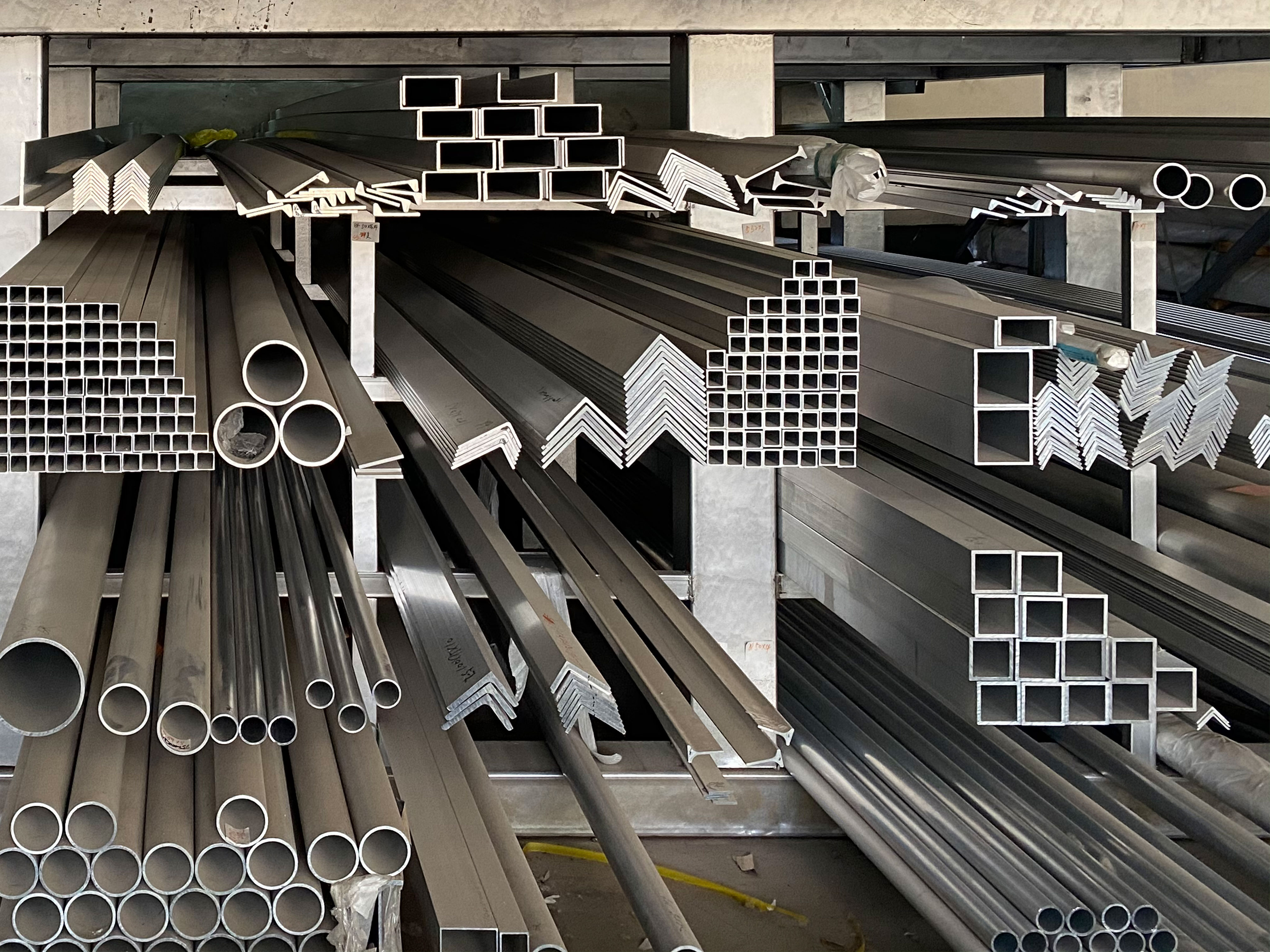
Marine aluminum fencing and railings
Marine Grade Aluminum Fencing and Railings are fabricated using marine-grade aluminum alloys such as 5083, 5052, and 6061, which are engineered specifically for protection against saltwater corrosion and marine atmospheric conditions.
View Details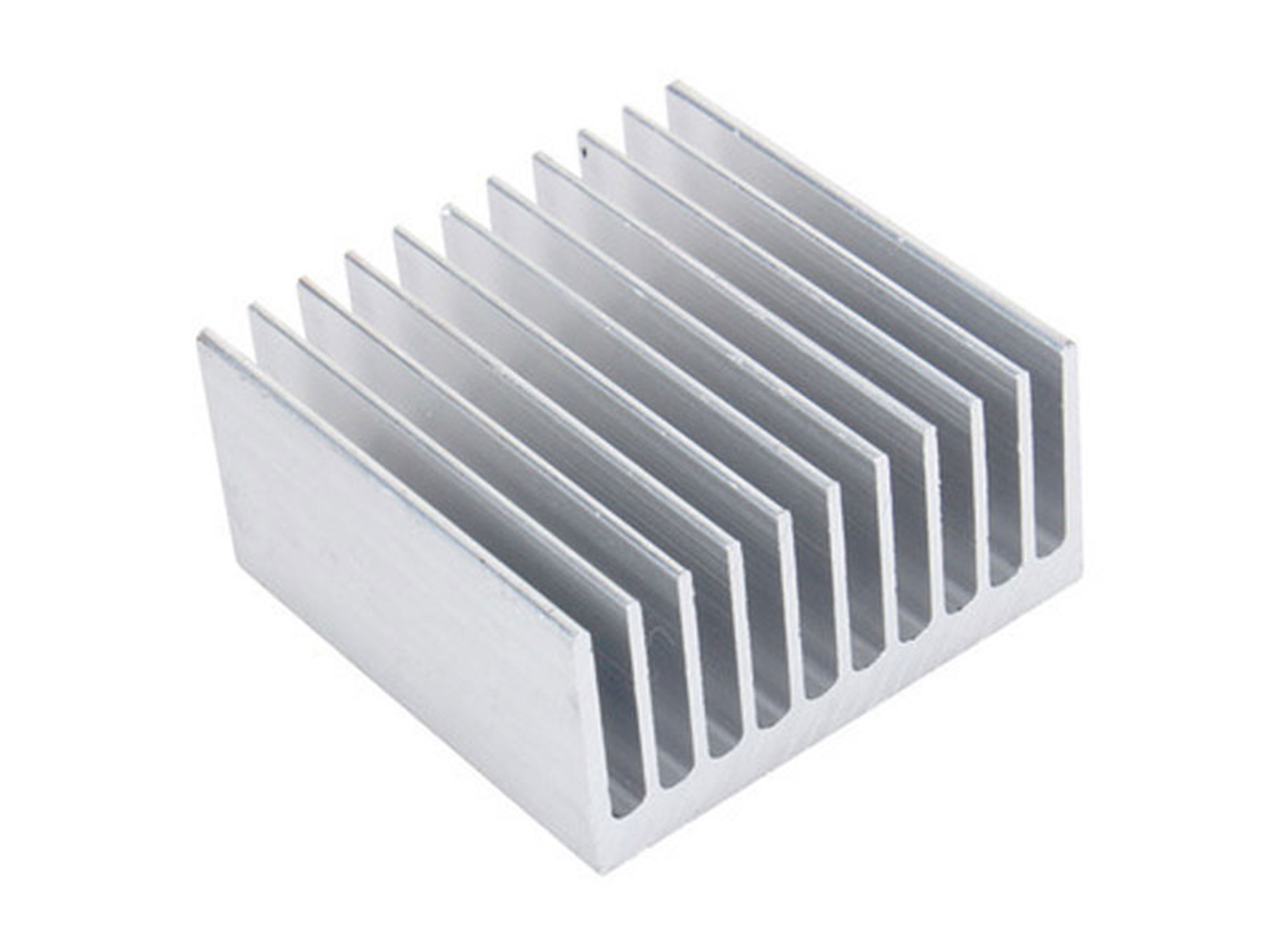
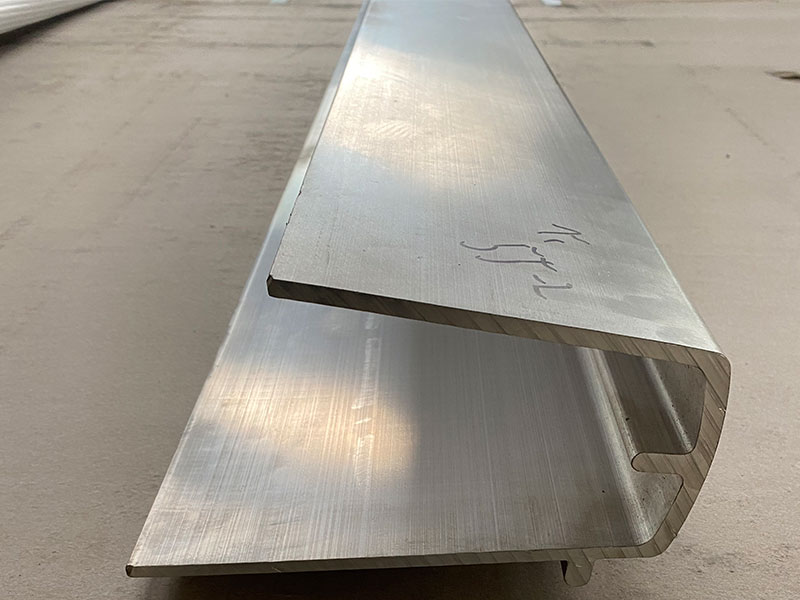
Marine aluminum heat sink profile
Marine Grade Aluminum Heat Sink Profiles utilize alloys such as 6061 and 6063 that not only exhibit high thermal conductivity but also possess excellent corrosion resistance required for saltwater exposure.
View DetailsRelated Blog
6061 Marine Aluminum Heat Sink Profile for Custom Boat and Ship Engine Cooling
Explore the superior cooling efficiency of 6061 Marine Aluminum Heat Sink Profiles, engineered for custom boat and ship engines. detailed specifications, temper types, chemical properties, standards compliance, and advanced corrosion resistance features o
View Details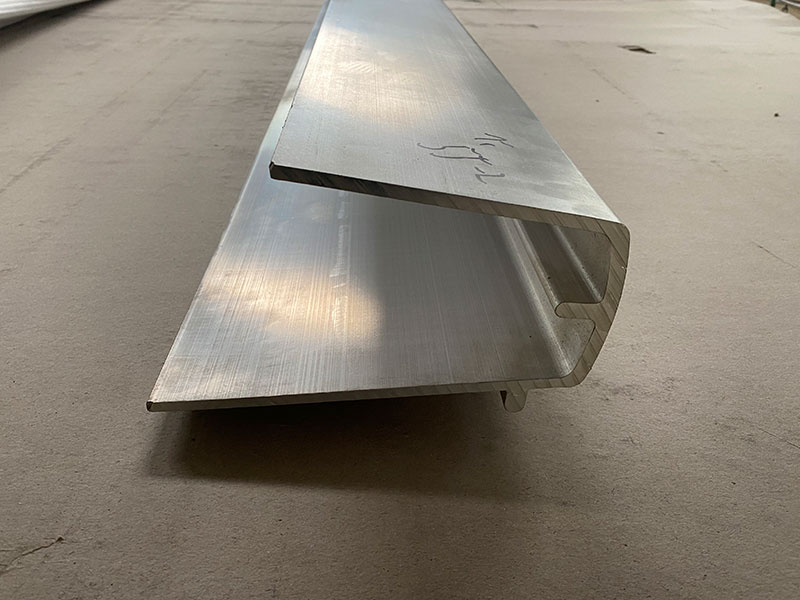
5052 Marine Aluminum Customized Shapes for High Strength Marine Engineering Components
Aluminum has emerged as a crucial material in marine engineering due to its combination of lightweight, corrosion resistance, and high strength. The 5052 alloy series, particularly, provides an excellent solution for challenging marine environments.
View Details
6061 Marine Aluminum Customized Shapes for Saltwater Resistant Shipbuilding Frames
Marine aluminum alloys play a critical role in shipbuilding, exhibiting remarkable resistance to corrosion, high strength-to-weight ratios, and ease of fabrication.
View Details
6061 Marine Aluminum Fencing and Railings for Coastal Platform Security Railings
Practical guidance on 6061 marine aluminum railings for coastal platforms, covering safety, corrosion control, fabrication, maintenance, and fit.
View Details
5083 Marine Aluminum Fencing and Railings for Offshore Vessel Deck Safety Barriers
5083 marine aluminum fencing and railings for offshore vessel deck barriers, with data on corrosion resistance, weldability, design options, and vessel uses.
View Details
Marine Aluminum Fencing and Railings for High Strength Boat Deck Safety Barriers
When it comes to ensuring safety on boat decks, the choice of fencing and railing materials plays a critical role. Marine aluminum fencing and railings have emerged as the premier solution for high strength, corrosion-resistant.
View Details
Leave a Message