
6061 Marine Aluminum Hollow Bars for Seawater Resistant Boat Construction
A Structural Tube That Does More Than Carry Load
In boat construction, a hollow bar is not simply a lighter replacement for a solid bar. It is a designed load path with usable internal space. 6061 marine aluminum hollow bars can reinforce deck structures, support rail systems, form canopy frames, create mast and equipment brackets, and route wiring or fluid lines through protected sections. Their hollow geometry helps fabricators place material farther from the centerline, increasing stiffness while controlling weight.
For seawater-resistant boat construction, 6061 is valued for its balance of strength, machinability, weldability, and corrosion performance. It is especially practical for components above the waterline or in sheltered structural locations, including T-tops, hardtop frames, davits, boarding rails, console supports, cabin structures, tender frames, and machinery guards.
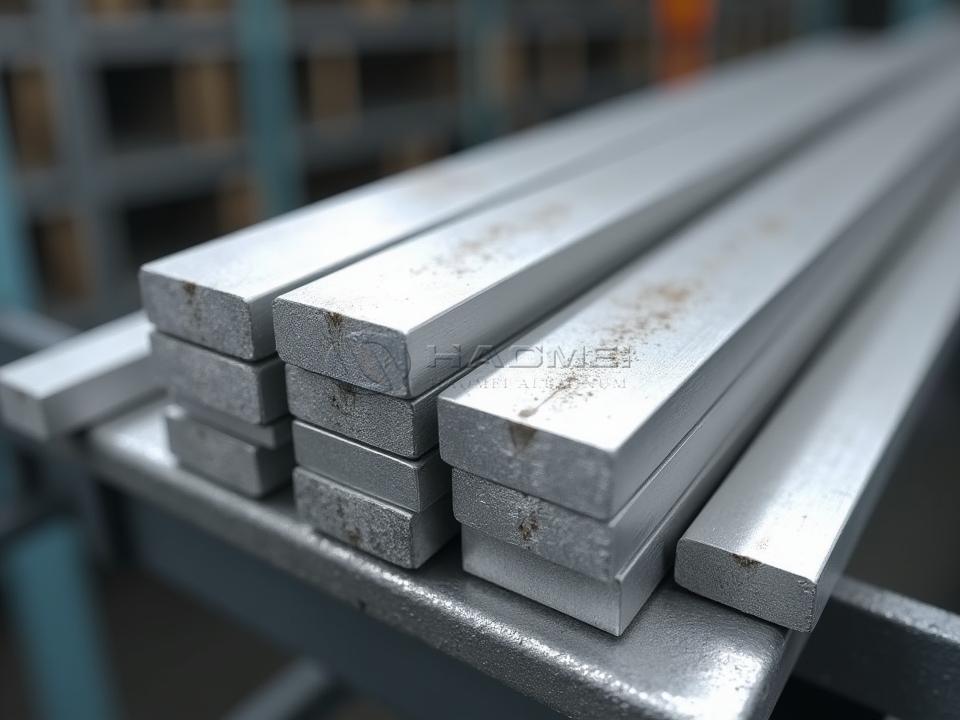
The most useful way to view a 6061 hollow bar is as a multifunctional structural member. A rectangular hollow section can resist bending in a deck frame. A round hollow section can become a rail, handhold, antenna support, or pipe-like enclosure. A square section can simplify connection details for solar-panel mounts, seating modules, and equipment racks. The internal cavity also reduces exposed mass, helping builders maintain vessel trim and lower fuel demand.
Why 6061 Works in Marine Fabrication
6061 is an Al-Mg-Si alloy strengthened by heat treatment. Magnesium and silicon form magnesium silicide, allowing the alloy to gain significant strength after solution heat treatment and artificial aging. This makes 6061-T6 a common selection where a clean, rigid, machine-friendly marine component is needed.
Its corrosion resistance is good in ordinary marine atmospheres, splashing zones, and freshwater-to-saltwater service when the design prevents stagnant moisture and galvanic coupling. Still, responsible material selection matters. For permanently immersed hull plating or highly exposed saltwater structures, 5xxx-series alloys such as 5083 or 5086 are often preferred because they offer stronger natural resistance to seawater corrosion. 6061 hollow bars are at their best when they are detailed as engineered fittings, frames, supports, and enclosed structural members rather than treated as an all-purpose substitute for every hull alloy.
The corrosion result depends as much on fabrication practice as alloy chemistry. Smooth drainage paths, sealed or vented ends, isolation from stainless steel or carbon steel, compatible fasteners, and protective coatings can greatly extend service life. When a hollow section is capped, fabricators should avoid trapping saltwater inside. Vent holes, drainage holes, and properly sealed closures prevent hidden corrosion from becoming an expensive maintenance issue.
Chemical Composition of 6061 Aluminum
The following composition limits are commonly specified for 6061 aluminum under recognized aluminum alloy standards.
| Element | Composition, % by Weight |
|---|---|
| Silicon, Si | 0.40-0.80 |
| Iron, Fe | 0.70 max |
| Copper, Cu | 0.15-0.40 |
| Manganese, Mn | 0.15 max |
| Magnesium, Mg | 0.80-1.20 |
| Chromium, Cr | 0.04-0.35 |
| Zinc, Zn | 0.25 max |
| Titanium, Ti | 0.15 max |
| Other elements, each | 0.05 max |
| Other elements, total | 0.15 max |
| Aluminum, Al | Balance |
The magnesium-silicon chemistry gives 6061 its heat-treatable character, while chromium supports corrosion resistance and grain-structure control. Copper is deliberately limited because excessive copper can reduce corrosion performance in chloride-rich environments.
Tempers and Mechanical Conditions for Hollow Bars
For most fabricated marine structures, 6061-T6 is the familiar condition. It offers high strength and a firm, stable surface for machining. However, welding changes the local condition. Heat from welding softens the heat-affected zone, so a T6 member does not retain full T6-level strength adjacent to the weld. Designers should size welded joints using appropriate reduced allowable properties, not parent-metal values alone.
| Temper | Typical Condition | Typical Tensile Strength | Typical Yield Strength | Marine Fabrication Use |
|---|---|---|---|---|
| T4 | Solution heat-treated and naturally aged | About 180 MPa | About 110 MPa | Formed parts requiring more ductility |
| T6 | Solution heat-treated and artificially aged | About 290 MPa minimum | About 240 MPa minimum | Frames, brackets, rails, machined fittings |
| T651 | T6 condition with stress relief by stretching | Similar to T6 | Similar to T6 | Precision-machined members where movement must be minimized |
| O | Annealed | About 125 MPa | About 55 MPa | Deep forming or specialized fabrication |
Actual values vary with wall thickness, profile geometry, and governing specification. For critical components, purchase orders should identify the required temper, dimensions, straightness, surface condition, inspection needs, and traceability documents.
Dimensions, Tolerances, and Implementation Standards
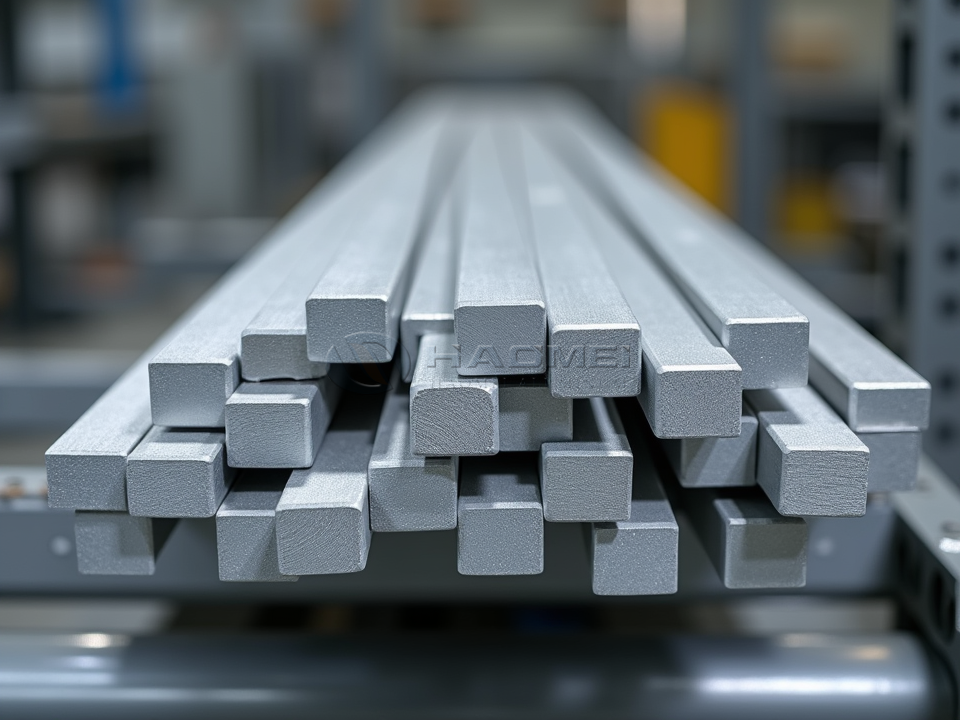
6061 hollow bars are generally supplied as round, square, rectangular, or custom extruded profiles. Common practical parameters include outside diameter or outside width, wall thickness, inside dimension, corner radius, length, straightness, and twist. Thin-wall sections reduce weight but may dent or distort during bending and welding. Thick-wall sections improve thread engagement, joint stiffness, and impact tolerance, although they add mass.
For extruded hollow bars and structural profiles, commonly referenced standards include:
| Standard | Typical Relevance |
|---|---|
| ASTM B221 | Aluminum and aluminum-alloy extruded bars, rods, wire, profiles, and tubes |
| EN 755-2 | Mechanical property requirements for extruded rod, bar, tube, and profiles |
| EN 755-9 | Dimensional and form tolerances for extruded profiles |
| EN 573-3 | Chemical composition and alloy designation system |
| ISO 6362 | Wrought aluminum alloy extruded rods, bars, tubes, and profiles |
A specification may state a requirement such as: 6061-T6 extruded rectangular hollow bar, mill finish, ASTM B221, cut length tolerance, wall thickness tolerance, ultrasonic testing if required, and material certificate supplied. This language helps align the extrusion mill, fabricator, and vessel designer before cutting begins.
Productive Boatbuilding Applications
A well-designed hollow bar can replace several separate parts. In a hardtop frame, it carries roof load while concealing electrical harnesses for navigation lights, radios, cameras, and solar panels. In a boarding rail, it provides a strong grasping surface without the excess weight of solid stock. In a console frame, it creates a rigid mounting skeleton while leaving a protected route for wiring and control cables.
For builders comparing section choices, Marine aluminum hollow bars provide a practical route to reduce structural mass without sacrificing fabrication flexibility. Where a component must be turned, threaded, or heavily machined, a Marine grade aluminum solid bar may remain the better choice because it offers more machining allowance and uninterrupted material around fasteners.
Welding is commonly performed with 5356 or 4043 filler, selected according to joint design, service conditions, finish requirements, and welding procedure. After welding, remove residue, prevent crevices, and restore surface protection where needed. Anodizing, marine paint systems, powder coating, or isolation coatings can be used depending on location and appearance requirements. Bare aluminum should never be placed directly against copper-bearing materials or uninsulated carbon steel.
Practical Selection Guidance
Choose 6061-T6 hollow bars when the boat component needs a combination of stiffness, low weight, clean appearance, accurate machining, and dependable fabrication. Use a larger outside dimension with an efficient wall thickness when bending stiffness is more important than localized thread depth. Select a thicker wall where welded tabs, threaded inserts, hinge points, or high-impact deck hardware will transfer concentrated loads.
For long-term seawater exposure, success comes from treating the hollow section as part of a complete corrosion-control system. Specify suitable temper and standard compliance, design for drainage, isolate dissimilar metals, protect cut ends, and account for weld-zone softening. With these details handled correctly, 6061 marine aluminum hollow bars become durable, lightweight structural tools that help boats carry more function with less weight.

Related Products
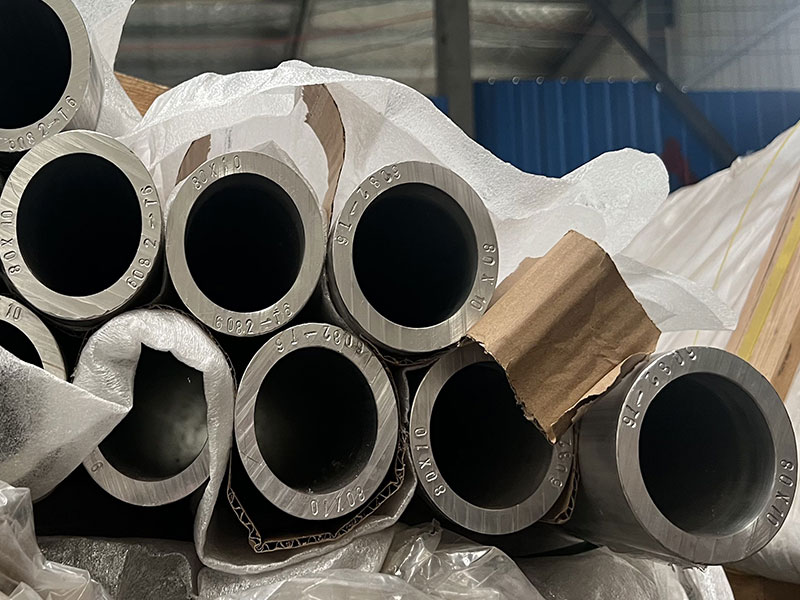
Marine aluminum hollow bars
Marine Grade Aluminum Hollow Bars are fabricated from high-quality alloys such as 5083, 5052, 6061, and 6082, all known for their exceptional resistance to seawater corrosion, salt spray, and marine atmospheres.
View Details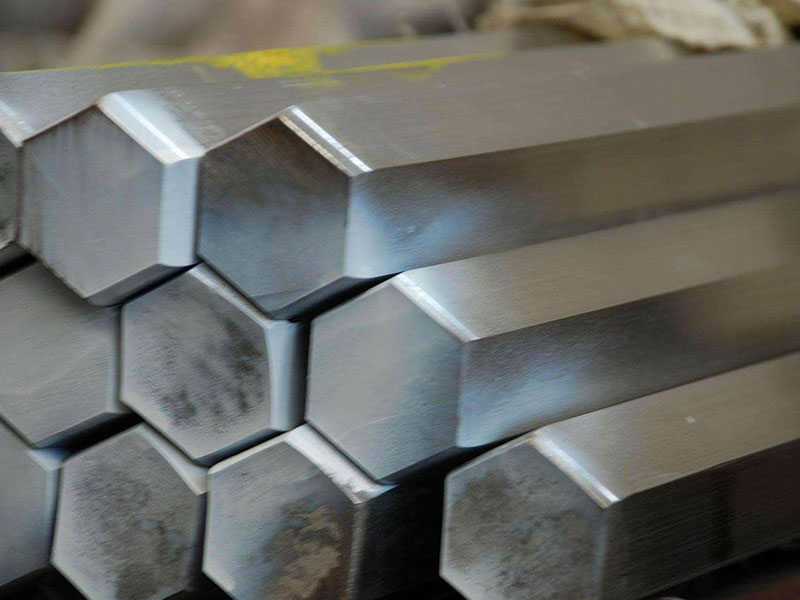
Marine aluminum hexagonal bars
Marine Grade Aluminum Hexagonal Bars are produced from premium corrosion-resistant aluminum alloys such as 5083, 5052, 6061, and 6082.
View Details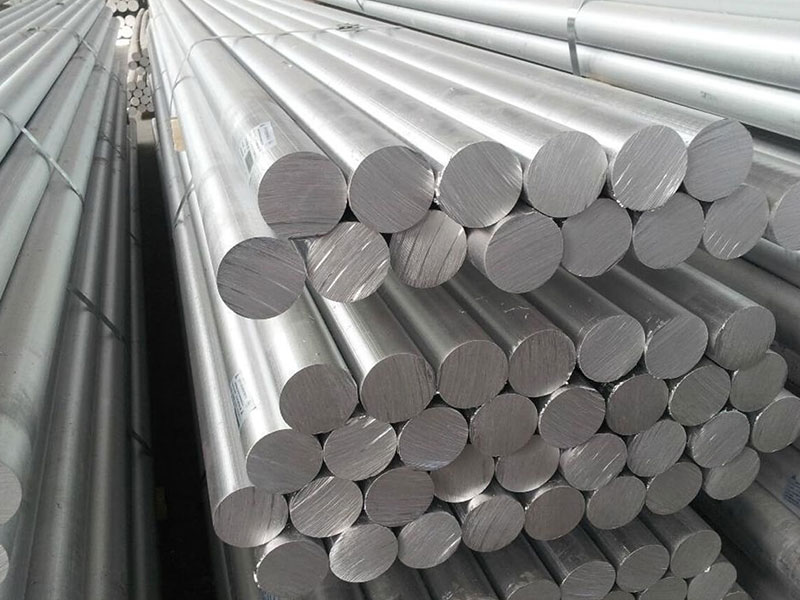
6082 marine aluminum rod & bar
6082 Aluminum Rods & Bars are extruded or rolled products manufactured from 6082 aluminum alloy — a thermally treated (typically T6 temper) aluminum-magnesium-silicon alloy that balances high tensile strength, good weldability, and excellent corrosion resistance.
View Details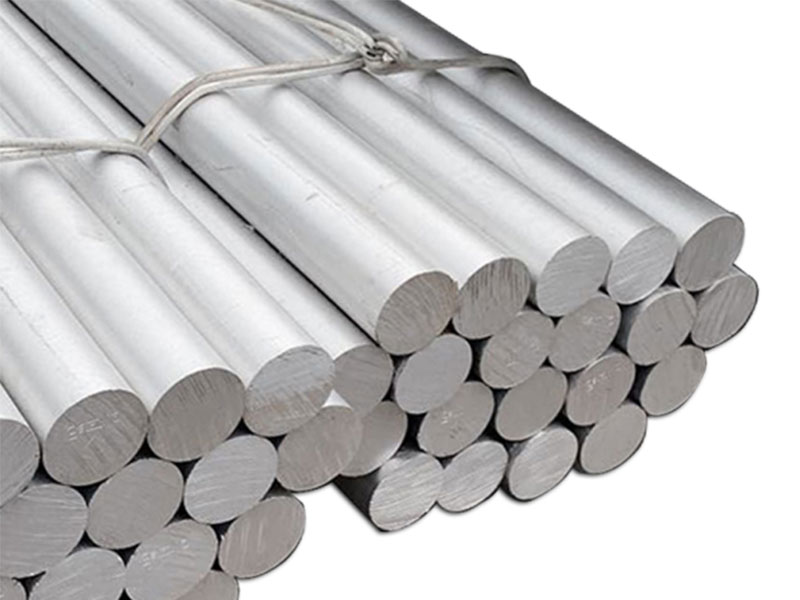
Marine grade aluminum solid bar
Marine Grade Aluminum Solid Bars are produced from premium aluminum alloys optimized for saltwater exposure, such as 5083, 5052, 6061, and 6082. These alloys offer unparalleled resistance to corrosion caused by seawater, salt spray, and marine atmospheres, while maintaining excellent mechanical strength and toughness.
View DetailsRelated Blog
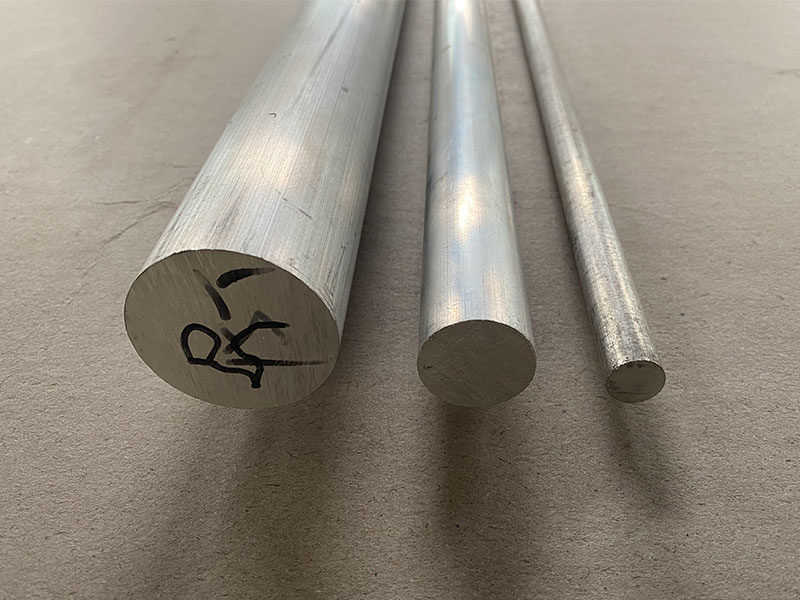
6061 Marine Aluminum Hexagonal Bars for Lightweight Marine Frame Construction
In the ever-evolving marine industry, choosing the correct material for frame construction is a critical factor influencing performance, durability, and safety. Among these materials.
View Details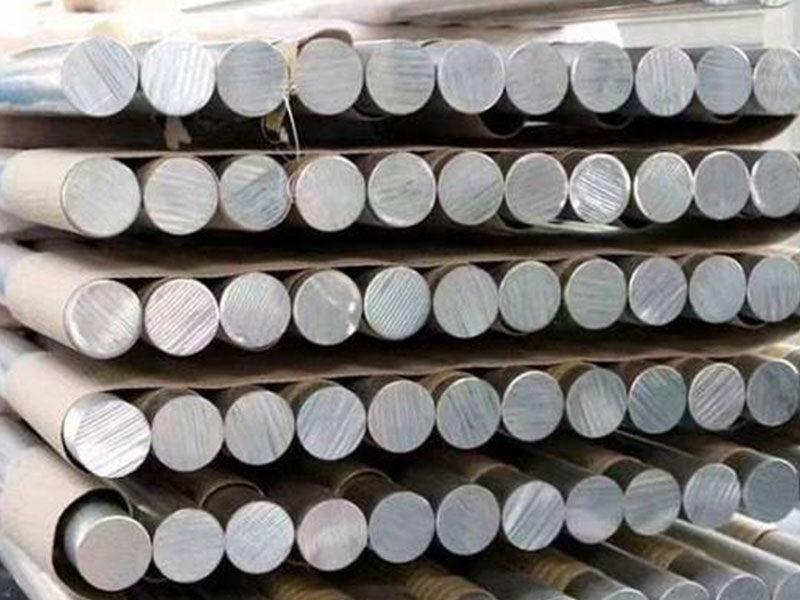
6061 Marine Aluminum Hollow Bars for Custom Marine Platform Solutions
6061 Marine Aluminum Hollow Bars for Custom Marine Platform Solutions: The "Quiet Engineering" Inside Every Deck, Frame, and WalkwayWhen people picture a marine platform, they usually see the surface: the deck plates, the railings, the tidy weld beads.
View Details
6061 Marine Aluminum Hollow Bars for Seawater Resistant Boat Construction
Learn how 6061 marine aluminum hollow bars support lightweight boat frames, mast bases, rails, and fluid routes with temper, corrosion, welding, and standards guidance.
View Details
5052 Marine Aluminum Hexagonal Bars for Custom Boat Hull Reinforcement
Learn how 5052 marine aluminum hexagonal bars reinforce custom boat hulls with corrosion resistance, weldability, stable tempers, and practical machining.
View Details
6061 Marine Aluminum Hexagonal Bars for Corrosion Resistant Marine Applications
6061 Marine Aluminum Hexagonal Bars for Corrosion Resistant Marine Applications: Unveiling the Technical Backbone of Modern Maritime EngineeringIn the demanding world of marine engineering.
View Details
5083 Marine Aluminum Hexagonal Bars for Boat Design and Engineering
5083 marine aluminum hexagonal bars offer outstanding corrosion resistance, high strength-to-weight ratio, and excellent weldability for boat design and marine engineering.
View Details
Leave a Message