
6082 Marine Aluminum Hollow Bars for High Performance Marine Frames
6082 marine aluminum hollow bars are high-strength extruded sections designed for structural work where low weight, rigidity, corrosion performance, and clean fabrication matter. Their hollow geometry provides an efficient strength-to-weight ratio, making them especially suitable for marine frames that must resist vibration, dynamic loading, spray, humidity, and repeated service cycles.
As a heat-treatable aluminum-magnesium-silicon alloy, 6082 is widely selected when a marine structure needs greater mechanical strength than many 5xxx-series non-heat-treatable alloys. It is commonly supplied in round, square, rectangular, or custom hollow profiles for boat frames, hardtops, rail supports, gangways, lifting assemblies, and equipment structures.
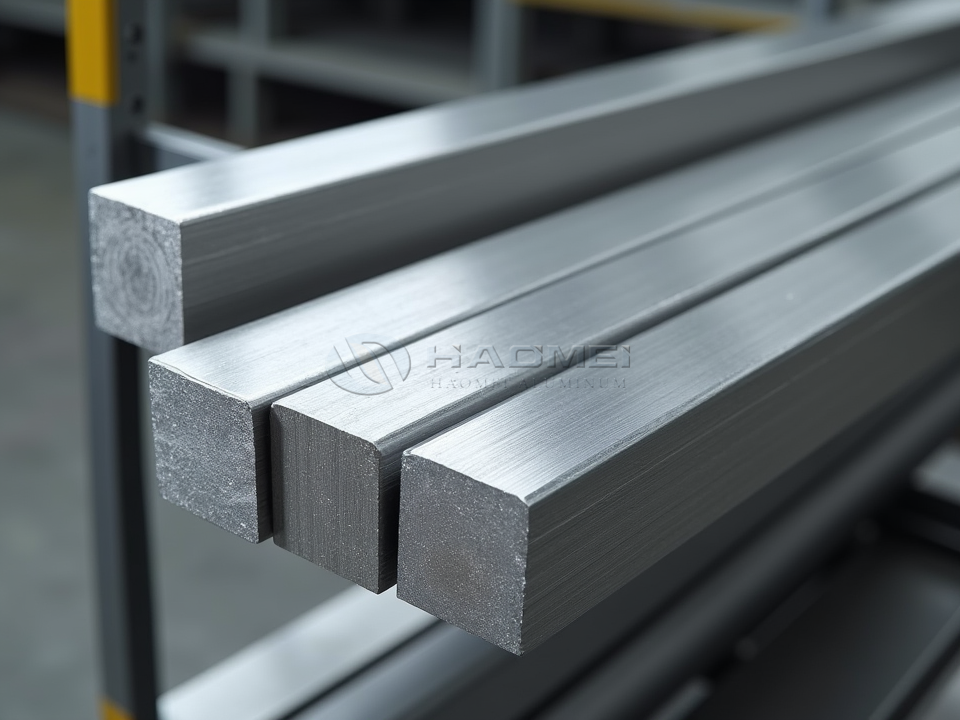
Why Hollow Bars Improve Marine Frame Design
A solid bar adds material throughout its section, including at the neutral axis where less material is needed to resist bending. A hollow bar places more metal around the outside of the profile, where it contributes more effectively to section stiffness. This allows designers to reduce mass while retaining reliable resistance to bending and torsion.
For marine frames, lower structural mass can improve vessel efficiency, payload capacity, trim control, and handling. Hollow bars also create practical internal routes for wiring, drainage, sensor cables, or protected fasteners in selected designs. Square and rectangular sections are frequently used where flat faces simplify brackets, panels, bolted connections, and weld fit-up. Round hollow bars are preferred for railings, canopy supports, tubular braces, and streamlined exterior structures.
Marine aluminum hollow bars in 6082 are particularly effective in load-bearing assemblies requiring dependable machining and a refined finished appearance.
Typical Marine Applications
6082 hollow bars serve as structural building blocks rather than cosmetic trim. Their combination of strength, extrudability, and machinability supports fabricated components used across recreational, commercial, and offshore marine environments.
| Marine application | Function of 6082 hollow bar | Common profile form |
|---|---|---|
| Boat hardtop frames | Supports roofs, glazing, lights, and antennas | Round or rectangular tube |
| Cabin and windshield structures | Provides stiff, lightweight perimeter reinforcement | Rectangular hollow bar |
| Railings and guard systems | Forms durable handrails, stanchions, and braces | Round hollow bar |
| Gangways and boarding platforms | Carries bending loads with reduced deadweight | Rectangular or square hollow bar |
| Deck equipment frames | Supports consoles, winches, housings, and instruments | Square or custom profile |
| Workboat superstructures | Creates rigid frames for enclosed cabins and service areas | Rectangular hollow bar |
| Marine trailers and handling systems | Delivers strength in transport frames and support arms | Square or rectangular tube |
| Offshore access equipment | Used in platforms, ladders, protection frames, and brackets | Custom hollow extrusion |
Alloy Chemistry of 6082 Aluminum
The performance of 6082 comes from its controlled magnesium and silicon content, which forms magnesium silicide during heat treatment. Manganese contributes to strength and grain structure, while limits on copper and other elements help maintain suitable corrosion behavior.
| Element | Composition limit, % by weight |
|---|---|
| Silicon, Si | 0.70-1.30 |
| Iron, Fe | 0.00-0.50 |
| Copper, Cu | 0.00-0.10 |
| Manganese, Mn | 0.40-1.00 |
| Magnesium, Mg | 0.60-1.20 |
| Chromium, Cr | 0.00-0.25 |
| Zinc, Zn | 0.00-0.20 |
| Titanium, Ti | 0.00-0.10 |
| Other elements, each | 0.00-0.05 |
| Other elements, total | 0.00-0.15 |
| Aluminum, Al | Balance |
Composition values are generally aligned with EN AW-6082 requirements. Certification values should be confirmed on the mill test certificate for each production lot.
Mechanical Performance and Physical Data
The exact tensile values of 6082 marine aluminum hollow bars depend on wall thickness, cross-sectional geometry, temper, production route, and applicable standard. T6 is commonly chosen for higher strength in finished structural members, while T4 may be selected when significant forming is required before final ageing.
| Property | Typical 6082-T6 value | Engineering relevance |
|---|---|---|
| Density | 2.70 g/cm³ | Supports lightweight marine construction |
| Elastic modulus | 69 GPa | Indicates stiffness under load |
| Tensile strength | 290-340 MPa | Resistance to maximum tensile loading |
| 0.2% proof strength | 250-310 MPa | Useful for frame sizing calculations |
| Elongation | 6-12% | Varies by section and wall thickness |
| Brinell hardness | Approx. 95 HBW | Supports wear resistance and machining |
| Thermal conductivity | Approx. 170 W/m·K | Helps dissipate heat from equipment mounts |
| Melting range | Approx. 555-650°C | Relevant to welding and thermal processes |
| Electrical conductivity | Approx. 28-30% IACS | Relevant where grounding is considered |
Typical values are for guidance only. Design calculations should use certified minimum properties specified for the ordered size and temper.
Temper Conditions for Marine Fabrication
Temper selection should match the planned fabrication route. A high-strength temper is not always the best starting condition if extensive bending or reshaping is required. Fabricators should also recognize that welding changes the local temper in the heat-affected zone.
| Temper | Condition | Suitable use in marine frames |
|---|---|---|
| T4 | Solution heat-treated and naturally aged | Formed components, bends, and parts requiring further shaping |
| T5 | Cooled from elevated-temperature forming process and artificially aged | Extruded sections needing balanced strength and production efficiency |
| T6 | Solution heat-treated and artificially aged | High-strength finished frames, brackets, supports, and machined members |
| T6511 | Solution heat-treated, stress relieved by stretching, artificially aged, minor straightening permitted | Precision-cut structural parts requiring improved dimensional stability |
| O | Annealed | Specialized forming applications; rarely selected for final load-bearing frames |
In welded T6 structures, the material adjacent to the weld can lose part of its artificial-age strength. Frame design should account for this softened zone through proper joint geometry, member sizing, welding procedure qualification, and realistic allowable stresses. Where appropriate, bolted or mechanically fastened joints can avoid local heat effects.
Dimensions, Tolerances, and Supply Options
6082 hollow bars are manufactured by extrusion and can be supplied as standard tubing or tailored profiles. For demanding marine projects, details such as wall thickness consistency, straightness, internal corner radii, and cut-length accuracy affect both fabrication speed and finished-frame quality.
| Parameter | Typical supply capability | Notes |
|---|---|---|
| Profile shape | Round, square, rectangular, oval, custom | Custom dies support application-specific frame geometry |
| Outside diameter or width | Approx. 10-250 mm | Dependent on extrusion capability and profile complexity |
| Wall thickness | Approx. 1.5-20 mm | Selected according to load, weldability, and corrosion allowance |
| Standard lengths | 3 m, 4 m, 5 m, 6 m | Other commercial lengths available by agreement |
| Cut lengths | Project-specific | Saw-cut or precision-cut options reduce fabrication waste |
| Surface finish | Mill finish, brushed, polished, anodized, coated | Finish should suit exposure level and visual requirements |
| Straightness | Per applicable extrusion standard | Important for long rails, frames, and precision assemblies |
Standards and Quality Control
Material should be ordered with a clearly defined alloy, temper, section size, tolerance class, and certification requirement. European standards are frequently referenced for extruded aluminum bars, tubes, and profiles.
| Standard or document | Relevance to 6082 hollow bars |
|---|---|
| EN 573-3 | Chemical composition requirements for aluminum alloys |
| EN 515 | Temper designation system for wrought aluminum products |
| EN 755-1 | Technical conditions for inspection and delivery of extruded rod, bar, tube, and profiles |
| EN 755-2 | Mechanical property requirements for extruded products |
| EN 755-8 | Porthole tube dimensional tolerances |
| EN 755-9 | Dimensional and form tolerances for profiles |
| ASTM B221 | Extruded aluminum alloy bars, rods, wire, profiles, and tubes |
| Mill Test Certificate, EN 10204 3.1 | Heat traceability, chemical analysis, and mechanical test reporting |
For saltwater exposure, surface preparation and assembly design remain important. Avoid water traps inside unsealed sections, provide drainage where needed, isolate aluminum from stainless steel or carbon steel where galvanic conditions may occur, and use suitable marine-grade sealants or insulating washers at dissimilar-metal interfaces.
Fabrication Guidance for Long-Term Service
6082 marine aluminum hollow bars machine cleanly and respond well to drilling, sawing, milling, and CNC processing. Their strength makes them suitable for threaded inserts, machined end fittings, and compact structural joints. During welding, 5356 or 5183 filler metal is commonly considered for marine aluminum fabrication, subject to the joint design, service environment, and welding procedure.
A durable frame also depends on practical detailing. Closed hollow sections should be capped or drained intentionally, rather than left to collect saltwater. Sharp notches should be avoided at highly stressed areas. Smooth transitions, adequate radii, and correctly spaced supports help control fatigue stress in vessels exposed to slamming, engine vibration, and wave-induced movement.
For projects needing a strong, lightweight, and fabrication-friendly structural extrusion, 6082 marine aluminum hollow bars provide an effective foundation for modern high-performance marine frames.

Related Products
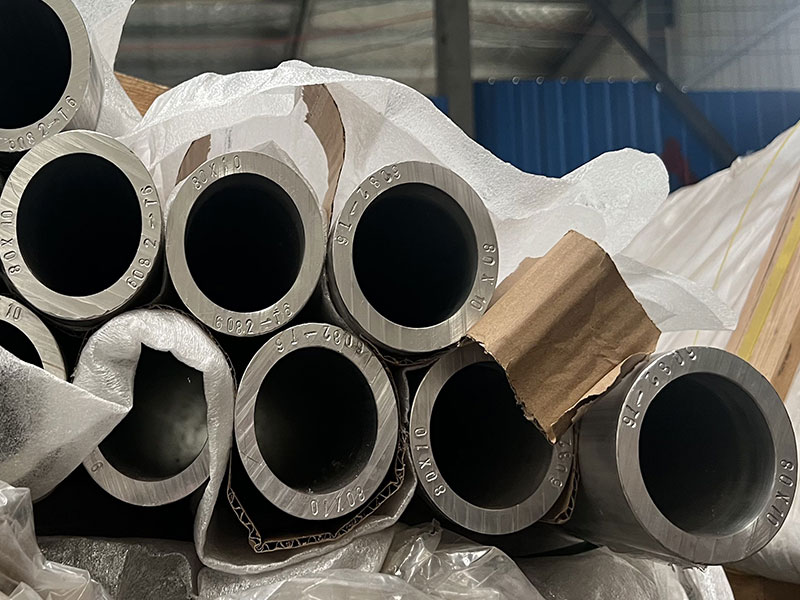
Marine aluminum hollow bars
Marine Grade Aluminum Hollow Bars are fabricated from high-quality alloys such as 5083, 5052, 6061, and 6082, all known for their exceptional resistance to seawater corrosion, salt spray, and marine atmospheres.
View Details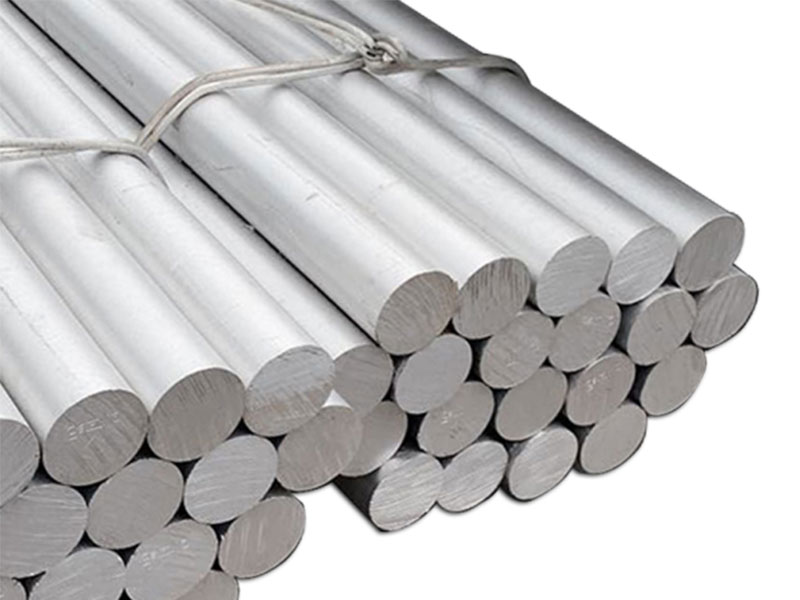
Marine grade aluminum solid bar
Marine Grade Aluminum Solid Bars are produced from premium aluminum alloys optimized for saltwater exposure, such as 5083, 5052, 6061, and 6082. These alloys offer unparalleled resistance to corrosion caused by seawater, salt spray, and marine atmospheres, while maintaining excellent mechanical strength and toughness.
View Details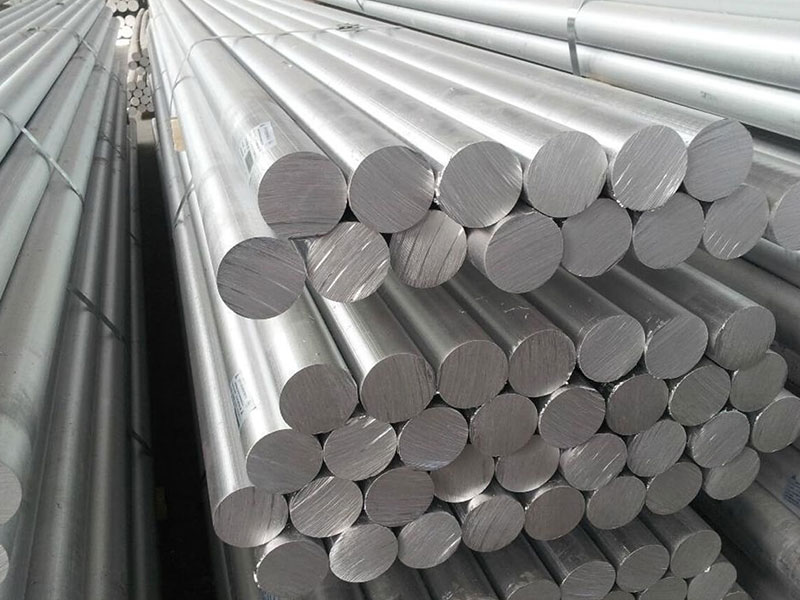
6082 marine aluminum rod & bar
6082 Aluminum Rods & Bars are extruded or rolled products manufactured from 6082 aluminum alloy — a thermally treated (typically T6 temper) aluminum-magnesium-silicon alloy that balances high tensile strength, good weldability, and excellent corrosion resistance.
View Details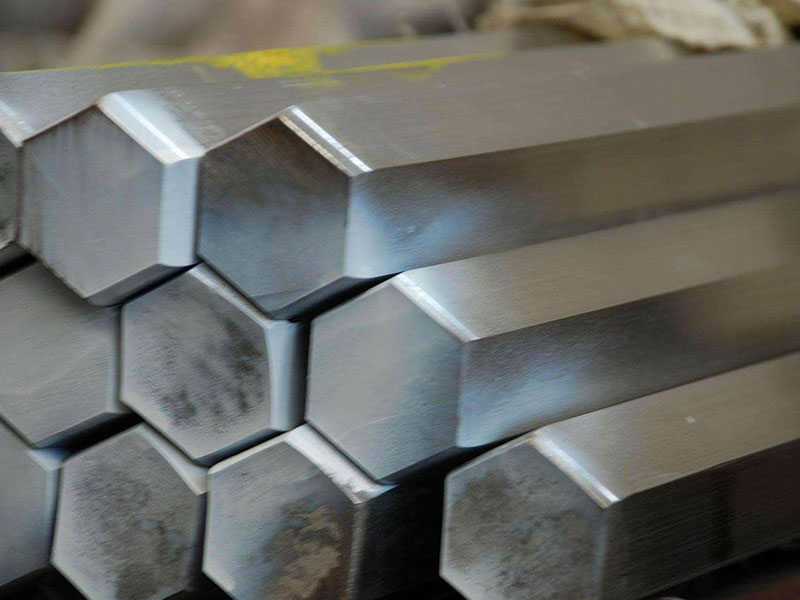
Marine aluminum hexagonal bars
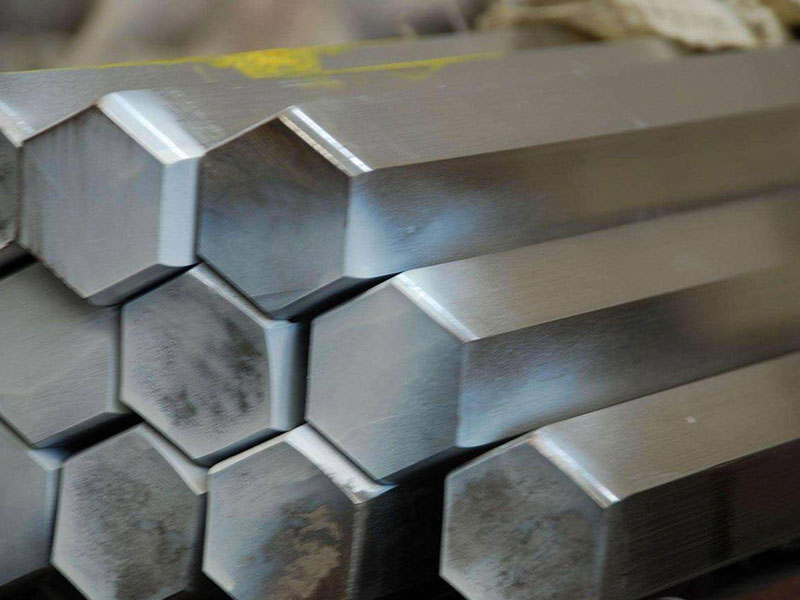
Marine Grade Aluminum Hexagonal Bars are produced from premium corrosion-resistant aluminum alloys such as 5083, 5052, 6061, and 6082.
View DetailsRelated Blog
Marine Aluminum Hollow Bars for Boat Hull Reinforcements
Marine Aluminum Hollow Bars for Boat Hull Reinforcements: Strength Where It Matters, Weight Where It Doesn'tBoat hull reinforcement is often discussed as a "more metal, more strength" problem.
View Details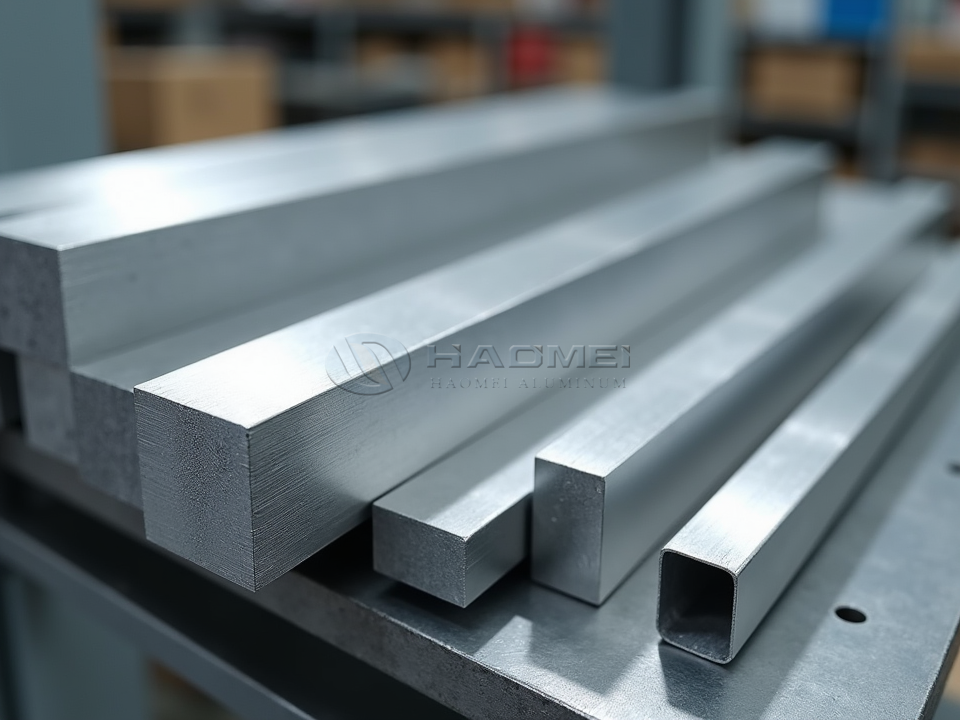
6082 Marine Aluminum Hollow Bars For Lightweight Boat Reinforcements
Learn how 6082 marine aluminum hollow bars reinforce boats with low weight, high strength, corrosion resistance, clean machining, and reliable fabrication.
View Details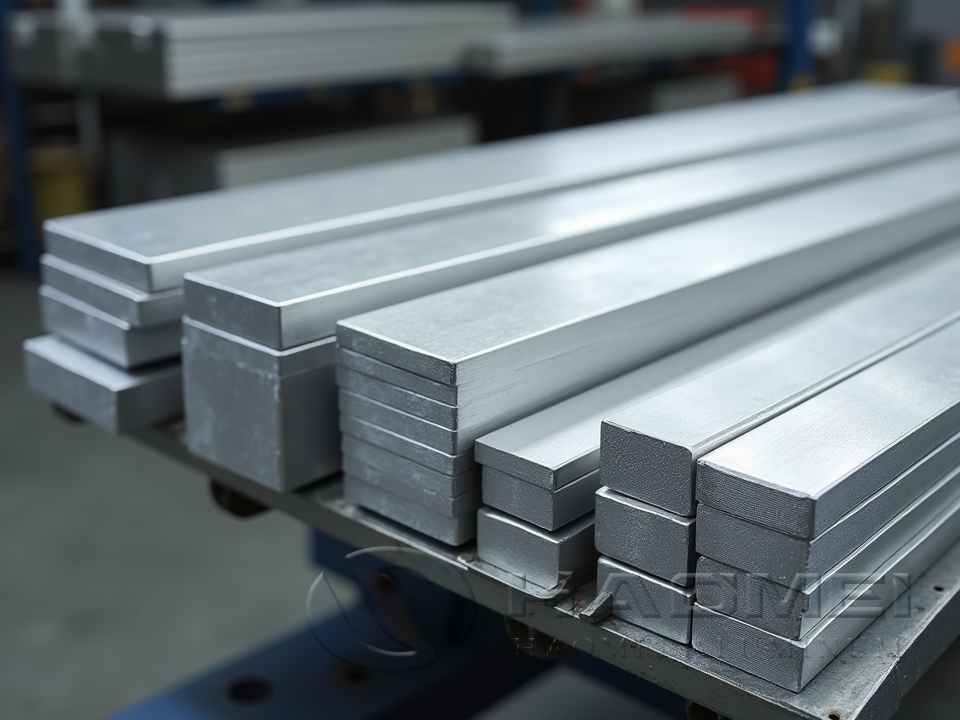
5052 Marine Aluminum Hollow Bars for Saltwater Proof Boat Reinforcements
5052 marine aluminum hollow bars provide corrosion-resistant, lightweight reinforcement for saltwater boat frames, decks, rails, and fittings.
View Details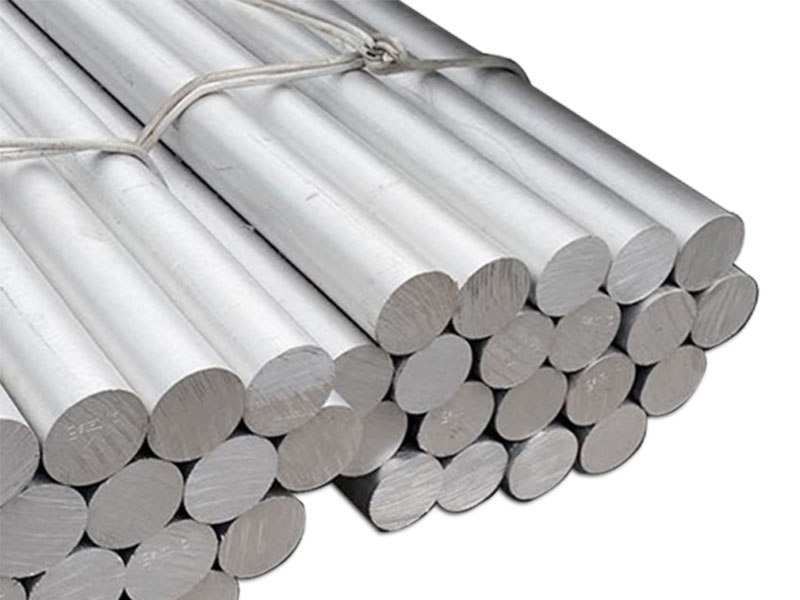
5052 Marine aluminum hexagonal bars
5052 marine aluminum hexagonal bars are a practical choice when you need corrosion resistance in saltwater, reliable strength, and good machinability-all in a shape that naturally suits fasteners, shafts, standoffs, couplings, valve parts.
View Details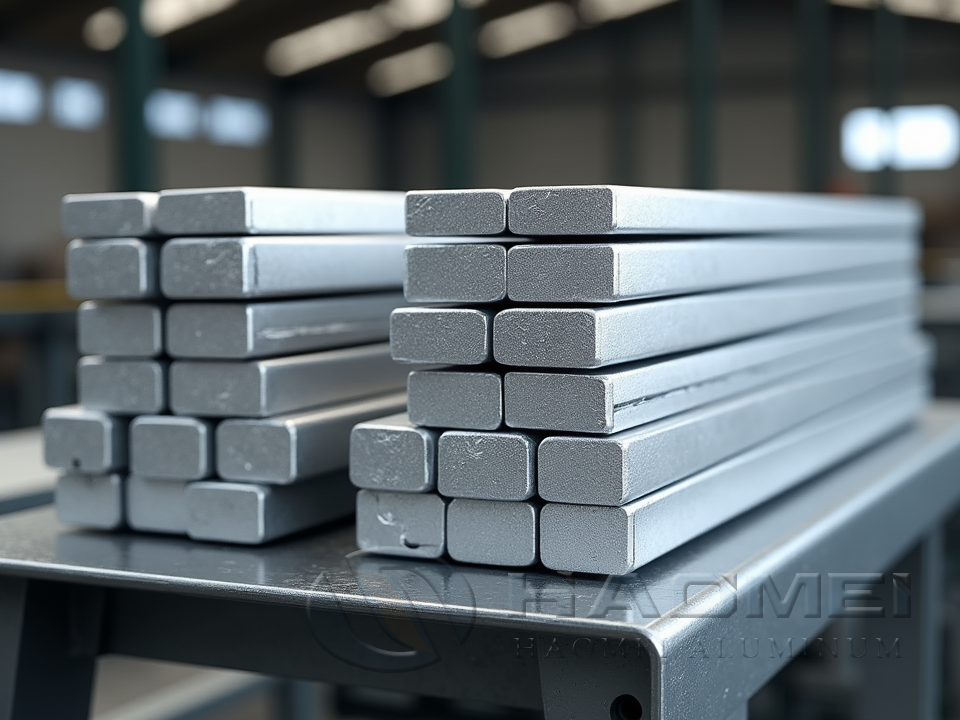
Marine Aluminum Hexagonal Bars for Coastal Boat Design and Customization
Marine aluminum hexagonal bars for coastal boats, covering alloys, tempers, corrosion resistance, machining uses, standards, and custom size options for builds.
View Details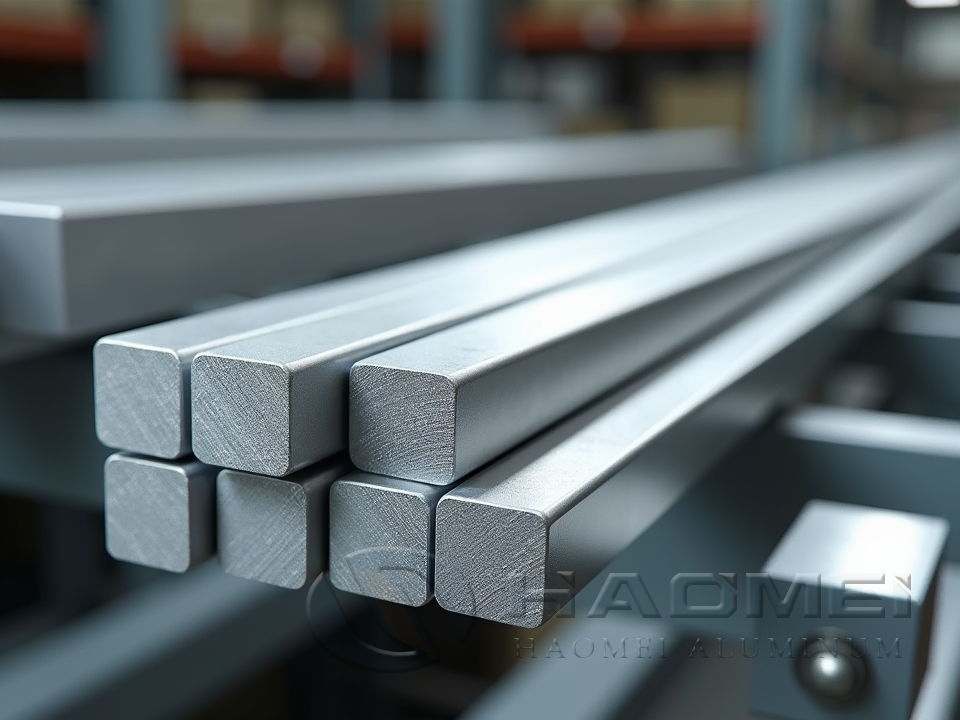
6082 Marine Aluminum Hexagonal Bars for Marine Construction and Design
Learn how 6082 marine aluminum hexagonal bars support boat hardware, deck systems, frames, corrosion control, machining, and efficient marine design.
View Details
Leave a Message