
6061 Marine Aluminum Hexagonal Bars for Offshore Vessel Strengthening
Offshore vessels work in a punishing world of salt spray, vibration, impact, heavy fittings, and continuous mechanical load. When a builder or repair yard needs compact reinforcement that can be machined quickly and fitted accurately, 6061 marine aluminum hexagonal bars offer a practical balance of strength, weight control, corrosion resistance, and shop efficiency.
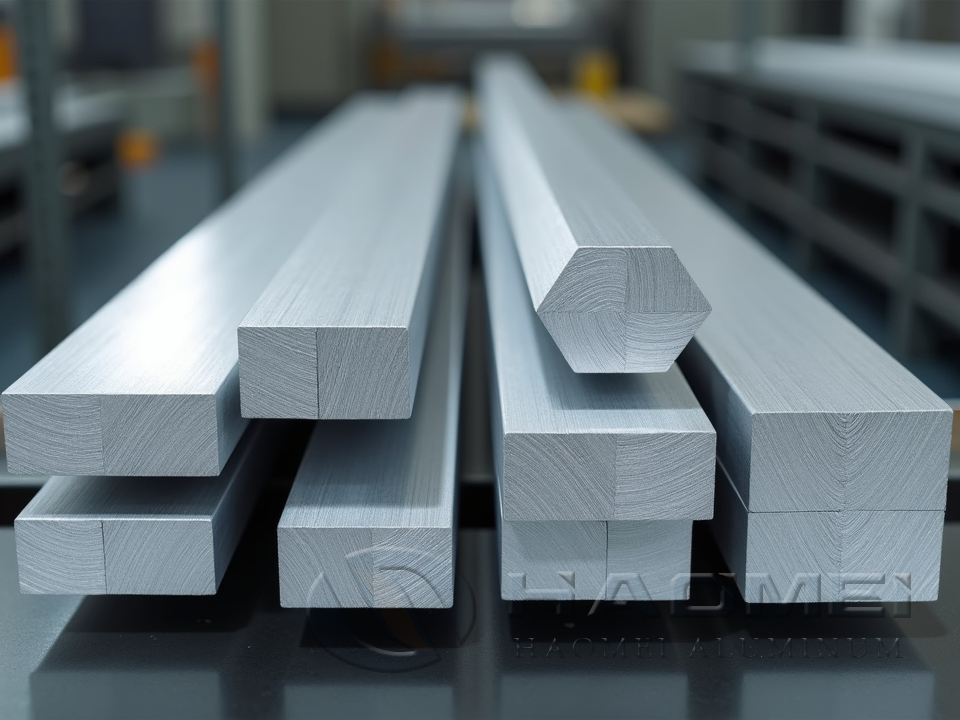
The six-sided profile is more than a convenient shape. It gives technicians reliable gripping surfaces during turning, milling, drilling, and assembly. In offshore strengthening projects, these bars are often used for structural inserts, machined connectors, threaded components, brackets, tie-down elements, ladder fittings, frame supports, and equipment mounting parts.
Why 6061 Works Well in Marine Reinforcement
6061 aluminum belongs to the Al-Mg-Si alloy family. In T6 temper, it provides good tensile strength, stable machinability, and dependable performance in marine service when properly designed, isolated from severe galvanic couples, and protected where exposure is extreme. Compared with many carbon steel parts, 6061 reduces weight while still allowing strong fastening and accurate fabrication.
For offshore vessel strengthening, weight matters. Extra mass placed high on a vessel can affect stability, fuel use, and handling. 6061 hex bars help engineers reinforce local structures without unnecessary weight penalties. They can be cut into short precision parts, threaded into studs or spacers, or milled into custom load-transfer blocks.
Customers comparing bar forms across Marine Grade Aluminum Bars often select hexagonal bar when wrench flats, anti-rotation geometry, or efficient machining from bar stock are required.
Main Product Features
The most appreciated feature of 6061 marine aluminum hexagonal bar is its balanced performance. It is strong enough for many vessel fittings, light enough for modern aluminum construction, and easy to process in busy fabrication shops.
| Feature | Customer Benefit |
|---|---|
| Hexagonal cross-section | Easy clamping, wrench engagement, and anti-rotation fit |
| 6061 Al-Mg-Si alloy | Good strength with practical corrosion resistance |
| T6 temper option | Higher mechanical performance for machined marine parts |
| Low density | Reduces added vessel weight compared with steel |
| Good machinability | Suitable for turning, threading, drilling, tapping, and milling |
| Weldable with correct procedure | Useful for assemblies, brackets, and structural attachments |
| Smooth surface options | Better appearance and easier finishing for exposed hardware |
Typical Chemical Composition
6061 gains its strength from controlled magnesium and silicon additions, with smaller amounts of copper and chromium helping performance. The composition should comply with applicable standards such as ASTM, EN, or customer-specified marine requirements.
| Element | Typical Range, % |
|---|---|
| Aluminum | Balance |
| Magnesium | 0.80-1.20 |
| Silicon | 0.40-0.80 |
| Iron | 0.70 max |
| Copper | 0.15-0.40 |
| Chromium | 0.04-0.35 |
| Zinc | 0.25 max |
| Manganese | 0.15 max |
| Titanium | 0.15 max |
| Other elements, each | 0.05 max |
| Other elements, total | 0.15 max |
Mechanical Performance Reference
Values vary with diameter across flats, temper, production route, and specification. For offshore use, buyers should confirm test certificates, dimensional tolerance, and temper condition before fabrication.
| Property | 6061-T6 Reference Value |
|---|---|
| Tensile strength | Around 290 MPa or higher |
| Yield strength | Around 240 MPa or higher |
| Elongation | Commonly 8-12%, size dependent |
| Brinell hardness | About 95 HB |
| Density | 2.70 g/cm3 |
| Modulus of elasticity | About 69 GPa |
| Melting range | About 582-652°C |
| Machinability | Good |
| Corrosion resistance | Good in marine atmosphere with suitable design |
Offshore Vessel Applications
6061 marine aluminum hexagonal bars are commonly selected when reinforcement must be compact, repeatable, and easy to install. In repair yards, they are frequently cut into short sections and machined into connection parts that transfer loads between hull structures, deck equipment, and secondary frames.
Typical uses include deck hardware spacers, hatch support components, railing bases, ladder and platform fittings, threaded studs, tie-rod components, cable tray supports, winch-area reinforcement parts, engine room brackets, antenna mounts, and custom fastening blocks. On workboats and service vessels, they can also be used around walkways, access platforms, davit supports, and removable equipment frames.
The hex profile is especially valuable where the part must be tightened with a wrench or held firmly during assembly. For components that must not rotate inside a pocket or fixture, the six-flat geometry can provide a simpler solution than round bar.
Fabrication and Finishing Behavior
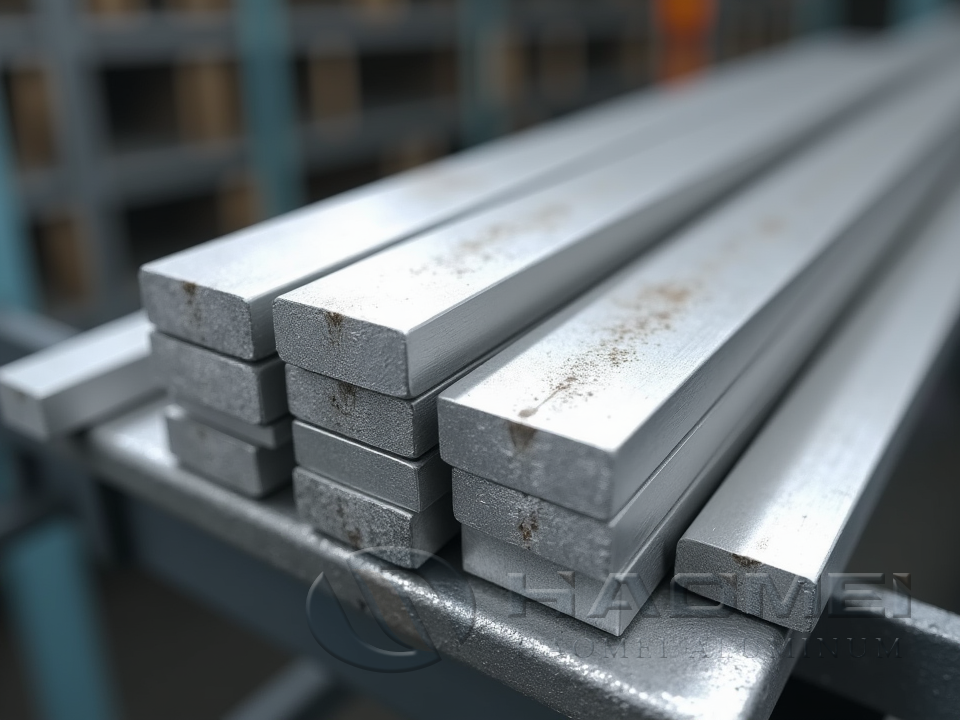
6061 hex bars machine cleanly with sharp tools, stable cutting parameters, and proper chip evacuation. They are suitable for CNC turning centers, milling machines, drilling lines, and tapping operations. When parts need internal or external threads, 6061-T6 provides a good balance between cutting response and thread strength.
Welding is possible, but engineers should account for strength reduction in the heat-affected zone. For heavily loaded welded structures, design review and post-weld considerations are important. Where maximum strength is needed at the joint, mechanical fastening, bolted reinforcement, or redesigned geometry may be preferred.
Surface finishing can include polishing, brushing, anodizing, conversion coating, painting, or powder coating. For offshore exposure, surface protection becomes more important in splash zones, fastener interfaces, and contact areas with stainless steel or carbon steel. Isolation washers, sealants, and compatible fasteners help reduce galvanic corrosion risk.
Design Notes for Strengthening Projects
A strengthening part should not only be strong in isolation; it must work with the surrounding vessel structure. Load path, contact area, fatigue behavior, drainage, crevice formation, and fastener spacing all affect service life. 6061 hexagonal bars are often used as small but important parts in larger reinforcement systems, so dimensional accuracy and traceable material quality matter.
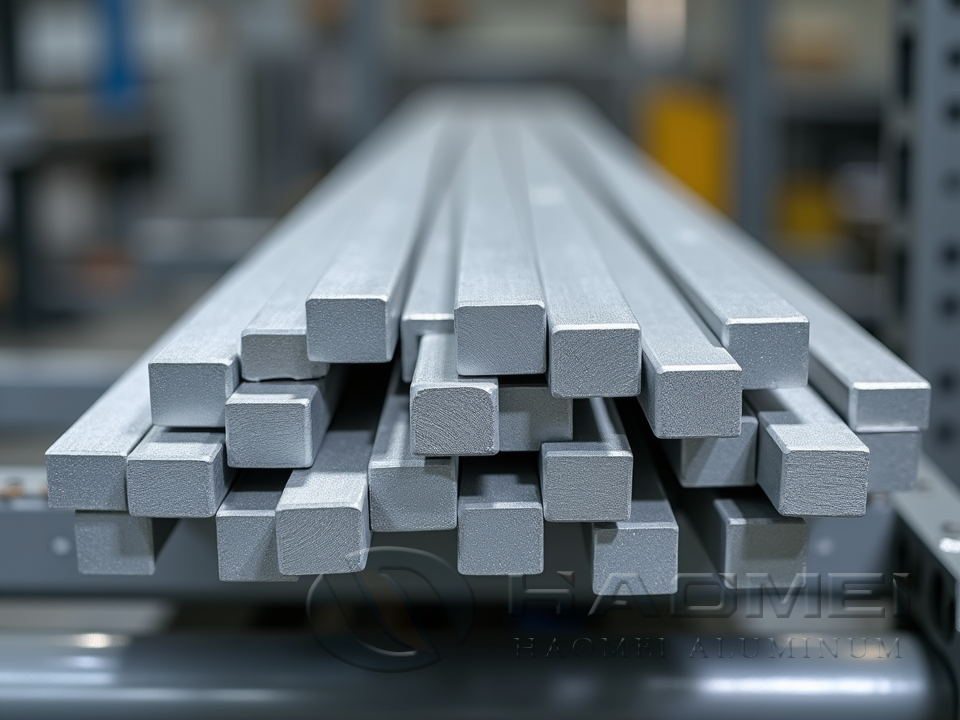
When ordering Marine aluminum hexagonal bars, customers usually specify alloy, temper, size across flats, length, tolerance, surface condition, straightness, packing method, and certificate requirements. For machined offshore fittings, consistent bar geometry reduces setup time and scrap rate.
Common Size and Supply Options
| Supply Item | Available Options |
|---|---|
| Alloy | 6061, with marine project documentation when required |
| Temper | T6, T651, or project-specific condition |
| Shape | Hexagonal solid bar |
| Size basis | Across flats dimension |
| Length | Cut length, random length, or mill length |
| Surface | Mill finish, polished, anodized, coated, or customer specified |
| Processing | Cutting, drilling, threading, CNC machining, deburring |
| Documentation | Mill test certificate, chemical report, mechanical test data |
| Packing | Bundled, wrapped, palletized, moisture-protected export packing |
Choosing 6061 Hex Bar for Marine Service
6061 is not always the only choice for every saltwater structure. Alloys such as 5083, 5086, or 6082 may be preferred in certain welded hull or high-strength applications. However, for machined reinforcement fittings, hardware components, brackets, and precision connector parts, 6061 hexagonal bar remains one of the most practical and widely accepted materials.
Its appeal comes from a simple combination: strong enough for demanding fittings, light enough for vessel efficiency, and easy enough to machine into accurate parts without slowing production. For offshore vessel strengthening, that combination can shorten repair schedules, reduce installed weight, and support long-term reliability.
Purchase Guidance
Before placing an order, customers should confirm the working environment, required loads, joining method, expected finish, and applicable marine or classification requirements. If the bar will be used near dissimilar metals, corrosion isolation should be planned at the design stage. If the part will carry cyclic load, fatigue and notch details should be reviewed carefully.
6061 marine aluminum hexagonal bars give shipyards, offshore fabricators, and equipment builders a dependable material for compact strengthening components. With proper alloy control, accurate dimensions, and suitable surface protection, they deliver reliable service in the demanding conditions found on offshore vessels.

Related Products
Marine aluminum hexagonal bars
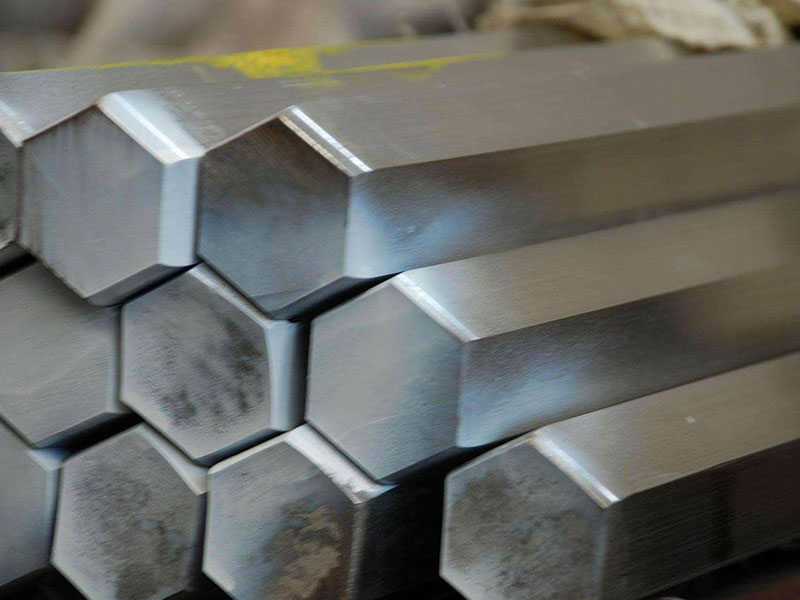
Marine Grade Aluminum Hexagonal Bars are produced from premium corrosion-resistant aluminum alloys such as 5083, 5052, 6061, and 6082.
View Details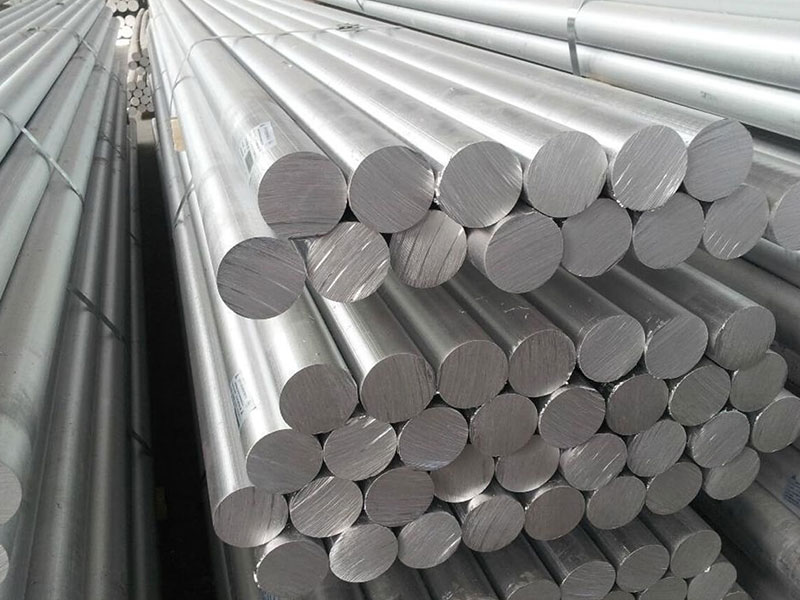
6082 marine aluminum rod & bar
6082 Aluminum Rods & Bars are extruded or rolled products manufactured from 6082 aluminum alloy — a thermally treated (typically T6 temper) aluminum-magnesium-silicon alloy that balances high tensile strength, good weldability, and excellent corrosion resistance.
View Details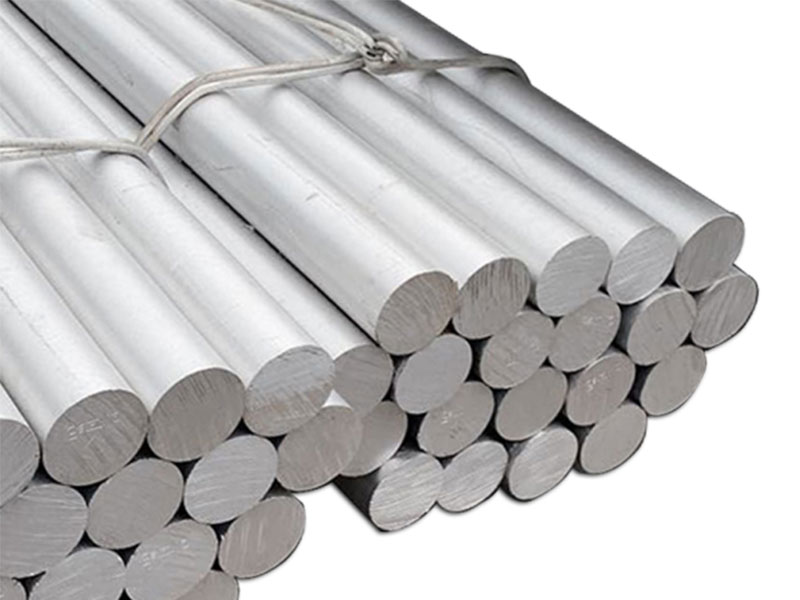
Marine grade aluminum solid bar
Marine Grade Aluminum Solid Bars are produced from premium aluminum alloys optimized for saltwater exposure, such as 5083, 5052, 6061, and 6082. These alloys offer unparalleled resistance to corrosion caused by seawater, salt spray, and marine atmospheres, while maintaining excellent mechanical strength and toughness.
View Details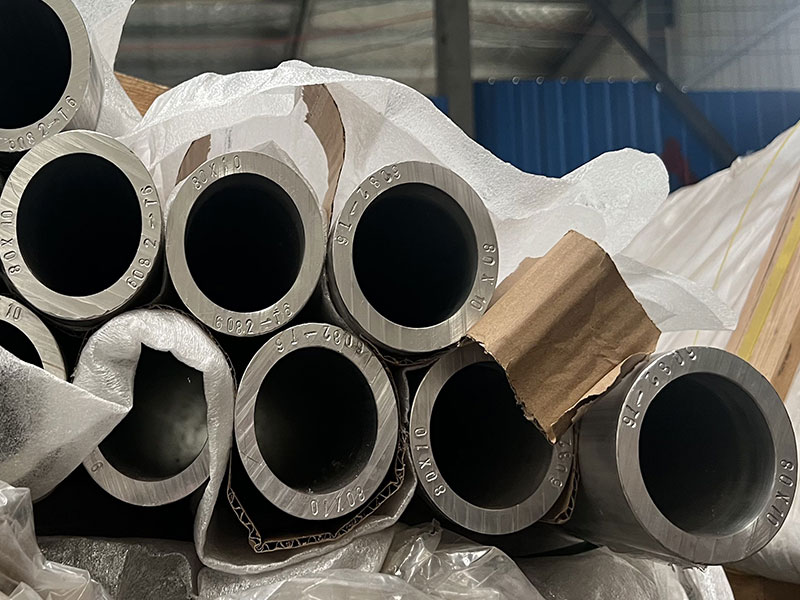
Marine aluminum hollow bars
Marine Grade Aluminum Hollow Bars are fabricated from high-quality alloys such as 5083, 5052, 6061, and 6082, all known for their exceptional resistance to seawater corrosion, salt spray, and marine atmospheres.
View DetailsRelated Blog
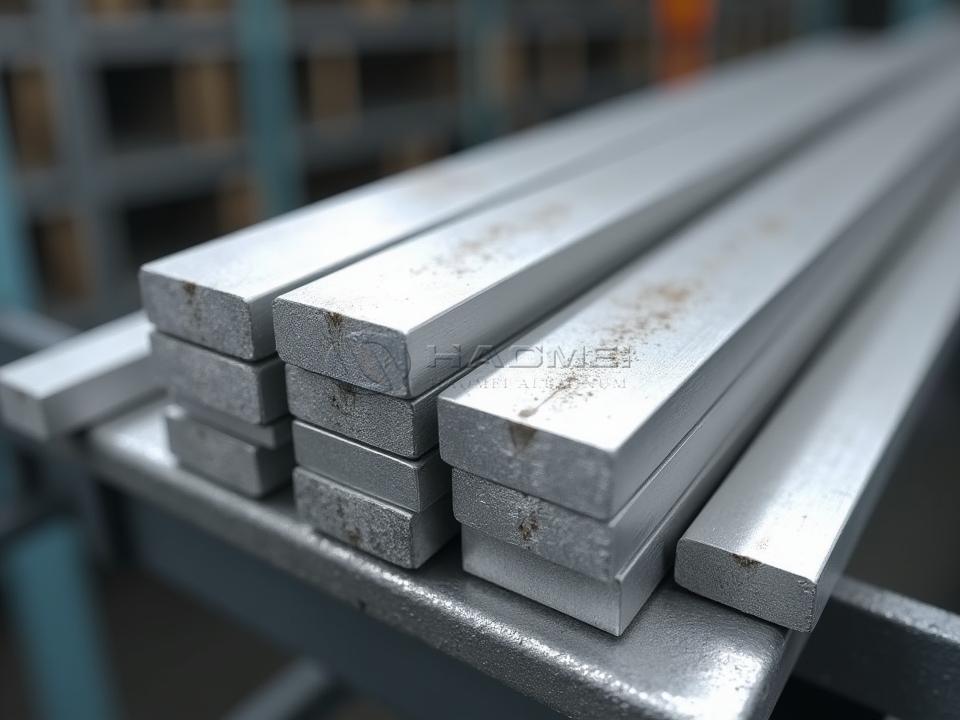
6061 Marine Aluminum Hollow Bars for Seawater Resistant Boat Construction
Learn how 6061 marine aluminum hollow bars support lightweight boat frames, mast bases, rails, and fluid routes with temper, corrosion, welding, and standards guidance.
View Details
5083 5052 H32 60mm aluminum bar for boat
High-performance 5083 and 5052 H32 60mm aluminum bars tailored for marine applications. Ideal for boat building with excellent corrosion resistance, superior strength, and formability.
View Details
5083 Marine Aluminum Hollow Bars for Offshore Marine Engineering
Offshore structures punish materials with a combination of chloride-rich seawater, cyclic loading, impact, abrasion, and temperature swings. In this environment, 5083 marine aluminum stands out as a workhorse alloy.
View Details
6082 Marine Grade Aluminum Solid Bar for Marine Hull Strengthening
The 6082 marine grade aluminum solid bar is widely used for reinforcing hull structures, decks, and load‑bearing components in ships and offshore vessels. It combines high strength, excellent corrosion resistance, and good weldability, .
View Details
5083 Marine Aluminum Hexagonal Bars for Boat Design and Engineering
5083 marine aluminum hexagonal bars offer outstanding corrosion resistance, high strength-to-weight ratio, and excellent weldability for boat design and marine engineering.
View Details
6082 Marine Aluminum Hexagonal Bars for Custom Marine Frame Reinforcement
Learn how 6082 T6 marine aluminum hexagonal bars reinforce custom boat frames with strength, corrosion control, machinability, and standards.
View Details
Leave a Message