
Marine Aluminum Fencing and Railings for Offshore Vessel Safety Guardrail Systems
On an offshore vessel, a guardrail is more than a boundary around the deck edge. It is the crew member's last physical support when a wave changes the vessel's motion, a transfer operation becomes unstable, or visibility drops in spray and darkness. From this perspective, marine aluminum fencing and railings should be designed as a working safety interface rather than as a decorative perimeter.
A well-planned aluminum guardrail system gives personnel confidence without interfering with cargo movement, emergency access, hose handling, or maintenance routes. Its success depends less on how polished the rail looks at delivery and more on how it manages real forces, seawater exposure, vibration, and repeated human contact over years of service.
Start With the Way People Move on Deck
Offshore crews do not use guardrails in calm, controlled conditions alone. They grip them while wearing gloves, carrying tools, climbing wet stairs, crossing exposed side decks, or moving around pipework. The rail should therefore follow the natural direction of travel and provide a continuous handhold where possible.
Handrail height, intermediate rails, toe boards, gate locations, and opening sizes must suit the vessel's operational risk assessment and applicable class, flag-state, and project requirements. A rail that meets a drawing dimension but leaves a dangerous gap near a ladder landing or deck penetration can still create a fall hazard.
For frequently used walkways, rounded top rails are generally more comfortable and secure to hold than sharp-edged sections. The handrail should remain reachable around bends, equipment foundations, and access doors. At work platforms, removable sections and swing gates need positive retention so they cannot open unexpectedly under vibration or vessel motion.
Think About Load Paths, Not Just Tube Size
A common mistake is selecting a thicker rail tube while overlooking the supporting structure. In a real impact, the force travels from the top rail through posts, base plates, fasteners, deck inserts, and finally into the vessel structure. The weakest connection governs the system.
Posts spaced too far apart can allow excessive deflection. Lightweight brackets may distort even when the rail itself remains intact. Fasteners installed into thin deck plate without proper backing can pull through under a side load. For this reason, the rail profile, post spacing, welded joints, mounting plates, and deck reinforcement should be considered as one assembly.
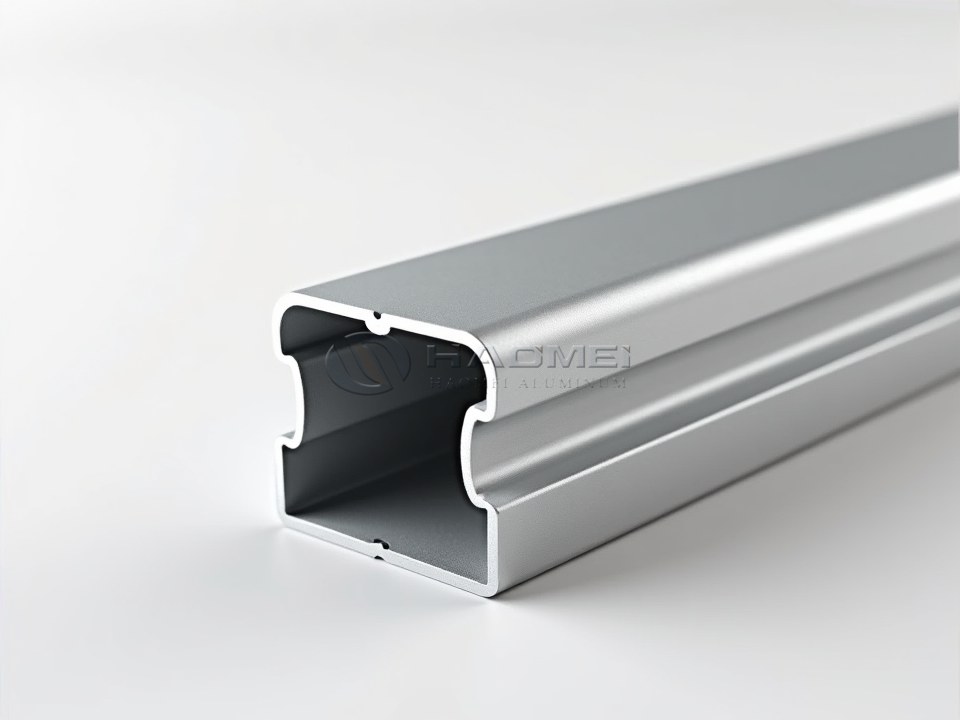
Aluminum offers a valuable advantage here: extruded profiles can combine grip-friendly outer geometry with internal webs that improve stiffness without adding unnecessary weight. This matters high above the waterline, where every kilogram affects stability, payload, and installation handling. Purpose-designed Marine Grade Aluminum Profiles allow rail systems to be matched to expected loads, available fixing space, and the vessel's fabrication method.
Corrosion Control Begins at Every Connection
Aluminum naturally forms a protective oxide layer, but offshore service is still demanding. Salt deposits, trapped moisture, abrasive cleaning, dissimilar metals, and stagnant water can reduce long-term performance. The most vulnerable areas are often concealed: under base plates, inside unsealed tubular ends, around fasteners, and at joints where dissimilar materials meet.
Marine-grade aluminum alloys commonly used for fabricated rail structures and extrusions should be selected for corrosion behavior, weldability, and mechanical demands. Alloy choice alone is not enough. Drainage and isolation details frequently determine whether a railing remains dependable after years at sea.
Good practice includes sealed or properly drained tube ends, smooth weld transitions, avoidance of water traps, and insulating barriers between aluminum and stainless steel or carbon steel where galvanic corrosion is possible. Stainless hardware may be appropriate, but it should not be installed directly against bare aluminum in permanently wet locations without suitable isolation washers, sleeves, coatings, or jointing compounds.
Anodized or marine coating systems can improve appearance and add environmental protection, especially in passenger-facing areas. However, coatings must be repaired promptly after deep impact damage. A damaged finish around a crevice can hold saltwater against the metal rather than protect it.
Fabrication Details Shape Field Reliability
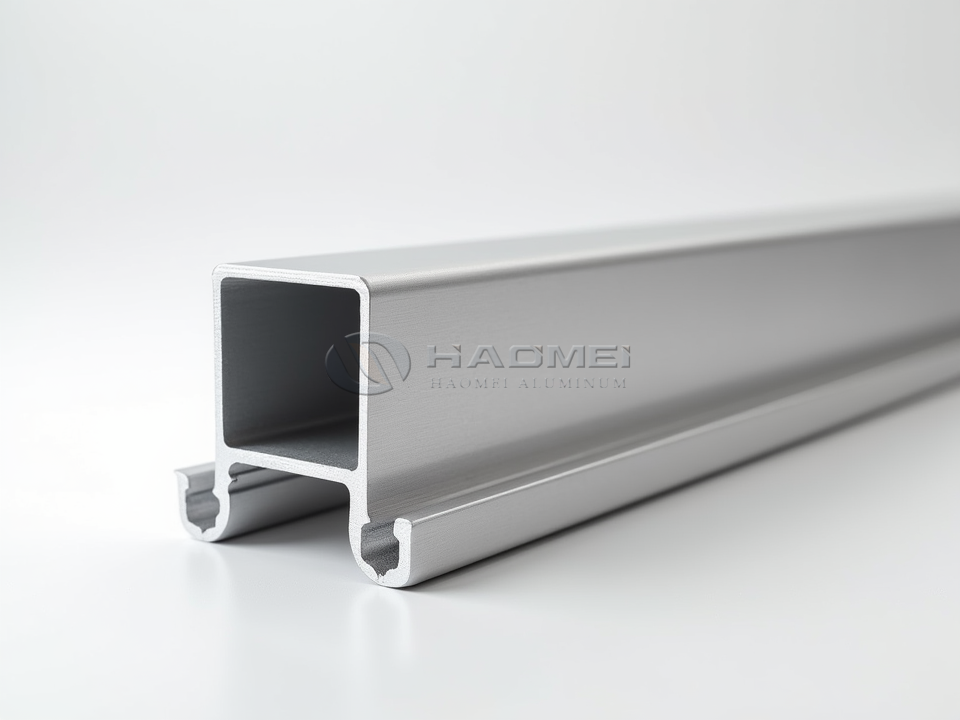
Offshore vessel safety guardrail systems are often built from a mixture of straight runs, curved corners, gate assemblies, stanchions, and localized brackets. This is where customized aluminum fabrication brings practical value. A profile designed for one project can incorporate mounting grooves, drainage paths, cover strips, or concealed fixing features that reduce exposed snag points.
Using Marine aluminum customized shapes can also simplify installation in congested areas. Rather than forcing a standard tube and clamp arrangement around cable trays, davit supports, or machinery enclosures, shaped sections can be planned around the available space while retaining the required handhold and barrier function.
Weld quality deserves close attention. Aluminum welding must be performed with suitable procedures, clean material preparation, and personnel qualified for the work. Poorly prepared weld zones may contain porosity, incomplete fusion, or rough edges that catch gloves and clothing. After fabrication, joints should be inspected for alignment, smoothness, drainage, and evidence of distortion.
Where bolted modules are preferred for replacement or shipyard installation, ensure that tolerances permit assembly without forcing components into position. Forced alignment stores stress in the structure and can loosen fasteners over time.
Design for Inspection During a Working Shift
The strongest railing is less useful if problems cannot be seen until they become serious. Guardrails should permit easy visual inspection of post bases, fasteners, welds, and drainage points. Decorative covers may improve appearance, but they should be removable where inspection access is needed.
Routine checks can focus on practical warning signs:
- Loose posts, rattling rails, damaged gate latches, or missing locking pins
- White corrosion deposits, coating blisters, staining around fasteners, or trapped salt residue
- Cracked welds near high-vibration equipment and repeated crew traffic areas
- Bent rails caused by crane operations, cargo contact, or fender impact
- Blocked drainage holes and open tube ends collecting water
Cleaning with fresh water is a modest task that can greatly reduce salt accumulation. Inspection intervals should reflect vessel duty, wave exposure, deck wash practices, and contact risk rather than relying on a generic calendar alone.
A Guardrail Should Support Operations, Not Fight Them
The best marine aluminum fencing and railings are almost unnoticed during normal work. Crew members can hold them naturally, pass through gates without delay, lean safely during inspection rounds, and trust that the barrier will be there when the vessel moves unexpectedly.
For offshore owners, designers, and shipyards, the practical goal is not merely a lightweight railing. It is a coherent safety system with reliable load transfer, corrosion-aware details, comfortable human contact surfaces, and maintainable connections. When these elements are considered together, aluminum guardrails provide durable protection while preserving the weight efficiency and clean deck layout that offshore vessels require.

Related Products
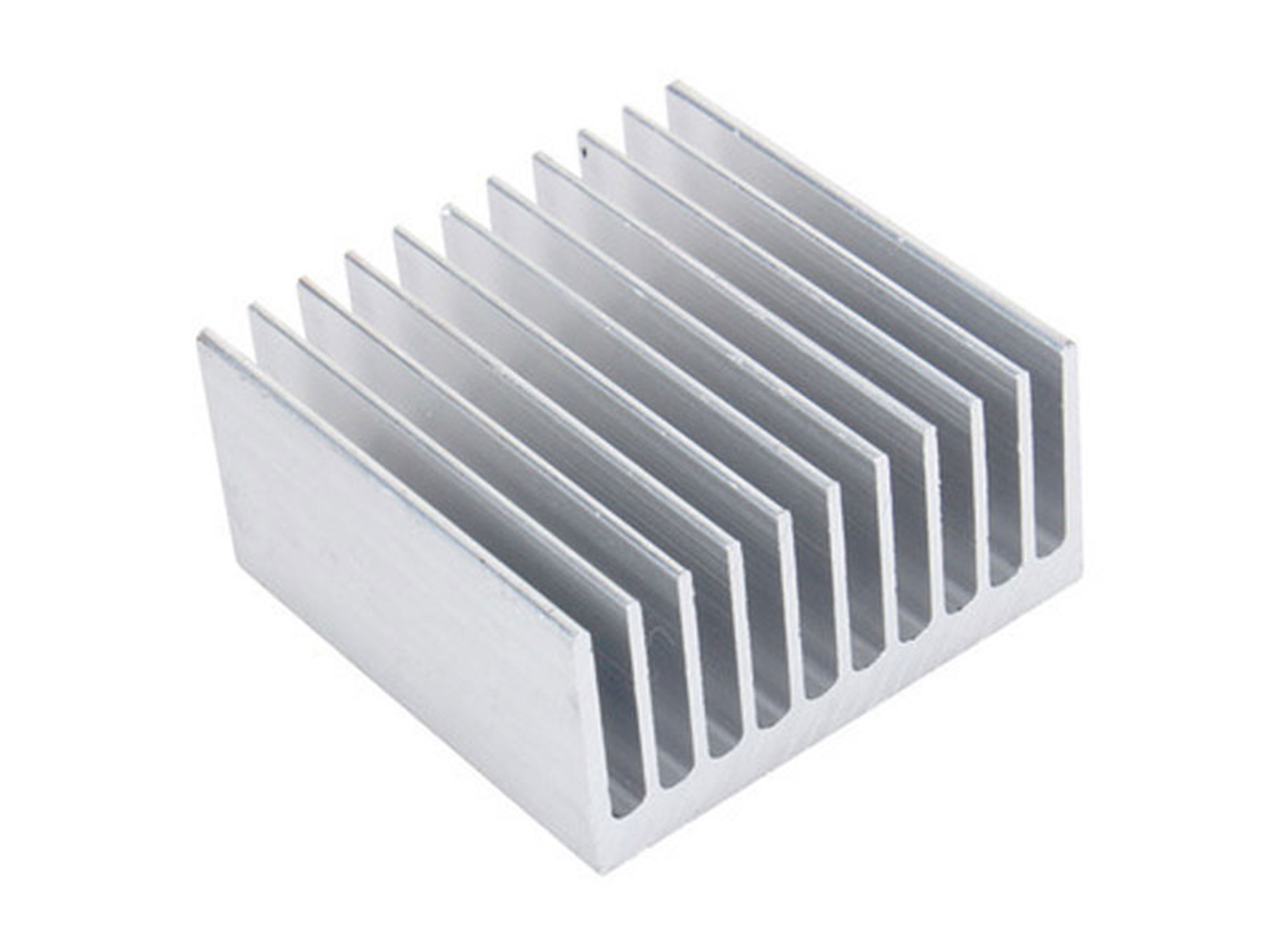
Marine aluminum heat sink profile
Marine Grade Aluminum Heat Sink Profiles utilize alloys such as 6061 and 6063 that not only exhibit high thermal conductivity but also possess excellent corrosion resistance required for saltwater exposure.
View Details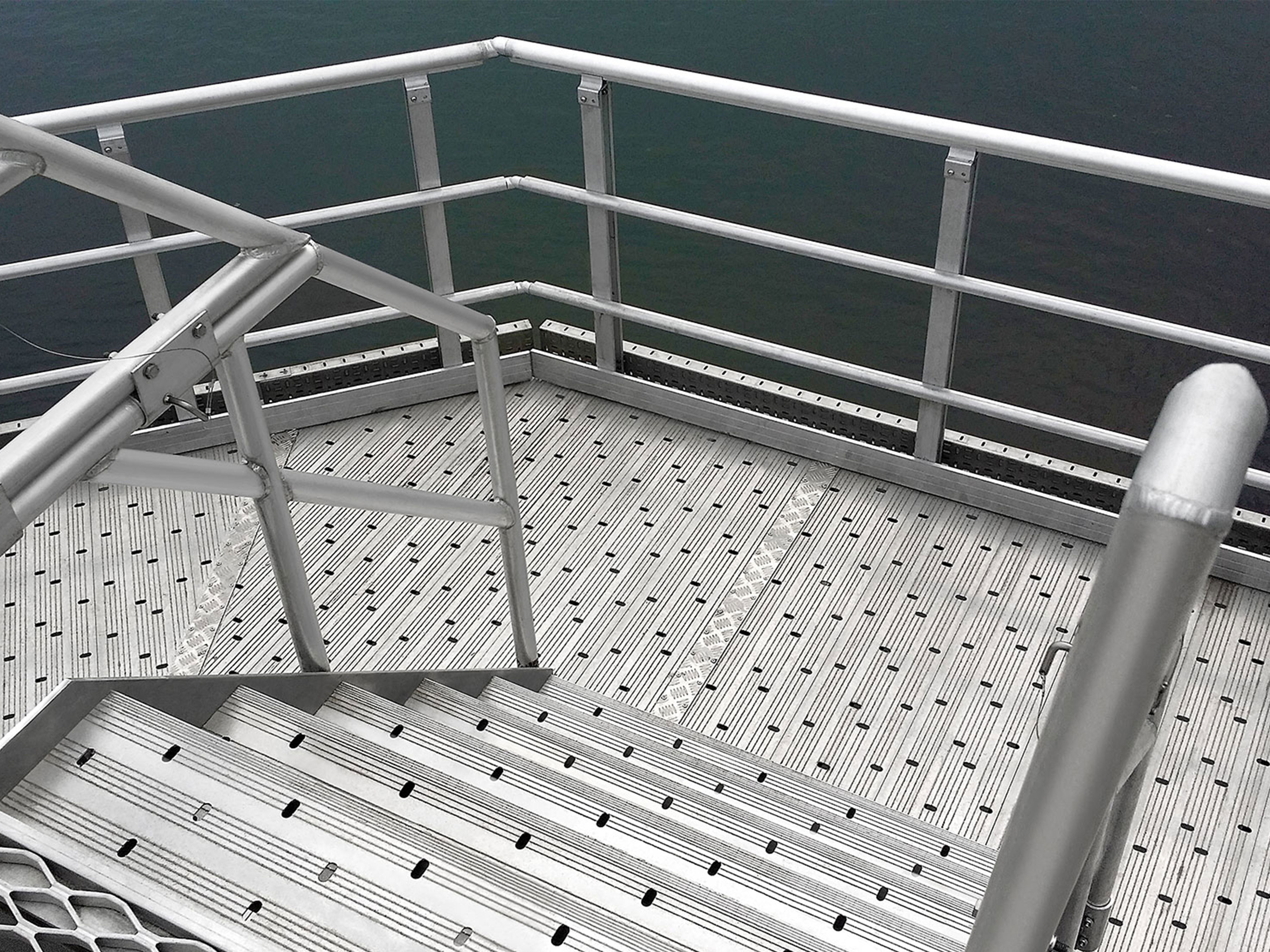
Marine aluminum customized shapes
Marine Grade Aluminum Customized Shapes encompass a broad range of aluminum extrusions and fabrications engineered beyond standard profiles—such as channels, angles, tubes, and beams—into complex, project-specific geometries.
View Details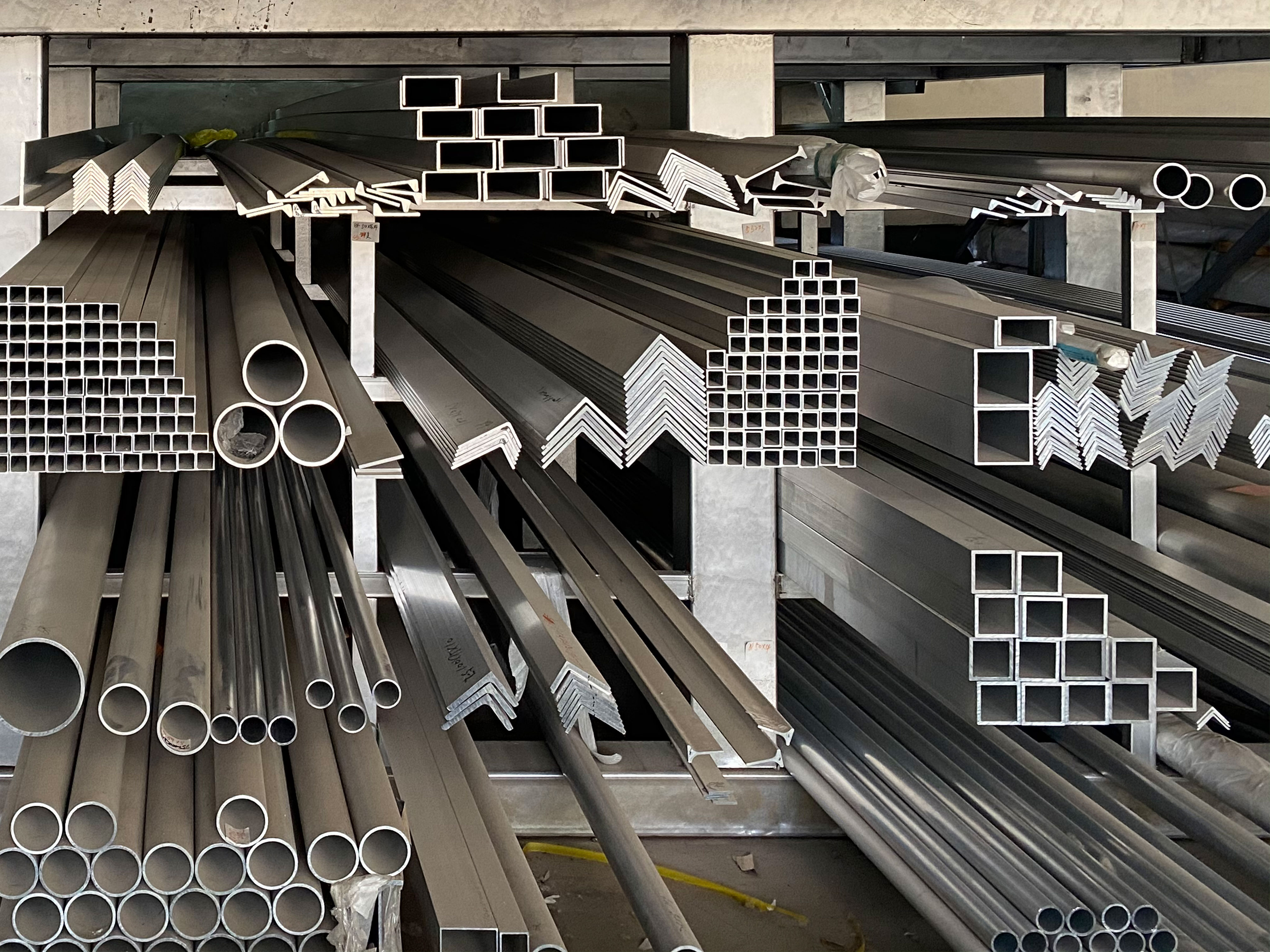
Marine aluminum fencing and railings
Marine Grade Aluminum Fencing and Railings are fabricated using marine-grade aluminum alloys such as 5083, 5052, and 6061, which are engineered specifically for protection against saltwater corrosion and marine atmospheric conditions.
View DetailsRelated Blog
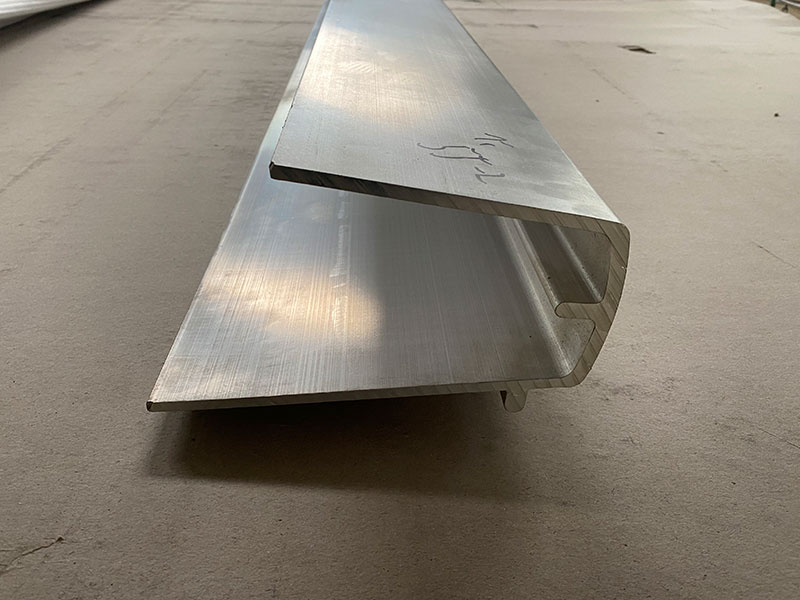
Marine Aluminum Customized Shapes for Custom Offshore Equipment Frame Designs
In the demanding environment of offshore operations, material performance can make or break the reliability of equipment frames. At the heart of the industry's evolving requirements.
View Details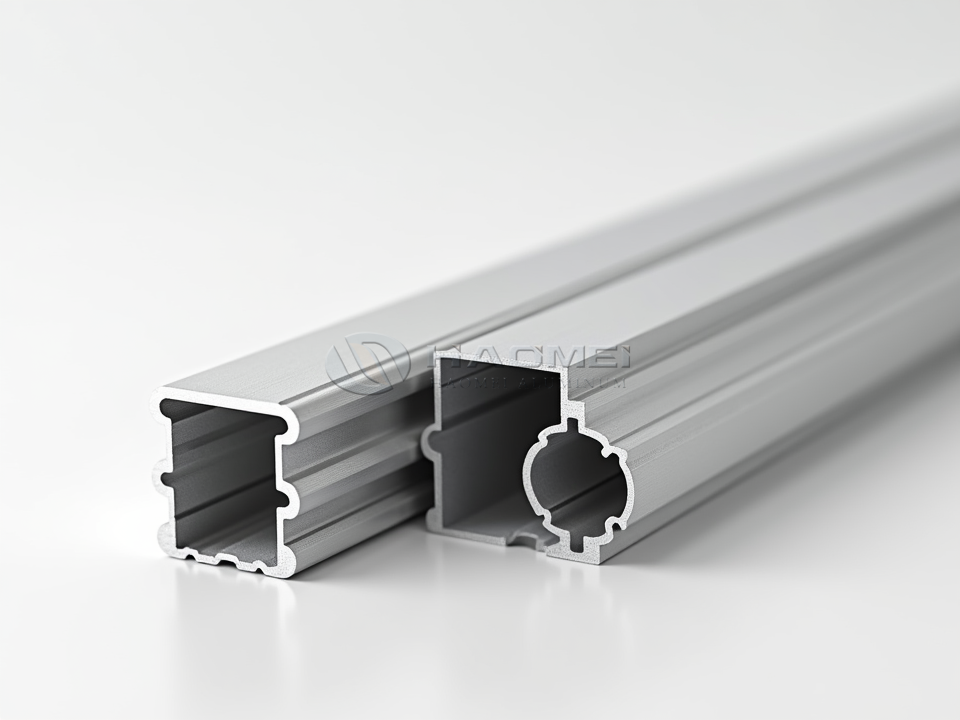
Marine Aluminum Fencing and Railings for Offshore Safety Fencing and Guardrails
Marine aluminum fencing and railings offer corrosion resistance, low weight, and reliable edge protection for offshore safety systems.
View Details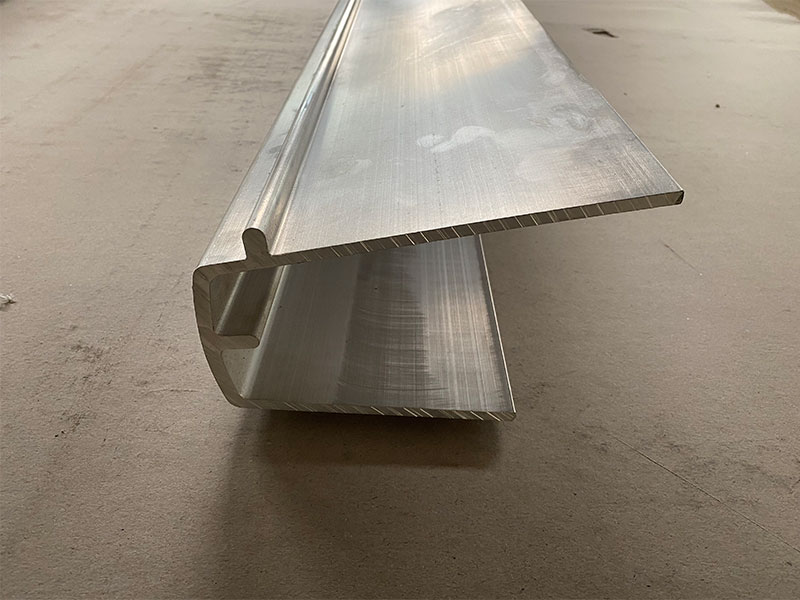
5052 Marine Aluminum Fencing and Railings for Heavy Duty Marine Platform Barriers
5052 marine aluminum fencing and railings are widely used for offshore platforms, docks, harbors, gangways, and coastal industrial barriers where corrosion resistance, low maintenance, and structural reliability are critical.
View Details
6061 Marine Aluminum Customized Shapes for Saltwater Resistant Marine Equipment Design
In the maritime industry, the durability and performance of vessels and related equipment are non-negotiable. Among the numerous materials utilized, 6061 marine aluminum has continually proven to be a premier choice.
View Details
5083 Marine Aluminum Fencing and Railings for Offshore Vessel Deck Safety Barriers
5083 marine aluminum fencing and railings for offshore vessel deck barriers, with data on corrosion resistance, weldability, design options, and vessel uses.
View Details
5083 Marine Aluminum Fencing and Railings for High Strength Coastal Railings
When it comes to constructing fencing and railings along coastal environments, the material choice plays a significant role in long-term performance, strength, and resistance to harsh conditions.
View Details
Leave a Message