
Marine Aluminum Fencing and Railings for Custom Safety Guardrails for Offshore Decks
Marine aluminum fencing and railings are engineered to protect personnel, define deck zones, and resist harsh offshore exposure where salt spray, vibration, wind, and heavy operational traffic are constant. For offshore platforms, workboats, floating docks, marine terminals, and service decks, a guardrail system must do more than look clean. It must remain stable under impact, drain water efficiently, avoid galvanic corrosion, and integrate with grating, ladders, hatches, walkways, and equipment foundations.
Aluminum guardrails are widely selected because they provide a strong strength-to-weight ratio, excellent corrosion resistance, and easy fabrication for custom deck layouts. Compared with painted carbon steel, marine aluminum reduces coating maintenance, simplifies installation, and lowers dead load on floating or elevated structures.
Main Functions on Offshore Decks
Marine aluminum guardrail systems support safety and workflow at the same time. They create a physical barrier around open deck edges, equipment platforms, gangways, stairs, and maintenance zones while keeping visibility high for operators and crew.
| Function | Practical Value on Offshore Decks |
|---|---|
| Fall protection | Helps prevent accidental falls from deck edges, mezzanines, stairs, and service platforms |
| Traffic guidance | Separates pedestrian routes from crane zones, winch areas, loading lanes, and machinery |
| Equipment protection | Shields valves, panels, fuel lines, cable trays, and control stations from accidental contact |
| Lightweight construction | Reduces deck loading and makes installation easier in retrofit projects |
| Corrosion control | Performs well in salt spray, splash zones, and humid marine atmospheres |
| Modular repair | Damaged rail sections can be replaced without removing a full guardrail run |
For projects requiring shaped sections, curved rails, or special mounting details, Marine aluminum fencing and railings can be produced with custom profiles, welded assemblies, or bolted modular components.
Common Applications
Marine aluminum fencing and railings can be adapted for fixed offshore structures and moving vessels. The same base system may use different post spacing, toe boards, surface finishes, and anchoring details depending on the deck environment.
| Application Area | Recommended Guardrail Features |
|---|---|
| Offshore production decks | Heavy-duty posts, toe boards, non-slip base plates, high corrosion resistance |
| Workboat and crew boat decks | Rounded handrails, compact posts, welded corners, polished or anodized finish |
| Floating docks and pontoons | Lightweight modular panels, drainage-friendly mounting, replaceable sections |
| Stairways and gangways | Continuous graspable handrail, transition bends, kick plates, intermediate rails |
| Helideck service areas | Low-profile safety barriers where permitted by project rules, smooth edges, secure fastening |
| Marine terminals | Robust rail modules, impact-tolerant post design, easy field replacement |
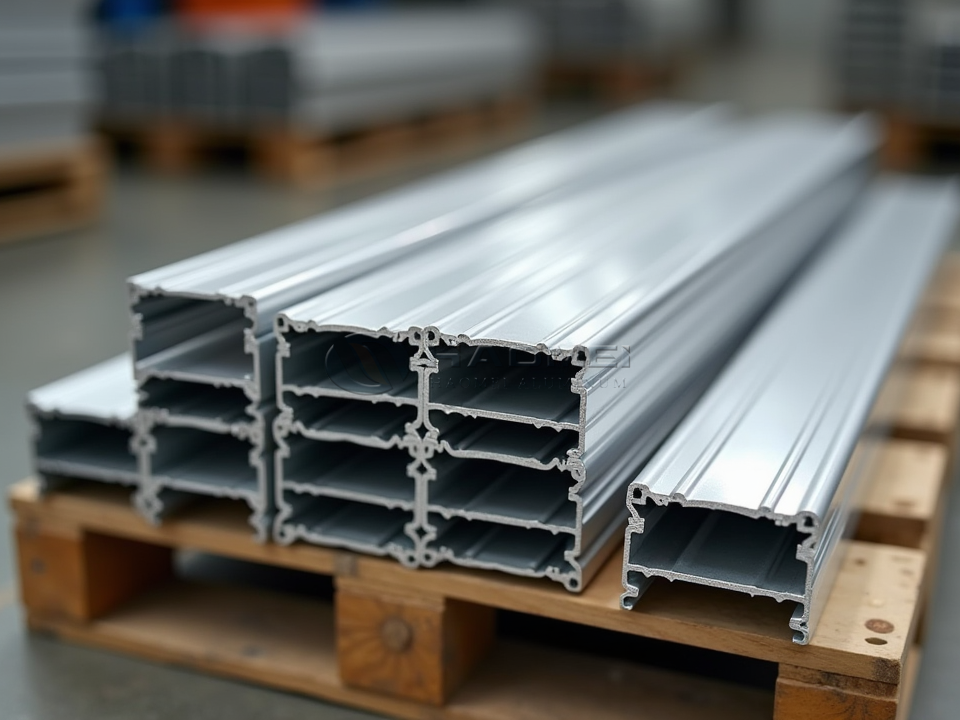
Material Selection and Alloy Temper Conditions
The alloy must match the service zone. Extruded 6061, 6063, and 6082 are common for handrails, posts, channels, and brackets. Plate or sheet components such as toe boards and gussets often use 5083 or 5754 where higher seawater resistance is required.
| Alloy | Common Temper | Typical Use | Main Advantage |
|---|---|---|---|
| 6061 | T6 | Posts, base plates, brackets, welded rail assemblies | Good strength, machinability, and weldability |
| 6063 | T5, T6 | Handrail tubes, decorative rail profiles, smooth extrusions | Excellent extrusion finish and corrosion resistance |
| 6082 | T6 | High-load posts, structural rails, platform guardrail supports | Higher strength than many 6xxx alloys |
| 5083 | H116, H321 | Toe boards, splash-zone plates, welded marine panels | Excellent seawater corrosion resistance |
| 5754 | H111, H112 | Formed kick plates, light brackets, marine sheet parts | Good forming behavior and corrosion resistance |
T6 temper provides elevated mechanical strength through solution heat treatment and artificial aging. T5 is often chosen for extruded profiles where dimensional stability and surface appearance are priorities. H116 and H321 tempers are favored for marine plate because they improve resistance to exfoliation and stress corrosion in seawater conditions.
Chemical Composition Reference
Actual composition shall be confirmed by mill test certificate. The ranges shown are typical values based on widely used marine aluminum grades.
| Alloy | Si % | Fe % | Cu % | Mn % | Mg % | Cr % | Zn % | Ti % | Al |
|---|---|---|---|---|---|---|---|---|---|
| 6061 | 0.40-0.80 | ≤0.70 | 0.15-0.40 | ≤0.15 | 0.80-1.20 | 0.04-0.35 | ≤0.25 | ≤0.15 | Balance |
| 6063 | 0.20-0.60 | ≤0.35 | ≤0.10 | ≤0.10 | 0.45-0.90 | ≤0.10 | ≤0.10 | ≤0.10 | Balance |
| 6082 | 0.70-1.30 | ≤0.50 | ≤0.10 | 0.40-1.00 | 0.60-1.20 | ≤0.25 | ≤0.20 | ≤0.10 | Balance |
| 5083 | ≤0.40 | ≤0.40 | ≤0.10 | 0.40-1.00 | 4.00-4.90 | 0.05-0.25 | ≤0.25 | ≤0.15 | Balance |
| 5754 | ≤0.40 | ≤0.40 | ≤0.10 | ≤0.50 | 2.60-3.60 | ≤0.30 | ≤0.20 | ≤0.15 | Balance |
Technical Specifications for Custom Guardrails
Project dimensions depend on regulations, deck layout, wind exposure, and design load. The following parameters are frequently used during early design discussion.
| Parameter | Typical Range or Option |
|---|---|
| Guardrail height | 900-1200 mm, or per project safety code |
| Handrail outside diameter | 32 mm, 38 mm, 42 mm, 48 mm, 50 mm, custom extrusion available |
| Post spacing | 1000-1500 mm typical, reduced for high-load zones |
| Wall thickness | 2.0-6.0 mm depending on span and load |
| Toe board height | 100-150 mm common, custom height available |
| Surface finish | Mill finish, anodized, powder coated, brushed, marine paint system |
| Corner design | Welded elbow, bent tube, miter joint, modular connector |
| Mounting method | Top-mounted base plate, side-mounted bracket, socket mount, welded pad |
| Fasteners | 316 stainless steel, insulated where dissimilar metal contact exists |
| Drainage detail | Weep holes, sealed caps, sloped base, open-bottom profiles |
Mechanical Performance Data
Mechanical properties vary by product form, thickness, heat treatment, and applicable standard. Values are for reference during material comparison.
| Alloy and Temper | Tensile Strength MPa | Yield Strength MPa | Elongation % | Notes |
|---|---|---|---|---|
| 6061-T6 | 260-310 | 240-275 | 8-12 | Strong choice for structural posts and brackets |
| 6063-T5 | 145-190 | 110-150 | 8-12 | Smooth extruded handrail sections |
| 6063-T6 | 205-240 | 170-215 | 8-10 | Higher-strength decorative or functional profiles |
| 6082-T6 | 290-340 | 250-300 | 6-10 | Suitable for heavy-duty offshore rail supports |
| 5083-H116 | 305-350 | 215-260 | 10-14 | Marine plate and welded toe boards |
| 5754-H111 | 190-240 | 80-125 | 14-18 | Formed plates and light-duty marine components |
Standards and Compliance References
Marine aluminum safety guardrails are typically designed under a combination of structural, welding, material, and offshore safety requirements. Final approval should follow the project specification and local authority rules.
| Standard or Rule | Relevance to Guardrail Systems |
|---|---|
| ASTM B221 | Aluminum and aluminum-alloy extruded bars, rods, wire, profiles, and tubes |
| ASTM B209 | Aluminum and aluminum-alloy sheet and plate |
| EN 755 | Aluminum extruded rod, bar, tube, and profiles |
| EN 485 | Aluminum sheet, strip, and plate requirements |
| AWS D1.2 | Structural welding code for aluminum |
| ISO 14122 | Permanent means of access to machinery, including guardrails and platforms |
| ISO 15614-2 | Welding procedure qualification for aluminum and its alloys |
| DNV, ABS, LR project rules | Classification approval for marine and offshore installations |
| OSHA 1910 where applicable | Walking-working surface and guardrail safety requirements |
Fabrication and Installation Details
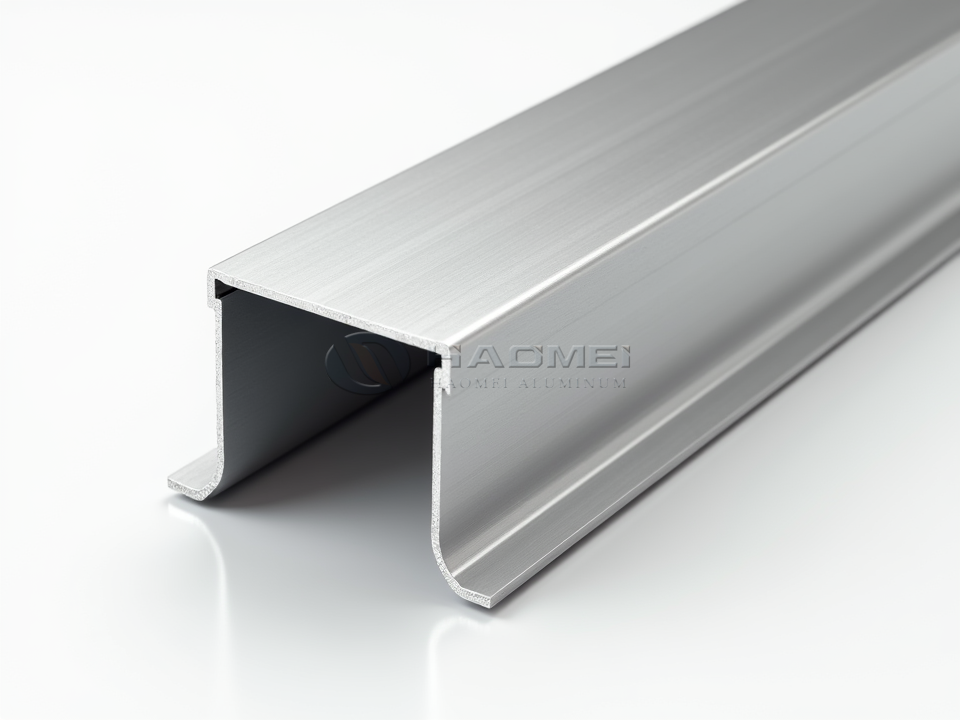
A reliable guardrail starts with profile geometry. Rounded handrails reduce snagging and improve grip, while reinforced post profiles improve bending resistance. Welded joints should be cleaned and passivated or coated according to the project finishing plan. For bolted systems, isolation washers or sleeves help reduce galvanic corrosion between aluminum and stainless steel.
| Design Detail | Recommended Practice |
|---|---|
| Welding | Use qualified aluminum welding procedures, commonly GTAW or GMAW |
| Filler metal | 5356 often used for marine exposure; 4043 may be selected for certain 6xxx assemblies |
| Cut edges | Deburr, radius sharp edges, seal exposed joints where water may collect |
| Base plates | Add drain paths and avoid crevice traps under the foot plate |
| Dissimilar metals | Use nylon, PTFE, EPDM, or coated isolation materials |
| Post caps | Welded, pressed, or sealed caps to prevent water ingress |
| Finish after welding | Mechanical cleaning, anodizing where suitable, or marine-grade coating system |
Surface Protection Options
Although aluminum naturally forms an oxide layer, offshore service can demand additional protection, especially in splash zones or near carbon steel structures.
| Finish | Typical Thickness | Best Use |
|---|---|---|
| Mill finish | Natural oxide film | Cost-efficient interior or low-exposure areas |
| Anodizing | 15-25 microns common | Clean appearance, improved wear and corrosion resistance |
| Powder coating | 60-100 microns common | Color-coded safety rails and architectural deck areas |
| Marine paint system | Project specified | Severe exposure, mixed-metal structures, splash zones |
| Brushed or polished finish | Custom | Passenger vessels, yacht decks, visible access areas |
Why Aluminum Works Well for Offshore Guardrails
Marine aluminum fencing and railings deliver a balanced combination of safety, weight reduction, corrosion resistance, and design flexibility. Custom extrusion allows integrated grooves, cable channels, concealed fastener pockets, anti-slip shapes, and drainage features that are difficult to achieve with standard pipe rail systems. For new offshore decks or retrofit safety upgrades, aluminum guardrails offer dependable performance with reduced maintenance demands and a clean professional appearance.

Related Products
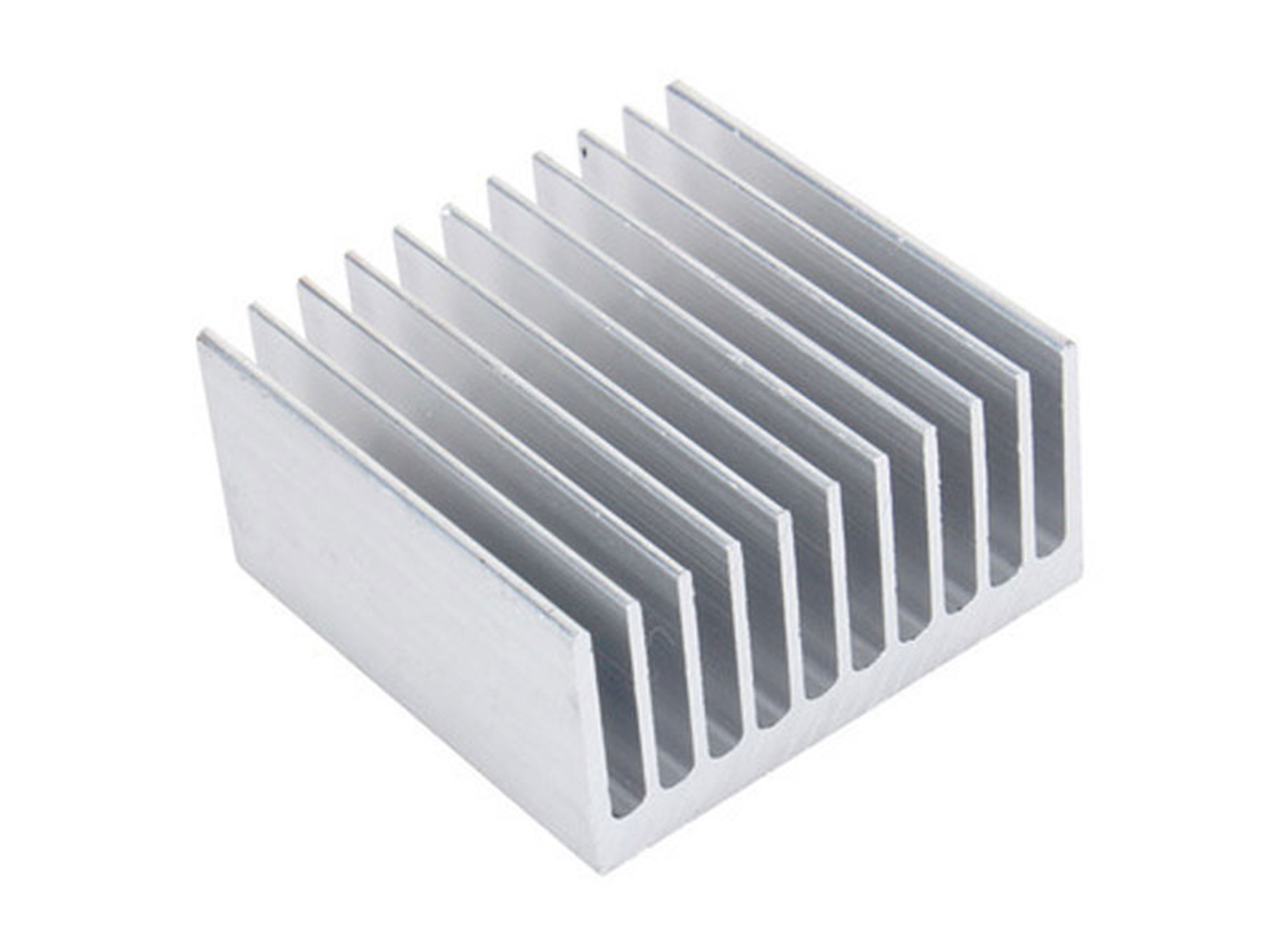
Marine aluminum heat sink profile
Marine Grade Aluminum Heat Sink Profiles utilize alloys such as 6061 and 6063 that not only exhibit high thermal conductivity but also possess excellent corrosion resistance required for saltwater exposure.
View Details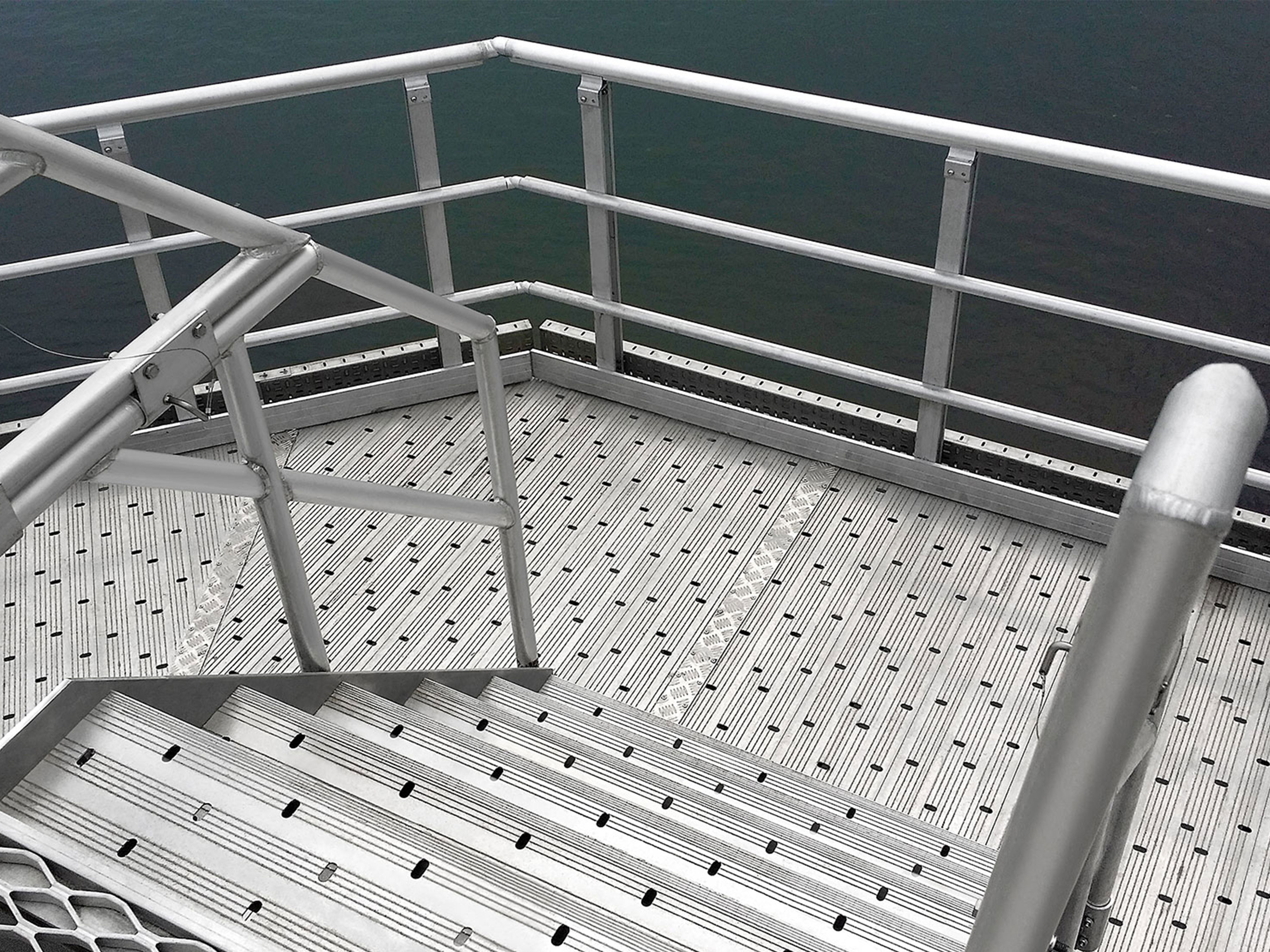
Marine aluminum customized shapes
Marine Grade Aluminum Customized Shapes encompass a broad range of aluminum extrusions and fabrications engineered beyond standard profiles—such as channels, angles, tubes, and beams—into complex, project-specific geometries.
View Details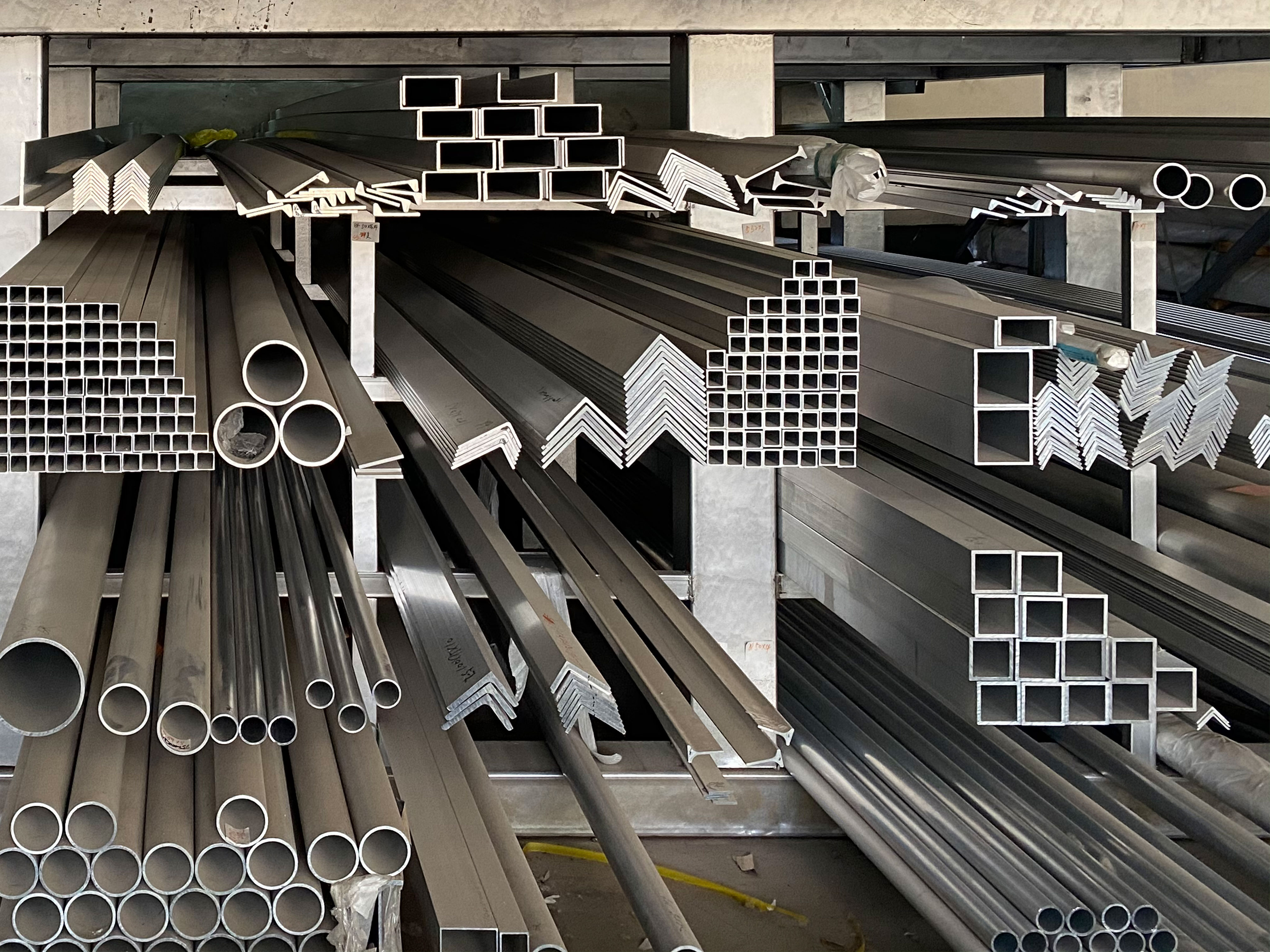
Marine aluminum fencing and railings
Marine Grade Aluminum Fencing and Railings are fabricated using marine-grade aluminum alloys such as 5083, 5052, and 6061, which are engineered specifically for protection against saltwater corrosion and marine atmospheric conditions.
View DetailsRelated Blog
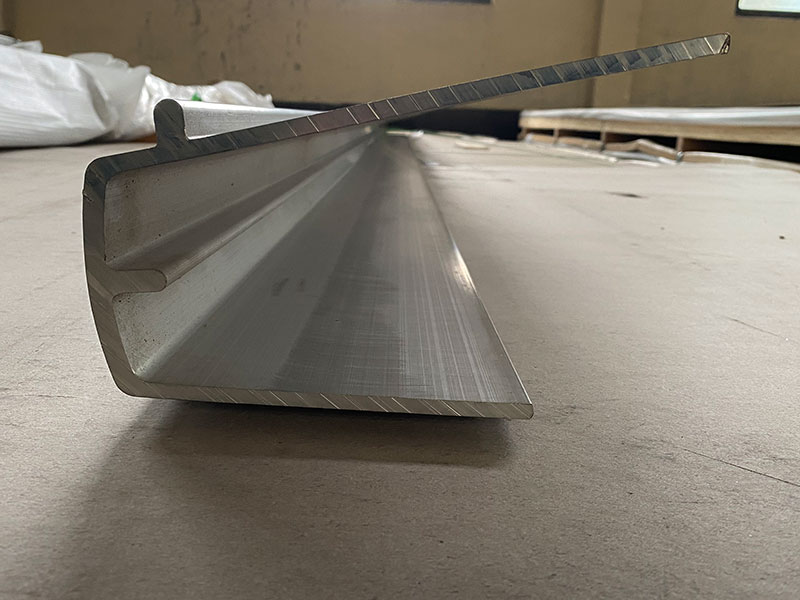
6061 Marine Aluminum Fencing and Railings for Custom Coastal Deck and Barrier Solutions
6061 marine aluminum fencing and railings offer a smart balance of corrosion resistance, strength, clean appearance, and fabrication flexibility for coastal decks, docks, walkways, balconies, pool surrounds, and perimeter barriers.
View Details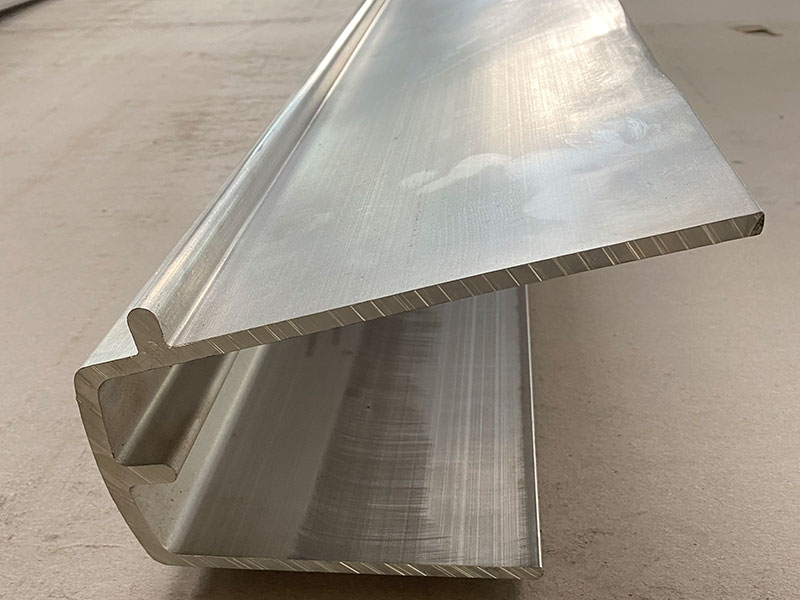
5052 Marine Aluminum Fencing and Railings for High Performance Coastal Guardrails
As we push the boundaries of engineering and architecture in coastal environments, 5052 marine aluminum fencing and railings is know as a notable solution. Functioning not only as an elegant aesthetic feature but also ensuring safety and durability.
View Details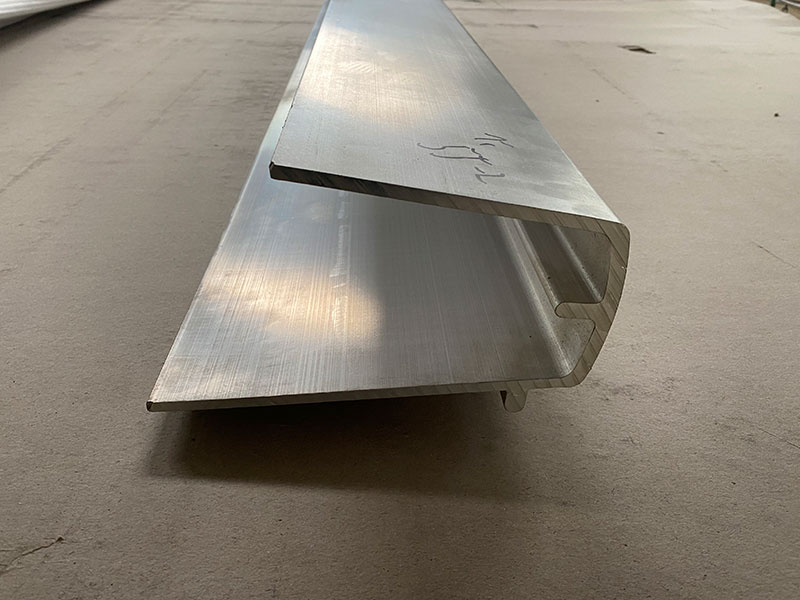
6063 Marine Aluminum Heat Sink Profile for Cooling Coastal Marine Equipment
Coastal and offshore electronics live in a harsh reality: salt-laden air, intermittent spray, high humidity, vibration, and rapid temperature swings. When heat builds up inside control boxes, power supplies, inverters, LED beacons, radar auxiliaries.
View Details
Marine Aluminum Customized Shapes for Custom Offshore Equipment Frame Designs
In the demanding environment of offshore operations, material performance can make or break the reliability of equipment frames. At the heart of the industry's evolving requirements.
View Details
5083 Marine Aluminum Fencing and Railings for Custom Marine Infrastructure Barriers
When it comes to building durable, high-performance marine infrastructure barriers such as fencing and railings, 5083 Marine Aluminum stands out as an industry-leading material.
View Details
Marine Aluminum Fencing and Railings for Seawater Resistant Boat and Vessel Guardrails
Marine aluminum fencing and railings with alloy, temper, standards, corrosion data, fabrication notes, and installation guidance for seawater boat guardrails.
View Details
Leave a Message