
Marine Aluminum Fencing and Railings for Durable Marine Property Deck Enclosures
Marine aluminum fencing and railings are designed for waterfront spaces where salt spray, UV exposure, wind load, and constant moisture quickly punish ordinary materials. For marinas, private docks, yacht clubs, waterfront homes, piers, pontoons, and commercial boardwalks, aluminum deck enclosures provide a clean appearance with low maintenance and dependable structural performance.
Unlike steel systems that require frequent repainting or timber rails that swell, crack, and decay, marine aluminum railing systems use corrosion-resistant alloys, engineered profiles, and protective finishes to create a long-life barrier around marine property decks.
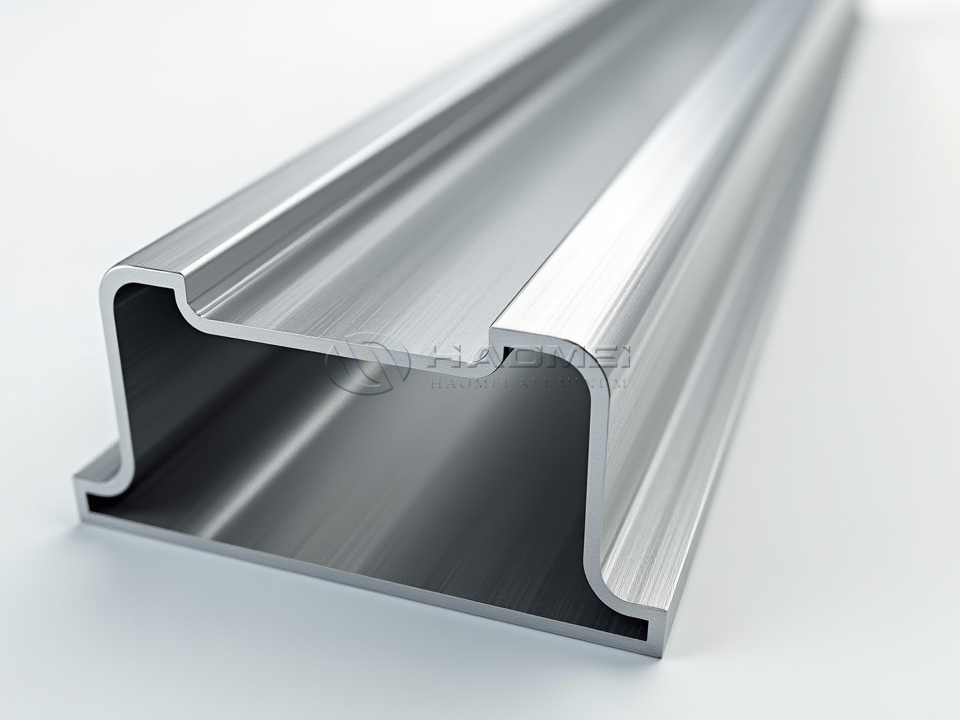
Product Snapshot
| Item | Description |
|---|---|
| Product | Marine aluminum fencing and railings |
| Main use | Deck enclosures, dock barriers, marina walkways, waterfront property boundaries |
| Common alloys | 6063, 6061, 6005A, 6082 |
| Typical tempers | T5, T6, T651 where applicable |
| Surface finish | Mill finish, anodized, powder coated, PVDF coated, wood-grain transfer |
| Rail types | Top rail, bottom rail, post, baluster, glass clamp rail, gate frame, kick plate |
| Service environment | Saltwater, brackish water, freshwater, coastal atmosphere |
| Design style | Horizontal rail, vertical picket, cable-ready, glass panel, privacy screen |
Why Marine Aluminum Performs Well Near Water
Marine fencing is not only a visual boundary. It must resist pitting, crevice corrosion, fastener staining, coating breakdown, and vibration from foot traffic or floating dock movement. Aluminum naturally forms a thin oxide film that protects the metal surface. When paired with anodizing or marine-grade powder coating, the system gains an additional barrier against salt and airborne pollutants.
Extruded aluminum also allows smooth hollow sections, reinforced ribs, concealed fastener channels, and drainage paths. These profile details reduce water retention and improve stiffness without excessive weight.
For custom deck layouts, Marine aluminum fencing and railings can be produced in different post sizes, handrail shapes, baluster spacing, coating colors, and installation configurations.
Main Features Customers Notice First
| Feature | Customer Benefit |
|---|---|
| High corrosion resistance | Suitable for salt spray, rain, humidity, and splash zones |
| Lightweight structure | Easier transport, lifting, cutting, and installation on docks or floating decks |
| Clean modern appearance | Fits residential decks, resorts, marinas, yacht clubs, and commercial promenades |
| Low maintenance | No routine rust scraping, staining, or heavy repainting |
| Stable strength-to-weight ratio | Provides reliable guarding without overloading deck structures |
| Recyclable material | Supports sustainable marine construction projects |
| Flexible fabrication | Can be cut, drilled, bent, welded, machined, and coated for project-specific needs |
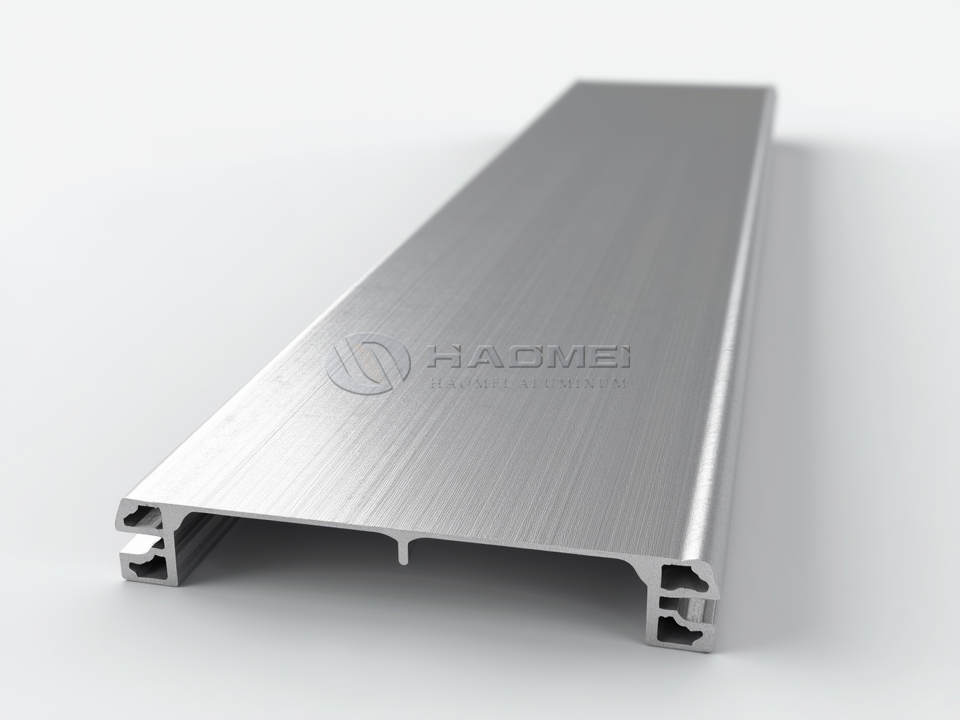
Recommended Alloy Selection
| Alloy | Typical Temper | Strength Level | Corrosion Resistance | Preferred Use |
|---|---|---|---|---|
| 6063 | T5, T6 | Medium | Excellent | Decorative railings, posts, pickets, handrails, coated architectural systems |
| 6061 | T6 | High | Very good | Structural posts, gates, heavy-duty brackets, high-load areas |
| 6005A | T6 | Medium-high | Very good | Rail frames, dock enclosure sections, welded assemblies |
| 6082 | T6, T651 | High | Good to very good | Load-bearing members, commercial deck barriers, machined connectors |
6063 is often selected for visible railing components because it extrudes cleanly and accepts anodizing or powder coating very well. 6061 and 6082 are stronger choices for structural posts, gates, and mounting plates where higher mechanical resistance is needed.
Chemical Composition Reference
Values are typical percentage ranges by weight. Final composition should follow the required standard, such as ASTM B221, EN 755, or project specifications.
| Alloy | Si | Mg | Mn | Fe | Cu | Cr | Zn | Al |
|---|---|---|---|---|---|---|---|---|
| 6063 | 0.20-0.60 | 0.45-0.90 | 0.10 max | 0.35 max | 0.10 max | 0.10 max | 0.10 max | Balance |
| 6061 | 0.40-0.80 | 0.80-1.20 | 0.15 max | 0.70 max | 0.15-0.40 | 0.04-0.35 | 0.25 max | Balance |
| 6005A | 0.50-0.90 | 0.40-0.70 | 0.12-0.50 | 0.35 max | 0.30 max | 0.30 max | 0.20 max | Balance |
| 6082 | 0.70-1.30 | 0.60-1.20 | 0.40-1.00 | 0.50 max | 0.10 max | 0.25 max | 0.20 max | Balance |
Mechanical Properties
| Alloy and Temper | Tensile Strength MPa | Yield Strength MPa | Elongation % | Typical Role in Railing System |
|---|---|---|---|---|
| 6063-T5 | 145-185 | 110-145 | 8-12 | Decorative rails, balusters, non-heavy posts |
| 6063-T6 | 205-240 | 170-215 | 8-10 | Handrails, stronger pickets, gate frames |
| 6061-T6 | 260-310 | 240-275 | 8-12 | Structural posts, base plates, brackets |
| 6005A-T6 | 250-290 | 215-250 | 8-10 | Welded rail panels, deck guard frames |
| 6082-T6 | 290-340 | 250-300 | 8-10 | High-load supports and machined connectors |
Actual values depend on extrusion size, heat treatment, testing standard, and profile geometry.
Technical Specifications
| Parameter | Common Range or Option |
|---|---|
| Post size | 50 x 50 mm, 60 x 60 mm, 75 x 75 mm, custom hollow sections |
| Wall thickness | 1.5-5.0 mm, heavier sections available for commercial sites |
| Handrail width | 40-100 mm depending on profile design |
| Baluster spacing | Designed to meet local guardrail code requirements |
| Panel height | 900-1200 mm typical for decks and walkways |
| Extrusion length | 3-6 m standard, custom cut lengths available |
| Surface roughness | Controlled for coating adhesion and visual quality |
| Coating thickness | Powder coating 60-100 microns; anodizing 10-25 microns typical |
| Fasteners | 316 stainless steel preferred with isolation washers where needed |
| Installation method | Surface-mounted base plate, side-mounted bracket, embedded post, modular panel |
Surface Finish Options
| Finish | Appearance | Marine Advantage | Suggested Use |
|---|---|---|---|
| Mill finish | Natural aluminum | Cost-effective base material | Hidden parts or later finishing |
| Clear anodized | Satin metallic | Hard oxide layer improves surface durability | Modern waterfront decks |
| Black anodized | Dark metallic | Low-glare premium appearance | Marinas, yacht clubs, luxury decks |
| Powder coated | Wide color range | Strong weather resistance when properly pretreated | Residential and commercial railings |
| PVDF coated | Smooth architectural finish | Excellent UV and color retention | Coastal resorts and high-exposure areas |
| Wood-grain finish | Timber-like look | Warm appearance without wood decay | Villas, boardwalks, leisure piers |
For saltwater use, pretreatment quality is as important as the coating itself. Chrome-free conversion coating, proper cleaning, controlled curing, and sealed cut edges help extend service life.
Applications
Marine aluminum deck enclosures can be adapted for many waterfront projects.
| Application | Typical Design Requirement |
|---|---|
| Private dock railing | Lightweight, corrosion resistant, visually clean |
| Marina gangway guard | High grip handrail, sturdy posts, vibration resistance |
| Waterfront home deck | Decorative finish, child-safe spacing, easy cleaning |
| Yacht club perimeter | Modern appearance, long coating life, gate integration |
| Floating pontoon fence | Low weight, modular panels, drainage-friendly profiles |
| Commercial boardwalk | Higher load rating, durable coating, simple replacement sections |
| Poolside coastal barrier | Chloride resistance, smooth touch surface, slip-conscious layout |
Design and Installation Notes
Good marine railing performance starts with profile design. Drain holes should prevent trapped water inside hollow posts. Horizontal surfaces should avoid sharp corners that collect salt. Post bases need enough bearing area to spread load into the deck structure.
Fastener selection also matters. 316 stainless steel bolts are widely used near seawater, but direct contact between stainless and aluminum can create galvanic activity in wet conditions. Nylon washers, EPDM gaskets, coating separation, or suitable joint compounds help isolate dissimilar metals.
Where welding is required, alloy compatibility and post-weld strength must be reviewed. For modular systems, mechanical fastening is often preferred because panels can be replaced after storm damage without cutting or grinding.
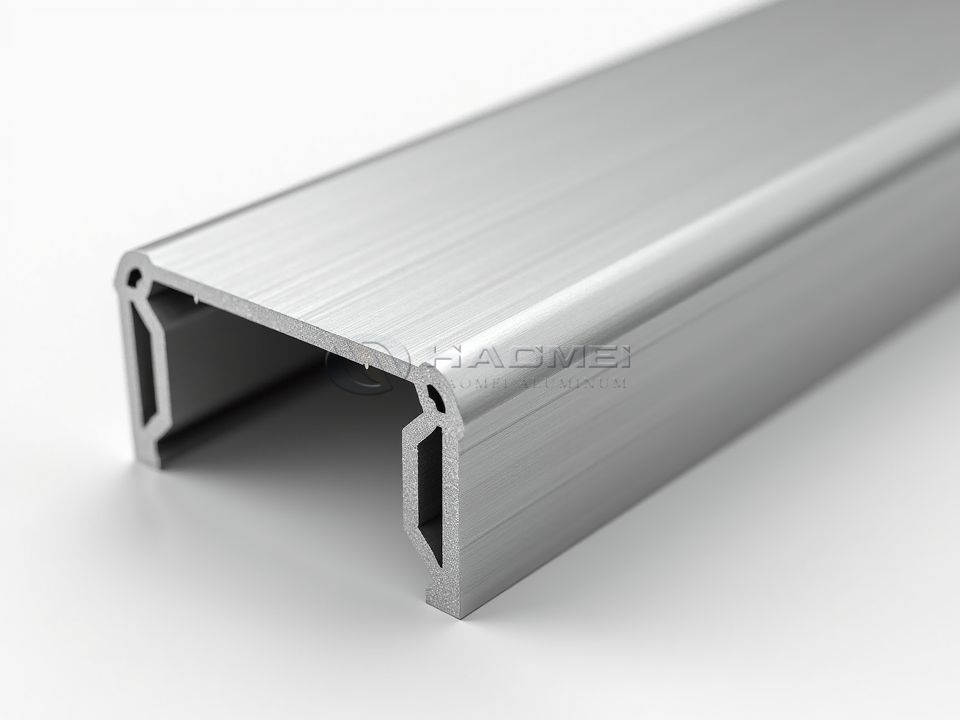
Quality Checks Before Delivery
| Check Item | Purpose |
|---|---|
| Alloy verification | Confirms correct grade for marine service |
| Dimensional inspection | Ensures posts, rails, grooves, and brackets fit accurately |
| Surface inspection | Detects scratches, pits, die lines, or coating defects |
| Coating adhesion test | Confirms finish resistance to peeling or blistering |
| Salt spray test | Evaluates corrosion protection for coastal exposure |
| Load evaluation | Confirms railing stiffness and safety performance |
| Packaging review | Prevents transit abrasion and moisture staining |
Maintenance Guidance
Marine aluminum fencing does not need intensive upkeep, but simple care protects its finish. Rinse with fresh water to remove salt deposits, especially after storms. Use mild soap and soft cloths rather than abrasive pads. Inspect base plates, fasteners, and drainage points periodically. If the coating is scratched to bare metal, clean the area and apply an approved repair coating to limit underfilm corrosion.
Buying Considerations
| Question | Why It Matters |
|---|---|
| Is the project near saltwater or freshwater? | Saltwater locations need stronger finish protection and fastener planning |
| Is the deck fixed or floating? | Floating structures may need lighter profiles and flexible joints |
| Are glass panels, cables, or pickets required? | Each infill type needs different grooves, brackets, or tension control |
| What local guardrail code applies? | Height, load, and spacing must match safety regulations |
| Which finish color is required? | Coating choice affects lead time, durability, and long-term appearance |
Final Takeaway
Marine aluminum fencing and railings give deck enclosures a strong balance of corrosion resistance, light weight, clean styling, and practical maintenance. With suitable alloy selection, controlled extrusion, marine-grade finishing, and proper installation details, aluminum railing systems can protect docks, decks, marinas, and waterfront properties for many years while maintaining a polished coastal appearance.

Related Products
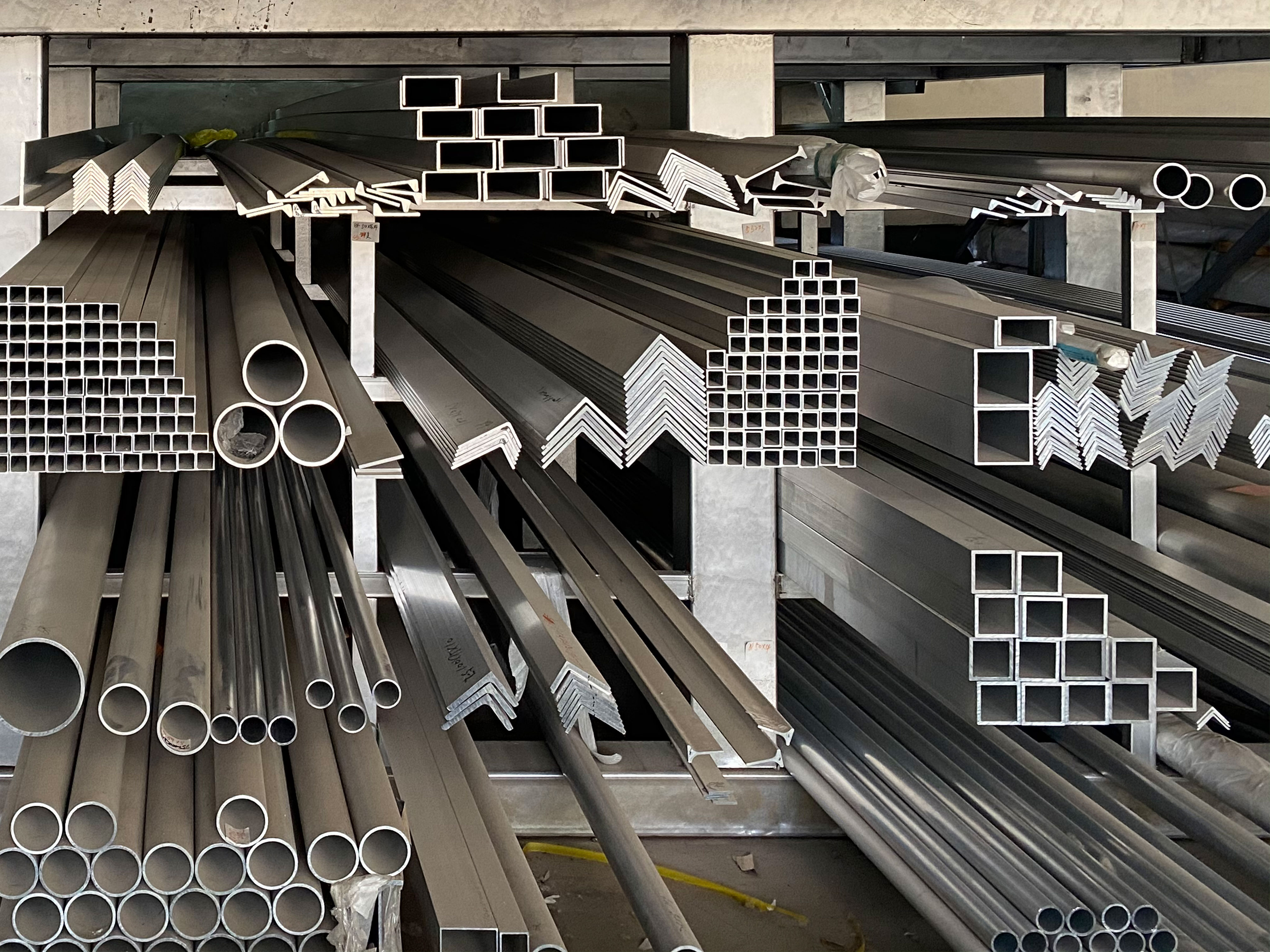
Marine aluminum fencing and railings
Marine Grade Aluminum Fencing and Railings are fabricated using marine-grade aluminum alloys such as 5083, 5052, and 6061, which are engineered specifically for protection against saltwater corrosion and marine atmospheric conditions.
View Details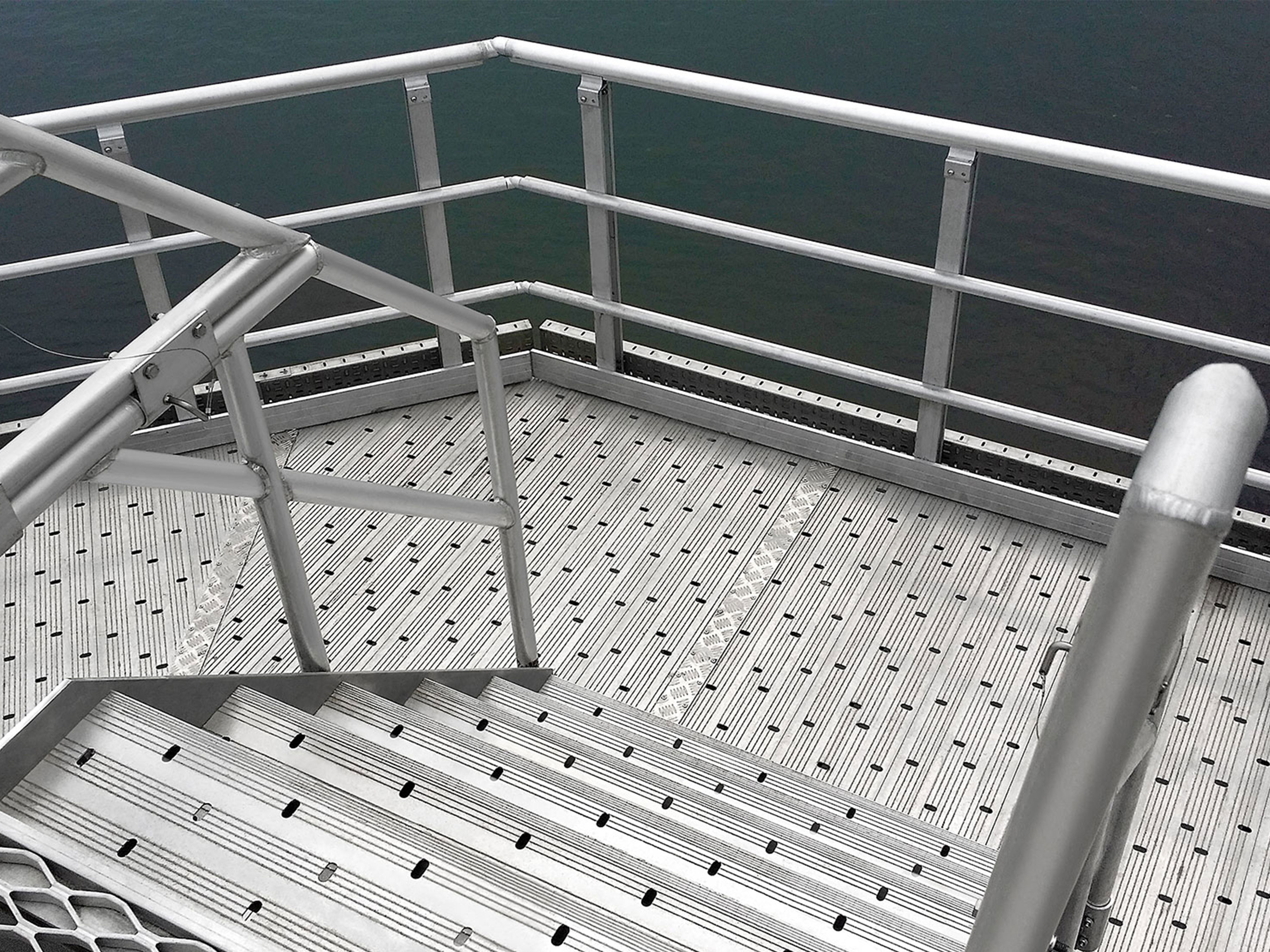
Marine aluminum customized shapes
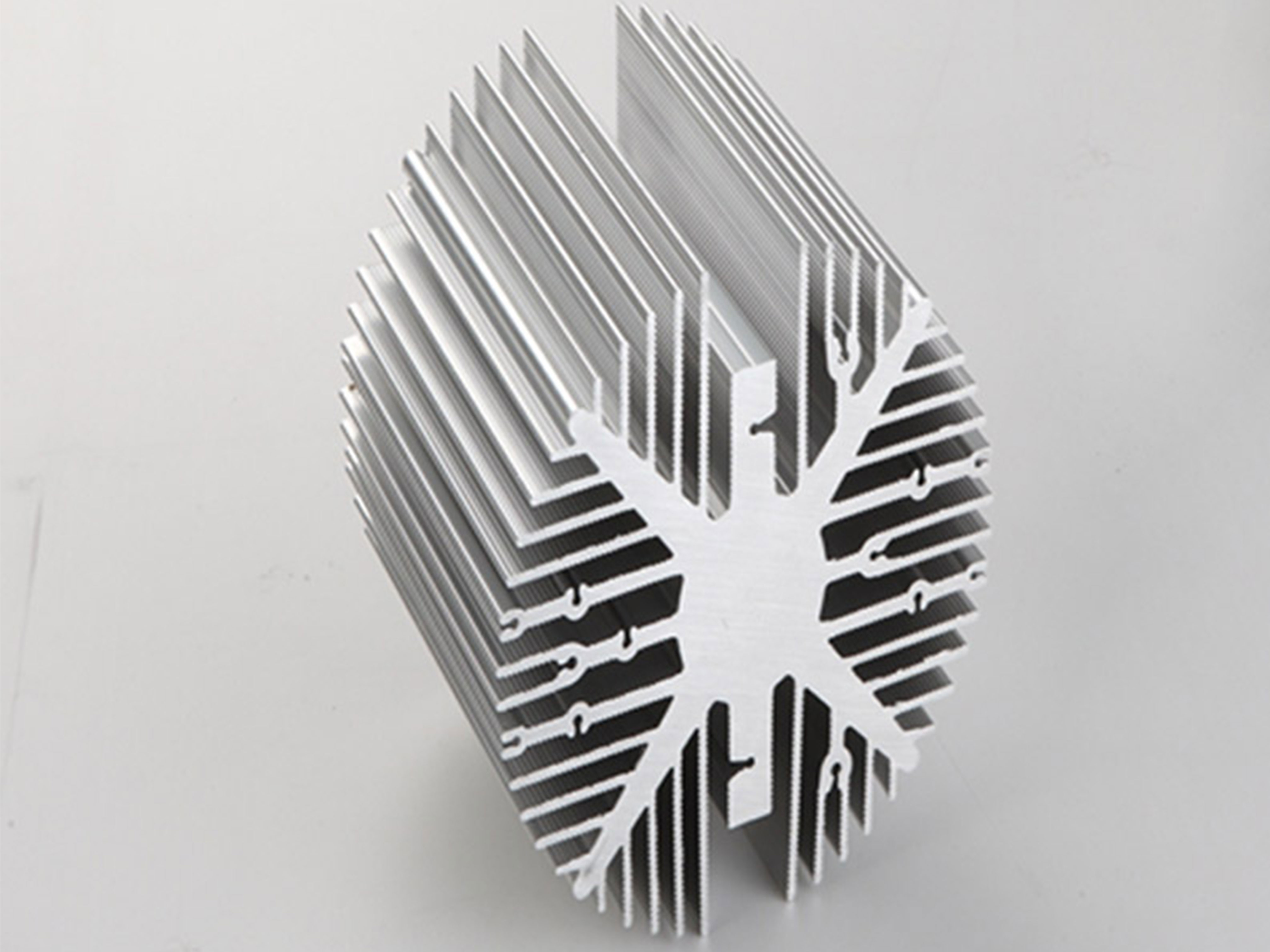
Marine Grade Aluminum Customized Shapes encompass a broad range of aluminum extrusions and fabrications engineered beyond standard profiles—such as channels, angles, tubes, and beams—into complex, project-specific geometries.
View Details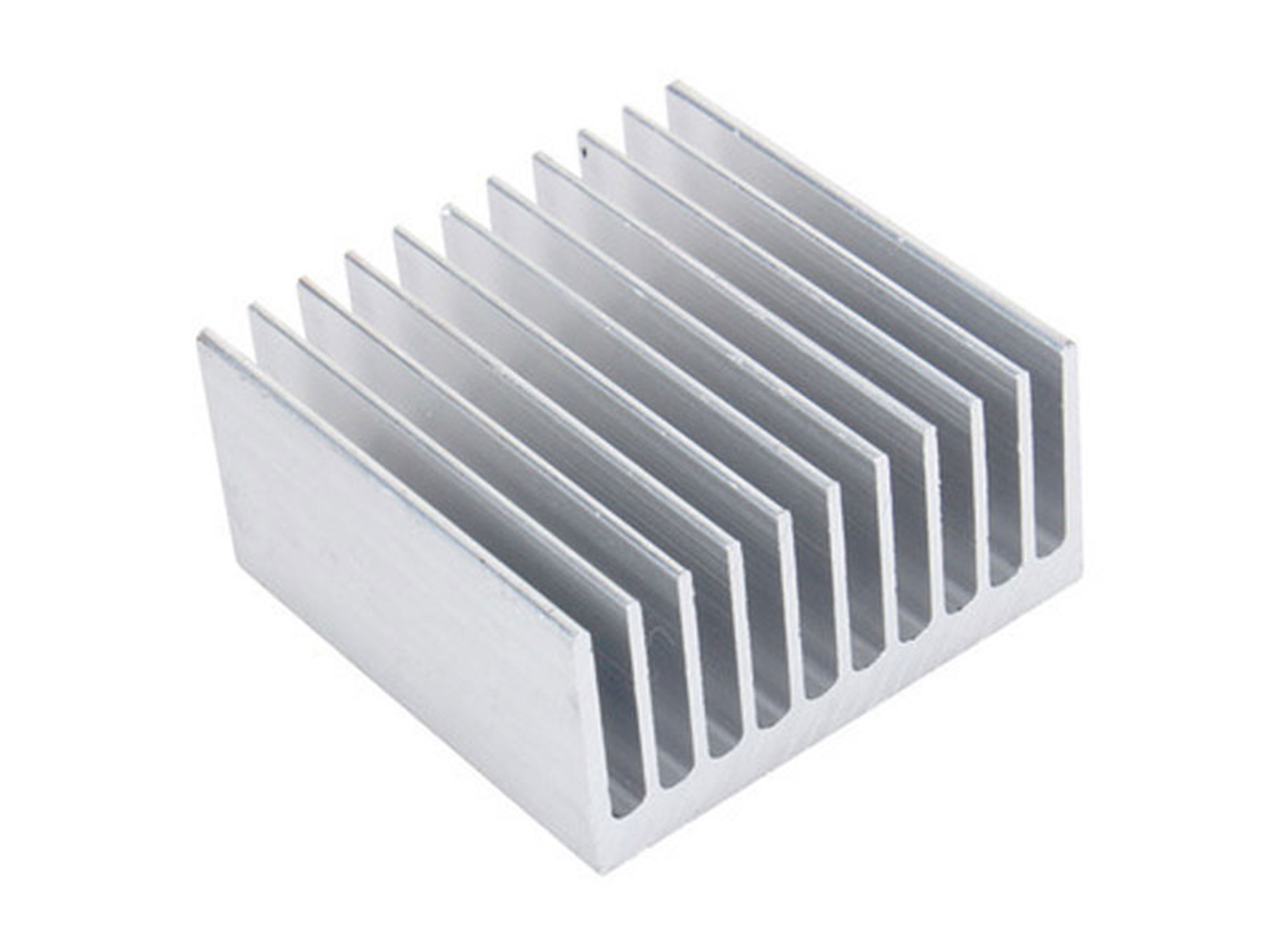
Marine aluminum heat sink profile
Marine Grade Aluminum Heat Sink Profiles utilize alloys such as 6061 and 6063 that not only exhibit high thermal conductivity but also possess excellent corrosion resistance required for saltwater exposure.
View DetailsRelated Blog
5052 Marine Aluminum Customized Shapes for High Strength Offshore Platforms
Superior qualities of 5052 Marine Aluminum, a high-strength material ideal for customized shapes used in offshore platforms. Learn about its key features, applications, and technical specifications.
View Details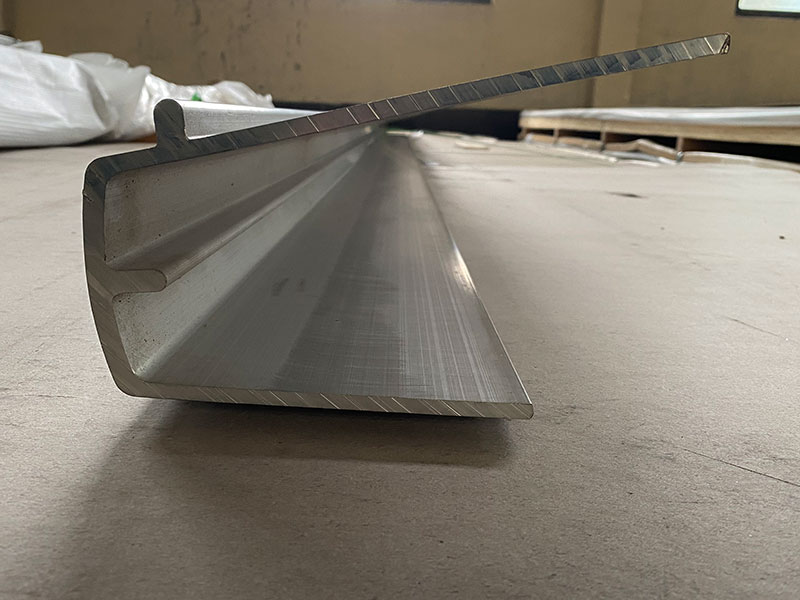
5052 Marine Aluminum Fencing and Railings for Durable Offshore Vessel Guardrails
When it comes to constructing durable and reliable guardrails on offshore vessels, 5052 marine aluminum stands out as a premier choice.
View Details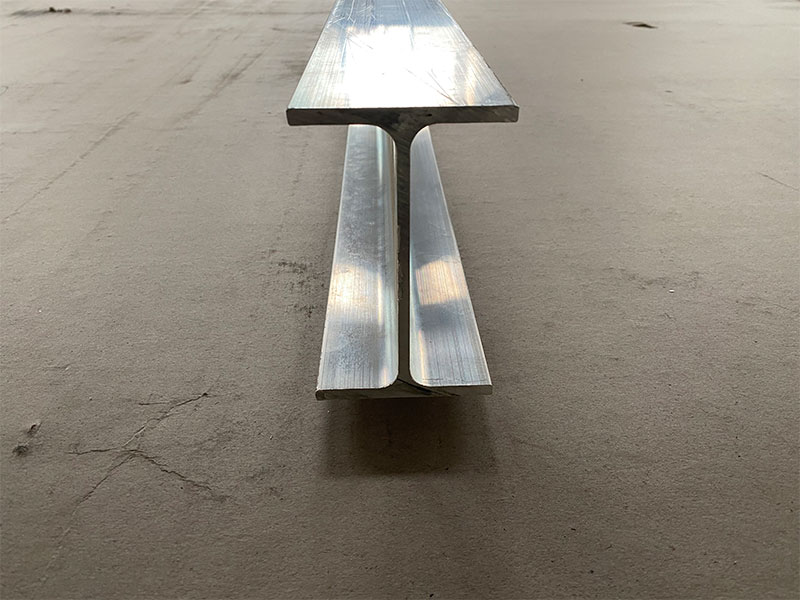
5083 Marine Aluminum Customized Shapes for Coastal Infrastructure Design and Build
When it comes to the demanding environments of coastal infrastructure design and build, 5083 Marine Aluminum continues to solidify its leadership with exceptional strength and corrosion resistance.
View Details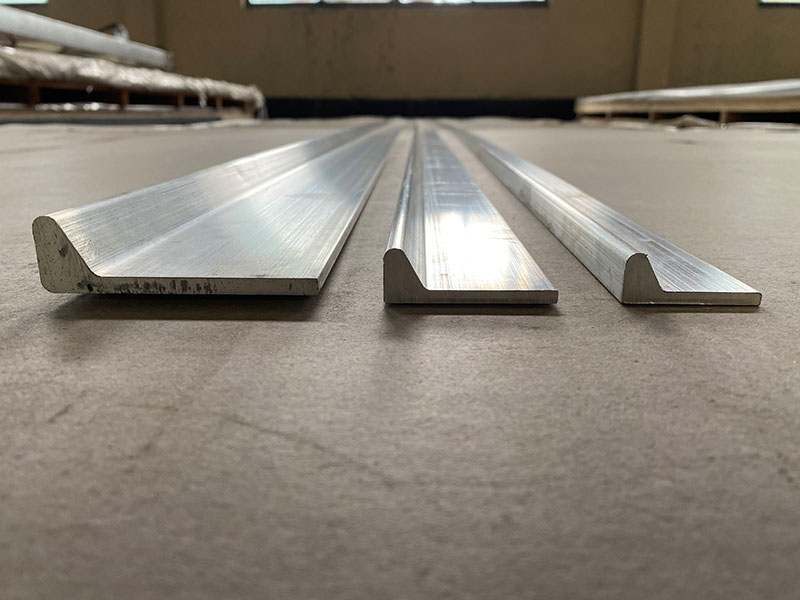
6061 Marine Aluminum Customized Shapes for Lightweight Offshore Platform Design
Explore how 6061 marine aluminum customized shapes offer superior strength, corrosion resistance, and lightweight characteristics essential for innovative offshore platform design, enabling robust and efficient marine structures.
View Details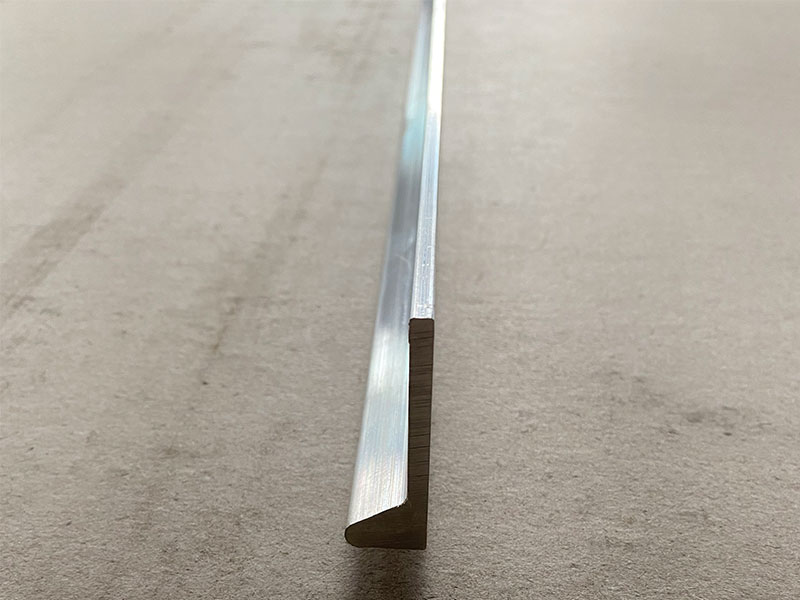
Marine Aluminum Fencing and Railings for Durable Offshore Platform Fencing Solutions
Marine environments impose stringent requirements on materials used in construction and infrastructure. Customarily used materials like steel or wood are prone to corrosion, wear, and decay—a glaring challenge on offshore platforms.
View Details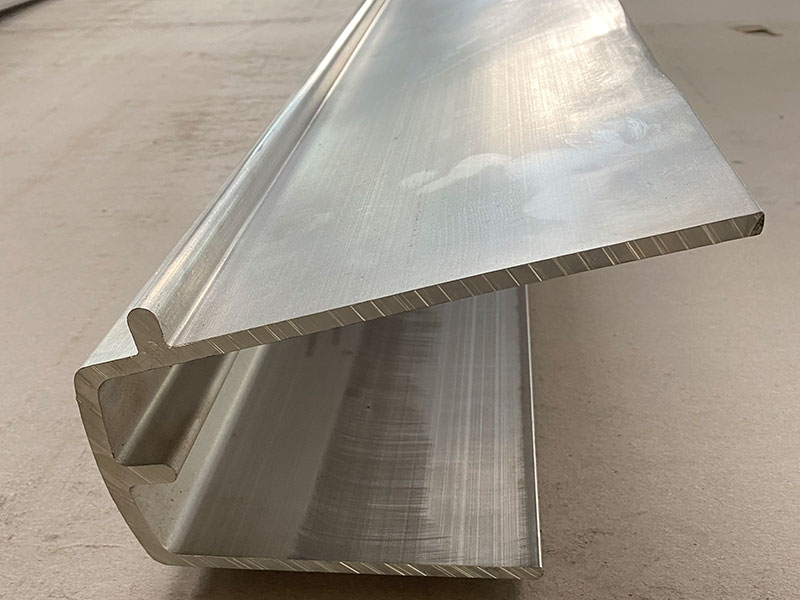
6063 Marine Aluminum Heat Sink Profile for Seawater Resistant Cooling Systems for Boats
When it comes to boats and marine systems, efficient heat dissipation combined with exceptional corrosion resistance is crucial for reliable operations.
View Details
Leave a Message