
6061 Marine Aluminum Fencing and Railings for Coastal Platform Security Railings
Salt, Wind, and Duty: 6061 Marine Aluminum Fencing and Railings for Coastal Platform Security Railings
On a coastal platform, a railing is never just a boundary. It is the line a worker trusts when a gust arrives from the sea, the barrier that separates a service route from open water, and the first part of the structure to be touched by salt, tools, gloves, boots, and sun. From that working edge, 6061 marine aluminum fencing and railings earn attention not because they look clean, but because they help security hardware stay light, strong, and manageable in a place where every material is tested daily.
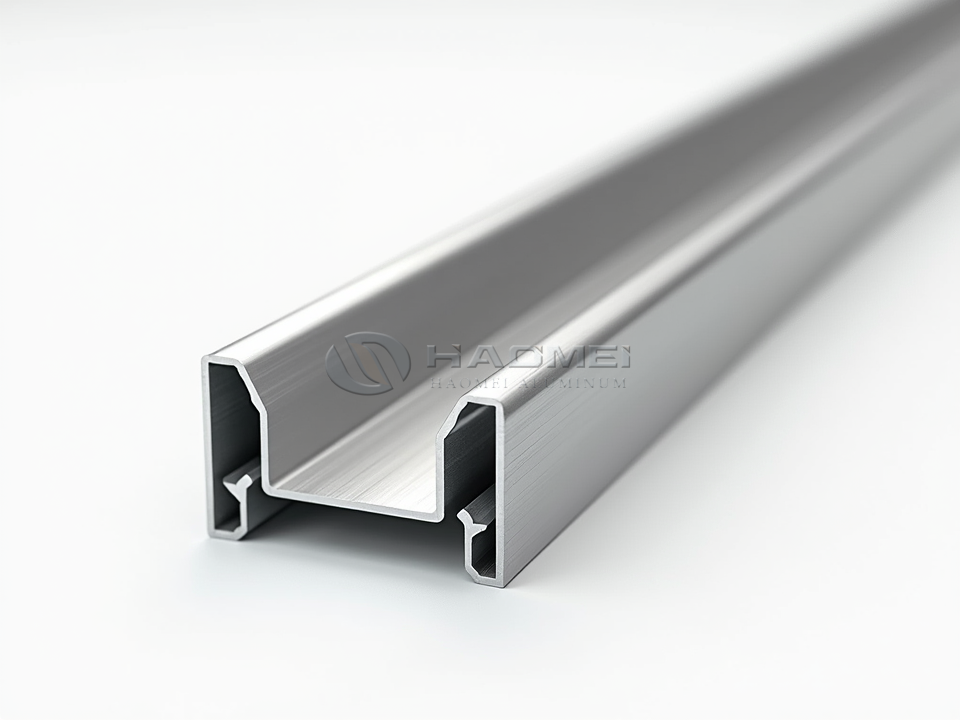
6061 aluminum is widely used for coastal platform security railings because it balances strength, machinability, weldability, and surface finish options. In the T6 temper, it offers higher structural strength than many softer marine alloys, making it suitable for posts, handrails, frames, access barriers, and modular fence panels. For customers planning platform upgrades, this balance matters. A railing system should be strong enough to resist service loads, but not so heavy that installation becomes slow, expensive, or difficult to handle above water.
The important point is to treat 6061 as a designed marine component, not a bare metal shortcut. While 6061 performs well in many coastal applications, it relies on proper detailing, protective finishing, and isolation from dissimilar metals to reach its service potential. In other words, the alloy is only one part of the railing. Drainage, fasteners, weld quality, coating choice, and inspection access are equally important.
Why 6061 Feels Right on a Coastal Platform
Coastal platforms often have narrow walkways, irregular equipment zones, ladders, gates, and exposed corners. Steel can provide strength, but it brings weight and corrosion maintenance. Stainless steel can perform well, but cost and galvanic concerns may rise quickly, especially across large perimeter runs. 6061 marine aluminum fencing and railings sit in the practical middle: light enough for easier handling, strong enough for many guard and security layouts, and adaptable enough for fabricated or extruded profiles.
This flexibility is valuable when the railing must do more than stop a fall. Security railings may need anti-climb spacing, locked access gates, removable panels for equipment lifting, toe boards, mesh infill, camera brackets, lighting mounts, and cable pass-throughs. 6061 can be cut, drilled, milled, bent within proper limits, welded, and finished into a coordinated system. Designers often begin with Marine Grade Aluminum Profiles when they need consistent geometry for rails, channels, frames, and support members.
A good railing also has to age well visually. On visitor piers, offshore service decks, marina platforms, coastal utility stations, and observation structures, appearance supports confidence. A chalky, stained, or rust-marked guardrail sends the wrong message. Powder coated or anodized 6061 can keep a clean profile while reducing routine surface work.
The Salt Line View: Where Problems Really Start
Many railing failures begin in small hidden areas, not in the middle of a handrail. Saltwater collects at bolt holes, under base plates, inside hollow sections, near weld toes, and around damaged coating. The sea does not attack evenly. It waits in crevices.
For 6061 coastal platform security railings, the design should avoid water traps wherever possible. Horizontal hollow members should have drain paths. Post bases should not become cups. Welds should be smooth enough to reduce salt retention, and coating should reach edges and corners. If a panel is bolted to a steel platform, isolation pads or sleeves should separate aluminum from carbon steel. Stainless fasteners are common, but they should be selected and installed with anti-galvanic planning, especially in wet zones.
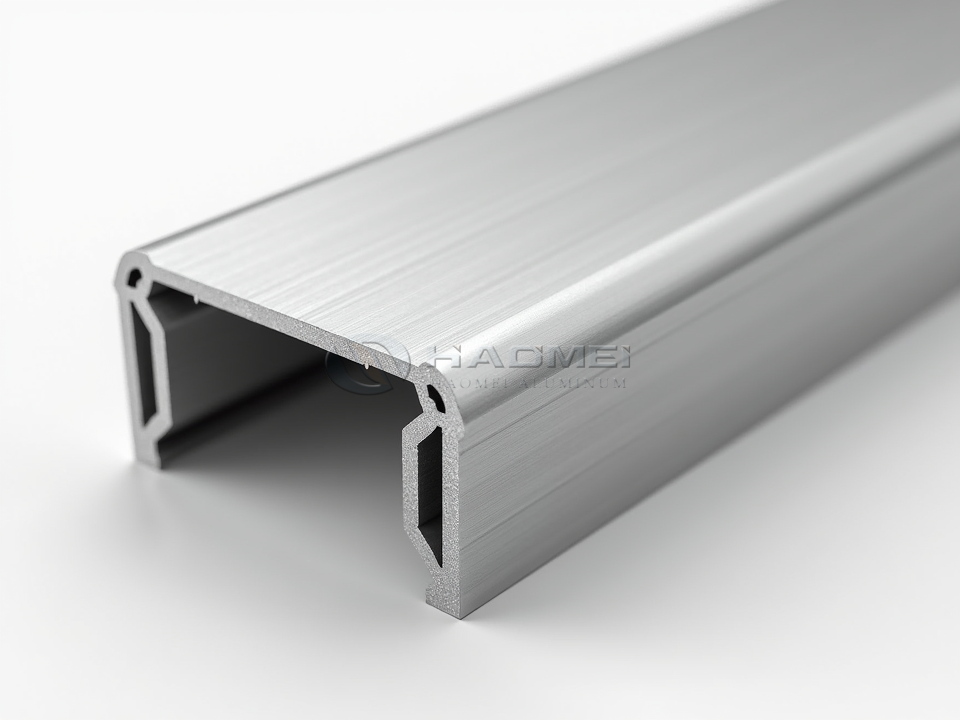
This is where custom extrusion design can save money over the life of the platform. A slightly better channel shape, a rounded edge, a more accessible fastener pocket, or a drainage-friendly post can reduce corrosion risk and speed inspection. Purpose-built Marine aluminum fencing and railings can be designed around the platform environment rather than adapted from ordinary architectural railing.
Strength Is Not Only About Alloy Grade
Customers often ask whether 6061 is strong enough. The better question is whether the complete railing system is designed for the loads, spacing, height, anchoring, and exposure of the actual site. A strong tube with a weak base connection is not a safe railing. A heavy post mounted to a thin deck plate may still deflect too much. A welded panel with poor heat control may lose performance at the joint.
6061-T6 has good strength, but welding changes the temper in the heat affected zone. This does not mean welded 6061 railings are unsuitable. It means weld layout, member size, joint type, and safety margins must be considered during design. In many cases, a mix of welded frames and bolted replaceable sections offers a smart solution. Welded subassemblies provide rigidity, while bolted panels allow repair after impact or storm damage.
For coastal security, rigidity and visibility also matter. Railings should not vibrate excessively in wind, and infill should not block necessary sightlines. Mesh, vertical pickets, perforated panels, and horizontal rails all change wind load and climb resistance. The best choice depends on platform use: public access, industrial service, restricted maintenance, or emergency escape routes.
Finishing Choices That Change Service Life
Bare aluminum forms a natural oxide layer, but coastal platforms usually demand more protection. Anodizing gives a hard, controlled oxide surface and is useful where abrasion resistance and metallic appearance are desired. Powder coating offers color options and broader visual matching, especially for safety colors or low-glare finishes. Marine-grade pretreatment before powder coating is essential, because coating failure often begins under the surface when salt reaches poorly prepared metal.
A practical finish plan should include edge coverage, weld area preparation, repair procedures, and color stability. Dark colors can become hot in strong sun. Very glossy finishes may show scratches. Light colors improve visibility but can show stains. For security railings, the finish should serve the working environment, not only the drawing.
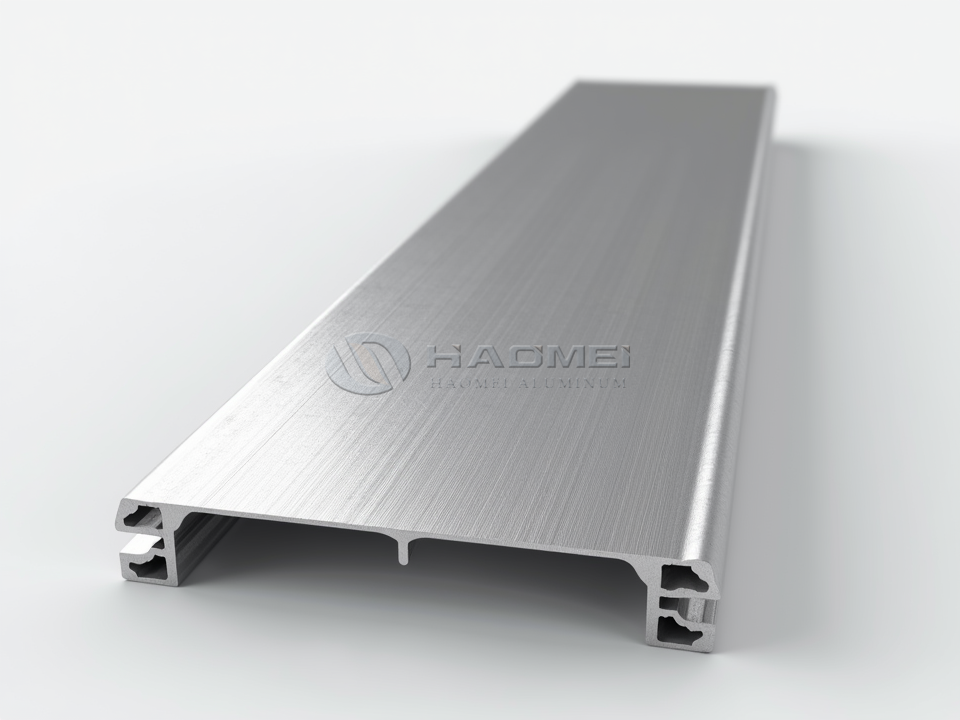
There is also a maintenance advantage to aluminum. When coating is damaged, there is no red rust bleeding across the deck. Local touch-up is often cleaner and easier. Regular rinsing with fresh water, especially in splash zones, can extend finish life. Inspections should focus on bases, fasteners, welded joints, gate hinges, latch areas, and any place where standing water or trapped debris appears.
Fabrication Details Customers Should Ask About
Before ordering 6061 marine aluminum fencing and railings for coastal platform security railings, customers should discuss more than length and height. The conversation should include wind exposure, platform material, mounting method, load requirements, panel replacement, gate swing direction, drainage, finish system, and fastener isolation.
If the railing will be installed near electrical equipment, cable trays, or surveillance devices, profiles may need concealed routing or bracket points. If the platform handles hoses, carts, or service tools, rail sections may need rub protection or reinforced lower members. If storms can throw debris against the structure, replaceable panels may be cheaper than repairing a continuous welded perimeter.
The best railing feels simple after installation because the hard decisions were made before fabrication. Posts align cleanly. Gates close without forcing. Water drains. Fasteners are reachable. Coating repairs are possible. Spare panels can be ordered without redesigning the whole system.
A Practical Choice for Harsh Edges
6061 marine aluminum fencing and railings bring real value to coastal platform security when they are treated as engineered safety components. The alloy provides strength, moderate weight, clean fabrication, and finishing flexibility. The design must then protect those advantages through drainage, isolation, correct welding, suitable coatings, and realistic maintenance.
For customers, the main benefit is confidence at the platform edge. A well-made 6061 railing system does not fight the marine environment with weight alone. It works with smart geometry, protected surfaces, and serviceable construction. In salt air, that practical thinking is what keeps a security railing doing its quiet job year after year.

Related Products
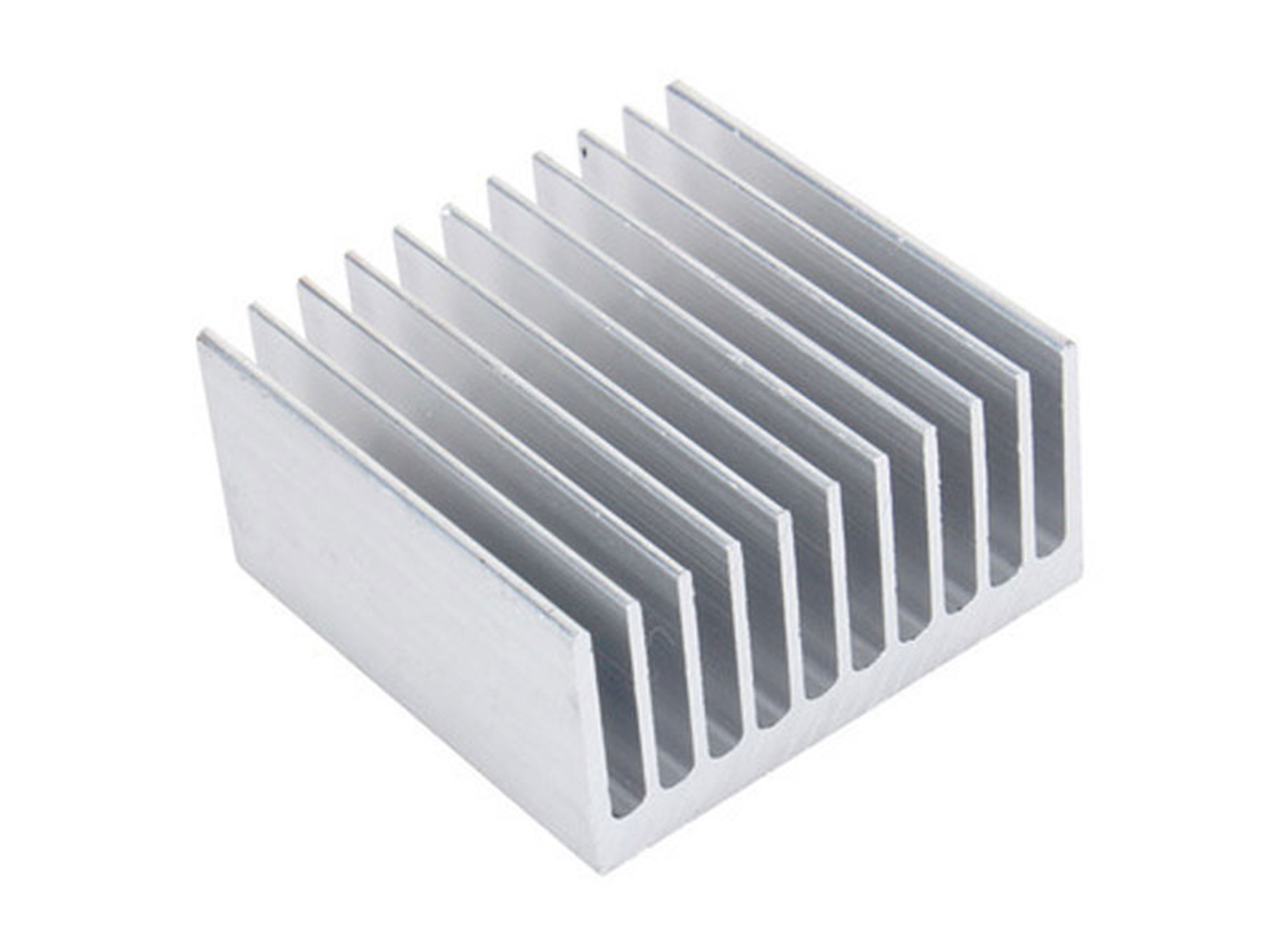
Marine aluminum heat sink profile
Marine Grade Aluminum Heat Sink Profiles utilize alloys such as 6061 and 6063 that not only exhibit high thermal conductivity but also possess excellent corrosion resistance required for saltwater exposure.
View Details
Marine aluminum fencing and railings
Marine Grade Aluminum Fencing and Railings are fabricated using marine-grade aluminum alloys such as 5083, 5052, and 6061, which are engineered specifically for protection against saltwater corrosion and marine atmospheric conditions.
View Details
Marine aluminum customized shapes
Marine Grade Aluminum Customized Shapes encompass a broad range of aluminum extrusions and fabrications engineered beyond standard profiles—such as channels, angles, tubes, and beams—into complex, project-specific geometries.
View DetailsRelated Blog
Marine Aluminum Fencing and Railings for High Strength Boat Deck Safety Barriers
When it comes to ensuring safety on boat decks, the choice of fencing and railing materials plays a critical role. Marine aluminum fencing and railings have emerged as the premier solution for high strength, corrosion-resistant.
View Details
6061 Marine Aluminum Fencing and Railings for Heavy Duty Coastal Property Barriers
Learn how 6061 marine aluminum fencing and railings protect coastal properties with strength, corrosion resistance, and low upkeep.
View Details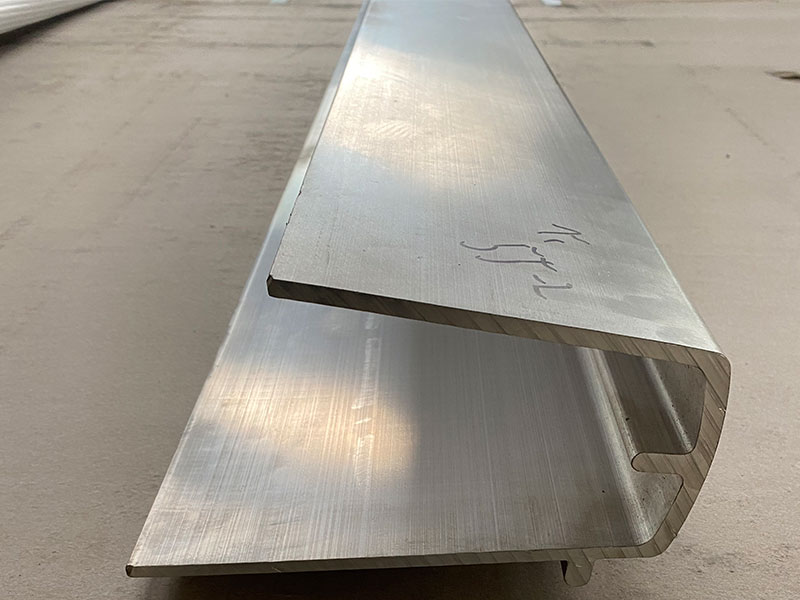
6061 Marine Aluminum Fencing and Railings for Lightweight Coastal Deck Railings
6061 marine aluminum is renowned for its excellent qualities, making it one of the top choices for lightweight coastal deck railings and fencing solutions. Designed specifically for marine environments, its exceptional resistance to corrosion.
View Details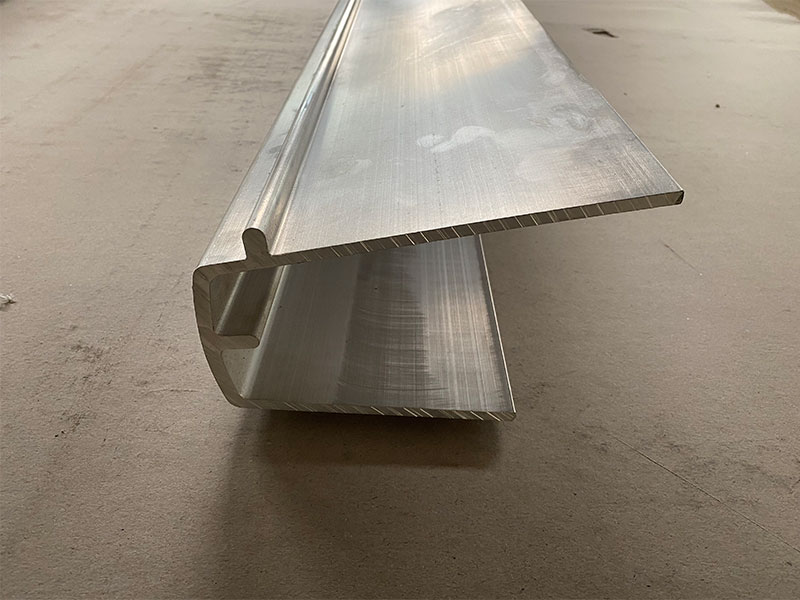
6061 Marine Aluminum Customized Shapes for Saltwater Resistant Shipbuilding Frames
Marine aluminum alloys play a critical role in shipbuilding, exhibiting remarkable resistance to corrosion, high strength-to-weight ratios, and ease of fabrication.
View Details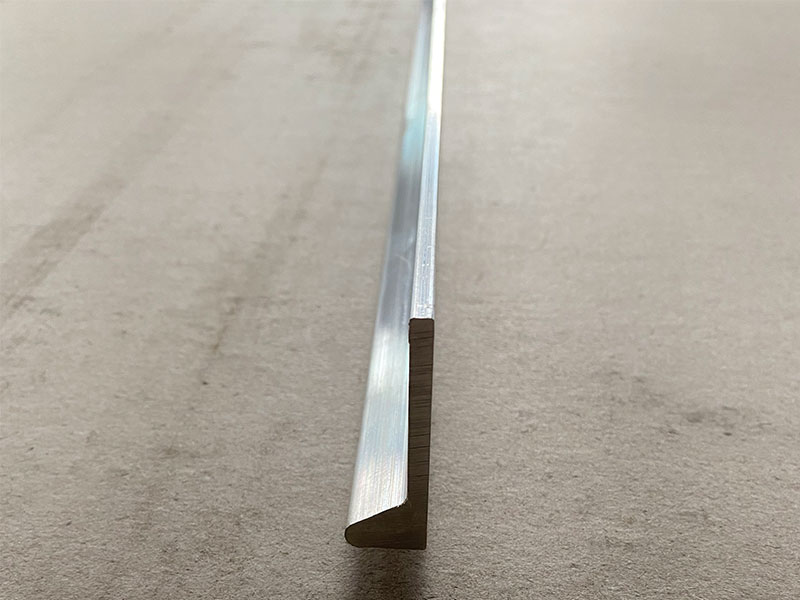
5083 Marine Aluminum Fencing and Railings for Lightweight Offshore Guardrail Systems
When it comes to offshore guardrail systems, ensuring safety, durability, and corrosion resistance are paramount. 5083 Marine Aluminum has emerged as an excellent material choice for fencing and railings in marine environments.
View Details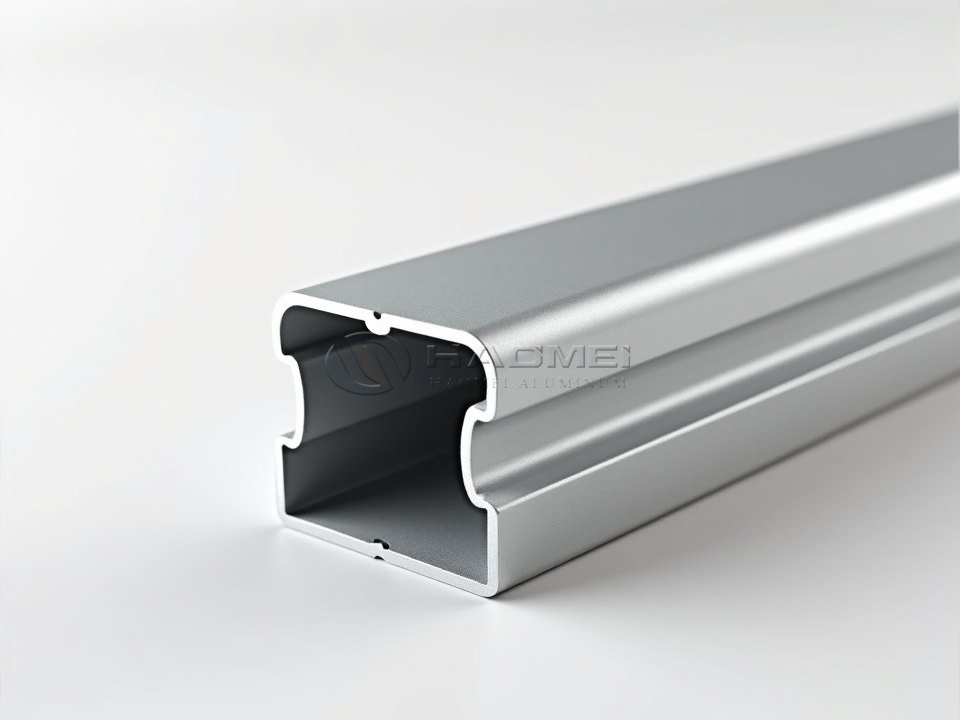
6061 Marine Aluminum Fencing and Railings for High Strength Coastal Fence Design
Learn how 6061 marine aluminum fencing and railings deliver strength, corrosion control, and clean coastal design for docks, resorts, and seawalls.
View Details
Leave a Message