
6061 Marine Aluminum Bar for Offshore Platform Customization
Offshore platforms operate in a demanding mix of salt spray, humidity, vibration, impact, and cyclic loading. Components used on decks, access systems, equipment skids, handrails, electrical supports, and maintenance stations must combine dependable strength with low weight and efficient fabrication. 6061 marine aluminum bar is a practical choice for customized non-primary offshore structures and machined parts where dimensional control, weldability, and corrosion management are required.
As a heat-treatable aluminum-magnesium-silicon alloy, 6061 develops useful strength after solution heat treatment and artificial aging. Bar stock is available in round, square, rectangular, flat, and hexagonal profiles, making it suitable for fabricated brackets as well as precision-machined fittings.
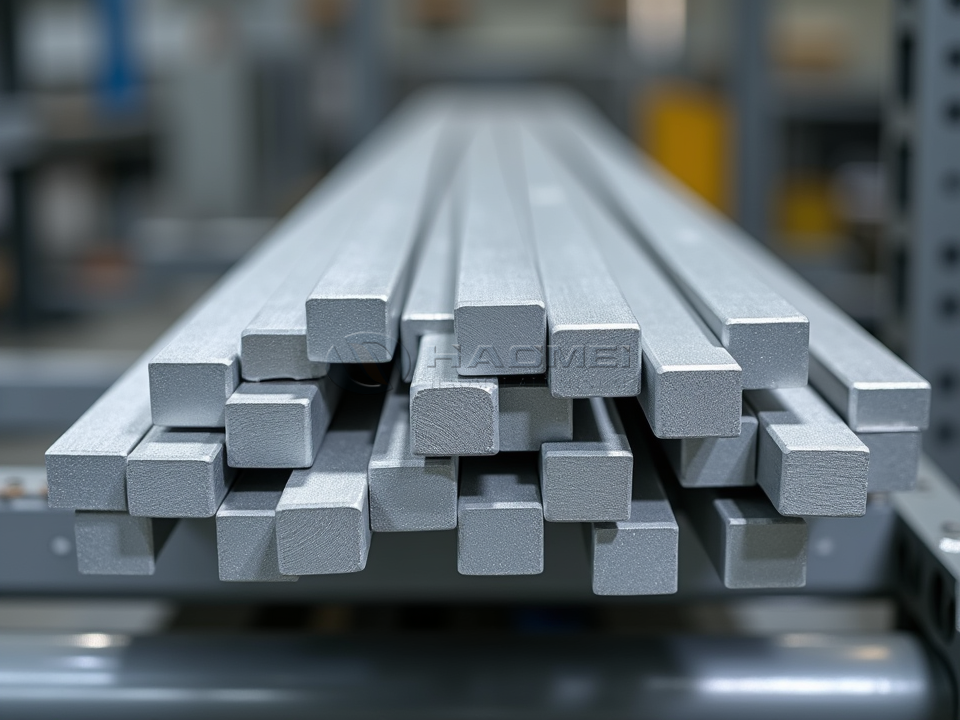
Why 6061 Bar Fits Offshore Custom Fabrication
6061 aluminum has a density of about one-third of carbon steel. This lower mass can reduce handling effort during retrofit work, simplify removable assemblies, and lower loads imposed on secondary supports. Its response to cutting, drilling, milling, tapping, and CNC turning is also favorable, supporting close-tolerance custom parts.
For offshore use, 6061 should be selected with a complete design approach rather than treated as a direct replacement for every steel member. The alloy performs well in marine atmospheres when surfaces are protected, water traps are avoided, and galvanic contact with dissimilar metals is controlled. For continuously immersed or heavily splash-zone structures, 5xxx-series marine alloys may be more suitable due to their stronger natural resistance to seawater exposure.
| Offshore requirement | Contribution of 6061 marine aluminum bar |
|---|---|
| Weight reduction | Density of approximately 2.70 g/cm³ supports lighter assemblies and easier installation |
| Structural stiffness | Elastic modulus near 69 GPa provides reliable rigidity for brackets, frames, and supports |
| Custom machining | Clean machining behavior supports threads, bores, slots, shoulders, and connection details |
| Fabrication flexibility | Available in flat, round, square, and hexagonal bar forms |
| Welded construction | Compatible with common aluminum welding practices using suitable filler metals |
| Maintenance durability | Protected surfaces resist marine-atmosphere corrosion and support long service intervals |
Common Offshore Platform Applications
6061 bar is generally used for secondary structures and equipment-related components rather than highly critical primary load paths. Flat bars can form gussets, mounting rails, access-frame stiffeners, cable-tray supports, and equipment brackets. Round bars are frequently machined into pins, spacers, bushings, couplings, valve accessories, and instrument mounting components. Square and rectangular bars provide straightforward stock for modular frames, custom blocks, and reinforced supports.
Typical offshore customization uses include:
- Pump and control-panel mounting brackets
- Ladder, walkway, and handrail connection plates
- Instrument housings and sensor support arms
- Equipment skid fittings and removable guide parts
- Cable management supports and tray adapters
- Lightweight deck fixtures and access-system components
- Machined collars, spacers, clevis parts, pins, and fastener blocks
For projects requiring alternate profiles or sizes, Marine Grade Aluminum Bars can be selected in forms suited to machining, welding, and assembly design.
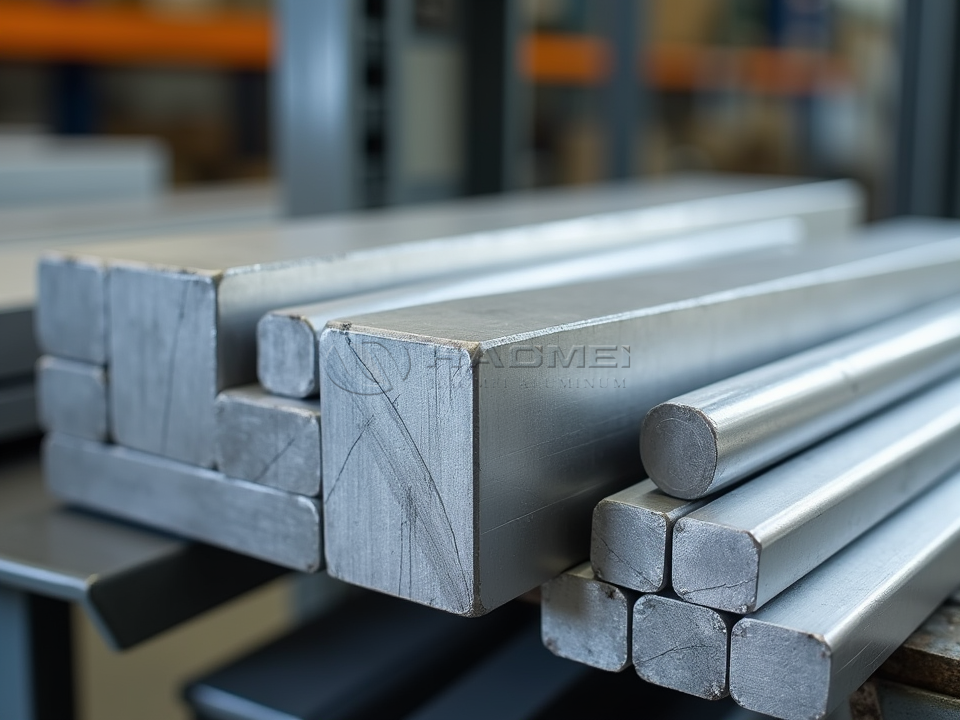
Chemical Composition of 6061 Aluminum Alloy
The controlled magnesium and silicon content in 6061 forms magnesium silicide, enabling precipitation hardening after heat treatment. Copper and chromium contribute to strength and microstructural stability, while limits on iron and other residual elements help maintain consistent performance.
| Element | Composition, % by weight |
|---|---|
| Silicon, Si | 0.40-0.80 |
| Iron, Fe | 0.00-0.70 |
| Copper, Cu | 0.15-0.40 |
| Manganese, Mn | 0.00-0.15 |
| Magnesium, Mg | 0.80-1.20 |
| Chromium, Cr | 0.04-0.35 |
| Zinc, Zn | 0.00-0.25 |
| Titanium, Ti | 0.00-0.15 |
| Other elements, each | 0.05 maximum |
| Other elements, total | 0.15 maximum |
| Aluminum, Al | Balance |
Temper Conditions and Mechanical Performance
Temper selection affects strength, formability, residual stress, and fabrication planning. T6 is widely specified for machined offshore parts because of its high strength. T651 is often preferred for thicker bar or plate-derived sections where stress relief can improve stability during extensive machining. O temper is softer and may be considered where forming is required before final heat treatment.
| Temper | Condition | Typical use in offshore customization |
|---|---|---|
| O | Annealed, lowest-strength condition | Formed details and parts requiring maximum ductility |
| T4 | Solution heat-treated and naturally aged | Forming before final aging or moderate-strength components |
| T6 | Solution heat-treated and artificially aged | Machined brackets, fittings, rails, blocks, and structural accessories |
| T651 | Solution heat-treated, stress-relieved by stretching, artificially aged | Precision-machined thick sections and parts requiring improved dimensional stability |
Typical mechanical values for 6061-T6 extruded bar are shown for engineering reference. Actual certified values vary with section size, product form, and applicable specification.
| Property | Typical 6061-T6 value | Test reference |
|---|---|---|
| Tensile strength | 290 MPa minimum | ASTM B221 / EN standards as applicable |
| Yield strength | 240 MPa minimum | ASTM B221 / EN standards as applicable |
| Elongation | 8-12% typical, dependent on size | Tensile test |
| Brinell hardness | Approximately 95 HB | ASTM E10 |
| Elastic modulus | Approximately 69 GPa | Engineering reference |
| Density | Approximately 2.70 g/cm³ | Engineering reference |
| Melting range | Approximately 582-652°C | Engineering reference |
| Thermal conductivity | Approximately 167 W/m·K | Typical at room temperature |
| Electrical conductivity | Approximately 43% IACS | Typical at room temperature |
Standards and Supply Documentation
Material standards should match the required bar type and destination-market documentation. Purchase specifications commonly identify alloy, temper, dimensions, tolerances, surface condition, inspection requirements, and traceability expectations. Offshore contractors may also require project-specific quality plans, third-party inspection, or classification-society documentation.
| Standard or document | Scope for 6061 marine aluminum bar |
|---|---|
| ASTM B221 | Aluminum and aluminum-alloy extruded bars, rods, wire, profiles, and tubes |
| ASTM B211 | Aluminum and aluminum-alloy rolled or cold-finished bar, rod, and wire |
| EN 755 | Extruded aluminum and aluminum-alloy bars, tubes, and profiles |
| EN 573 | Aluminum alloy chemical composition and designation system |
| EN 515 | Temper designations for wrought aluminum alloys |
| ASTM B557 | Tension testing methods for aluminum and magnesium products |
| EN 10204 3.1 | Inspection certificate with traceable test data |
Fabrication and Corrosion-Control Practices
6061-T6 can be TIG or MIG welded, commonly with 4043 or 5356 filler depending on service conditions and engineering requirements. Heat from welding softens the heat-affected zone, reducing local strength from the T6 level. Connection design must account for this effect, particularly in loaded brackets and frames. Where retaining full temper strength is important, bolted or mechanically fastened construction can be considered.
Marine corrosion resistance depends strongly on finishing and joint design. Anodizing improves surface protection and appearance, while marine-grade coating systems add a barrier against salt-laden moisture. Edges, drilled holes, cut ends, and machined pockets should receive proper finishing. Crevices that retain seawater or condensate should be eliminated whenever possible.
| Design consideration | Recommended practice |
|---|---|
| Contact with carbon steel | Use nonconductive pads, sleeves, washers, or compatible coating systems |
| Stainless steel fasteners | Isolate where practical and seal joints against electrolyte entry |
| Cut and machined edges | Deburr, clean, and apply specified protective treatment |
| Welded areas | Remove contaminants, inspect weld quality, and restore coating protection |
| Water retention | Provide drainage, ventilation, and smooth transitions in fabricated assemblies |
| Fastener threads | Apply compatible anti-seize or corrosion-inhibiting compound where specified |
| Surface finish | Specify mill finish, anodized finish, primer, or marine coating system according to exposure |
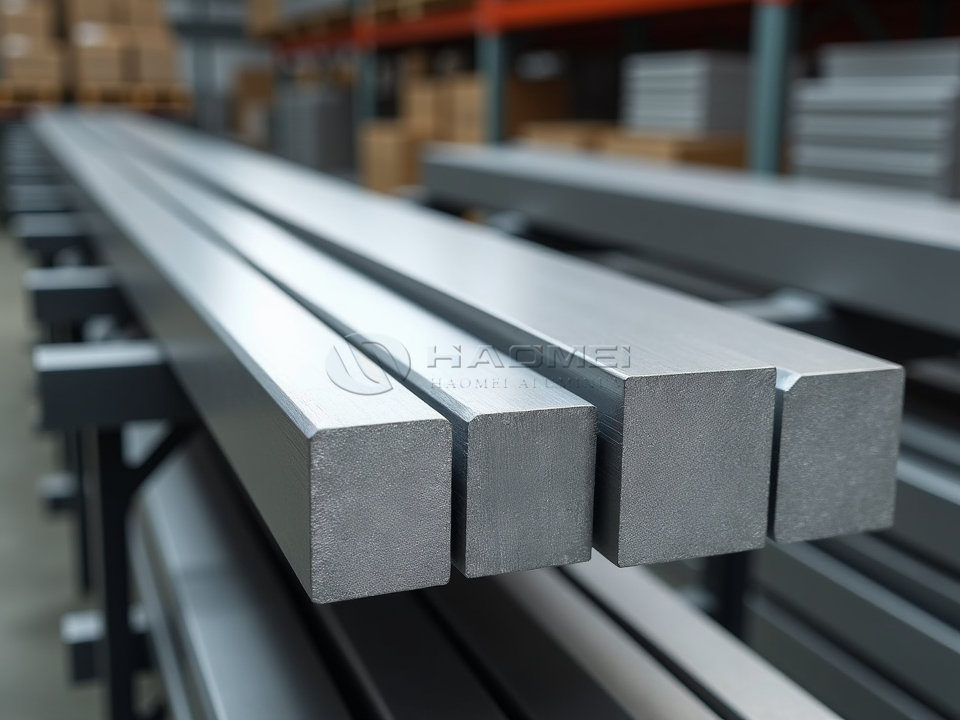
Custom Supply Parameters
A clear purchase request helps align bar stock with offshore fabrication needs. Useful details include required profile, width or diameter, length, alloy temper, tolerance, cutting method, surface finish, certification level, and intended application. For machined components, provide drawings that identify critical dimensions, thread forms, surface roughness, and inspection points.
| Parameter | Common customization options |
|---|---|
| Bar profile | Flat, round, square, rectangular, hexagonal |
| Alloy | 6061 |
| Temper | O, T4, T6, T651, subject to product form availability |
| Length | Random mill length, fixed cut length, precision saw cut |
| Surface | Mill finish, brushed, anodized, primed, coated |
| Processing | Cutting, drilling, milling, turning, tapping, deburring, packaging |
| Inspection | Dimensional verification, visual inspection, chemical analysis, mechanical test certificate |
6061 marine aluminum bar provides a balanced material solution for offshore platform customization where strength, reduced weight, accurate machining, and sensible corrosion protection must work together. Correct temper selection, well-planned joints, certified material control, and protective finishing help transform standard bar stock into dependable offshore components.

Related Products
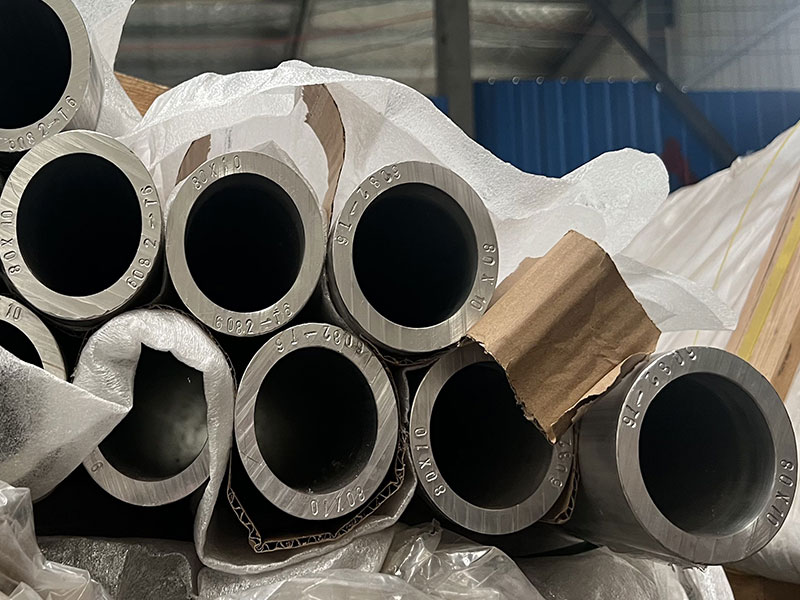
Marine aluminum hollow bars
Marine Grade Aluminum Hollow Bars are fabricated from high-quality alloys such as 5083, 5052, 6061, and 6082, all known for their exceptional resistance to seawater corrosion, salt spray, and marine atmospheres.
View Details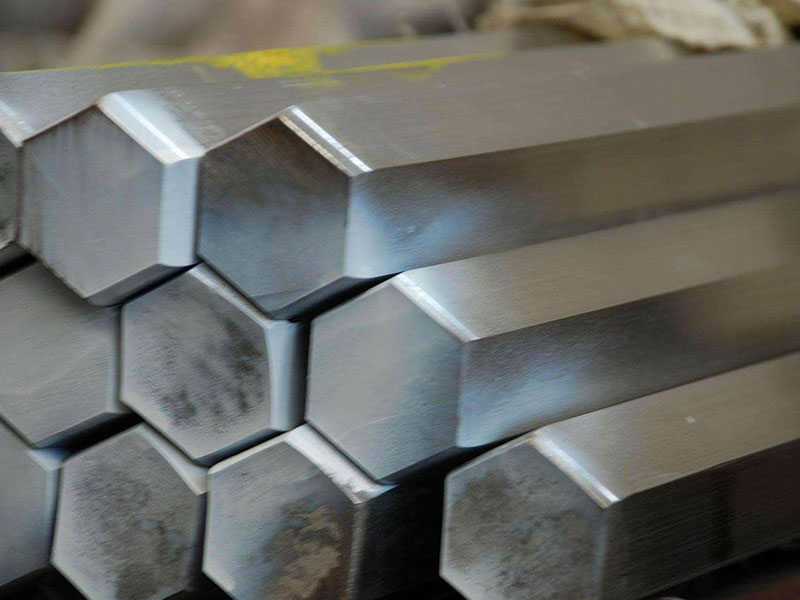
Marine aluminum hexagonal bars
Marine Grade Aluminum Hexagonal Bars are produced from premium corrosion-resistant aluminum alloys such as 5083, 5052, 6061, and 6082.
View Details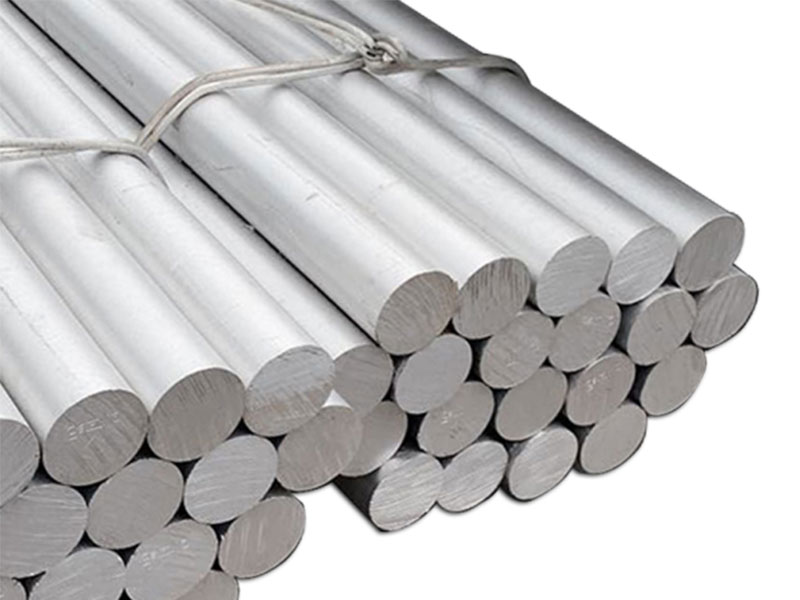
Marine grade aluminum solid bar
Marine Grade Aluminum Solid Bars are produced from premium aluminum alloys optimized for saltwater exposure, such as 5083, 5052, 6061, and 6082. These alloys offer unparalleled resistance to corrosion caused by seawater, salt spray, and marine atmospheres, while maintaining excellent mechanical strength and toughness.
View Details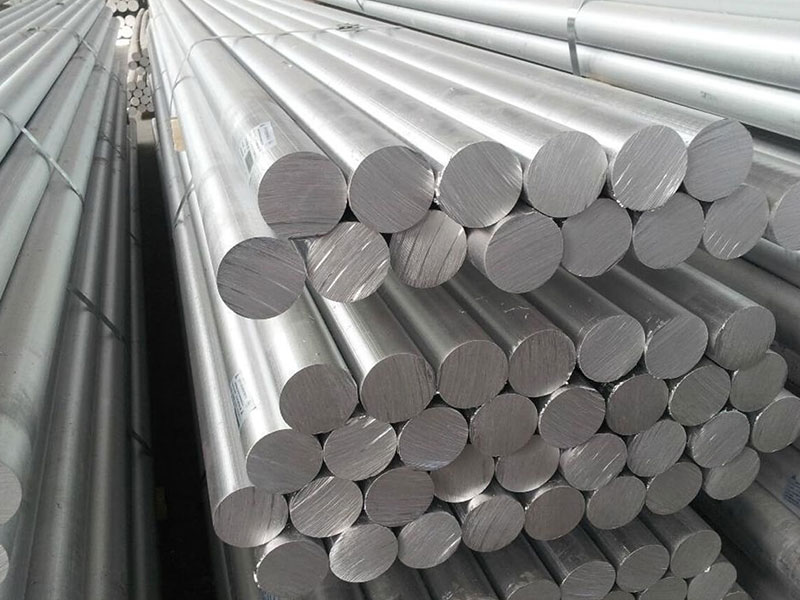
6082 marine aluminum rod & bar
6082 Aluminum Rods & Bars are extruded or rolled products manufactured from 6082 aluminum alloy — a thermally treated (typically T6 temper) aluminum-magnesium-silicon alloy that balances high tensile strength, good weldability, and excellent corrosion resistance.
View DetailsRelated Blog
Marine Aluminum Bar for Coastal Boat Reinforcement
When considering the perfect material for coastal boat reinforcement, marine aluminum bars emerge as a standout option. Their remarkable blend of strength, corrosion resistance, and weight savings makes them an ideal choice for maritime applications.
View Details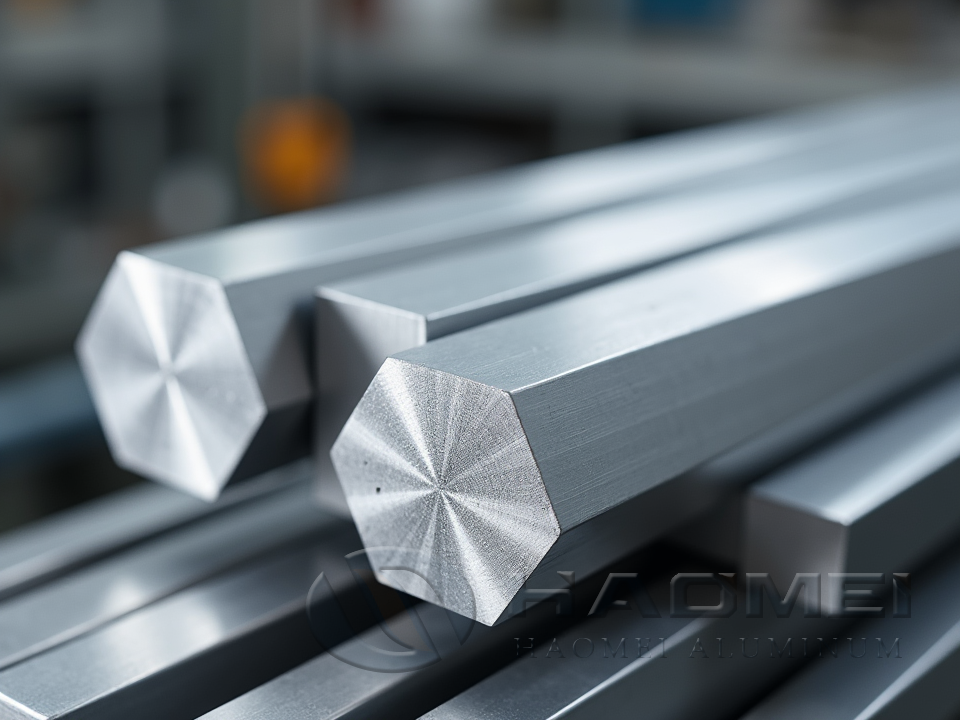
6061 Marine Aluminum Hexagonal Bars for Marine Hull and Deck Support
A practical look at 6061 marine aluminum hexagonal bars, covering strength, corrosion control, machining, and deck or hull support use for builders and buyers.
View Details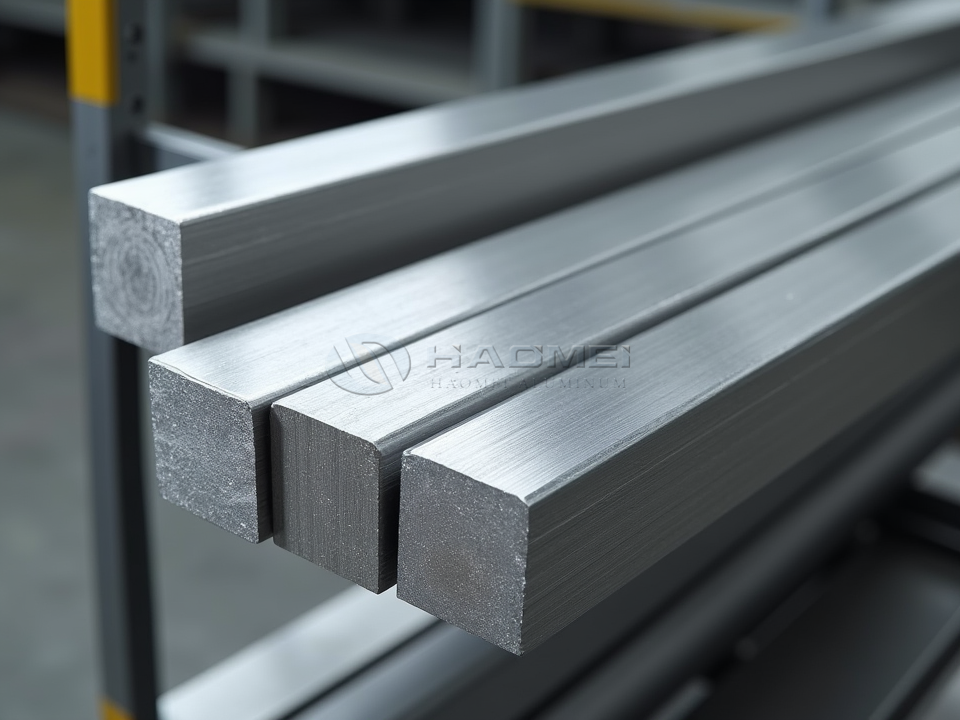
6082 Marine Aluminum Hollow Bars for High Performance Marine Frames
Explore 6082 marine aluminum hollow bars for lightweight, durable marine frames, with alloy data, tempers, standards, fabrication guidance, and uses.
View Details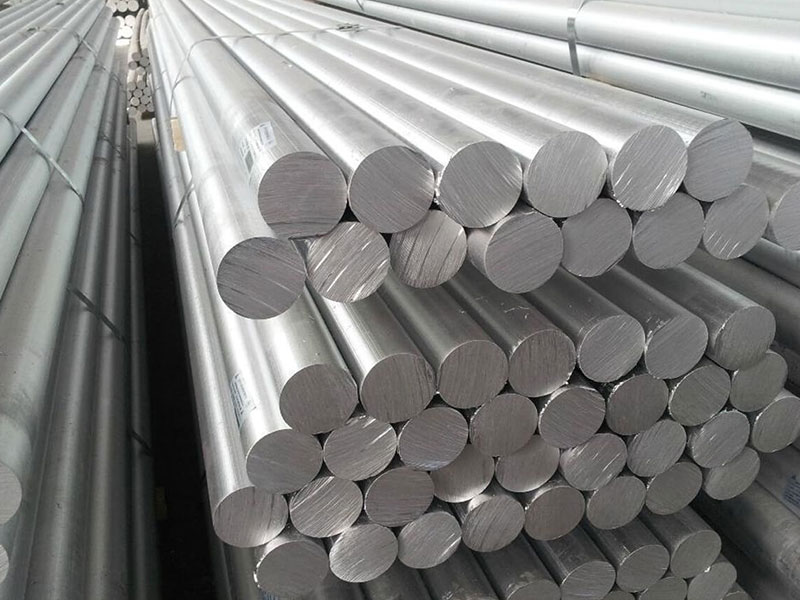
6061 Marine Aluminum Bar for Boat Frame Customization
When it comes to building or customizing boat frames, choosing the right material significantly impacts durability, performance, and maintenance.
View Details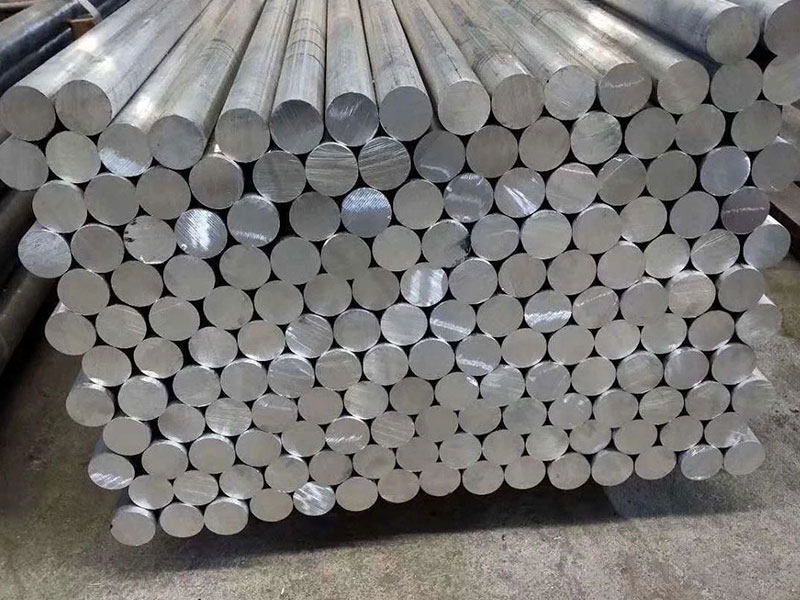
5083 Marine Grade Aluminum Solid Bar for Custom Marine Construction
The 5083 Marine Grade Aluminum Solid Bar is a highly regarded alloy, specifically designed to meet the stringent demands of the marine environment. Renowned for its exceptionally high resistance to corrosion, strength, and weldability.
View Details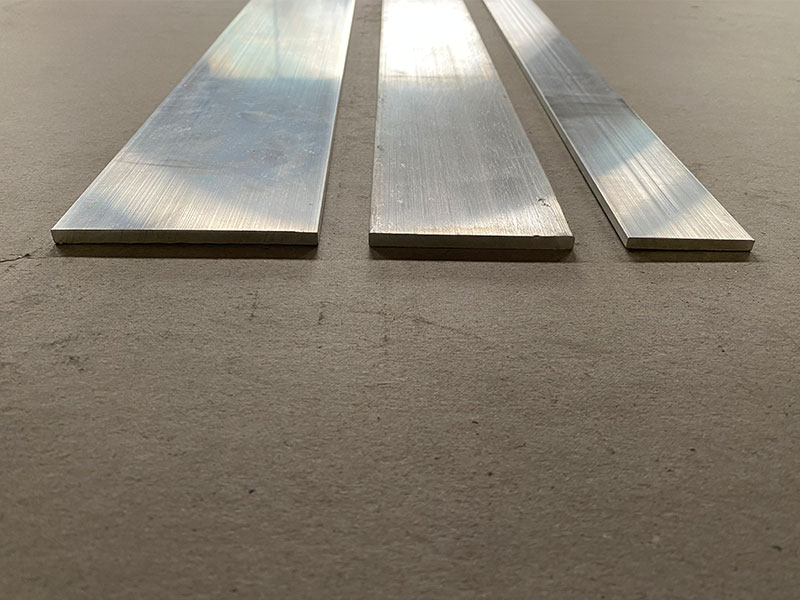
Marine Aluminum Hexagonal Bars for Heavy Duty Boat Frame Construction
In the demanding environment of marine construction, selecting the right materials for heavy duty boat frames is crucial. Among the many options, marine aluminum hexagonal bars have emerged as a standout choice, offering an exceptional blend of strength.
View Details
Leave a Message