
5052 Marine Grade Aluminum Solid Bar for Boat Deck Support Structures
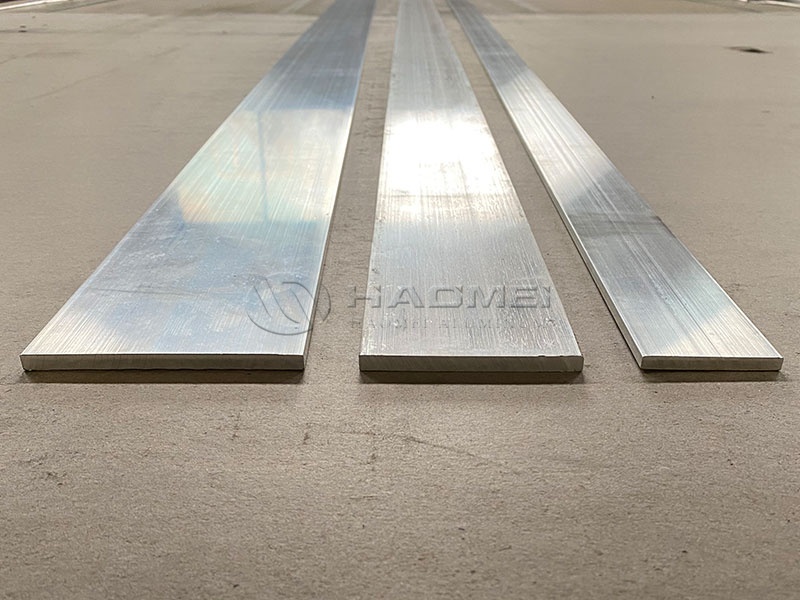
5052 marine grade aluminum solid bar is a practical structural material for boat deck support systems exposed to salt spray, humidity, washdown water, and changing loads. Produced from an aluminum-magnesium alloy, it combines low weight with dependable corrosion resistance and good fabrication behavior. It is widely specified for deck cross-members, support rails, under-deck stiffeners, hatch framing, equipment foundations, and non-critical structural reinforcements.
For builders seeking long-term service in marine environments, 5052 offers a favorable balance between cost, corrosion performance, and workability. Its non-heat-treatable alloy structure allows it to retain useful strength after forming while remaining easier to bend and weld than many higher-strength aluminum grades.
Material Benefits for Marine Deck Construction
Boat decks must carry pedestrian traffic, removable equipment, fishing gear, storage modules, and occasional impact loads without adding unnecessary hull weight. A 5052 aluminum solid bar helps create a stiff support network while reducing the mass associated with steel construction.
| Performance characteristic | Benefit for deck support structures |
|---|---|
| Saltwater corrosion resistance | Magnesium content supports reliable resistance in marine atmospheres and splash-zone service. |
| Lightweight construction | Density is about one-third of carbon steel, helping improve payload capacity and vessel efficiency. |
| Good weldability | Suitable for MIG and TIG welding with compatible 5xxx-series filler metals. |
| Formability | Can be cut, drilled, bent, and fabricated into support brackets, rails, and reinforcement members. |
| Moderate structural strength | Provides stable support for deck frameworks where extreme high-strength temper is not required. |
| Smooth, durable surface | Mill finish can be used directly or prepared for painting, powder coating, or marine protective systems. |
| Non-magnetic material | Useful near navigation electronics, sensors, and specialized onboard equipment. |
Unlike ordinary steel bars, 5052 aluminum does not form red rust. A natural aluminum oxide film develops on the surface and provides protection in many marine service conditions. For the best durability, deck assemblies should still be designed to drain freely and avoid standing saltwater deposits.
Typical Boat Deck Applications
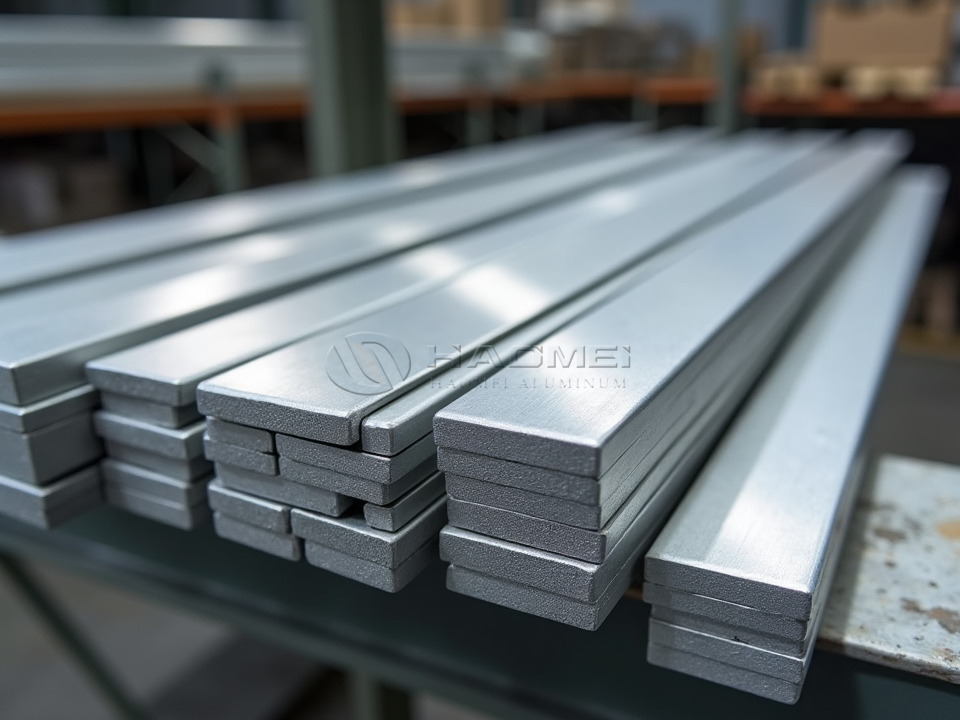
5052 solid bar can be supplied as flat, square, round, or rectangular sections, allowing fabricators to select the geometry that matches the load path and connection method. Flat bar is especially common where broad bearing contact or easy welding to plate is required.
| Application area | Typical use of 5052 solid bar |
|---|---|
| Deck framing | Cross-members, edge rails, intermediate supports, and backing members |
| Walkway systems | Support strips beneath tread plate, grating, or composite deck panels |
| Hatch assemblies | Hatch coamings, internal stiffeners, hinge supports, and latch backing bars |
| Console and seating bases | Reinforcing rails and mounting members for equipment foundations |
| Storage compartments | Lid supports, internal partitions, framing, and drainage channel reinforcement |
| Small craft platforms | Swim platform braces, boarding-step supports, and service access structures |
| Marine outfitting | Brackets, guards, cable supports, and mounting rails |
Where the structure demands greater strength or will remain continuously immersed, designers may evaluate alternative alloys. However, 5052 remains an efficient selection for fabricated deck support members with moderate loading and a strong need for corrosion resistance.
Chemical Composition
The chemistry of 5052 is controlled to develop corrosion resistance, weldability, and strain-hardening capability. Magnesium is the principal alloying element, while chromium helps improve resistance to stress-corrosion cracking.
| Element | Composition, % by weight |
|---|---|
| Silicon, Si | 0.25 max |
| Iron, Fe | 0.40 max |
| Copper, Cu | 0.10 max |
| Manganese, Mn | 0.10 max |
| Magnesium, Mg | 2.20-2.80 |
| Chromium, Cr | 0.15-0.35 |
| Zinc, Zn | 0.10 max |
| Titanium, Ti | 0.15 max |
| Aluminum, Al | Balance |
Technical Specifications
Available dimensions and tolerances depend on bar profile, mill capability, finishing route, and applicable purchasing standard. Cut-to-length service is commonly available for efficient fabrication and reduced shop waste.
| Parameter | Typical specification |
|---|---|
| Alloy | AA 5052 / EN AW-5052 |
| Material family | Aluminum-magnesium, 5xxx series |
| Product form | Solid flat bar, rectangular bar, square bar, round bar, custom-cut sections |
| Common tempers | O, H32, H34, H36, H38 |
| Density | 2.68 g/cm³ |
| Melting range | Approximately 605-650°C |
| Elastic modulus | Approximately 70 GPa |
| Thermal conductivity | Approximately 138 W/m·K at 25°C |
| Electrical conductivity | Approximately 35% IACS |
| Surface condition | Mill finish, brushed, protective film, or customer-specified finish |
| Typical standards | ASTM B211, ASTM B221, EN 755, EN 573, subject to product form |
| Documentation | Mill test certificate, dimensional inspection, and composition verification upon request |
Mechanical Properties by Temper
Temper selection directly affects stiffness under load, bendability during fabrication, and resistance to handling damage. H32 is frequently selected for deck supports because it provides a useful middle ground between strength and workability. Mechanical values can vary with section size, direction, and governing standard, so final design values should be confirmed against the material certificate.
| Temper | Typical tensile strength | Typical yield strength | Typical elongation | Fabrication character |
|---|---|---|---|---|
| O | 170-220 MPa | 65-90 MPa | 20-25% | Best for severe forming and bending |
| H32 | 210-260 MPa | 130 MPa minimum | 12% minimum | Balanced strength and forming performance |
| H34 | 230-280 MPa | 160 MPa minimum | 10% minimum | Higher resistance to deflection and surface damage |
| H36 | 250-295 MPa | 180 MPa minimum | 8% minimum | Suitable for stronger formed support members |
| H38 | 270-315 MPa | 210 MPa minimum | 6% minimum | Highest strain-hardened condition, limited forming |
Fabrication and Welding Guidance
5052 marine aluminum solid bar machines cleanly with sharp tooling and appropriate cutting lubricants. For deck frames, edges should be deburred after sawing or drilling to prevent stress raisers and make protective coatings more uniform. Aluminum-specific brushes and clean tools should be used to avoid iron contamination on the surface.
MIG and TIG welding are widely used for 5052 structures. ER5356 and ER5183 filler alloys are commonly considered for marine fabrication, subject to engineering requirements and welding procedure qualification. Because heat from welding locally anneals strain-hardened material, the heat-affected zone can have lower strength than the original H-temper base metal. Deck support designs should account for this condition rather than relying only on parent-bar temper values.
Mechanical fasteners should be chosen carefully. Stainless steel bolts in wet marine exposure can create galvanic corrosion if directly coupled with aluminum. Isolating washers, sealants, non-conductive gaskets, and drainage provisions help reduce this risk. For a broader range of profile options, see Marine grade aluminum solid bar solutions for fabricated vessel structures.
Selection Considerations for Long Service Life
| Design consideration | Recommended practice |
|---|---|
| Section selection | Select width and thickness according to span, concentrated load, weld layout, and allowable deflection. |
| Water management | Provide drainage paths and avoid crevices that trap saltwater beneath deck panels. |
| Joining method | Use qualified aluminum welding procedures or electrically isolated marine fasteners. |
| Surface protection | Apply a compatible marine coating system where abrasion, standing water, or dissimilar-metal contact is expected. |
| Temper choice | Choose H32 for general fabrication, or higher H tempers where forming needs are limited and added strength is useful. |
| Quality control | Request alloy, temper, dimensions, lot traceability, and mill certification before production. |
5052 marine grade aluminum solid bar gives boatbuilders a durable, lightweight foundation for deck support structures. With suitable section sizing, careful welding practice, and protection at joints, it can provide dependable structural service across recreational craft, workboats, ferries, and marine outfitting projects.

Related Products
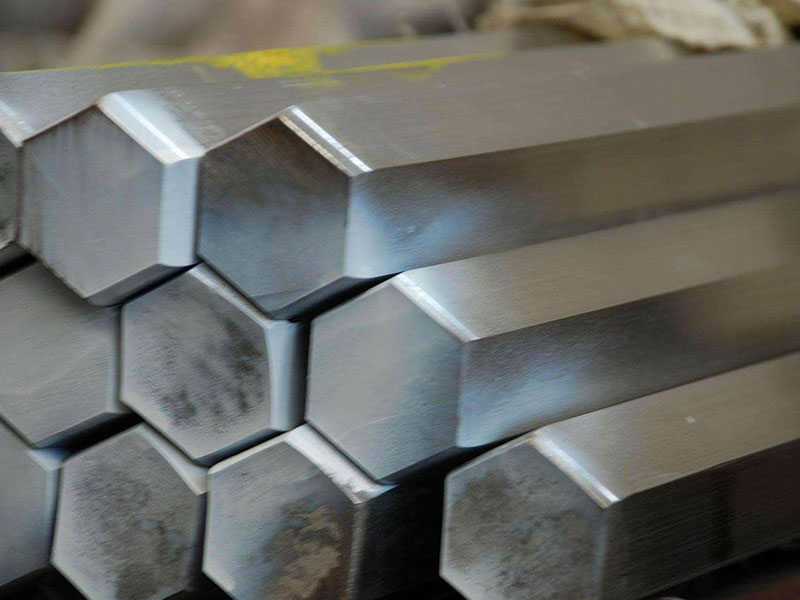
Marine aluminum hexagonal bars
Marine Grade Aluminum Hexagonal Bars are produced from premium corrosion-resistant aluminum alloys such as 5083, 5052, 6061, and 6082.
View Details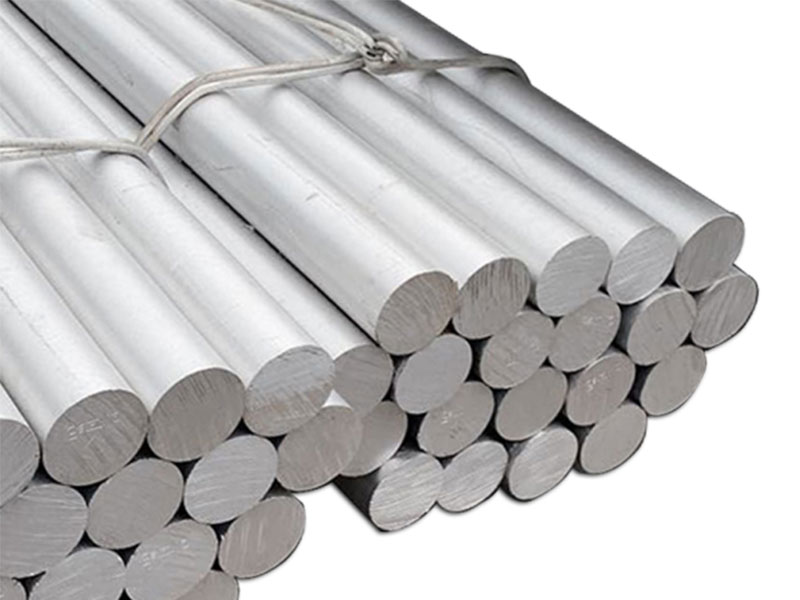
Marine grade aluminum solid bar
Marine Grade Aluminum Solid Bars are produced from premium aluminum alloys optimized for saltwater exposure, such as 5083, 5052, 6061, and 6082. These alloys offer unparalleled resistance to corrosion caused by seawater, salt spray, and marine atmospheres, while maintaining excellent mechanical strength and toughness.
View Details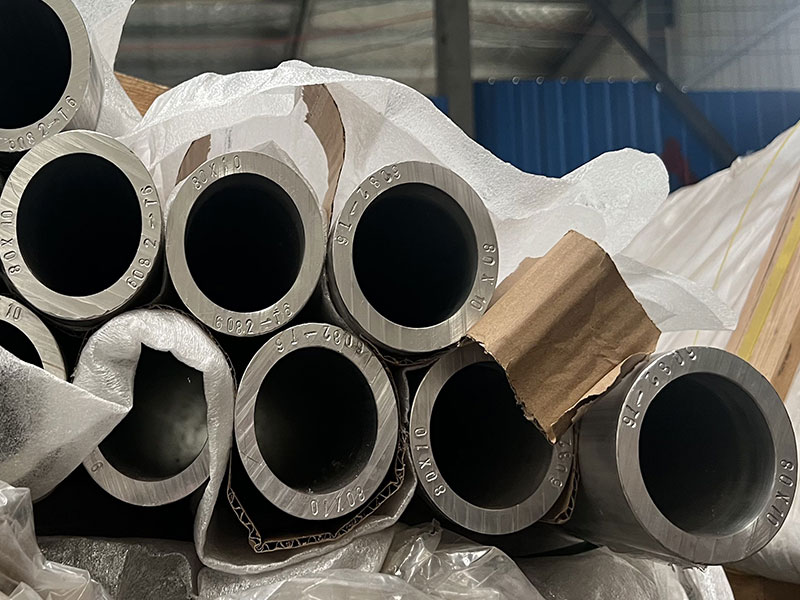
Marine aluminum hollow bars
Marine Grade Aluminum Hollow Bars are fabricated from high-quality alloys such as 5083, 5052, 6061, and 6082, all known for their exceptional resistance to seawater corrosion, salt spray, and marine atmospheres.
View Details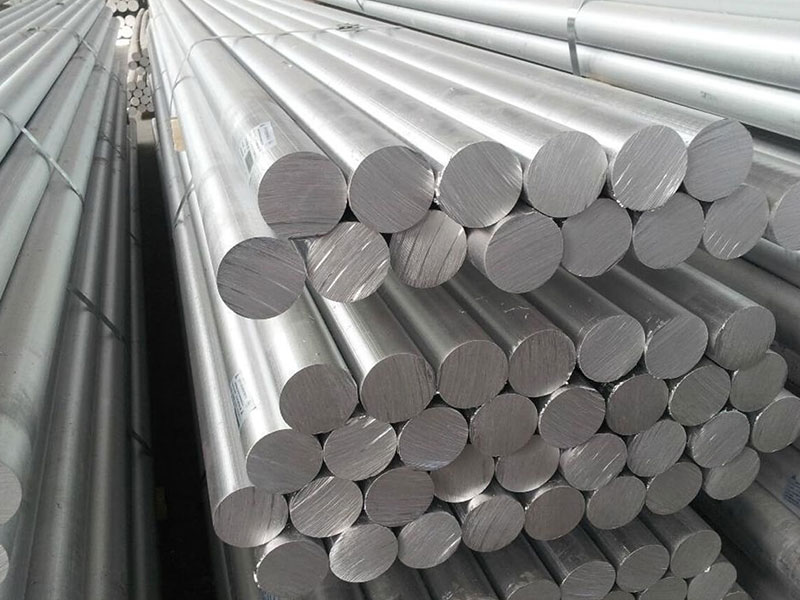
6082 marine aluminum rod & bar
6082 Aluminum Rods & Bars are extruded or rolled products manufactured from 6082 aluminum alloy — a thermally treated (typically T6 temper) aluminum-magnesium-silicon alloy that balances high tensile strength, good weldability, and excellent corrosion resistance.
View DetailsRelated Blog
6082 Marine Aluminum Hexagonal Bars for Offshore Marine Construction Parts
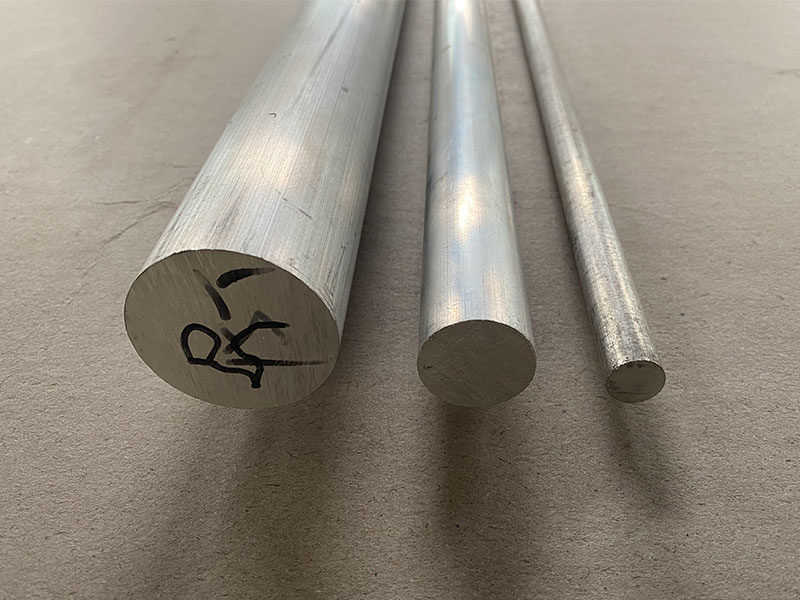
6082 Marine Aluminum Hexagonal Bars for Offshore Marine Construction Parts: Unveiling Their Functional Excellence and Unique ApplicationsWhen it comes to the demanding realm of offshore marine construction, material selection is to ensuring longevity, saf
View Details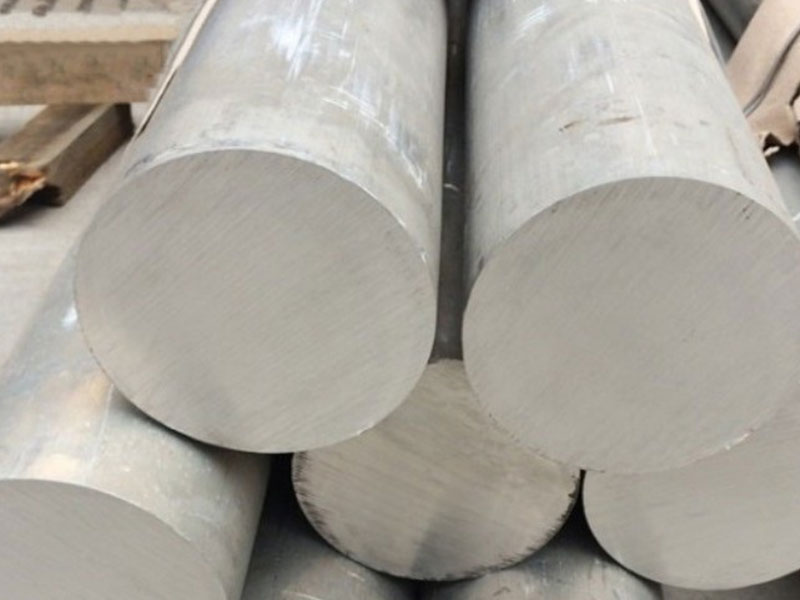
6061 Marine Aluminum Hollow Bars for Custom Boat Parts and Design
6061 marine aluminum hollow bars are an exceptional choice for custom boat parts and designs. Known for their strength, lightweight nature, and resistance to corrosion, these hollow bars are widely utilized in the marine industry.
View Details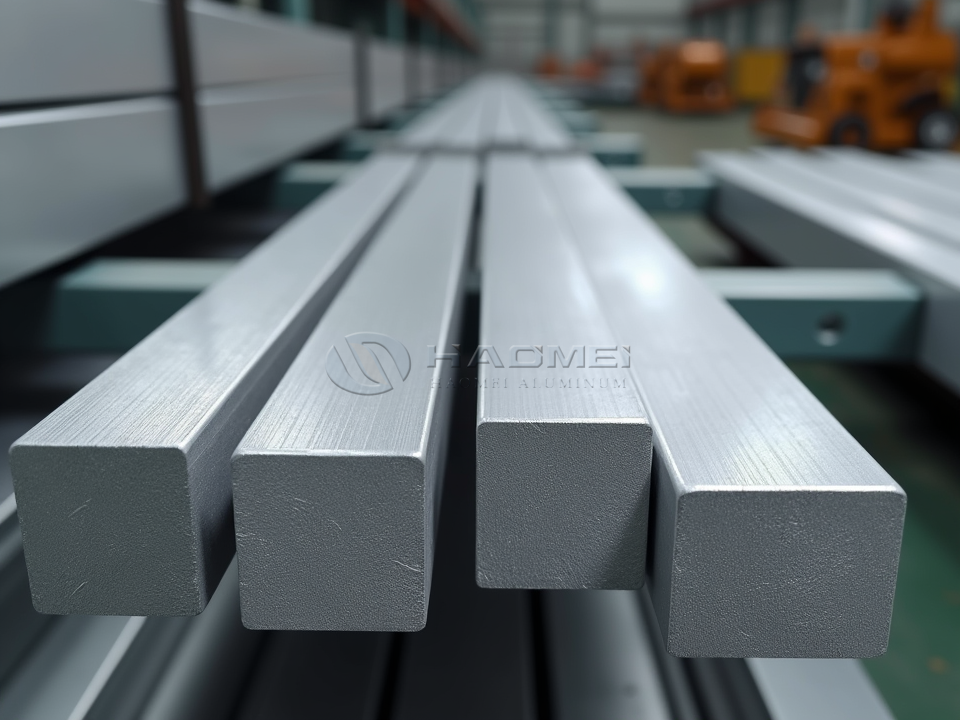
Marine Aluminum Hollow Bars for Boat Frame and Deck Reinforcement
Marine aluminum hollow bars provide lightweight, corrosion-resistant strength for reinforced boat frames, deck beams, rails, and structural supports.
View Details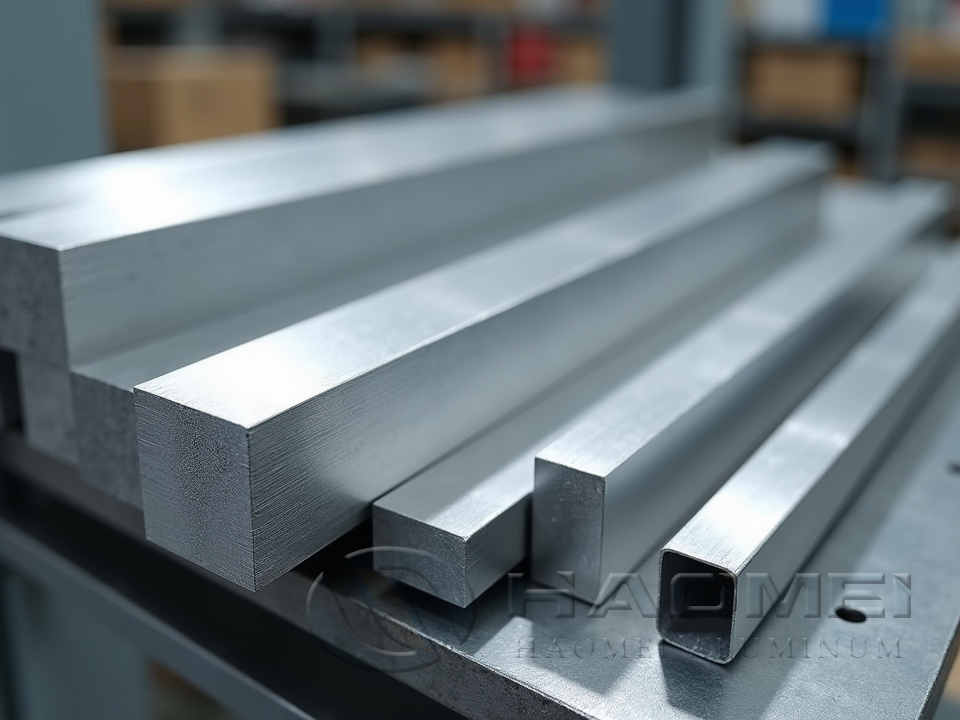
6082 Marine Aluminum Hexagonal Bars for Offshore Platform Construction
Explore 6082 marine aluminum hexagonal bars for offshore platforms, with T6 strength, corrosion resistance, machining data, uses, and specs.
View Details
6061 Marine Aluminum Bar for Boat Frame Customization
When it comes to building or customizing boat frames, choosing the right material significantly impacts durability, performance, and maintenance.
View Details
Marine Aluminum Hexagonal Bars for Boat Frame Design and Reinforcement
Marine environments demand materials that combine exceptional strength, corrosion resistance, and lightweight properties to ensure boat durability and reliability.
View Details
Leave a Message