
5052 Marine Grade Aluminum Solid Bar
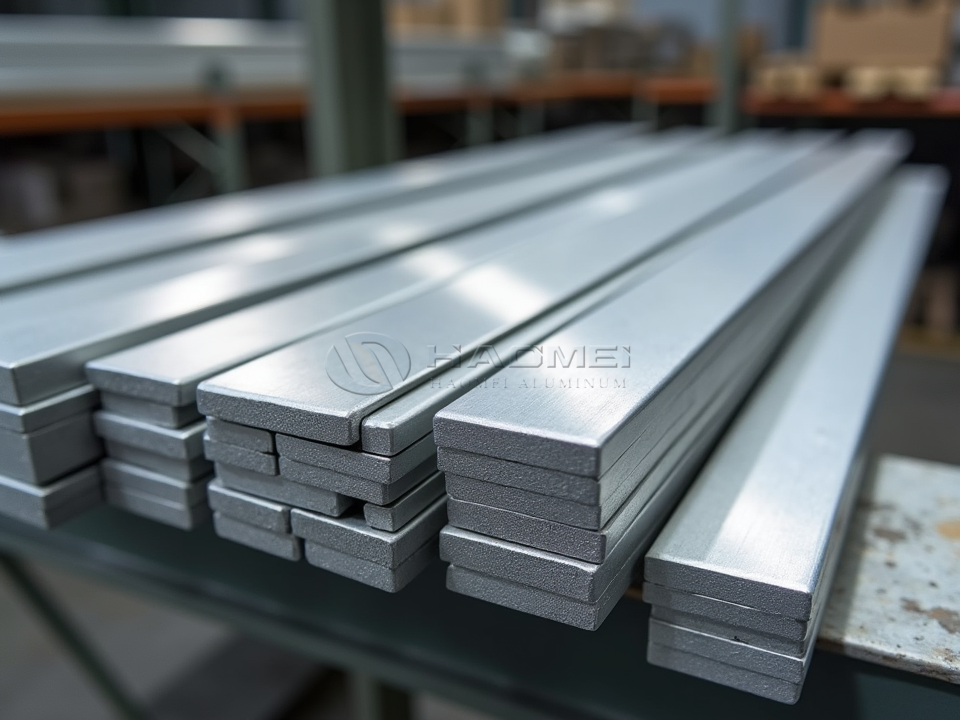
5052 marine grade aluminum solid bar is a lightweight, non-heat-treatable aluminum-magnesium alloy product designed for wet, salt-laden, and demanding service environments. Its high resistance to atmospheric and seawater corrosion makes it a practical material for boat structures, deck equipment, hull fittings, brackets, rails, supports, and fabricated marine hardware.
Compared with ordinary aluminum bar, 5052 delivers a stronger balance of corrosion resistance, formability, weldability, and moderate strength. It is especially valuable where parts are exposed to splash zones, condensation, bilge humidity, and repeated weather cycles. The solid-bar format provides dependable material for machining, cutting, drilling, bending, and welded fabrication.
Material Characteristics
5052 belongs to the 5xxx aluminum alloy family. Magnesium is its principal alloying element, supported by small additions of chromium and other controlled elements. This composition helps the alloy resist corrosion while maintaining good ductility and dependable fabrication behavior.
| Property | Typical Value | Practical Benefit |
|---|---|---|
| Alloy designation | AA 5052 / EN AW-5052 | Widely recognized marine-capable wrought alloy |
| Alloy family | Aluminum-magnesium | Strong corrosion performance in humid and saline conditions |
| Density | 2.68 g/cm³ | Reduces vessel weight compared with steel |
| Melting range | 607-649°C | Suitable for conventional aluminum fabrication control |
| Thermal conductivity | Approx. 138 W/m·K | Supports heat dissipation in fabricated parts |
| Electrical conductivity | Approx. 35% IACS | Useful for selected electrical and structural duties |
| Thermal expansion | Approx. 23.8 × 10⁻⁶ /°C | Important for long rails, frames, and fitted assemblies |
| Magnetic response | Non-magnetic | Suitable around sensitive navigation and electronic equipment |
The alloy naturally forms a dense aluminum oxide film when exposed to air. This passive layer contributes to corrosion resistance, although it should not be regarded as protection against poor design practices. Standing seawater, trapped debris, dissimilar-metal contact, and damaged coatings can still create localized corrosion risks.
Chemical Composition
The chemical limits for 5052 are controlled to preserve corrosion resistance, workability, and mechanical consistency. Magnesium supplies solid-solution strengthening, while chromium assists corrosion and stress-corrosion behavior.
| Element | Composition, % by Weight |
|---|---|
| Aluminum, Al | Balance |
| Magnesium, Mg | 2.2-2.8 |
| Chromium, Cr | 0.15-0.35 |
| Iron, Fe | 0.40 max |
| Silicon, Si | 0.25 max |
| Copper, Cu | 0.10 max |
| Manganese, Mn | 0.10 max |
| Zinc, Zn | 0.10 max |
| Others, each | 0.05 max |
| Others, total | 0.15 max |
Available Bar Forms and Dimensions
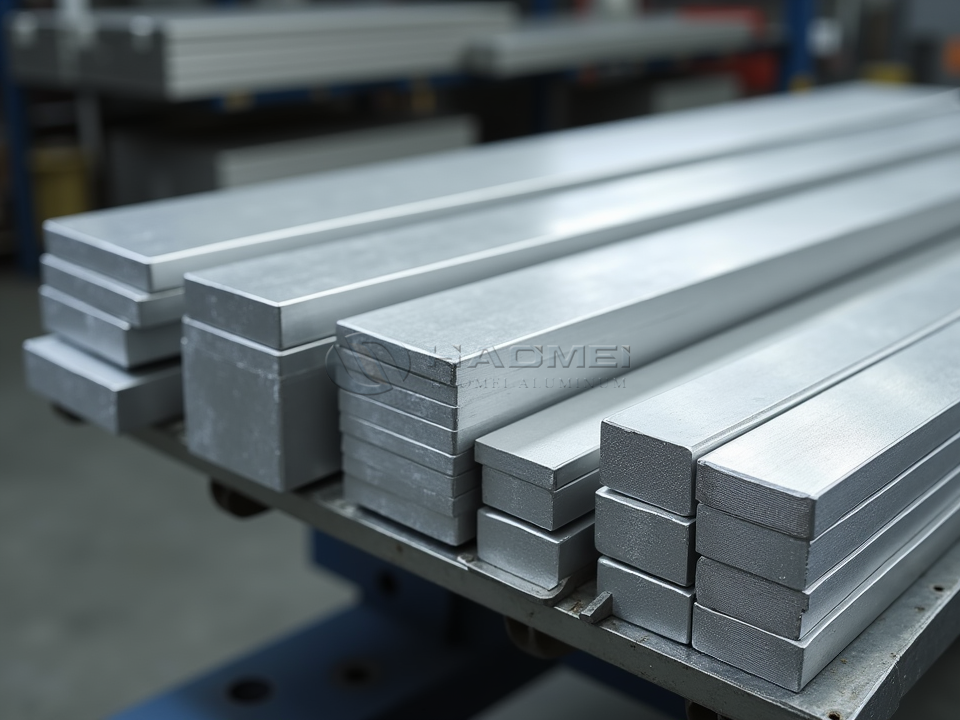
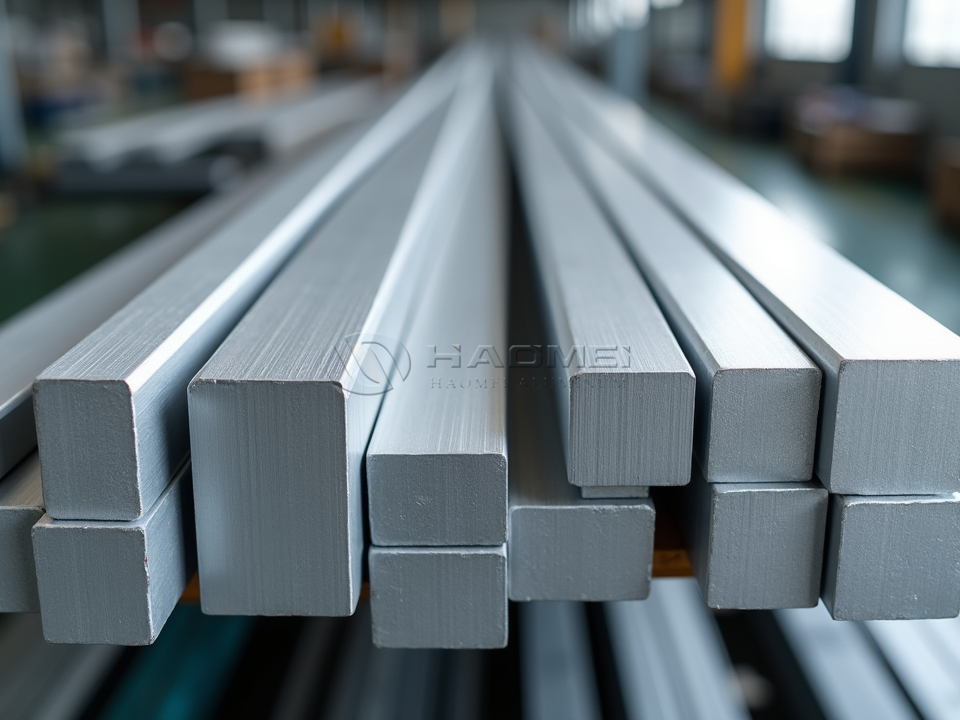
5052 solid bar may be produced as flat bar, rectangular bar, square bar, round bar, or customized machined stock. Flat bars are frequently selected for stiffeners, support strips, mounting tabs, walkways, hatch frames, and fabricated brackets. Round and square sections are commonly used for pins, spacers, shafts with moderate loading, fasteners, and turned hardware.
| Product Form | Common Size Range | Typical Marine Uses |
|---|---|---|
| Flat bar | Thickness 3-50 mm; width 10-300 mm | Frames, stiffeners, brackets, support straps |
| Round bar | Diameter 6-200 mm | Pins, bushes, turned fittings, spacers |
| Square bar | Width 10-150 mm | Blocks, supports, machined connectors |
| Rectangular bar | Custom thickness and width | Structural tabs, cleats, equipment bases |
| Cut-to-length bar | Customer-specified lengths | Efficient fabrication and reduced scrap |
Dimensional tolerances, edge condition, straightness, surface finish, and length tolerance should be agreed at the purchase stage. For critical machined parts, specify the final machining allowance and required flatness or straightness.
For broader material selection, Marine Grade Aluminum Bars provide options in multiple alloys, shapes, and strength levels for different vessel zones.
Temper Conditions and Mechanical Performance
Because 5052 is not strengthened by solution heat treatment and artificial aging like 6061-T6, its strength is developed mainly through cold working. The temper selected affects hardness, bendability, and tensile properties.
| Temper | Condition | Typical Use |
|---|---|---|
| O | Annealed, soft condition | Deep forming, severe bending, complex fabrication |
| H32 | Strain-hardened and stabilized, quarter hard | General marine flat bar and formed components |
| H34 | Strain-hardened and stabilized, half hard | Higher-strength brackets and supports |
| H36 | Strain-hardened and stabilized, three-quarter hard | Applications requiring increased stiffness |
| H38 | Full hard condition | High-strength light-gauge uses with limited forming |
| H112 | As fabricated, with controlled properties | Extruded or fabricated bar applications |
| Temper | Tensile Strength, MPa | Yield Strength, MPa | Elongation, % | Formability |
|---|---|---|---|---|
| O | 170-215 | 65 min | 12-25 | Excellent |
| H32 | 210-260 | 130 min | 10-16 | Good |
| H34 | 230-280 | 160 min | 8-14 | Moderate |
| H36 | 250-295 | 190 min | 6-10 | Limited |
| H38 | 270-315 | 220 min | 5-8 | Low |
Values are typical guidance and may vary with bar geometry, thickness, production route, and applicable specification. Material test certificates should be used when minimum certified mechanical properties are required.
Standards and Quality References
5052 marine grade aluminum solid bar can be supplied to internationally recognized material and dimensional standards. The exact standard should match the manufacturing route, such as rolled bar, cold-finished bar, or extruded bar.
| Standard | Scope Relevant to 5052 Bar |
|---|---|
| ASTM B211 / B211M | Aluminum and aluminum-alloy rolled or cold-finished bar, rod, and wire |
| ASTM B221 | Aluminum and aluminum-alloy extruded bars, rods, wire, profiles, and tubes |
| EN 573-3 | Chemical composition and alloy designation for aluminum wrought products |
| EN 755-2 | Mechanical properties of extruded rods, bars, tubes, and profiles |
| EN 755-9 | Dimensional tolerances for extruded profiles and bars |
| ISO 6361 | Wrought aluminum and aluminum alloy sheets, strips, and plates reference framework |
| Classification society requirements | Project-specific approval or documentation for marine construction |
For shipbuilding or offshore projects, customers may request mill test certification, chemical analysis, tensile test results, ultrasonic inspection where applicable, traceability marking, and third-party inspection.
Marine Functions and Applications
The principal function of a 5052 solid bar is to provide corrosion-resistant support without adding excessive vessel weight. It can reinforce assemblies, connect structural sections, provide a machinable base for mounted equipment, and form durable components that operate in wet environments.
| Marine Area | Typical 5052 Solid Bar Application | Material Advantage |
|---|---|---|
| Hull and deck | Stiffeners, trims, deck supports, framing members | Lightweight corrosion resistance |
| Superstructure | Window frames, door supports, canopy rails | Good forming and weldability |
| Equipment mounting | Instrument brackets, battery supports, pump bases | Stable, easy-to-machine stock |
| Interior marine spaces | Cabinet supports, partitions, seat frames | Clean finish and low maintenance |
| Dock and marina hardware | Brackets, guide components, rails | Performs well in humid coastal exposure |
| Small craft fabrication | Transom supports, fishing boat fittings, utility frames | Practical strength-to-weight ratio |
Fabrication, Welding, and Surface Protection
5052 aluminum solid bar is easy to saw, mill, drill, punch, and bend within the limits of the selected temper. Softer tempers offer smaller bend radii, while H34 and harder tempers are more suitable for components where stiffness is more important than aggressive forming.
The alloy has excellent weldability by MIG and TIG processes. Filler alloys such as 5356 or 5183 are often selected for compatible marine aluminum welding, subject to the joint design and service requirements. Welding can reduce strength in the heat-affected zone, so structural designs should account for the lower post-weld properties.
| Fabrication Process | 5052 Performance | Recommended Practice |
|---|---|---|
| TIG welding | Excellent | Use clean surfaces and compatible filler wire |
| MIG welding | Excellent | Suitable for efficient marine fabrication |
| Machining | Good | Use sharp tools, lubrication, and proper chip control |
| Bending | Excellent to moderate | Select O or H32 for tighter bends |
| Anodizing | Good | Improves surface durability and appearance |
| Painting | Good | Clean, abrade, prime, and use marine-grade coating systems |
In marine assemblies, isolate 5052 from stainless steel, copper alloys, and carbon steel where moisture can bridge the metals. Non-conductive washers, sealants, coatings, and drainage details help reduce galvanic corrosion. Avoid enclosing the bar in wet crevices, and provide ventilation and water escape paths whenever possible.
Selecting the Right 5052 Solid Bar
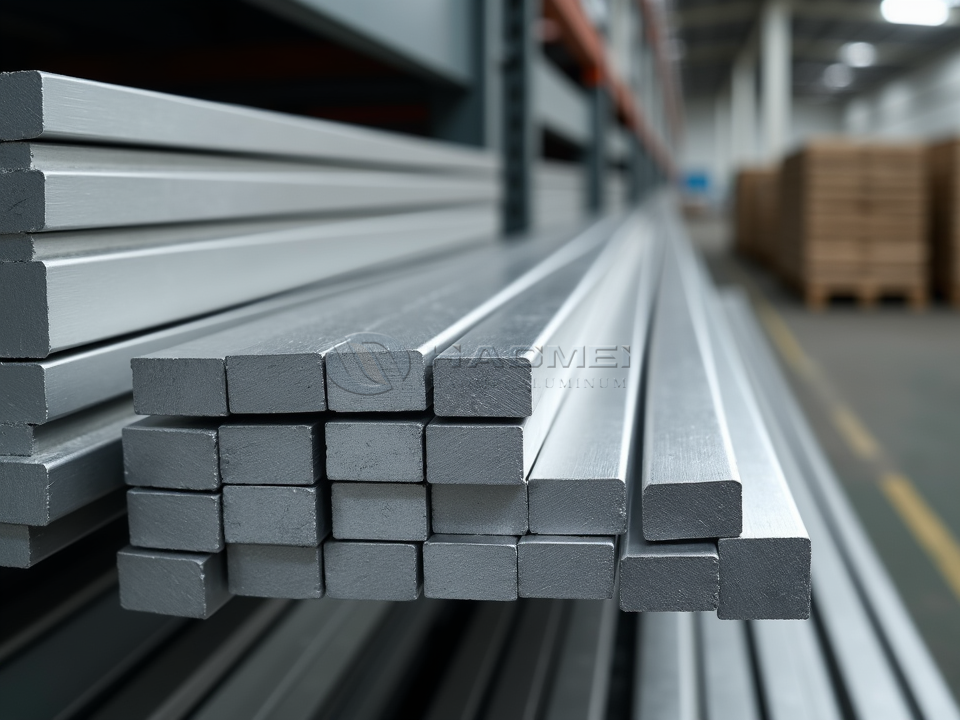
Choose the shape according to the load path and fabrication method. Flat bar is efficient for gussets, straps, frames, and welded supports. Round bar suits turned components and pivot points. Square or rectangular stock can reduce machining time for blocks, mounting bases, and connection pieces.
Specify alloy, temper, bar profile, dimensions, tolerance, length, surface finish, certification, and intended marine environment. For components carrying high concentrated loads or requiring maximum machinability and heat-treatable strength, another alloy may be more appropriate. For corrosion-focused structures and formed marine hardware, 5052 marine grade aluminum solid bar remains a dependable, economical choice.

Related Products
Marine aluminum hexagonal bars
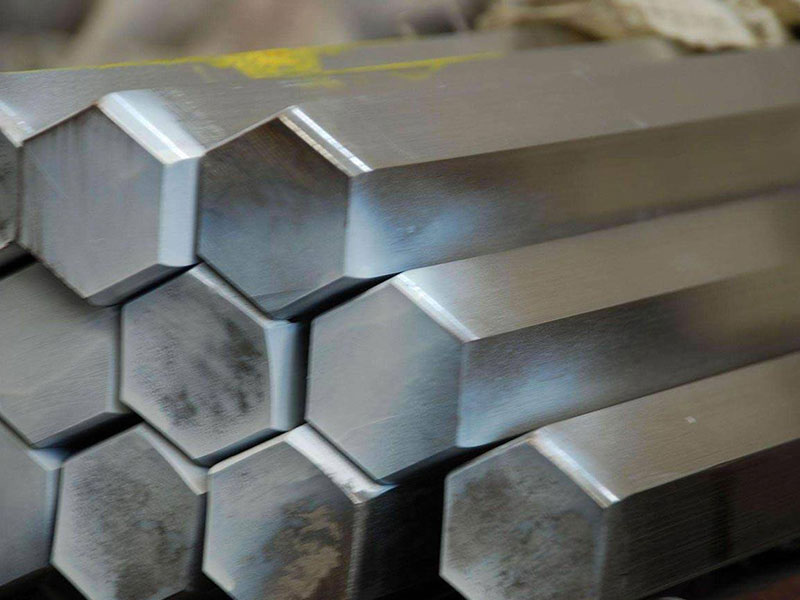
Marine Grade Aluminum Hexagonal Bars are produced from premium corrosion-resistant aluminum alloys such as 5083, 5052, 6061, and 6082.
View Details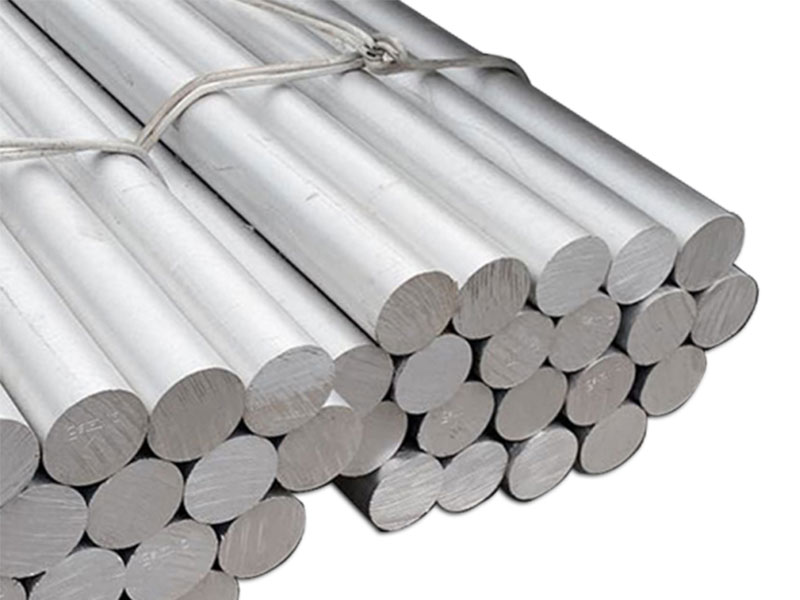
Marine grade aluminum solid bar
Marine Grade Aluminum Solid Bars are produced from premium aluminum alloys optimized for saltwater exposure, such as 5083, 5052, 6061, and 6082. These alloys offer unparalleled resistance to corrosion caused by seawater, salt spray, and marine atmospheres, while maintaining excellent mechanical strength and toughness.
View Details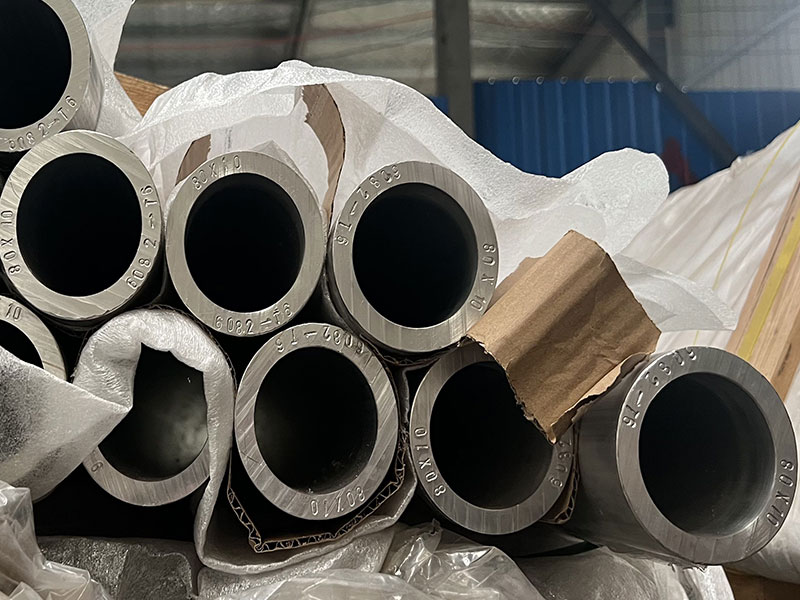
Marine aluminum hollow bars
Marine Grade Aluminum Hollow Bars are fabricated from high-quality alloys such as 5083, 5052, 6061, and 6082, all known for their exceptional resistance to seawater corrosion, salt spray, and marine atmospheres.
View Details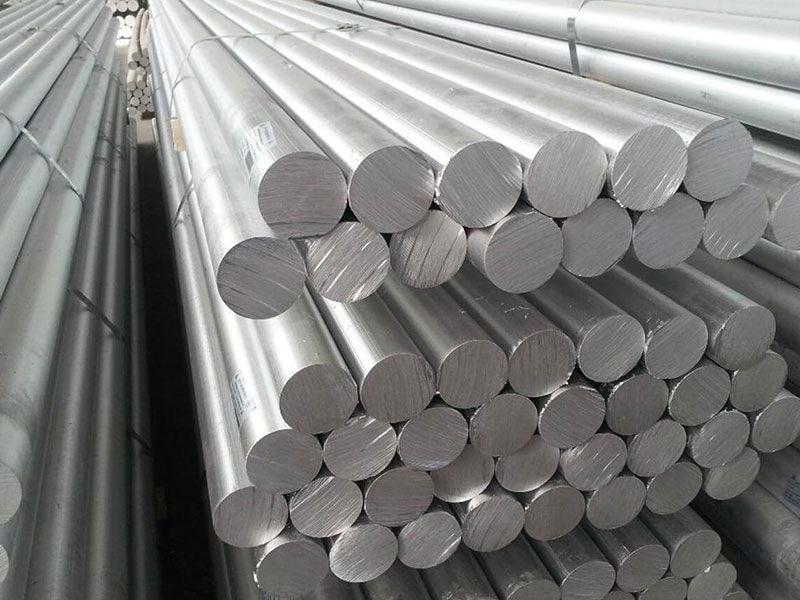
6082 marine aluminum rod & bar
6082 Aluminum Rods & Bars are extruded or rolled products manufactured from 6082 aluminum alloy — a thermally treated (typically T6 temper) aluminum-magnesium-silicon alloy that balances high tensile strength, good weldability, and excellent corrosion resistance.
View DetailsRelated Blog
5052 Marine Aluminum Hollow Bars for Offshore Structural Support
5052 marine aluminum hollow bars provide corrosion-resistant, lightweight offshore structural support for frames, platforms, deck modules, and marine equipment.
View Details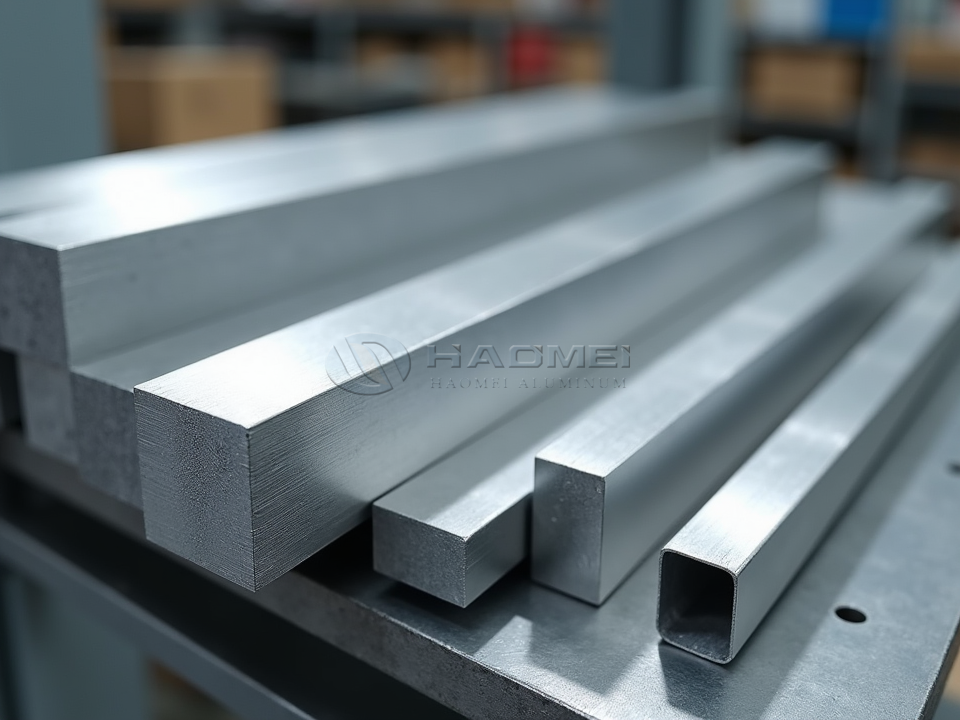
6082 Marine Aluminum Bar for Marine Vessel Strengthening Components
Learn how 6082 marine aluminum bar supports strong, lightweight vessel brackets, frames and fittings, with temper data, chemistry, standards and design guidance.
View Details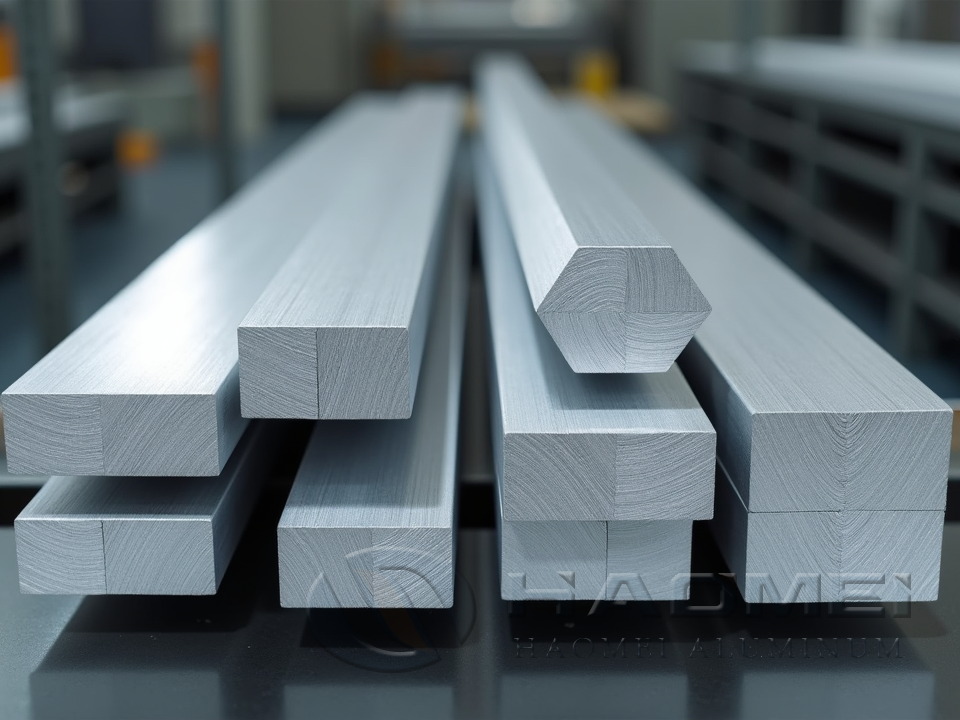
6082 Marine Aluminum Hexagonal Bars for Custom Boat Hull Engineering
6082 marine aluminum hexagonal bars deliver T6 strength, corrosion resistance, and precise machinability for custom boat hull fittings and frames projects.
View Details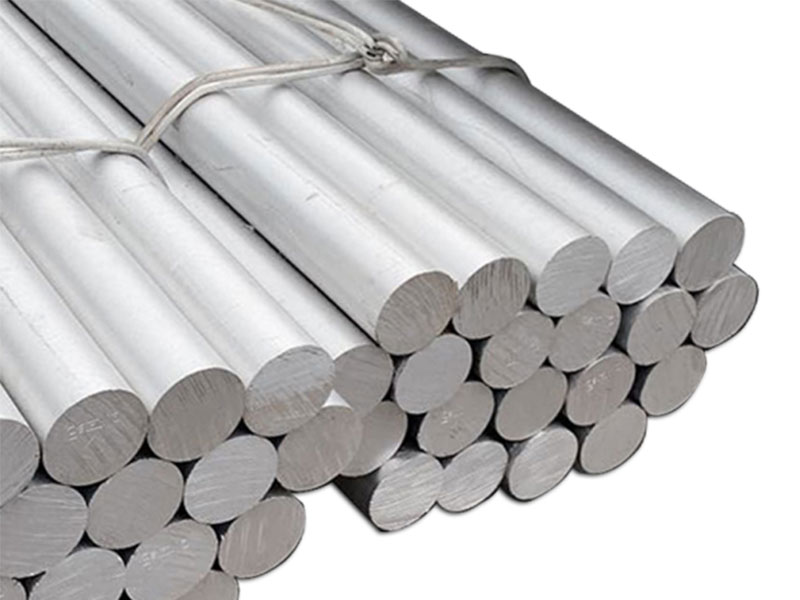
5083 Marine Aluminum Hexagonal Bars for Offshore Platform Construction
5083 Marine Aluminum Hexagonal Bars for Offshore Platform Construction5083 marine aluminum hexagonal bars offer high strength, excellent corrosion resistance, and outstanding weldability for offshore platform construction.
View Details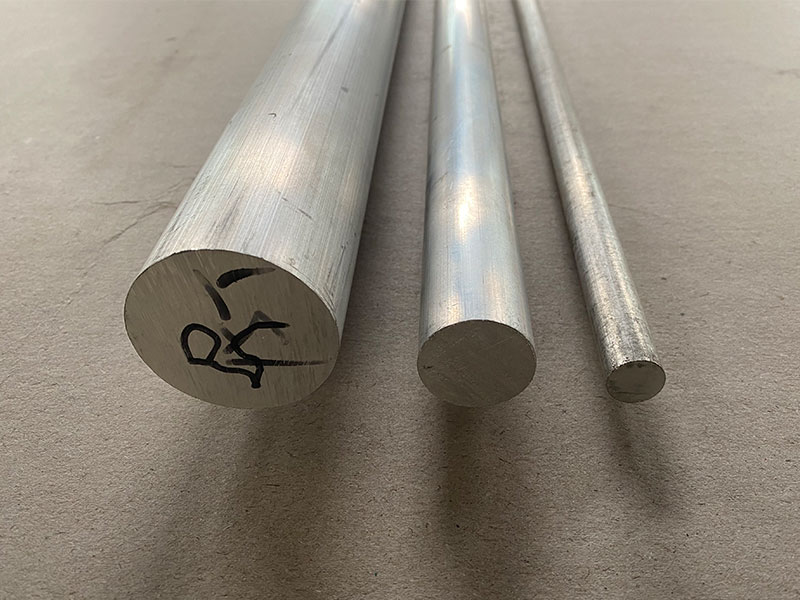
6082 Marine Grade Aluminum Solid Bar for Saltwater Resistant Marine Parts
The 6082 marine grade aluminum solid bar is a high‑strength, corrosion‑resistant alloy widely used for structural components in harsh marine environments. It offers an excellent balance of strength, workability, and long‑term durability, maki.
View Details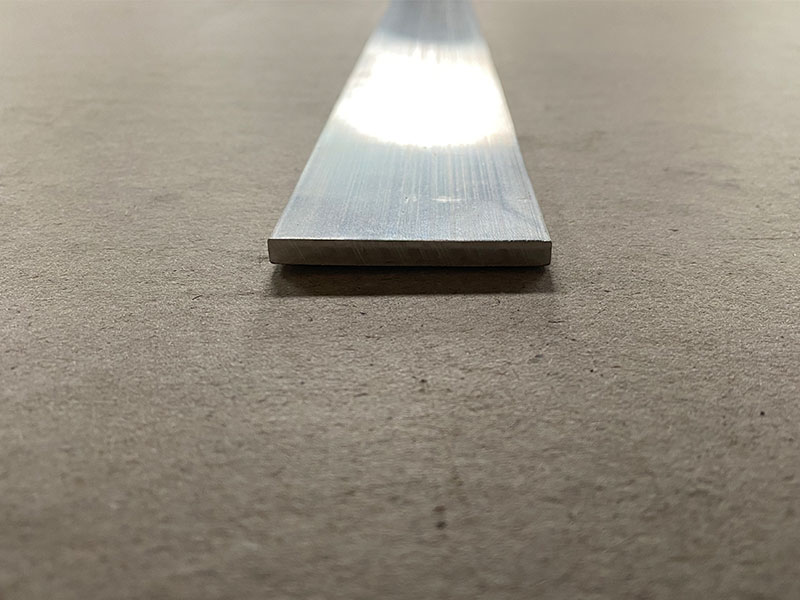
6082 Marine Aluminum Bar for Industrial Marine Design and Construction
The 6082 marine aluminum bar is a medium‑strength, heat‑treatable wrought alloy designed for demanding marine and offshore environments. Combining good corrosion resistance, excellent machining performance, and reliable weldability, it.
View Details
Leave a Message