
5083 Marine Aluminum I Beams for Heavy Duty Coastal Engineering Parts
5083 marine aluminum I beams are purpose-built structural sections designed for harsh coastal environments where salt spray, tidal wetting, and long service life are non-negotiable. Based on the Al-Mg alloy family, 5083 is widely recognized for its exceptional corrosion resistance in seawater and strong mechanical performance in welded structures. When formed into I-beam geometry, it delivers high bending efficiency with reduced weight-ideal for heavy duty coastal engineering parts that must resist both structural loads and aggressive marine corrosion.
Unlike carbon steel beams that rely on coatings and frequent maintenance cycles, 5083 marine aluminum naturally forms a stable oxide layer and performs reliably even in splash zones. This makes it a practical choice for designers looking to extend inspection intervals, reduce lifecycle cost, and improve installation safety by lowering lifting weights.
Product Snapshot
Product name: 5083 Marine Aluminum I Beams
Alloy: AA 5083 (Al-Mg-Mn)
Typical tempers for beams: H111, H116, H321 (project-dependent)
Primary value: high corrosion resistance + strong welded performance + weight savings
Best fit: coastal structural frames, marine equipment skids, pier components, floodgate and seawall hardware, nearshore platforms
Why 5083 for Coastal Engineering I Beams
Coastal engineering parts face a combination of mechanical stress, cyclic loading, and chloride exposure. 5083 is a proven alloy in shipbuilding and marine infrastructure because it balances strength and corrosion resistance without becoming brittle or difficult to fabricate.
Features at a Glance
| Feature | What it means in service | Customer benefit |
|---|---|---|
| Excellent seawater corrosion resistance | Stable performance in salt spray, splash zone, and humid marine air | Reduced repainting/coating dependency and lower maintenance |
| Strong in welded structures | Retains good properties around welds when using proper procedures and filler | Reliable joints and durable assemblies |
| High strength-to-weight ratio | Lower density than steel with efficient I-beam geometry | Easier transport, faster installation, reduced crane time |
| Good fatigue behavior in marine builds | Suits repeated loading from wave action, equipment vibration, and moving loads | Longer service life in dynamic coastal structures |
| Good formability and machinability (relative to marine grades) | Supports fabrication of brackets, holes, connection plates | Faster shop work and flexible detailing |
Typical Applications
5083 marine aluminum I beams are commonly used where structural efficiency and corrosion resistance are critical.
| Application area | Example parts made from I beams | Typical environment |
|---|---|---|
| Coastal civil works | seawall frames, flood barrier supports, access platforms | splash zone, tidal wetting |
| Port and harbor infrastructure | fender support frames, gangway structures, dock equipment bases | salt spray, intermittent immersion |
| Marine industrial skids | pump skids, desalination frames, pipe-rack modules | humid coastal air, chemical mist |
| Offshore-adjacent equipment | walkways, guard structures, crane runway supports (light to mid) | high wind + salt aerosols |
| Aquaculture and coastal utilities | service platforms, structural rails, equipment supports | continuous humidity, chloride exposure |
Alloy Temper Options and Selection Notes
5083 is a non-heat-treatable alloy strengthened primarily by cold work. Temper selection affects strength and corrosion performance, especially in marine environments.
| Temper | Typical use in marine structures | Practical selection note |
|---|---|---|
| H111 | general fabrication where moderate strength and good formability are desired | good for parts requiring more shaping or complex fit-up |
| H116 | marine-focused temper with controlled properties for corrosion performance | preferred where corrosion resistance certification is emphasized |
| H321 | stabilized for marine service, commonly specified for plate and structural components | favored for demanding coastal structures requiring robust consistency |
Note: Actual availability depends on beam size, extrusion capability, and procurement region. For highly regulated projects, align temper choice with the governing marine/civil standard and project corrosion category.
Chemical Composition (AA 5083 Typical Limits)
Composition is a driver of both corrosion resistance and mechanical performance. Below are commonly referenced limits for AA 5083; procurement should reference the controlling specification on the purchase order.
| Element | Typical content (wt. %) |
|---|---|
| Magnesium (Mg) | 4.0–4.9 |
| Manganese (Mn) | 0.4–1.0 |
| Chromium (Cr) | 0.05–0.25 |
| Silicon (Si) | ≤ 0.40 |
| Iron (Fe) | ≤ 0.40 |
| Copper (Cu) | ≤ 0.10 |
| Zinc (Zn) | ≤ 0.25 |
| Titanium (Ti) | ≤ 0.15 |
| Others (each) | ≤ 0.05 |
| Others (total) | ≤ 0.15 |
| Aluminum (Al) | balance |
Mechanical Performance (Typical Values)
Mechanical properties vary with temper, thickness, extrusion practice, and direction of testing. The values below are representative for quick comparison and early-stage engineering.
| Property | Typical range for 5083 marine tempers |
|---|---|
| Ultimate tensile strength | ~275–345 MPa |
| Yield strength (0.2% offset) | ~125–255 MPa |
| Elongation | ~10–20% |
| Brinell hardness (HBW) | ~75–95 |
| Modulus of elasticity | ~69 GPa |
Physical Properties and Design-Relevant Numbers
| Parameter | Typical value | Why it matters |
|---|---|---|
| Density | ~2.66 g/cm³ | major weight advantage vs steel |
| Thermal conductivity | ~110–130 W/m·K | heat dissipation for equipment frames |
| Electrical conductivity | ~28–32% IACS (approx.) | grounding considerations and corrosion control planning |
| Coefficient of thermal expansion | ~23–24 ×10⁻⁶ /K | allowance for movement in long coastal spans |
I-Beam Technical Specifications (Common Supply Expectations)
5083 I beams are usually extruded where size allows; for larger sections, built-up welded beams or custom profiles may be used. Confirm dimensions, straightness, and tolerances per the applicable extrusion standard and project requirements.
| Specification item | Typical offering |
|---|---|
| Section type | standard I beam, wide flange variants, custom marine profiles |
| Size range | depends on extrusion press capacity; small to mid structural beams common |
| Length | fixed lengths or cut-to-length; long lengths subject to transport limits |
| Tolerances | per applicable aluminum extrusion tolerance standard; project-specific tightening available |
| Surface | mill finish; optional anodizing or marine coating systems |
| Identification | heat/lot traceability available for QA-controlled projects |
Corrosion Resistance in Coastal Zones
5083 is known for strong resistance to general corrosion in seawater and marine atmospheres. In real coastal installations, performance is driven by design detailing as much as alloy choice.
| Coastal condition | Performance note | Design/handling tip |
|---|---|---|
| Salt spray and humid marine air | very good resistance | avoid crevices that trap salt deposits |
| Splash zone | strong performance for marine alloy | ensure drain paths and access for wash-down |
| Galvanic contact | aluminum can corrode if coupled to more noble metals | isolate from stainless/bronze/steel with gaskets, sleeves, coatings |
| Crevice locations | risk increases where oxygen is depleted | design open joints; seal where appropriate |
| Abrasion + sand | mechanical wear can disrupt oxide film | consider protective wear strips or coatings in high-wear areas |
Fabrication and Welding Notes for Heavy Duty Parts
5083 is widely welded in marine construction. Correct welding procedure and filler selection are essential to preserve corrosion performance and strength.
| Topic | Practical recommendation |
|---|---|
| Welding process | MIG/GMAW and TIG/GTAW both common; MIG often preferred for production |
| Typical filler alloys | 5183, 5356 are frequently used for 5083 marine assemblies (confirm per code/spec) |
| Heat input control | avoid excessive heat to limit distortion and protect properties |
| Joint detailing | design for drainage and avoid salt-trapping overlaps |
| Machining | use sharp tooling, manage chip evacuation, prevent galling |
Quality, Traceability, and What to Request on an RFQ
For coastal engineering parts, specifying the right documentation reduces project risk and speeds approvals.
| RFQ item | What to ask for |
|---|---|
| Alloy and temper | AA 5083 H111/H116/H321 (as required) |
| Mechanical test reports | tensile results by lot/heat, direction, thickness |
| Chemical analysis | mill certificate with composition |
| Dimensional tolerances | standard vs tightened tolerances for fit-up |
| Surface condition | mill finish, anodized, or coating-ready preparation |
| Straightness/camber | especially important for long spans and modular assembly |
5083 marine aluminum I beams provide a coastal-ready structural solution with excellent corrosion resistance, reliable welded performance, and meaningful weight savings. For heavy duty coastal engineering parts-where access is difficult and maintenance is expensive-5083 beams help extend service life while simplifying installation and handling. With the right temper selection and corrosion-conscious detailing, they deliver a robust foundation for seawalls, port equipment frames, nearshore platforms, and other high-exposure marine structures.
5083 marine aluminum I beams deliver high strength, excellent seawater corrosion resistance, and reliable weldability for heavy duty coastal engineering parts such as seawalls, harbor structures, platforms, and marine equipment frames.

Related Products
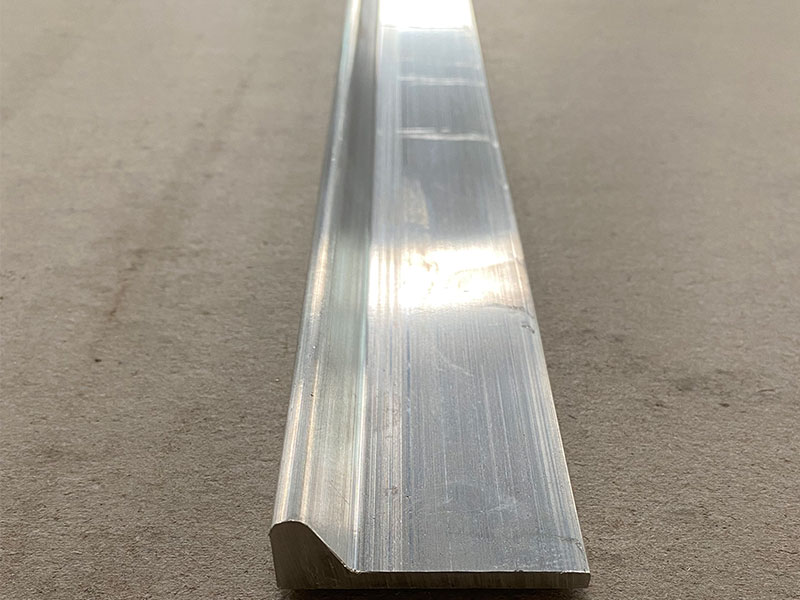
Marine aluminum I-beams
Marine Aluminum I-Beams feature the traditional “I” cross-sectional profile fabricated from marine-grade aluminum alloys like 5083, 5086, and 6061. These alloys are renowned for their outstanding corrosion resistance, especially in saltwater and marine atmospheres, making them ideal for offshore and naval construction.
View Details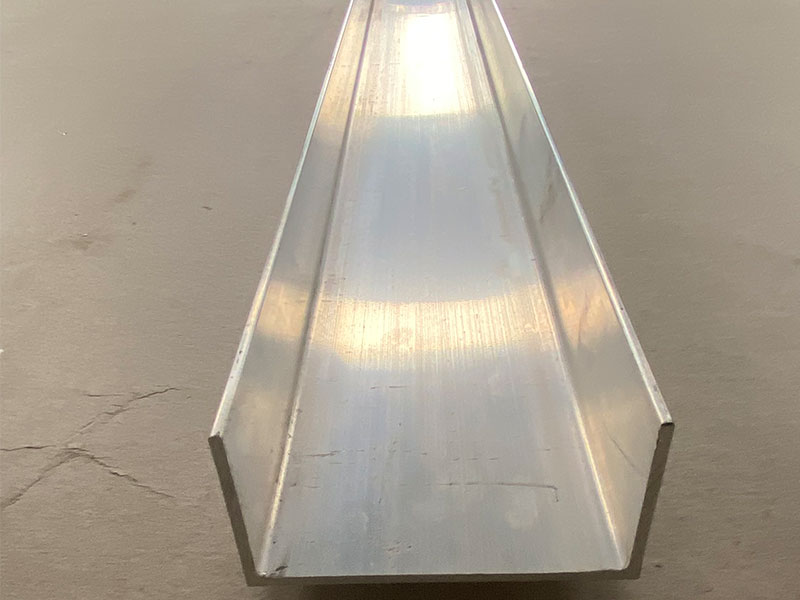
Marine aluminum channels
Marine Aluminum Channels are U-shaped aluminum profiles produced from alloys such as 5083, 5052, and 6061, known for their excellent marine corrosion resistance and superior mechanical strength.
View Details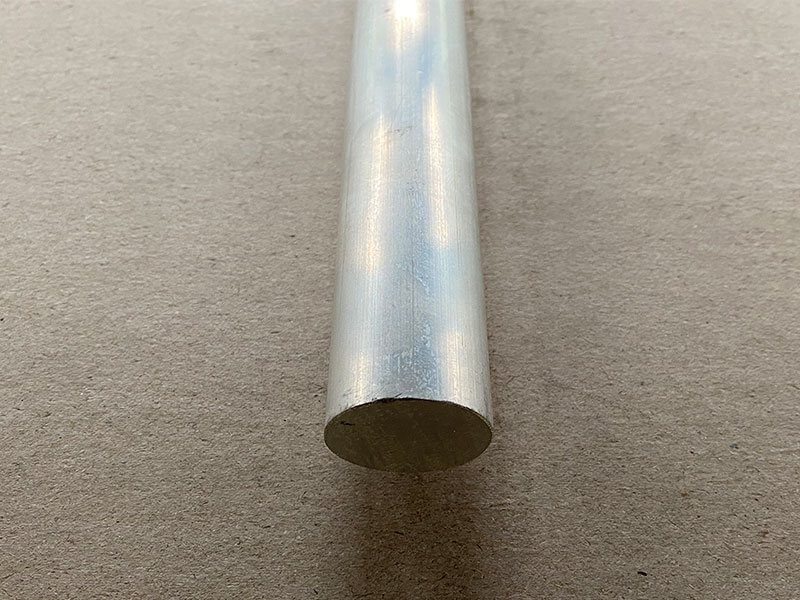
6061 marine aluminum round bar
6061 aluminum belongs to the 6xxx series alloys, alloyed primarily with magnesium and silicon. In the T6 temper, it undergoes solution heat treatment and artificial aging, resulting in enhanced mechanical properties while maintaining excellent corrosion resistance.
View Details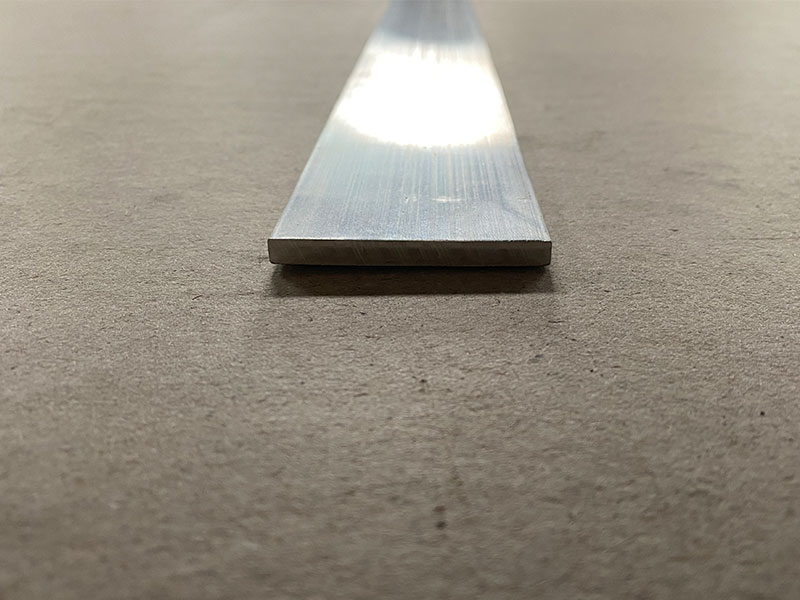
5083 marine aluminum flat bar
5083 aluminum flat bars belong to the 5xxx series of aluminum-magnesium alloys, known primarily for their superior resistance to seawater corrosion and salt spray.
View Details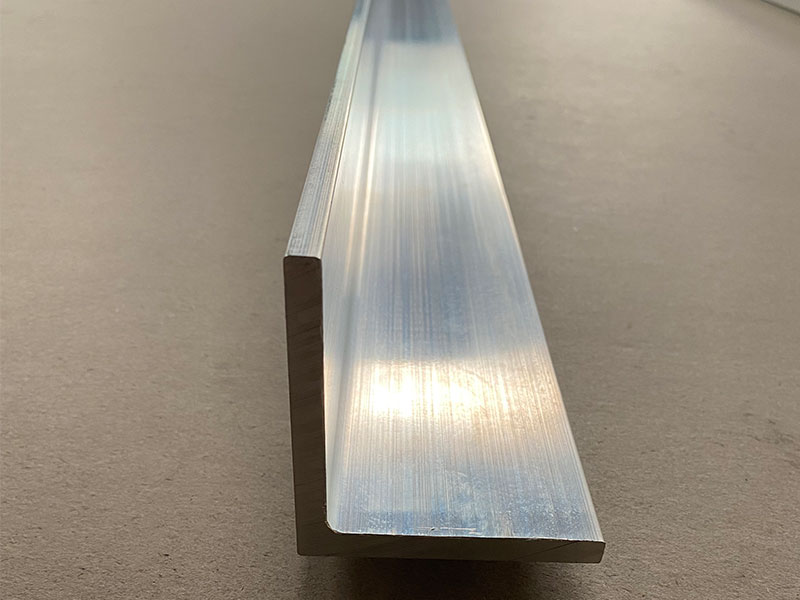
Marine aluminum angles
Marine Aluminum Angles are L-shaped cross-sectional aluminum profiles produced from marine-grade aluminum alloys such as 5083, 5052, and 6061.
View Details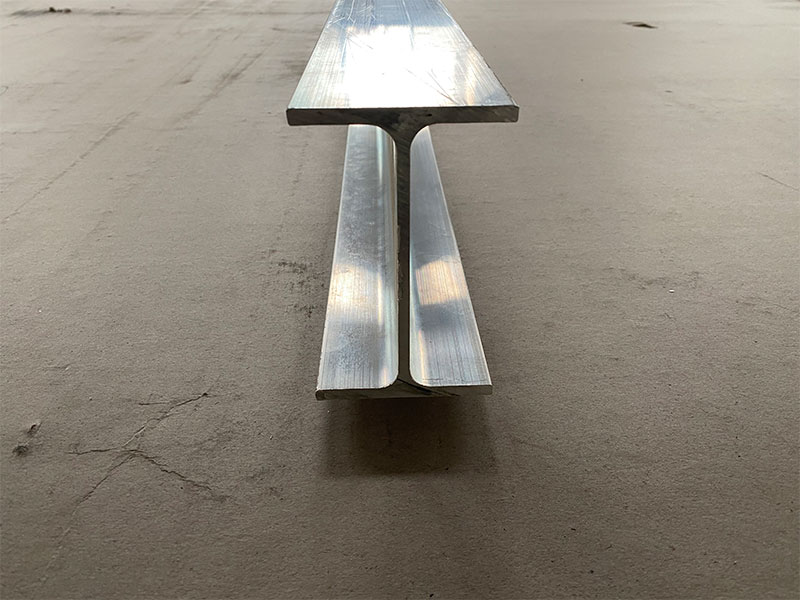
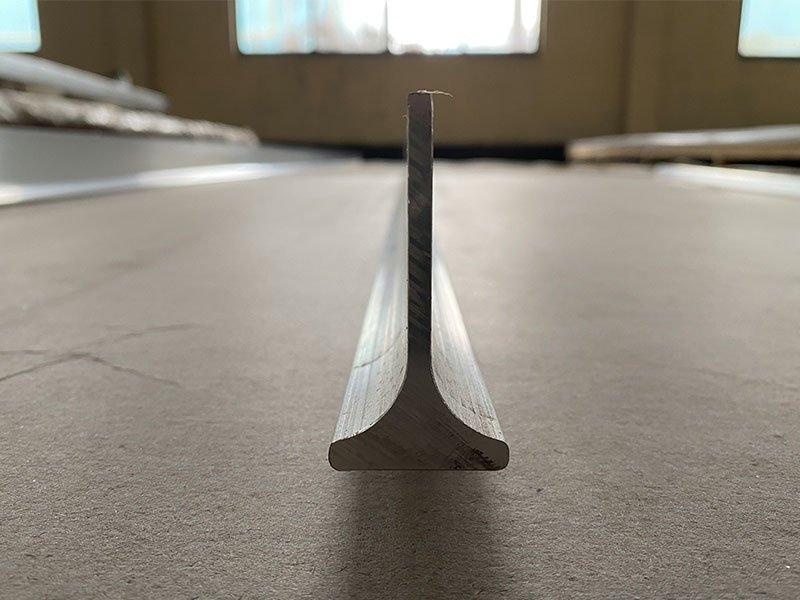
Marine aluminum Z-shaped sections
Marine Aluminum Z-shaped Sections are fabricated from premium marine-grade aluminum alloys such as 5083, 5052, and 6061. These alloys are well-regarded for their superior corrosion resistance in seawater and marine atmospheres, along with good mechanical strength and excellent weldability.
View DetailsRelated Blog
5083 Marine Aluminum Round Bar for Custom Boat Hull Design
Designing the perfect boat hull involves a harmony of creativity, functionality, and the right materials. When it comes to marine engineering, 5083 Marine Aluminum Round Bar stands tall, due to its strength, corrosion resistance.
View Details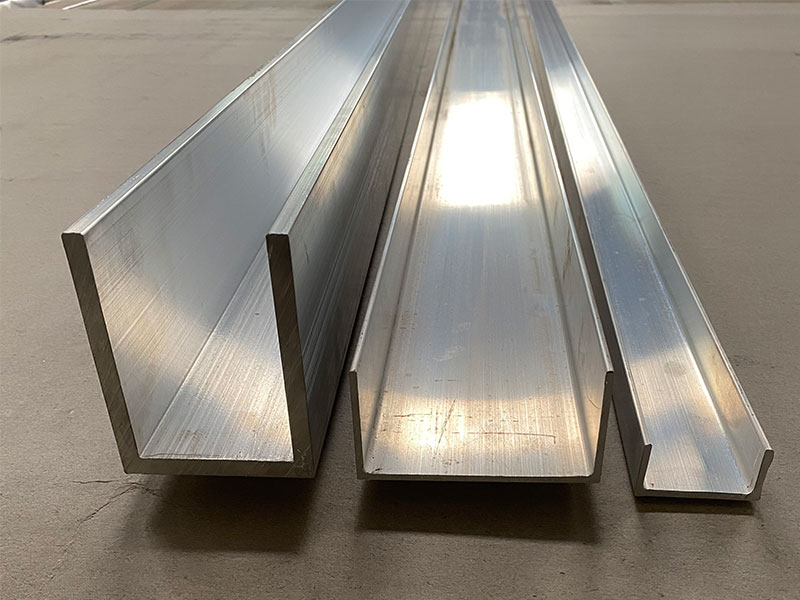
5083 Marine Aluminum Round Bar for Durable Offshore Vessel Parts
When it comes to constructing durable offshore vessel parts, material choice is paramount. Among various options, 5083 marine aluminum round bar stands out as a highly reliable and versatile solution.
View Details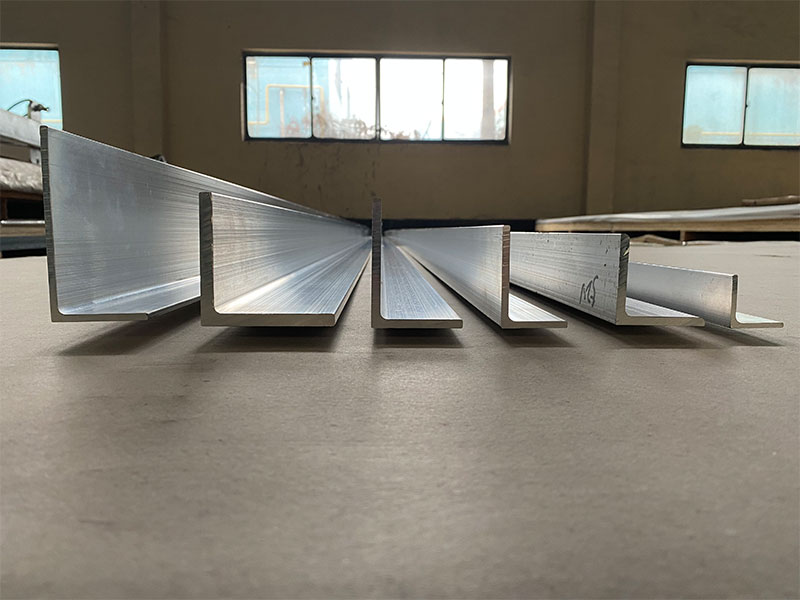
5083 Marine Aluminum Round Bar for Custom Coastal Marine Engineering
When it comes to custom coastal marine engineering, material selection is crucial for ensuring durability, strength, and resistance to harsh marine environments.
View Details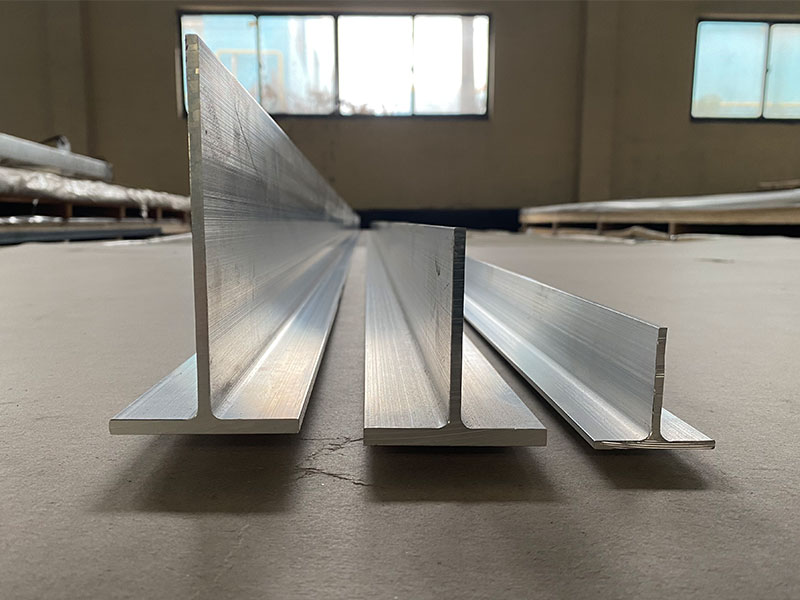
5083 Marine Aluminum Flat Bar for Heavy Duty Boat Construction
When it comes to building heavy duty boats that demand strength, durability, and excellent corrosion resistance, 5083 Marine Aluminum Flat Bar stands out as an ideal material choice.
View Details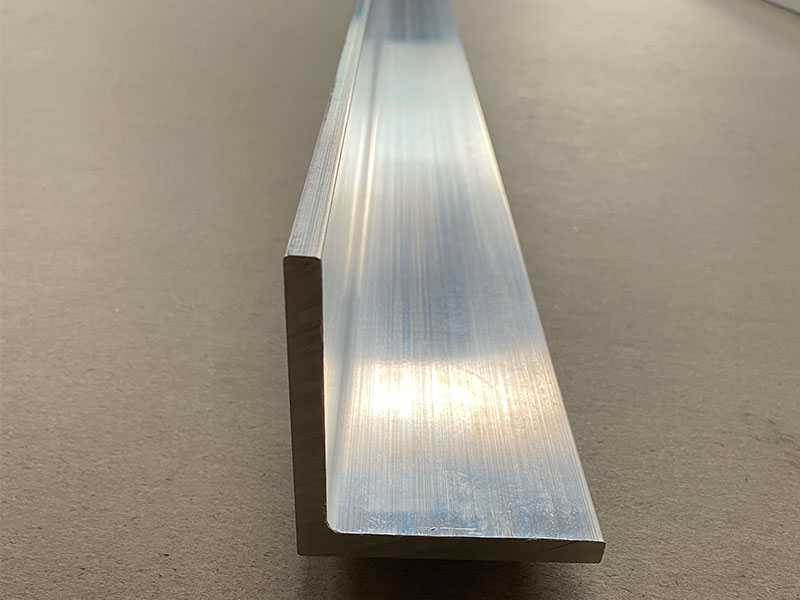
5083 Marine Aluminum Channels for Lightweight Boat Deck Design
The marine industry continually seeks efficiency and versatility in boat construction. Among the materials available, 5083 marine aluminum channels have emerged as a stellar choice for lightweight boat deck design.
View Details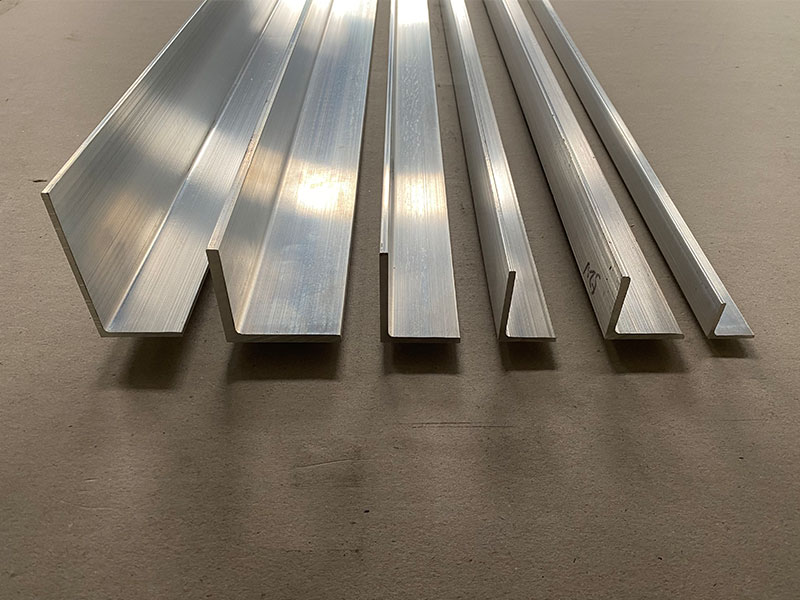
5083 Marine Aluminum Round Bar for High Strength Offshore Reinforcements
In the demanding world of offshore engineering, materials must withstand severe environmental conditions without compromising structural integrity. One such pivotal material is the 5083 Marine Aluminum Round Bar.
View Details
Leave a Message