
5083 Marine Aluminum Flat Bar for Heavy Duty Boat Construction
When it comes to building heavy duty boats that demand strength, durability, and excellent corrosion resistance, 5083 marine aluminum flat bar stands out as an ideal material choice. Manufactured with precise technological standards, this marine-grade aluminum alloy has set benchmarks within the shipbuilding industry, offering superior performance in the most rigorous aquatic environments.
The 5083 aluminum alloy is renowned for being one of the strongest non-heat-treatable alloys available in the marine segment. Unlike standard aluminum, 5083 exhibits unmatched corrosion resistance even in seawater, thereby enhancing the longevity of any boat or ship built using it. Often supplied in a flat bar shape, this profile is versatile and easily fabricated to form complex structural components essential for heavy duty marine applications.
The flat bar configuration is particularly favored because it offers consistent thickness and width allowing for precision engineering and optimizes welding performance.
Main Functions and Benefits of 5083 Aluminum Flat Bar
Outstanding Corrosion Resistance
- Exhibits exceptional resistance to seawater and salt spray, verified over years of service exposure in marine environments.
- Resistant to alkalis, industrial chemicals, and marine atmospheres helping minimize maintenance cost.
Superior Strength-to-Weight Ratio
- Much stronger than conventional aluminum marine grades like 5052 with higher tensile strength ideal for bearing heavy loads on boats and decks.
Good Weldability and Formability
- Easily welded by all standard processes — MIG, TIG, and spot welding — preserving joint integrity under intense marine conditions.
- Ample ductility facilitating complex bending or forming without risk of cracking.
Excellent Fatigue Strength
- Suited to withstanding varying cyclic stress patterns experienced by frames and hull structures over time, important for long-term marine resilience.
Applications in Heavy Duty Boat Construction
The versatility and stringent performance criteria fulfilled by 5083 marine aluminum flat bar make it integral to various aspects of heavy duty boatbuilding, including the following applications:
- Hull Plates and Structural Frames: Provide framing units, reinforcements, keel supports, etc. requiring superior mechanical strength to endure continually stressful marine forces.
- Decks and Bulkheads: Offers lightweight support plates resistant to growing wear and moisture infiltration often experienced on ship decks and bulkheads.
- Superstructures and Outrigger Arms: Useful for fabricating exposed steel substitutes in superstructures delivering greater resistance to corrosion.
- Commercial Ships and Specialized Industrial Vessels: Ideal for components in tugs, dredgers, fishing boats that demand both structural reliability and toughness.
Technical Specifications and Implementation Standards
To qualify as marine grade, 5083 aluminum flat bar must conform to certain manufacturing and design standards ensuring repeatable high-grade performance and reliability offshore.
| Parameter | Specification |
|---|---|
| Alloy Designation | 5083 |
| EN Standard | EN AW-5083 |
| ASTM Grade | ASTM B346 |
| Typical Thickness Range (mm) | 6 – 200 |
| Width Range (mm) | 25 – 1000 |
| Temper Conditions | O, H111, H112 |
| Density (g/cm³) | 2.66 |
| Yield Strength (MPa) | ≥215 (for H116 temper) |
| Tensile Strength (MPa) | 275 – 320 |
| Elongation (%) | ≥12% |
| Thermal Conductivity (W/m·K) | ~121 at 20°C |
| Habitable Standards | ISO 6361 (Aluminum and alloys – Plate, sheet, and strip for pressure purposes), Classification society approval (Lloyd’s Register, ABS) |
Chemical Composition
the element breakdown informs designers and engineers why 5083 regularly outperforms alternative alloys for specific marine initiatives.
| Element | Content (%) | Description/Role |
|---|---|---|
| Aluminum | Bal | Base metal |
| Magnesium | 4.0 – 4.9 | Enhances strength and hardness |
| Manganese | 0.4 – 1.0 | Adds to corrosion resistance |
| Chromium | 0.05 – 0.25 | Reduces sensitivity to exfoliation corrosion |
| Iron | ≤ 0.4 | Small impurity affecting ductility |
| Copper | ≤ 0.1 | Negligible to reduce susceptibility to corrosion |
| Zinc | ≤ 0.25 | Controlled level to maintain corrosion resistance |
Alloy Tempering Conditions
The temper or heat treatment state influences mechanical properties critical for operational endurance in marine conditions. Below outlines typical temper options:
| Temper | Description | Mechanical Characteristics |
|---|---|---|
| O | Annealed | Maximum ductility but lowest strength |
| H111 | Strain hardened only lightly | Good strength combined with some hardness |
| H112 | Specific crown testing strain hardened | Approved improvement in ultimate tensile strength |
| H116 | Strain hardened and stabilized | Optimal toughness and sea water corrosion performance; CLEAN alloy |
The most popular for marine applications is the H116 temper for boats owing to maximized anti-corrosion power alongside retained mechanical strength after welding.

Related Products
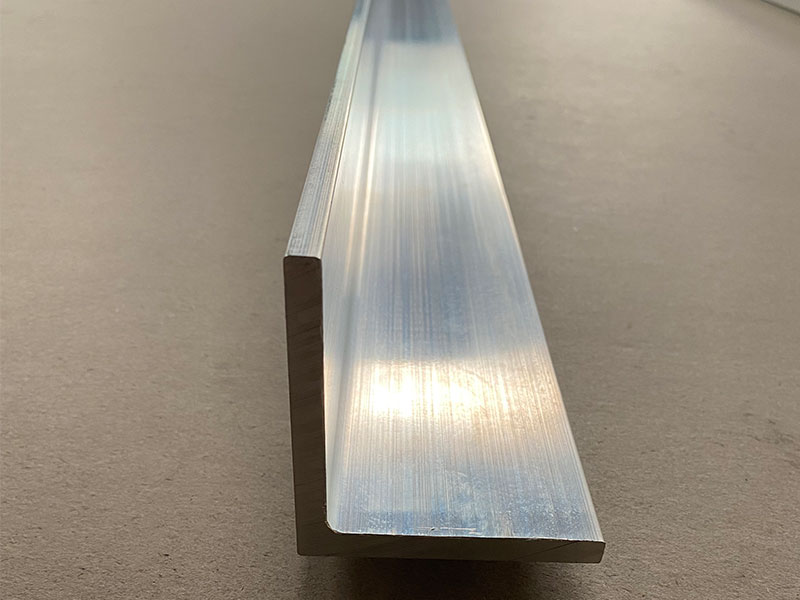
Marine aluminum angles
Marine Aluminum Angles are L-shaped cross-sectional aluminum profiles produced from marine-grade aluminum alloys such as 5083, 5052, and 6061.
View Details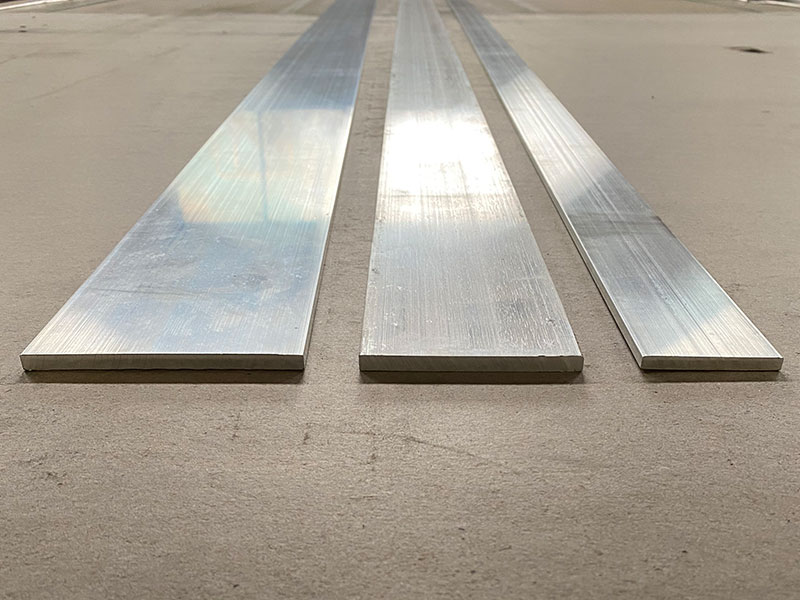
6061 T6 marine aluminum flat bar
6061 aluminum is classified as a heat-treatable 6xxx series alloy, alloyed primarily with magnesium and silicon. The T6 temper designation indicates that the flat bar has been solution heat-treated and artificially aged to achieve optimum strength and hardness.
View Details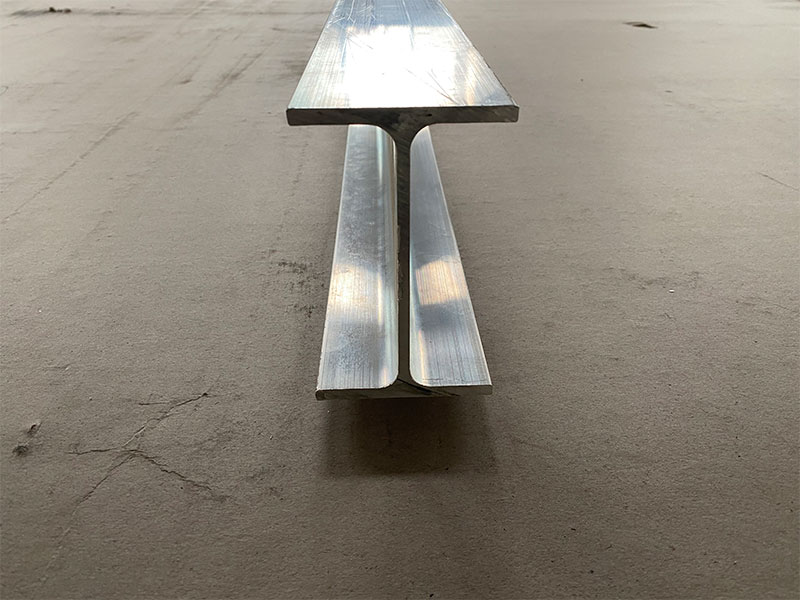
Marine aluminum Z-shaped sections
Marine Aluminum Z-shaped Sections are fabricated from premium marine-grade aluminum alloys such as 5083, 5052, and 6061. These alloys are well-regarded for their superior corrosion resistance in seawater and marine atmospheres, along with good mechanical strength and excellent weldability.
View Details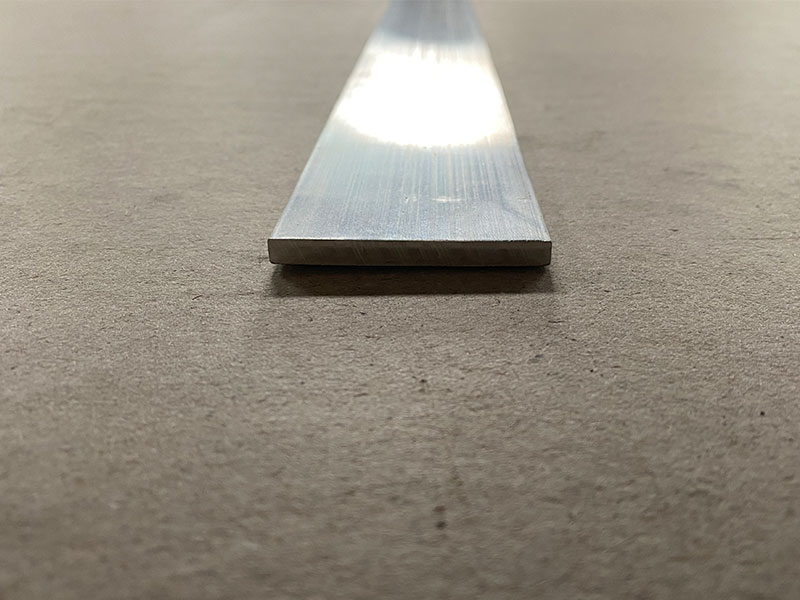
5083 marine aluminum flat bar
5083 aluminum flat bars belong to the 5xxx series of aluminum-magnesium alloys, known primarily for their superior resistance to seawater corrosion and salt spray.
View Details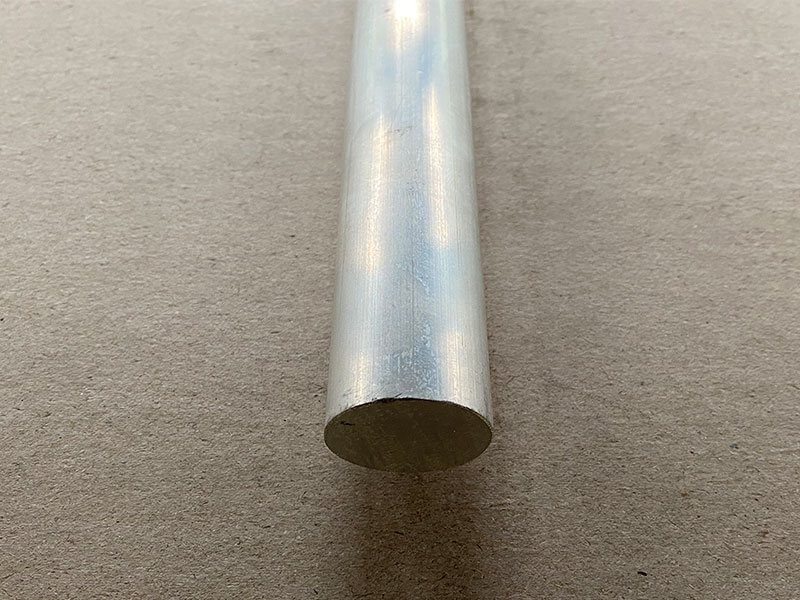
6061 marine aluminum round bar
6061 aluminum belongs to the 6xxx series alloys, alloyed primarily with magnesium and silicon. In the T6 temper, it undergoes solution heat treatment and artificial aging, resulting in enhanced mechanical properties while maintaining excellent corrosion resistance.
View Details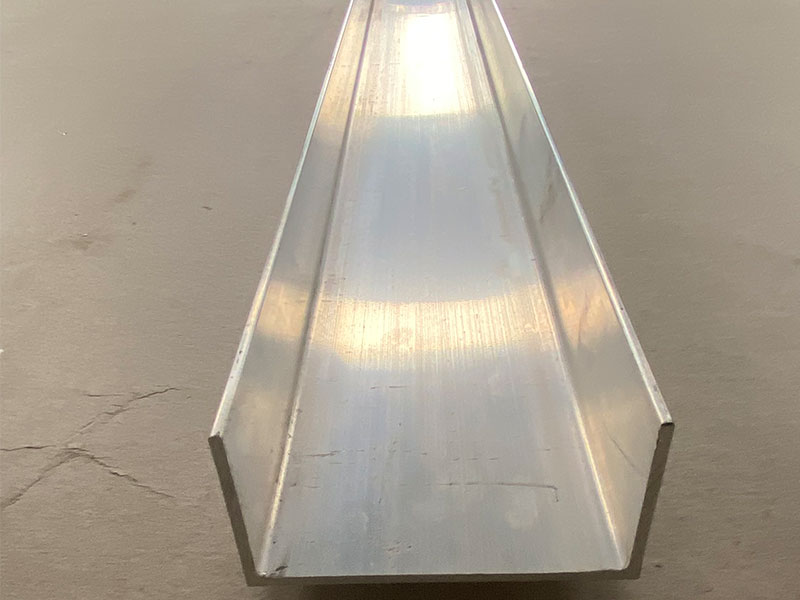
Marine aluminum channels
Marine Aluminum Channels are U-shaped aluminum profiles produced from alloys such as 5083, 5052, and 6061, known for their excellent marine corrosion resistance and superior mechanical strength.
View DetailsRelated Blog
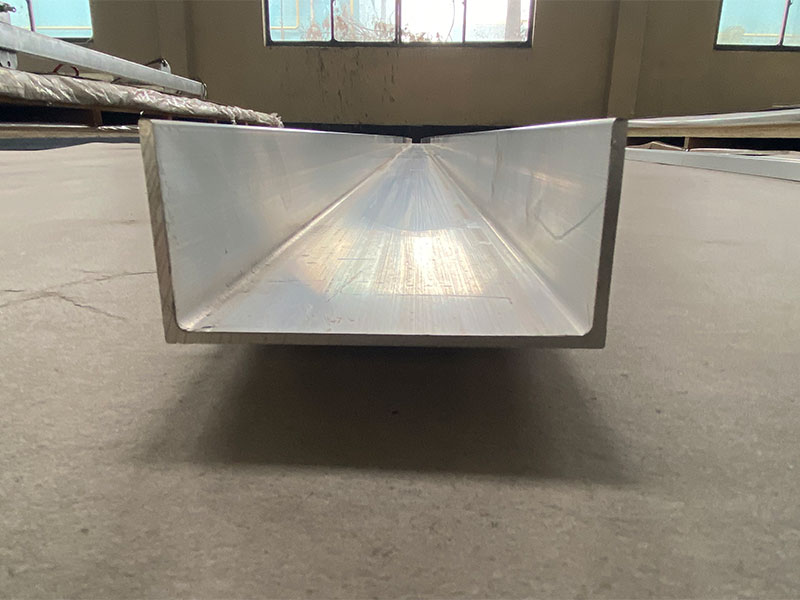
5083 Marine Aluminum Angles for Heavy Duty Offshore Boat Hulls
In the demanding world of offshore marine engineering, selecting the right materials for constructing boat hulls is critical.
View Details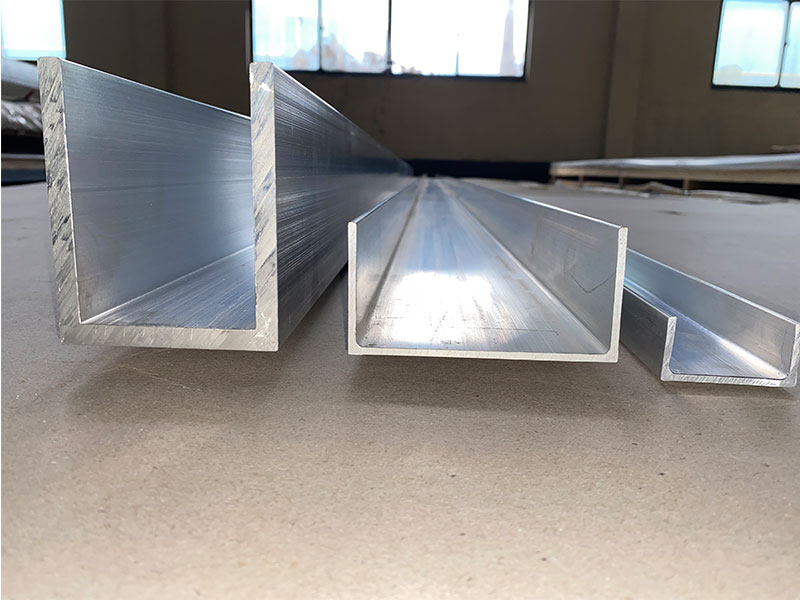
5083 5086 6061 6082 marine aluminum channel
IntroductionMarine aluminum channel is an essential structural product in shipbuilding, offshore platforms, marine fittings, and related coastal infrastructure. Compared with steel.
View Details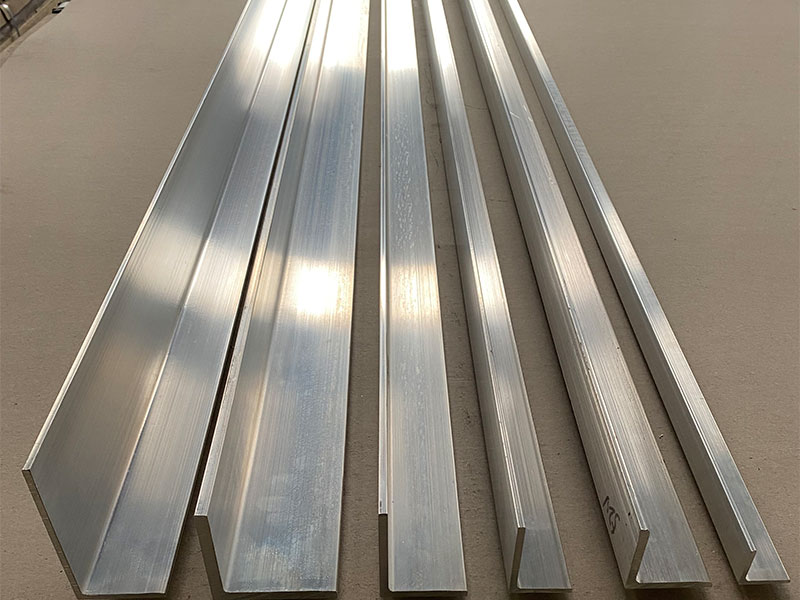
5083 Marine Aluminum Channels for Offshore Platform Construction
In the demanding world of offshore platform construction, material selection forms the backbone of structural integrity, durability, and performance. With increasing emphasis on lightweight and corrosion-resistant materials.
View Details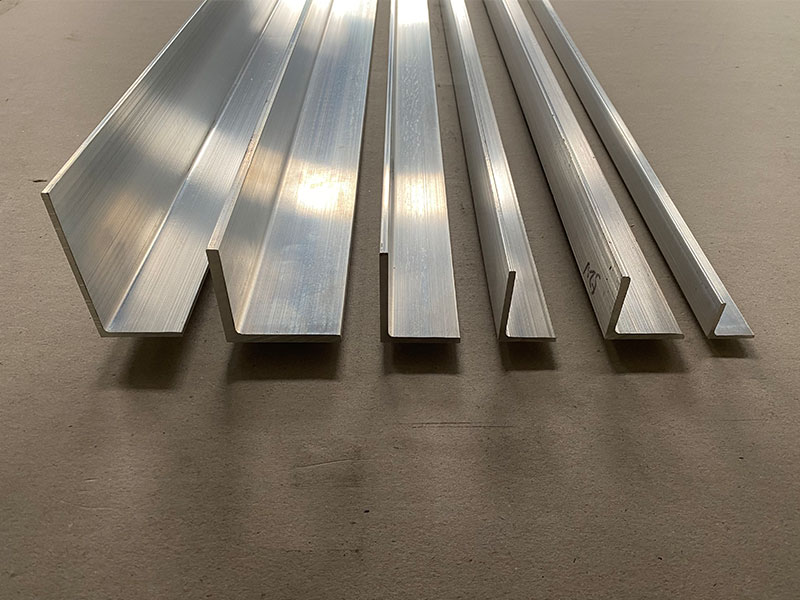
5083 Marine Aluminum Flat Bar for Saltwater Proof Shipbuilding Parts
5083 Marine Aluminum Flat Bar for Saltwater Proof Shipbuilding PartsSaltwater is an unforgiving engineer. It creeps into seams, concentrates in crevices, accelerates galvanic attack, and punishes anything that relies on coatings alone.
View Details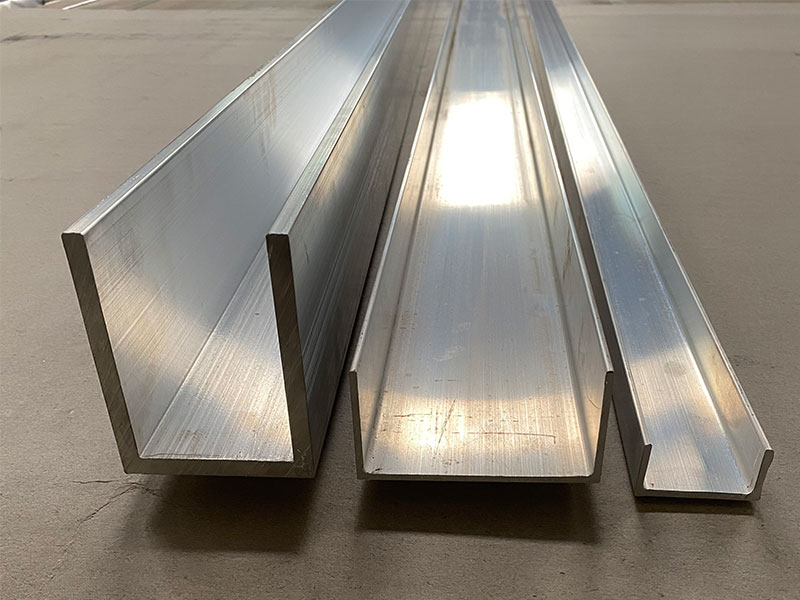
5083 Marine Aluminum Z Shaped Sections for Boat Deck Reinforcement
5083 marine aluminum Z shaped sections are purpose-built extrusions (or brake-formed profiles) used to stiffen and support boat decks where high corrosion resistance, reliable strength, and weight efficiency matter most.
View Details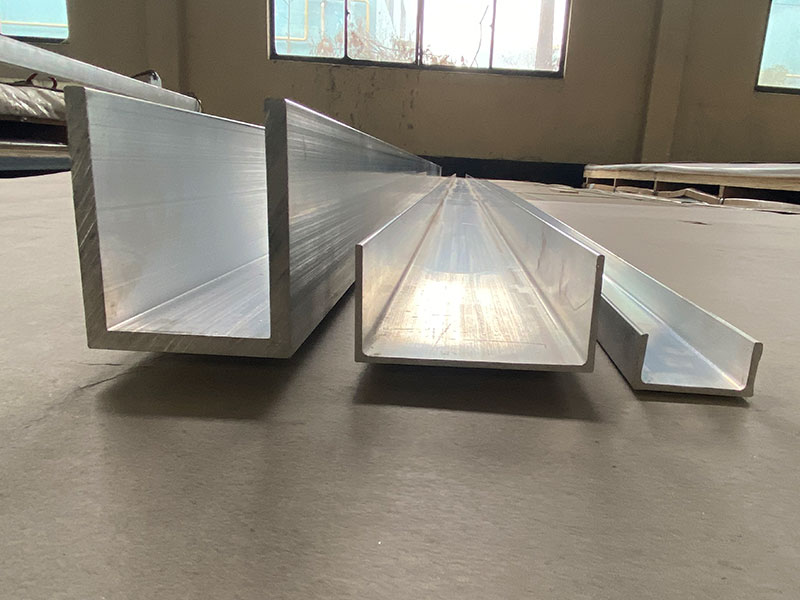
5083 Marine Aluminum I Beams for Seawater Resistant Boat Hull Design
Constructing seawater resistant boat hulls demands not only impeccable design but also the right choice of materials engineered for marine environments. Among available metals.
View Details
Leave a Message