
Marine Grade Aluminium Sheet
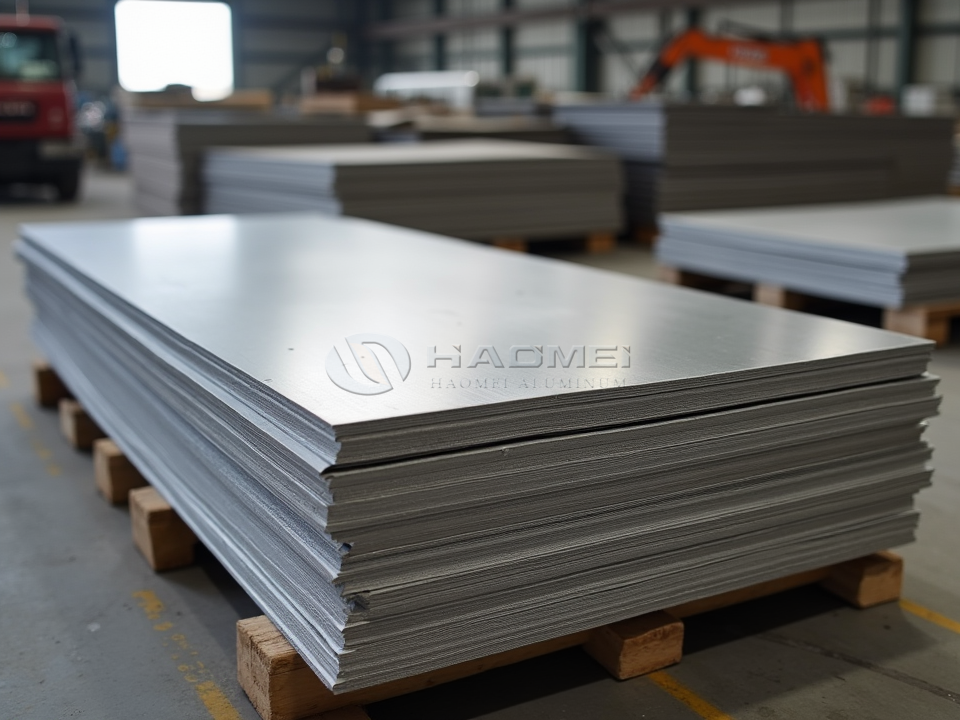
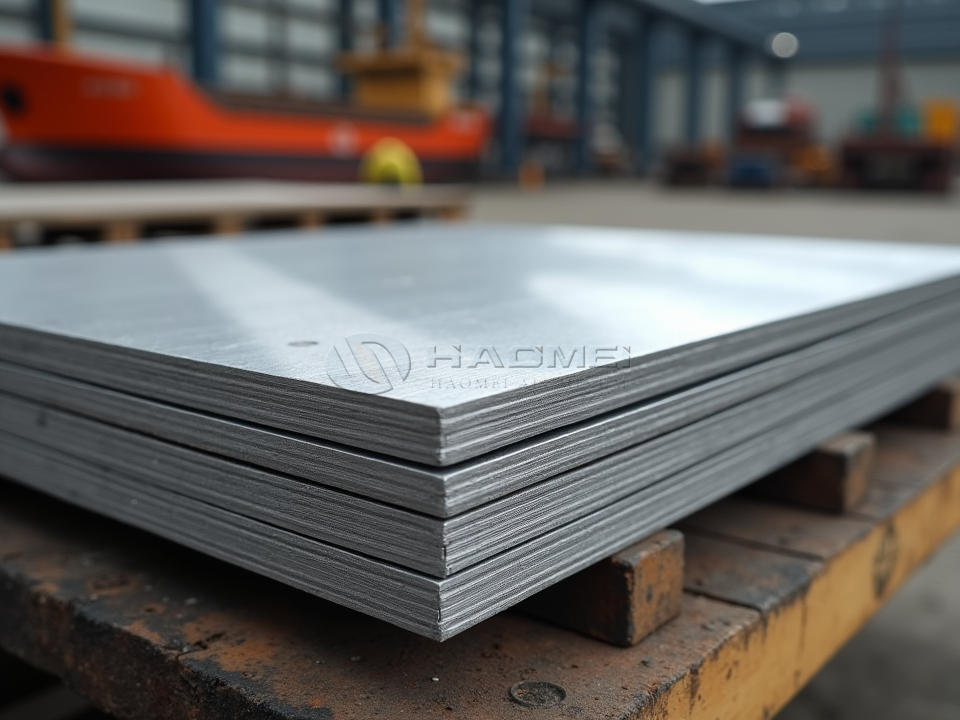
Marine grade aluminium sheet is a corrosion-resistant aluminum product engineered for long service in saltwater, humid coastal, and offshore environments. It is widely used in boat hulls, decks, superstructures, gangways, fuel tanks, marine cabins, workboats, and dock equipment. Compared with ordinary aluminum sheet, marine material is selected for superior seawater corrosion resistance, weldability, formability, and reliable mechanical properties.
The most commonly specified alloys are 5052, 5083, and 5086. These non-heat-treatable Al-Mg alloys retain practical strength after welding and develop a stable oxide film that helps protect the surface in marine atmospheres. Correct alloy, temper, thickness, and fabrication practice are essential for a durable vessel structure.
Performance Features
| Property | Marine Benefit |
|---|---|
| Seawater corrosion resistance | Magnesium-containing 5xxx alloys perform well in salt spray, splash zones, and humid coastal service. |
| High weldability | Suitable for MIG and TIG welding, with sound joints when matched filler metal and clean procedures are used. |
| Favorable strength-to-weight ratio | Reduces hull and structure weight compared with steel, supporting payload, speed, and fuel efficiency. |
| Good formability | Allows bending, rolling, pressing, and fabrication of curved hull panels and interior components. |
| Low-temperature toughness | Maintains useful ductility in cold marine climates. |
| Recyclability | Aluminum scrap can be recovered and remelted, supporting responsible vessel construction. |
Marine aluminum does not rust like carbon steel. However, it still requires thoughtful design and maintenance. Crevices, trapped saltwater, incompatible metals, damaged coatings, and electrical stray current can cause localized corrosion. Proper drainage, isolation of dissimilar metals, and regular washing extend service life.
Common Marine Aluminum Alloys
| Alloy | Typical Temper | Relative Strength | Corrosion Resistance | Typical Marine Use |
|---|---|---|---|---|
| 5052 | H32, H34 | Medium | Excellent | Cabin panels, tanks, interior structures, small craft parts |
| 5083 | O, H116, H321 | High | Excellent | Hull plating, decks, bulkheads, offshore structures |
| 5086 | H32, H116 | High | Excellent | Workboats, patrol vessels, hulls, side plating |
| 5454 | H32 | Medium | Very good | Marine tanks, equipment covers, formed components |
5052 is valued for clean forming, dependable corrosion resistance, and economical fabrication. It is often selected for non-primary structural components, sheet-metal assemblies, and fuel or water tank applications.
5083 is a preferred alloy for heavily loaded welded structures. H116 and H321 tempers are frequently chosen for hull and deck applications because they are designed to resist exfoliation corrosion in marine exposure. For demanding vessel projects, Marine 5083 aluminum sheet offers a strong balance of weldability, seawater durability, and structural performance.
5086 provides similar marine durability with good weld strength retention. It is regularly used where high-strength plate and sheet are needed for commercial boats, landing craft, and marine transportation equipment.
Chemical Composition
The figures in this table are typical composition limits in percent by weight. Actual requirements should follow the applicable ASTM, EN, ABS, DNV, Lloyd's Register, or project specification.
| Alloy | Mg | Mn | Cr | Fe Max. | Si Max. | Cu Max. | Zn Max. | Al |
|---|---|---|---|---|---|---|---|---|
| 5052 | 2.2-2.8 | 0.10 max. | 0.15-0.35 | 0.40 | 0.25 | 0.10 | 0.10 | Balance |
| 5083 | 4.0-4.9 | 0.40-1.0 | 0.05-0.25 | 0.40 | 0.40 | 0.10 | 0.25 | Balance |
| 5086 | 3.5-4.5 | 0.20-0.7 | 0.05-0.25 | 0.50 | 0.40 | 0.10 | 0.25 | Balance |
| 5454 | 2.4-3.0 | 0.50-1.0 | 0.05-0.20 | 0.40 | 0.25 | 0.10 | 0.25 | Balance |
Magnesium is the principal strengthening element in these alloys. Manganese and chromium help control grain structure and support corrosion performance. Copper is tightly restricted because higher copper content can reduce resistance to seawater corrosion.
Mechanical Properties and Tempers
| Alloy and Temper | Tensile Strength, MPa | Yield Strength, MPa | Elongation, Typical | Recommended Use |
|---|---|---|---|---|
| 5052-H32 | 195-255 | 130 min. | 12-18% | Formed marine sheet, tanks, cabin structures |
| 5052-H34 | 230-280 | 180 min. | 8-14% | Panels requiring higher hardness and dent resistance |
| 5083-O | 275-350 | 125 min. | 16-20% | Deep forming, curved sections, welded structures |
| 5083-H116 | 305-385 | 215 min. | 10-14% | Hull plating and decks exposed to seawater |
| 5083-H321 | 305-385 | 215 min. | 10-14% | Marine structures needing stabilized properties |
| 5086-H116 | 290-360 | 205 min. | 10-14% | Hulls, superstructures, commercial vessels |
Values can vary with thickness, testing direction, and governing standard. H116 and H321 are common choices for saltwater service because they are strain-hardened and stabilized to reduce susceptibility to exfoliation corrosion. The annealed O temper offers maximum forming ability, while H32 and H34 deliver more stiffness for flat panels and fabricated parts.
Available Sizes and Supply Conditions
| Item | Common Range |
|---|---|
| Thickness | 0.5-6.0 mm for sheet; heavier gauges commonly supplied as plate |
| Standard width | 1,000 mm, 1,220 mm, 1,500 mm, 2,000 mm |
| Standard length | 2,000 mm, 2,440 mm, 3,000 mm, 6,000 mm |
| Surface | Mill finish, brushed, PVC protected, coated, tread pattern upon request |
| Edge condition | Mill edge, trimmed edge, slit edge |
| Documentation | Mill test certificate, chemical analysis, mechanical test report, classification documentation when required |
| Packaging | Waterproof paper, protective film, export-grade wooden pallet or frame |
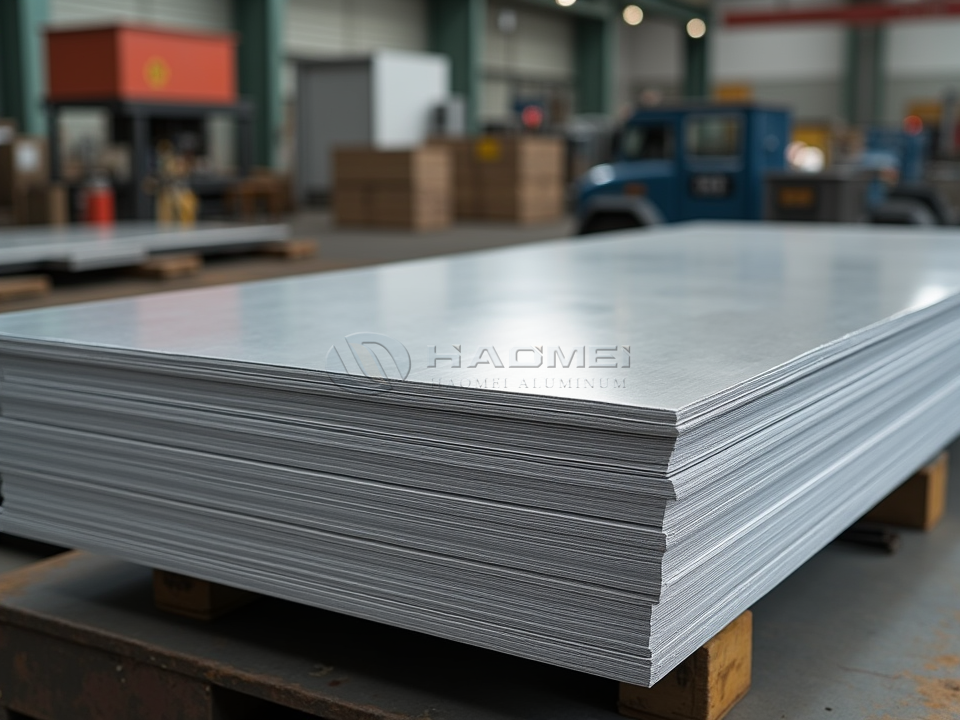
Dimensional tolerances should be agreed before production, particularly for CNC-cut kits, long hull panels, and precision marine assemblies. Surface protection is recommended when sheets will be laser cut, transported over long distances, or fabricated in appearance-sensitive areas.
Marine Applications
| Application | Suitable Alloys | Selection Considerations |
|---|---|---|
| Boat hull plating | 5083-H116, 5083-H321, 5086-H116 | High corrosion resistance, weld strength, impact durability |
| Decks and bulkheads | 5083, 5086, 5052 | Strength, flatness, weldability, weight control |
| Fuel and water tanks | 5052-H32, 5083-O | Formability and corrosion resistance |
| Cabin sides and interiors | 5052-H32, 5052-H34 | Smooth surface, moderate strength, easy forming |
| Gangways and access platforms | 5052, 5083 | Lightweight construction and anti-slip options |
| Offshore support equipment | 5083, 5086, 5454 | Salt spray durability and structural reliability |
Fabrication Guidance
Marine grade aluminium sheet can be cut by shearing, waterjet, CNC routing, plasma cutting, or laser cutting. Tooling must be clean to prevent steel contamination. For bending, use appropriate inside radii to avoid cracking, especially in harder tempers.
MIG welding is common for thicker hull structures, while TIG welding is practical for thinner sheet and detailed work. Filler alloys such as 5183, 5356, and 5556 are frequently used with 5xxx base metals, subject to design and classification requirements. Weld zones should be cleaned of oxide, oil, moisture, and abrasive residue before joining.
Avoid direct contact between aluminum and carbon steel, copper alloys, or stainless steel in wet conditions unless electrical isolation is provided. Non-conductive washers, sealants, coatings, and drainage details help prevent galvanic corrosion.
Selecting the Right Marine Grade Aluminium Sheet
Choose 5052 when forming quality, moderate strength, and corrosion resistance are priorities. Select 5083 or 5086 for hull structures, high-load panels, and seawater-facing components. Confirm temper according to bending needs, structural calculations, welding sequence, corrosion exposure, and approval rules.
A well-specified marine grade aluminium sheet provides a light, strong, weldable, and corrosion-resistant foundation for vessels and offshore equipment built to perform in demanding saltwater environments.

Related Products
Marine 5052 aluminum sheet
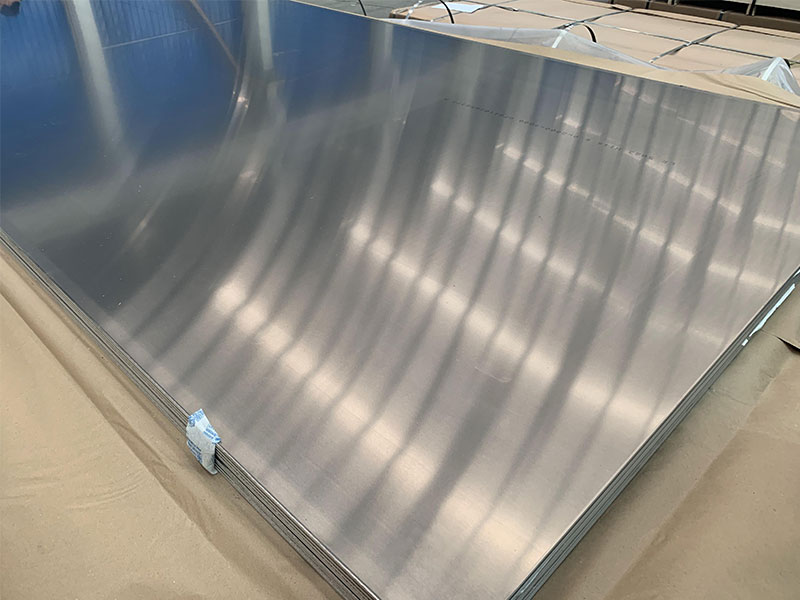
Aluminum alloy 5052 is a non-heat-treatable, strain-hardened alloy with magnesium as the primary alloying element. It is designed to offer superior corrosion resistance in marine and saline environments, making it a dependable choice for components exposed directly to seawater or coastal atmospheric conditions.
View Details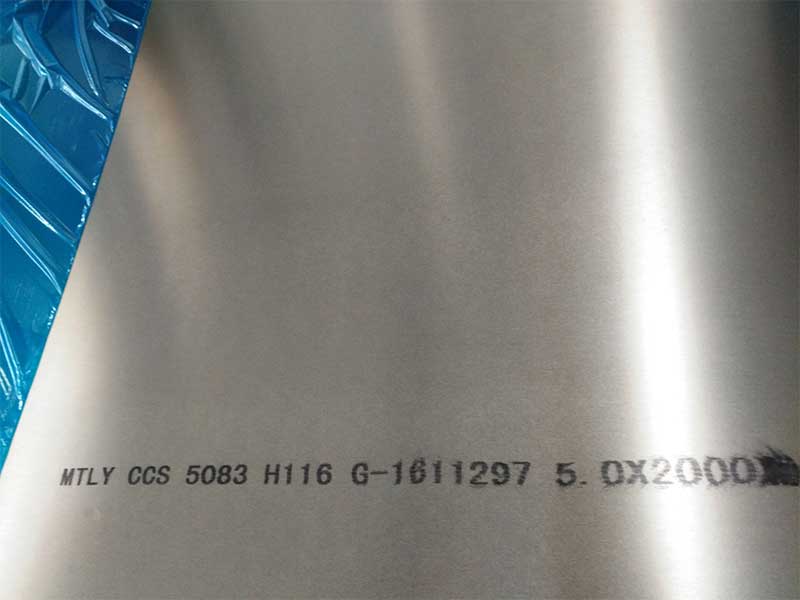
Marine 5083 aluminum sheet
Aluminum alloy 5083 is a non-heat-treatable alloy primarily composed of magnesium and trace elements that deliver outstanding protection against corrosion, particularly in seawater and saline atmospheres.
View Details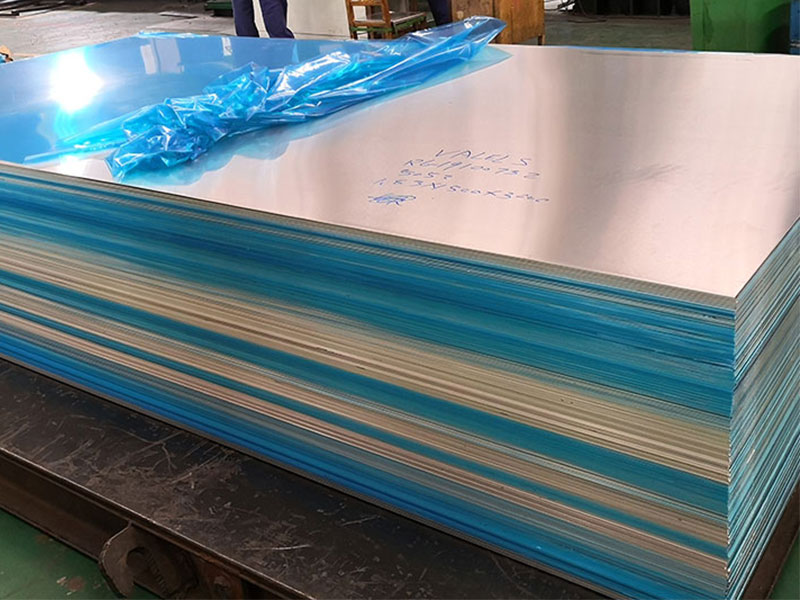
Marine 5059 aluminum sheet
5059 aluminum alloy is a strain-hardened material with a unique addition of magnesium and chromium, which provides outstanding resistance to localized corrosion like pitting and stress corrosion cracking.
View Details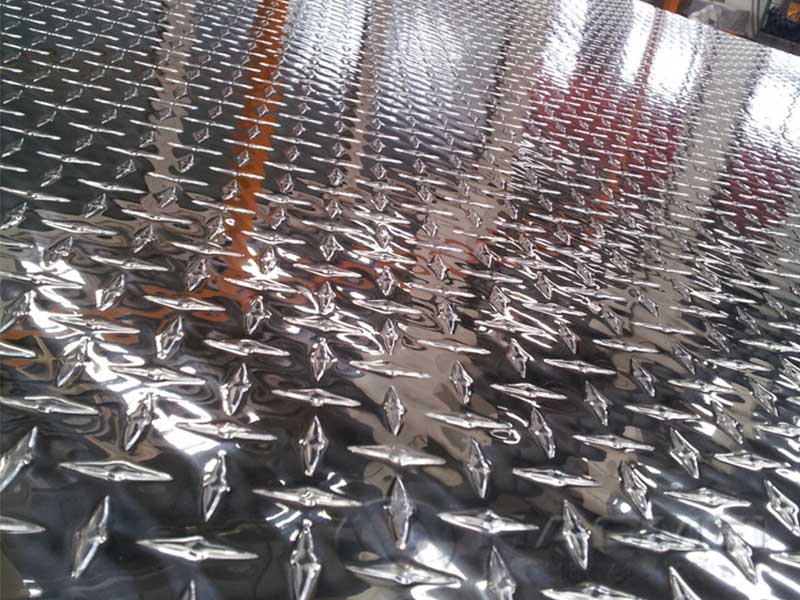
Marine Aluminum Tread Sheets
Marine Aluminum Tread Sheets are aluminum alloy plates featuring a raised surface pattern, commonly referred to as a tread design or diamond plate.
View Details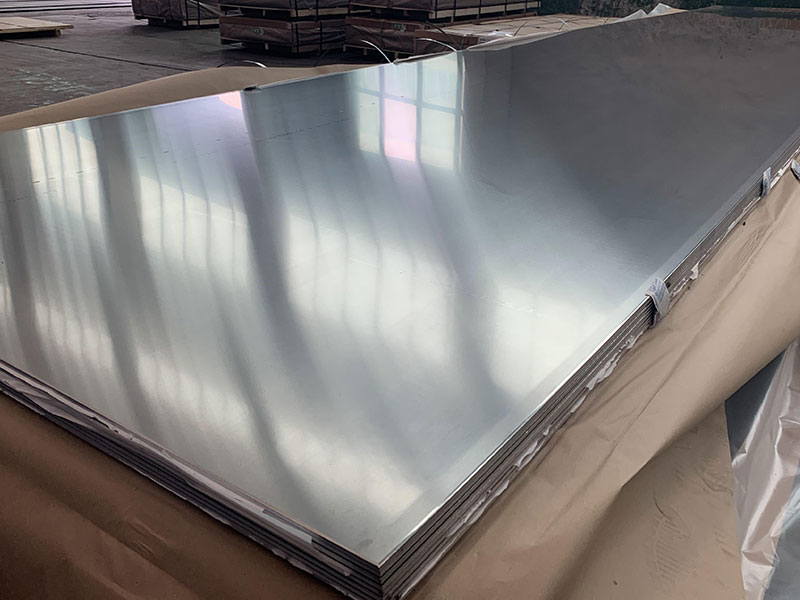
Marine 5086 aluminum sheet
This product article provides an in-depth and comprehensive understanding of Marine 5086 Aluminum Sheets, including their chemical composition, mechanical properties, corrosion resistance, fabrication capabilities, and typical marine applications.
View Details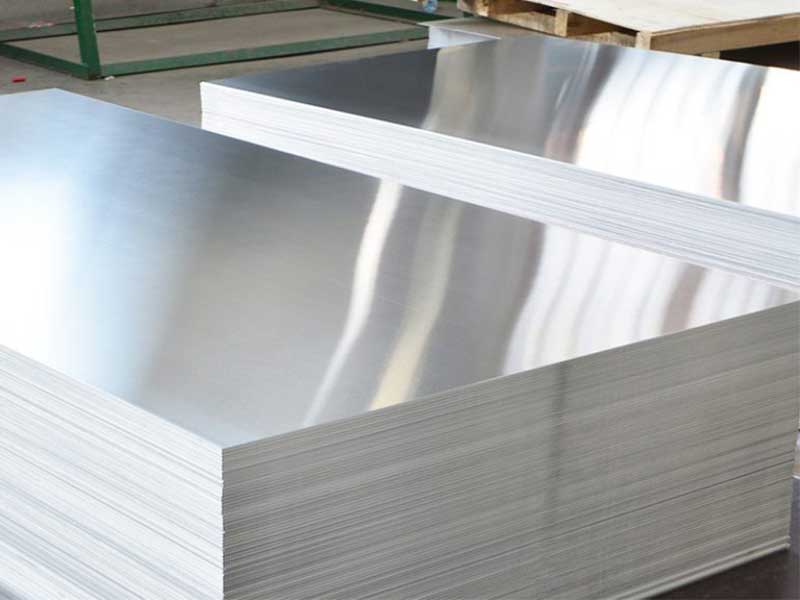
Marine anodized aluminum sheets
Marine Anodized Aluminum Sheets start with premium marine-grade aluminum alloys such as 5000 and 6000 series (typically 5083, 5052, and 6061).
View DetailsRelated Blog
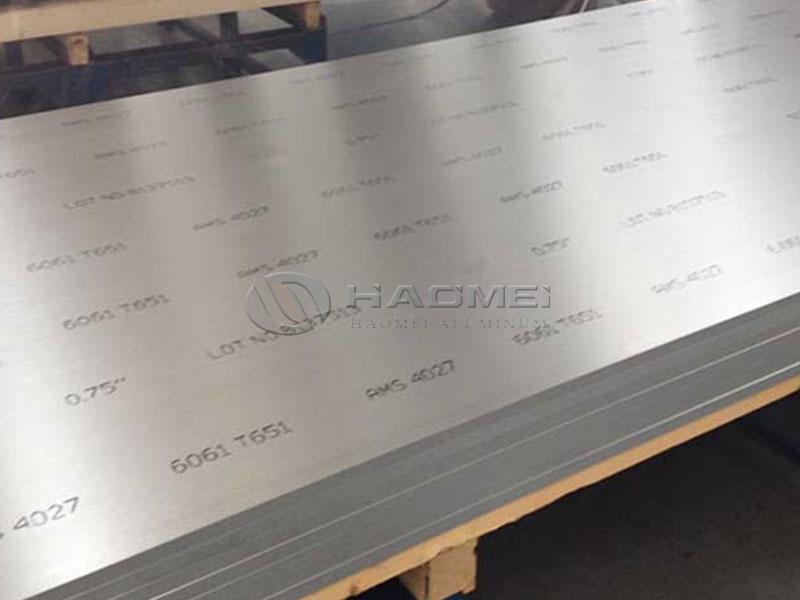
6061 Marine Anodized Aluminum Sheets
Explore 6061 marine anodized aluminum sheets, with corrosion resistance, stable strength, clean finish, fabrication data, and boat component guidance.
View Details
A5083 H116 Aluminum Sheet for Shipbuilding
A5083 H116 aluminum sheet for shipbuilding offers seawater corrosion resistance, weldability, certified strength, and stable hull performance for marine yards.
View Details
Aluminum Plate 5083 Marine Grade Hard Anodized
Hard anodized 5083 marine aluminum plate combines seawater corrosion resistance, weldability, and a durable oxide finish for demanding vessels and structures.
View Details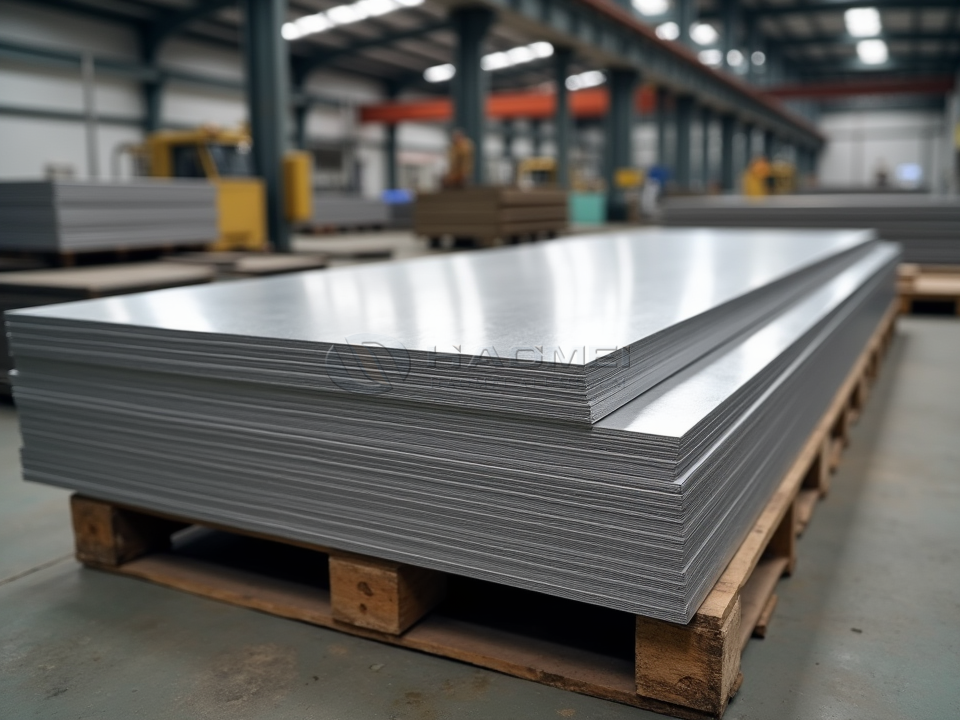
Marine Aluminum Sheet
Marine aluminum sheet provides lightweight strength, seawater corrosion resistance, weldability, and reliable performance for boats and offshore structures.
View Details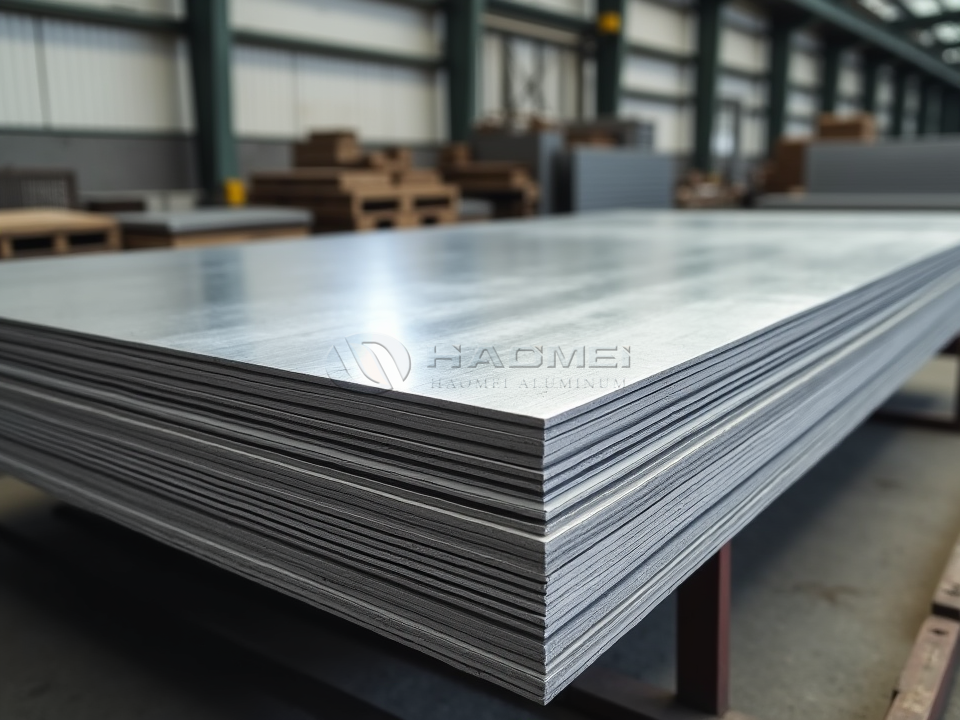
Boat Marine Aluminium Sheet Building 5083
Learn how 5083 marine aluminium sheet supports durable boat hull construction with corrosion resistance, tempers, standards, sizes, and chemistry data.
View Details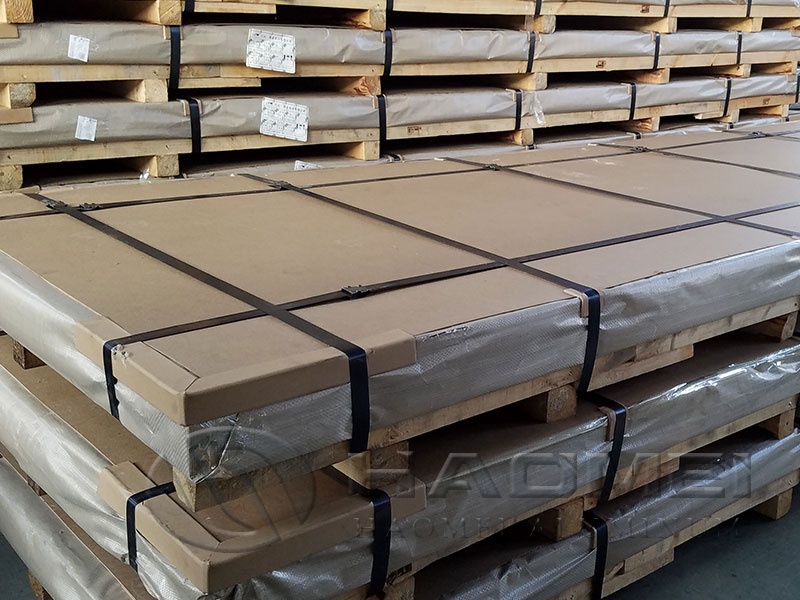
Marine 6061 Aluminum Bar
Marine 6061 aluminum bar offers high strength, excellent machinability, and reliable corrosion resistance for brackets, frames, fittings, and marine hardware.
View Details
Leave a Message