
5083 5754 Marine Grade Aluminum Alloy Sheet Aluminium Plate
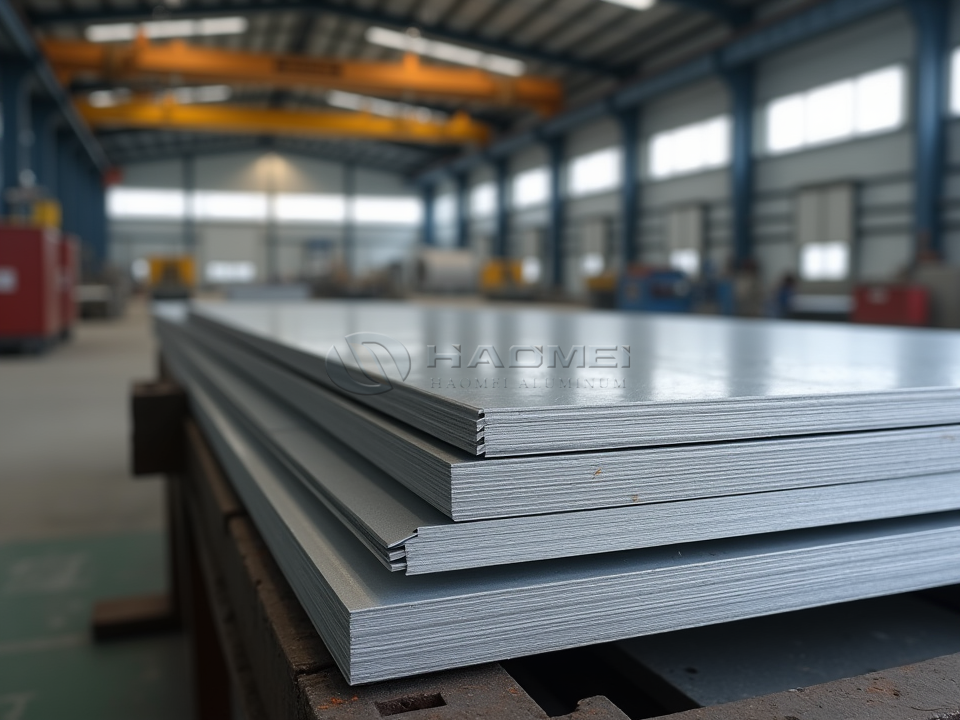
5083 and 5754 marine grade aluminum alloy sheet aluminium plate are trusted materials for vessels and coastal equipment that must remain strong, light, and corrosion resistant in demanding saltwater service. Both alloys belong to the 5xxx aluminum-magnesium family, giving them excellent resistance to seawater and practical fabrication performance. They are widely selected for boat hulls, deck structures, superstructures, fuel tanks, gangways, offshore components, and transport equipment exposed to humid or saline environments.
The choice between 5083 and 5754 depends on the balance required between strength, formability, thickness, and structural duty. 5083 is the higher-strength option for heavily loaded marine structures. 5754 provides dependable corrosion resistance and easier forming for lighter-duty panels, interiors, and fabricated parts.
Why 5083 and 5754 Perform Well at Sea
Marine environments attack ordinary materials through chloride-rich water, spray, humidity, temperature cycling, and galvanic contact. The magnesium content in these non-heat-treatable alloys contributes to their strong natural corrosion resistance. Unlike carbon steel, aluminum does not require a heavy coating system merely to avoid rapid red rust. A stable oxide film forms naturally on the surface and renews when damaged, provided the material is correctly designed, fabricated, and maintained.
5083 marine aluminum plate contains a higher magnesium level than 5754. This gives it greater strength in hardened tempers while preserving excellent weldability and seawater performance. It is especially suitable where plate must carry hull loads, absorb wave impact, or support large structural spans.
5754 aluminum sheet is a versatile alloy with lower strength but good ductility. It is often preferred for formed panels, cabin components, tank covers, flooring, vehicle bodies, and parts requiring bending or drawing. Its smooth processing behavior can help fabricators create accurate shapes with a clean finished appearance.
Alloy Chemistry
The chemical composition is controlled to achieve reliable marine behavior. Values may vary slightly according to applicable standards, product form, and customer specifications.
| Element, % | 5083 Aluminum Alloy | 5754 Aluminum Alloy |
|---|---|---|
| Magnesium, Mg | 4.0-4.9 | 2.6-3.6 |
| Manganese, Mn | 0.4-1.0 | 0.0-0.5 |
| Chromium, Cr | 0.05-0.25 | 0.0-0.3 |
| Iron, Fe, max. | 0.40 | 0.40 |
| Silicon, Si, max. | 0.40 | 0.40 |
| Copper, Cu, max. | 0.10 | 0.10 |
| Zinc, Zn, max. | 0.25 | 0.20 |
| Aluminum, Al | Balance | Balance |
Higher magnesium and manganese make 5083 a robust choice for strength-critical plate. The more moderate chemistry of 5754 supports good cold forming while delivering solid resistance to industrial and marine atmospheres.
Mechanical Performance and Available Tempers
Marine aluminum is commonly supplied in O, H111, H112, H116, H321, H22, H32, and H34 tempers. Temper selection has a major influence on strength, bending behavior, and service suitability. H116 and H321 are frequently specified for 5083 plate used in marine hulls because they are processed for improved resistance to exfoliation corrosion in seawater conditions.
| Property | 5083-H116 / H321 Plate | 5754-H22 / H32 Sheet |
|---|---|---|
| Typical tensile strength | 275-350 MPa | 190-250 MPa |
| Typical yield strength | 125-240 MPa | 80-190 MPa |
| Elongation | Good | Very good |
| Seawater corrosion resistance | Excellent | Excellent |
| Weldability | Excellent | Excellent |
| Formability | Good | Excellent |
| Relative structural strength | High | Medium |
Actual mechanical values depend on thickness, temper, test direction, and standard requirements. Material certificates should be reviewed when minimum strength, classification approval, or project-specific tolerances are required.
Product Forms and Supply Capabilities
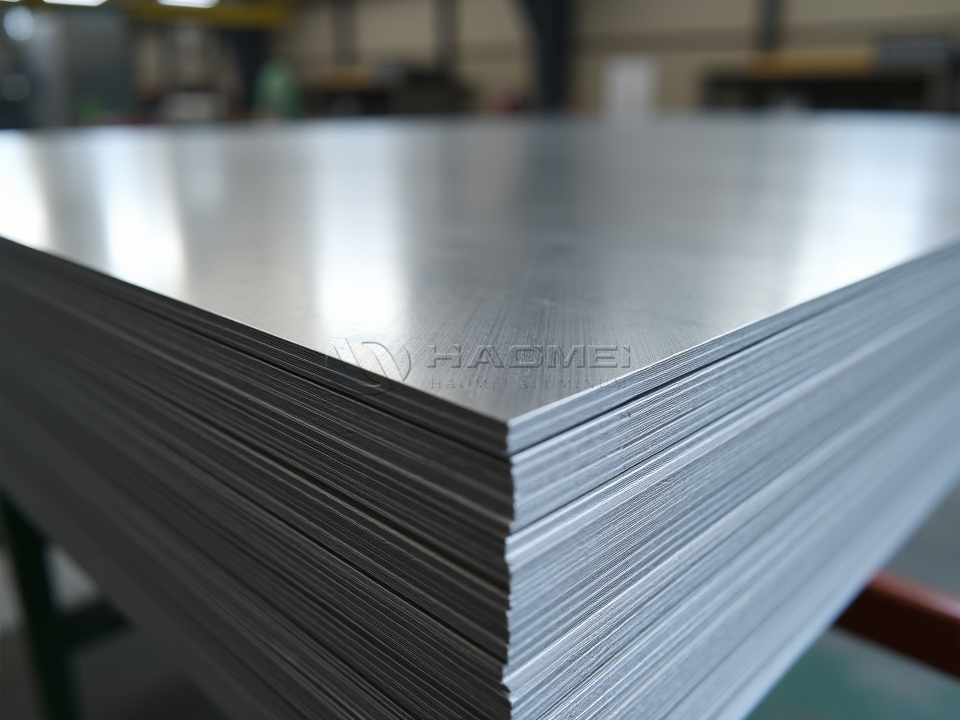
5083 5754 marine grade aluminum alloy sheet aluminium plate can be delivered in dimensions suited to both small craft production and large shipyard fabrication. Wide plate reduces longitudinal welding and helps create cleaner hull geometry. Cut-to-size sheets simplify workshop handling and reduce trimming losses.
| Product Item | Common Range |
|---|---|
| 5083 sheet and plate thickness | 1.5-200 mm |
| 5754 sheet thickness | 0.5-12 mm |
| Standard width | 1,000-2,500 mm |
| Standard length | 2,000-12,000 mm |
| Surface options | Mill finish, brushed, protective film, PVC-coated |
| Typical standards | EN 485, EN 573, ASTM B928, ASTM B209, marine class requirements |
For high-demand vessel structures, Marine 5083 aluminum sheet is commonly specified in H116 or H321 temper. These tempers offer a strong combination of strength and corrosion control for hull plating, side shells, bulkheads, decks, and longitudinal members.
Applications for 5083 Marine Aluminum Plate
5083 is a preferred plate alloy for workboats, patrol boats, fishing vessels, ferries, landing craft, yachts, and high-speed aluminum craft. Its strength-to-weight ratio assists naval architects in reducing vessel mass without sacrificing structural integrity. Lower weight can support improved payload, acceleration, fuel economy, draft control, and handling.
Common 5083 applications include hull bottoms, side plating, transoms, decks, bulkheads, engine foundations, watertight compartments, wheelhouse structures, davits, ramps, and offshore walkways. In industrial marine settings, it is also used for cryogenic tanks, pressure vessels, storage equipment, and corrosion-resistant structural assemblies.
The alloy responds very well to MIG and TIG welding with suitable filler metals such as 5183, 5356, or 5556. Welding procedures must consider heat input, joint preparation, and post-weld distortion control. As with all strain-hardened 5xxx alloys, the heat-affected zone loses some work-hardening strength, so designers should account for welded-joint properties rather than base-metal values alone.
Applications for 5754 Marine Aluminum Sheet
5754 is highly practical where shaping efficiency and corrosion resistance take priority over maximum structural strength. It is frequently used in boat cabin panels, interior partitions, lockers, doors, ceilings, deck coverings, fuel and oil tanks, side panels, and lightweight fabricated assemblies.
It also performs well in port equipment, refrigerated transport bodies, road tankers, shipboard cabinets, and protective enclosures. Its favorable bending capability helps reduce cracking risks during forming, especially when an appropriate temper and bend radius are selected.
Where a non-slip walking surface is needed, Marine Aluminum Tread Sheets can provide durable traction for gangways, stairs, service platforms, deck paths, and dock access areas. Selecting the correct pattern height and sheet thickness helps maintain grip while keeping weight under control.
Fabrication and Corrosion-Control Considerations
Both alloys are easy to cut, bend, machine, and weld using established aluminum fabrication methods. Clean tools and dedicated work areas are recommended to prevent iron contamination from steel particles. Such contamination can create surface staining and localized corrosion in wet service.
For long-term seawater exposure, avoid direct contact between aluminum and more noble metals such as copper, brass, and certain stainless steels unless suitable electrical isolation is installed. Use compatible fasteners, insulating washers, protective coatings, and drainage details. Water traps, crevices, and poorly sealed joints should be minimized because trapped seawater can intensify corrosion attack.
Surface finishing may include painting, anodizing where suitable, or protective film for fabrication and transport. Bare mill-finish aluminum is often acceptable in marine environments, but coatings can improve appearance, simplify cleaning, and provide added protection in splash zones or highly polluted coastal locations.
Selecting the Right Alloy
Choose 5083 when the project requires high strength, substantial plate thickness, welded structural performance, or direct exposure to severe marine conditions. It is the practical choice for hulls and primary load-bearing sections where weight savings must be matched with dependable structural capability.
Choose 5754 when the part is lighter duty, highly formed, or produced from thinner sheet. It offers an efficient combination of corrosion resistance, workability, and cost control for marine fittings, panels, tanks, and enclosure work.
5083 5754 marine grade aluminum alloy sheet aluminium plate gives boatbuilders and fabricators a reliable material platform for durable, lightweight marine construction. Correct alloy selection, temper control, welding practice, and corrosion-aware design will help the finished structure deliver a long and efficient service life.

Related Products
Marine 5052 aluminum sheet
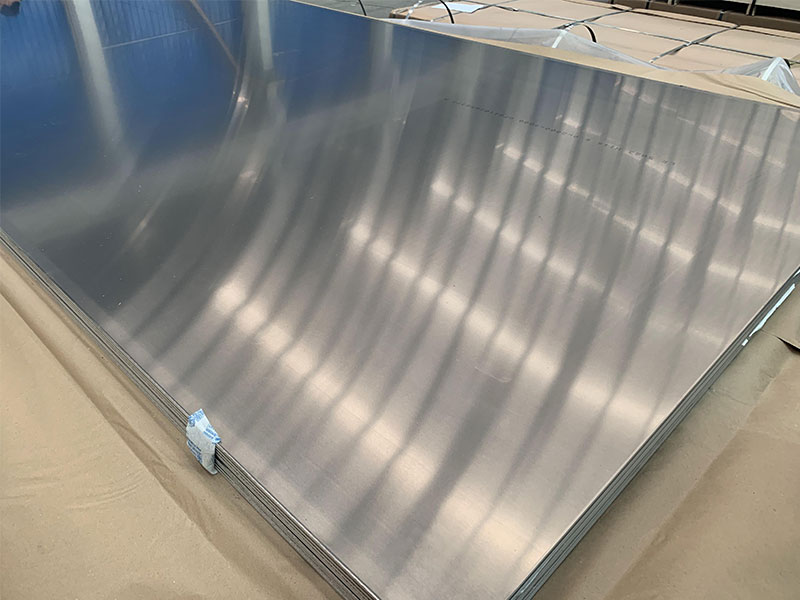
Aluminum alloy 5052 is a non-heat-treatable, strain-hardened alloy with magnesium as the primary alloying element. It is designed to offer superior corrosion resistance in marine and saline environments, making it a dependable choice for components exposed directly to seawater or coastal atmospheric conditions.
View Details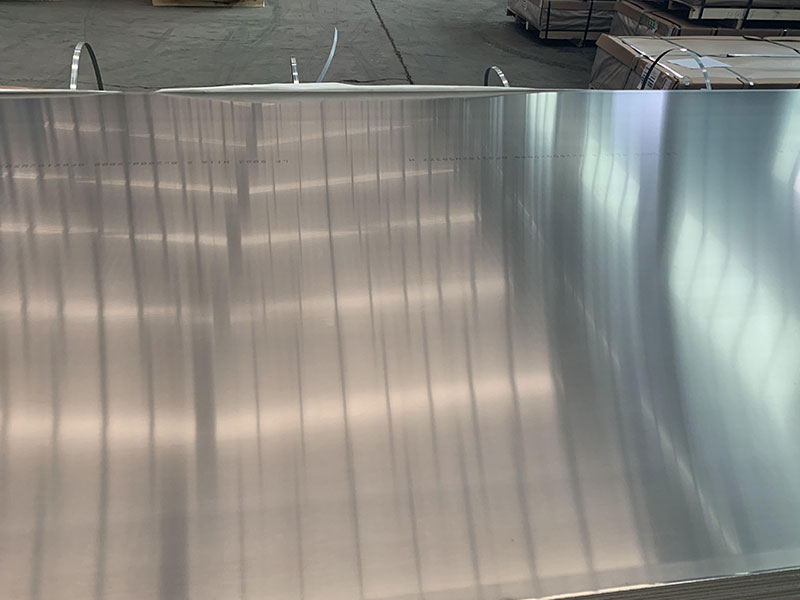
Marine 5383 aluminum sheet
5383 aluminum is a strain-hardened, non-heat-treatable alloy from the 5xxx series primarily alloyed with magnesium. It exhibits a unique balance of corrosion resistance and mechanical properties particularly suited for marine applications.
View Details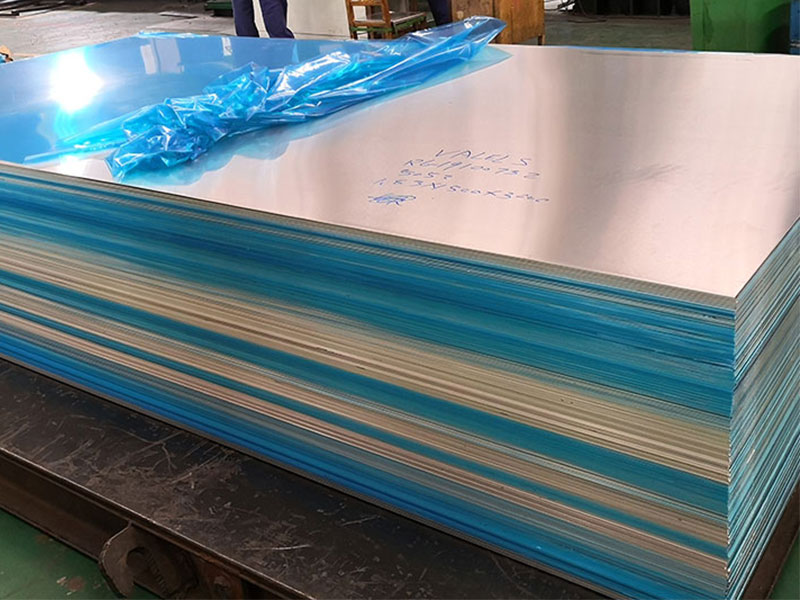
Marine 5059 aluminum sheet
5059 aluminum alloy is a strain-hardened material with a unique addition of magnesium and chromium, which provides outstanding resistance to localized corrosion like pitting and stress corrosion cracking.
View Details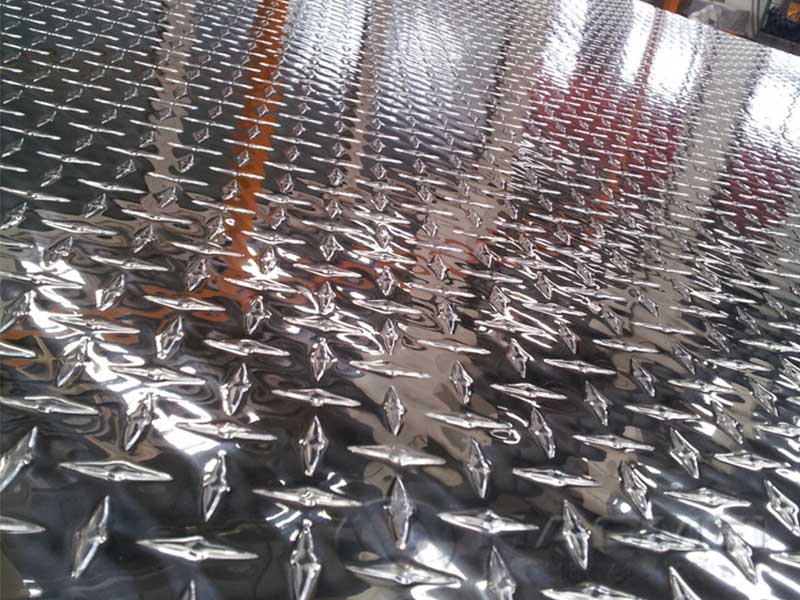
Marine Aluminum Tread Sheets
Marine Aluminum Tread Sheets are aluminum alloy plates featuring a raised surface pattern, commonly referred to as a tread design or diamond plate.
View Details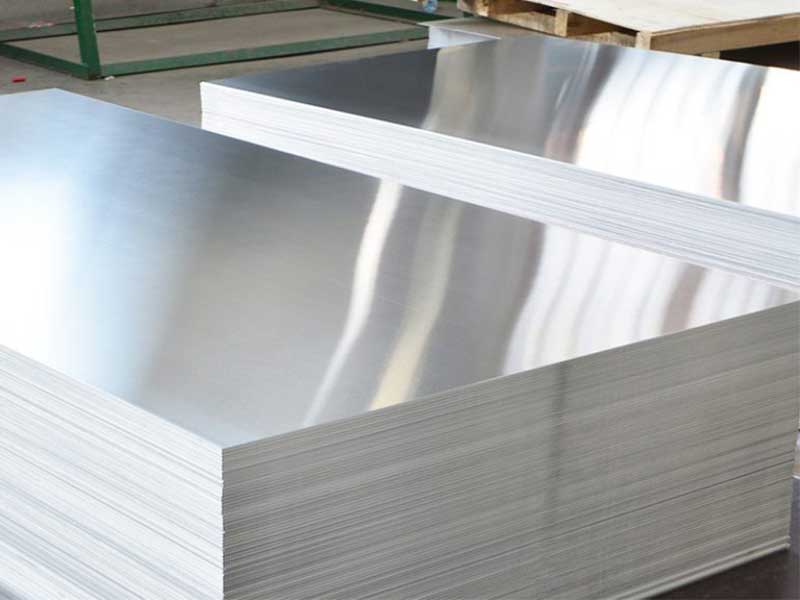
Marine anodized aluminum sheets
Marine Anodized Aluminum Sheets start with premium marine-grade aluminum alloys such as 5000 and 6000 series (typically 5083, 5052, and 6061).
View Details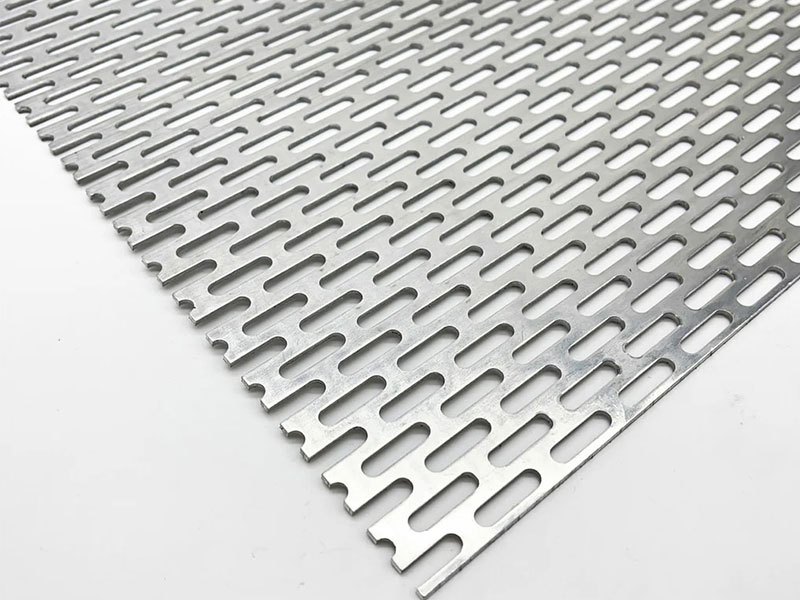
Marine perforated aluminum sheets
Marine Perforated Aluminum Sheets feature a series of uniform holes or shapes punched through the aluminum surface. These perforations can vary in size, pattern, and open area to tailor the sheets for specific applications.
View DetailsRelated Blog
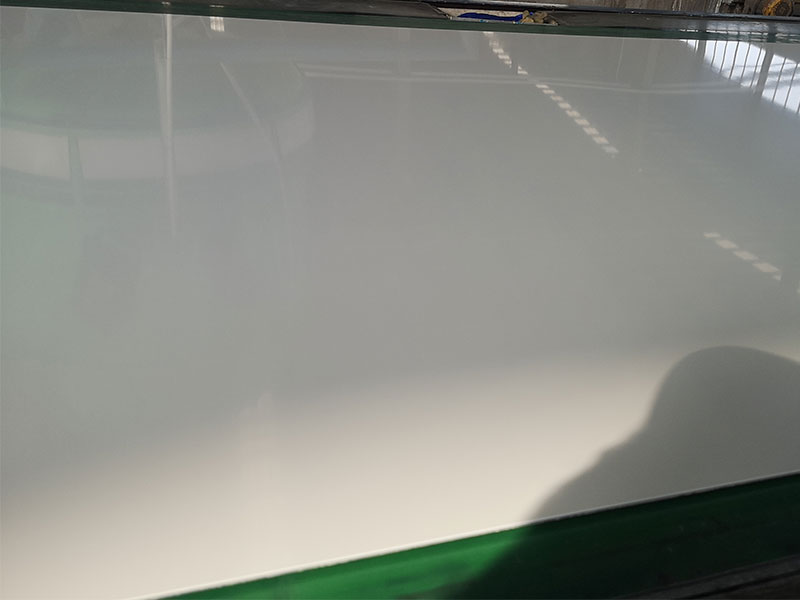
Aluminium sheet for boat
Aluminium sheet for boat construction is one of the most widely used materials in modern marine manufacturing. It combines light weight, high strength, excellent corrosion resistance, and good weldability, making it ideal for hulls, decks, cabins.
View Details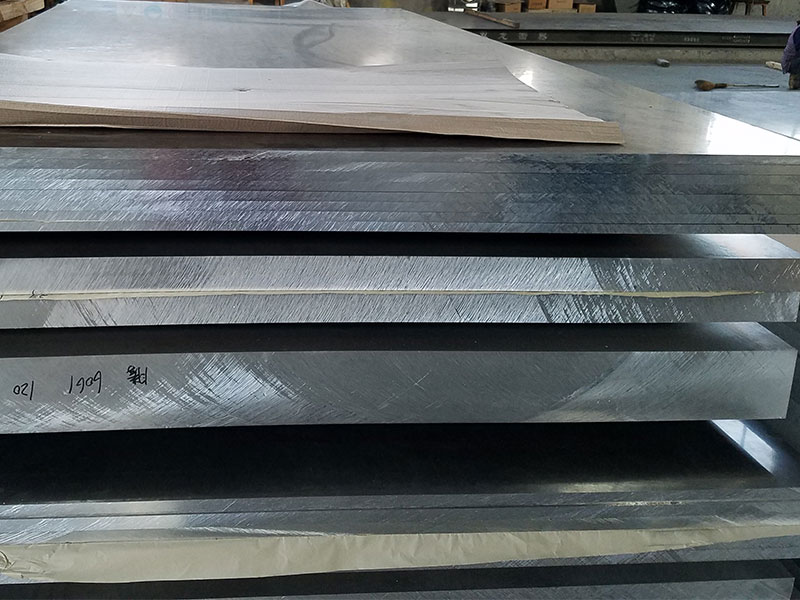
Aluminum coil 5052 H32 1.6mm thick for coated boat
Aluminum coil 5052 H32 1.6mm thick is a premium-material choice widely trusted in marine engineering, particularly for coated boat structures. It offers an excellent balance between strength, corrosion resistance, and workability.
View Details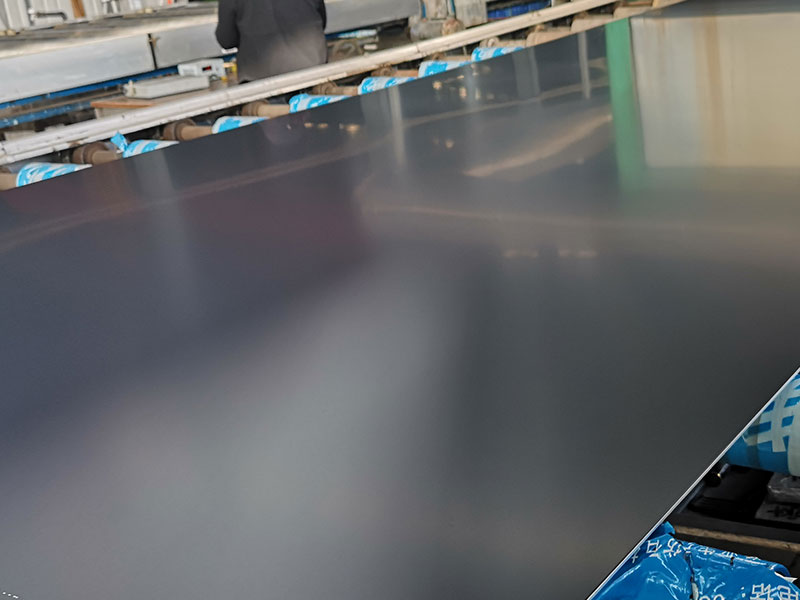
Aluminium Coil Or Sheet For Boat
When it comes to maritime design and construction, selecting materials that balance strength, weight, and corrosion resistance is critical.
View Details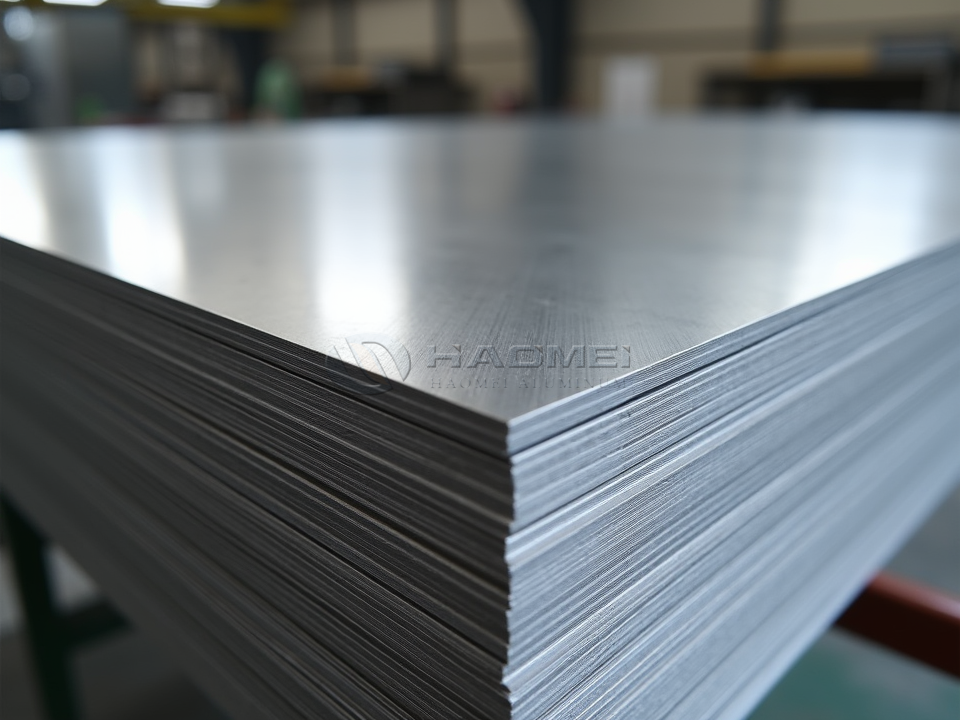
5083 Marine Anodized Aluminum Sheets
5083 marine anodized aluminum sheets combine seawater corrosion resistance, weldability, and durable anodized protection for hulls, decks, and fittings.
View Details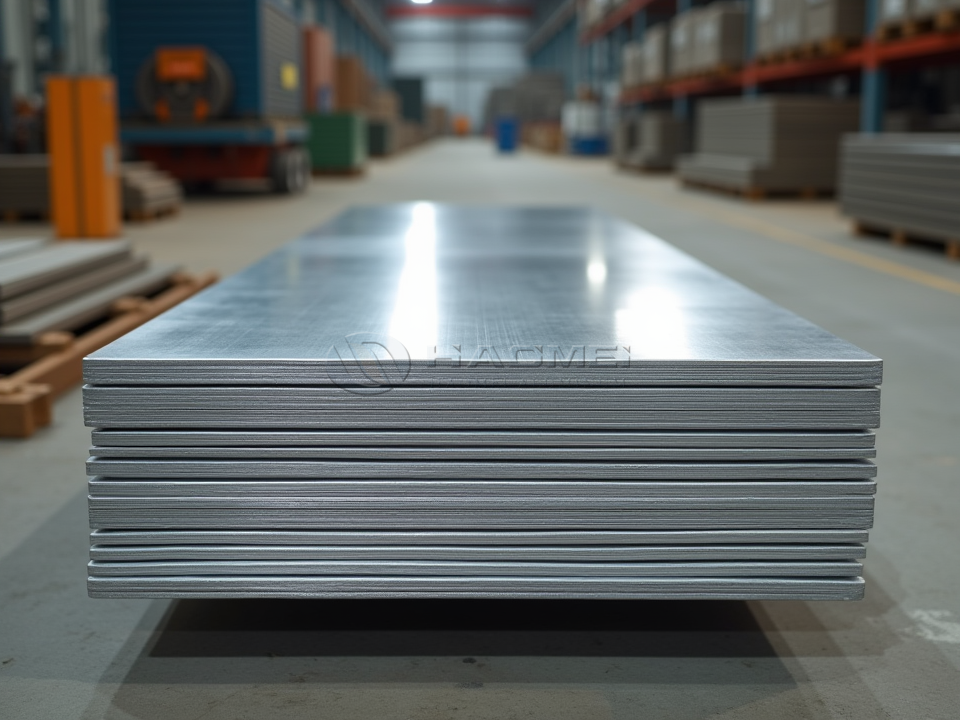
Aluminum Sheet 5083 Marine Grade Cold Rolled Hot
Explore 5083 marine grade aluminum sheet in cold rolled and hot rolled forms, including tempers, standards, chemistry, dimensions, and vessel uses.
View Details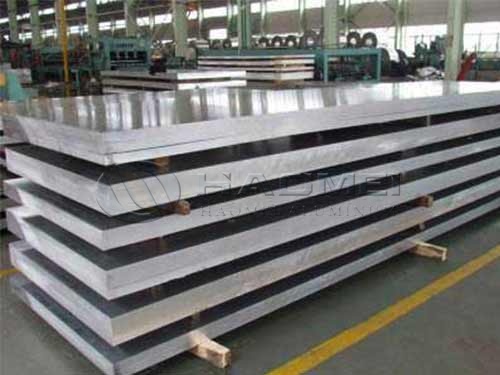
Aluminum Sheets for Shipping Building Boat
Explore marine aluminum sheets for ship and boat construction, including 5052 and 5083 alloys, properties, specifications, fabrication, and uses.
View Details
Leave a Message