
Marine Grade Aluminum Sheet 5052 H0
Marine grade aluminum is often chosen for what happens after purchase, not simply for what appears on a material certificate. On a boatyard floor, sheet metal must bend around frames, accept welds without drama, resist wet salt exposure, and remain presentable after years of service. From that practical viewpoint, marine grade aluminum sheet 5052 H0 is valued less as a catalogue designation and more as a cooperative material for fabrication.
The first point deserves careful attention: the term 5052 H0 should be confirmed before ordering. In aluminum temper language, 5052-O is the widely recognized fully annealed condition. H0 can appear in certain commercial descriptions to indicate an annealed condition after strain hardening, but its exact use may vary by supplier documentation and applicable standard. A buyer should request the mill test certificate, relevant specification, temper notation, thickness tolerance, and chemical composition rather than rely on shorthand alone. For marine work, that paperwork is part of the material, not an afterthought.
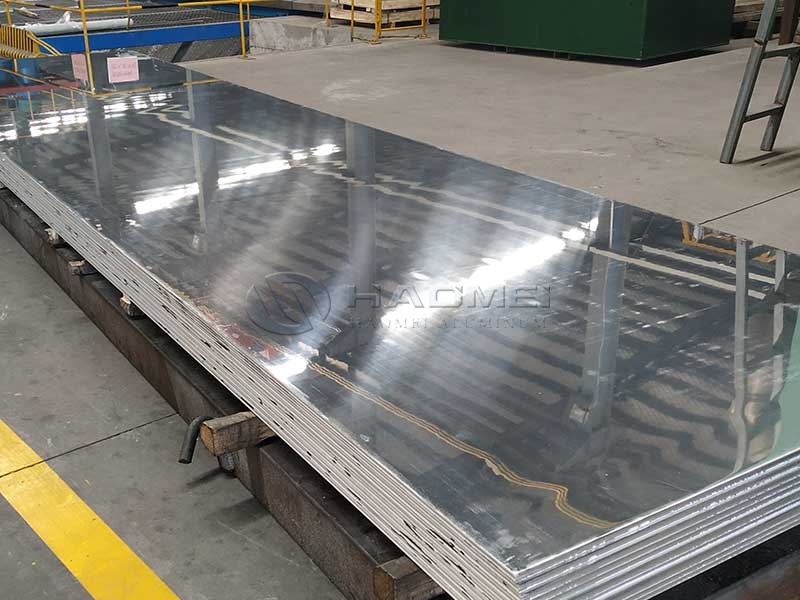
Why 5052 fits marine fabrication
Alloy 5052 belongs to the aluminum-magnesium family. Magnesium gives it substantially better corrosion resistance than many general-purpose aluminum grades, particularly in humid and salt-laden environments. It is not usually selected for the heavily loaded bottom plating of a large vessel, where stronger 5083 or 5086 grades may be preferred. Instead, 5052 earns its place in the wide range of marine parts that demand corrosion resistance, moderate strength, smooth forming, and dependable weldability.
Typical uses include cabin panels, interior partitions, side panels, hatches, lockers, consoles, instrument housings, fuel or utility enclosures where permitted by the design standard, trim components, ducts, splash guards, and fabricated brackets. It is also frequently used where a sheet must be curved, flanged, rolled, or pressed without the cracking risk associated with harder tempers.
A properly specified Marine 5052 aluminum sheet can provide an efficient balance between workshop productivity and long-term marine performance. The advantage is not just resistance to seawater. It is the ability to turn flat stock into real boat components with fewer forming complications.
The soft-temper advantage is felt at the brake press
An annealed 5052 sheet is comparatively soft and highly workable. That is especially useful when fabricators need tight bends, complex curves, deep drawn shapes, or hand-formed sections. Harder tempers such as H32 or H34 offer greater yield strength, but they require more attention to bend radius and forming direction. A soft condition gives the fabricator extra latitude.
This matters on marine projects because small parts rarely stay simple. A hatch surround may need a return flange. A console face may need a gradual compound curve. A locker door may need hems, folded edges, and a clean visual surface. Using a softer 5052 condition can reduce forming marks, minimize edge splitting, and make adjustment easier when fitting parts to an existing hull or cabin.
There is a trade-off. The same softness that supports forming also means lower resistance to dents and distortion. Large unsupported panels can oil-can, particularly when thin sheet is used. Designers can manage this through sensible thickness selection, folded returns, stiffening beads, framing, or bonded reinforcements. Selecting 5052 H0 is therefore a conversation between the designer and the fabricator, not merely a purchasing choice.
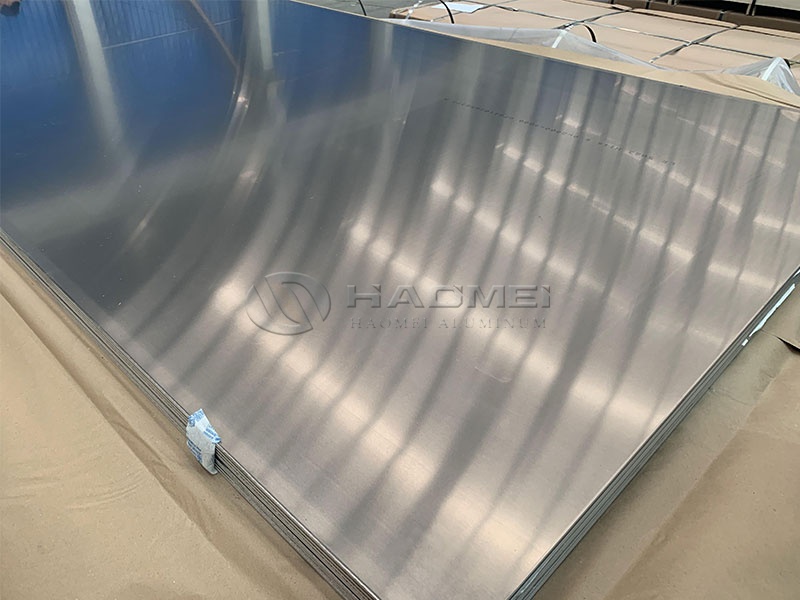
Corrosion resistance depends on details around the sheet
5052 has strong natural resistance to marine exposure, but no aluminum sheet is invulnerable when installation practices are poor. Salt deposits, trapped moisture, dissimilar-metal contact, damaged coatings, and unsealed crevices can create localized trouble. The alloy performs best when the entire assembly is designed to drain, dry, and remain accessible for cleaning.
Avoid direct, wet contact between aluminum and more noble metals such as stainless steel, copper alloys, or carbon steel. Use suitable nonconductive barriers, compatible sealants, washers, or isolation tapes where needed. Fasteners deserve the same attention as the panel itself. A good sheet can still suffer galvanic attack around an unsuitable fastener or under a permanently wet fitting.
Surface finish also matters. Mill finish is often suitable for hidden structures and interior parts. Painted or powder-coated surfaces can improve appearance and add environmental protection when preparation is controlled. For exposed architectural-style marine components, Marine anodized aluminum sheets may be worth considering where the part geometry and forming process suit anodized material. Deep forming should normally be completed before final finishing.
Welding behavior: reliable, but plan for movement
5052 is readily welded by MIG or TIG methods using appropriate filler metals, commonly 5356 or 5556 when compatible with the joining design and service environment. It is a practical alloy for fabricating tanks, enclosures, brackets, and panel assemblies. Cleanliness is essential: remove oxide, oil, moisture, and shop contamination before welding.
The principal challenge is not whether 5052 can be welded. It is controlling heat input and distortion. Soft sheet moves easily under concentrated heat. Long seams should be sequenced carefully, clamped without over-restraining the part, and balanced where possible. Tack placement, weld direction, joint design, and cooling intervals can have a larger effect on final flatness than the nominal sheet thickness.
For cosmetic panels, consider whether a continuous seam is truly necessary. Intermittent welds, bonded-and-riveted construction, or a formed mechanical joint may better preserve a clean surface, depending on the function and applicable marine standards.
Ordering sheet as a fabrication decision
The most useful purchase order describes the job, not only the alloy. State the required thickness, width, length, temper designation, surface condition, applicable standard, protective film requirement, and certification needs. If sheets will be laser cut, mention flatness expectations. If they will be polished or painted, request a surface suitable for visible use. If they are being formed into large panels, discuss grain direction and bend requirements with the supplier.
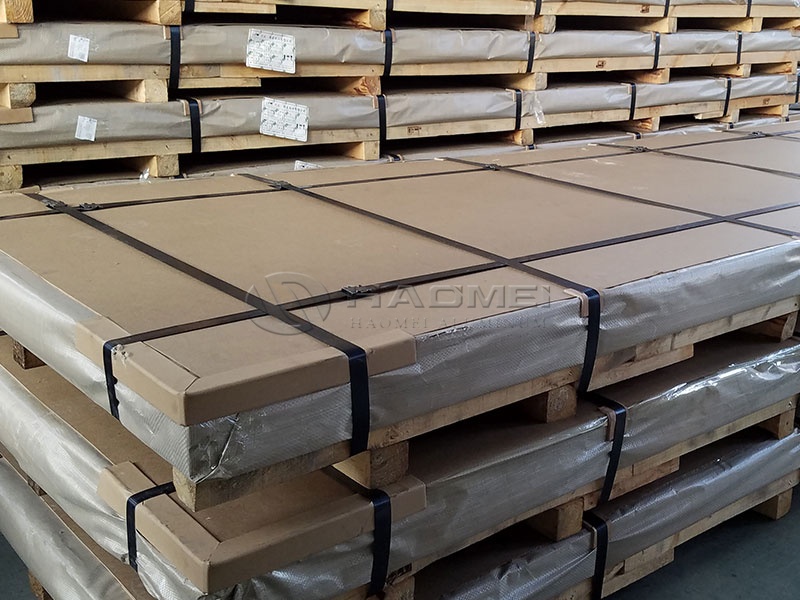
Packaging is equally practical. Bare aluminum can be scratched by careless stacking, contaminated by steel dust, or stained by moisture trapped in transit. Sheets should be dry, supported, separated where necessary, and protected from contact with carbon steel. For coastal workshops, storing material off the floor and under breathable cover is a simple habit that prevents needless surface damage.
Where 5052 H0 stands among marine alloys
5052 H0 is not a substitute for every marine plate. When a hull shell, high-load structure, or class-controlled application demands higher strength and specially qualified corrosion performance, 5083 or 5086 may be the more appropriate route. Yet choosing a stronger alloy for every component can raise forming difficulty, cost, and fabrication time without improving the finished boat.
The practical value of 5052 in a soft annealed condition is its willingness to become the part you designed. It bends readily, welds well, resists ordinary marine exposure, and supports clean fabrication when thickness and reinforcement are correctly matched to the job. For cabins, fittings, enclosures, formed sheet details, and many non-primary structural components, marine grade aluminum sheet 5052 H0 remains a highly capable workshop material.
The best result begins with one disciplined question: what must this panel do after it leaves the sheet rack? When that answer includes forming freedom, corrosion resistance, weldability, and manageable cost, 5052 H0 becomes a well-judged choice.

Related Products
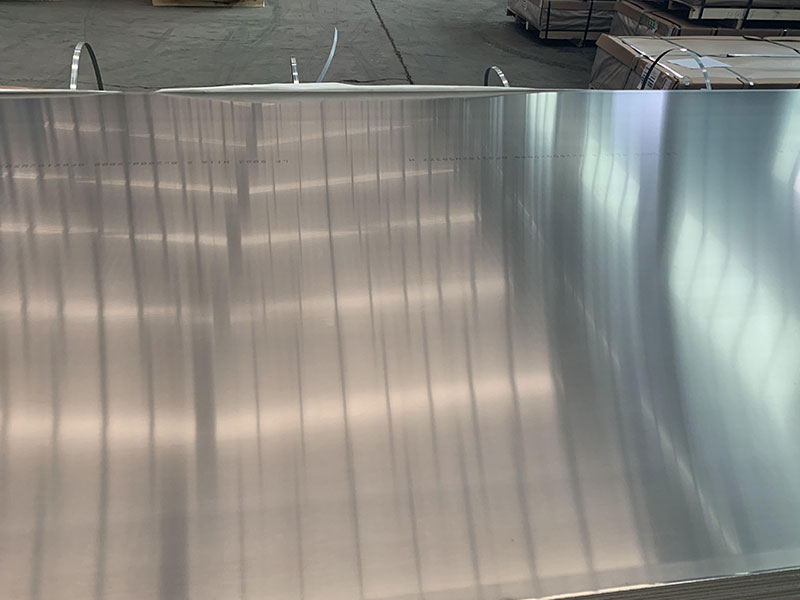
Marine 5383 aluminum sheet
5383 aluminum is a strain-hardened, non-heat-treatable alloy from the 5xxx series primarily alloyed with magnesium. It exhibits a unique balance of corrosion resistance and mechanical properties particularly suited for marine applications.
View Details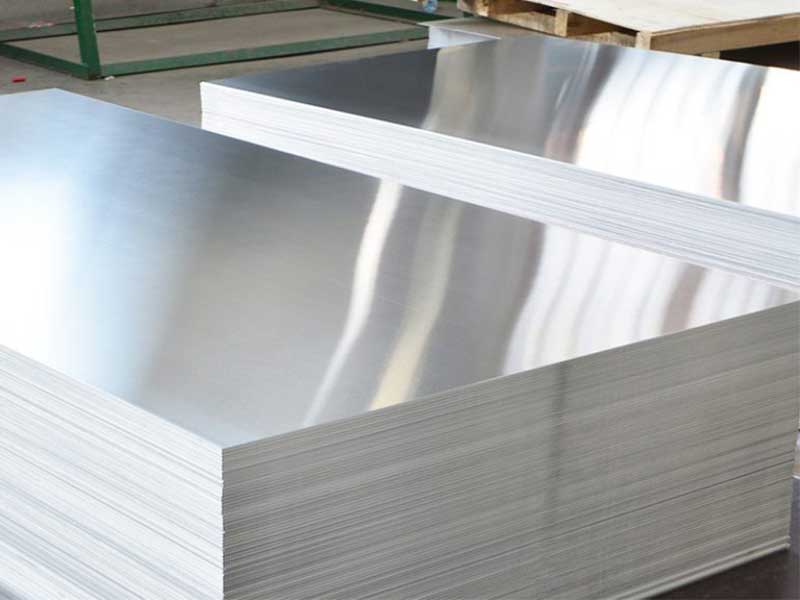
Marine anodized aluminum sheets
Marine Anodized Aluminum Sheets start with premium marine-grade aluminum alloys such as 5000 and 6000 series (typically 5083, 5052, and 6061).
View Details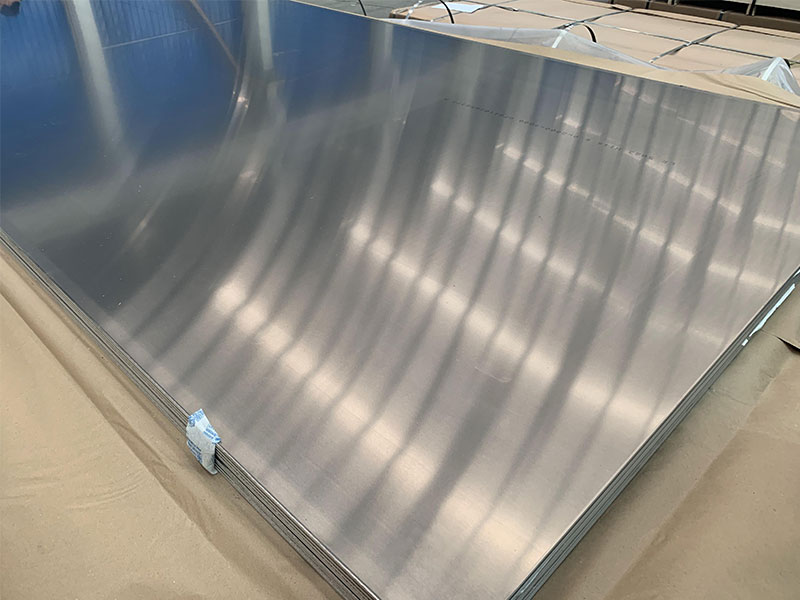
Marine 5052 aluminum sheet
Aluminum alloy 5052 is a non-heat-treatable, strain-hardened alloy with magnesium as the primary alloying element. It is designed to offer superior corrosion resistance in marine and saline environments, making it a dependable choice for components exposed directly to seawater or coastal atmospheric conditions.
View Details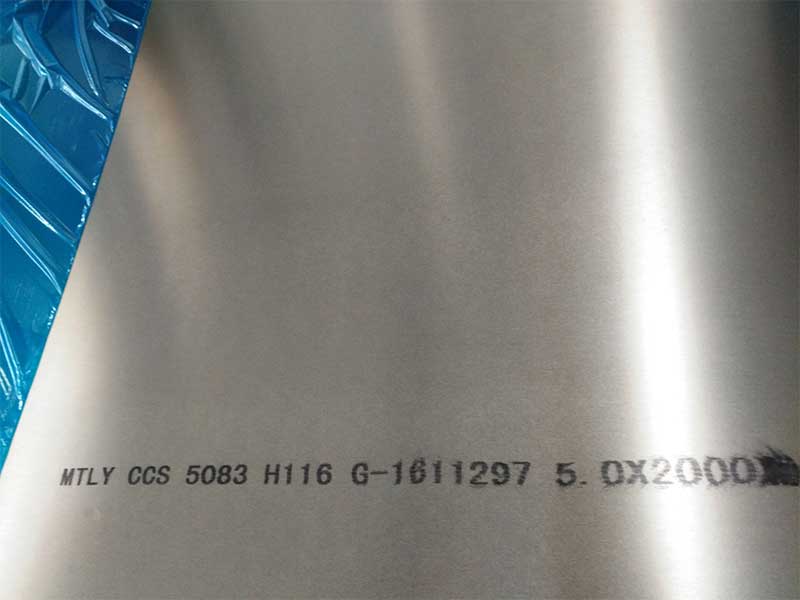
Marine 5083 aluminum sheet
Aluminum alloy 5083 is a non-heat-treatable alloy primarily composed of magnesium and trace elements that deliver outstanding protection against corrosion, particularly in seawater and saline atmospheres.
View Details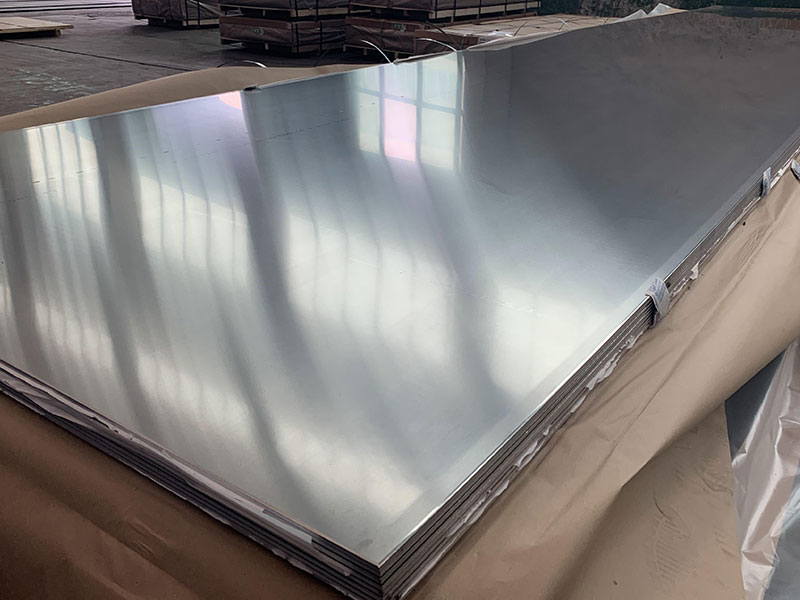
Marine 5086 aluminum sheet
This product article provides an in-depth and comprehensive understanding of Marine 5086 Aluminum Sheets, including their chemical composition, mechanical properties, corrosion resistance, fabrication capabilities, and typical marine applications.
View Details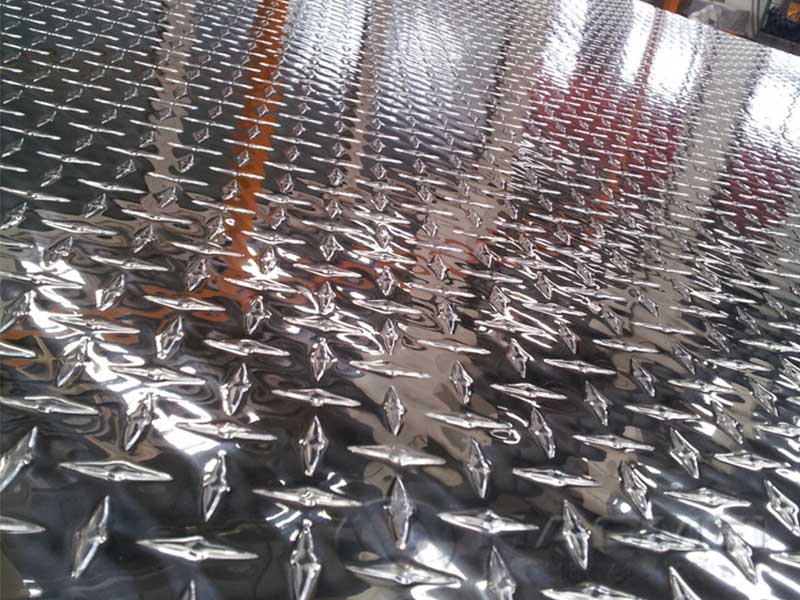
Marine Aluminum Tread Sheets
Marine Aluminum Tread Sheets are aluminum alloy plates featuring a raised surface pattern, commonly referred to as a tread design or diamond plate.
View DetailsRelated Blog
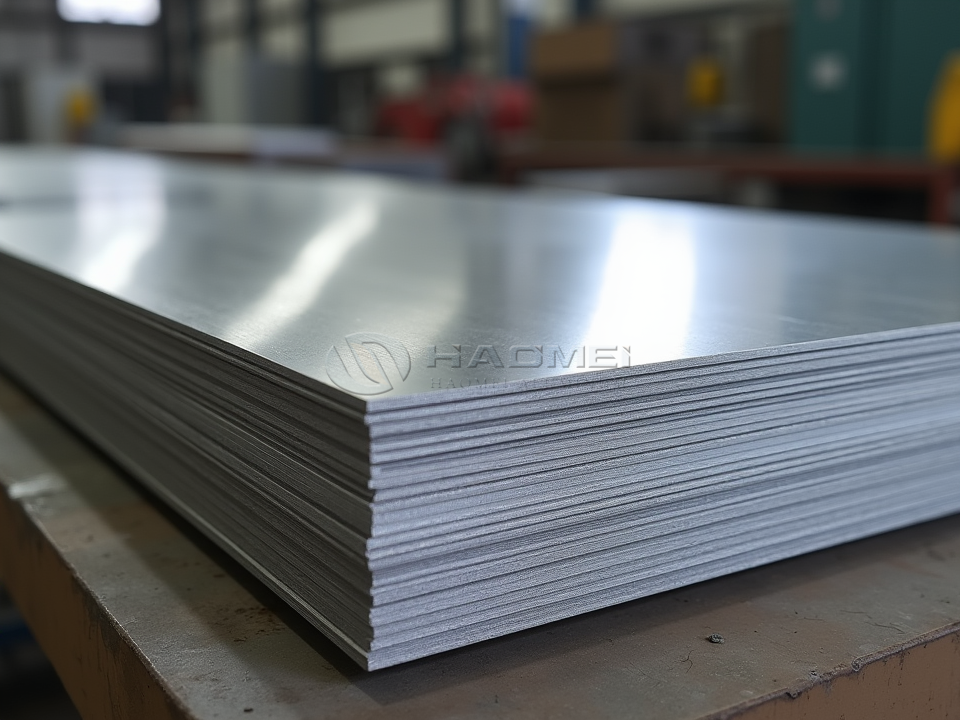
Ship Building Aluminum Plate 5083 H116 For Boat
5083 H116 ship building aluminum plate for boat hulls, covering standards, temper, properties, chemical composition, sizes, welding, corrosion and use.
View Details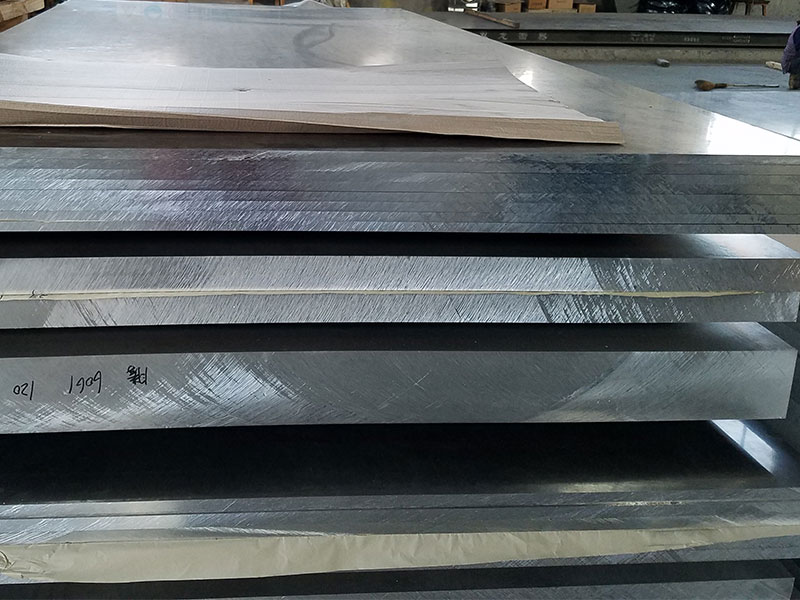
Marine aluminum 5083
In-depth insights into Marine Aluminum 5083, its chemical composition, mechanical properties, temper conditions, and why it stands as the premier alloy for marine and offshore structural applications.
View Details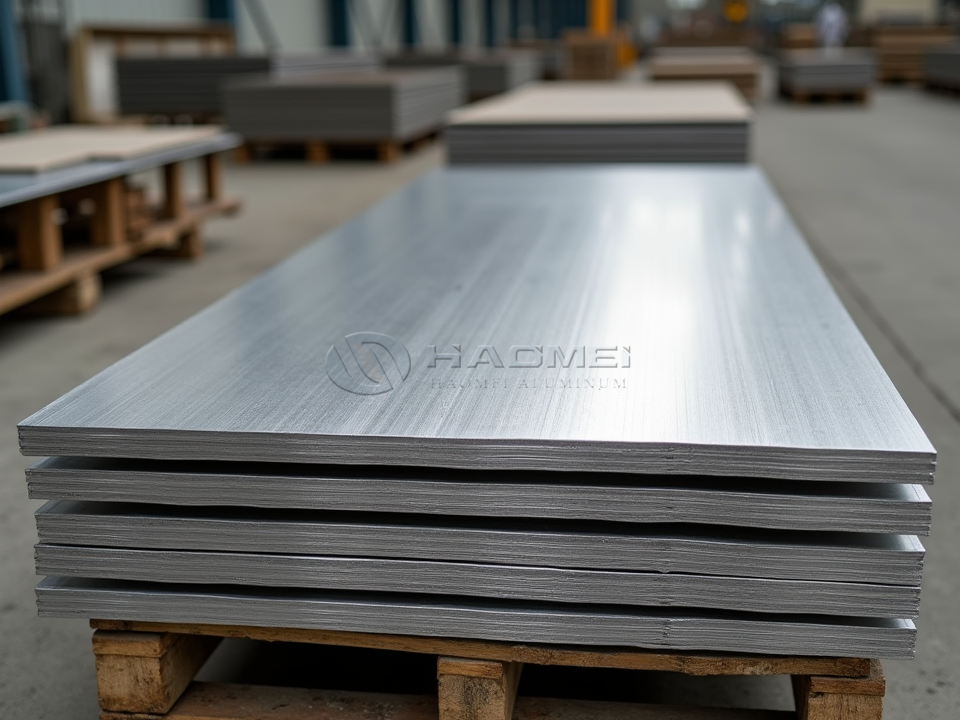
5083 Marine Aluminum Tread Sheets
5083 marine aluminum tread sheets deliver grip, corrosion resistance, weldability, and reliable deck performance for boats and offshore platforms.
View Details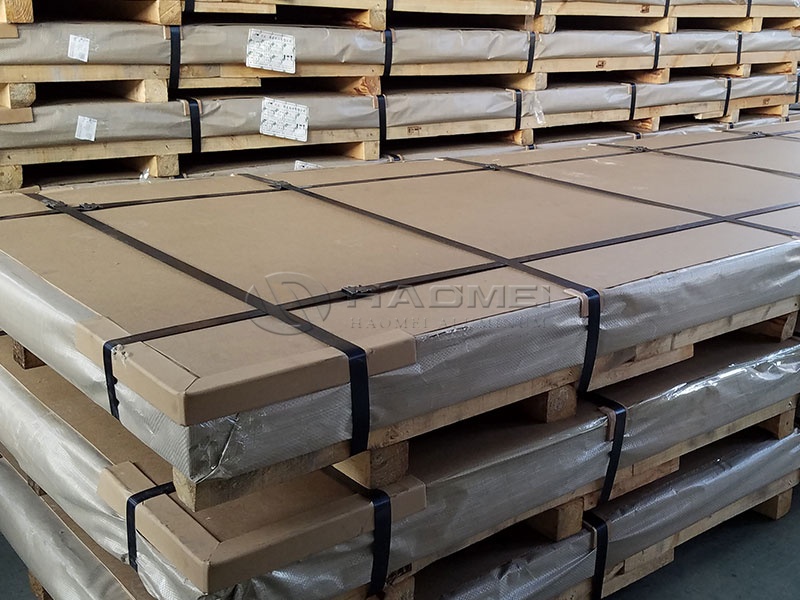
Alloy 6082 T3 T4 T5 Marine Grade Aluminium Alloy Sheet
Explore 6082 T3, T4 and T5 marine aluminium sheet, including chemistry, strength, corrosion behavior, fabrication guidance, applications and detailed purchasing advice.
View Details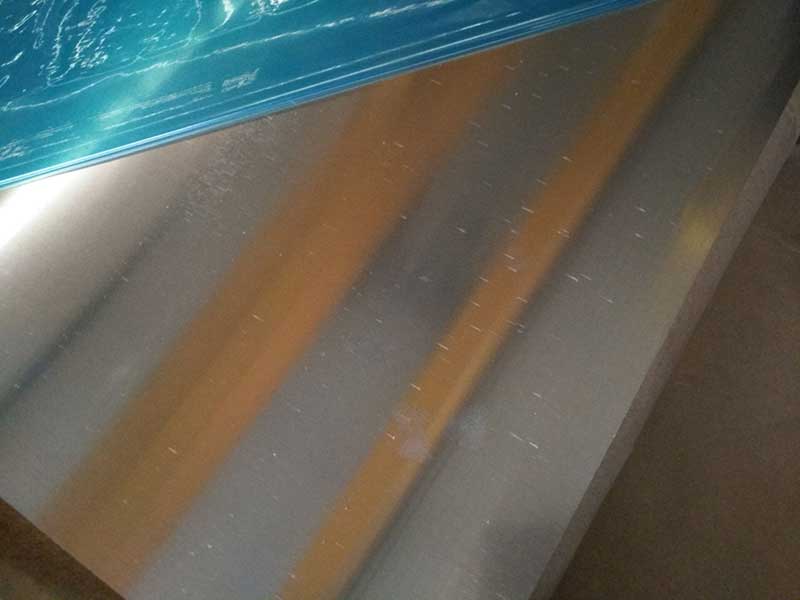
Aluminium sheet for ship building
Aluminium sheet for ship building is engineered to deliver a rare combination of light weight, corrosion resistance, high specific strength, and excellent fabricability in harsh marine environments.
View Details
5052 5083 Aluminum coil for boat yacht
Marine structures live in a harsh world: salt spray, cyclic loading from waves, temperature swings, and constant exposure to moisture.
View Details
Leave a Message