
6061 Marine Aluminum Fencing and Railings for Heavy Duty Coastal Property Barriers
A coastal property barrier is not just a fence. Near the water, it becomes part windbreak, part safety rail, part boundary marker, and part long-term maintenance decision. It faces salt mist before breakfast, sand abrasion by noon, and shifting humidity after sunset. That is why 6061 marine aluminum fencing and railings deserve attention from homeowners, resorts, marinas, boardwalk operators, and waterfront developers who need more than a decorative line around a property.
The best way to understand 6061 aluminum in this role is to think like a boat builder. Marine hardware survives because it is light, stiff, corrosion-aware, and easy to inspect. A coastal barrier should follow the same logic. Instead of treating fencing as a static object, treat it as exposed exterior equipment that must handle wind, people, moisture, impact, and years of sunlight.
Why 6061 Feels at Home Beside the Water
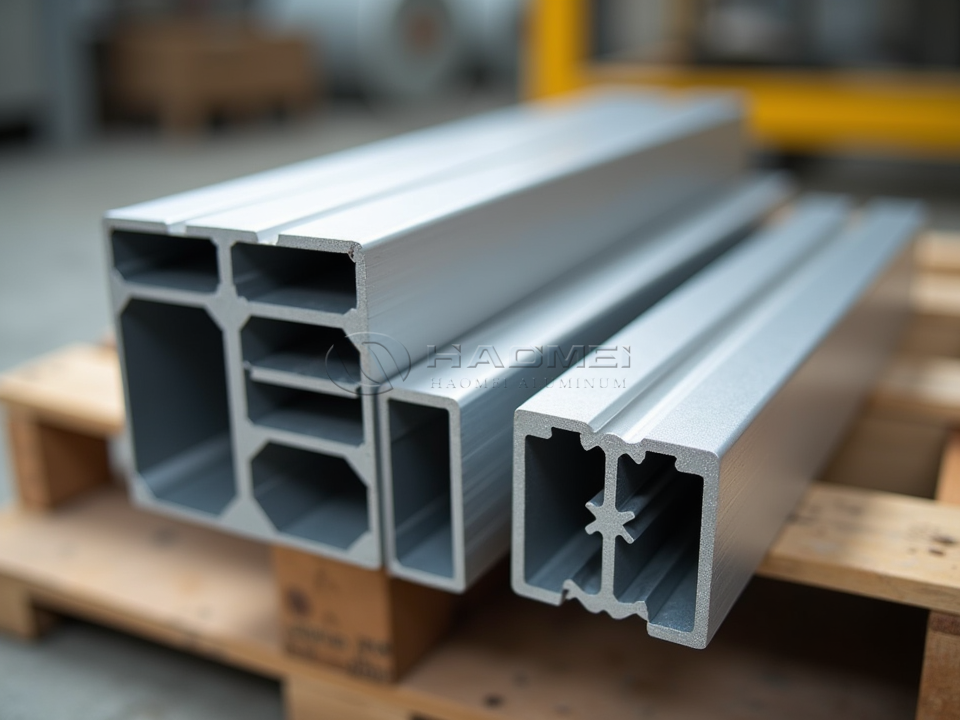
6061 aluminum is widely used in marine and structural applications because it offers a practical mix of strength, machinability, weldability, and corrosion resistance. In T6 temper, it has enough mechanical performance for posts, rails, gates, brackets, and reinforced barrier frames while remaining much lighter than steel.
Weight matters more than many coastal property owners expect. Heavy steel barriers require more labor, larger handling equipment, and stronger foundations. A 6061 marine aluminum railing system reduces installation burden while still allowing solid wall thicknesses, reinforced corners, and wide-span designs. For seawalls, docks, raised decks, and elevated walkways, less dead load can be a real advantage.
Corrosion resistance is another reason 6061 works well in shoreline environments. Aluminum naturally forms a protective oxide layer. With proper surface finishing, drainage design, and fastener selection, that protection becomes far more reliable. Powder coating, anodizing, or marine-grade paint systems can help resist salt spray and keep the barrier looking clean for years.
For buyers comparing materials, Marine Grade Aluminum Profiles are often the better starting point than standard architectural profiles because the design expectations are different. Coastal parts need drainage paths, smoother edges, compatible hardware, and enough section strength to resist vibration and wind load.
A Barrier Is a System, Not Just a Rail
One of the most common mistakes in coastal fencing is focusing only on the visible rail. The rail may look strong, but the real service life often depends on the joints, bases, welds, anchors, and coating preparation.
A 6061 aluminum barrier performs best when the post-to-base connection is designed as a structural node. Coastal wind does not push gently. It pulses. Gates slam. People lean on rails. Maintenance carts bump posts. Sand and salt collect where water cannot escape. A good design avoids hidden pockets, sharp crevices, and flat ledges that trap moisture.
For heavy duty coastal property barriers, hollow extrusions can be shaped with internal ribs, thicker bearing walls, rounded corners, and concealed channels. These features allow the fence to look clean while carrying serious load. The same approach is common in marine handrails and dock equipment, where profiles are not chosen only for appearance but for stiffness, grip, and durability.
The Shoreline Test: Salt, Sand, Wind, and Touch
Coastal barriers fail in ways that inland fences rarely experience. Salt spray can settle on horizontal surfaces and concentrate as water evaporates. Wind-driven sand can slowly dull coatings. Stainless fasteners may create galvanic corrosion if they are installed without isolation. Even sunscreen, cleaning chemicals, and pool water can affect finishes around resorts and beachfront homes.
This is where details make the difference. Use compatible fasteners, often 316 stainless steel with nylon, EPDM, or other isolating washers where appropriate. Avoid direct contact between aluminum and copper-containing materials. Provide weep holes or open-ended drainage where water might collect. Specify coating thickness clearly, especially for powder coating in marine exposure.
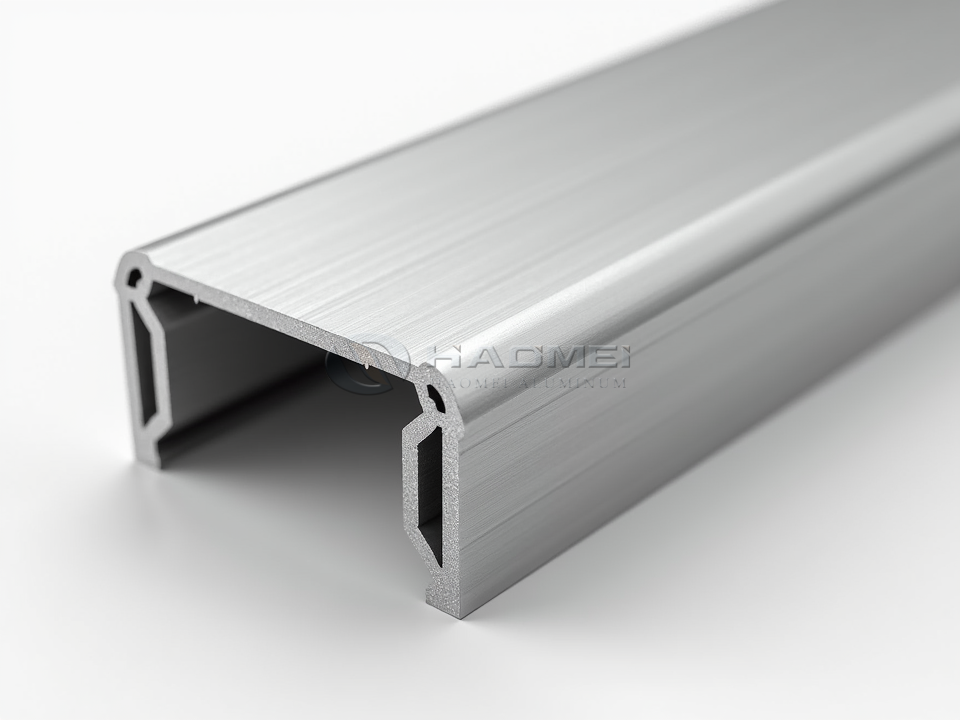
Touch is also important. Railings are handled constantly. A round or softly radiused 6061 profile feels safer and more comfortable than a sharp-edged section. For public areas, smooth transitions and burr-free fabrication reduce snagging and improve visitor experience. For private properties, they give the barrier a refined finish without sacrificing strength.
When 6061 Beats Steel for Coastal Boundaries
Steel can be strong, but near the ocean it often demands a cycle of blasting, priming, repainting, rust treatment, and inspection. Hot-dip galvanizing helps, but cut edges, weld repairs, and scratches remain concerns. Stainless steel is attractive, yet cost and tea staining can be issues in salty air.
6061 aluminum offers a different value equation. It does not rust red. It is easier to fabricate into custom shapes. It reduces transportation and installation weight. It can be cut, drilled, welded, machined, and finished with good consistency. If a damaged section needs replacement, modular aluminum barriers can often be repaired faster than welded steel fencing.
That does not mean 6061 is magic. It still needs proper engineering. In high-wind zones, post spacing, wall thickness, anchoring depth, and local building codes must guide the design. For pool areas, guardrails, balconies, stair edges, or public walkways, safety standards should be checked before production. The material is capable, but the layout must respect the site.
Custom Profiles Turn a Fence Into Coastal Infrastructure
A beachfront estate may need privacy fencing, while a marina may need open railings that preserve sightlines. A resort may want decorative top rails, integrated lighting channels, and removable gate sections for equipment access. A seawall walkway may need a compact handrail profile with high stiffness and easy cleaning.
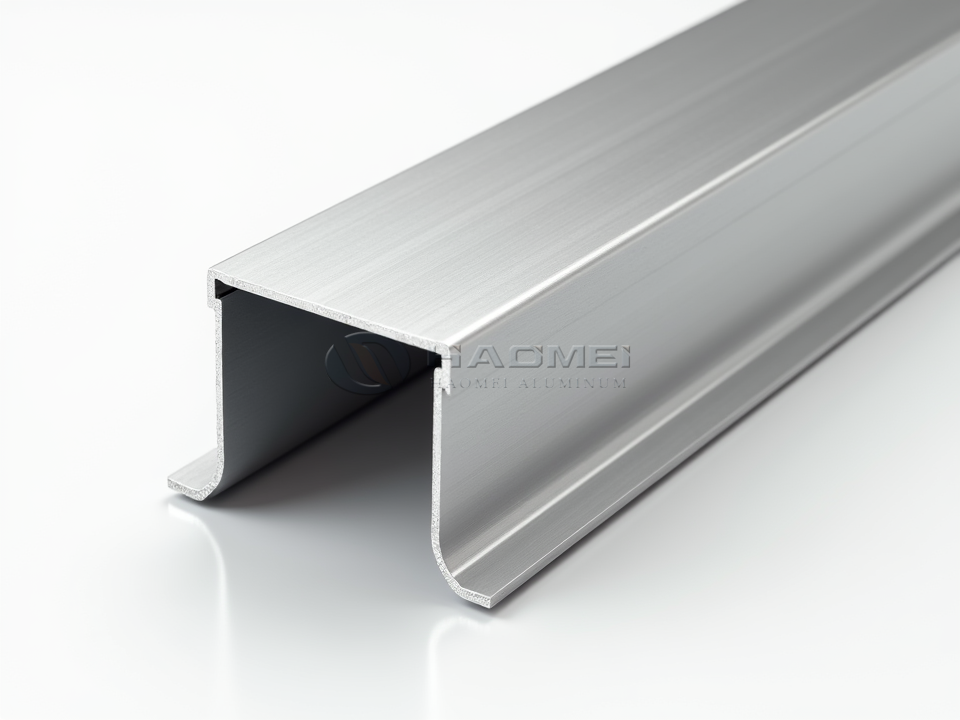
This is where extrusion design becomes valuable. With Marine aluminum customized shapes, designers can create post caps that shed water, rail profiles that hide fasteners, base trims that protect anchors, and channels that accept glass, cable, mesh, or picket infill. The result is not just a fence made from aluminum, but a purpose-built coastal barrier.
Custom shapes can also reduce assembly time. Instead of welding every bracket on site, a profile can include screw ports, alignment grooves, gasket seats, or internal webs. This improves repeatability and helps contractors install long barrier runs with cleaner joints.
Surface Finish: The First Line of Defense People Actually See
For 6061 marine aluminum fencing and railings, surface finish is both protection and presentation. Mill finish may be suitable for some utility areas, but most coastal properties benefit from anodizing or powder coating. Anodizing enhances the oxide layer and gives a metallic appearance. Powder coating provides color choices and a thicker decorative barrier.
Preparation is critical. Clean extrusion, proper pretreatment, controlled coating thickness, and careful curing all affect performance. In coastal environments, light colors may hide salt residue better and stay cooler under strong sun. Dark colors can look elegant, but they may show mineral deposits and surface dust sooner.
Maintenance should be simple but consistent. Rinse with fresh water, especially after storms. Use mild soap rather than harsh alkaline or acidic cleaners. Inspect joints and fasteners seasonally. Remove leaves, sand, and debris from base plates. This small routine can add years to the service life of the system.
Practical Buying Questions Before Ordering
Customers should not begin only with style. Start with exposure. Is the barrier directly facing breaking surf, or is it several streets inland? Is it mounted on concrete, timber, composite decking, or aluminum dock framing? Will it support glass panels, cable infill, mesh, or vertical pickets? Does the area need pedestrian safety, vehicle separation, privacy, or storm-season removability?
Wall thickness and profile geometry should match the job. A decorative garden fence near the coast is not the same as a heavy duty perimeter barrier along a seawall. Ask for material temper, finish specification, welding method if applicable, and recommended fastener system. If gates are involved, hinge loads and latch alignment deserve extra attention because moving parts reveal weak design faster than fixed rails.
A Smarter Edge for Coastal Property
6061 marine aluminum fencing and railings suit coastal barriers because they combine structural confidence with low upkeep and design flexibility. They can look polished around a luxury villa, practical around a marina, or rugged along a waterfront service path. Their real strength is not only in the alloy, but in the way the alloy supports smarter profiles, cleaner connections, and long-term resistance to salt air.
For customers planning a heavy duty coastal property barrier, the right question is not simply, "Will this fence stand today?" It is, "Will this barrier still look intentional, safe, and serviceable after years of wind, salt, sun, and use?" With well-designed 6061 marine aluminum, the answer can be yes.

Related Products
Marine aluminum customized shapes
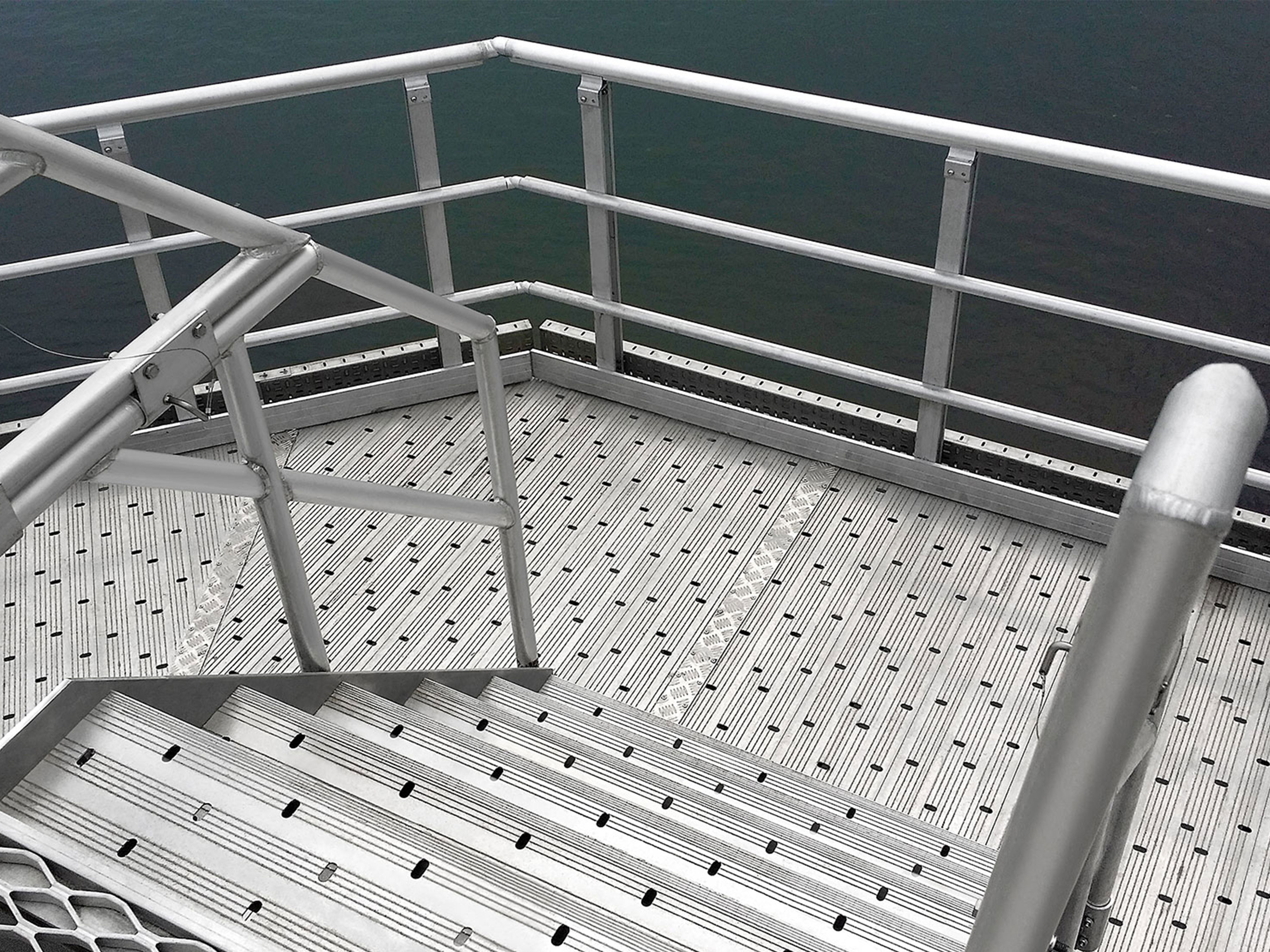
Marine Grade Aluminum Customized Shapes encompass a broad range of aluminum extrusions and fabrications engineered beyond standard profiles—such as channels, angles, tubes, and beams—into complex, project-specific geometries.
View Details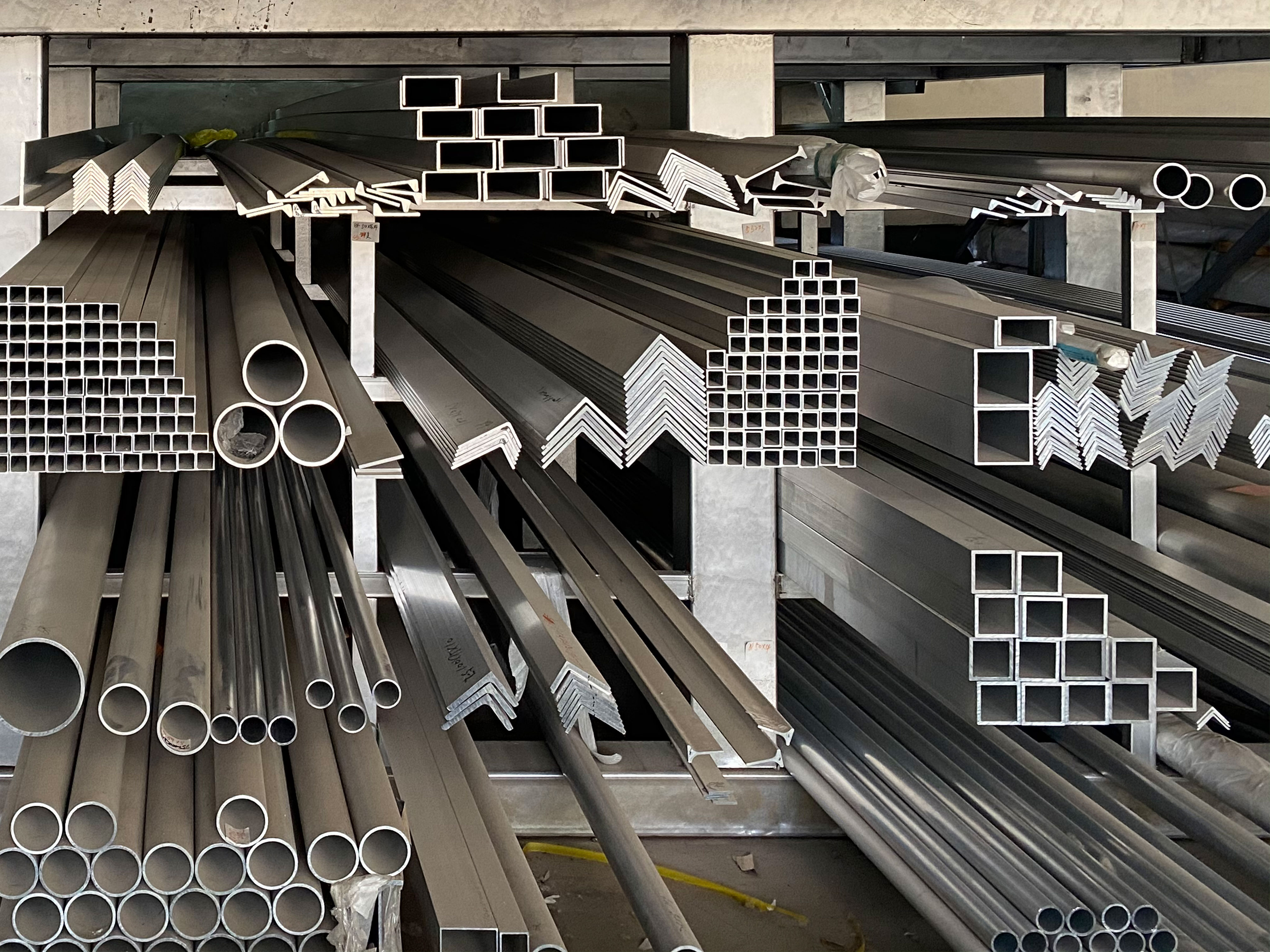
Marine aluminum fencing and railings
Marine Grade Aluminum Fencing and Railings are fabricated using marine-grade aluminum alloys such as 5083, 5052, and 6061, which are engineered specifically for protection against saltwater corrosion and marine atmospheric conditions.
View Details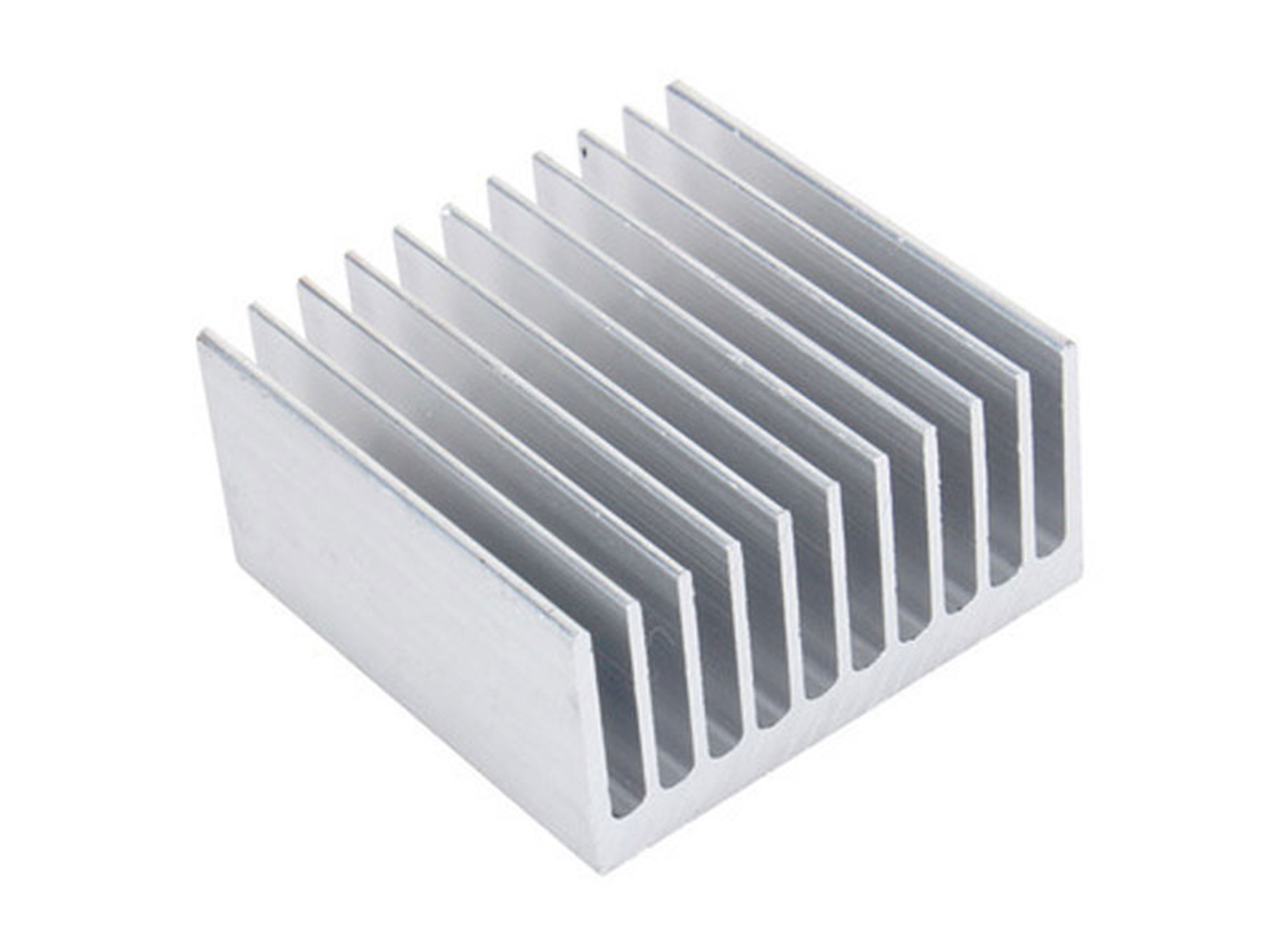
Marine aluminum heat sink profile
Marine Grade Aluminum Heat Sink Profiles utilize alloys such as 6061 and 6063 that not only exhibit high thermal conductivity but also possess excellent corrosion resistance required for saltwater exposure.
View DetailsRelated Blog
Marine Aluminum Customized Shapes for Custom Offshore Vessel Structural Parts
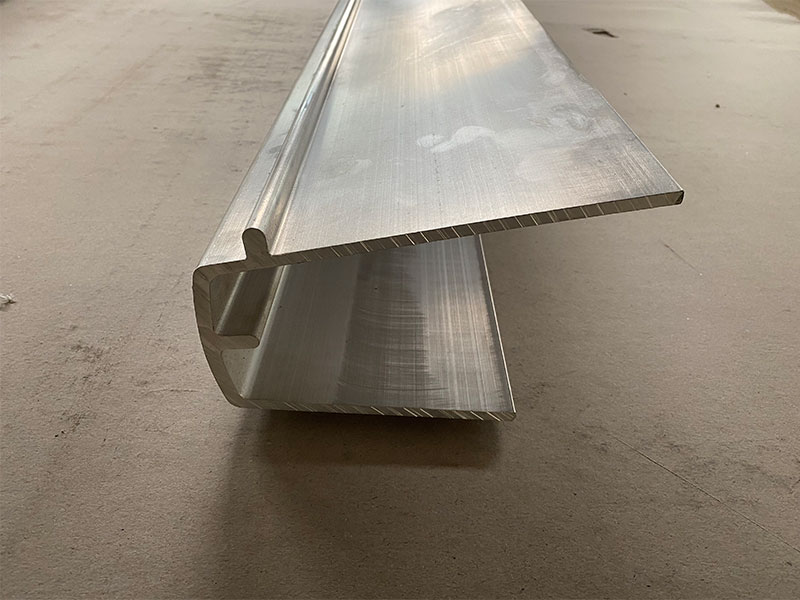
Manufacturing custom offshore vessel structural parts demands materials that combine exceptional strength, corrosion resistance, and ease of fabrication under challenging marine environments.
View Details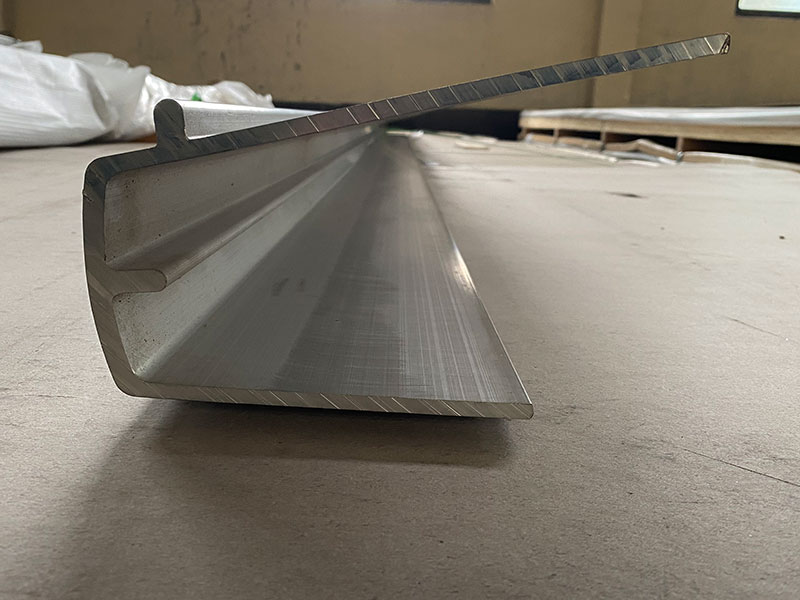
6061 Marine Aluminum Fencing and Railings for Custom Coastal Deck and Barrier Solutions
6061 marine aluminum fencing and railings offer a smart balance of corrosion resistance, strength, clean appearance, and fabrication flexibility for coastal decks, docks, walkways, balconies, pool surrounds, and perimeter barriers.
View Details
6061 Marine Aluminum Customized Shapes for Efficient Coastal Engineering Projects
6061 Marine Aluminum is a premium-grade aluminum alloy recognized for its exceptional corrosion resistance, mechanical strength, and versatility in coastal engineering.
View Details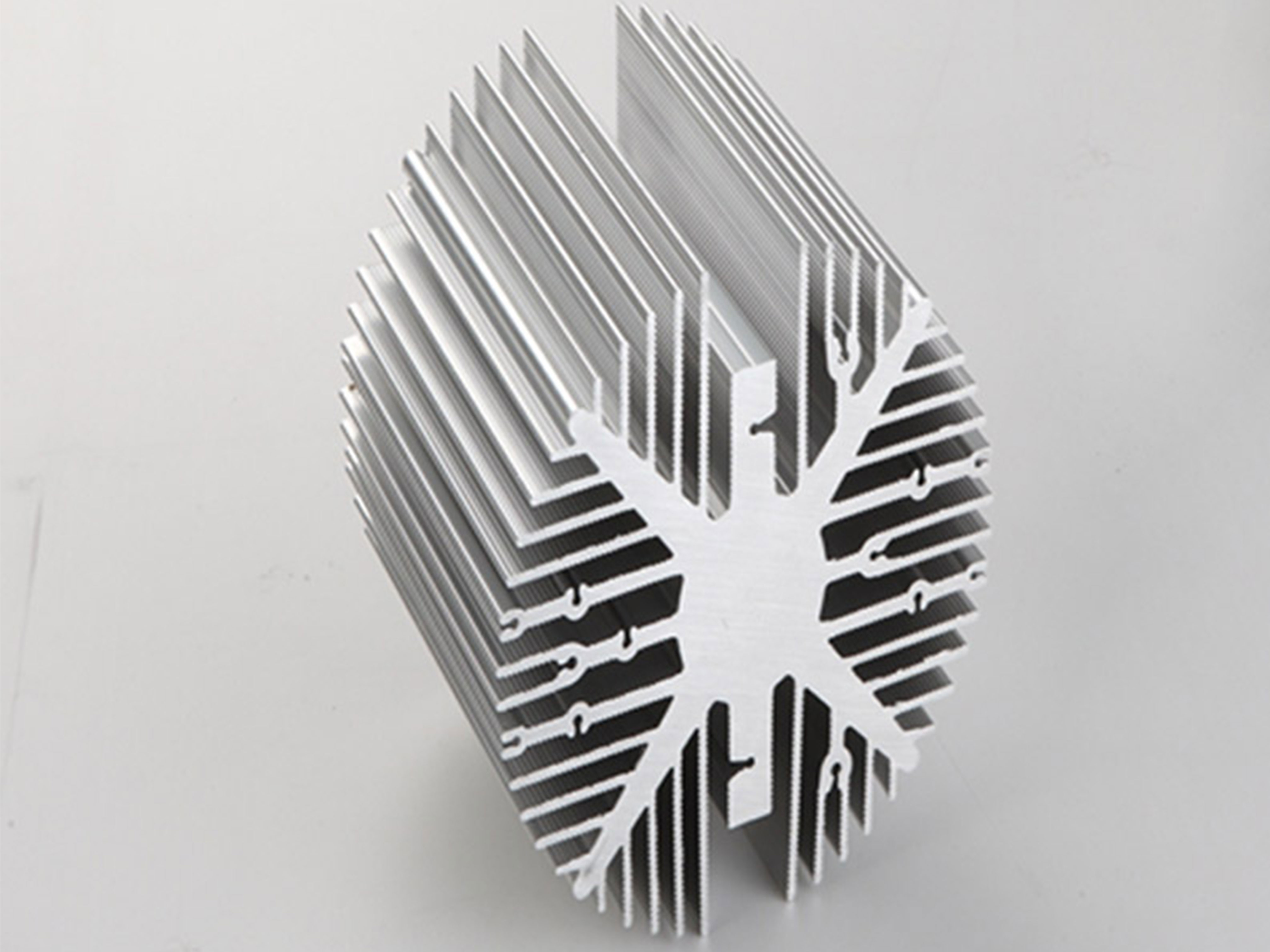
6061 Marine Aluminum Heat Sink Profile for Coastal Ship Electronics Cooling
Coastal vessels run electronics in some of the harshest everyday environments: salt-laden air, high humidity, frequent temperature swings, and continuous vibration.
View Details
6061 Marine Aluminum Customized Shapes for Lightweight Offshore Deck Solutions
In the realm of offshore engineering, performance materials dramatically impact the longevity, safety, and efficiency of marine structures. 6061 Marine Aluminum alloys, particularly when fabricated into customized shapes.
View Details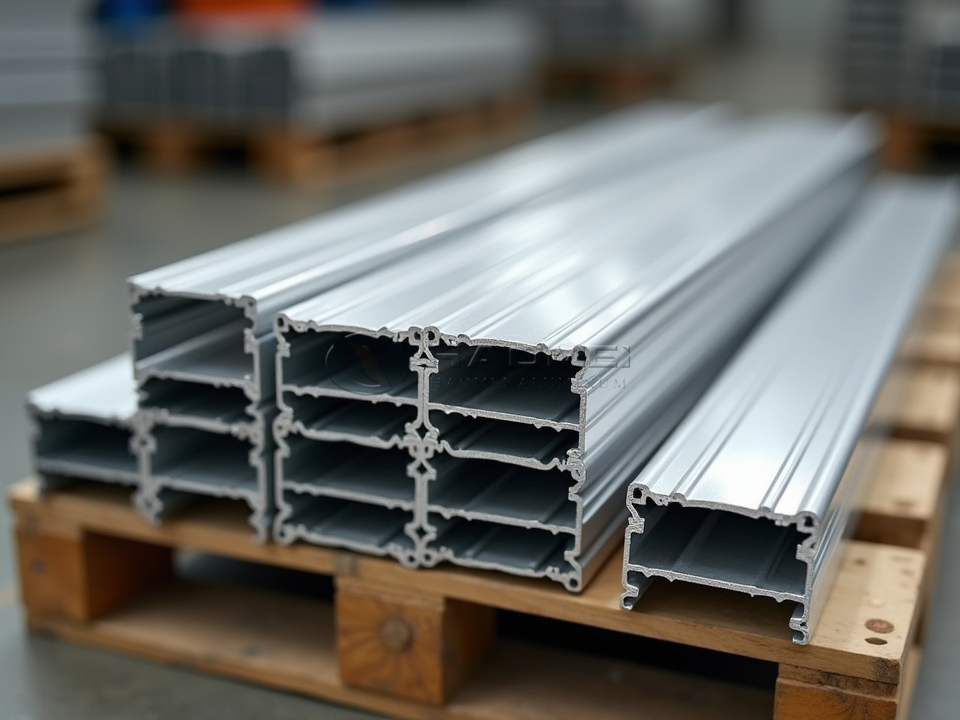
Marine Aluminum Heat Sink Profile for Seawater Proof Marine Engine Heat Dissipation
Marine aluminum heat sink profiles combine efficient finned cooling with alloy, temper, coating, and galvanic-isolation choices for seawater engine rooms reliability.
View Details
Leave a Message