
5083 Marine Aluminum Fencing and Railings for Offshore Vessel Deck Railing Solutions
On an offshore vessel, a railing is not just a line around the deck. It is the last calm structure between moving crew, wet boots, wind pressure, rolling waves, and heavy equipment in motion. This is why 5083 marine aluminum fencing and railings are often chosen for deck railing solutions where strength, corrosion resistance, weldability, and weight control must work together without drama.
5083 aluminum belongs to the Al-Mg series and is widely used in shipbuilding because it performs well in seawater without needing heat treatment for strength. Its magnesium-rich composition gives it excellent resistance to marine corrosion, especially when supplied in proper marine tempers such as H116 or H321. For offshore deck railings, this means the material can survive salt spray, washdown water, humid air, and repeated temperature changes while keeping the railing system lighter than stainless steel.
Why 5083 Feels Right on an Offshore Deck
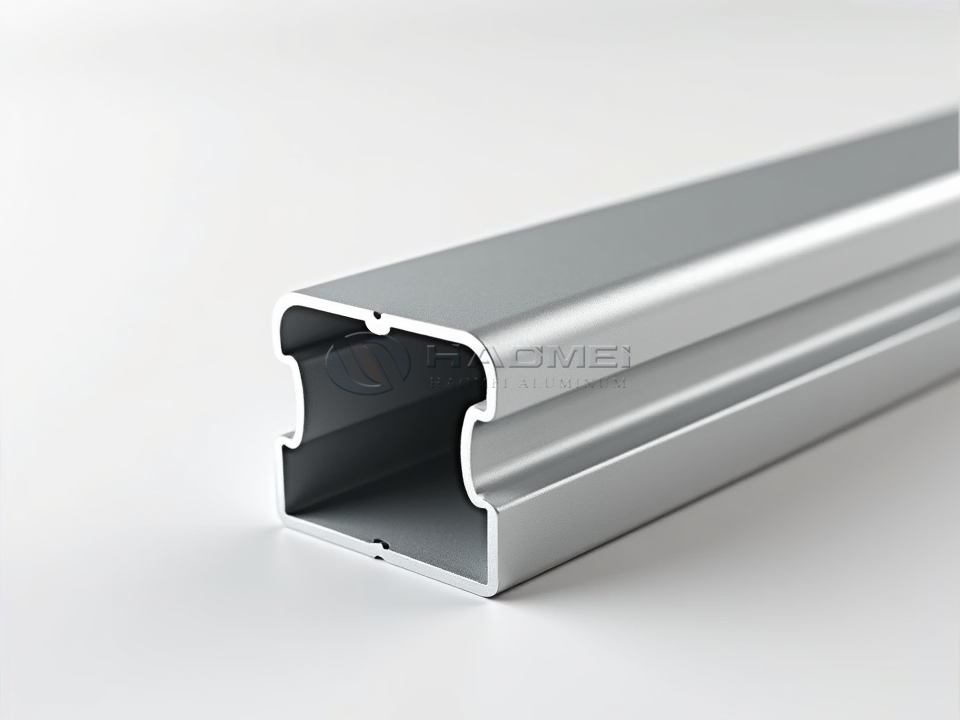
A vessel railing has to absorb human impact, resist vibration, tolerate welding, and still remain practical for fabrication. 5083 marine aluminum fencing and railings are suitable for handrails, stanchions, intermediate rails, toe rail parts, access barriers, ladder-side guards, and protective deck partitions. Compared with carbon steel, it reduces topside weight and helps improve vessel stability. Compared with many ordinary aluminum alloys, 5083 offers stronger seawater performance and better fatigue behavior under marine service.
This alloy is especially valuable in areas where railing components are welded directly to deck structures or connected through base plates, gussets, sleeves, and brackets. The welded joint is often where poor material choices reveal themselves. 5083 keeps good strength after welding because it is non-heat-treatable, so it does not lose a heat-treated condition in the heat affected zone in the same way as some 6xxx alloys.
For customers comparing Marine aluminum fencing and railings, 5083 is usually selected when the railing is expected to face aggressive offshore exposure, frequent maintenance washing, and long service intervals.
Practical Product Parameters for Deck Railing Design
The exact dimensions depend on vessel type, class approval, railing height, deck arrangement, and loading requirement. Still, most offshore railing projects fall within a familiar working range.
| Item | Common Specification for 5083 Marine Aluminum Railings |
|---|---|
| Alloy | AA 5083, EN AW-5083 |
| Main tempers | H111, H112, H116, H321 |
| Preferred offshore tempers | H116 and H321 for improved seawater corrosion resistance |
| Handrail outer diameter | 30 mm to 60 mm, often 38 mm, 42 mm, or 50 mm |
| Tube wall thickness | 2.5 mm to 6 mm, based on span and load |
| Stanchion spacing | Commonly 800 mm to 1200 mm, adjusted by design load |
| Railing height | Often 1000 mm to 1200 mm for working decks |
| Plate bracket thickness | 6 mm to 15 mm for base plates and gussets |
| Typical welding filler | 5183 or 5356 aluminum welding wire |
| Surface condition | Mill finish, brushed finish, anodized, powder coated, or marine paint system |
| Fabrication methods | Cutting, bending with proper radius, MIG/TIG welding, drilling, machining |
For railings with curved sections, bending radius should be controlled to prevent surface cracking. Sharp bends are not recommended, especially in harder tempers. Where high forming is required, H111 may be easier to process, while H116 or H321 is often preferred for final seawater durability.
Alloy Tempering and Marine Service Conditions
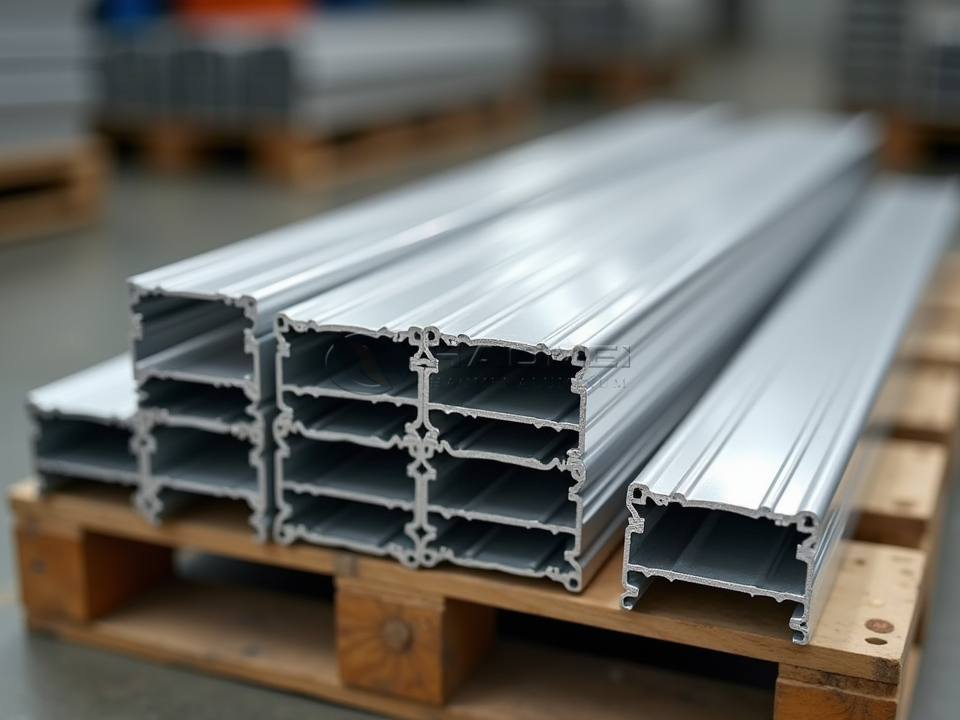
5083 is strengthened mainly through strain hardening, not heat treatment. This matters because offshore railing systems are usually welded assemblies. The temper choice should reflect both fabrication work and long-term exposure.
| Temper | Practical Meaning for Railing Use |
|---|---|
| H111 | Slightly strain hardened; good for forming and moderate-duty welded parts |
| H112 | As-fabricated condition with controlled mechanical properties; used for general structural components |
| H116 | Special marine temper with resistance to exfoliation and intergranular corrosion; highly suitable for seawater exposure |
| H321 | Stabilized strain-hardened temper; designed to resist sensitization in marine environments |
For offshore vessel deck railing solutions, H116 and H321 are usually the safer choices when the component will remain exposed to saltwater splash and moisture. They are also associated with marine-grade testing practices that help confirm resistance to intergranular corrosion and exfoliation.
Chemical Composition of 5083 Marine Aluminum
The corrosion resistance and weldability of 5083 come from its balanced chemistry. Magnesium provides strength and seawater performance, manganese supports strength and structure control, while chromium helps improve corrosion behavior.
| Element | Typical Content, % |
|---|---|
| Magnesium, Mg | 4.0 - 4.9 |
| Manganese, Mn | 0.40 - 1.00 |
| Chromium, Cr | 0.05 - 0.25 |
| Iron, Fe | Max 0.40 |
| Silicon, Si | Max 0.40 |
| Zinc, Zn | Max 0.25 |
| Titanium, Ti | Max 0.15 |
| Copper, Cu | Max 0.10 |
| Other, each | Max 0.05 |
| Other, total | Max 0.15 |
| Aluminum, Al | Balance |
Low copper content is important in seawater applications because copper can reduce corrosion resistance in aluminum marine alloys. This is one reason 5083 is trusted for hull structures, deck parts, and exposed railing assemblies.
Standards That Guide Offshore Railing Quality
A good railing system must satisfy both material standards and vessel safety expectations. Depending on project location and vessel class, 5083 marine aluminum fencing and railings may be produced and inspected according to recognized standards such as ASTM B209 for aluminum sheet and plate, ASTM B928 for high-magnesium aluminum alloy products in marine service, EN 485 for aluminum plate and sheet, EN 573 for chemical composition, and EN 755 for extruded aluminum profiles.
For safety layout and installation, projects may refer to ISO 15085 for man-overboard prevention on small craft, ISO 12215 for hull and structural considerations, EN ISO 14122 for guardrail principles in machinery access areas, and class rules from ABS, DNV, LR, BV, or CCS when required by the vessel specification. Offshore operators may also request project-specific load testing, weld inspection, dimensional inspection, and coating verification.
When railing profiles are combined with other Marine Grade Aluminum Profiles, compatible alloy selection, galvanic isolation, and coating continuity should be considered as one system rather than separate parts.
Fabrication Details That Decide Service Life
The most attractive railing on the drawing can fail early if small workshop details are ignored. Weld quality, drainage, joint design, and surface treatment all influence service life. Closed tube sections should avoid trapping seawater. Drain holes or sealed ends may be needed depending on design. Base plates should be shaped so water does not sit around weld toes. Crevices between aluminum and stainless bolts should be isolated with suitable washers, sleeves, sealants, or non-conductive barriers to reduce galvanic corrosion.
For welding, 5183 filler is often preferred where higher joint strength and marine corrosion performance are desired. 5356 is also widely used and practical for many railing assemblies. After welding, sharp spatter, oxide marks, and rough edges should be cleaned. If the railing receives powder coating or marine paint, surface preparation is critical: degreasing, light blasting or sanding, conversion treatment, primer, and topcoat should match the vessel owner's coating system.
Where 5083 Railings Perform Best
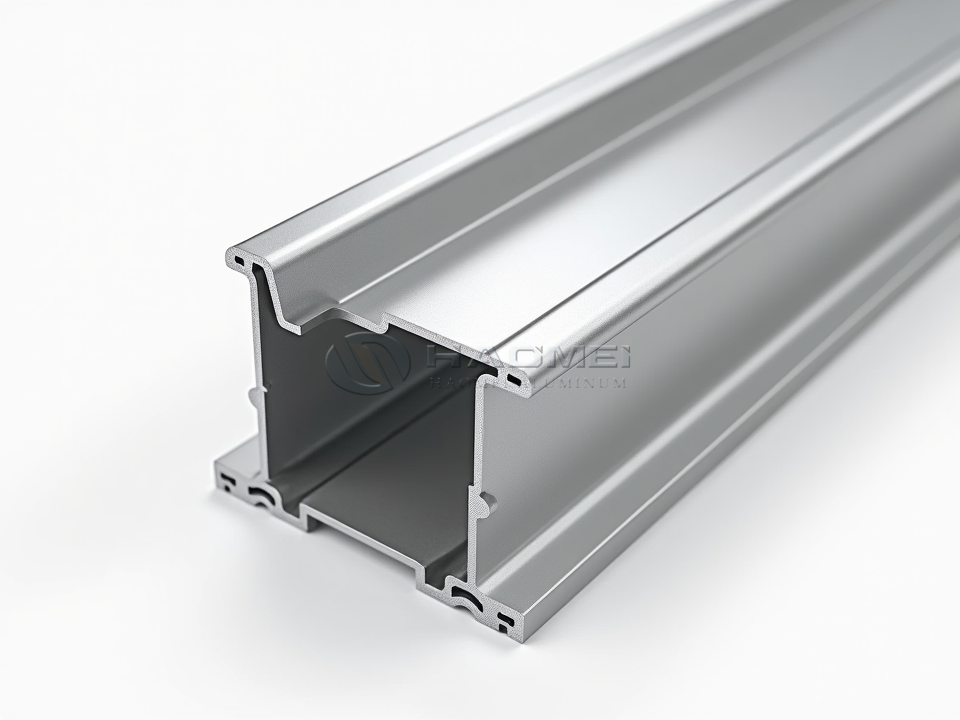
5083 marine aluminum fencing and railings are well suited for offshore support vessels, patrol boats, crew transfer vessels, workboats, research vessels, fishing vessels, landing craft, and service platforms. They are also useful around open decks, bow areas, stern working zones, engine room access paths, raised platforms, boarding points, and equipment protection zones.
In high-impact areas, designers may combine larger tube diameters, closer stanchion spacing, reinforced base plates, and thicker kick plates. In passenger or crew access areas, smoother handrail profiles and rounded corners improve grip comfort and reduce injury risk. The best solution is not always the heaviest one; it is the railing that places strength exactly where the deck needs it.
A Material Choice That Works With the Sea
Offshore deck railings live in a harsh rhythm: salt, sun, vibration, impact, cleaning chemicals, and constant movement. 5083 marine aluminum answers these conditions with a rare balance of strength, weldability, low weight, and seawater durability. When specified in proper marine temper, fabricated with correct welding practice, and installed with attention to drainage and galvanic protection, it becomes a long-service safety system rather than a replaceable accessory.
For vessel builders and repair yards, 5083 marine aluminum fencing and railings provide a practical route to safer decks, lighter structures, and cleaner long-term maintenance. The material does not fight the sea with bulk alone; it works by resisting corrosion intelligently while keeping the vessel efficient and dependable.

Related Products
Marine aluminum fencing and railings
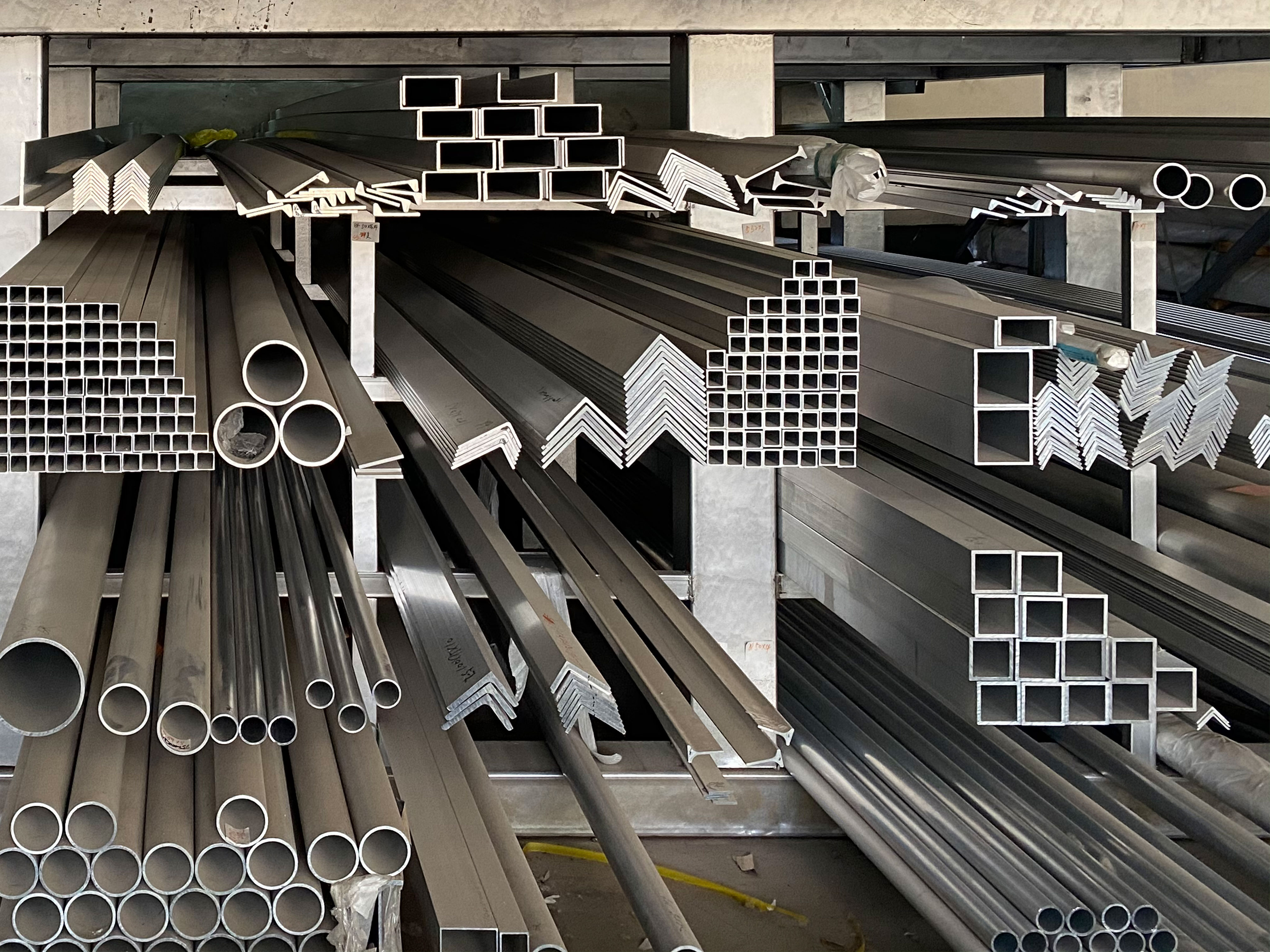
Marine Grade Aluminum Fencing and Railings are fabricated using marine-grade aluminum alloys such as 5083, 5052, and 6061, which are engineered specifically for protection against saltwater corrosion and marine atmospheric conditions.
View Details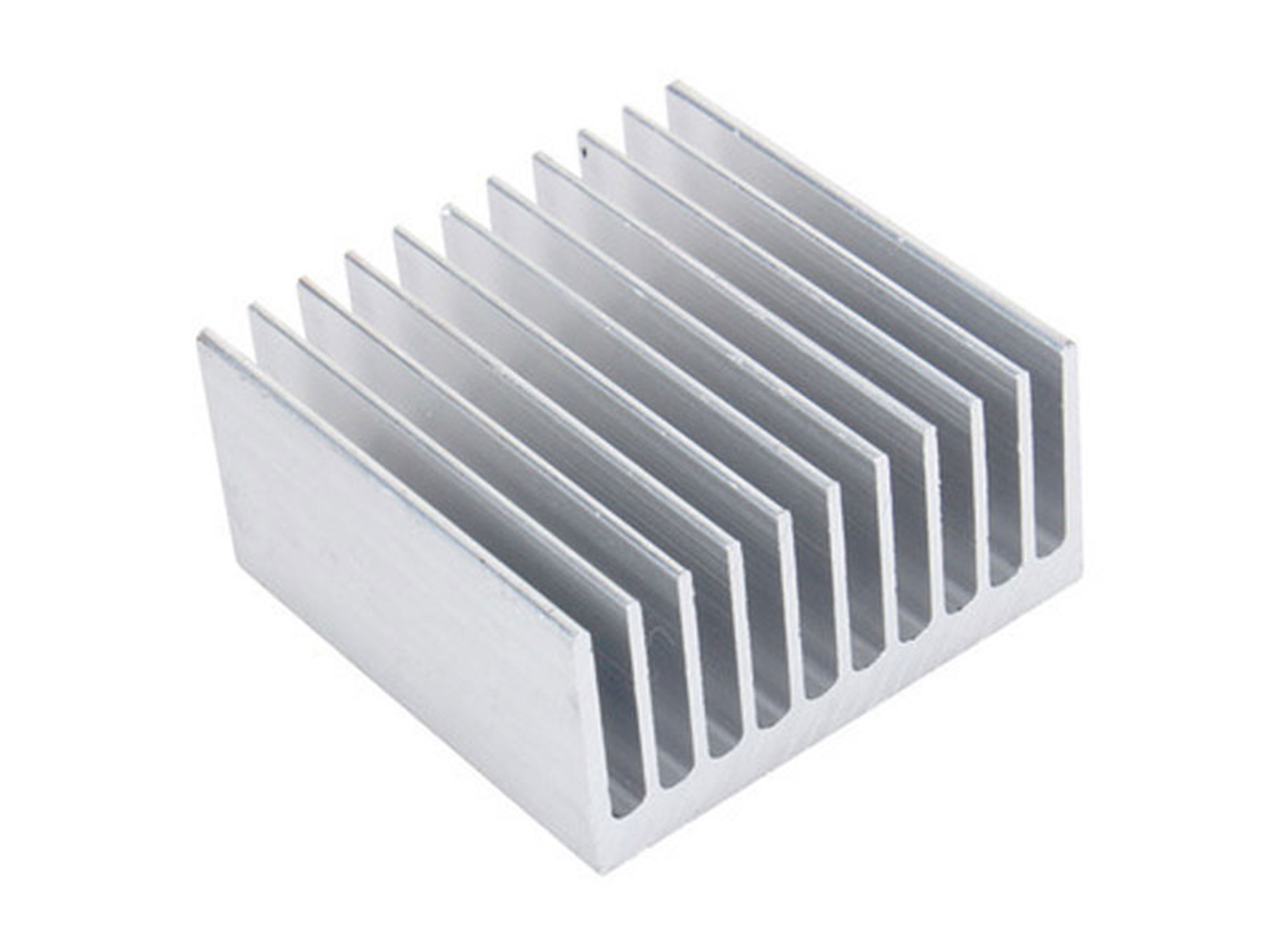
Marine aluminum heat sink profile
Marine Grade Aluminum Heat Sink Profiles utilize alloys such as 6061 and 6063 that not only exhibit high thermal conductivity but also possess excellent corrosion resistance required for saltwater exposure.
View Details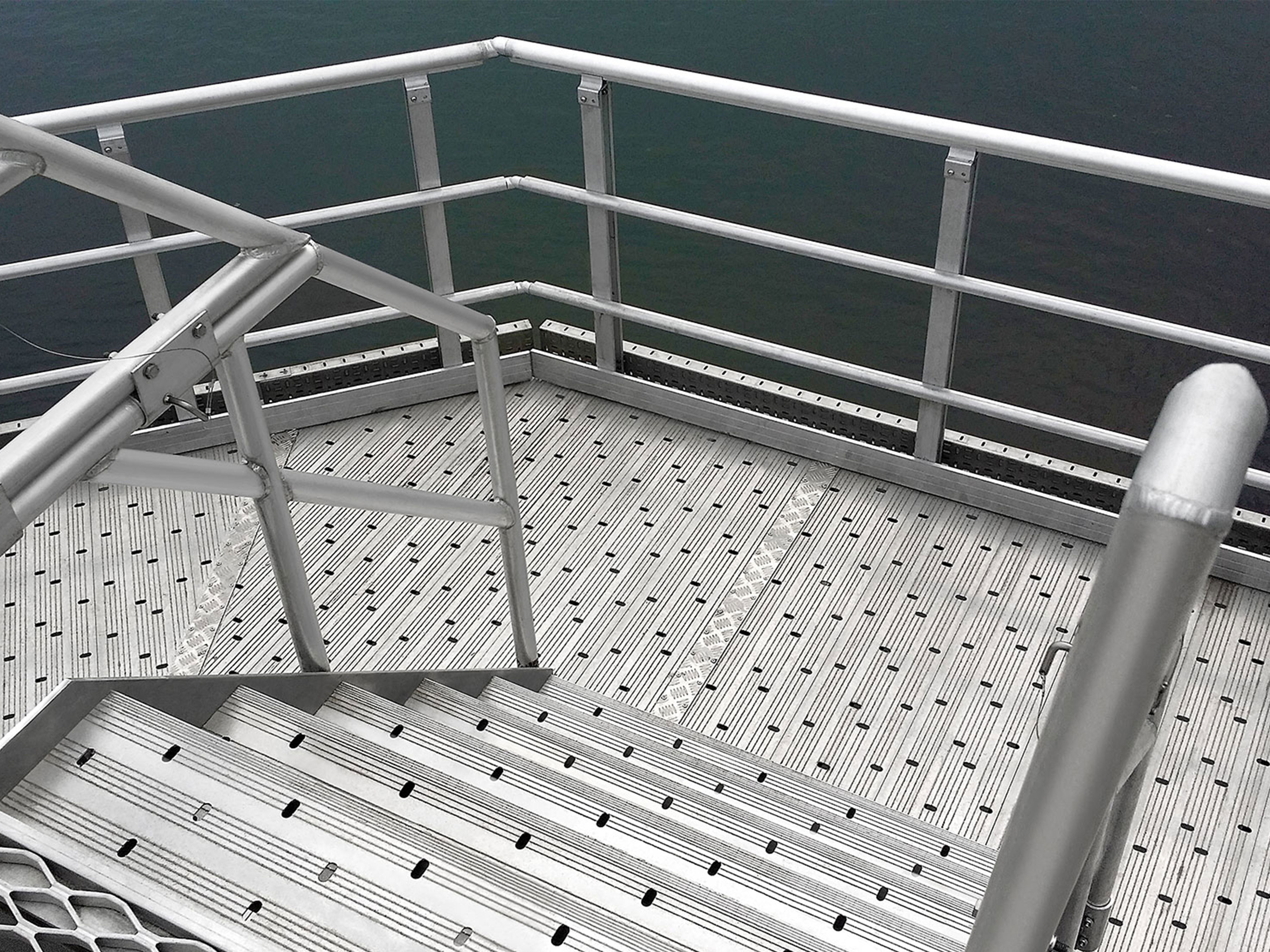
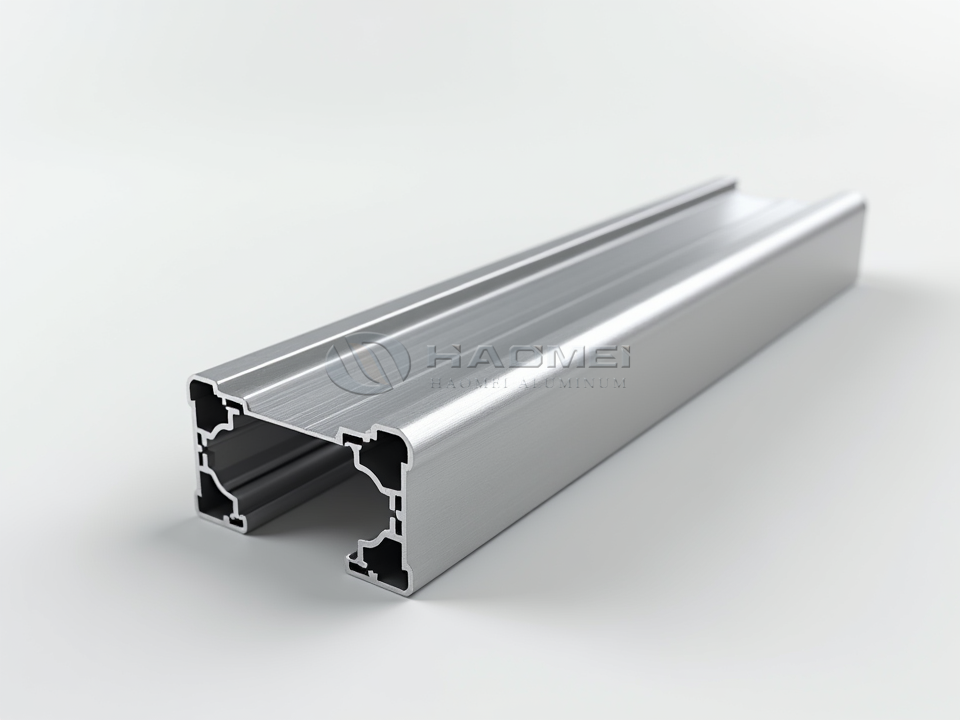
Marine aluminum customized shapes
Marine Grade Aluminum Customized Shapes encompass a broad range of aluminum extrusions and fabrications engineered beyond standard profiles—such as channels, angles, tubes, and beams—into complex, project-specific geometries.
View DetailsRelated Blog
6061 Marine Aluminum Fencing and Railings for Lightweight Offshore Railing Systems
6061 marine aluminum fencing and railings for offshore decks, covering temper, standards, corrosion behavior, design loads, installation, and uses at sea.
View Details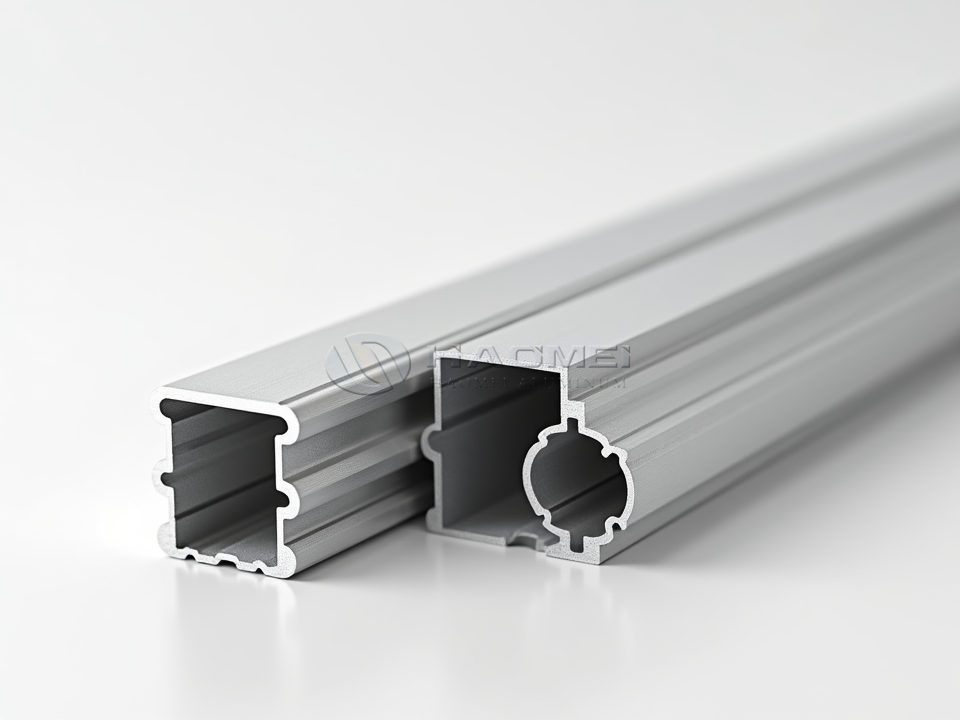
5083 Marine Aluminum Fencing and Railings for Offshore Platform Safety Fencing
5083 marine aluminum fencing for offshore platforms, covering corrosion behavior, tempers, standards, welding notes, and fast selection parameters today.
View Details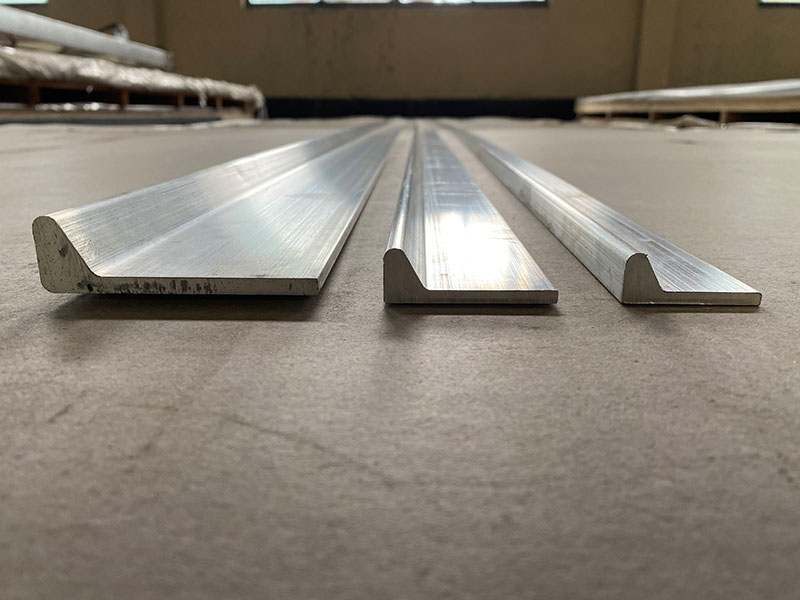
Marine Aluminum Customized Shapes for Offshore Equipment and Structural Components
Offshore projects demand materials that thrive where steel often struggles: salt spray, cyclic loading, tight installation windows, and relentless maintenance costs.
View Details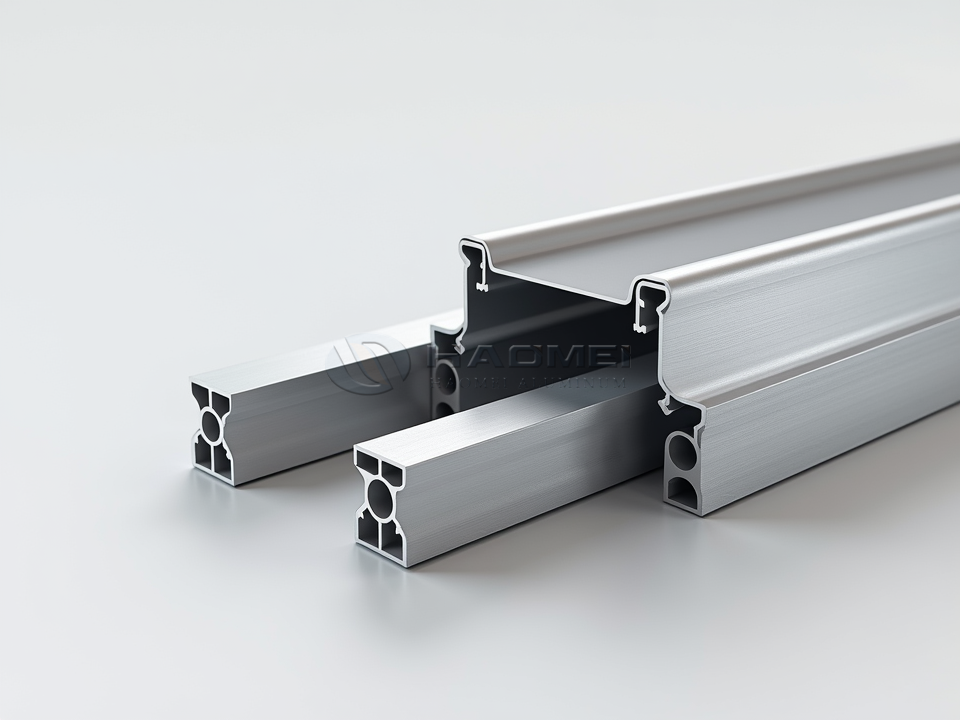
6063 Marine Aluminum Heat Sink Profile for Cooling Marine Electronics in Harsh Conditions
Explore 6063 marine aluminum heat sink profiles for corrosion-resistant, efficient cooling of onboard electronics in salt spray, heat, and vibration.
View Details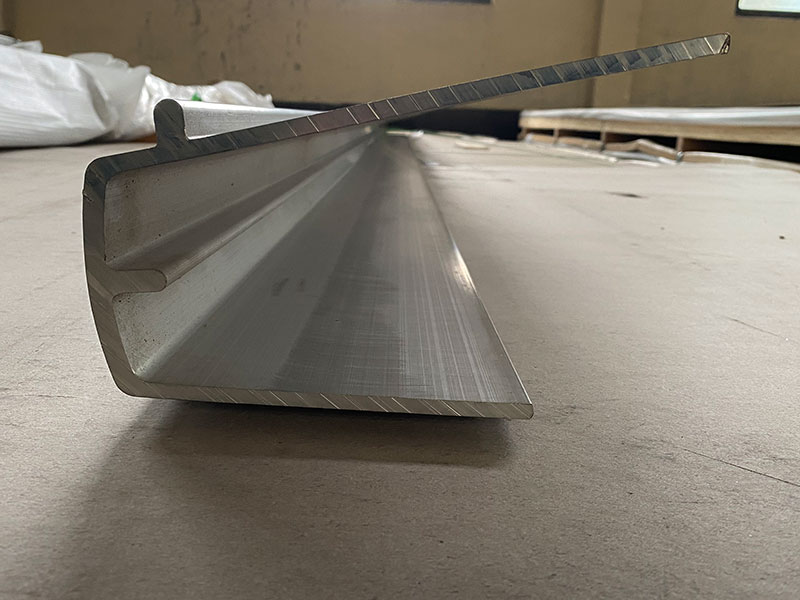
6061 Marine Aluminum Fencing and Railings for Offshore Safety Solutions
The demand for durable and corrosion-resistant materials in marine and offshore applications has made 6061 marine aluminum a preferred choice for fencing and railings.
View Details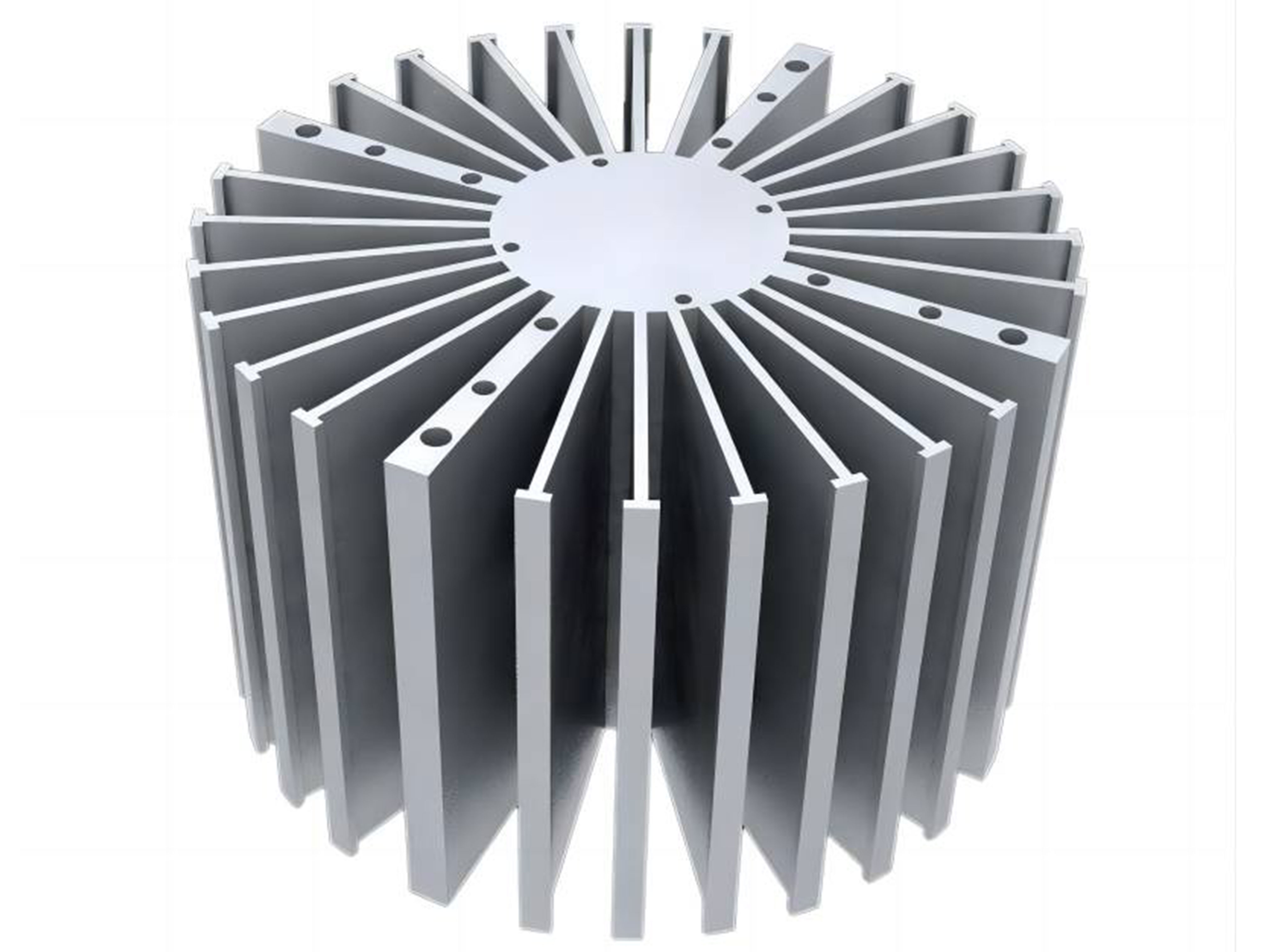
5083 Marine Aluminum Customized Shapes for Offshore Vessel Deck Reinforcements
In the demanding environments of offshore vessels, materials used for deck reinforcements must exhibit exceptional mechanical strength, corrosion resistance, and structural reliability.
View Details
Leave a Message