
Marine Aluminum Heat Sink Profile for Seawater Proof Marine Engine Heat Dissipation
A marine engine room is a severe thermal environment. Heat comes from engines, exhaust-adjacent equipment, alternators, inverters, battery systems, hydraulic power units, and control cabinets. At the same time, salt mist, vibration, humidity, bilge moisture, and dissimilar-metal contact constantly challenge every exposed component. A marine aluminum heat sink profile must therefore do more than transfer heat quickly. It must maintain thermal performance while resisting corrosion and mechanical fatigue throughout service at sea.
The practical value of a heat sink profile is its ability to turn a compact aluminum extrusion into a controlled cooling surface. Fins increase the contact area between the aluminum and moving air, allowing heat to leave electronic modules or engine-mounted equipment. In a properly engineered marine installation, the profile also acts as a stiffening member, mounting rail, protective enclosure feature, and electrical grounding interface where appropriate.
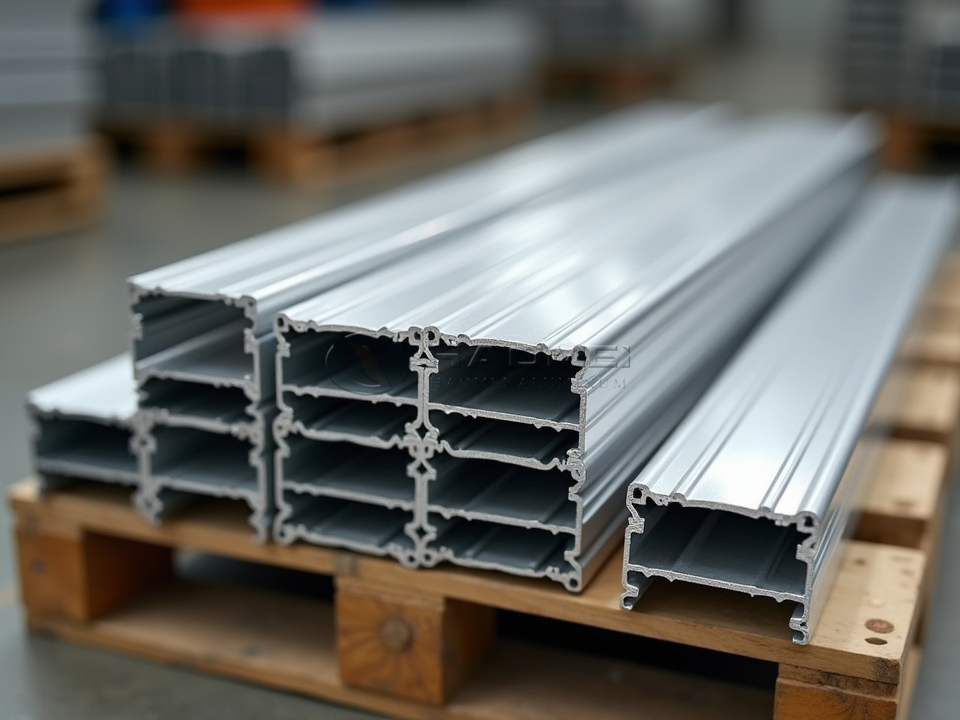
Heat Dissipation Designed for Marine Reality
Heat sinks work through conduction, convection, and radiation. Aluminum receives heat from a component baseplate through direct contact, thermal grease, gap pads, or bonded interfaces. It then spreads the heat through the profile and releases it through fin surfaces into surrounding air. For marine equipment, airflow is often less predictable than in a land-based cabinet. Fan failure, dirty intake filters, high ambient temperature, and confined spaces can all reduce convective cooling.
This is why fin geometry should be selected around the actual installation rather than maximum fin count alone. Very narrow fin gaps can create impressive surface area on paper but may trap salt deposits and restrict airflow in service. Wider channels often provide more stable cooling where air contains moisture, oil vapor, or airborne contaminants. Straight fins are generally effective for forced airflow, while pin-fin or interrupted-fin structures can improve turbulence when pressure drop and cleaning access are acceptable.
A seawater-proof design should be understood as a complete corrosion-control system. Aluminum naturally forms an oxide film, but chloride-rich seawater can attack unprotected surfaces, particularly at crevices, cut edges, fasteners, and electrical contact points. Alloy selection, surface treatment, drainage, insulation, and hardware compatibility must work together.
Alloy Selection: Thermal Efficiency Versus Saltwater Resistance
The 6000-series alloys are widely used for finned extrusions because they offer excellent extrudability, good thermal conductivity, and dependable mechanical properties after heat treatment. Alloy 6063 is especially suitable for complex, thin-fin profiles. Alloy 6061 provides higher strength and is often selected where the heat sink also carries structural loads.
For direct and frequent seawater exposure, 5000-series marine alloys such as 5083 offer stronger resistance to chloride corrosion. However, 5083 is more commonly supplied as plate, sheet, or machined base components than as intricate thin-fin extrusion. A durable marine cooling assembly may therefore combine a 5083 seawater-contact plate with a 6063-T5 or 6061-T6 finned air-side heat sink, separated and sealed according to the equipment design.
Marine aluminum heat sink profile designs can be tailored with fin height, base thickness, mounting grooves, cable channels, drainage details, and protective edge geometry for engine-room equipment.
| Alloy | Primary Role in Marine Cooling Systems | Typical Temper | Thermal Conductivity, W/m·K | Seawater Corrosion Performance |
|---|---|---|---|---|
| 6063 | Complex finned extrusions and electronic enclosures | T5, T6 | 200-210 | Good with suitable coating and isolation |
| 6061 | Strong heat sink bases, brackets, and frames | T6, T651 | 150-170 | Good when coated and protected from galvanic couples |
| 6082 | Higher-load structural cooling members | T6 | 160-180 | Good with protective treatment |
| 5083 | Direct seawater-contact plates and cooling jackets | H111, H116, H321 | 110-120 | Excellent for marine exposure |
Chemical Composition Requirements
Chemical composition directly influences corrosion behavior, extrusion response, strength, and thermal performance. The figures shown are typical specification ranges in percent by weight and must be confirmed against the ordered standard and mill test certificate.
| Alloy | Si | Fe | Cu | Mn | Mg | Cr | Zn | Ti | Al |
|---|---|---|---|---|---|---|---|---|---|
| 6063 | 0.20-0.60 | 0.35 max | 0.10 max | 0.10 max | 0.45-0.90 | 0.10 max | 0.10 max | 0.10 max | Balance |
| 6061 | 0.40-0.80 | 0.70 max | 0.15-0.40 | 0.15 max | 0.80-1.20 | 0.04-0.35 | 0.25 max | 0.15 max | Balance |
| 6082 | 0.70-1.30 | 0.50 max | 0.10 max | 0.40-1.00 | 0.60-1.20 | 0.25 max | 0.20 max | 0.10 max | Balance |
| 5083 | 0.40 max | 0.40 max | 0.10 max | 0.40-1.00 | 4.00-4.90 | 0.05-0.25 | 0.25 max | 0.15 max | Balance |
Temper, Parameters, and Practical Profile Design
Temper is not merely a strength label. It affects distortion control, machining behavior, fatigue performance, and long-term dimensional stability. T5 indicates cooling from the extrusion process followed by artificial aging. T6 includes solution heat treatment and artificial aging, producing higher strength. H111, H116, and H321 are strain-hardened and stabilized tempers commonly associated with marine 5083 products.
Common profile parameters for air-cooled marine engine applications include fin heights from 15 mm to 100 mm, fin thickness from 1.0 mm to 3.0 mm, fin spacing from 4 mm to 12 mm, and base thickness from 4 mm to 20 mm. The best dimensions depend on heat load, allowable component temperature, available airflow, mounting area, and maintenance access. For example, a compact inverter enclosure may use 30 mm fins with forced airflow, while a naturally ventilated control box may need deeper, wider-spaced fins to avoid stagnant air pockets.
Surface preparation is equally important. Clear anodizing can improve surface durability and emissivity while retaining an aluminum appearance. Hard anodizing provides greater wear resistance for exposed mounting areas. Powder coating offers strong environmental protection but should be controlled carefully on thermal interfaces because thick coatings add thermal resistance. Bare contact faces should be machined flat and protected with compatible thermal interface materials.
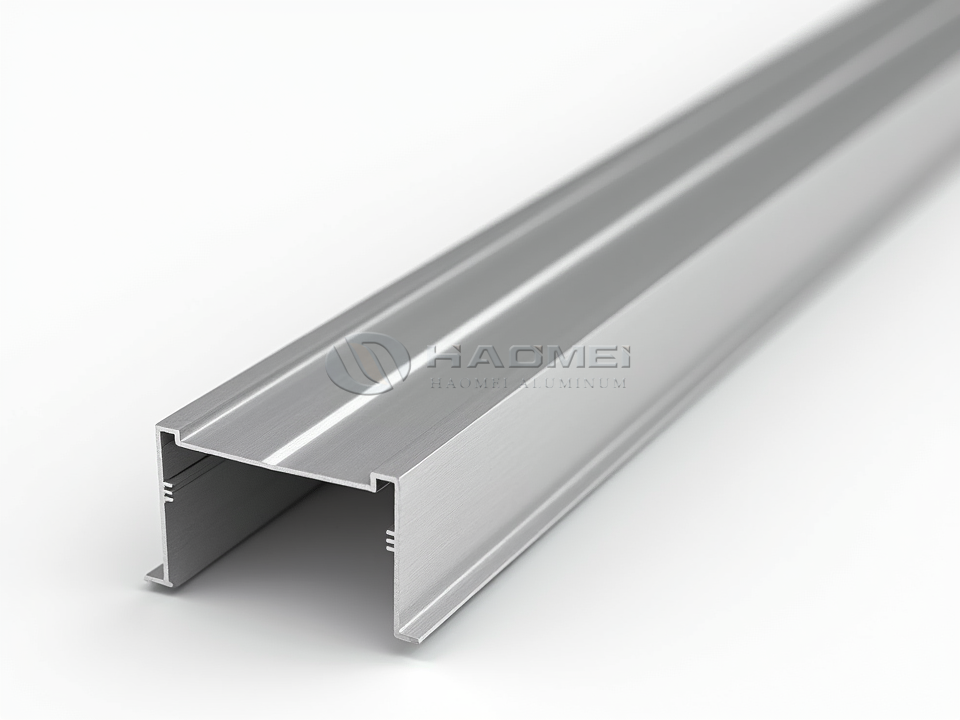
Standards and Verification for Marine Use
Marine heat sink extrusion can be produced to recognized dimensional and material standards such as ASTM B221 for aluminum extruded bars, rods, wire, profiles, and tubes, as well as EN 755-2 for tolerances on extruded products. Material chemistry and mechanical properties may be assessed against ASTM B209, EN 573-3, EN 485, or relevant customer specifications depending on product form.
For vessel projects, additional acceptance requirements may come from classification societies such as DNV, ABS, Lloyd's Register, or Bureau Veritas. These requirements are project-specific and may involve traceability, alloy certification, corrosion testing, welding procedures, or inspection documentation. Heat sinks installed within electrical cabinets should also support the thermal and environmental requirements of the complete equipment assembly.
Applications Across the Vessel
Marine aluminum heat sink profiles are used in propulsion control cabinets, battery energy storage systems, LED navigation-light housings, radar and communication modules, engine monitoring units, shore-power converters, battery chargers, motor drives, and hydraulic control equipment. They are particularly valuable where bulky liquid cooling is impractical or where a passive cooling surface adds reliability.
In larger systems, heat sink profiles can be integrated with Marine Grade Aluminum Profiles for enclosure frames, equipment supports, access panels, and ventilation structures. Using compatible aluminum systems simplifies fabrication while reducing unnecessary weight above the waterline.
The most reliable marine cooling solution is not the profile with the largest fin area. It is the profile matched to airflow, salt exposure, fastening method, alloy temper, coating system, and maintenance conditions. When these details are considered together, marine aluminum becomes a lightweight and durable route to stable engine-room heat dissipation.

Related Products
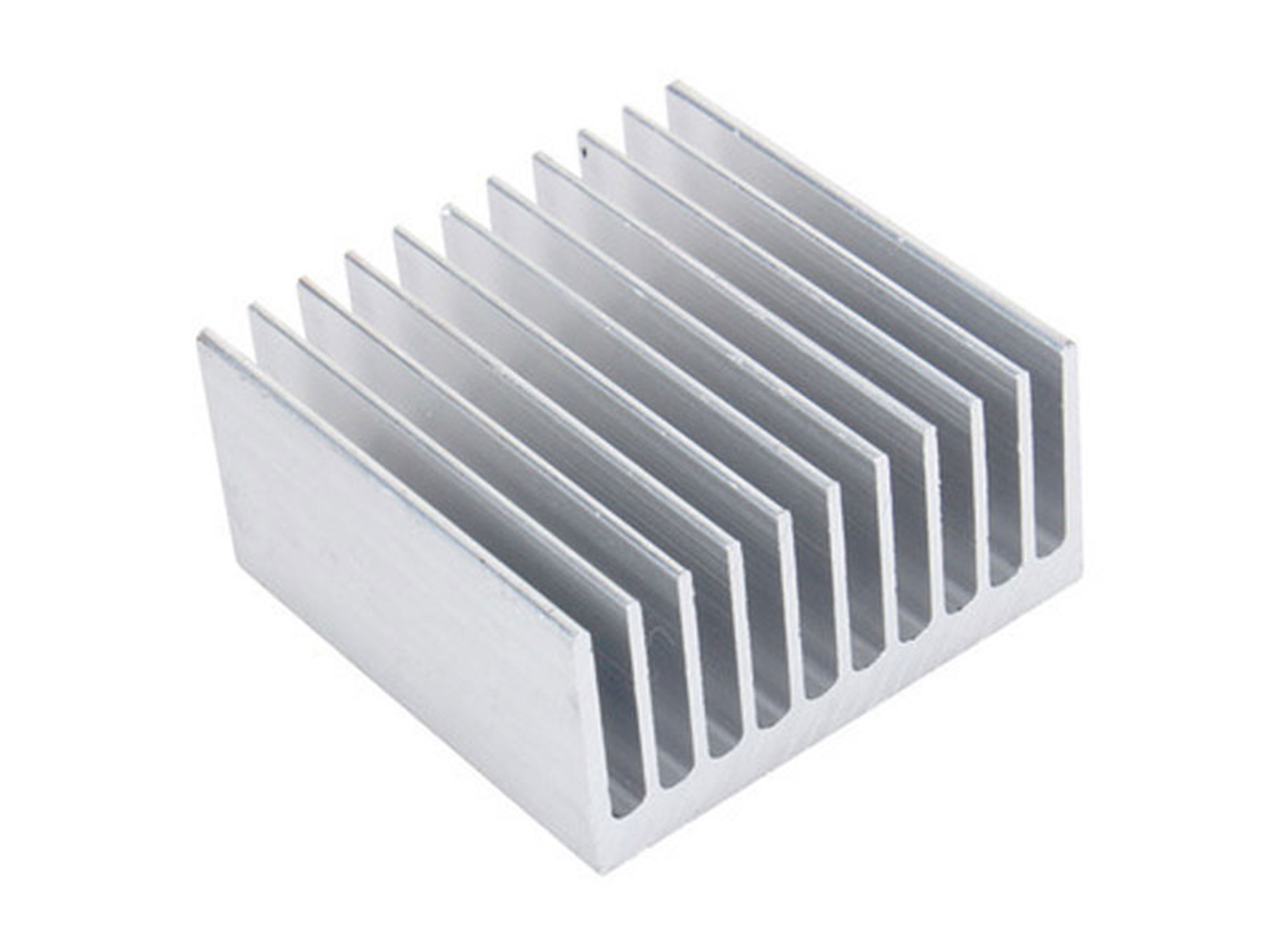
Marine aluminum heat sink profile
Marine Grade Aluminum Heat Sink Profiles utilize alloys such as 6061 and 6063 that not only exhibit high thermal conductivity but also possess excellent corrosion resistance required for saltwater exposure.
View Details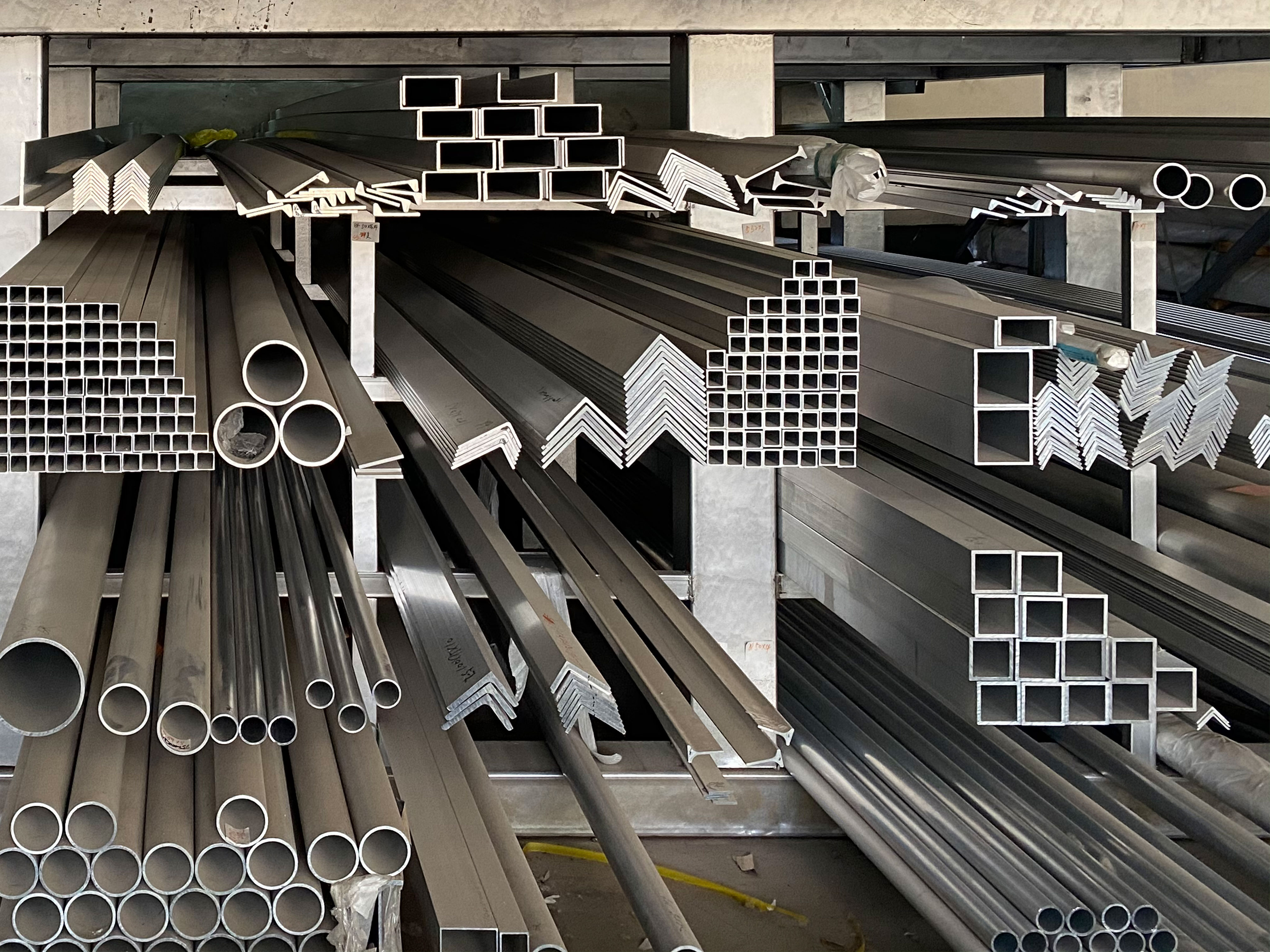
Marine aluminum fencing and railings
Marine Grade Aluminum Fencing and Railings are fabricated using marine-grade aluminum alloys such as 5083, 5052, and 6061, which are engineered specifically for protection against saltwater corrosion and marine atmospheric conditions.
View Details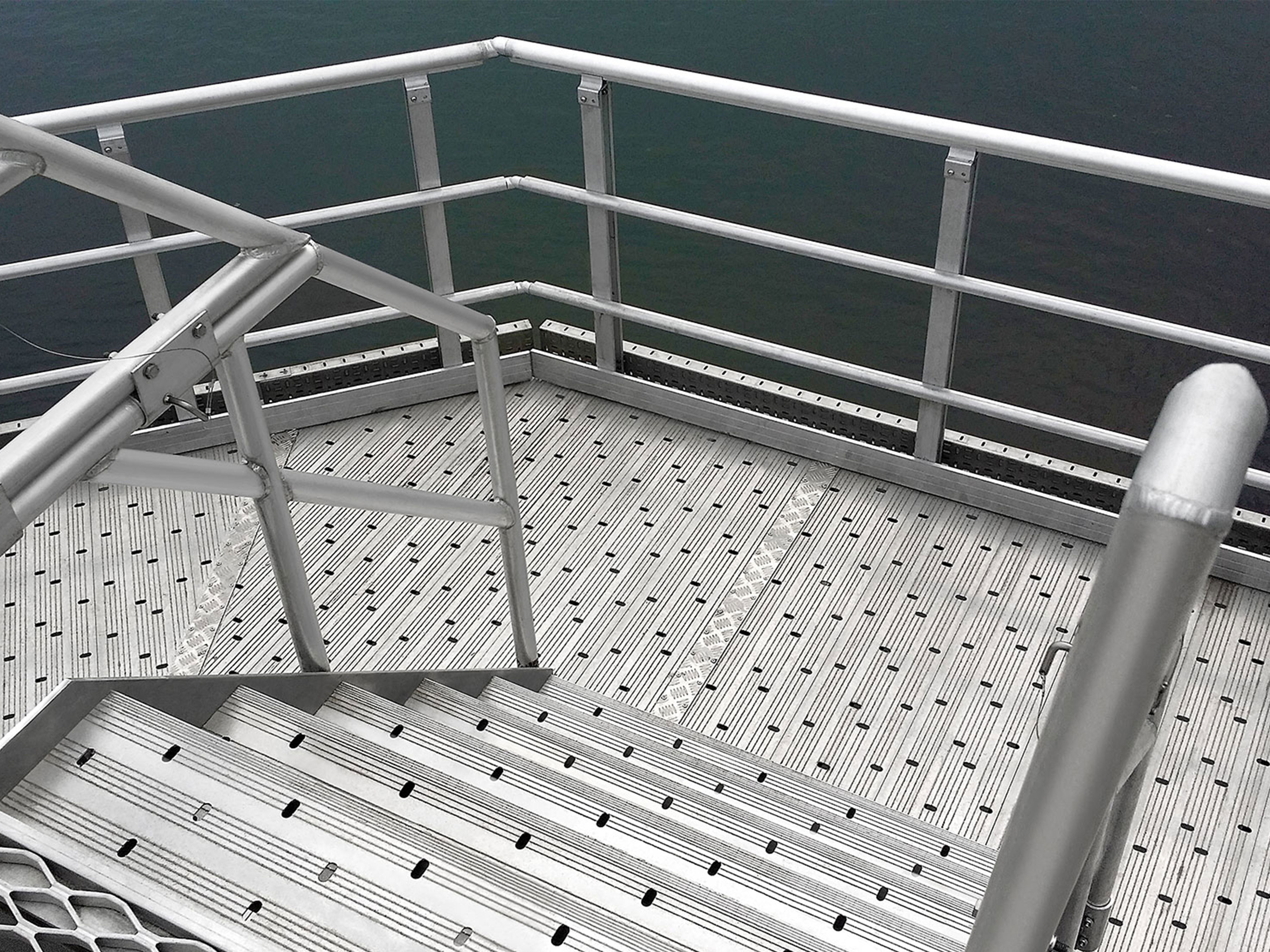
Marine aluminum customized shapes
Marine Grade Aluminum Customized Shapes encompass a broad range of aluminum extrusions and fabrications engineered beyond standard profiles—such as channels, angles, tubes, and beams—into complex, project-specific geometries.
View DetailsRelated Blog
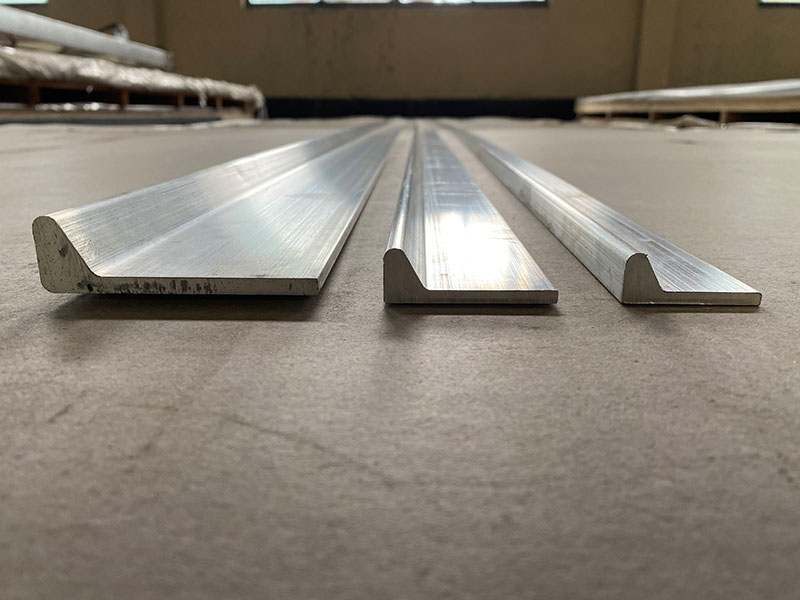
Marine Aluminum Customized Shapes for Offshore Equipment and Structural Components
Offshore projects demand materials that thrive where steel often struggles: salt spray, cyclic loading, tight installation windows, and relentless maintenance costs.
View Details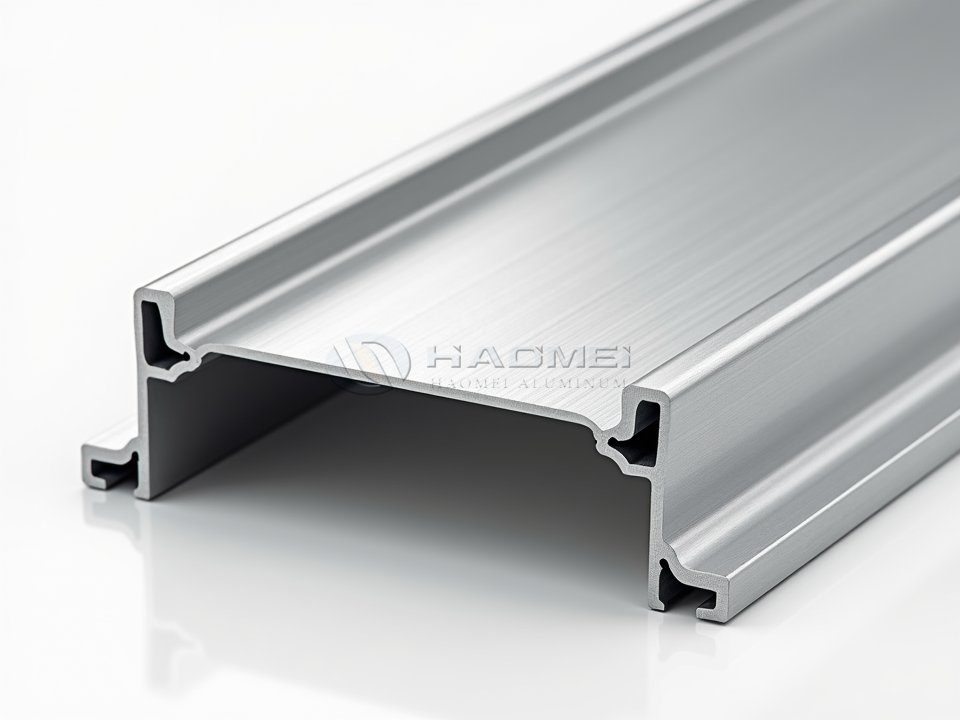
6061 Marine Aluminum Fencing and Railings for Durable Offshore Platform Guardrails
6061 marine aluminum fencing and railings deliver corrosion resistance, weldability, low weight, and dependable strength for offshore platform guardrails.
View Details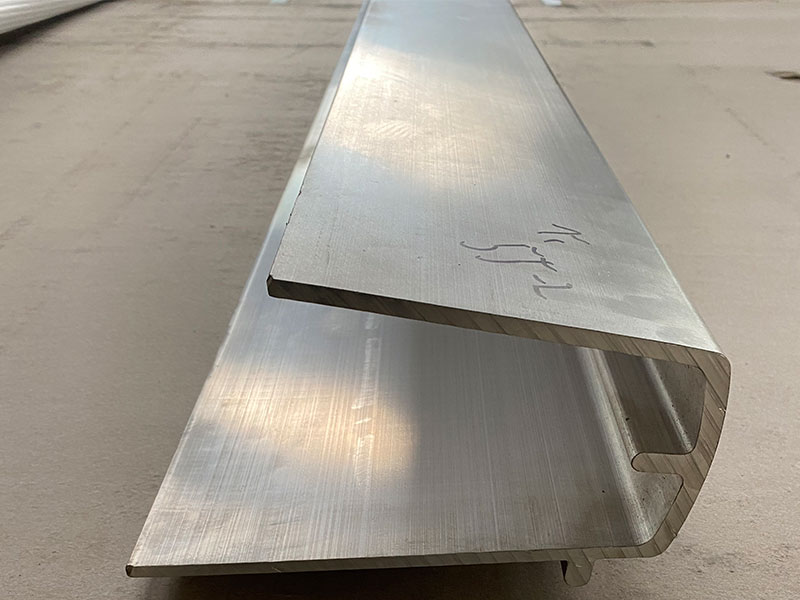
Marine Aluminum Fencing and Railings for Custom Boat Deck Safety Barriers
On a boat deck, a fence or railing is more than a boundary-it's a working safety system that has to perform while the platform beneath it is constantly moving, wet, salty, and sun-baked.
View Details
5052 Marine Aluminum Customized Shapes for High Strength Marine Engineering Components
Aluminum has emerged as a crucial material in marine engineering due to its combination of lightweight, corrosion resistance, and high strength. The 5052 alloy series, particularly, provides an excellent solution for challenging marine environments.
View Details
6061 Marine Aluminum Customized Shapes for Custom Boat Hull and Deck Strengthening
6061 Marine Aluminum is widely recognized for its exceptional resistance to corrosion, high strength, light weight, and suitability for a variety of marine applications.
View Details
Marine Aluminum Heat Sink Profile for Offshore Vessel Engine Cooling Systems
In the demanding environment of offshore vessels, engine cooling efficiency becomes a pivotal factor in operational reliability and safety.
View Details
Leave a Message