
6061 Marine Aluminum Fencing and Railings for Lightweight Offshore Railing Systems
On an offshore platform, a railing is not just a boundary. It is the first handhold in rough weather, a visible route marker during maintenance, a protection line around open decks, and a structural member that must remain dependable under salt spray, vibration, wind, and repeated human impact. This is where 6061 marine aluminum fencing and railings become highly practical: they reduce topside weight while delivering stable strength, clean fabrication, and long service life when correctly specified.
6061 aluminum is often chosen for offshore railing systems because it behaves like a bridge between structural performance and manufacturing freedom. It is not the most corrosion-resistant aluminum alloy for permanent immersion, but for guardrails, handrails, deck barriers, ladders, access platforms, floating docks, service walkways, and vessel superstructures exposed mainly to atmosphere and spray, it offers an efficient balance of strength, weldability, extrusion quality, and surface finish compatibility.
Why 6061 Works Well Above the Waterline
The offshore environment attacks materials from several directions at once. Chloride mist encourages pitting, ultraviolet light ages coatings, deck washdown leaves trapped moisture in joints, and galvanic couples form when aluminum touches stainless steel or carbon steel without insulation. A good railing material must be light, stiff, repairable, and simple to protect.
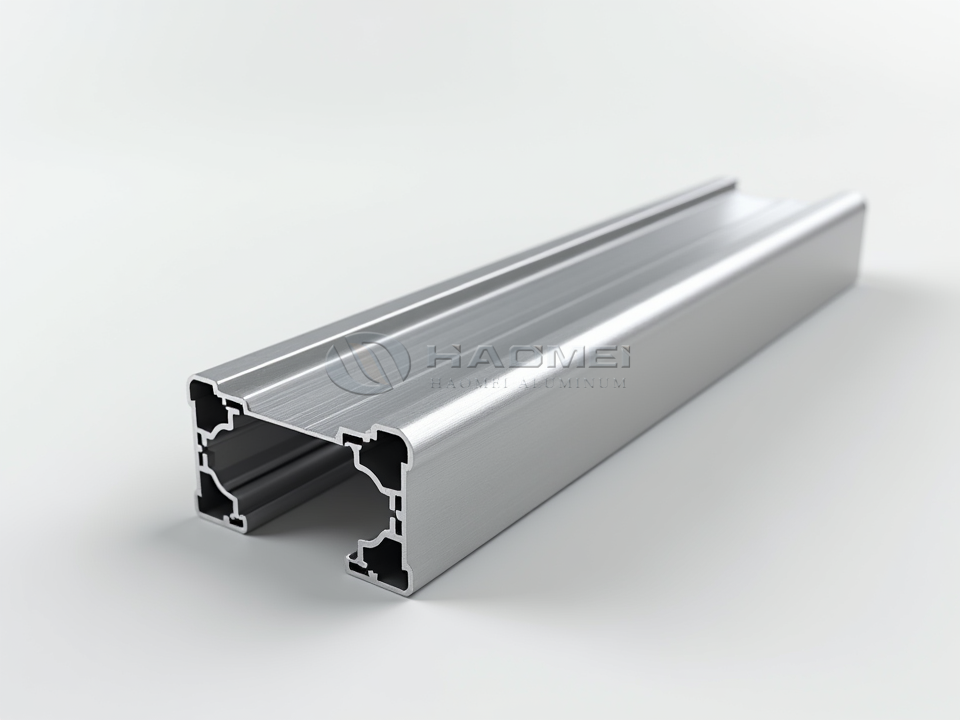
6061 answers these needs through its magnesium-silicon alloy system. After heat treatment, Mg2Si precipitation gives the alloy a strong and stable structure. This makes 6061-T6 suitable for posts, top rails, mid rails, toe-board carriers, modular fence panels, and custom extruded connectors. In many projects, engineers select Marine aluminum fencing and railings when they need a clean, lightweight system that can be prefabricated onshore and installed quickly offshore.
Compared with carbon steel railings, 6061 aluminum can cut a large amount of topside weight, helping reduce load on decks, pontoons, access bridges, and support frames. Compared with some stainless systems, it is easier to extrude into complex profiles and can provide a lower total installed weight with a marine-grade coating or anodized surface.
Common Forms and Practical Parameters
6061 marine aluminum railings are usually supplied as tubes, channels, flat bars, angles, plates, or special extruded profiles. The final profile depends on the railing geometry and safety code, but the following parameter ranges are commonly used in offshore and marine access applications.
| Item | Typical Specification for Offshore Railings |
|---|---|
| Alloy | 6061 aluminum |
| Common tempers | T6, T6511, T5, T4, O for forming before heat treatment |
| Tube outside diameter | 25 mm to 60 mm, often 38 mm, 42 mm, or 50 mm |
| Wall thickness | 2 mm to 5 mm for rails, 4 mm to 8 mm for posts or high-load zones |
| Post spacing | Usually 1000 mm to 1500 mm, adjusted by load calculation |
| Railing height | Commonly 1000 mm to 1100 mm, or as required by project code |
| Finish | Mill finish, anodized, powder coated, PVDF coated, or duplex coated |
| Joining method | TIG welding, MIG welding, bolting, mechanical sleeves, modular clamps |
| Filler wire | 5356 often preferred for marine appearance and corrosion compatibility; 4043 may be used in selected fabrication conditions |
| Service condition | Best for atmospheric marine exposure, splash areas, and non-continuous immersion zones |
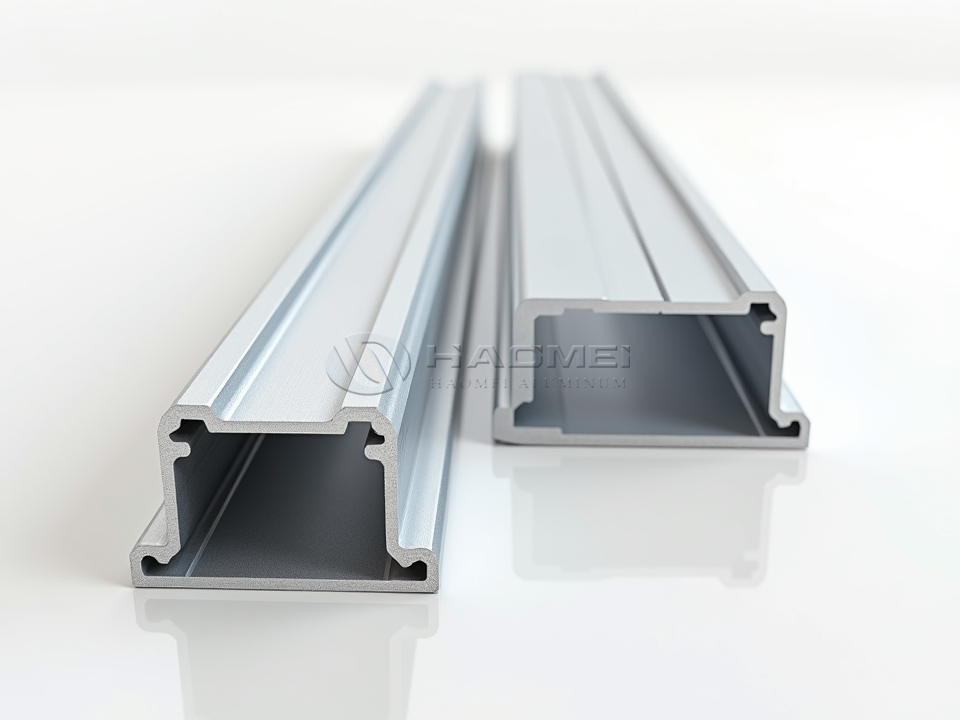
For custom systems, extruded slots may be added for infill panels, safety mesh, lighting conduits, cable brackets, or removable kick plates. This is one reason designers often combine standard tubing with Marine Grade Aluminum Profiles for walkways and platform edges.
Chemical Composition and What Each Element Contributes
The performance of 6061 starts with its controlled chemistry. The alloy is built around magnesium and silicon, with small additions that help strength, grain control, and processing stability.
| Element | Typical Range, Weight % | Function in 6061 Marine Aluminum |
|---|---|---|
| Silicon, Si | 0.40 to 0.80 | Forms Mg2Si with magnesium, improves strength after heat treatment |
| Iron, Fe | 0.70 max | Common residual element; controlled to maintain quality |
| Copper, Cu | 0.15 to 0.40 | Raises strength, but excessive copper can reduce corrosion resistance |
| Manganese, Mn | 0.15 max | Supports grain control and processing stability |
| Magnesium, Mg | 0.80 to 1.20 | Main strengthening element with silicon |
| Chromium, Cr | 0.04 to 0.35 | Improves grain structure and resistance to stress-related damage |
| Zinc, Zn | 0.25 max | Limited to maintain corrosion behavior |
| Titanium, Ti | 0.15 max | Grain refiner during casting |
| Other elements | 0.05 each, 0.15 total | Controlled impurities |
| Aluminum, Al | Balance | Base metal providing low density and natural oxide protection |
The natural oxide film on aluminum is thin but protective. In salt-laden air, however, design details matter as much as chemistry. Smooth drainage, sealed tube ends, rounded corners, and avoidance of dirt-catching crevices all help the railing remain clean and corrosion-resistant.
Temper Selection: T6 Is Strong, but Not Always the Whole Story
6061-T6 is the most common choice for offshore railing systems because it delivers high mechanical strength after solution heat treatment and artificial aging. Typical mechanical values for 6061-T6 extrusion include tensile strength around 260 MPa, yield strength around 240 MPa, and elongation around 8% to 12%, depending on section geometry and standard.
6061-T6511 is often used for extruded products where stress relief by stretching improves dimensional stability. For long rails, straightness and predictable fit-up are valuable because offshore installation time is expensive.
6061-T5 may be used for extruded shapes that do not require maximum strength. It offers good dimensional control and is suitable for lighter fence panels or trim components. 6061-O or 6061-T4 can be chosen when tight bending is required before final aging or when forming operations would crack a fully hardened T6 section.
One important design point is welding. The heat-affected zone beside a weld loses part of its T6 strength. A railing that looks strong on paper must be calculated using reduced welded-zone properties unless post-weld heat treatment is performed. For safety railings, this detail should never be ignored.
Standards Often Applied in Marine Railing Projects
6061 marine aluminum fencing and railings may be specified under several material and fabrication standards, depending on the shipyard, offshore operator, or regional authority.
| Standard or Rule | Relevance |
|---|---|
| ASTM B221 | Aluminum and aluminum-alloy extruded bars, rods, wire, profiles, and tubes |
| ASTM B209 | Aluminum sheet and plate, useful for base plates, toe boards, and panels |
| EN 755 | European standard for aluminum extruded rod, bar, tube, and profiles |
| EN 573 | Aluminum alloy designation and chemical composition |
| AWS D1.2 | Structural welding code for aluminum |
| ISO 14122-3 | Permanent means of access to machinery, including stairs, platforms, and guardrails |
| OSHA 1910.29 | Guardrail system criteria often referenced for industrial platforms |
| ABS, DNV, LR rules | Classification requirements for vessels and offshore structures when applicable |
Actual railing load requirements depend on the project. Designers may check line loads on top rails, point loads at any location, post base plate bending, weld throat capacity, and fastener pull-out. In high-wind offshore locations, wind load on solid panels or mesh infill also becomes part of the calculation.
Applications in Offshore and Marine Structures
6061 aluminum railing systems are widely used on offshore wind turbine service platforms, crew transfer vessel decks, floating production units, jack-up access walkways, marine research platforms, aquaculture walkways, floating docks, yacht flybridges, ferry terminals, and patrol boat guardrails. The alloy is also suitable for modular barriers around hatches, equipment skids, helideck support access zones, and maintenance routes.
For lightweight offshore railing systems, the biggest advantage is not only the reduced mass of each rail. It is the ability to design a complete modular package. Posts, rails, elbows, brackets, sleeves, base plates, kick plates, and removable panels can be extruded, machined, welded, coated, packed, and marked before shipment. Offshore assembly then becomes faster and more predictable.
Installation Details That Extend Service Life
A 6061 railing should be designed to shed water. Horizontal members need drain holes when tube ends are welded or capped. Base plates should not trap seawater against the deck. If stainless steel fasteners are used, nylon, EPDM, or suitable isolation washers should separate dissimilar metals. Anti-seize compounds should be selected for aluminum compatibility.
Surface protection depends on exposure. Clear or colored anodizing works well for clean architectural railings. Powder coating provides color and barrier protection, while marine-grade pretreatment is essential before coating. In aggressive offshore spray zones, a duplex system, such as anodizing plus coating or conversion treatment plus powder coating, can improve durability.
Inspection is simple but should be routine. Look for coating damage, white corrosion deposits in crevices, loose fasteners, cracked weld toes, and wear at removable joints. Small coating repairs made early can prevent localized corrosion from spreading.
A Lightweight Safety Line Built for Salt, Motion, and Maintenance
6061 marine aluminum fencing and railings are a practical choice when an offshore project needs low weight, clean fabrication, reliable strength, and adaptable profile design. With the right temper, correct welding assumptions, proper galvanic isolation, and marine-grade surface treatment, 6061 railing systems can serve as durable safety infrastructure on vessels, docks, platforms, and offshore access structures. For customers comparing railing materials, 6061 offers a strong combination of engineering value and installation efficiency above the waterline.

Related Products
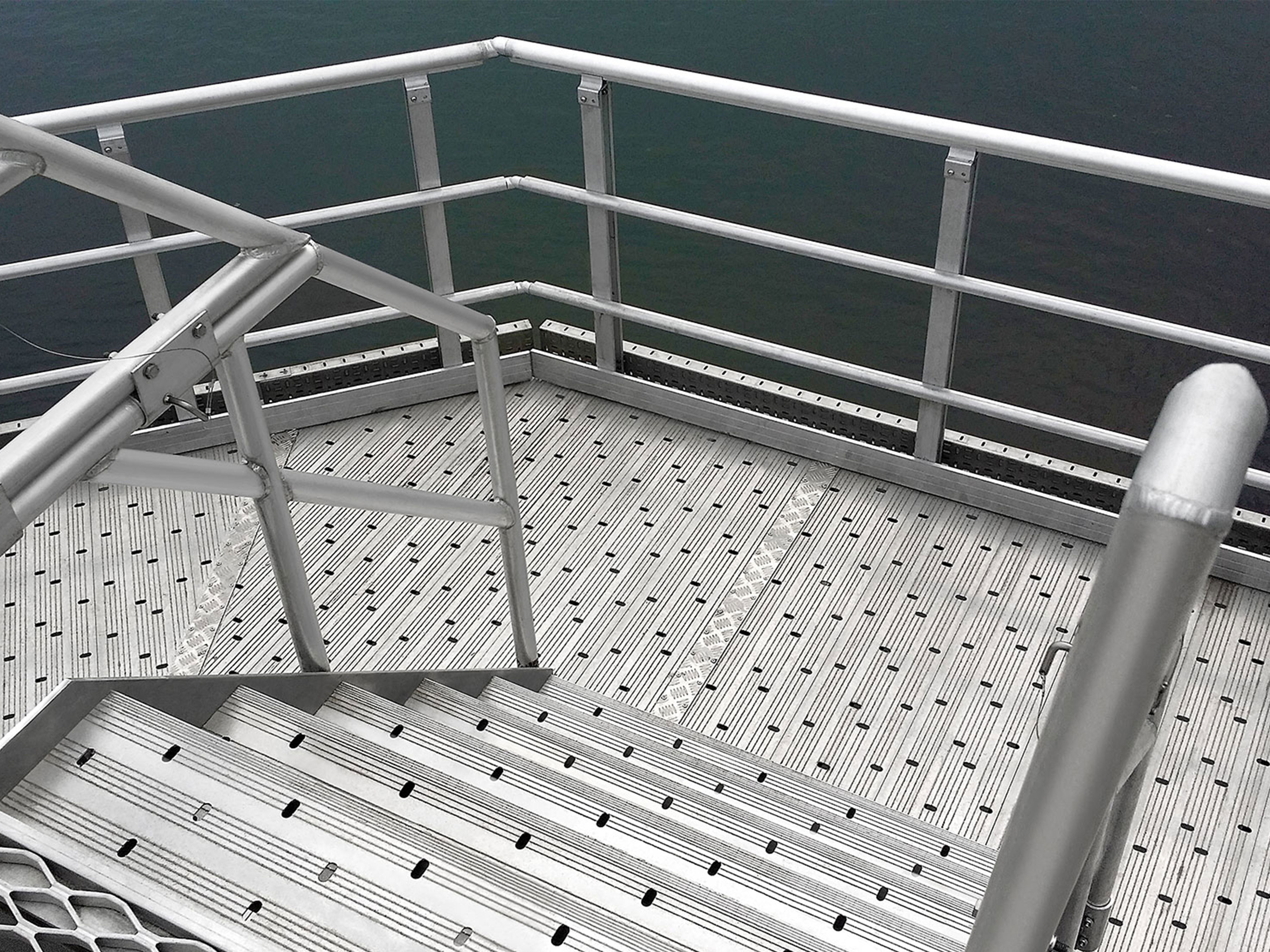
Marine aluminum customized shapes
Marine Grade Aluminum Customized Shapes encompass a broad range of aluminum extrusions and fabrications engineered beyond standard profiles—such as channels, angles, tubes, and beams—into complex, project-specific geometries.
View Details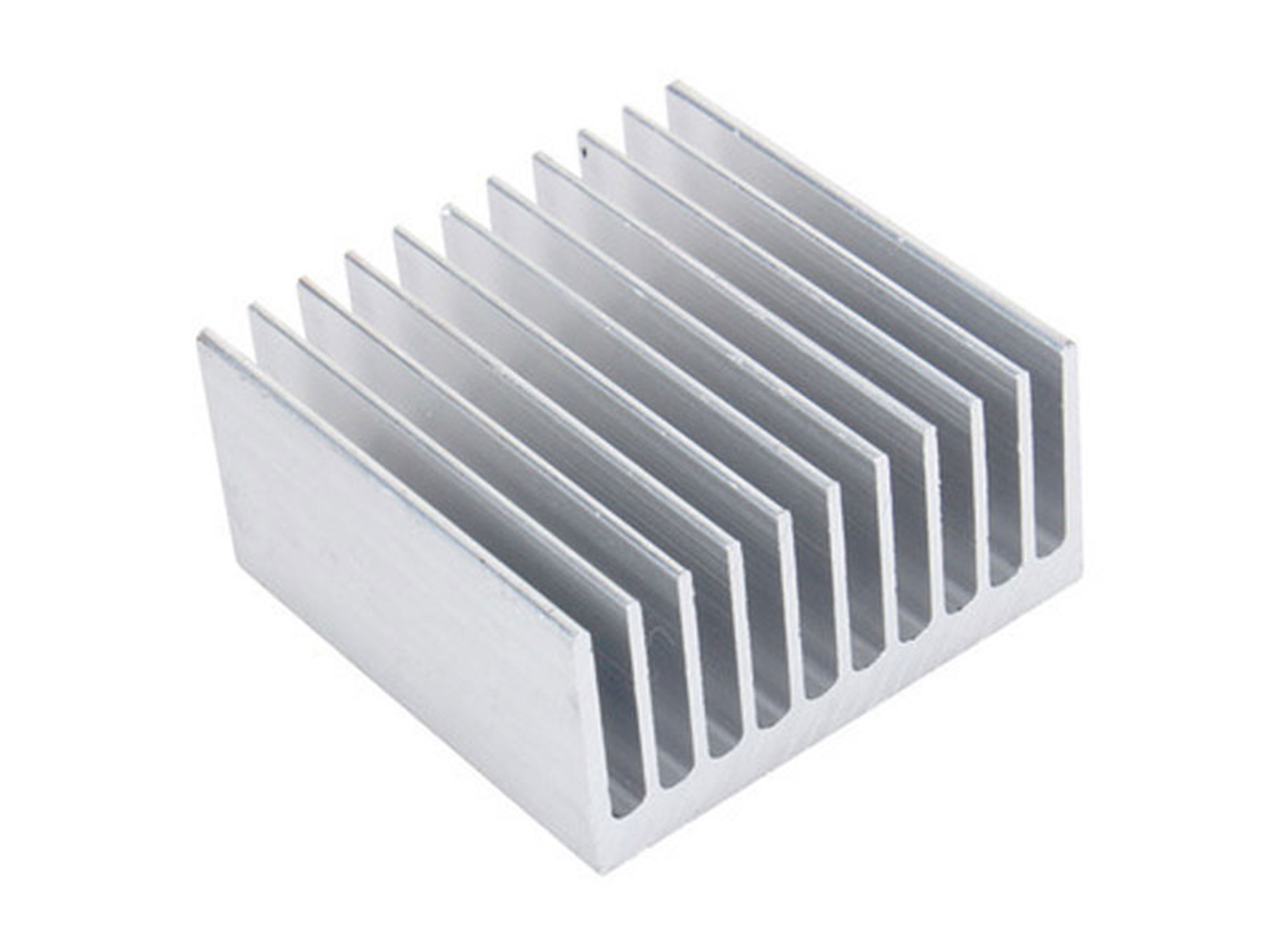
Marine aluminum heat sink profile
Marine Grade Aluminum Heat Sink Profiles utilize alloys such as 6061 and 6063 that not only exhibit high thermal conductivity but also possess excellent corrosion resistance required for saltwater exposure.
View Details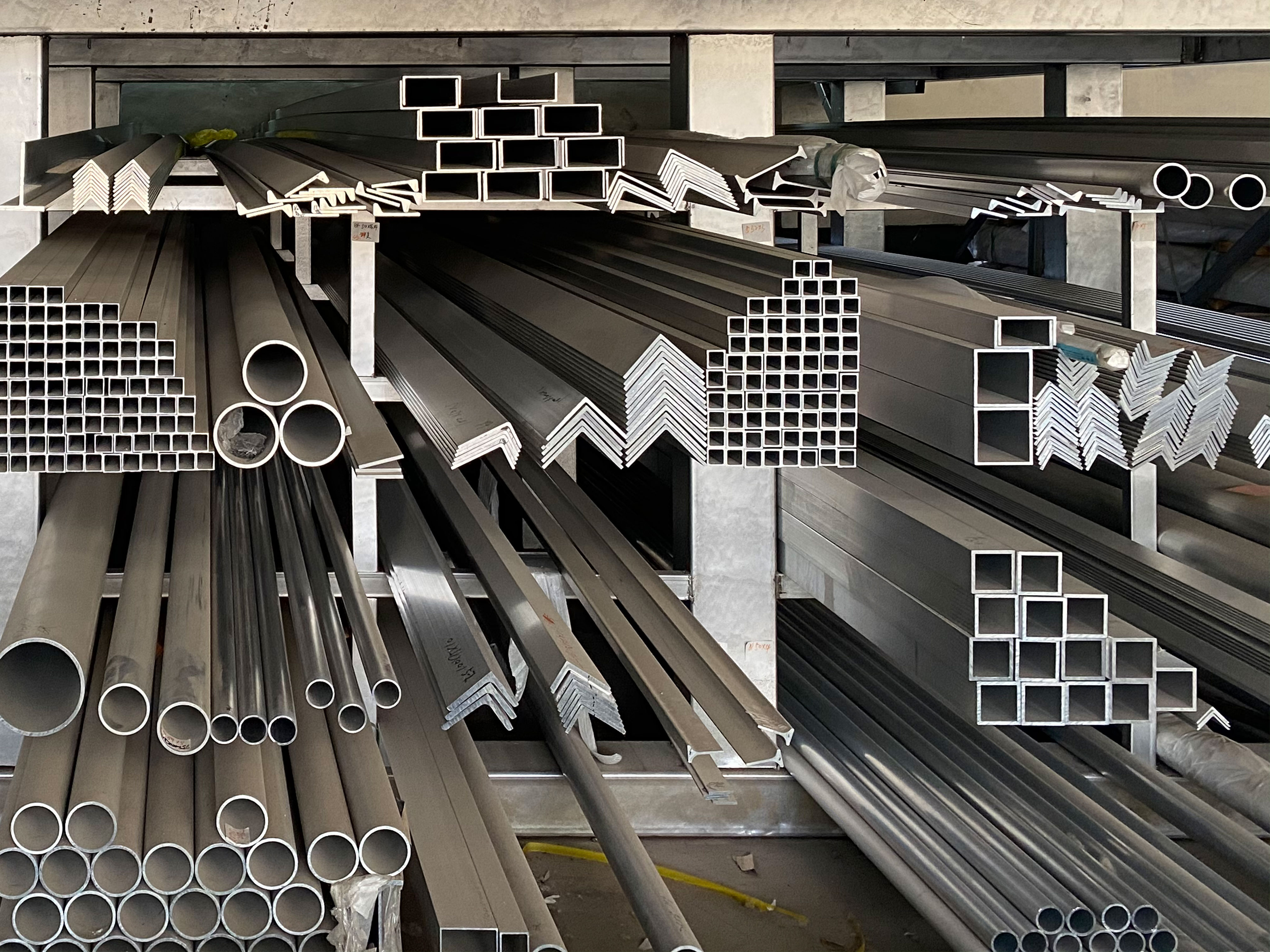
Marine aluminum fencing and railings
Marine Grade Aluminum Fencing and Railings are fabricated using marine-grade aluminum alloys such as 5083, 5052, and 6061, which are engineered specifically for protection against saltwater corrosion and marine atmospheric conditions.
View DetailsRelated Blog
6063 Marine Aluminum Heat Sink Profile for Coastal Platform Electronics
Advantages of 6063 marine aluminum heat sink profiles, engineered to provide superior thermal management and corrosion resistance for coastal platform electronics. Ideal for harsh maritime environments.
View Details
Marine Aluminum Heat Sink Profile for Heavy Duty Offshore Cooling Systems
In the marine industry, cooling systems are critical components of any operation, especially in offshore applications where durability and reliability are imperative.
View Details
6063 Marine Aluminum Heat Sink Profile for Cooling High Performance Offshore Equipment
6063 Marine Aluminum Heat Sink Profile for Cooling High Performance Offshore EquipmentOffshore equipment rarely fails because it is "underpowered." It fails because heat, salt, vibration.
View Details
6061 Marine Aluminum Customized Shapes for Efficient Coastal Engineering Projects
6061 Marine Aluminum is a premium-grade aluminum alloy recognized for its exceptional corrosion resistance, mechanical strength, and versatility in coastal engineering.
View Details
Marine Aluminum Heat Sink Profile for Seawater Resistant Marine Equipment Cooling
Marine electronics and power systems increasingly operate in harsh, salt-laden atmospheres where thermal control and corrosion resistance must be engineered together-not traded off.
View Details
6061 Marine Aluminum Heat Sink Profile for Custom Boat and Ship Engine Cooling
Explore the superior cooling efficiency of 6061 Marine Aluminum Heat Sink Profiles, engineered for custom boat and ship engines. detailed specifications, temper types, chemical properties, standards compliance, and advanced corrosion resistance features o
View Details
Leave a Message