
10mm Thickness Aluminum Plate for Boat
A 10mm thickness aluminum plate for boat construction provides a strong, corrosion-resistant foundation for vessels operating in saltwater, freshwater, and industrial marine environments. This thickness is commonly selected for heavy-duty hull zones, transoms, engine foundations, bulkheads, deck structures, and workboat components where thinner sheet may not provide sufficient impact resistance or stiffness.
Marine aluminum plate combines low weight with high strength and excellent weldability. Compared with steel, aluminum helps reduce vessel displacement, support higher payload capacity, improve fuel efficiency, and simplify handling during fabrication. For welded boat structures, 5xxx-series aluminum alloys, especially 5083 and 5086, are widely preferred because they retain dependable properties after welding and resist seawater corrosion effectively.
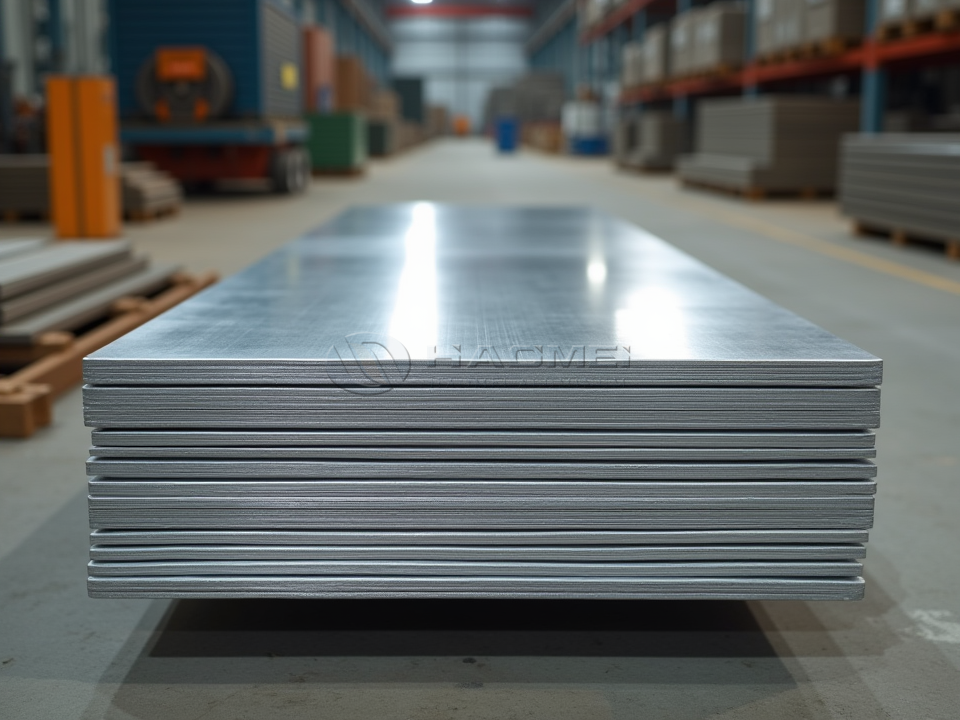
Where 10mm Marine Aluminum Plate Is Used
A 10mm plate is generally used in areas exposed to concentrated loads, vibration, wave impact, abrasion, or machinery weight. It can be cut, formed, welded, and machined for both commercial and recreational vessels.
| Boat Component | Typical Role of 10mm Aluminum Plate | Recommended Alloy Condition |
|---|---|---|
| Hull bottom plating | Resists slamming loads, grounding impact, and abrasion | 5083-H116, 5083-H321 |
| Transoms | Supports outboard engines, stern equipment, and brackets | 5083-H116, 5086-H116 |
| Bulkheads | Adds transverse strength and compartment separation | 5083-H116, 5086-H32 |
| Engine beds | Carries machinery loads and reduces local deformation | 5083-H116, 5086-H116 |
| Deck support members | Reinforces high-traffic or equipment-mounted areas | 5083-H321, 5086-H32 |
| Patrol and workboat structures | Provides durability under repeated operational stress | 5083-H116, 5086-H116 |
| Fishing boat floors and platforms | Delivers wear resistance and a stable structural base | 5083-H116, 5052-H32 |
For high-load sections of a welded hull, Marine 5083 aluminum sheet is often specified because of its strong balance of tensile strength, corrosion resistance, and marine-service reliability.
Suitable Alloys for 10mm Boat Plate
Alloy selection depends on vessel design, operating region, welding method, forming requirements, and classification requirements. 5083 is commonly used for major hull structures, while 5086 is an excellent choice for plate requiring corrosion resistance and sound welding performance. 5052 may be used for less highly stressed fittings, interior structures, and secondary parts.
| Alloy | Main Characteristics | Common 10mm Boat Applications |
|---|---|---|
| 5083 | High strength, strong seawater resistance, excellent weldability | Hulls, transoms, bulkheads, patrol boats, fast craft |
| 5086 | Excellent corrosion resistance, good strength, reliable fabrication behavior | Hull plating, superstructures, deck sections, workboats |
| 5052 | Good formability, good corrosion resistance, moderate strength | Interior panels, tanks, brackets, flooring, fittings |
Chemical Composition of Marine Aluminum Alloys
The magnesium content in 5xxx marine alloys supports corrosion resistance and work-hardening strength. Manganese and chromium help improve structure and corrosion behavior, while iron, silicon, copper, and zinc are controlled to maintain consistent marine performance.
| Element, % by Weight | 5083 | 5086 | 5052 |
|---|---|---|---|
| Magnesium, Mg | 4.0-4.9 | 3.5-4.5 | 2.2-2.8 |
| Manganese, Mn | 0.4-1.0 | 0.20-0.70 | 0.10 max |
| Chromium, Cr | 0.05-0.25 | 0.05-0.25 | 0.15-0.35 |
| Iron, Fe | 0.40 max | 0.50 max | 0.40 max |
| Silicon, Si | 0.40 max | 0.40 max | 0.25 max |
| Copper, Cu | 0.10 max | 0.10 max | 0.10 max |
| Zinc, Zn | 0.25 max | 0.25 max | 0.10 max |
| Titanium, Ti | 0.15 max | 0.15 max | - |
| Aluminum, Al | Balance | Balance | Balance |
Values shown are commonly referenced composition limits. Final requirements should follow the applicable material standard and mill test certificate.
Mechanical and Physical Data at 10mm Thickness
Mechanical values vary according to temper, width, production route, and governing standard. H116 and H321 are frequently specified for marine hull plate because they are designed for improved resistance to exfoliation corrosion in seawater service.
| Property | 5083-H116 / H321 | 5086-H116 | 5052-H32 |
|---|---|---|---|
| Typical tensile strength, MPa | 275-350 | 260-330 | 210-260 |
| Typical yield strength, MPa | 125-245 | 110-230 | 160-195 |
| Typical elongation, % | 10-16 | 10-16 | 8-14 |
| Density, g/cm³ | 2.66 | 2.66 | 2.68 |
| Elastic modulus, GPa | 70 | 70 | 70 |
| Melting range, °C | 570-640 | 574-638 | 605-655 |
| Thermal conductivity, W/m·K | Approx. 117 | Approx. 117 | Approx. 138 |
A 10mm aluminum plate has an approximate theoretical weight of 27.0 kg/m² for 5083 or 5086 alloy. This calculation assists naval architects, fabricators, and purchasing teams in estimating material requirements.
| Plate Size | Area | Approximate Weight for 10mm 5083/5086 Plate |
|---|---|---|
| 1000 × 2000 mm | 2.0 m² | 53.2 kg |
| 1250 × 2500 mm | 3.125 m² | 83.1 kg |
| 1500 × 3000 mm | 4.5 m² | 119.7 kg |
| 2000 × 6000 mm | 12.0 m² | 319.2 kg |
Temper Conditions for Boat Fabrication
Temper selection affects strength, bending capability, and corrosion behavior. A plate condition should match the forming radius, welded-joint design, and service exposure of the vessel.
| Temper | Material Condition | Marine Use Consideration |
|---|---|---|
| O | Fully annealed, softest condition | Suitable for extensive forming; lower strength than strain-hardened plate |
| H32 | Strain hardened and stabilized | Used for moderate-strength components and fabricated boat parts |
| H116 | Strain hardened for marine corrosion resistance | Preferred for hull plating exposed to seawater and severe humidity |
| H321 | Strain hardened and stabilized | Common for welded structures requiring stable mechanical properties |
Standards and Quality Requirements
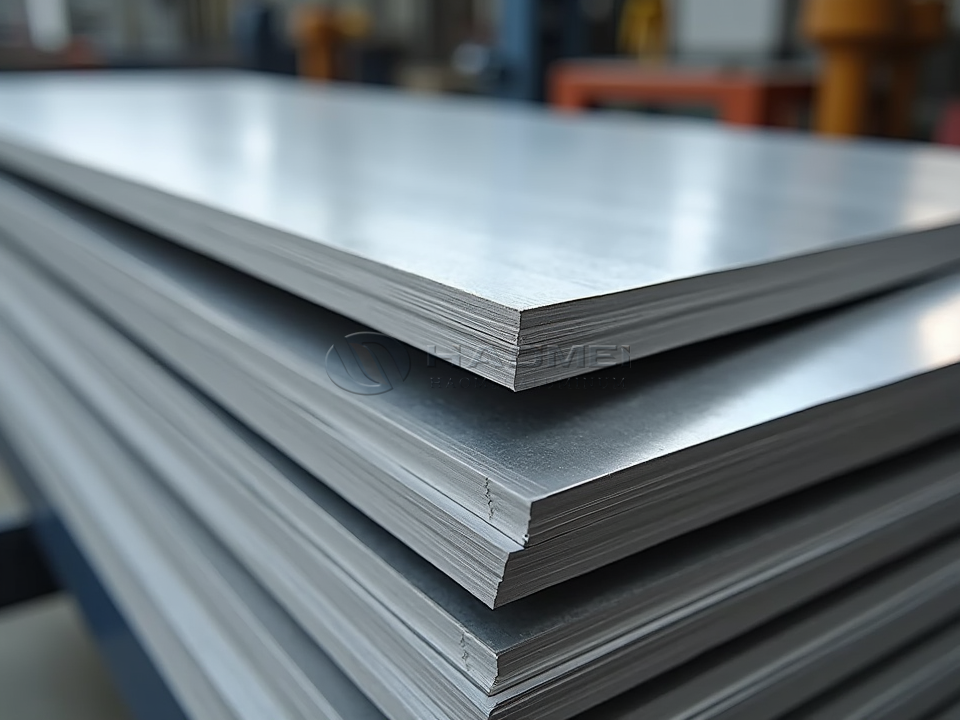
Marine-grade 10mm aluminum plate should be supplied with traceable quality documentation. Material certificates normally confirm chemical composition, tensile properties, dimensions, temper, lot number, and inspection results. Projects governed by a marine classification society may require additional approval or testing.
| Standard or Requirement | Relevance to 10mm Boat Aluminum Plate |
|---|---|
| ASTM B928/B928M | Plate and sheet for marine service, including 5083 and 5086 in H116 or H321 temper |
| ASTM B209/B209M | General aluminum and aluminum-alloy sheet and plate requirements |
| EN 485 | Mechanical property and tolerance requirements for aluminum sheet, strip, and plate |
| EN 573 | Chemical composition designation for aluminum alloys |
| EN 13195 | Specifications for aluminum and aluminum alloy plate used in shipbuilding |
| DNV, ABS, Lloyd's Register, BV | Classification documentation may be requested for specified vessel projects |
Fabrication Guidance for Long-Service Boats
The performance of a 10mm aluminum plate depends on proper design and fabrication. Aluminum should be stored dry, protected from steel contamination, and handled with clean lifting equipment. Contact with carbon steel particles can create localized corrosion risks in wet marine environments.
MIG welding is frequently used for thicker marine plate because it offers high deposition rates and practical field operation. Common filler selections include 5183, 5356, and 5556, chosen according to alloy, joint design, and strength requirements. Welding surfaces should be cleaned immediately before fabrication to remove oxide, oil, moisture, and debris.
Avoid sharp internal corners and overly tight bends, especially in H116 and H321 material. Adequate bend radii help prevent cracking. Where dissimilar metals are unavoidable, use insulating barriers, compatible sealants, and controlled drainage to reduce galvanic corrosion.
Choosing the Right 10mm Plate
A properly specified 10mm thickness aluminum plate for boat construction delivers long-term structural value through low weight, seawater durability, weldable strength, and practical fabrication. For primary hull areas and demanding commercial vessels, 5083-H116 or 5083-H321 is often the preferred direction. For corrosion-resistant structural assemblies and workboat components, 5086-H116 provides another proven marine option.
Confirm alloy, temper, dimensions, tolerance, surface condition, certification needs, and cut-size requirements before production. This approach helps ensure the plate fits the vessel structure, fabrication process, and intended operating environment.

Related Products
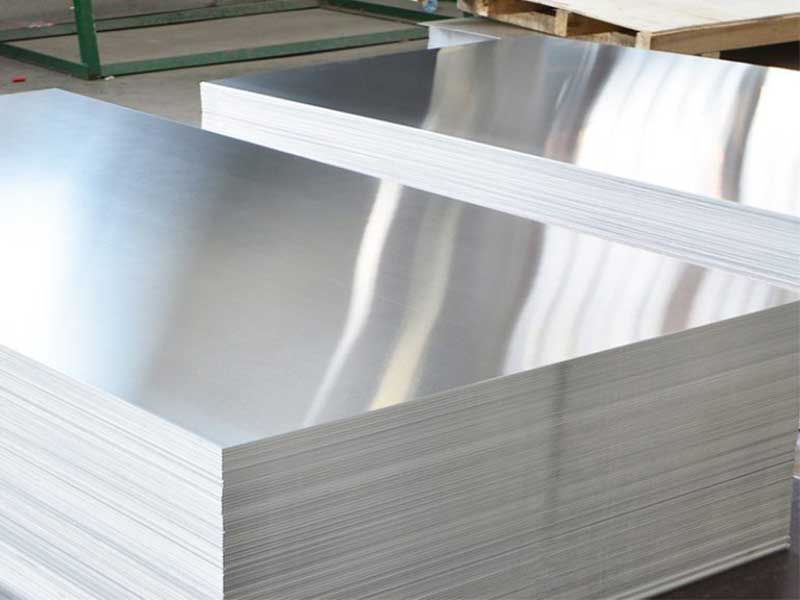
Marine anodized aluminum sheets
Marine Anodized Aluminum Sheets start with premium marine-grade aluminum alloys such as 5000 and 6000 series (typically 5083, 5052, and 6061).
View Details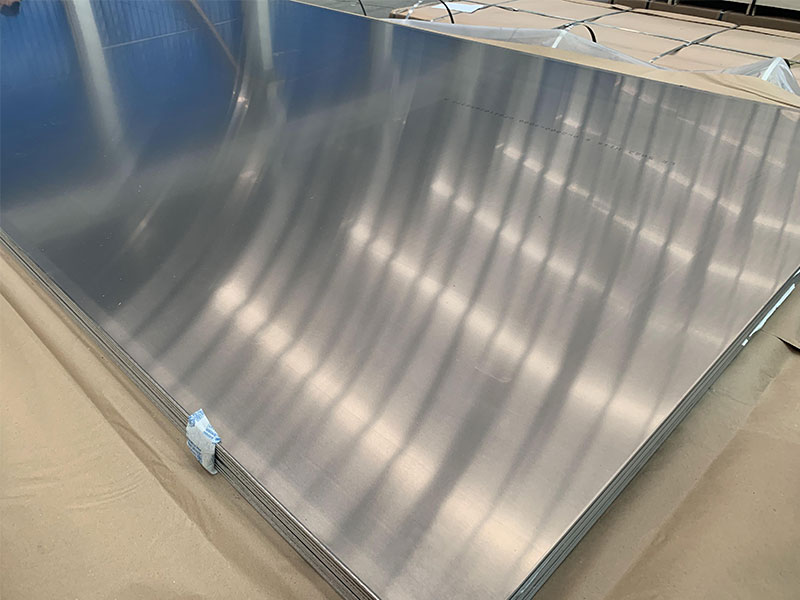
Marine 5052 aluminum sheet
Aluminum alloy 5052 is a non-heat-treatable, strain-hardened alloy with magnesium as the primary alloying element. It is designed to offer superior corrosion resistance in marine and saline environments, making it a dependable choice for components exposed directly to seawater or coastal atmospheric conditions.
View Details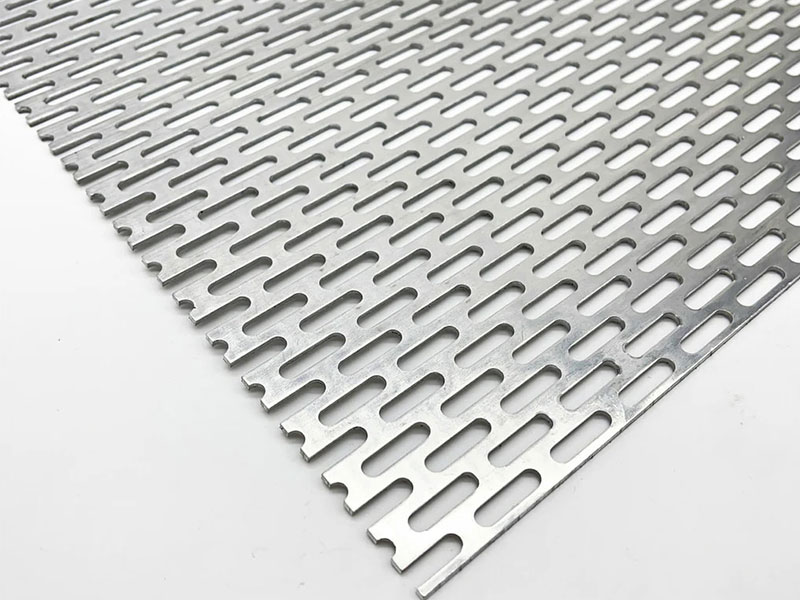
Marine perforated aluminum sheets
Marine Perforated Aluminum Sheets feature a series of uniform holes or shapes punched through the aluminum surface. These perforations can vary in size, pattern, and open area to tailor the sheets for specific applications.
View Details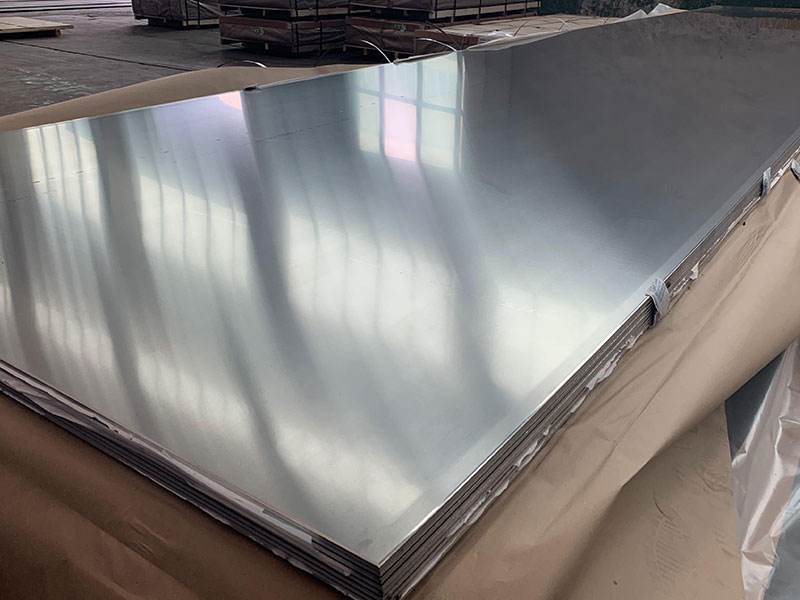
Marine 5086 aluminum sheet
This product article provides an in-depth and comprehensive understanding of Marine 5086 Aluminum Sheets, including their chemical composition, mechanical properties, corrosion resistance, fabrication capabilities, and typical marine applications.
View Details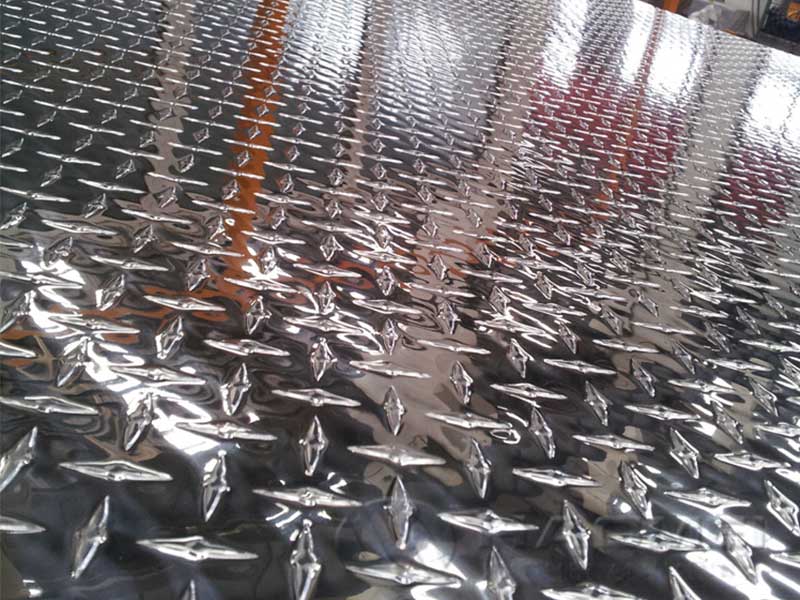
Marine Aluminum Tread Sheets
Marine Aluminum Tread Sheets are aluminum alloy plates featuring a raised surface pattern, commonly referred to as a tread design or diamond plate.
View Details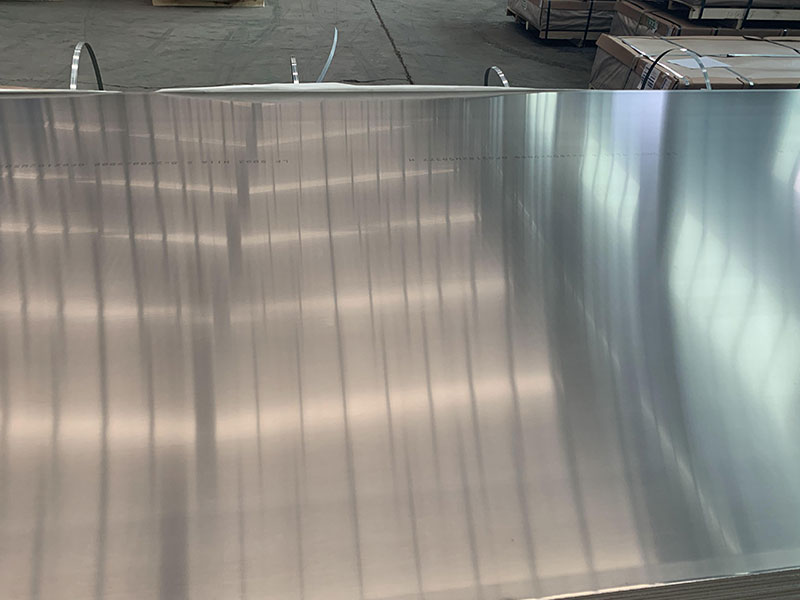
Marine 5383 aluminum sheet
5383 aluminum is a strain-hardened, non-heat-treatable alloy from the 5xxx series primarily alloyed with magnesium. It exhibits a unique balance of corrosion resistance and mechanical properties particularly suited for marine applications.
View DetailsRelated Blog
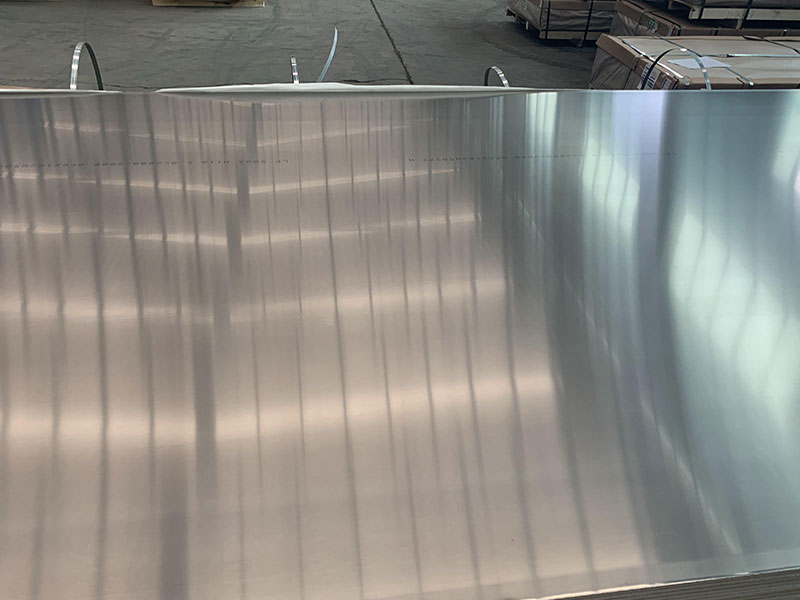
Mill Finish Aluminium Sheet for Ship building
When it comes to shipbuilding, choosing the right materials is pivotal for ensuring both durability and optimal performance. Among various options, mill finish aluminium sheet stands out as a superior choice.
View Details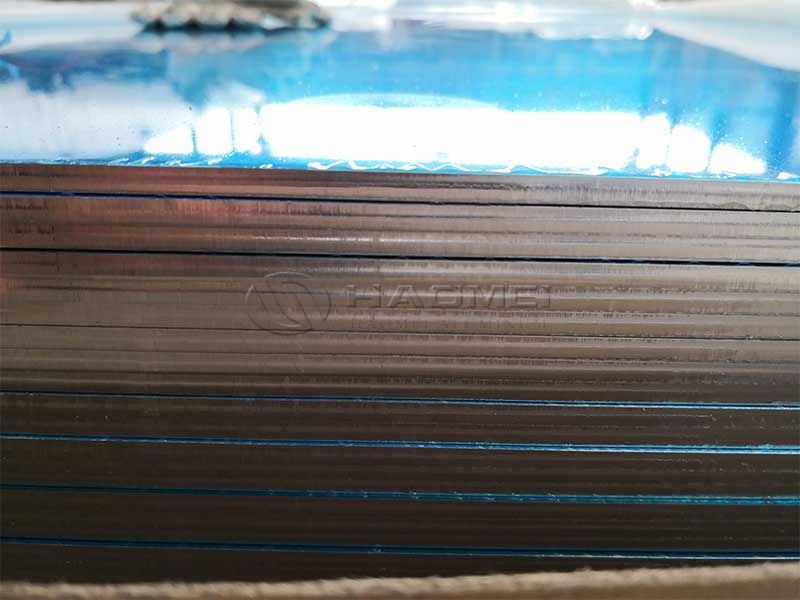
Marine Grade Aluminum 5052 5083 6063 H111 H22 H32 H36 Plate
Marine aluminum 5052, 5083, and 6063 plates in H111, H22, H32, and H36 tempers for hulls, decks, cabins, tanks, and fittings.
View Details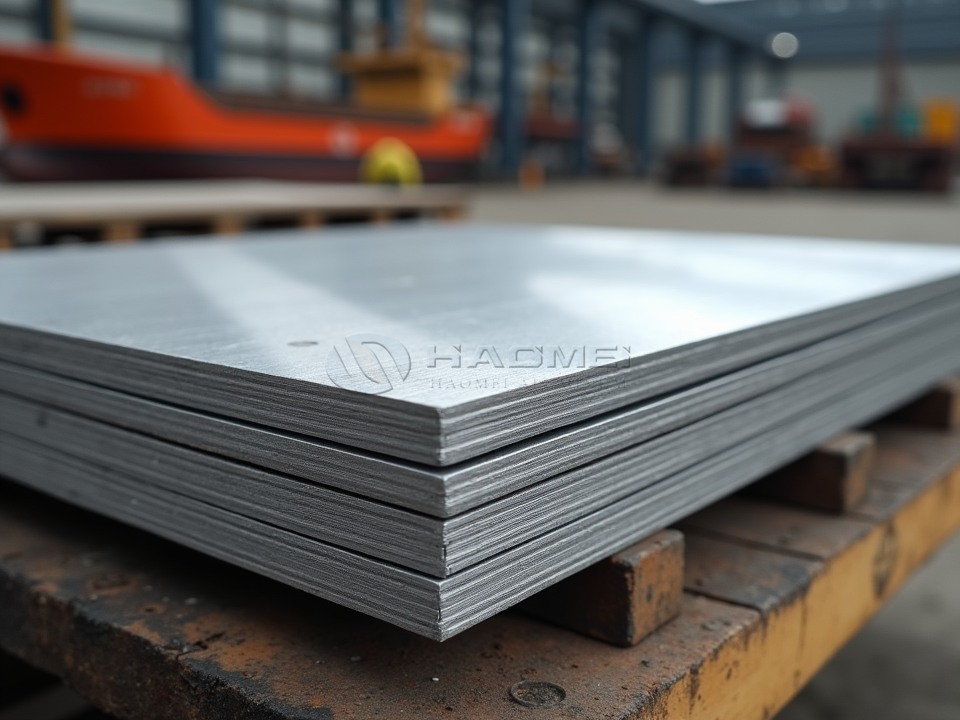
Aluminum Plate 5456 O H111 H112 Marine Grade
5456 marine aluminum plate in O, H111, and H112 tempers offers high strength, seawater corrosion resistance, weldability, and low vessel weight.
View Details
Aluminum sheet 5754 O H111 H112 Marine Grade
Aluminum sheet 5754 O H111 H112 is a high-performance marine-grade aluminum alloy widely used in the marine industry. Renowned for its excellent corrosion resistance and mechanical properties.
View Details
0.3mm 0.4mm 0.5mm 1.6mm Thickness Roll Aluminium Coil Sheet 5052 h32 For Boat
When it comes to marine applications, selecting the right material is crucial for performance, durability, and safety. Enter the 5052 H32 marine aluminum coil sheet, available in thicknesses ranging from 0.
View Details
AntiCorrosion 5083 Aluminum Sheet for Marine
Superior corrosion resistance and high strength of AntiCorrosion 5083 Aluminum Sheets, specifically designed for marine applications. Learn detailed specifications, alloy tempering, mechanical properties, and implementation standards in this comprehensive
View Details
Leave a Message