
Aluminum Plate 5456 O H111 H112 Marine Grade
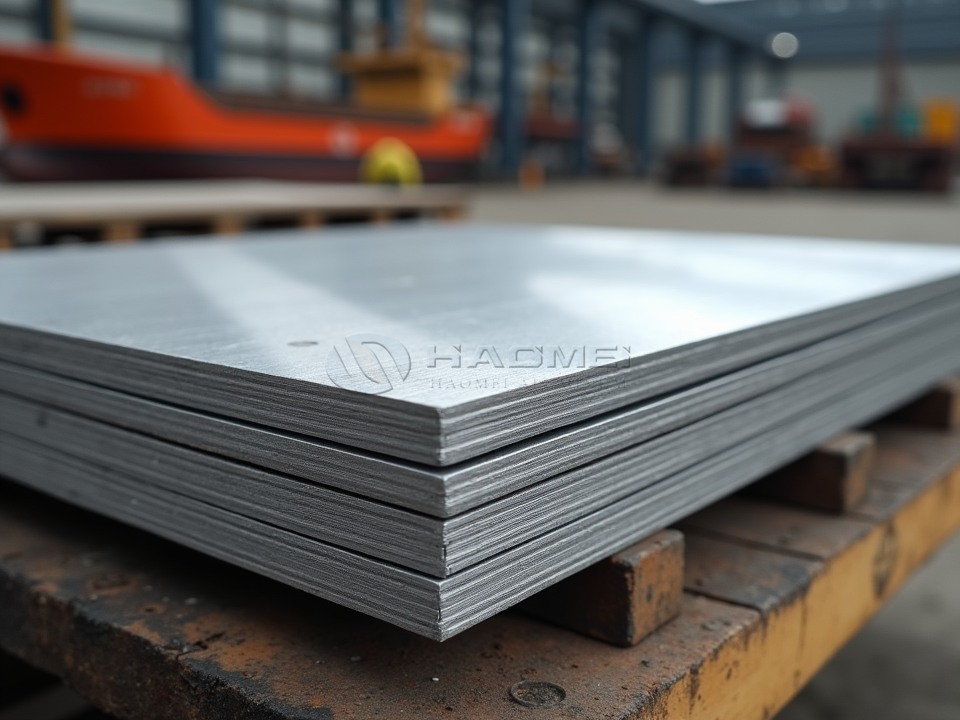
5456 marine aluminum plate is a high-magnesium aluminum alloy developed for structures that must remain strong, lightweight, and dependable in saltwater service. Available in O, H111, and H112 tempers, this alloy is widely specified for welded hull structures, decks, bulkheads, superstructures, offshore equipment, and heavy-duty marine components.
Compared with standard aluminum grades, 5456 offers a higher magnesium content and stronger work-hardened performance. It delivers an excellent balance between structural strength and corrosion resistance, helping shipbuilders reduce vessel weight without sacrificing durability. For workboats, fishing vessels, patrol craft, ferries, barges, and offshore platforms, 5456 plate provides a practical material choice where long-term seawater exposure is expected.
Alloy Characteristics
5456 belongs to the 5xxx aluminum-magnesium alloy family. Its principal alloying element is magnesium, supported by manganese and chromium. This composition provides strong resistance to chloride-containing environments and good performance in welded structures.
The alloy is non-heat-treatable. Its strength is developed through alloy composition, controlled rolling, and temper processing rather than solution heat treatment. This makes 5456 especially suitable for large fabricated marine structures where welded joints are unavoidable.
| Property | Typical Performance of 5456 Marine Plate |
|---|---|
| Alloy family | Aluminum-magnesium, 5xxx series |
| Main alloying element | Magnesium |
| Density | Approximately 2.66 g/cm³ |
| Corrosion behavior | Strong resistance to seawater and marine atmosphere |
| Weldability | Excellent with suitable filler metal and procedure control |
| Formability | Excellent in O temper; good in H111 and H112 |
| Machinability | Fair, with proper cutting tools and lubrication |
| Heat treatment | Not heat-treatable for strength improvement |
| Typical supply form | Hot-rolled plate, cut-to-size plate, machined blanks |
The lower density of aluminum compared with steel creates major advantages for marine construction. A lighter hull can support increased payload, improve fuel economy, reduce draft, and contribute to higher operating speed. In passenger vessels and high-speed craft, weight reduction can have a direct effect on commercial performance.
Chemical Composition
The controlled chemistry of 5456 is responsible for its marine-grade behavior. Magnesium raises strength and improves seawater corrosion resistance, while manganese and chromium help maintain stable properties during plate production and fabrication.
| Element | Typical Specification Range, % by Weight |
|---|---|
| Magnesium, Mg | 4.7 - 5.5 |
| Manganese, Mn | 0.5 - 1.0 |
| Chromium, Cr | 0.05 - 0.20 |
| Silicon, Si | 0.25 max |
| Iron, Fe | 0.40 max |
| Copper, Cu | 0.10 max |
| Zinc, Zn | 0.25 max |
| Titanium, Ti | 0.20 max |
| Other elements | 0.05 max each, 0.15 max total |
| Aluminum, Al | Balance |
For demanding marine service, material selection should consider plate thickness, service temperature, exposure conditions, fabrication method, and applicable vessel-class requirements. Inspection certificates, chemical analysis, mechanical testing, and corrosion-related testing may be requested for critical projects.
O, H111, and H112 Tempers
The temper condition affects how 5456 plate bends, forms, welds, and carries structural loads. Selecting the right temper helps fabricators achieve efficient production and dependable field performance.
| Temper | Condition | Fabrication Benefit | Common Marine Use |
|---|---|---|---|
| O | Fully annealed | Maximum ductility and bendability | Curved hull panels, formed sections, complex fabrication |
| H111 | Slightly strain-hardened | Balanced strength and forming ability | Deck panels, shell plating, bulkheads, general structures |
| H112 | Strain-hardened from hot working | Stable structural properties in heavier plate | Hull structures, frames, offshore components, welded assemblies |
5456-O plate is preferred where deep forming, rolling, pressing, or complex curvature is required. The annealed temper is comparatively soft and easy to shape, making it useful for rounded hull sections and formed marine panels.
5456-H111 offers moderate strain hardening while preserving good fabrication flexibility. It is often selected when the project requires better strength than O temper but still needs practical bending and welding characteristics.
5456-H112 is commonly supplied in hot-worked plate for structural applications. It is well suited to thicker sections where dimensional stability, strength, and reliable weld fabrication are important. Actual mechanical requirements vary by thickness, product standard, and customer specification.
Marine Corrosion Resistance
Saltwater is a demanding environment because chloride ions, moisture, mechanical damage, and galvanic contact can accelerate corrosion. 5456 marine aluminum plate naturally forms a dense aluminum oxide film that helps protect the underlying metal. This film reforms when lightly damaged, supporting long service life in marine atmospheres and seawater exposure.
Good design and fabrication practices remain essential. Drainage should prevent standing water, dissimilar metals should be electrically isolated where practical, and crevices should be minimized. For vessels operating in elevated-temperature environments or under continuous severe exposure, sensitization and corrosion testing requirements should be reviewed with the project specification.
For comparison with other high-strength 5xxx alloys, Marine 5083 aluminum sheet is also frequently used in hull and offshore construction where established marine specifications are required.
Welding and Fabrication Performance
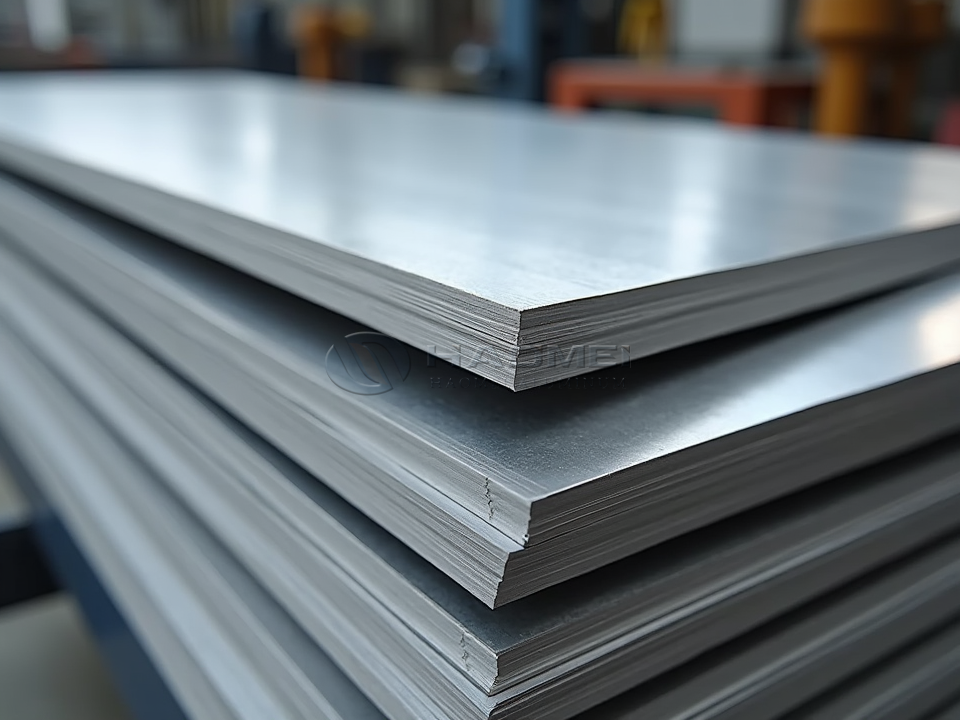
5456 aluminum plate is valued for its excellent weldability. MIG and TIG welding are widely used for marine fabrication, especially on hull panels, deck structures, brackets, longitudinal stiffeners, and bulkhead assemblies. Suitable filler alloys may include 5183, 5556, or another filler selected according to joint design, parent material, service environment, and classification requirements.
Proper preparation supports sound welds. Plate surfaces should be clean, dry, and free from oil, oxide buildup, paint, and salt contamination. Fabricators should use controlled heat input to limit distortion, especially with thin plate or large welded panels. Aluminum conducts heat quickly, so fixturing and welding sequence have a strong influence on final flatness.
5456 can be cut by CNC routing, waterjet, plasma, and other suitable methods. For heavy plate, machining parameters should account for aluminum's tendency to form chips and adhere to cutting tools. Sharp tooling, appropriate rake angle, and effective lubrication help produce clean edges and consistent dimensions.
Typical Applications
5456 O H111 H112 marine grade aluminum plate is used where strength, weldability, and seawater resistance must work together. Common applications include:
- High-speed craft hull plating and structural panels
- Fishing boats, patrol vessels, ferries, and workboats
- Decks, bulkheads, engine-room partitions, and superstructures
- Barge sides, cargo areas, ramps, and deck structures
- Offshore platforms, walkways, access structures, and equipment enclosures
- Marine tanks, utility compartments, hatch covers, and protective panels
- Heavy welded fabrications exposed to coastal or saltwater conditions
For slip-resistant access decks, gangways, steps, and service platforms, Marine Aluminum Tread Sheets can complement smooth 5456 plate in the same vessel fabrication program.
Supply Considerations
5456 marine aluminum plate can be supplied in standard and customized dimensions, including cut-to-length panels and project-specific thicknesses. Typical plate orders may require mill test certificates, ultrasonic testing, flatness control, protective film, seaworthy export packing, or classification-related documentation.
When specifying 5456 plate, customers should clearly state the temper, thickness, width, length, applicable standard, surface condition, required testing, and intended application. This ensures the supplied plate is matched to the forming, welding, and corrosion-resistance demands of the final marine structure.
5456 O, H111, and H112 aluminum plate gives marine fabricators a strong, corrosion-resistant, and weld-friendly material platform for vessels and offshore structures built to operate confidently in demanding saltwater environments.

Related Products
Marine perforated aluminum sheets
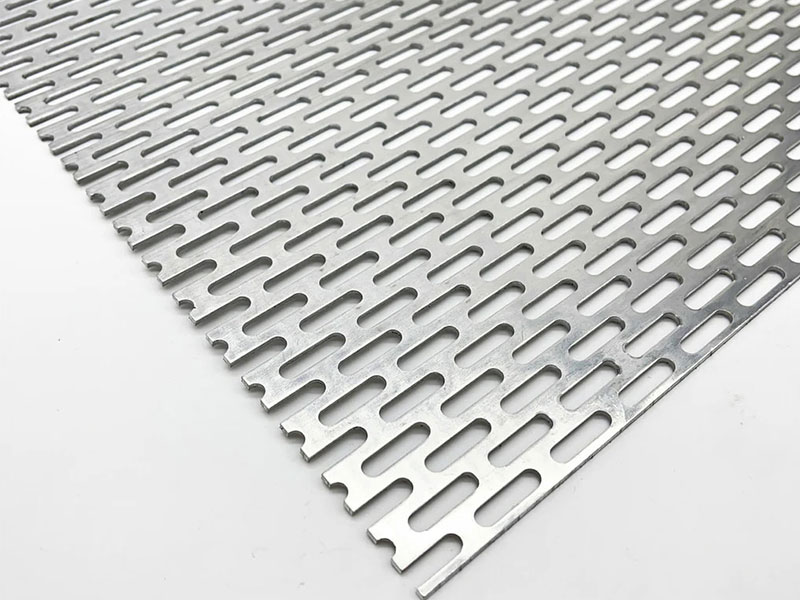
Marine Perforated Aluminum Sheets feature a series of uniform holes or shapes punched through the aluminum surface. These perforations can vary in size, pattern, and open area to tailor the sheets for specific applications.
View Details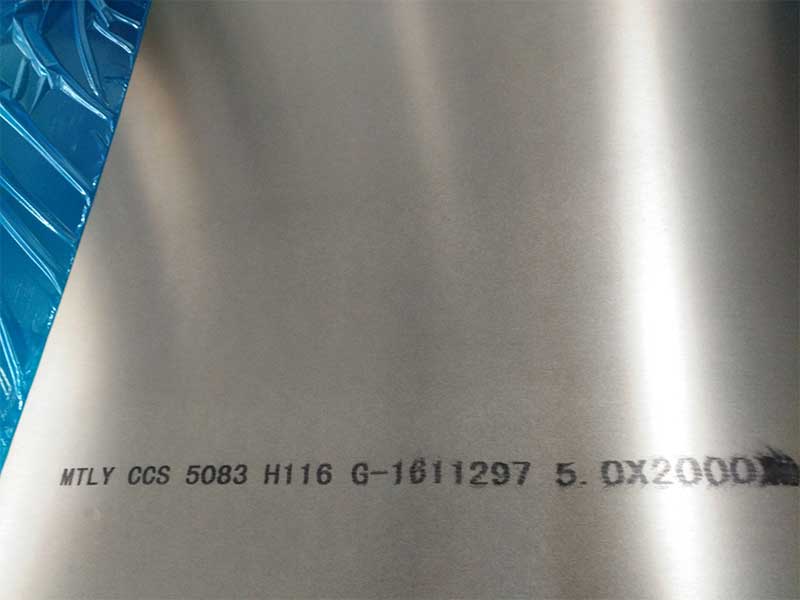
Marine 5083 aluminum sheet
Aluminum alloy 5083 is a non-heat-treatable alloy primarily composed of magnesium and trace elements that deliver outstanding protection against corrosion, particularly in seawater and saline atmospheres.
View Details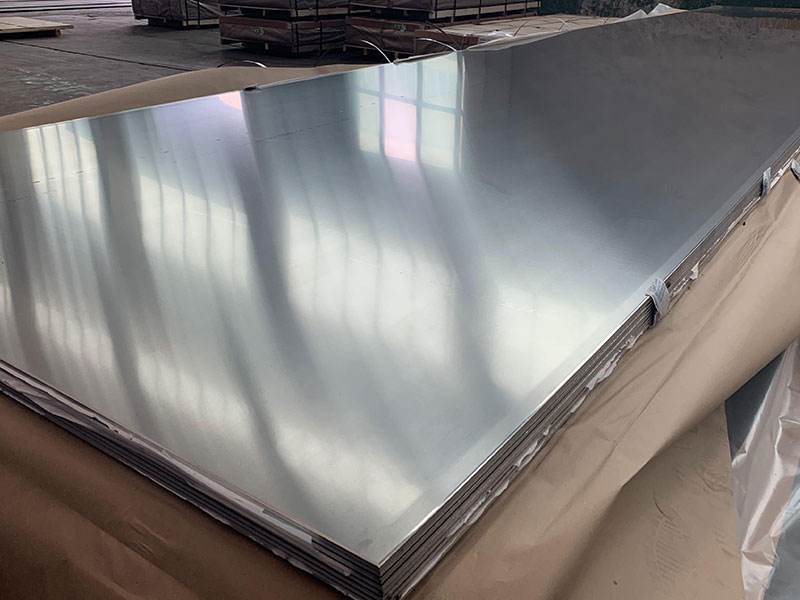
Marine 5086 aluminum sheet
This product article provides an in-depth and comprehensive understanding of Marine 5086 Aluminum Sheets, including their chemical composition, mechanical properties, corrosion resistance, fabrication capabilities, and typical marine applications.
View Details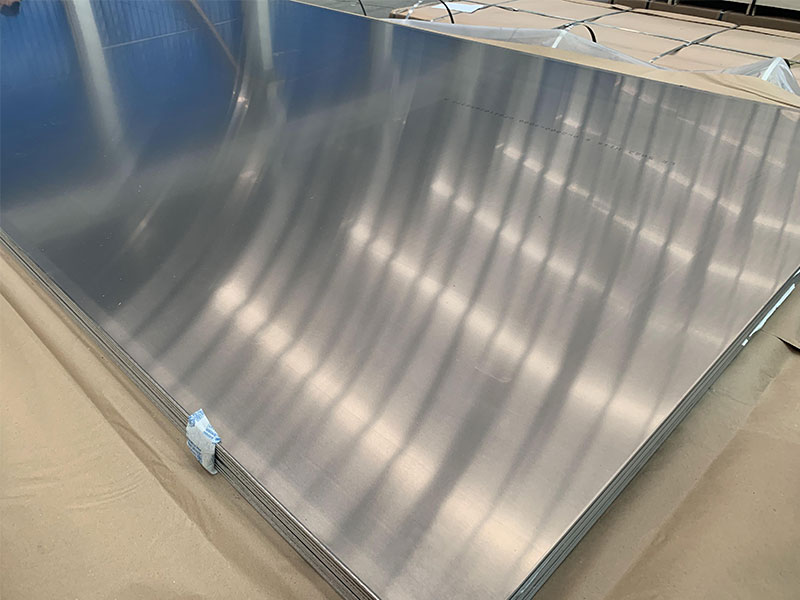
Marine 5052 aluminum sheet
Aluminum alloy 5052 is a non-heat-treatable, strain-hardened alloy with magnesium as the primary alloying element. It is designed to offer superior corrosion resistance in marine and saline environments, making it a dependable choice for components exposed directly to seawater or coastal atmospheric conditions.
View Details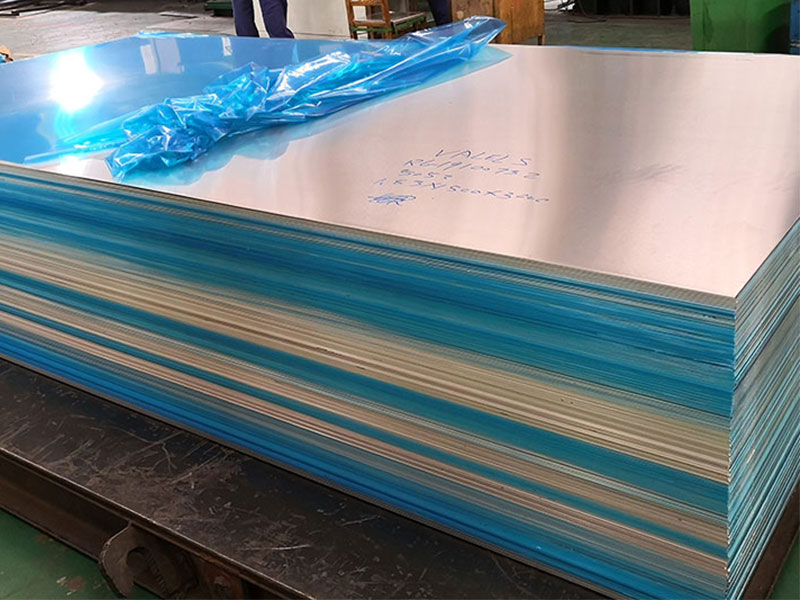
Marine 5059 aluminum sheet
5059 aluminum alloy is a strain-hardened material with a unique addition of magnesium and chromium, which provides outstanding resistance to localized corrosion like pitting and stress corrosion cracking.
View Details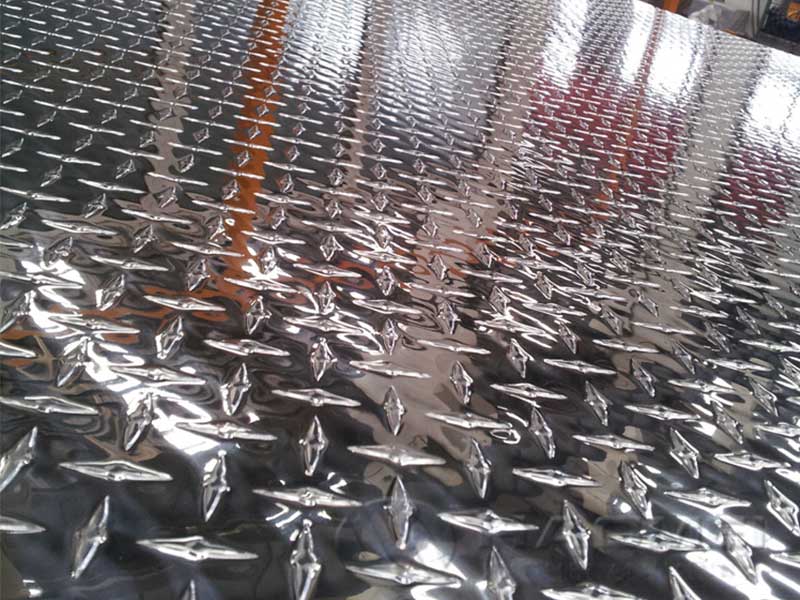
Marine Aluminum Tread Sheets
Marine Aluminum Tread Sheets are aluminum alloy plates featuring a raised surface pattern, commonly referred to as a tread design or diamond plate.
View DetailsRelated Blog
5052 Marine Anodized Aluminum Sheets
Learn how 5052 marine anodized aluminum sheets perform in saltwater, what anodizing changes, and how to choose temper, thickness, and finish for boats.
View Details
Ship Building Aluminum Plate 5083 H116 For Boat
5083 H116 ship building aluminum plate for boat hulls, covering standards, temper, properties, chemical composition, sizes, welding, corrosion and use.
View Details
5454 Aluminum Plate Sheet Aluminum Sheets for Tanker Marine Use
5454 aluminum plate sheet for tankers and marine fabrications, featuring corrosion resistance, weldability, temper options, dimensions, and handling guidance.
View Details
6061 Marine Anodized Aluminum Sheets
Explore 6061 marine anodized aluminum sheets, with corrosion resistance, stable strength, clean finish, fabrication data, and boat component guidance.
View Details
5083 h116 marine grade aluminium alloy sheet
When it comes to marine applications, the choice of materials plays a pivotal role in the performance and longevity of boats and ships. Among the plethora of options.
View Details
Alloy Aluminium Checkered Plate For Marine
A practical guide to marine alloy aluminium checkered plate, covering alloys, tread patterns, corrosion resistance, specifications, and uses.
View Details
Leave a Message