
Embossed Aluminum Sheet 5454 O H111 H112 Marine Grade
An embossed aluminum sheet does more than create an attractive metal surface. On a vessel, its raised pattern becomes a practical working layer: it improves traction under wet shoes, directs water away from contact points, reduces visible scuffing, and provides a durable finish that is easier to maintain than painted steel. Embossed aluminum sheet 5454 O H111 H112 marine grade is designed around this functional role, combining the corrosion resistance of an Al-Mg-Mn alloy with a patterned surface suited to marine traffic areas.
5454 is part of the 5xxx aluminum alloy family. It contains magnesium for strength and seawater corrosion resistance, plus manganese for improved structural stability. Compared with plain aluminum sheet, embossed 5454 provides a mechanical anti-slip effect without relying entirely on coatings, adhesive tapes, or applied grit. This makes it a valuable material for areas exposed to salt spray, washdown water, humidity, fish oils, fuel residue, and frequent foot traffic.
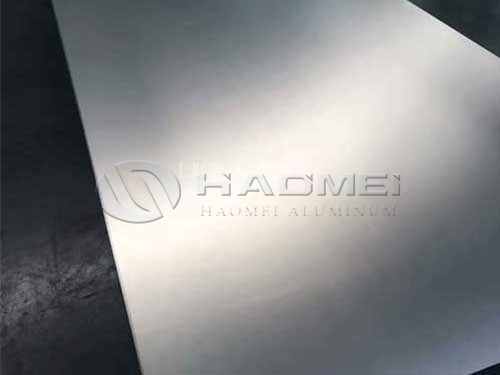
A Surface That Works While the Vessel Moves
The main purpose of embossing is to turn a flat sheet into a safer contact surface. Patterns may include stucco, orange-peel, diamond, five-bar tread, or customized roll-embossed designs. Each raised formation interrupts the thin film of water that can develop on smooth metal. Instead of allowing footwear, carts, equipment feet, or cargo to slide across a continuous wet surface, the embossing creates many small points of contact.
This characteristic is especially useful for walkways, cockpit floors, boarding platforms, service passages, stair treads, workboat decks, engine-room access panels, fishing vessel interiors, cabin floors, locker covers, and dock-related equipment. In non-marine settings, 5454 embossed sheet is also used in truck bodies, food-processing platforms, refrigeration equipment, chemical handling areas, and industrial flooring.
For applications that require a more pronounced anti-slip profile, Marine Aluminum Tread Sheets may be selected. Embossed 5454 sheet is often preferred when customers need a lighter surface texture, easier cleaning, a more refined visual appearance, or improved formability around curved panels.
Why 5454 Is Suitable for Marine Fabrication
5454 aluminum is a non-heat-treatable alloy. Its strength is developed mainly through cold working rather than solution heat treatment. It is valued for strong resistance to general corrosion and marine atmospheres, particularly where moisture, chlorides, and temperature variations are present.
The alloy also has good welding behavior using suitable filler metals and established aluminum welding procedures. For fabricated boat components, the corrosion performance of the completed assembly depends not only on the sheet alloy but also on weld design, filler selection, surface cleanliness, drainage, isolation from dissimilar metals, and the avoidance of stagnant saltwater deposits.
The embossed face can also help conceal minor scratches and handling marks that would be highly visible on mill-finish flat sheet. This is useful for exposed equipment housings, interior linings, and working decks where appearance must remain presentable after regular service.
Chemical Composition of 5454 Aluminum Alloy
The composition of 5454 is controlled to provide a balanced combination of corrosion resistance, workability, and strength. Typical limits follow ASTM B209/B209M and comparable international specifications.
| Element | Composition, % by Weight |
|---|---|
| Aluminum, Al | Balance |
| Magnesium, Mg | 2.4-3.0 |
| Manganese, Mn | 0.50-1.0 |
| Chromium, Cr | 0.05-0.20 |
| Silicon, Si | 0.25 max |
| Iron, Fe | 0.40 max |
| Copper, Cu | 0.10 max |
| Zinc, Zn | 0.25 max |
| Titanium, Ti | 0.20 max |
| Other elements, each | 0.05 max |
| Other elements, total | 0.15 max |
Magnesium is the principal strengthening element in 5454, while manganese contributes to grain structure and mechanical stability. Chromium supports corrosion resistance and helps control microstructural behavior. The controlled low levels of copper and iron are important because excessive amounts can reduce corrosion performance in demanding service environments.
O, H111, and H112 Temper Conditions
Temper selection determines how the sheet behaves during forming, welding, installation, and daily use. The embossed pattern affects surface geometry, but the temper governs the base metal condition.
| Temper | Material Condition | Practical Marine Use |
|---|---|---|
| O | Fully annealed, soft condition | Deep forming, bending, curved panels, pressed covers, complex fabrication |
| H111 | Slightly strain hardened, lower-strength worked condition | General fabricated panels, moderate forming, flooring and liners requiring more stiffness than O temper |
| H112 | Strain-hardened condition with mechanical properties often agreed by order requirements | Heavier-gauge fabricated components, structural covers, formed marine equipment parts |
O temper offers maximum ductility. It is often selected when embossed 5454 must be bent around tight radii, rolled into curved enclosures, or formed into trays, steps, and protective housings. Because it is soft, design teams should consider panel support spacing when the sheet will carry concentrated loads.
H111 temper is lightly strain hardened. It offers a useful balance between formability and handling stiffness. This makes it suitable for marine floor panels, lockers, access doors, internal partitions, and protective linings where the sheet must be fabricated without the higher resistance associated with harder tempers.
H112 temper commonly applies to material that has received a specified level of strain hardening or processing, particularly in thicker products. Exact mechanical property requirements can vary according to thickness, product form, and purchase specification. Customers should state whether minimum tensile strength, proof stress, elongation, bend radius, or class-related documentation is required.
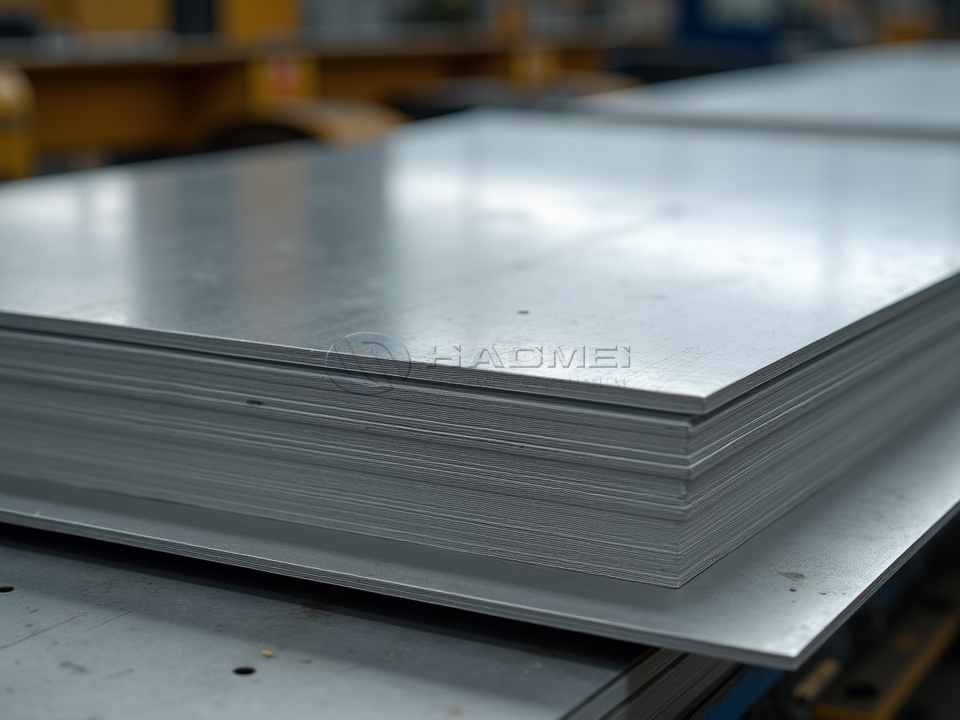
Typical Product Parameters
Embossed 5454 marine sheet can be supplied to project-specific dimensions. Actual availability depends on pattern depth, rolling capability, thickness, and required certification.
| Parameter | Common Supply Range or Condition |
|---|---|
| Alloy | AA 5454, UNS A95454, EN AW-5454 |
| Temper | O, H111, H112 |
| Thickness | Commonly 1.0-6.0 mm; heavier gauges by agreement |
| Width | Commonly 1,000-2,000 mm |
| Length | Standard sheets or cut-to-length panels |
| Surface | Stucco embossed, orange-peel embossed, tread-style pattern, or custom pattern |
| Form | Sheet, coil, cut blanks, fabricated panels |
| Density | Approximately 2.66 g/cm³ |
| Welding | Suitable for MIG and TIG welding with compatible filler selection |
| Corrosion environment | Marine atmosphere, salt spray, humid and industrial environments |
Embossed sheet thickness must be evaluated differently from flat sheet. The nominal gauge normally refers to the base sheet before or according to the applicable embossing practice, while the raised pattern changes the finished surface profile. When a panel must fit into a precise frame, door channel, or flooring recess, purchasers should confirm total finished thickness, pattern height, and allowable dimensional tolerance.
Standards and Purchase Conditions
Common material standards include ASTM B209/B209M for aluminum and aluminum-alloy sheet and plate, EN 485-2 for mechanical properties of wrought aluminum sheet, and EN 573-3 for chemical composition. For marine vessel projects, additional documentation may be requested according to the shipyard, vessel flag, classification society, or customer engineering specification.
The phrase "marine grade" should be treated as an application description rather than a substitute for documented compliance. A project may require mill test certificates, chemical analysis, mechanical test results, ultrasonic inspection, dimensional inspection, corrosion-related requirements, or approvals from organizations such as DNV, ABS, Lloyd's Register, or Bureau Veritas. These requirements should be confirmed before production, particularly for safety-critical deck structures or classed vessels.
For broader alloy comparison, Marine Grade Aluminum Sheets provide options for hull plating, superstructures, decking, interior panels, and fabricated marine equipment.
Fabrication and Installation Considerations
Good material selection is only part of successful marine service. Use clean cutting tools to prevent iron contamination on the aluminum surface. Separate aluminum from carbon steel, copper-bearing alloys, and other dissimilar metals with appropriate insulating materials where galvanic corrosion may occur. Allow drainage around fasteners, seams, and panel edges so saltwater cannot remain trapped beneath the sheet.
When welding embossed 5454, fabricators may flatten a narrow weld zone if necessary for fit-up, depending on the pattern and joint design. Post-weld cleaning is recommended to remove residue and restore a clean surface. In highly visible installations, brushing, light finishing, or protective anodizing may be considered, although the embossed texture already provides a practical, low-glare appearance.
Embossed 5454 O, H111, and H112 marine aluminum sheet is therefore best understood as a working surface rather than simply decorative metal. Its raised texture manages moisture and traction, its alloy chemistry resists harsh marine exposure, and its temper options allow the sheet to be matched to forming and stiffness requirements across a wide range of vessel applications.

Related Products
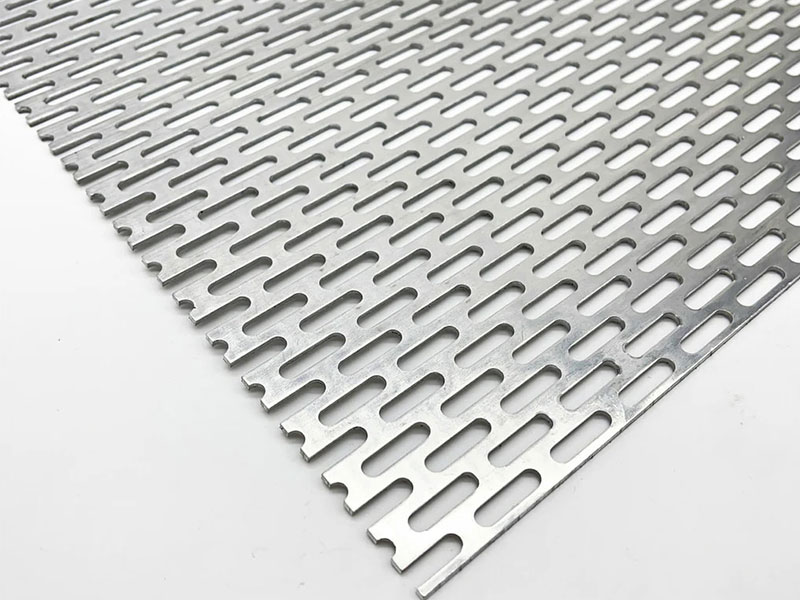
Marine perforated aluminum sheets
Marine Perforated Aluminum Sheets feature a series of uniform holes or shapes punched through the aluminum surface. These perforations can vary in size, pattern, and open area to tailor the sheets for specific applications.
View Details
Marine anodized aluminum sheets
Marine Anodized Aluminum Sheets start with premium marine-grade aluminum alloys such as 5000 and 6000 series (typically 5083, 5052, and 6061).
View Details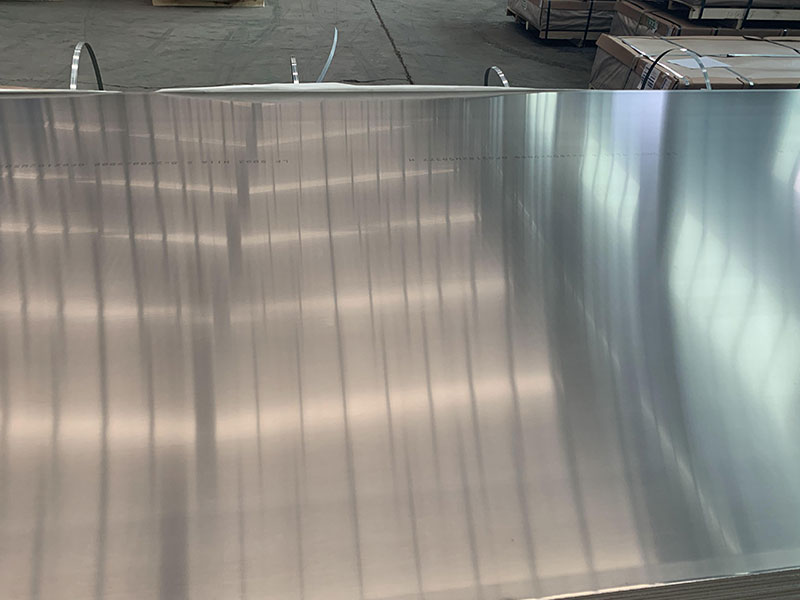
Marine 5383 aluminum sheet
5383 aluminum is a strain-hardened, non-heat-treatable alloy from the 5xxx series primarily alloyed with magnesium. It exhibits a unique balance of corrosion resistance and mechanical properties particularly suited for marine applications.
View Details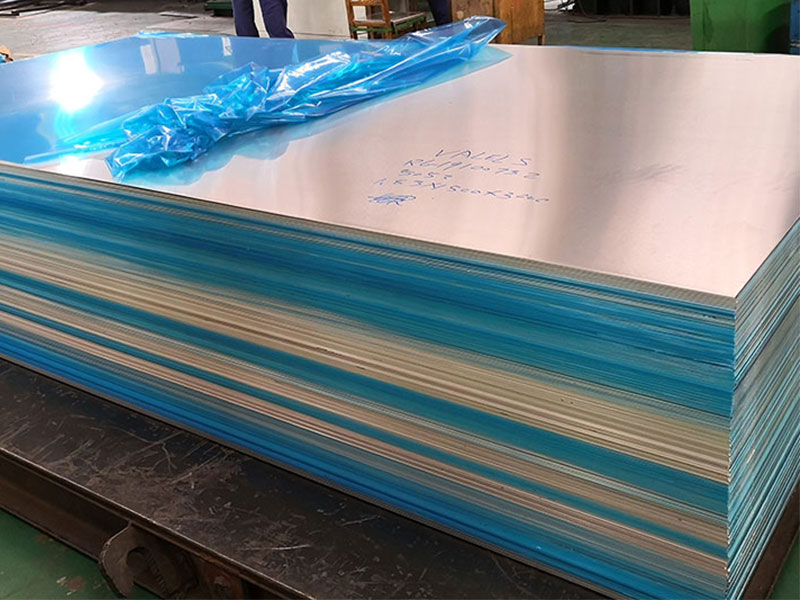
Marine 5059 aluminum sheet
5059 aluminum alloy is a strain-hardened material with a unique addition of magnesium and chromium, which provides outstanding resistance to localized corrosion like pitting and stress corrosion cracking.
View Details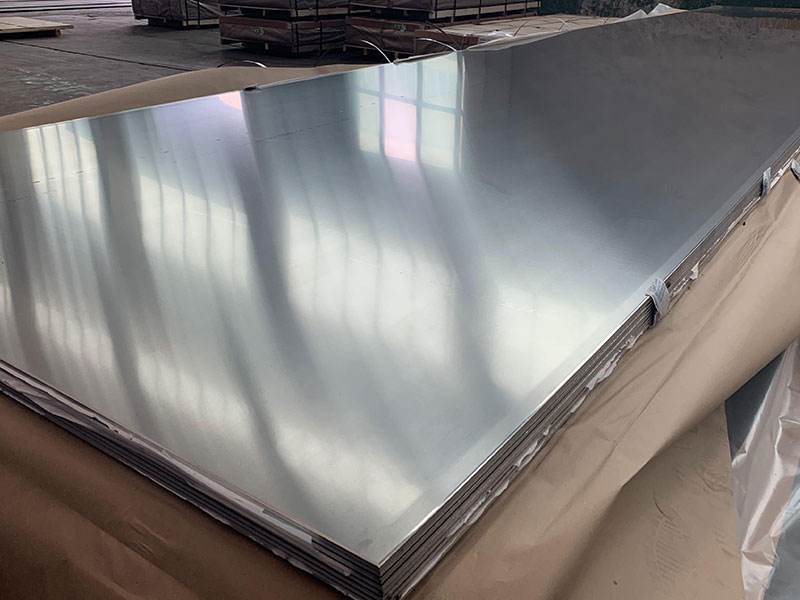
Marine 5086 aluminum sheet
This product article provides an in-depth and comprehensive understanding of Marine 5086 Aluminum Sheets, including their chemical composition, mechanical properties, corrosion resistance, fabrication capabilities, and typical marine applications.
View Details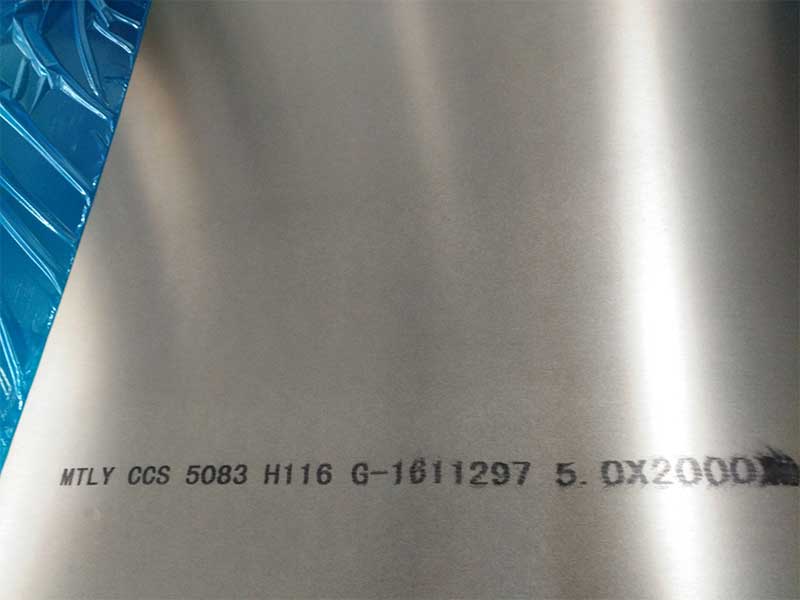
Marine 5083 aluminum sheet
Aluminum alloy 5083 is a non-heat-treatable alloy primarily composed of magnesium and trace elements that deliver outstanding protection against corrosion, particularly in seawater and saline atmospheres.
View DetailsRelated Blog
Marine 5086 Aluminum Sheet
A practical guide to Marine 5086 aluminum sheet, covering tempers, standards, chemistry, corrosion resistance, welding, and marine uses.
View Details
5083 marine grade anodized aluminum sheets coils
In the marine industry, where durability, corrosion resistance, and lightweight materials are quintessential, 5083 marine grade anodized aluminum sheets and coils stand as a pinnacle product.
View Details
Marine 5083 Aluminum Sheet
Marine 5083 aluminum sheet delivers strong, weldable, seawater-resistant performance for hulls, decks, tanks, and offshore structures.
View Details
Marine 5086 Aluminum Plate
Marine 5086 aluminum plate offers strong corrosion resistance, weldability, and stable strength for hulls, decks, tanks, and offshore use.
View Details
Marine grade 6063 5083 5052 H32 Aluminium Coil Roll
When engineers discuss marine aluminum coil roll, the conversation often starts with strength, corrosion resistance, or weldability. But the ocean does not read datasheets the way people do.
View Details
Marine 3 gauge 4 x 8 x 1 4 aluminum sheet
Marine 3 Gauge 4 x 8 x 1/4 Aluminum Sheet: A Seaworthy "Thickness Story" Told in MetalA marine 3 gauge 4 x 8 x 1/4 aluminum sheet is more than a size callout-it's a practical promise.
View Details
Leave a Message