
6061 Marine Aluminum Heat Sink Profile for Lightweight Cooling Systems for Boat Engines
Cooling weight matters more than it first appears. On a boat, every component near the engine must earn its place. A heavy cooling assembly can increase vibration loads, complicate mounting, and add unnecessary mass aft, where trim is often sensitive. A 6061 marine aluminum heat sink profile offers a practical answer for cooling auxiliary engine equipment, such as oil coolers, electronic control modules, battery chargers, alternator regulators, inverter housings, and enclosed ventilation systems.
The value is not simply that aluminum is light. The real advantage comes from extrusion. A heat sink profile can combine mounting rails, heat-spreading walls, airflow fins, drainage paths, and protective edges in one continuous section. Instead of fabricating several steel or cast pieces, boatbuilders can use a profile that is cut to length, machined at the ends, and installed with fewer joints.
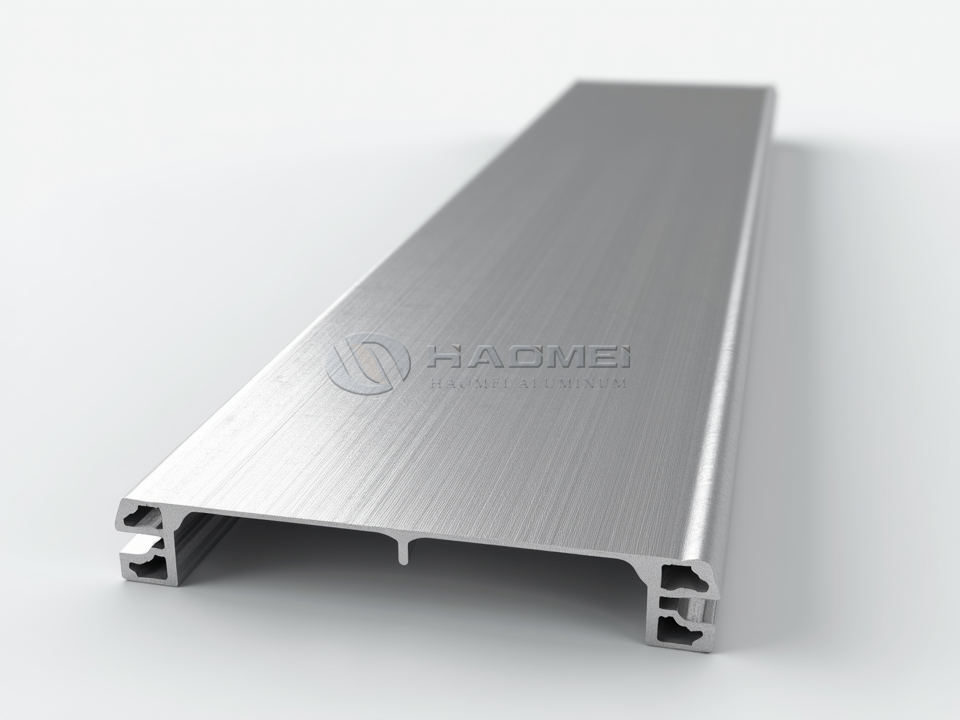
6061 works best when heat and structure must share the same component. Typical 6061-T6 aluminum has thermal conductivity around 167 W/mK, which is well suited to spreading heat away from a concentrated source. Its strength is also high enough for many brackets, housings, covers, and equipment trays. This combination makes it especially useful where a profile must support equipment while also removing heat.
For example, a finned extrusion can become the rear wall of an electronics enclosure mounted in the engine compartment. The inner flat face receives heat from a controller through a thermal pad, while the outer fins release that heat into moving air. In another arrangement, a 6061 profile may support a compact oil-cooler module, reducing the need for a separate heavy steel frame.
A properly selected Marine aluminum heat sink profile can therefore perform more than one job. It can stiffen a mounting area, create a thermal path, protect wiring, and improve service access at the same time.
The fin shape should be chosen for the boat, not copied from an industrial cabinet. Engine rooms are warm, humid, and often crowded. Deep, tightly spaced fins may look efficient in a catalog, but they can trap oily dust, salt residue, and debris when airflow is limited. For enclosed marine spaces, moderate fin spacing is generally easier to clean and less likely to lose performance over time.
Straight fins are often effective when a blower creates a predictable airflow direction. Pin-style or interrupted fins can improve heat transfer when air movement is irregular, although they also collect contamination more easily. Wide-base fins are helpful where vibration is significant, because they resist fatigue better than very thin fins. A rounded fin tip can also reduce handling damage during installation and maintenance.
The profile base deserves as much attention as the fins. Heat must travel from the engine-related device into the aluminum before it can be released to air. A broad, flat mounting face, suitable thermal interface material, controlled bolt torque, and clean contact surfaces often make a larger difference than adding several extra fins. Paint overspray, warped mounting plates, and loose fasteners can create thermal resistance that defeats an otherwise well-designed heat sink.
Saltwater exposure changes the material decision. 6061 is corrosion resistant, but it is not invulnerable in a marine environment. It performs well in protected engine rooms and splash-prone locations when the design controls moisture and galvanic contact. It is less suitable as bare material for constant immersion in seawater, particularly where dissimilar metals create an electrical path.
Anodizing, marine-grade powder coating, or a suitable conversion coating can extend service life. The chosen finish must be considered carefully because thick coatings reduce surface heat transfer. In many cases, the fin surfaces can receive a thin protective finish while the equipment contact area is masked or machined flat to preserve thermal performance. Dark coatings may help radiation slightly, but airflow remains the dominant cooling mechanism in most engine compartments.
Galvanic isolation is equally important. Stainless fasteners, copper lugs, bronze fittings, and carbon components can all accelerate corrosion if they remain wet against 6061 aluminum. Use insulating washers where appropriate, apply compatible sealants, and provide drainage so water does not sit beneath the profile. If electrical bonding is required, make the bonding point intentional rather than relying on random metal-to-metal contact through mounting hardware.
A lightweight design must still survive vibration. Boat engines transmit repeated vibration through stringers, brackets, and surrounding structures. Heat sink fins are not usually the problem; mounting ears, sharp internal corners, and unsupported overhangs are more common failure points. Good extrusion design uses generous radii at transitions, balanced wall thickness, and mounting points positioned close to the load path.
Avoid treating the heat sink as a long unsupported shelf. If the profile supports a pump, electronic enclosure, or cooler core, provide brackets at sensible intervals. Rubber isolation mounts can reduce vibration transmission, but they also reduce heat conduction when the equipment is intended to transfer heat directly into the profile. The mounting strategy must match the cooling route. A vibration-isolated electronic box may need a dedicated thermal bridge, while a rigidly mounted oil-cooler frame may transfer heat directly through its base.
For boatbuilders seeking broader extrusion options, Marine Grade Aluminum Profiles can be coordinated with heat sink sections to create matching supports, covers, channels, and structural interfaces. Using compatible profiles simplifies fabrication and produces a cleaner engine-room layout.
Airflow is the hidden half of the cooling system. A heat sink does not create cooling by itself; it transfers heat to the surrounding air. If the engine compartment has stagnant air, even a large finned profile will eventually become nearly as hot as the equipment it is supposed to protect. Position the fins in the path of natural ventilation or forced-air movement. Keep wiring bundles, insulation, hoses, and sound-deadening materials from blocking the fin channels.
Where a blower is used, align the fins with the airflow instead of forcing air across a dense fin field. Provide a clear exit path for the warmed air. Cooling performance can drop sharply when hot air recirculates around the profile. During prototype testing, measure the temperature at the heat source, the profile base, the fin tips, and the surrounding air. These readings reveal whether the limitation is contact resistance, insufficient fin area, or poor ventilation.
The most effective 6061 profile is usually the one that simplifies the whole installation. It should be light enough to reduce engine-bay mass, strong enough to tolerate vibration, open enough to stay clean, and protected enough to withstand damp marine service. Rather than selecting a profile only by width and fin count, evaluate the heat load, available airflow, mounting method, finish, corrosion risks, and service access as one connected design.
For lightweight boat engine cooling systems, 6061 marine aluminum heat sink profiles provide a balanced platform: efficient heat spreading, useful structural strength, easy machining, and extrusion freedom that can reduce parts and installation time. When matched to real marine airflow and corrosion conditions, they become dependable cooling hardware rather than just decorative fins.

Related Products
Marine aluminum fencing and railings
Marine Grade Aluminum Fencing and Railings are fabricated using marine-grade aluminum alloys such as 5083, 5052, and 6061, which are engineered specifically for protection against saltwater corrosion and marine atmospheric conditions.
View Details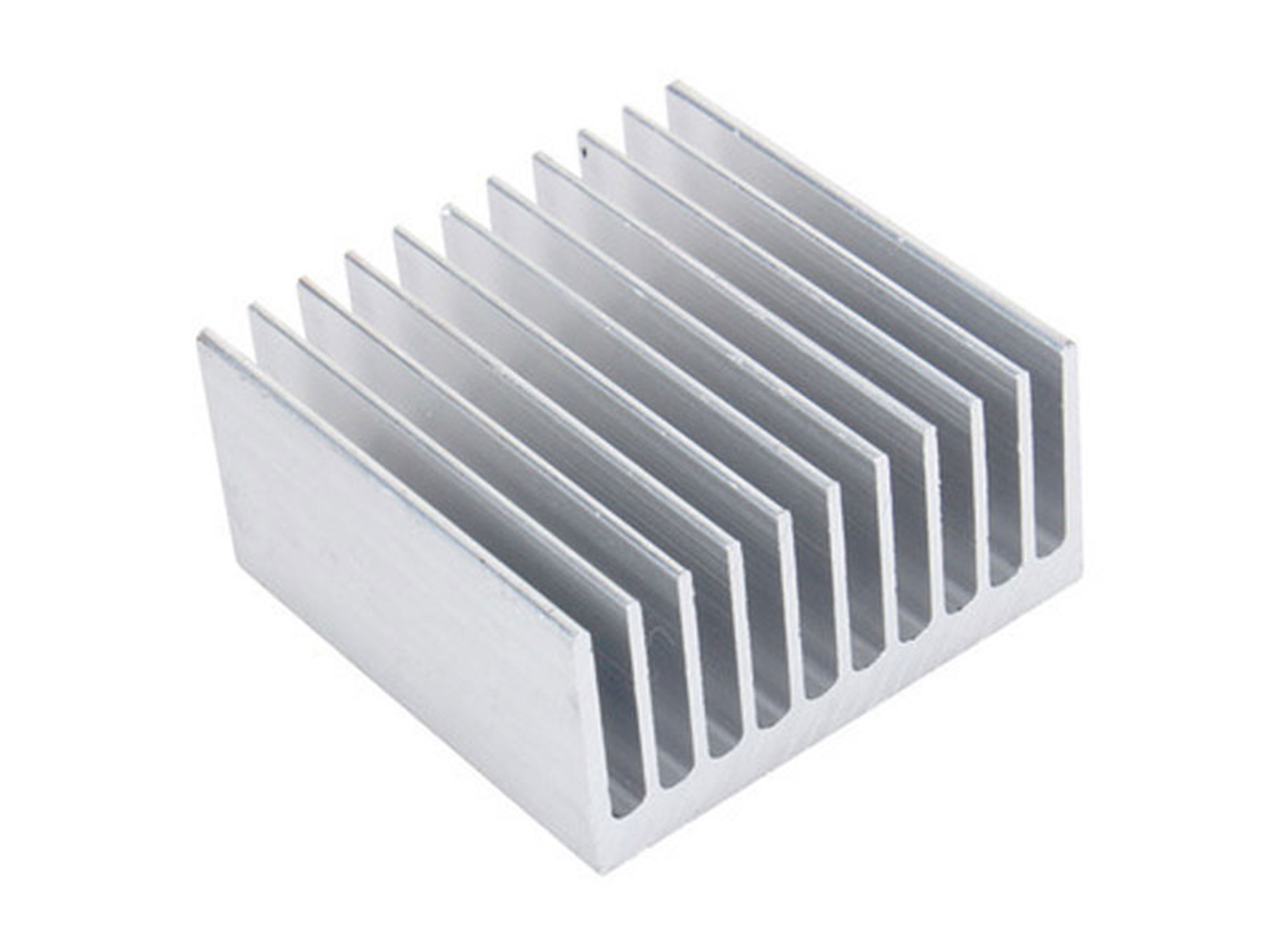
Marine aluminum heat sink profile
Marine Grade Aluminum Heat Sink Profiles utilize alloys such as 6061 and 6063 that not only exhibit high thermal conductivity but also possess excellent corrosion resistance required for saltwater exposure.
View Details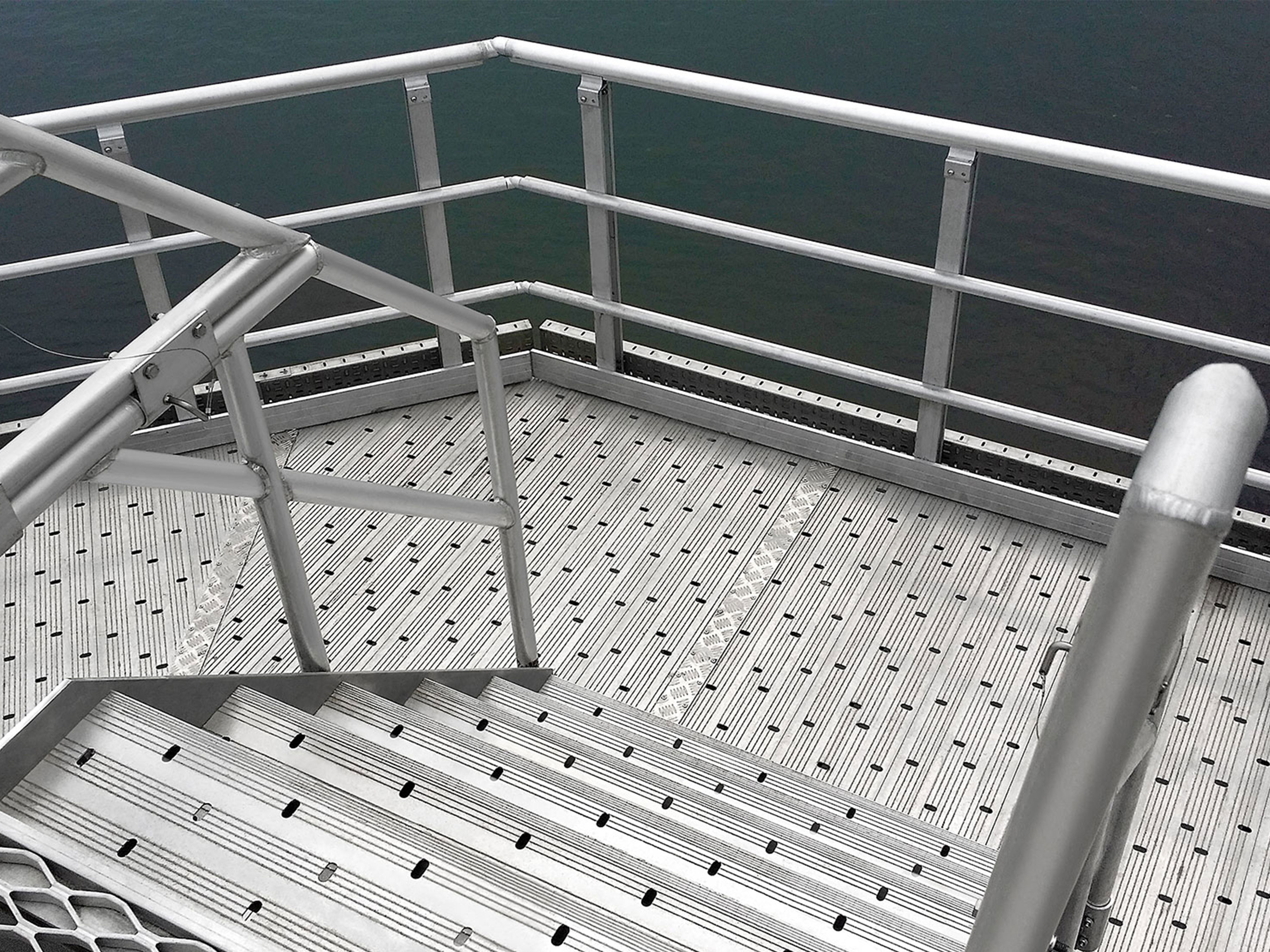
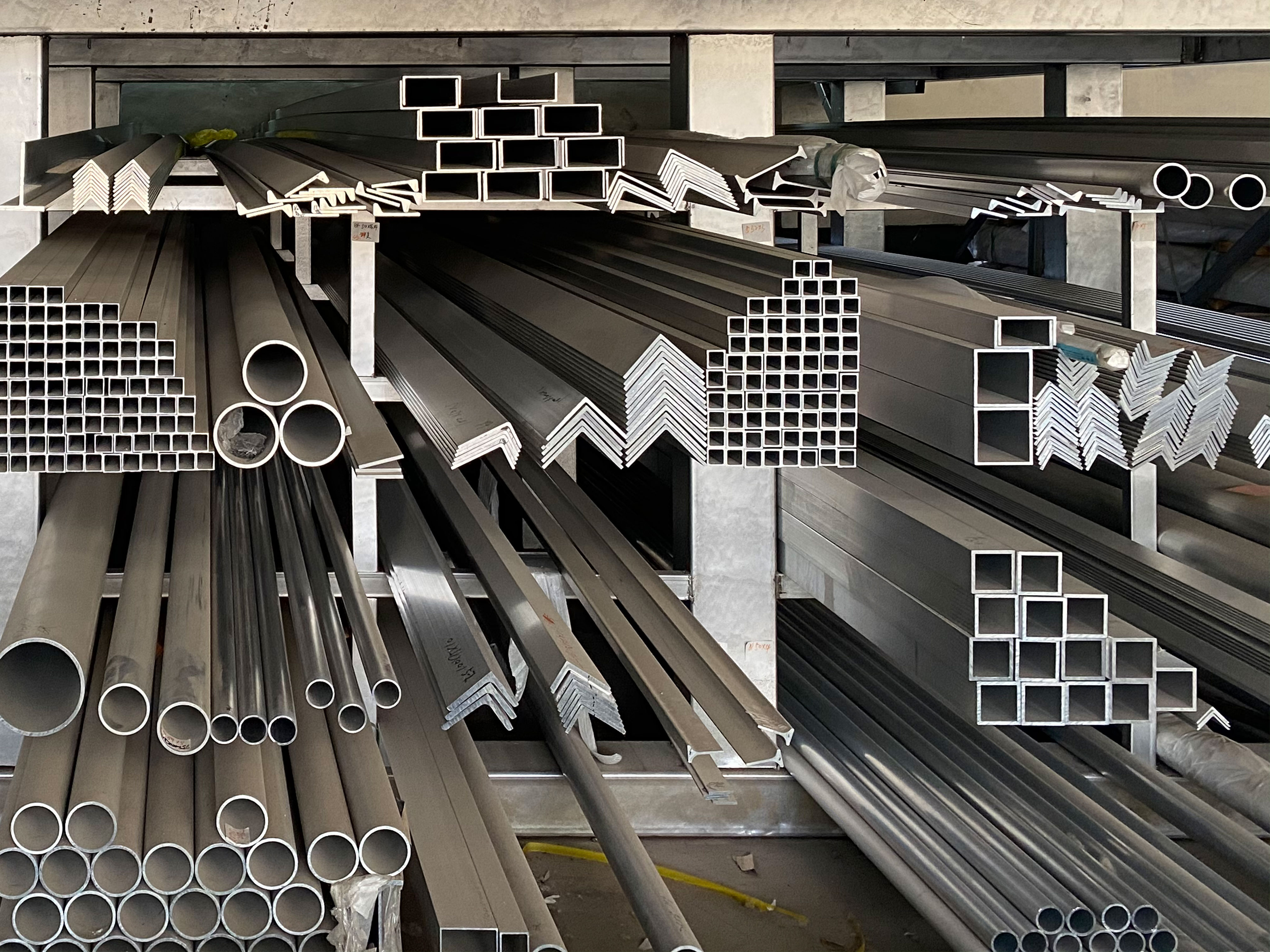
Marine aluminum customized shapes
Marine Grade Aluminum Customized Shapes encompass a broad range of aluminum extrusions and fabrications engineered beyond standard profiles—such as channels, angles, tubes, and beams—into complex, project-specific geometries.
View DetailsRelated Blog
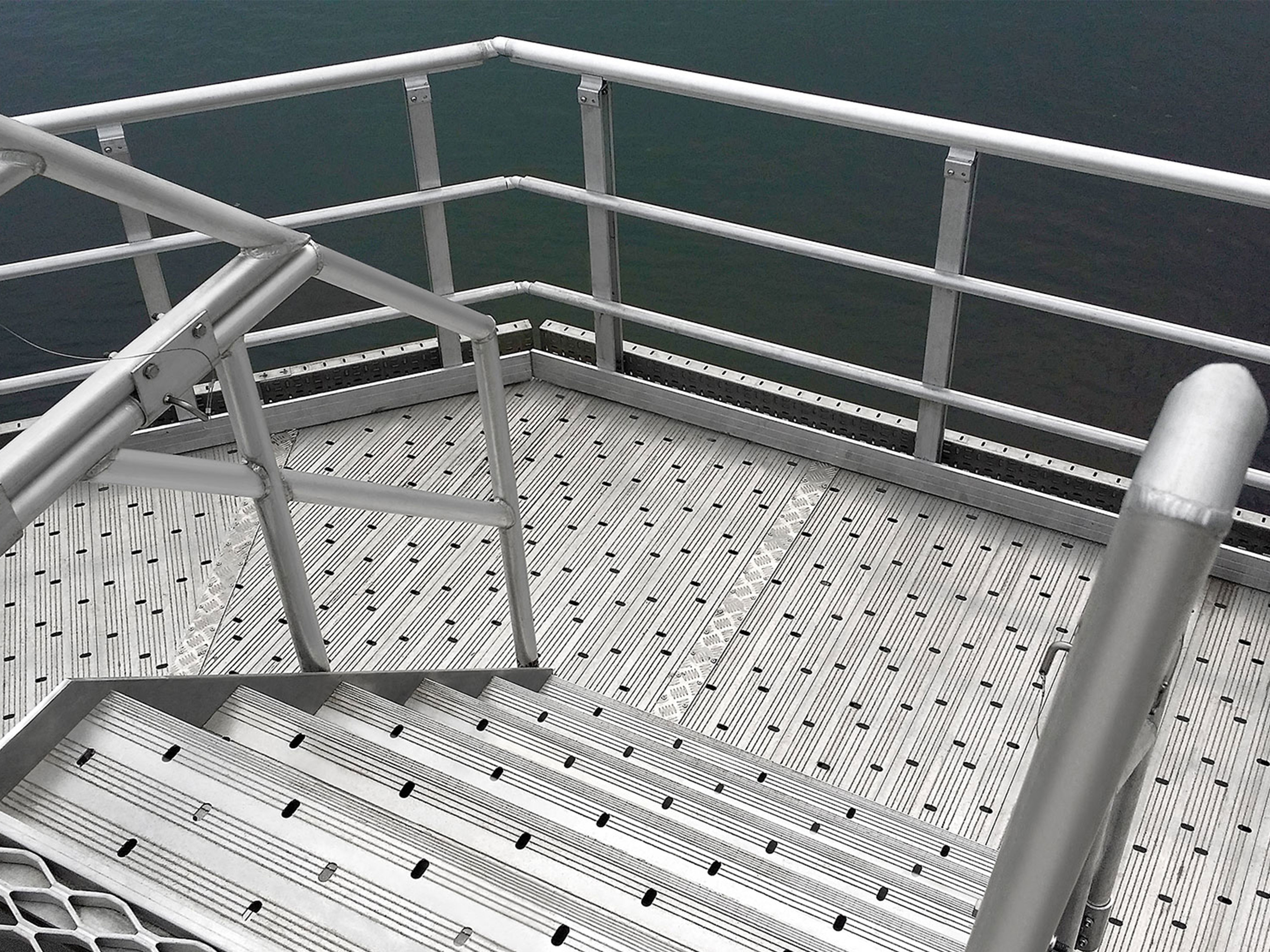
6061 Marine Aluminum Fencing and Railings for Custom Marine Deck Safety Solutions
6061 marine aluminum fencing and railings are a practical, high-strength choice for deck safety systems in saltwater and coastal environments. Built from a heat-treatable Al-Mg-Si alloy, 6061 combines corrosion resistance, structural reliability.
View Details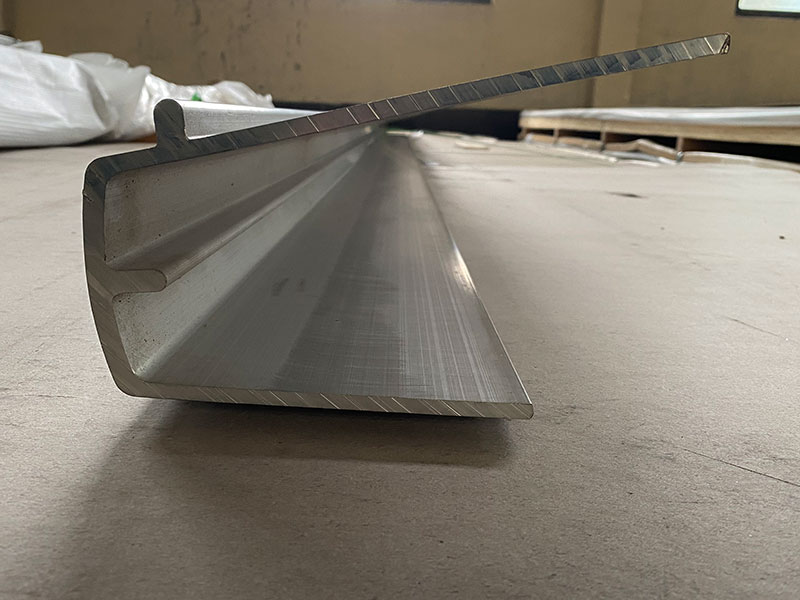
5052 Marine Aluminum Fencing and Railings for Durable Offshore Vessel Guardrails
When it comes to constructing durable and reliable guardrails on offshore vessels, 5052 marine aluminum stands out as a premier choice.
View Details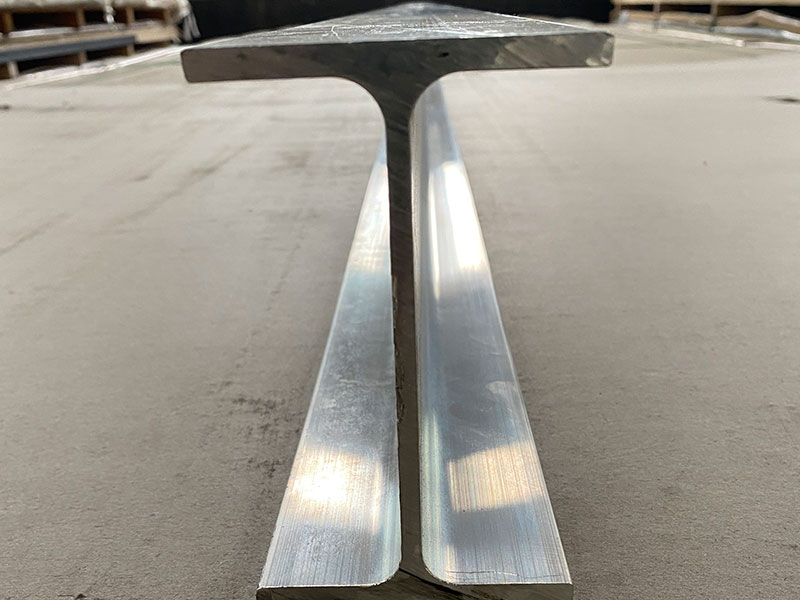
Marine Aluminum Heat Sink Profile for Heavy Duty Offshore Cooling Systems
In the marine industry, cooling systems are critical components of any operation, especially in offshore applications where durability and reliability are imperative.
View Details
5052 Marine Aluminum Fencing and Railings for Saltwater Proof Marine Railing Systems
When it comes to marine applications, durability, corrosion resistance, and strength are non-negotiable. One material that stands out as a superior choice for fencing and railing systems on ships, docks, and coastal structures is 5052 Marine Aluminum.
View Details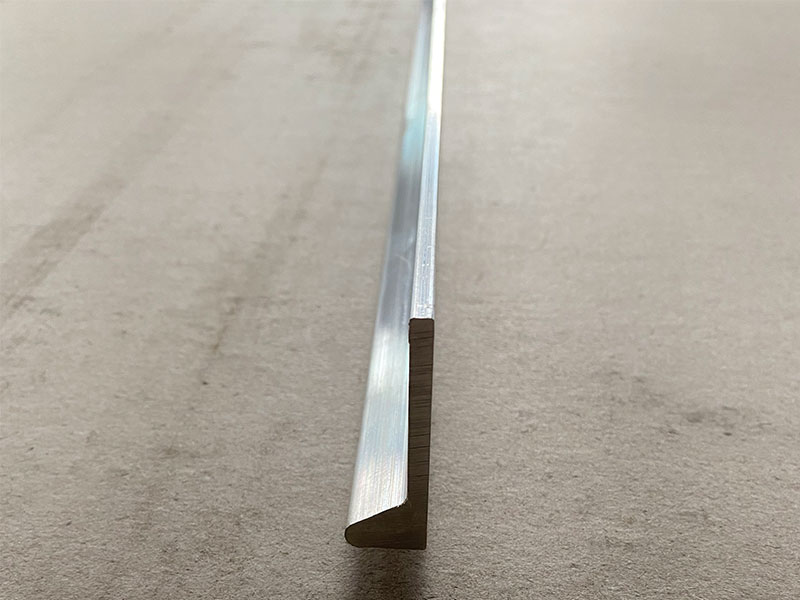
Marine Aluminum Fencing and Railings for Durable Offshore Platform Fencing Solutions
Marine environments impose stringent requirements on materials used in construction and infrastructure. Customarily used materials like steel or wood are prone to corrosion, wear, and decay—a glaring challenge on offshore platforms.
View Details
5083 Marine Aluminum Fencing and Railings for High Strength Marine Applications
Marine environments demand materials that can withstand harsh conditions, including corrosive saltwater, high humidity, strong winds, and constant mechanical stresses.
View Details
Leave a Message