
Marine Aluminum Heat Sink Profile for Efficient Heat Management for Coastal Systems
Coastal equipment has a thermal challenge that inland installations rarely face: heat must be removed while every exposed surface is challenged by salt mist, humidity, vibration, UV radiation, and changing ambient temperatures. A marine aluminum heat sink profile is designed for this reality. It is not simply an extruded finned part attached to electronics. It is a structural thermal component that must retain cooling capacity while resisting corrosion throughout years of shore-side or offshore service.
From harbor lighting cabinets and navigation units to battery enclosures, inverter housings, telecom stations, dock power systems, and vessel electronics, the right profile helps move heat away from sensitive components before elevated temperatures reduce output or shorten service life. Well-designed marine aluminum heat sink profile sections combine conductive aluminum mass, controlled fin geometry, durable surface treatment, and installation details that discourage moisture retention.
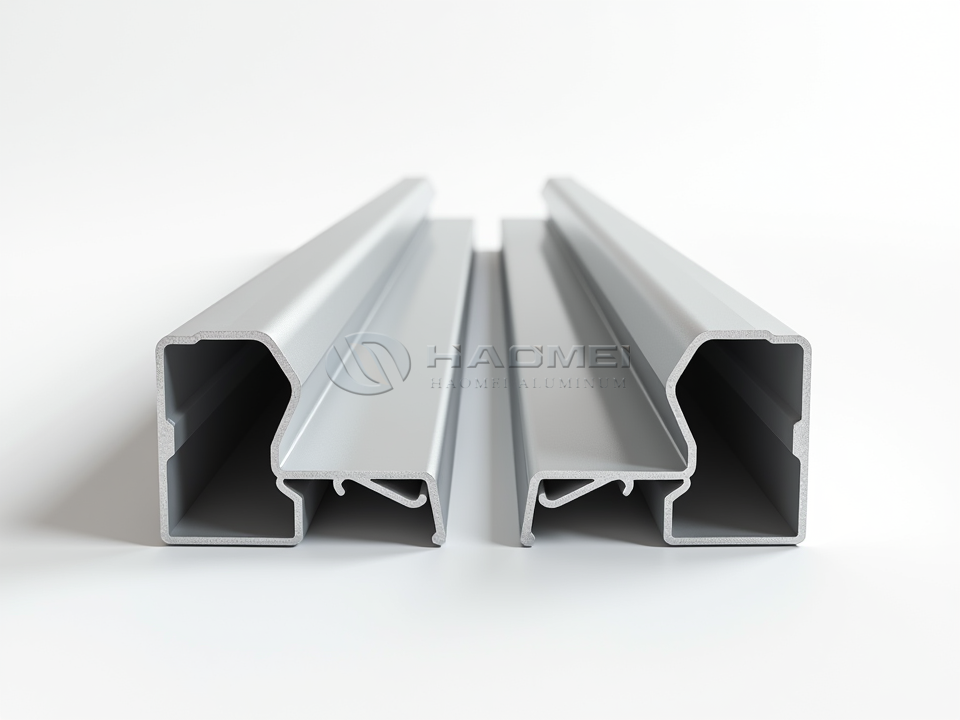
Heat Management Designed Around Sea Air
A heat sink works by conducting heat from a source into its base, spreading that heat through fins, and releasing it to surrounding air through convection and radiation. On a coastal site, air circulation and corrosion behavior deserve equal attention. A profile with many tightly packed fins may offer a large theoretical surface area, yet it can trap airborne salt deposits and lose natural airflow. For exposed passive cooling, moderately spaced fins are often more dependable than extremely dense fins.
Extruded aluminum is especially suitable because it allows the base thickness, fin height, fin pitch, mounting channels, cable grooves, and protective edge radii to be formed in one continuous profile. This lowers assembly complexity and can reduce thermal interfaces. Profiles can also act as enclosure walls, mounting rails, or covers, making thermal control part of the equipment architecture rather than an added accessory.
Typical thermal conductivity for marine-capable 6xxx-series extrusions is approximately 150 to 210 W/m·K, depending on alloy and temper. This is lower than pure aluminum but provides a more practical balance of thermal performance, extrudability, mechanical strength, weldability, and corrosion resistance.
Recommended Alloys and Tempers
Alloy selection begins with the exposure level and mechanical duty. For many marine heat sink applications, 6063 provides excellent extrudability and a clean anodized finish. It is a strong choice for detailed fins and architectural-style electronic housings. Alloy 6061 offers higher strength for profiles that also carry structural loads, such as battery racks, offshore control boxes, and deck-mounted equipment supports.
For applications exposed to severe chloride conditions, 6082 can be considered where higher strength is needed, although complicated thin-fin dies may be more challenging than with 6063. In designs requiring welded plates or fabricated thermal assemblies, 5052 and 5083 sheet components may be paired with extruded heat sink sections. These 5xxx alloys provide strong marine corrosion resistance, though they are not generally selected for intricate extruded fin profiles.
| Alloy | Common Temper | Typical Thermal Conductivity | Practical Marine Use |
|---|---|---|---|
| 6063 | T5, T6 | 200-210 W/m·K | Fine-fin extrusions, enclosures, lighting, control cabinets |
| 6061 | T6 | 160-170 W/m·K | Strong mounting bases, inverter housings, structural cooling parts |
| 6082 | T6 | 150-170 W/m·K | High-load coastal equipment and robust support structures |
| 5052 | H32 | 130-140 W/m·K | Fabricated plates, covers, and welded thermal assemblies |
| 5083 | H116, H321 | 115-125 W/m·K | Highly corrosion-resistant fabricated marine components |
T5 temper is produced by cooling from the extrusion process followed by artificial aging. It offers reliable dimensional stability and is commonly used for 6063 heat sink forms. T6 involves solution heat treatment and artificial aging, delivering higher strength. Designers should recognize that higher strength does not automatically mean better cooling. The fin arrangement, airflow path, contact pressure, and coating thickness often have a greater influence on real-world thermal resistance.
Chemical Composition and Corrosion Behavior
Magnesium and silicon are the principal alloying elements in 6xxx-series aluminum. They form magnesium silicide, allowing heat treatment while preserving suitable corrosion resistance. Chromium, manganese, and small amounts of copper can improve particular properties, but copper must be carefully controlled in marine service because excessive content can reduce resistance to chloride-driven corrosion.
| Alloy | Si % | Fe % | Cu % | Mn % | Mg % | Cr % | Zn % | Al % |
|---|---|---|---|---|---|---|---|---|
| 6063 | 0.20-0.60 | 0.35 max | 0.10 max | 0.10 max | 0.45-0.90 | 0.10 max | 0.10 max | Balance |
| 6061 | 0.40-0.80 | 0.70 max | 0.15-0.40 | 0.15 max | 0.80-1.20 | 0.04-0.35 | 0.25 max | Balance |
| 6082 | 0.70-1.30 | 0.50 max | 0.10 max | 0.40-1.00 | 0.60-1.20 | 0.25 max | 0.20 max | Balance |
| 5052 | 0.25 max | 0.40 max | 0.10 max | 0.10 max | 2.20-2.80 | 0.15-0.35 | 0.10 max | Balance |
| 5083 | 0.40 max | 0.40 max | 0.10 max | 0.40-1.00 | 4.00-4.90 | 0.05-0.25 | 0.25 max | Balance |
The natural aluminum oxide film offers initial protection, but coastal duty generally benefits from an engineered finish. Sulfuric acid anodizing in the 15-25 μm range is widely used for outdoor profiles. A sealed anodized layer improves corrosion resistance while maintaining good heat transfer. Hard anodizing can offer higher wear resistance, although its thicker coating should be evaluated where the lowest possible interface resistance is required. Marine-grade powder coating can be used on non-contact surfaces, particularly when color retention and visual integration matter.
Dimensional Parameters That Influence Cooling
A practical marine aluminum heat sink profile may have a base thickness from 3 mm to 12 mm, fin heights from 15 mm to 80 mm, and overall widths from 40 mm to 300 mm. Custom industrial sections can be considerably larger. Fin thickness commonly ranges from 1.0 mm to 3.0 mm, based on extrusion feasibility, strength, airflow, and total thermal load.
For passive convection, fin spacing of roughly 6 mm to 15 mm is often effective, but the correct value depends on profile orientation and available airflow. Vertical fins typically support buoyancy-driven air movement more effectively than horizontal fins. In forced-air systems, closer fin spacing may be possible, provided filters and maintenance practices prevent salt-laden debris from restricting the channels.
Flatness is important where the profile contacts a transistor module, LED board, or thermal interface pad. Typical customer requirements may specify base flatness of 0.10-0.30 mm across the mounting area, while extrusion tolerances should be agreed according to profile size and the applicable standard. Machined contact faces, drilled mounting holes, tapped channels, and integrated gasket grooves can be included after extrusion.
Standards and Implementation Conditions
Material chemistry and mechanical properties should be controlled in accordance with EN 573-3 or ASTM B221 requirements for aluminum alloy extrusions. Dimensional tolerances are commonly referenced to EN 755-9. For marine construction and vessel-related equipment, project specifications may also refer to DNV, ABS, Lloyd's Register, or other class society requirements. Surface coating performance can be evaluated through salt-spray testing to ISO 9227, while anodizing quality may follow ISO 7599 or recognized regional finishing specifications.
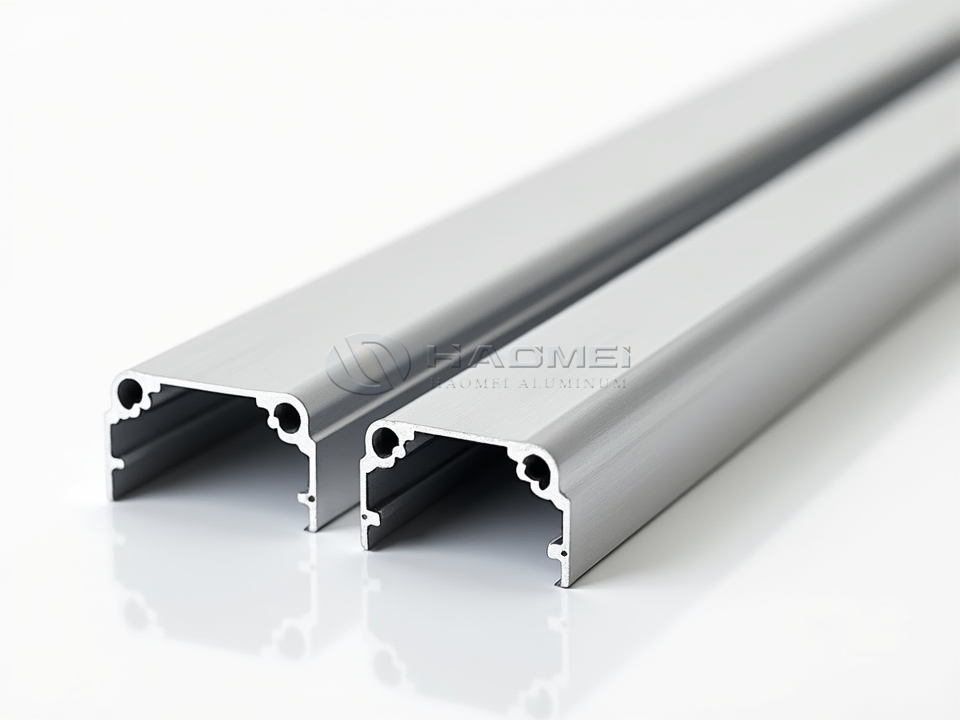
Installation should prevent galvanic corrosion. Aluminum must be electrically isolated from stainless steel, copper, brass, and carbon steel where moisture can bridge the materials. Non-conductive washers, isolating pads, sealed fasteners, and compatible joint compounds help preserve the profile. Drainage paths are equally important: a heat sink should shed water rather than create hidden wet pockets between fins and mounting surfaces.
For projects combining cooling sections with enclosure, railing, deck, or dock structures, specifying compatible Marine Grade Aluminum Profiles can simplify finishing, fastening, and corrosion-control planning across the complete installation.
A Long-Service Cooling Strategy
The best coastal heat sink is not always the profile with the greatest fin count. It is the profile that remains clean enough to breathe, strong enough to support the equipment, protected enough to survive salt exposure, and precise enough to maintain a low-resistance thermal path. By matching alloy temper, fin geometry, protective finish, and mounting design to the actual coastal environment, marine aluminum heat sink profiles provide efficient and durable thermal control where failure is expensive and maintenance access may be limited.

Related Products
Marine aluminum fencing and railings
Marine Grade Aluminum Fencing and Railings are fabricated using marine-grade aluminum alloys such as 5083, 5052, and 6061, which are engineered specifically for protection against saltwater corrosion and marine atmospheric conditions.
View Details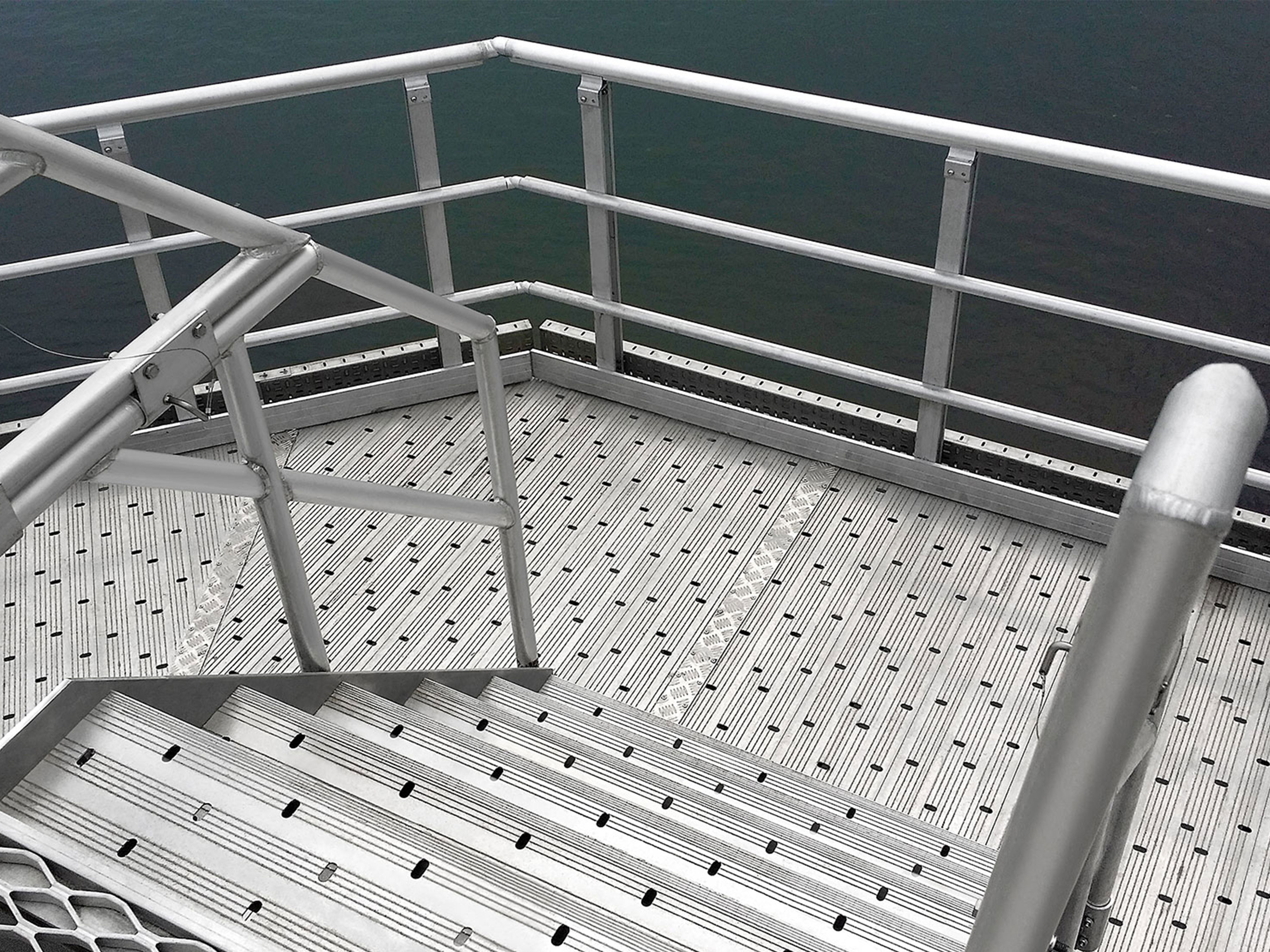
Marine aluminum customized shapes
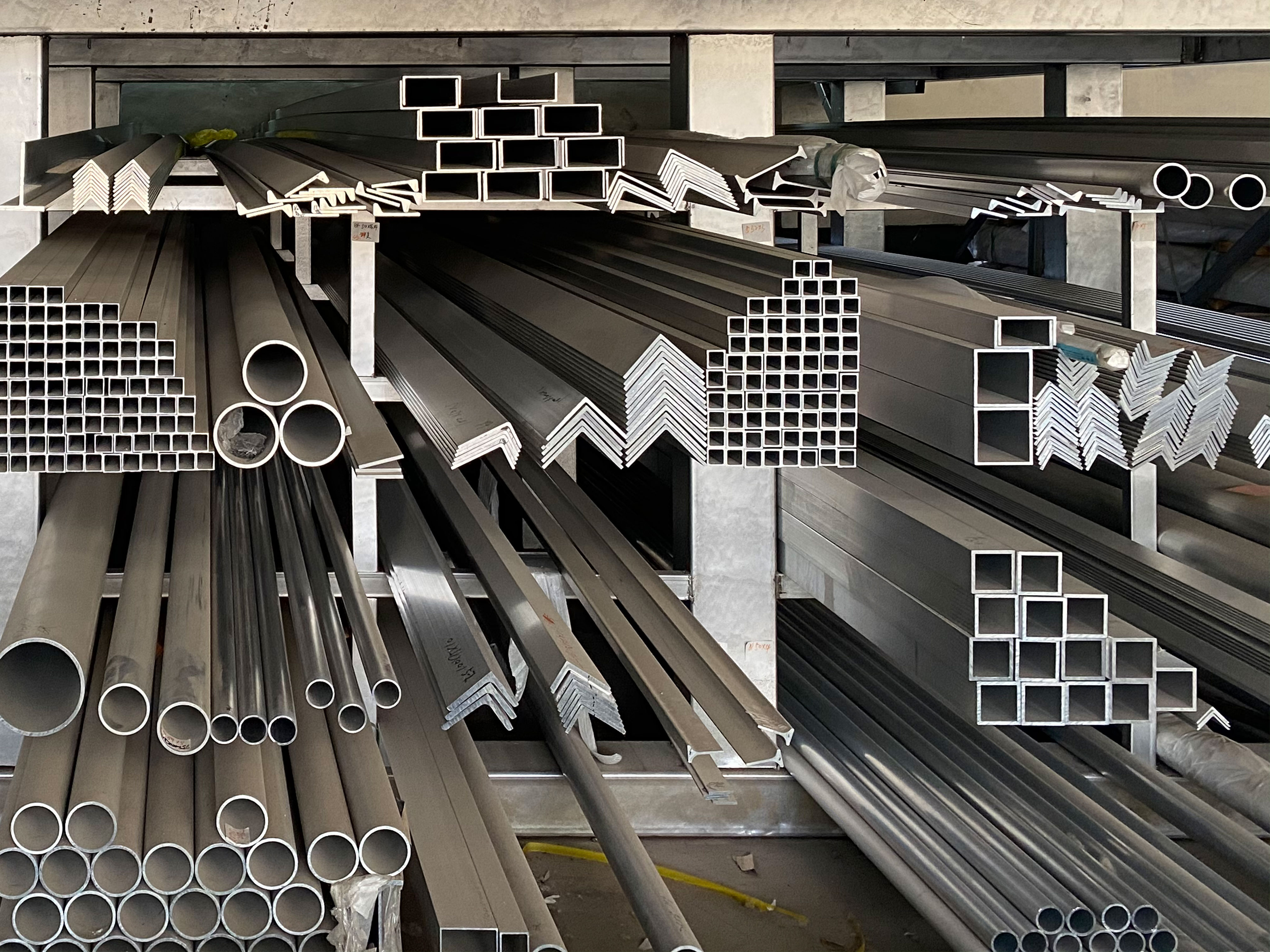
Marine Grade Aluminum Customized Shapes encompass a broad range of aluminum extrusions and fabrications engineered beyond standard profiles—such as channels, angles, tubes, and beams—into complex, project-specific geometries.
View Details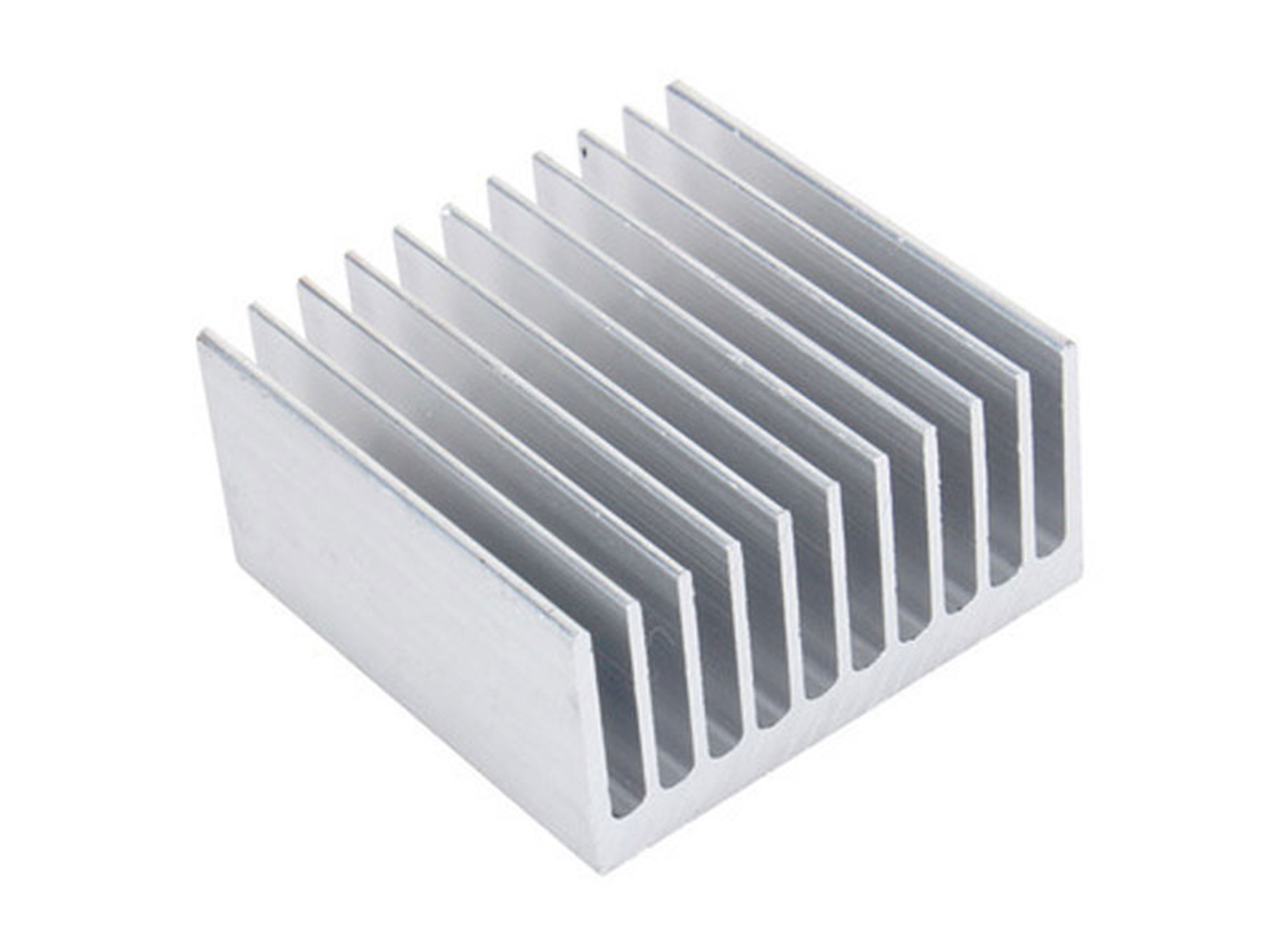
Marine aluminum heat sink profile
Marine Grade Aluminum Heat Sink Profiles utilize alloys such as 6061 and 6063 that not only exhibit high thermal conductivity but also possess excellent corrosion resistance required for saltwater exposure.
View DetailsRelated Blog
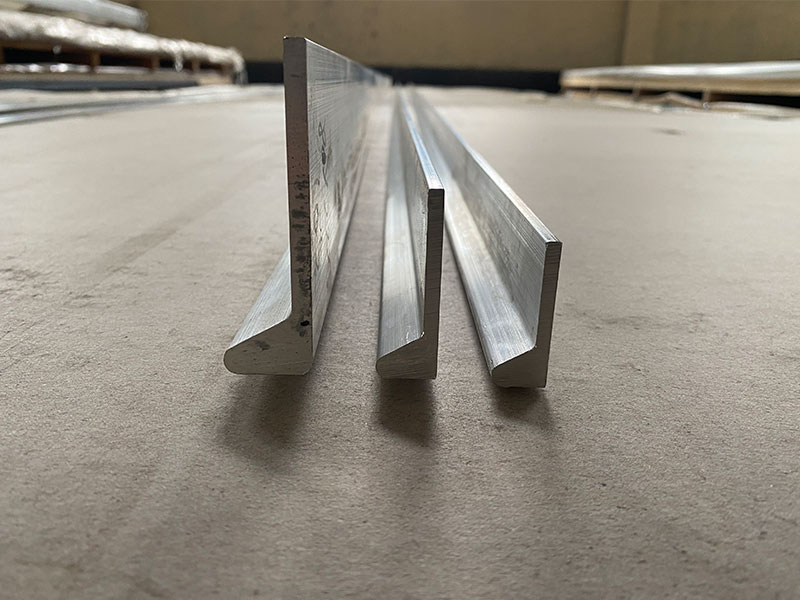
Marine Aluminum Fencing and Railings for High Strength Boat Deck Safety Barriers
When it comes to ensuring safety on boat decks, the choice of fencing and railing materials plays a critical role. Marine aluminum fencing and railings have emerged as the premier solution for high strength, corrosion-resistant.
View Details
6061 Marine Aluminum Heat Sink Profile for Lightweight Boat Engine Heat Dissipation
Modern marine propulsion systems-whether compact outboards, inboard auxiliaries, electric drives, or hybrid gensets-are increasingly power-dense. That pushes more thermal load into smaller spaces.
View Details
5052 Marine Aluminum Fencing and Railings for Offshore Platform Deck Guardrails
Learn how 5052 marine aluminum fencing and railings improve offshore platform deck guardrails with corrosion resistance, strength, and easy fabrication.
View Details
6061 Marine Aluminum Customized Shapes for Saltwater Resistant Marine Equipment Design
In the maritime industry, the durability and performance of vessels and related equipment are non-negotiable. Among the numerous materials utilized, 6061 marine aluminum has continually proven to be a premier choice.
View Details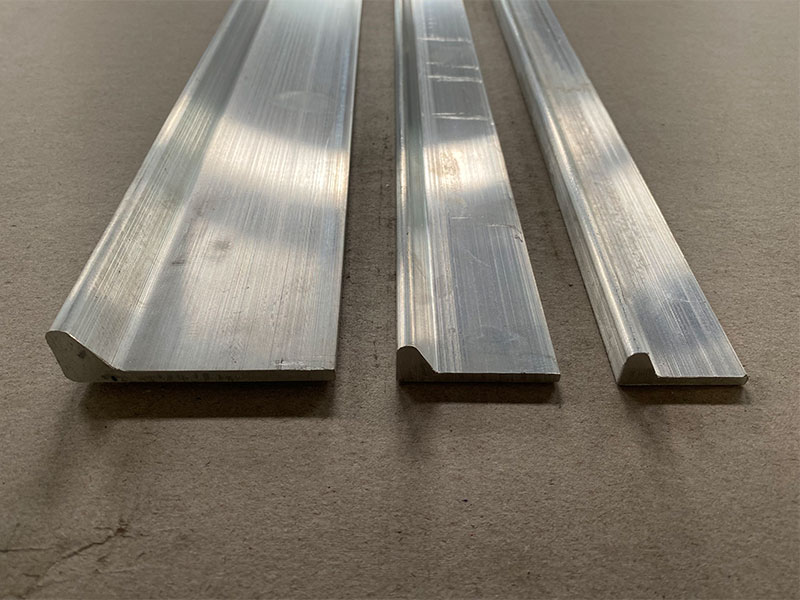
5083 Marine Aluminum Customized Shapes for Custom Ship Hull Construction
In the realm of marine engineering, the construction of ship hulls strikes at the foundation of naval architecture and ship integrity. Among the variety of materials available, instead, one alloy has repeatedly distinguished itself as the go-to choice.
View Details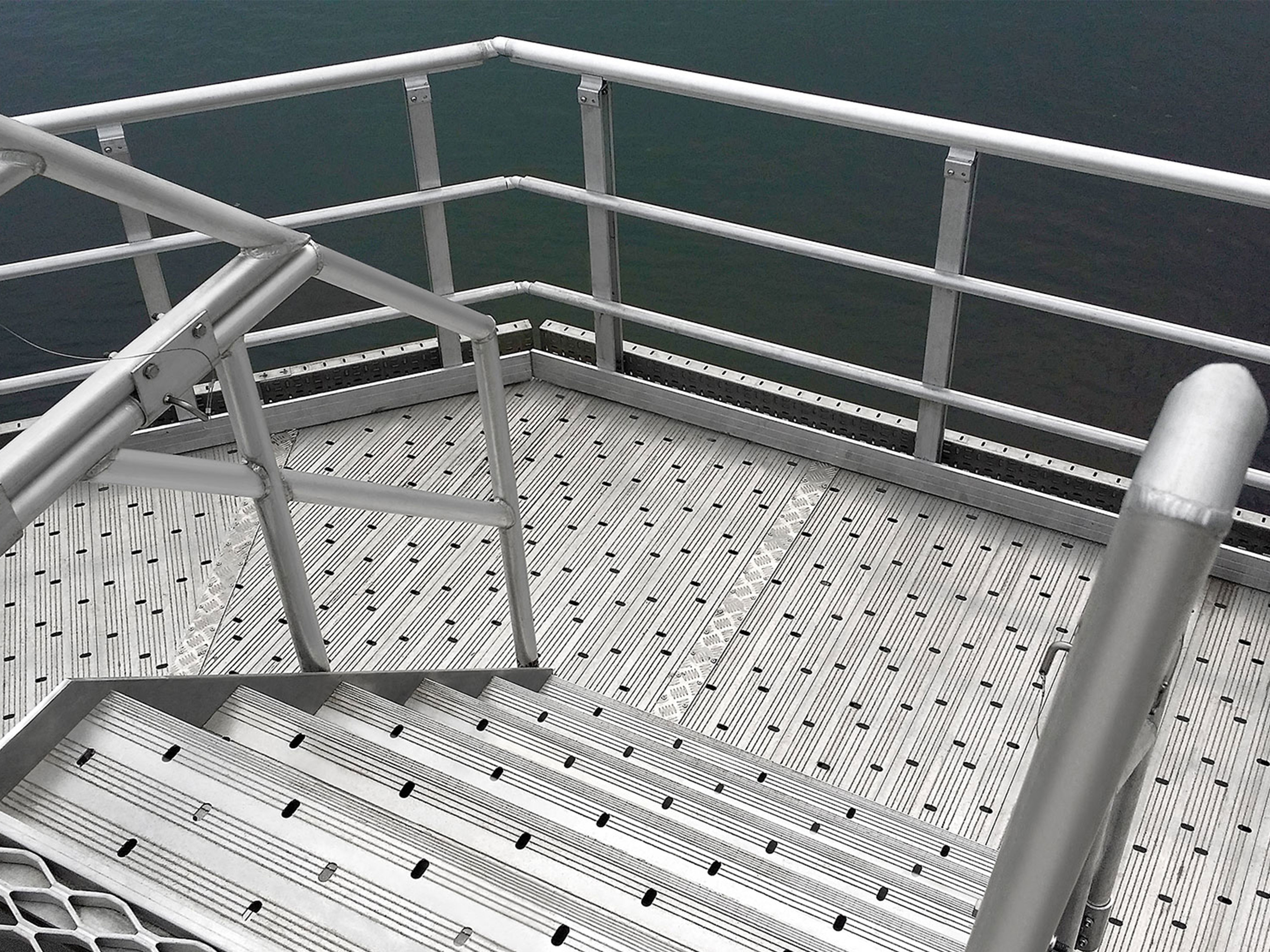
6061 Marine Aluminum Fencing and Railings for Custom Marine Deck Safety Solutions
6061 marine aluminum fencing and railings are a practical, high-strength choice for deck safety systems in saltwater and coastal environments. Built from a heat-treatable Al-Mg-Si alloy, 6061 combines corrosion resistance, structural reliability.
View Details
Leave a Message