
6061 Marine Aluminum Heat Sink Profile for Seawater Resistant Electronics Cooling Solutions
Marine electronics do not fail only because of heat. They fail when heat, salt spray, humidity, vibration, and dissimilar-metal contact work together. A 6061 marine aluminum heat sink profile addresses the thermal side of this challenge while offering the strength and extrusion flexibility needed for housings, LED assemblies, battery systems, radar units, communications equipment, navigation panels, and dockside power controls.
The practical value of 6061-T6 aluminum is not simply that it carries heat away from electronic components. Its real advantage is that a single extruded profile can become a heat sink, mounting rail, protective enclosure wall, cable-management channel, and structural member at the same time. This reduces part count and creates a cleaner thermal path from the device to moving air.
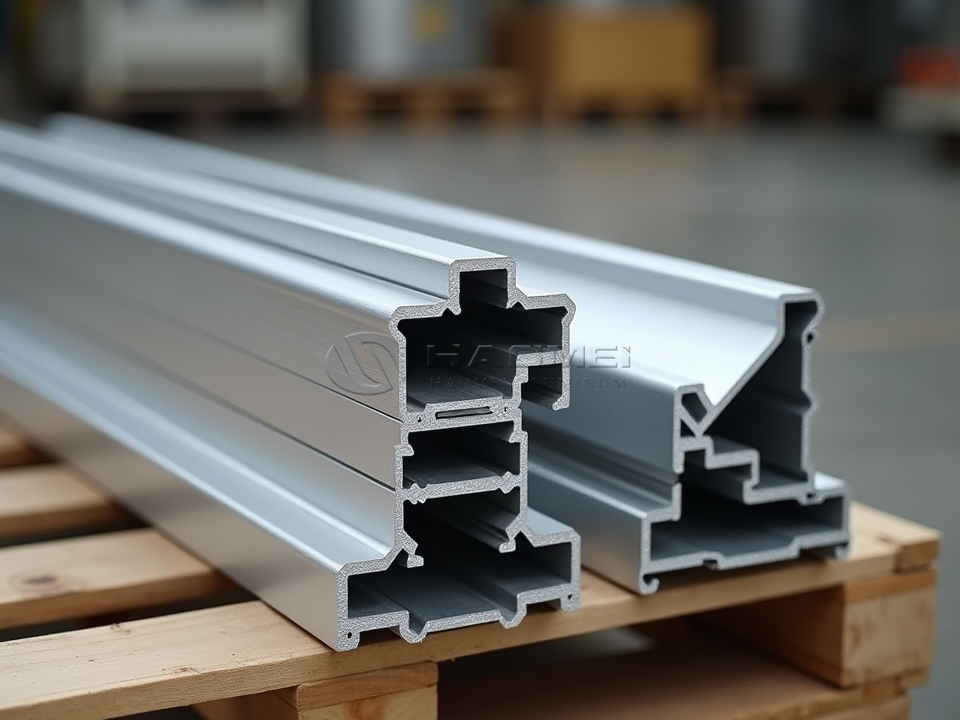
Why 6061 Works in Marine Cooling Designs
6061 is a precipitation-hardenable aluminum alloy in the 6xxx family. Magnesium and silicon form magnesium silicide during heat treatment, providing a balanced combination of mechanical strength, machinability, weldability, and thermal conductivity. For marine electronic equipment installed above the waterline or inside sealed and ventilated enclosures, it is a capable material choice.
Its thermal conductivity is lower than pure aluminum, but its structural performance is far higher. This balance matters when a heat sink must survive engine vibration, wave impact, mounting loads, and service access. Deep fins, screw bosses, slide-in covers, gasket grooves, and mounting flanges can be incorporated directly into the extrusion die design.
For designers seeking complex geometry, Marine aluminum customized shapes can integrate thermal fins with channels and protective mounting features. This approach often avoids welding or secondary assembly, which can create corrosion-sensitive joints.
A careful material note is necessary: 6061 should not be treated as an unrestricted replacement for 5xxx marine alloys in permanent seawater immersion. Alloys such as 5083 and 5086 are generally preferred for highly exposed hull structures and continuously immersed service. A 6061 marine aluminum heat sink profile performs best in marine electronics applications when saltwater exposure is controlled through sealing, coating, drainage, electrical isolation, and periodic maintenance.
Typical Profile Parameters
| Parameter | Typical Value or Range |
|---|---|
| Alloy | AA 6061 / EN AW-6061 |
| Common tempers | T5, T6, T6511 |
| Density | 2.70 g/cm³ |
| Thermal conductivity, T6 | Approx. 167 W/m·K |
| Electrical conductivity, T6 | Approx. 40–43% IACS |
| Melting range | Approx. 582–652°C |
| Coefficient of thermal expansion | Approx. 23.6 × 10⁻⁶ /°C |
| Elastic modulus | Approx. 69 GPa |
| Typical tensile strength, T6 extrusions | Approx. 290 MPa minimum, dependent on section size |
| Typical yield strength, T6 extrusions | Approx. 240 MPa minimum, dependent on section size |
| Available profile wall thickness | Commonly 1.2–6.0 mm, subject to die design |
| Surface options | Mill finish, brushed, anodized, powder coated, PVDF coated |
Actual mechanical values depend on wall thickness, profile geometry, temper, testing direction, and the governing supply standard. Thin-fin profiles require special extrusion control because fins need to remain straight, evenly spaced, and resistant to handling damage.
Chemical Properties of 6061 Aluminum Alloy
| Element | Composition, Weight % |
|---|---|
| Silicon, Si | 0.40–0.80 |
| Iron, Fe | 0.70 max |
| Copper, Cu | 0.15–0.40 |
| Manganese, Mn | 0.15 max |
| Magnesium, Mg | 0.80–1.20 |
| Chromium, Cr | 0.04–0.35 |
| Zinc, Zn | 0.25 max |
| Titanium, Ti | 0.15 max |
| Other elements, each | 0.05 max |
| Other elements, total | 0.15 max |
| Aluminum, Al | Remainder |
This chemistry supports good extrudability and a stable response to T5 or T6 aging. Copper is intentionally limited, helping 6061 maintain better corrosion behavior than many high-strength aerospace alloys, although saltwater design precautions remain essential.
Temper Selection for Heat Sink Extrusions
6061-T5 is cooled from the extrusion process and artificially aged. It is often selected when a profile needs good strength with economical production and straightforward dimensional control. It is suitable for many medium-duty electronics enclosures and LED cooling systems.
6061-T6 is solution heat-treated, quenched, and artificially aged after extrusion. It provides higher strength and is widely used where the heat sink also carries structural loads, supports heavy electronic modules, or includes precision-machined mounting surfaces.
6061-T6511 is stress-relieved by stretching after solution heat treatment and aging. This condition may be specified when machining flat contact areas, drilling dense mounting patterns, or maintaining stable geometry is particularly important. The practical availability of T6511 should be confirmed according to profile dimensions and supplier capability.
Standards and Quality References
Material and dimensional requirements can be specified through ASTM B221 for aluminum-alloy extruded profiles, EN 573-3 for alloy chemical composition, EN 755-2 for mechanical properties, and EN 755-9 for profile dimensional tolerances. ISO 6361 may also be referenced for wrought aluminum products where applicable.
For marine exposure assessment, salt-spray testing may follow ASTM B117 or ISO 9227. These tests are useful for comparing coating systems, but they do not fully reproduce immersion, UV exposure, crevice wetting, temperature cycling, or galvanic coupling on a vessel. A realistic validation program should include the actual fasteners, thermal interface pad, gasket, enclosure coating, and mounting bracket used in service.
Corrosion-Controlled Thermal Design
A heat sink with excellent fins can still corrode prematurely if the installation is poorly detailed. Keep drainage paths open so saltwater cannot remain between fins or inside mounting pockets. Avoid narrow unsealed gaps where chloride deposits can concentrate. Use radiused transitions instead of sharp internal corners wherever the profile design permits.
Anodizing is frequently used for marine 6061 heat sinks. A sealed anodic layer in the approximate 15–25 μm range can improve atmospheric corrosion resistance while retaining the metal appearance. For aggressive splash zones, a suitable marine powder coating or multi-layer coating system may be considered. The thermal interface face should normally remain uncoated or be selectively masked, since direct metal-to-interface contact improves heat transfer from the electronic module.
Galvanic corrosion deserves equal attention. Copper busbars, stainless steel brackets, carbon fiber panels, and wet aluminum surfaces can create a corrosion cell. Use nonconductive washers, gasket barriers, compatible sealants, plated fasteners, or electrically isolating mounting systems. The goal is not merely to protect the heat sink, but to preserve the entire electrical enclosure.
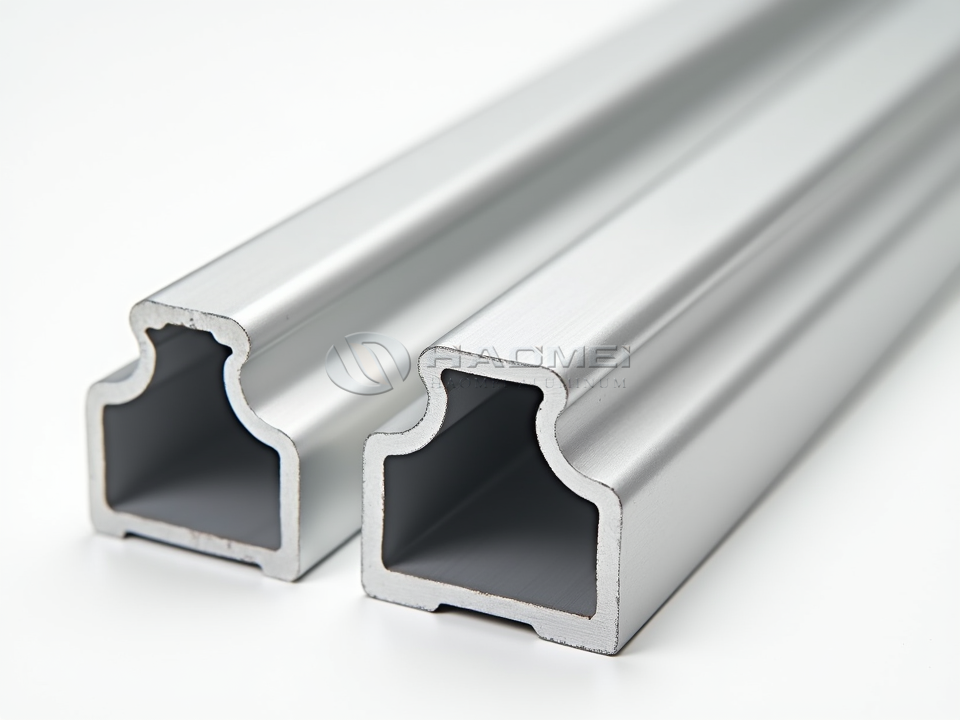
Turning an Extrusion into a Cooling Solution
The most effective Marine aluminum heat sink profile starts with the heat load rather than the desired fin appearance. Engineers should define watts to be dissipated, maximum component junction temperature, ambient temperature, airflow condition, enclosure position, and saltwater exposure level. A natural-convection profile needs wider fin spacing than a forced-air design because tightly packed fins can trap stagnant air and salt deposits.
For enclosed electronics, heat may travel from a power transistor or battery module through a thermal interface material into the profile base, then through fins exposed to outside air. A broad, flat base improves contact area. Fin height increases surface area, but excessively thin or tall fins may bend during extrusion, machining, or maintenance. Balanced proportions usually provide more dependable production and field durability.
A 6061 marine aluminum heat sink profile is therefore best understood as a corrosion-aware structural thermal component. With the right temper, coating strategy, extrusion geometry, and installation isolation, it can provide efficient cooling and long service life for demanding seawater-adjacent electronics.

Related Products
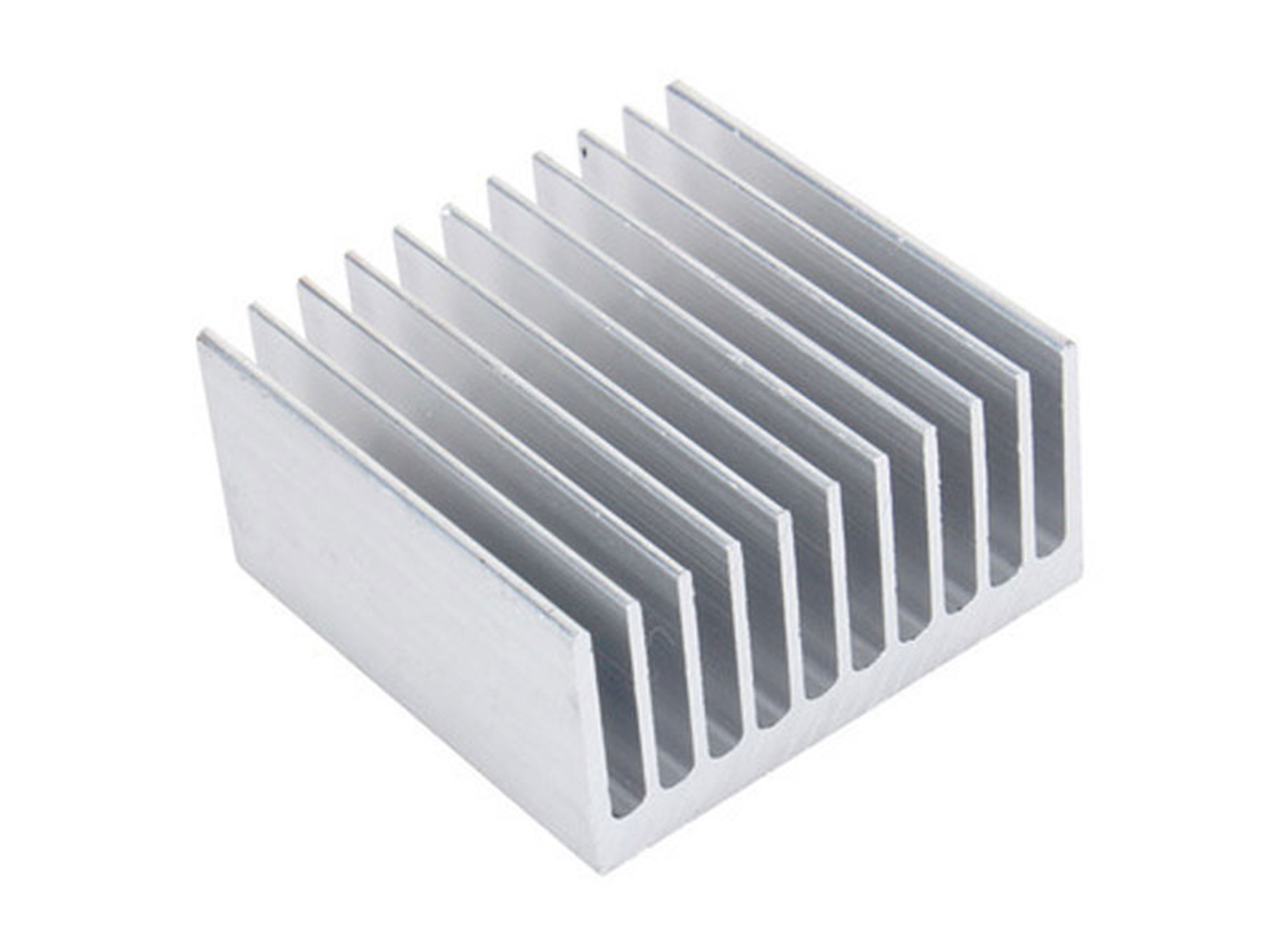
Marine aluminum heat sink profile
Marine Grade Aluminum Heat Sink Profiles utilize alloys such as 6061 and 6063 that not only exhibit high thermal conductivity but also possess excellent corrosion resistance required for saltwater exposure.
View Details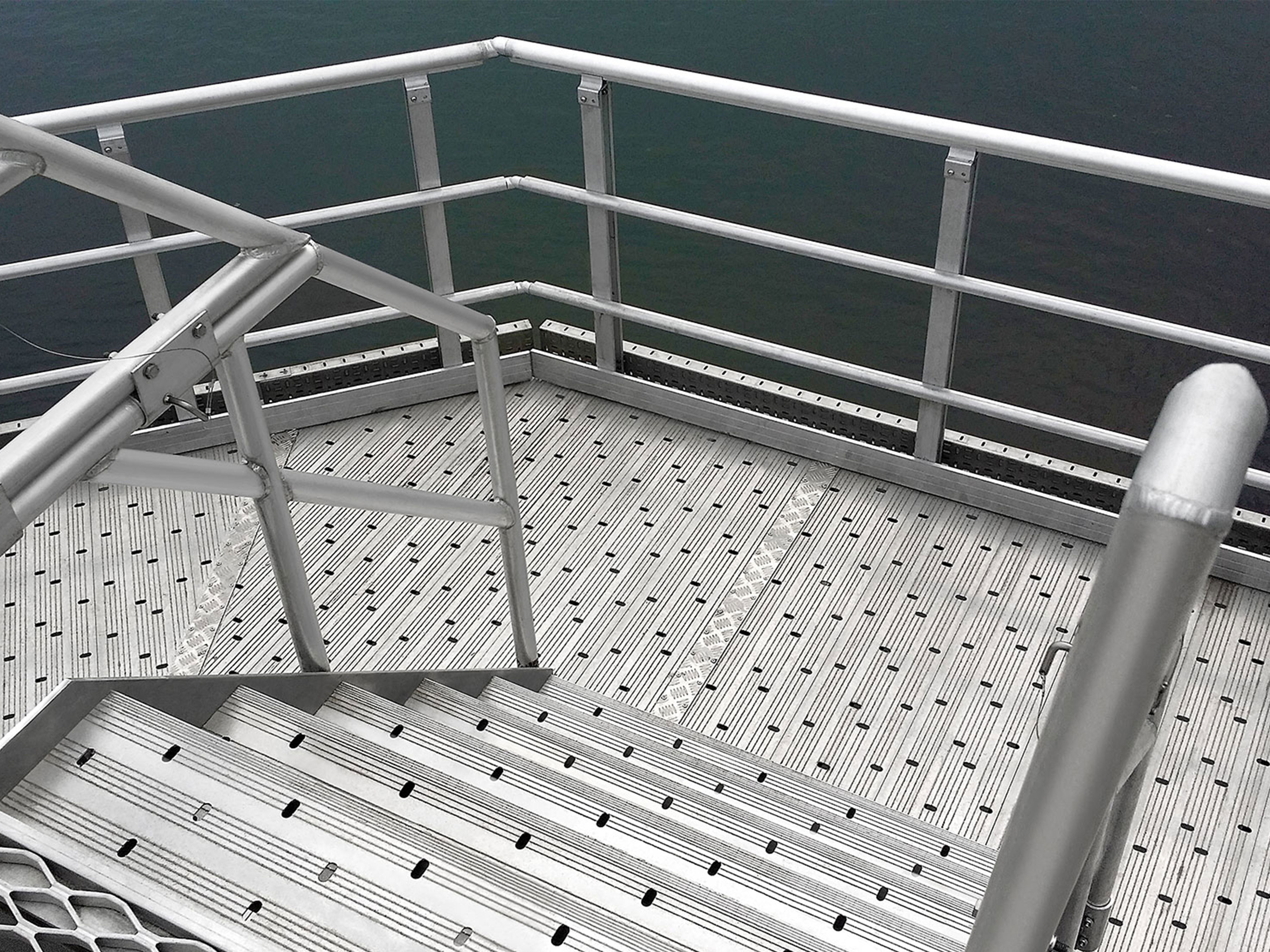
Marine aluminum customized shapes
Marine Grade Aluminum Customized Shapes encompass a broad range of aluminum extrusions and fabrications engineered beyond standard profiles—such as channels, angles, tubes, and beams—into complex, project-specific geometries.
View Details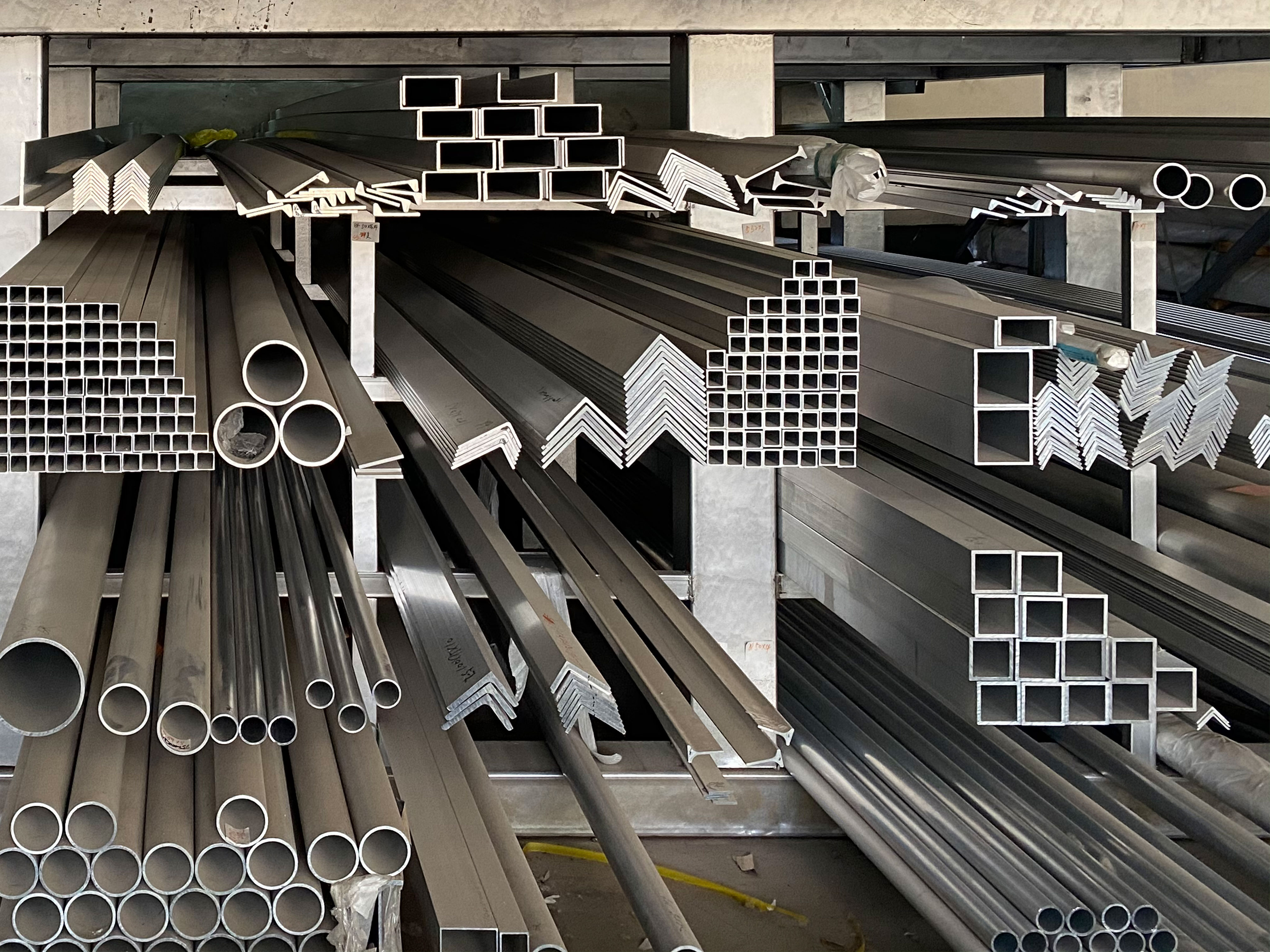
Marine aluminum fencing and railings
Marine Grade Aluminum Fencing and Railings are fabricated using marine-grade aluminum alloys such as 5083, 5052, and 6061, which are engineered specifically for protection against saltwater corrosion and marine atmospheric conditions.
View DetailsRelated Blog
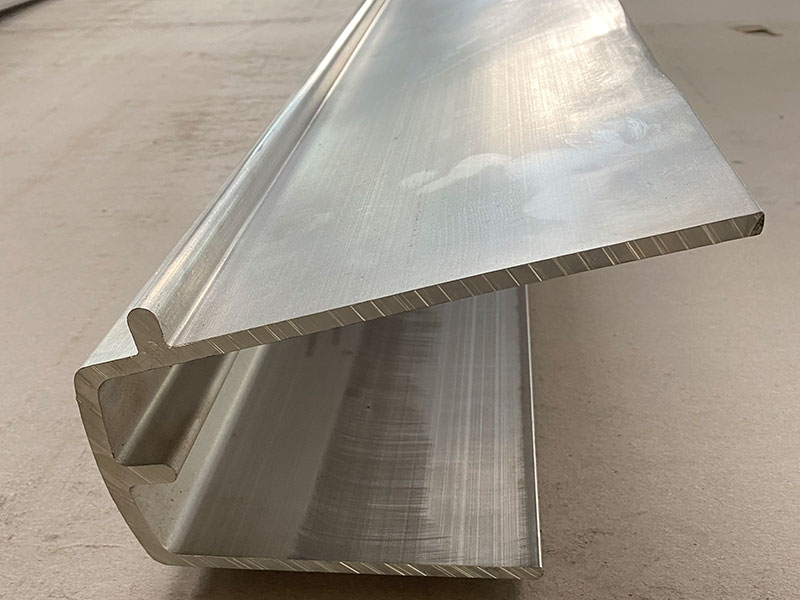
Marine Aluminum Customized Shapes for Offshore Platform Structural Reinforcements
Offshore platforms live in an unforgiving environment: chloride-rich seawater, cyclic wave loading, deck equipment vibration, and strict weight constraints that influence everything from pile design to crane capacity.
View Details
5052 Marine Aluminum Fencing and Railings for High Performance Coastal Guardrails
As we push the boundaries of engineering and architecture in coastal environments, 5052 marine aluminum fencing and railings is know as a notable solution. Functioning not only as an elegant aesthetic feature but also ensuring safety and durability.
View Details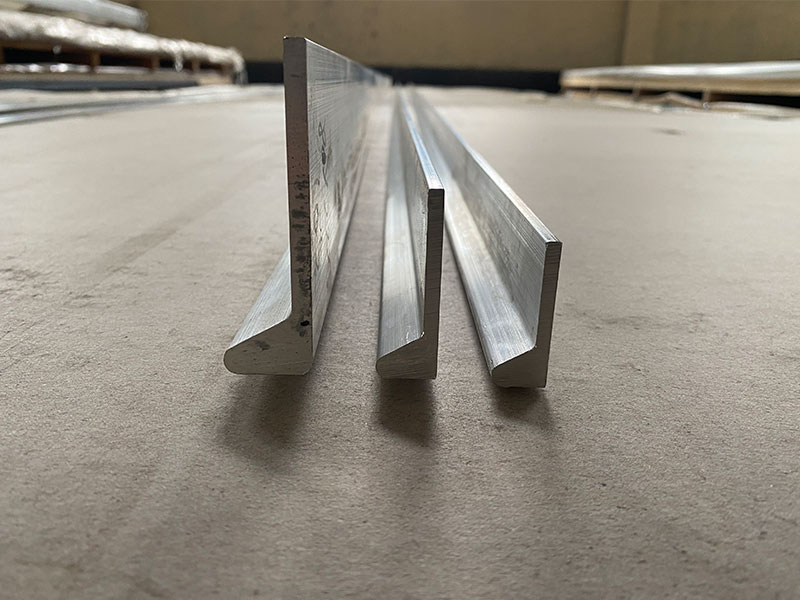
Marine Aluminum Heat Sink Profile for Lightweight Offshore Heat Dissipation
Aluminum has long been a staple in the marine industry due to its lightweight, corrosion-resistant, and sturdy properties. One of the innovative applications of aluminum is the Marine Aluminum Heat Sink Profile.
View Details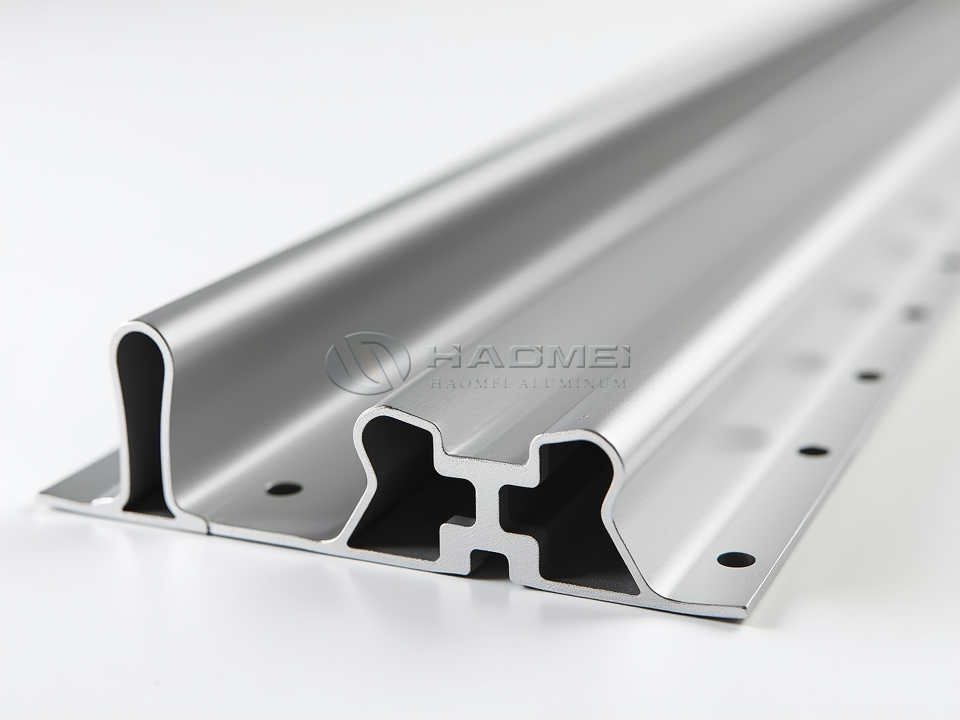
6061 Marine Aluminum Heat Sink Profile for Coastal Electronics Thermal Management
Explore 6061 marine aluminum heat sink profiles for coastal electronics, with thermal data, corrosion guidance, finishes, design choices, and marine uses.
View Details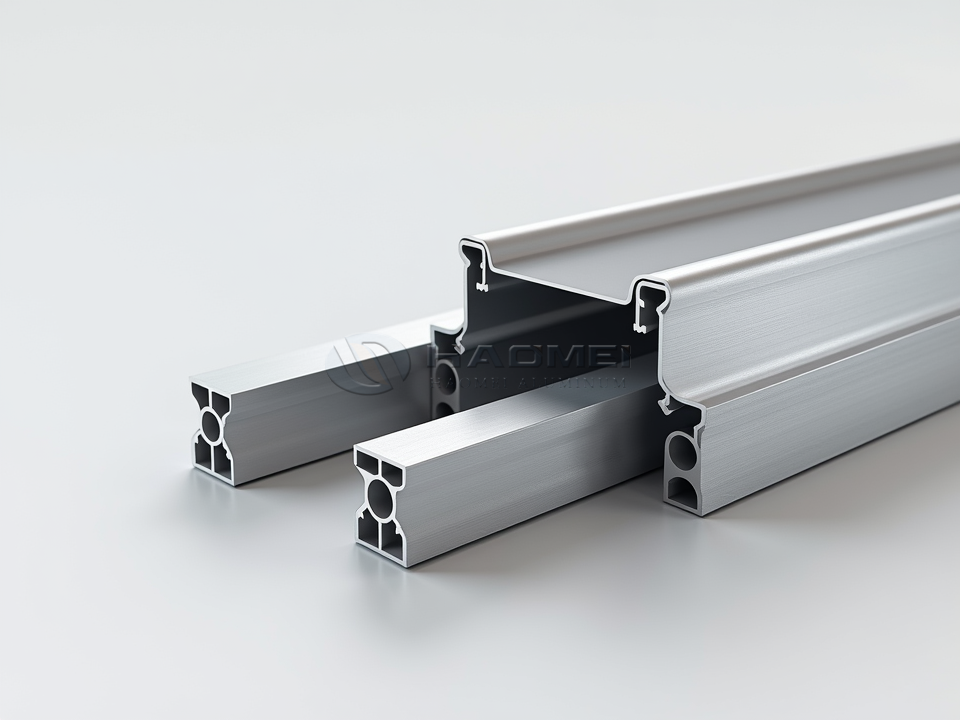
6063 Marine Aluminum Heat Sink Profile for Cooling Marine Electronics in Harsh Conditions
Explore 6063 marine aluminum heat sink profiles for corrosion-resistant, efficient cooling of onboard electronics in salt spray, heat, and vibration.
View Details
6063 Marine Aluminum Heat Sink Profile for Cooling Solutions for Offshore Platforms
Explore 6063 marine aluminum heat sink profiles for offshore platforms, including thermal performance, corrosion control, tempers, standards, and design data.
View Details
Leave a Message