
6063 Marine Aluminum Heat Sink Profile for Cooling Solutions for Offshore Platforms
Offshore platforms depend on reliable cooling for electrical cabinets, LED floodlights, automation controls, communication systems, power converters, battery enclosures, and marine instrumentation. A 6063 marine aluminum heat sink profile provides an efficient, lightweight path for moving heat away from these components while supporting long-term operation in salt-laden, humid, and vibration-prone environments.
6063 is a magnesium-silicon aluminum alloy widely selected for precision extrusions. Its fine surface quality, strong extrudability, useful thermal conductivity, and stable response to anodizing make it particularly suitable for finned heat sinks and custom cooling sections. For offshore installations, the profile design must combine heat dissipation with corrosion protection, drainage, electrical isolation, and secure mounting.
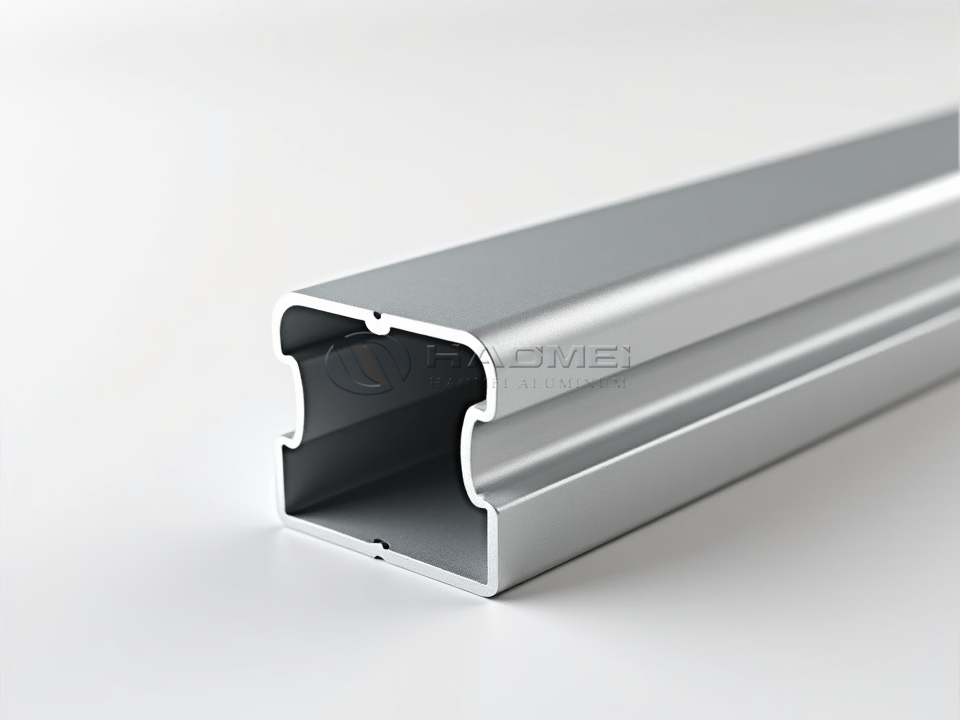
Thermal Function in Offshore Equipment
A heat sink profile transfers thermal energy from a hot device into the surrounding air. Heat first travels by conduction from the electronic component through a thermal interface material and mounting base into the aluminum extrusion. Fins then enlarge the exposed surface area, allowing heat to leave by natural convection, forced airflow, and thermal radiation.
On an offshore platform, cooling conditions are often demanding. Ambient temperatures can change rapidly, enclosed cabinets may have limited ventilation, and airborne salt deposits can reduce surface performance over time. A properly engineered 6063 extrusion helps maintain component temperatures within their rated operating range, reducing thermal derating, insulation aging, LED lumen loss, and unplanned shutdown risk.
| Heat Sink Function | Offshore Benefit |
|---|---|
| Conducts heat from electronic components | Helps prevent overheating of drives, converters, and control modules |
| Provides large finned surface area | Improves air-side heat release in compact enclosures |
| Reduces equipment mass | Lowers structural load compared with many steel cooling assemblies |
| Supports custom extrusion geometry | Allows channels, fins, mounting slots, and cable-management features in one profile |
| Accepts protective finishes | Improves durability in humid and salt-spray exposure |
Why 6063 Alloy Fits Cooling Extrusions
6063 aluminum belongs to the 6xxx series, where magnesium and silicon form Mg2Si precipitates during heat treatment. This structure provides a practical balance of strength, formability, corrosion resistance, and thermal performance. It is generally easier to extrude into thin-fin and complex cross-sectional shapes than higher-strength structural alloys.
For offshore cooling assemblies, 6063 is especially useful when a profile requires narrow fin spacing, deep fins, enclosed channels, screw ports, snap-fit features, or broad mounting bases. The alloy also produces a clean anodized finish, which is valuable where appearance, surface protection, and easier cleaning are required.
Customers requiring tailored fin spacing, base thickness, drilled interfaces, or integrated fastening features can specify Marine aluminum heat sink profile solutions matched to the enclosure, airflow direction, and thermal load.
Chemical Composition of 6063 Aluminum Alloy
The chemical composition is controlled to support consistent extrusion behavior and heat-treatment response. Values are expressed as mass percentage.
| Element | Composition Limit, % |
|---|---|
| Silicon, Si | 0.20-0.60 |
| Iron, Fe | 0.35 max. |
| Copper, Cu | 0.10 max. |
| Manganese, Mn | 0.10 max. |
| Magnesium, Mg | 0.45-0.90 |
| Chromium, Cr | 0.10 max. |
| Zinc, Zn | 0.10 max. |
| Titanium, Ti | 0.10 max. |
| Other elements, each | 0.05 max. |
| Other elements, total | 0.15 max. |
| Aluminum, Al | Balance |
Temper Conditions and Mechanical Properties
Temper selection affects strength, machinability, dimensional stability, and final heat-transfer design. T5 and T6 are common choices for extruded heat sink profiles.
| Temper | Processing Condition | Tensile Strength | Yield Strength | Elongation | Suitable Use |
|---|---|---|---|---|---|
| T5 | Cooled from extrusion temperature and artificially aged | 145 MPa min. | 110 MPa min. | 8% min. | General fins, moderate-duty housings, economical production |
| T6 | Solution heat treated, quenched, and artificially aged | 205 MPa min. | 170 MPa min. | 8% min. | Higher-strength mounting zones, machined interfaces, rigid frames |
| T4 | Solution heat treated and naturally aged | Varies by product form | Varies by product form | Good formability | Formed or further-processed components before final aging |
Actual mechanical values vary with wall thickness, extrusion geometry, applicable standard, and test direction. Purchase documentation should define the required temper, dimensional tolerances, inspection plan, and certification level.
Physical and Thermal Data
| Property | Typical Value | Engineering Relevance |
|---|---|---|
| Density | 2.70 g/cm3 | Helps reduce topside equipment weight |
| Thermal conductivity at 25°C | Approx. 200-205 W/m.K | Enables rapid conduction from base to fins |
| Electrical conductivity | Approx. 50% IACS | Requires appropriate grounding and isolation design |
| Specific heat capacity | Approx. 900 J/kg.K | Provides moderate short-term thermal buffering |
| Melting range | Approx. 615-655°C | Relevant to fabrication control, not service temperature |
| Coefficient of thermal expansion | Approx. 23.4 x 10^-6/K | Important for long profiles and bolted interfaces |
| Elastic modulus | Approx. 69 GPa | Supports stiffness calculations for mounting sections |
Profile Geometry and Cooling Design
Heat sink capacity is influenced by more than alloy conductivity. Extrusion geometry and system installation usually determine the final cooling result. Thin fins create more surface area, but fins packed too closely can restrict airflow and trap salt deposits. Wider spacing may improve natural convection and simplify cleaning in exposed or semi-protected platform locations.
| Design Feature | Typical Design Consideration | Thermal or Service Effect |
|---|---|---|
| Fin thickness | Often 0.8-3.0 mm, subject to extrusion ratio | Balances surface area, production feasibility, and rigidity |
| Fin height | Often 15-100 mm or custom | Taller fins increase area but need adequate airflow |
| Fin pitch | Matched to natural or forced convection | Prevents air blockage between fins |
| Base thickness | Often 3-15 mm or custom | Supports heat spreading and threaded mounting |
| Profile length | Cut to project requirement | Longer sections may require expansion allowance |
| Mounting interface | Flat machined pad, slots, bosses, or channels | Improves contact pressure and installation speed |
| Surface finish | Mill finish, anodized, powder coated, or painted | Supports corrosion control and maintenance planning |
For high-power converters or dense control cabinets, the heat sink should be modeled around total heat load, permitted component temperature, ambient temperature, airflow velocity, enclosure IP rating, solar gain, and fouling allowance. Thermal interface pads or grease should fill microscopic gaps between the device and heat sink base. Fastener torque must be sufficient for stable contact without distorting the extrusion.
Offshore Corrosion Protection and Installation Practice
Although 6063 offers good atmospheric corrosion resistance, offshore service requires a complete protection strategy. Saltwater deposits, crevice conditions, dissimilar-metal contact, and stagnant moisture can accelerate corrosion if the profile is poorly detailed.
| Offshore Risk | Recommended Control |
|---|---|
| Salt spray and humidity | Use anodizing, marine-grade coating, or a specified duplex finish |
| Galvanic corrosion with steel or copper | Fit non-conductive gaskets, sleeves, washers, or compatible isolation barriers |
| Water retention between fins | Provide drainage paths and avoid horizontal debris traps |
| Coating damage during assembly | Protect cut edges and repair damaged coating according to project procedure |
| Thermal expansion movement | Use slotted mounting holes or controlled fixed-point mounting for long sections |
| High vibration | Use locking fasteners, appropriate support spacing, and fatigue-aware bracket design |
Anodizing can improve surface hardness and corrosion resistance, while powder coating or liquid paint may provide additional barrier protection where project specifications require a colored or more robust finish. Coating selection should not excessively fill narrow fin gaps or interfere with grounding arrangements.
Applicable Standards and Quality Controls
The applicable standard depends on project location, client specification, certification needs, and extrusion form. Common references are shown here.
| Standard or Specification | Typical Scope |
|---|---|
| EN 573-3 | Chemical composition of aluminum alloys |
| EN 755-2 | Mechanical properties of extruded rods, bars, tubes, and profiles |
| EN 755-9 | Dimensional and form tolerances for extruded profiles |
| ASTM B221/B221M | Aluminum and aluminum-alloy extruded bars, rods, wire, profiles, and tubes |
| EN 515 | Temper designations for wrought aluminum products |
| ISO 7599 | Anodizing of aluminum and its alloys |
| NORSOK M-501 | Surface preparation and protective coating requirements for offshore environments |
| ISO 9227 | Salt spray testing for coating-system assessment |
A practical supply package may include material test certificates, alloy and temper confirmation, dimensional inspection records, surface-finish details, coating thickness reports, and agreed packing requirements. For critical offshore projects, heat sink profiles can also be supplied with cut-to-length processing, CNC machining, drilling, tapping, deburring, and traceable batch identification.
Reliable Cooling with Lightweight Marine Aluminum
A 6063 marine aluminum heat sink profile delivers a strong combination of efficient heat transfer, low weight, extrusion flexibility, and finish quality. When paired with correct fin geometry, controlled mounting pressure, corrosion-resistant finishing, and galvanic isolation, it becomes a durable cooling component for offshore electrical and electronic systems.
The best profile is not merely a finned shape. It is a cooling solution engineered around actual thermal load, platform exposure, enclosure layout, maintenance access, and project standards. This approach helps offshore operators protect sensitive equipment while maintaining efficient, compact, and serviceable installations.

Related Products
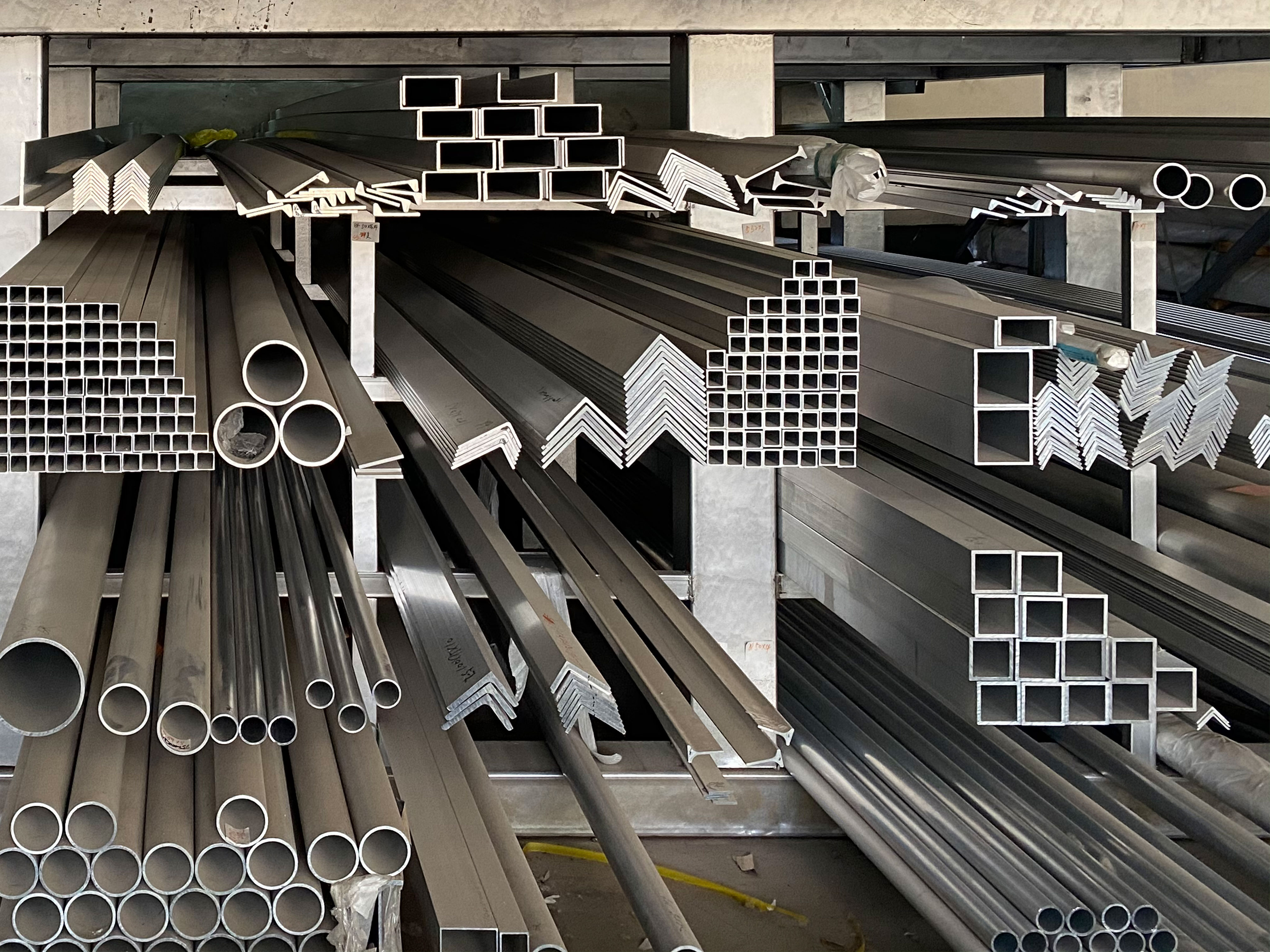
Marine aluminum fencing and railings
Marine Grade Aluminum Fencing and Railings are fabricated using marine-grade aluminum alloys such as 5083, 5052, and 6061, which are engineered specifically for protection against saltwater corrosion and marine atmospheric conditions.
View Details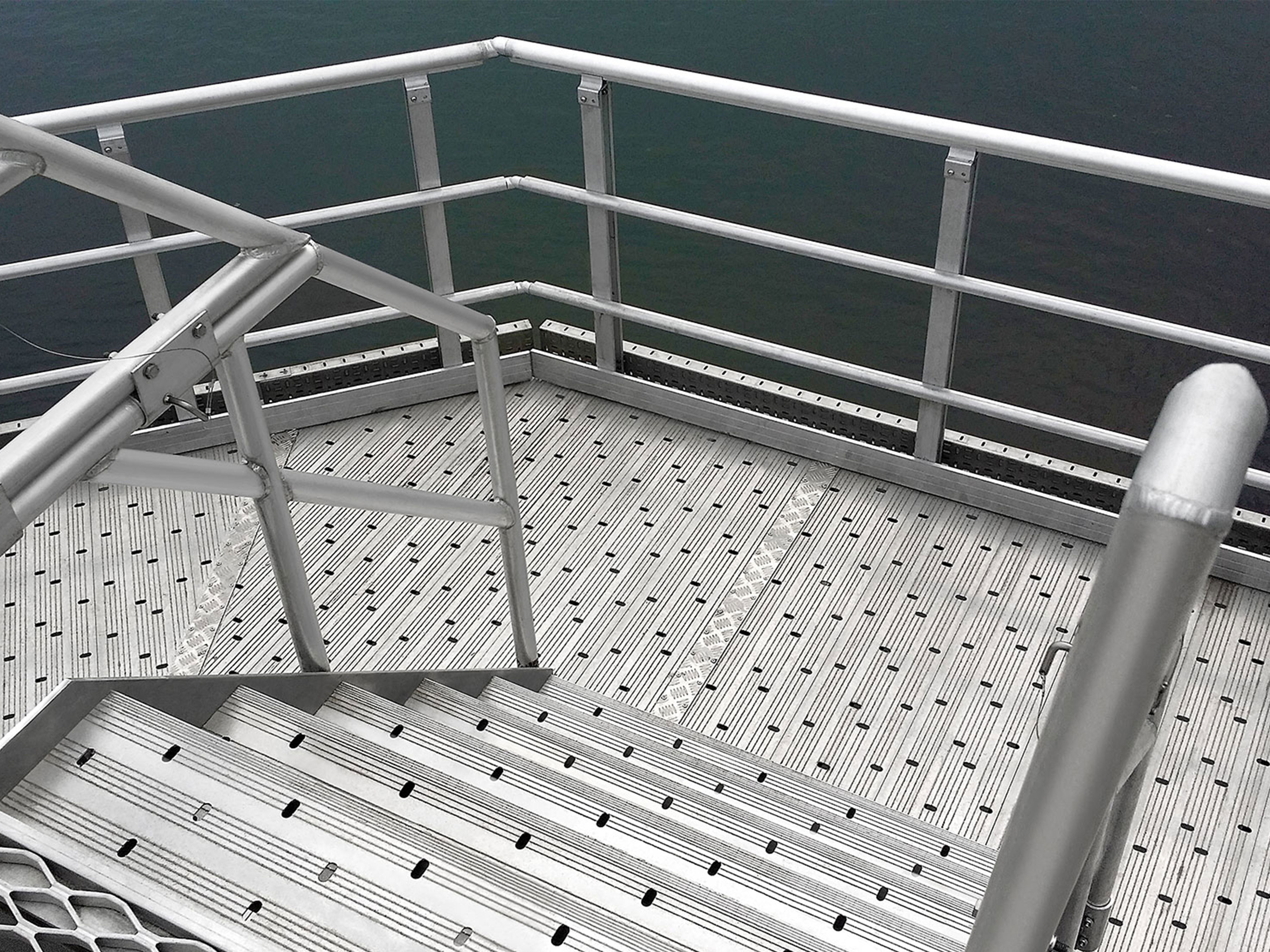
Marine aluminum customized shapes
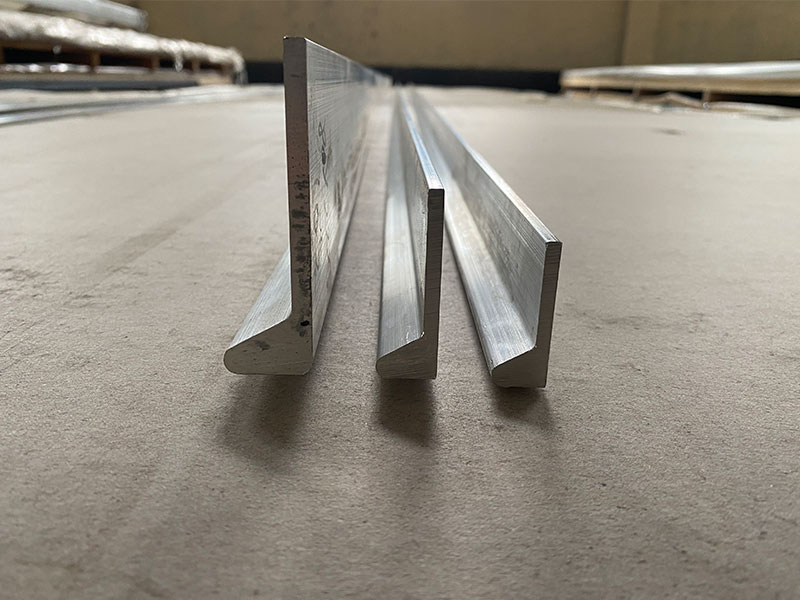
Marine Grade Aluminum Customized Shapes encompass a broad range of aluminum extrusions and fabrications engineered beyond standard profiles—such as channels, angles, tubes, and beams—into complex, project-specific geometries.
View Details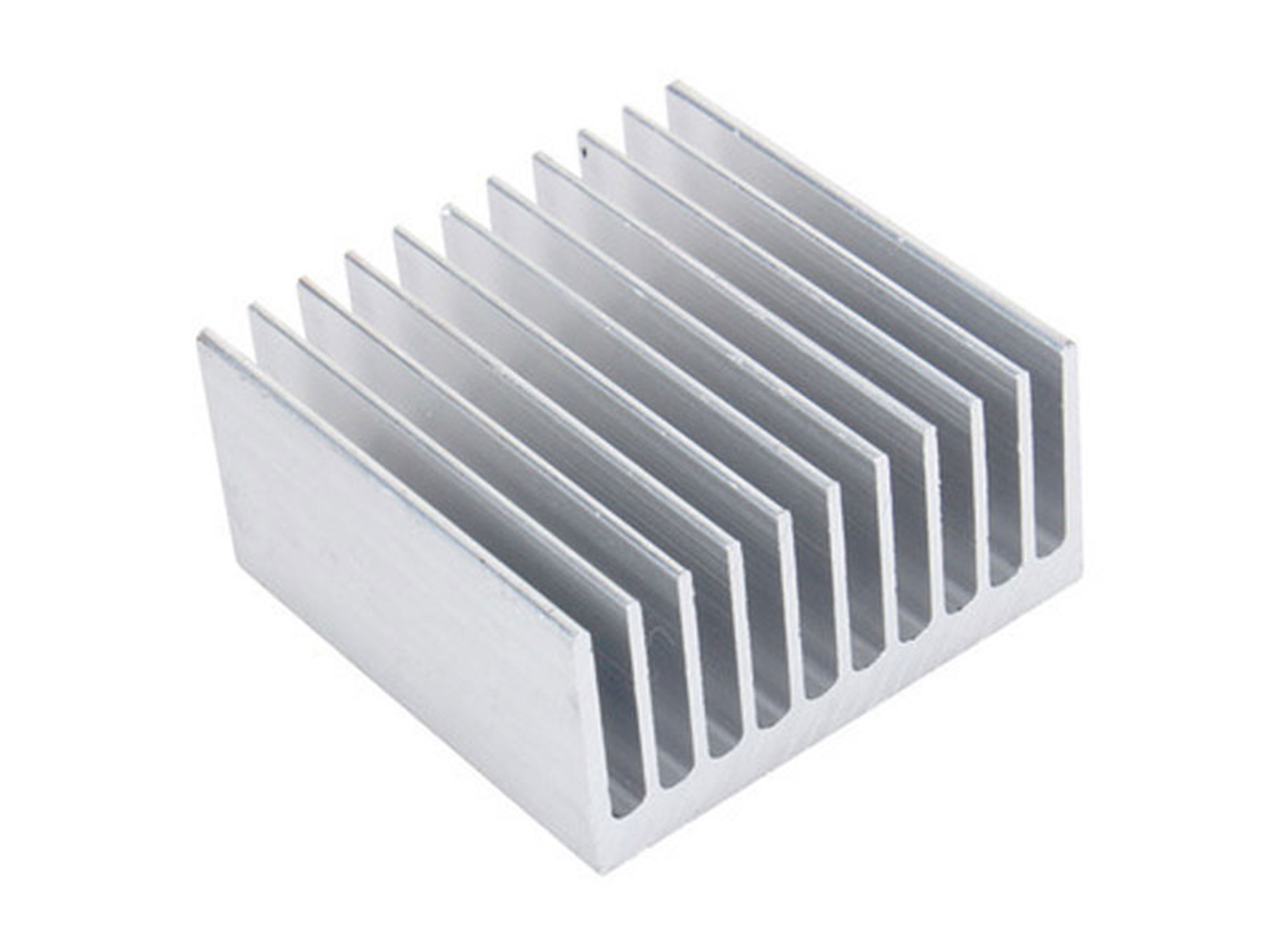
Marine aluminum heat sink profile
Marine Grade Aluminum Heat Sink Profiles utilize alloys such as 6061 and 6063 that not only exhibit high thermal conductivity but also possess excellent corrosion resistance required for saltwater exposure.
View DetailsRelated Blog
5083 Marine Aluminum Customized Shapes for Saltwater Resistant Boat Deck Frames
When it comes to boat deck frames that endure the relentless challenge of saltwater environments, the choice of materials is paramount. Among all options.
View Details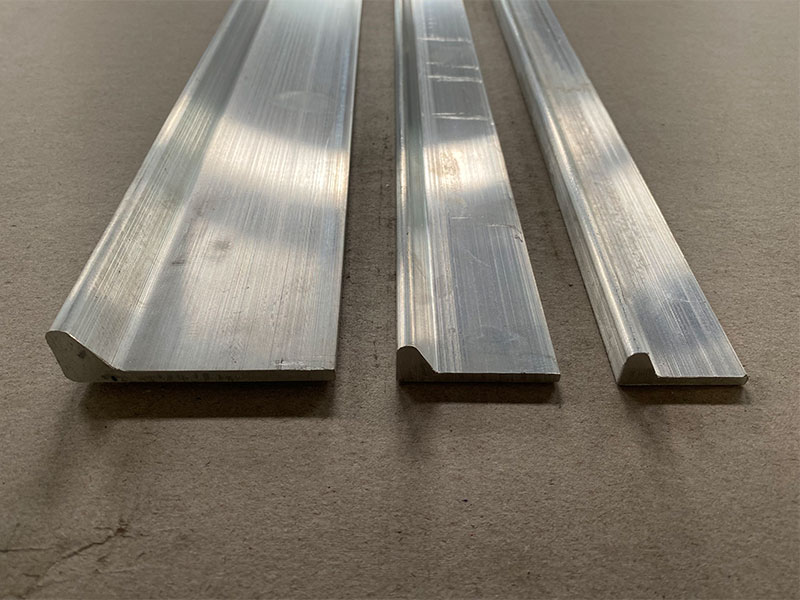
5083 Marine Aluminum Customized Shapes for Custom Ship Hull Construction
In the realm of marine engineering, the construction of ship hulls strikes at the foundation of naval architecture and ship integrity. Among the variety of materials available, instead, one alloy has repeatedly distinguished itself as the go-to choice.
View Details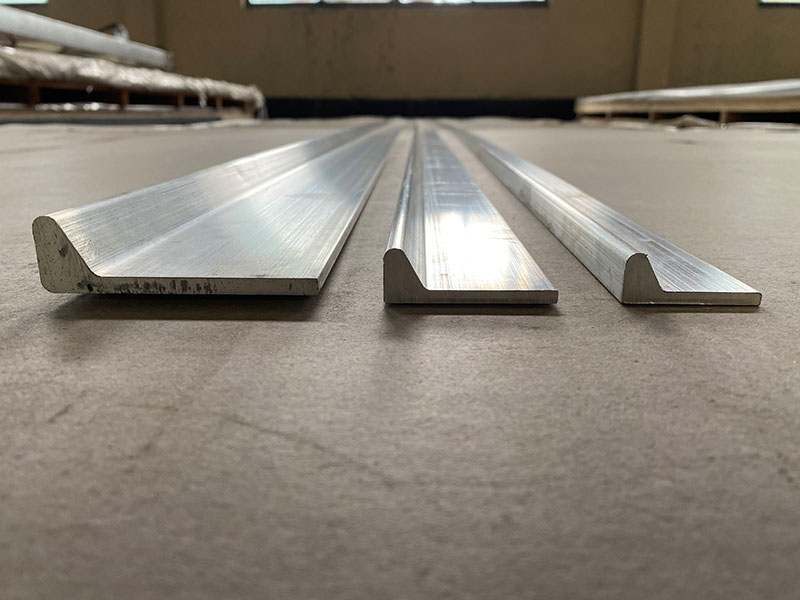
Marine Aluminum Customized Shapes for Offshore Equipment and Structural Components
Offshore projects demand materials that thrive where steel often struggles: salt spray, cyclic loading, tight installation windows, and relentless maintenance costs.
View Details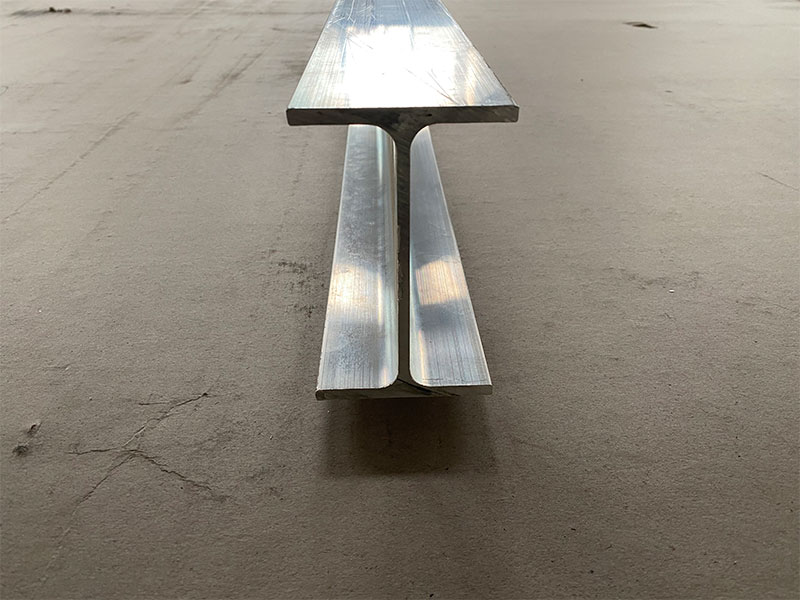
6061 Marine Aluminum Heat Sink Profile for Offshore Engine Cooling Solutions
In the highly demanding environment of offshore engineering, efficient thermal management is critical for maintaining the performance and longevity of marine engines.
View Details
5052 Marine Aluminum Customized Shapes for High Strength Marine Engineering Components
Aluminum has emerged as a crucial material in marine engineering due to its combination of lightweight, corrosion resistance, and high strength. The 5052 alloy series, particularly, provides an excellent solution for challenging marine environments.
View Details
6061 Marine Aluminum Fencing and Railings for Lightweight Offshore Railing Systems
6061 marine aluminum fencing and railings for offshore decks, covering temper, standards, corrosion behavior, design loads, installation, and uses at sea.
View Details
Leave a Message