
6063 Marine Aluminum Heat Sink Profile for Cooling Marine Electronics in Harsh Conditions
Marine electronics operate in conditions that rapidly expose design weaknesses: salt spray, humidity, engine-room heat, vibration, UV exposure, and restricted airflow. A 6063 marine aluminum heat sink profile provides a lightweight, extruded thermal-management solution that draws heat away from electronic components and releases it through a high-surface-area fin structure.
Used correctly, 6063 aluminum profiles help stabilize operating temperatures for navigation displays, radar modules, communications equipment, LED lighting drivers, battery-management systems, power converters, sonar units, and control cabinets. The alloy combines practical thermal conductivity with excellent extrudability, smooth surface quality, and a strong response to anodizing.
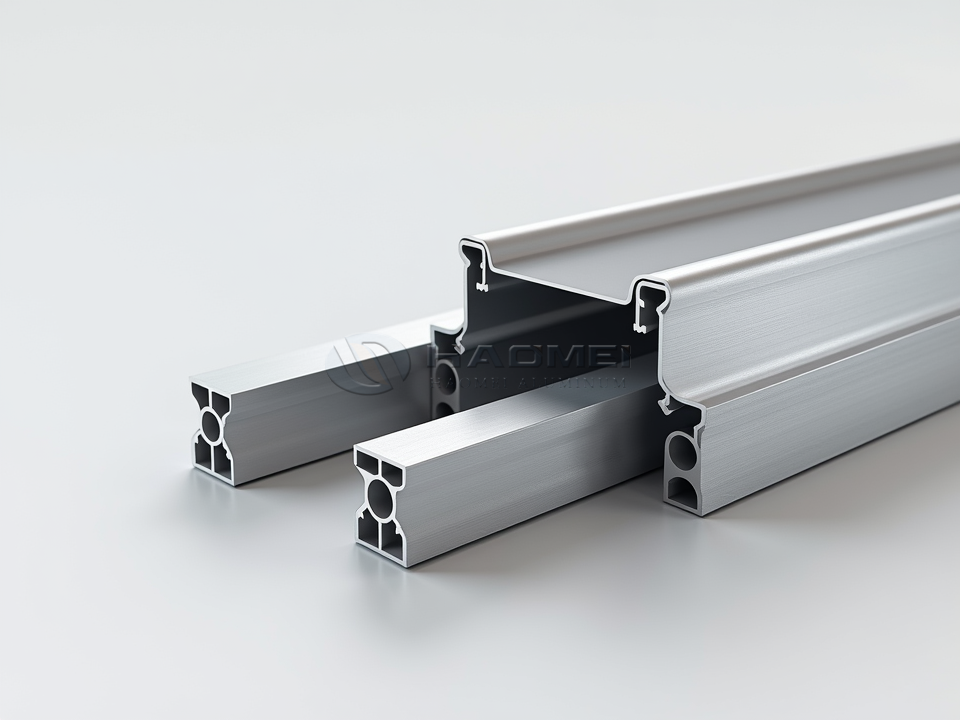
Why 6063 Aluminum Works for Marine Heat Sinks
6063 is an Al-Mg-Si alloy widely selected for precision extrusions. Its balanced magnesium and silicon content allows the material to be extruded into thin, closely spaced fins, integrated mounting channels, cable-management grooves, and complex cross-sections that would be expensive to machine from solid material.
For marine thermal-control equipment, the profile serves several functions at once:
| Function | Contribution to Marine Electronics Reliability |
|---|---|
| Heat conduction | Transfers heat from a device baseplate into the finned extrusion body |
| Surface-area expansion | Fins create more exposed area for natural or forced convection |
| Mechanical support | Integrated channels and ribs support PCB housings, drivers, and covers |
| Corrosion protection platform | Accepts anodizing and marine-grade powder coating effectively |
| Weight reduction | Helps reduce topside and enclosure weight compared with steel heat sinks |
| Custom integration | Allows screw ports, slots, snap-fit areas, and gasket lands in one extrusion |
A heat sink does not create cooling by itself. It moves heat from a concentrated source to a larger surface where air can remove it. The final thermal result depends on fin geometry, airflow speed, enclosure layout, heat-source contact quality, ambient temperature, coating type, and mounting orientation.
Chemical Composition of 6063 Marine Aluminum
The chemical limits for EN AW-6063 are designed to produce a fine extruded finish and dependable age-hardening response. Values shown are typical specified maximum or range limits by weight.
| Element | Content, % by Weight |
|---|---|
| Silicon, Si | 0.20–0.60 |
| Iron, Fe | 0.35 max. |
| Copper, Cu | 0.10 max. |
| Manganese, Mn | 0.10 max. |
| Magnesium, Mg | 0.45–0.90 |
| Chromium, Cr | 0.10 max. |
| Zinc, Zn | 0.10 max. |
| Titanium, Ti | 0.10 max. |
| Other elements, each | 0.05 max. |
| Other elements, total | 0.15 max. |
| Aluminum, Al | Balance |
The Mg-Si system forms strengthening precipitates during artificial aging. This enables useful mechanical strength while retaining the alloy's favorable forming and extrusion behavior.
Temper Conditions and Mechanical Properties
Heat sink profiles are commonly supplied in T5 or T6 tempers. T5 is cooled from an elevated-temperature shaping process and artificially aged. T6 is solution heat-treated, quenched, and artificially aged. Actual values vary with profile thickness, geometry, and applicable standard.
| Temper | Processing Condition | Typical Tensile Strength | Typical Yield Strength | Typical Elongation | Suitable Use |
|---|---|---|---|---|---|
| T4 | Solution heat-treated and naturally aged | 130–170 MPa | 60–110 MPa | 12–18% | Forming before final aging |
| T5 | Cooled from extrusion and artificially aged | 160–210 MPa | 110–160 MPa | 8–12% | Standard extruded heat sink bodies |
| T6 | Solution heat-treated, quenched, artificially aged | 190–240 MPa | 150–200 MPa | 8–12% | Higher-strength mounting and enclosure profiles |
| T66 | Specially controlled solution treatment and aging | 210–250 MPa | 170–220 MPa | 7–11% | Demanding structural and mounting sections |
For thin-fin heat sinks, T5 is often a practical choice because it supports efficient extrusion production and good dimensional consistency. T6 or T66 may be preferred when the profile includes load-bearing mounting feet, threaded sections, or long unsupported spans.
Thermal and Physical Data
| Property | Typical Value | Relevance to Heat Sink Design |
|---|---|---|
| Density | 2.70 g/cm³ | Low mass for vessel installations |
| Thermal conductivity | 200–205 W/m·K | Promotes rapid heat spreading from source to fins |
| Electrical conductivity | Approx. 50–55% IACS | Important where grounding or bonding is considered |
| Melting range | Approx. 615–655°C | Suitable for normal electronics operating temperatures |
| Coefficient of thermal expansion | Approx. 23.4 × 10⁻⁶/K | Must be considered with PCB and semiconductor interfaces |
| Elastic modulus | Approx. 69 GPa | Provides rigidity for enclosures and mounting rails |
| Specific heat capacity | Approx. 900 J/kg·K | Offers short-term thermal buffering during load spikes |
Profile Geometry for Effective Heat Dissipation
A marine heat sink should be designed around the actual heat load rather than selected only by external dimensions. Tall, thin fins increase convection area but can lose efficiency if placed too closely together, especially in sealed cabinets or salt-laden air. Wider fin spacing supports natural convection and simplifies cleaning, while denser fins can perform well with controlled forced airflow.
| Design Feature | Typical Range or Practice | Design Effect |
|---|---|---|
| Fin thickness | 0.8–3.0 mm | Balances extrusion feasibility, strength, and thermal spreading |
| Fin height | 10–80 mm | Larger height increases area when airflow can reach the fin tips |
| Fin spacing | 3–12 mm | Must match natural or fan-assisted airflow conditions |
| Base thickness | 3–15 mm | Supports even heat transfer from mounted electronics |
| Profile length | Custom cut length | Can match cabinet width, module size, or rack layout |
| Flatness | Per drawing and standard tolerance | Improves thermal-interface contact with power modules |
| Surface finish | Mill finish, anodized, powder coated | Determines corrosion resistance and emissivity characteristics |
A black anodized finish is frequently selected for exposed heat sinks. It provides a durable oxide layer, improves radiative heat transfer compared with bright unfinished aluminum, and gives a professional low-glare appearance. For severe salt exposure, coating continuity, edge coverage, drainage, and fastener isolation are as important as the coating specification itself.
For systems that require integrated thermal and mechanical features, a Marine aluminum heat sink profile can be engineered with mounting slots, protective covers, internal guides, and customized fin arrangements in the same extrusion.
Marine Applications
6063 heat sink extrusions are suitable for protected outdoor modules, wheelhouse equipment, machinery-space control systems, and ventilated marine cabinets. Typical applications include:
| Marine System | Heat-Producing Component | Heat Sink Role |
|---|---|---|
| Navigation equipment | Chart plotters, processors, display power boards | Reduces enclosure temperature and component stress |
| Radar and communications | RF amplifiers, transceivers, network switches | Dissipates continuous operating heat |
| LED marine lighting | LED drivers, high-output lamp boards | Extends LED driver and diode service life |
| Battery energy systems | BMS boards, DC-DC converters, inverters | Manages heat during charging and high-current operation |
| Propulsion controls | Motor drivers, actuator controllers, VFD modules | Supports stable performance under heavy duty cycles |
| Instrument cabinets | PLCs, relays, power supplies | Prevents local hot spots in compact panels |
Standards and Quality Requirements
Heat sink profiles should be supplied with standards appropriate to the extrusion, material chemistry, dimensional tolerances, and intended marine installation. Project specifications may also require corrosion testing and traceable inspection records.
| Standard or Reference | Scope | Typical Use |
|---|---|---|
| EN 573-3 | Chemical composition of aluminum alloys | Confirms 6063 alloy chemistry |
| EN 755-2 | Mechanical properties of extruded rods, bars, tubes, and profiles | Defines temper-related property requirements |
| EN 755-9 | Tolerances on dimensions and form for extruded profiles | Controls profile accuracy and straightness |
| ASTM B221 | Aluminum-alloy extruded bars, rods, wire, profiles, and tubes | Common international supply reference |
| ISO 7599 | Anodic oxidation coatings on aluminum | Guides anodized coating requirements |
| ISO 9227 | Salt spray corrosion testing | Used when corrosion-test verification is specified |
| IEC 60092 | Electrical installations in ships | Relevant to marine electrical-system integration |
Installation Practices for Harsh Conditions
Effective heat transfer begins at the interface between the electronic device and the aluminum base. Use a compatible thermal pad, thermal grease, or phase-change material to reduce air gaps. Apply mounting pressure evenly and keep the contact surface clean, flat, and free from deep scratches.
Marine installations also require corrosion-aware assembly. Isolate stainless steel, copper, and dissimilar-metal components where galvanic exposure is possible. Use suitable washers, sealants, or nonconductive barriers, provide drain paths to avoid trapped saltwater, and avoid sealing a high-heat module inside an unventilated enclosure unless the enclosure itself is engineered as the heat-radiating surface.
| Installation Consideration | Recommended Practice |
|---|---|
| Heat-source interface | Use qualified thermal interface material and controlled fastener torque |
| Fin orientation | Position vertical for natural convection where installation allows |
| Saltwater drainage | Avoid horizontal pockets that retain water and contaminants |
| Dissimilar metals | Isolate aluminum from copper-rich or stainless components when wet exposure exists |
| Coating damage | Protect cut edges and repair damaged coating areas promptly |
| Cleaning | Rinse salt deposits with fresh water and use non-abrasive cleaning methods |
| Airflow | Keep fins clear of wiring bundles, foam, and enclosure obstructions |
A Practical Aluminum Solution for Marine Thermal Control
A 6063 marine aluminum heat sink profile combines efficient thermal transfer, low weight, complex extrusion capability, and attractive corrosion-resistant finishing. With the right fin spacing, temper, coating, and installation method, it helps marine electronic equipment operate more consistently through hot weather, salt exposure, vibration, and demanding duty cycles.
Custom extrusion design also reduces assembly steps by combining cooling fins, mounting features, protective edges, and cable-routing details in one durable aluminum profile.

Related Products
Marine aluminum fencing and railings
Marine Grade Aluminum Fencing and Railings are fabricated using marine-grade aluminum alloys such as 5083, 5052, and 6061, which are engineered specifically for protection against saltwater corrosion and marine atmospheric conditions.
View Details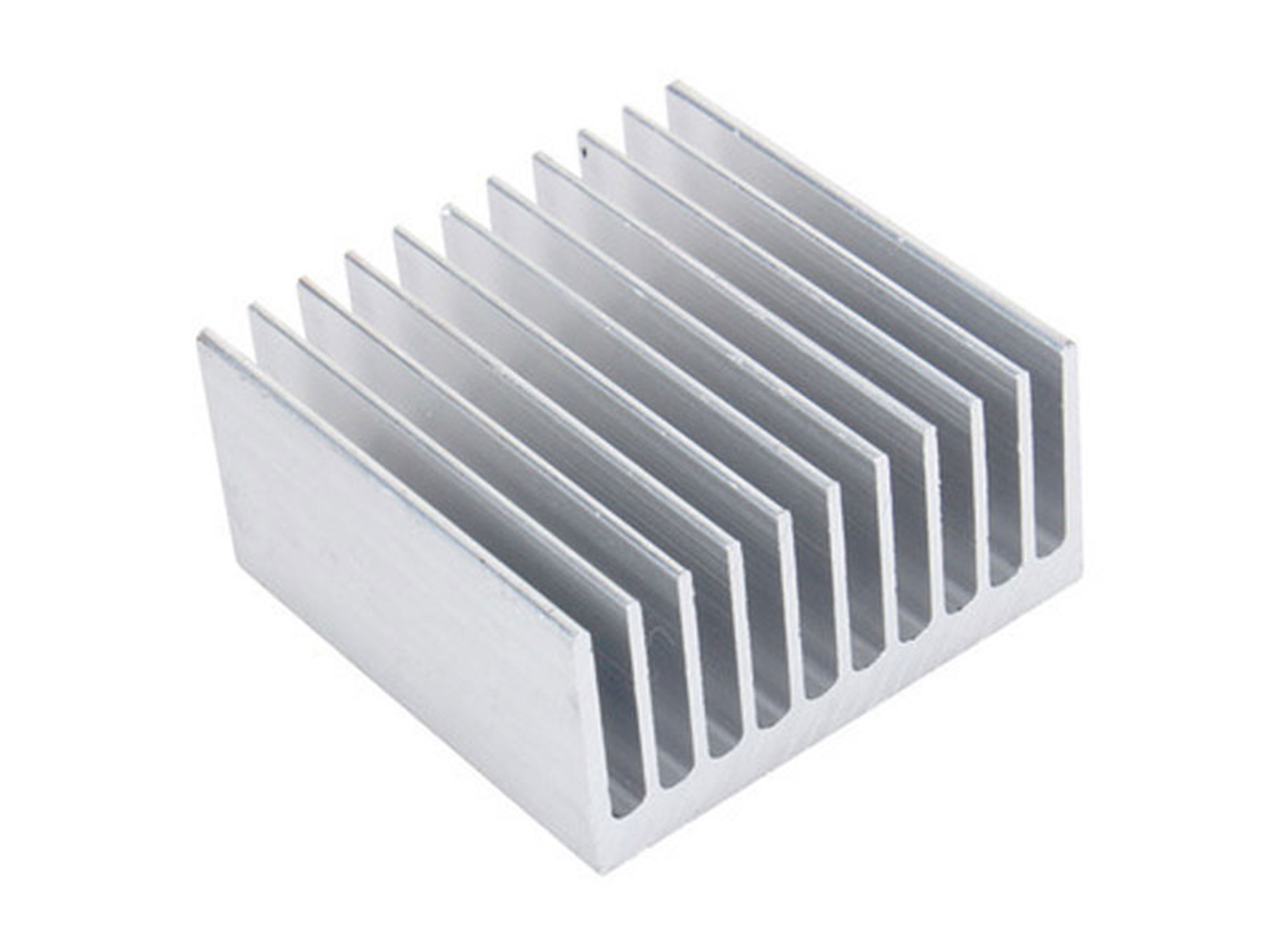
Marine aluminum heat sink profile
Marine Grade Aluminum Heat Sink Profiles utilize alloys such as 6061 and 6063 that not only exhibit high thermal conductivity but also possess excellent corrosion resistance required for saltwater exposure.
View Details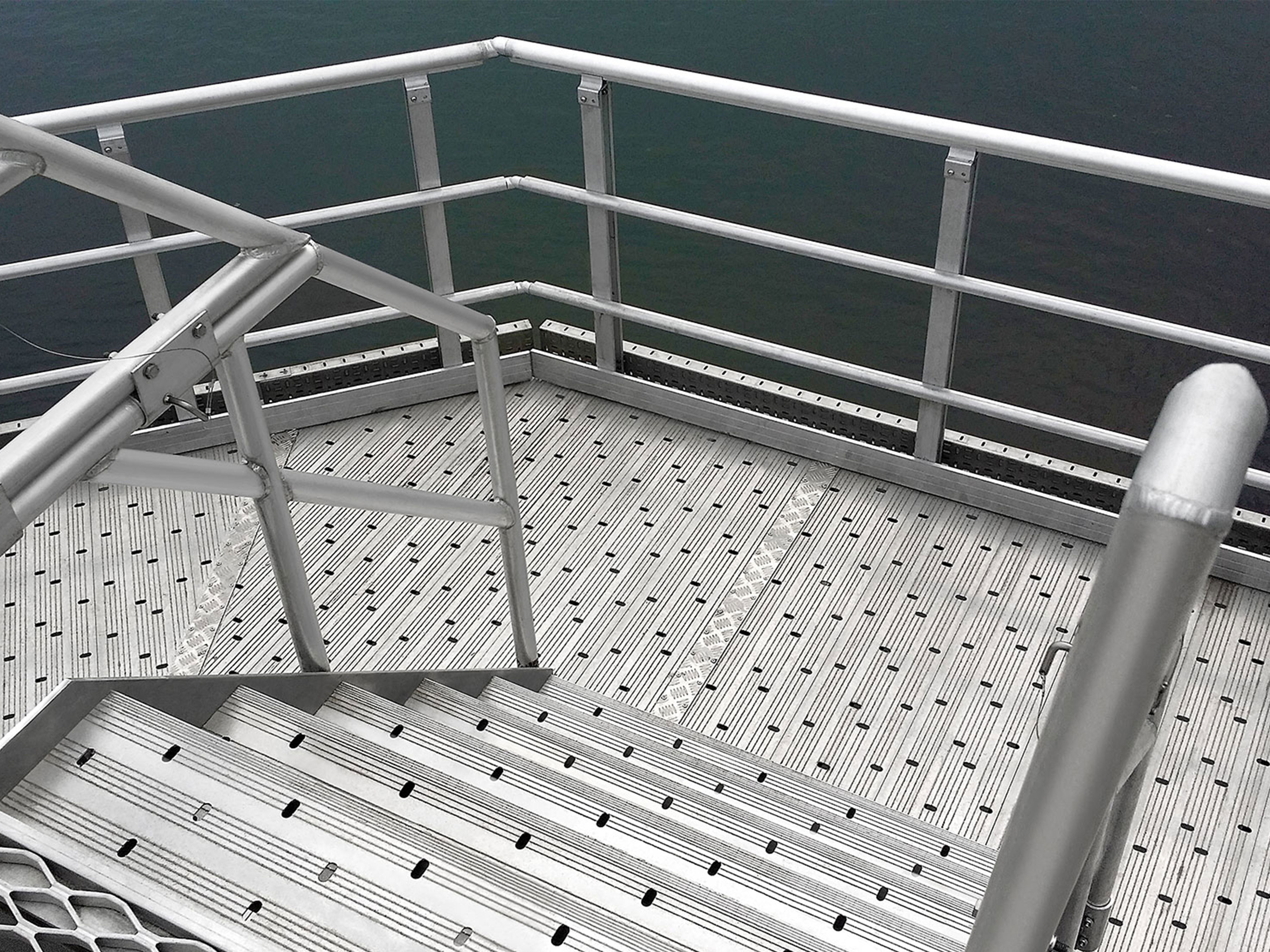
Marine aluminum customized shapes
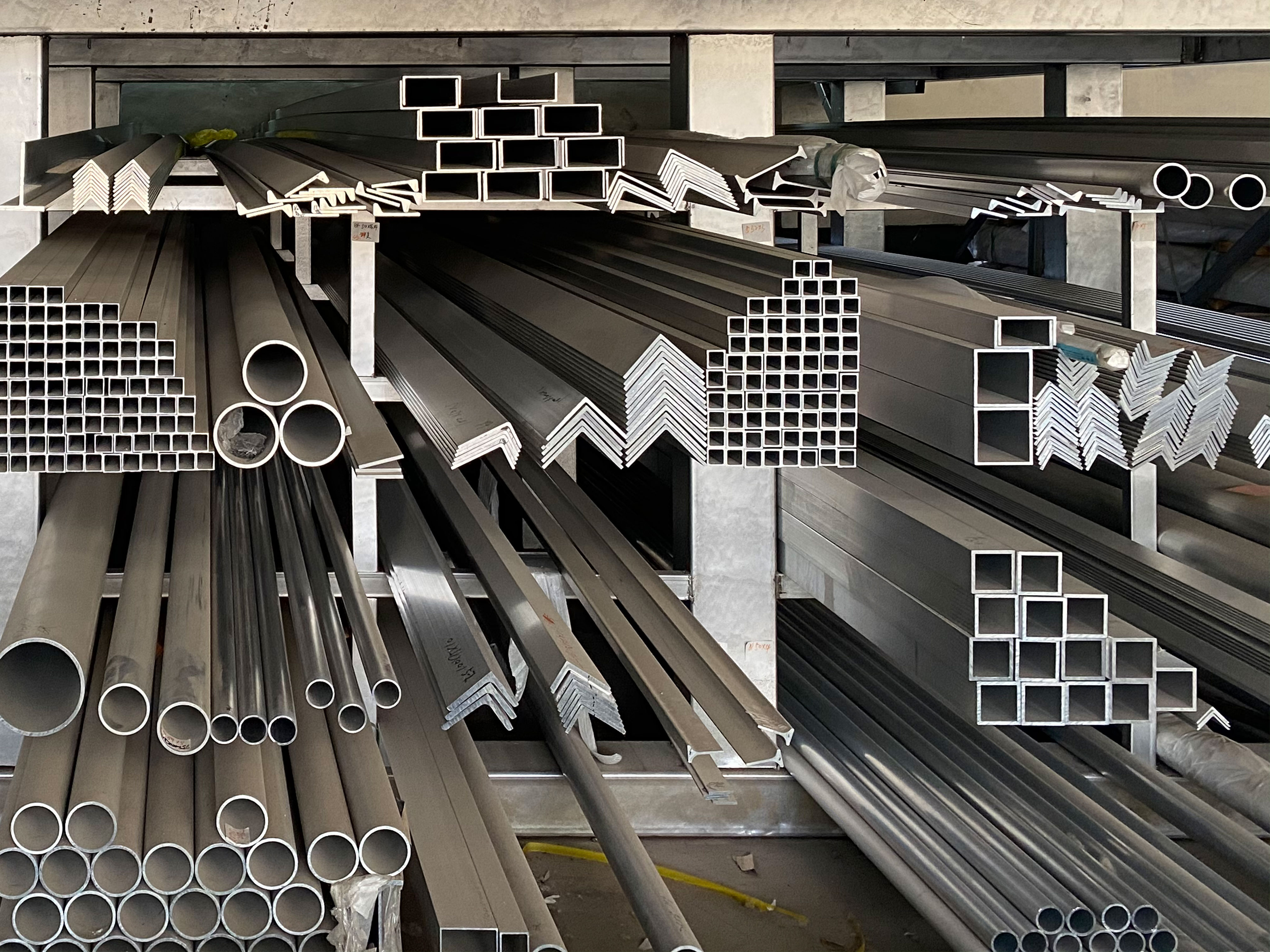
Marine Grade Aluminum Customized Shapes encompass a broad range of aluminum extrusions and fabrications engineered beyond standard profiles—such as channels, angles, tubes, and beams—into complex, project-specific geometries.
View DetailsRelated Blog
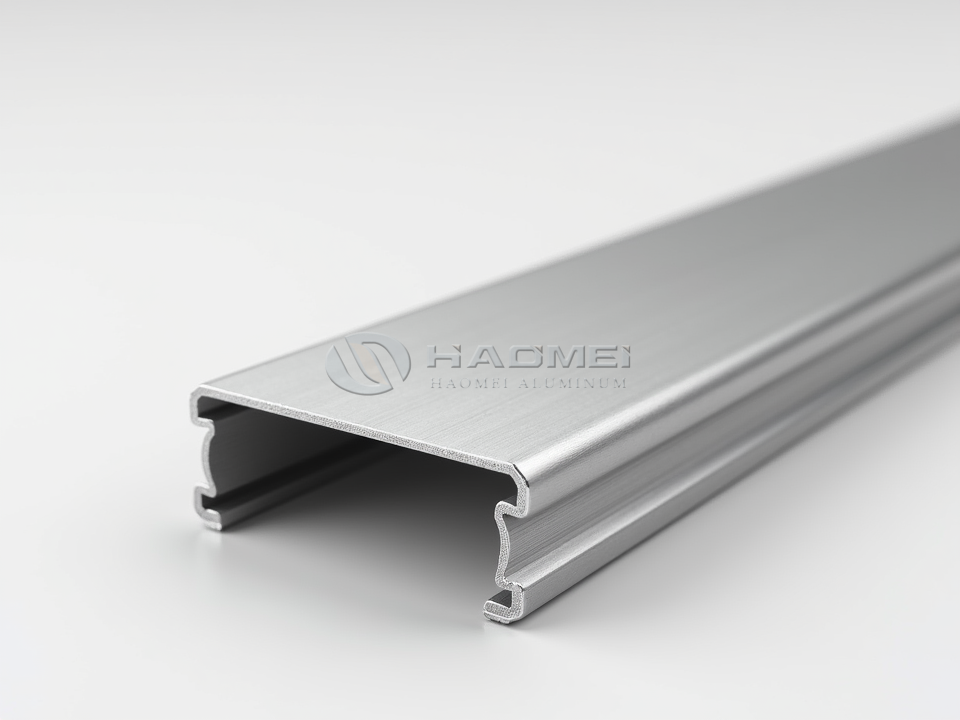
Marine Aluminum Heat Sink Profile for Custom Cooling Systems for Marine Electronics
Marine aluminum heat sink profiles move heat from onboard electronics while resisting salt spray, vibration, humidity, and galvanic corrosion.
View Details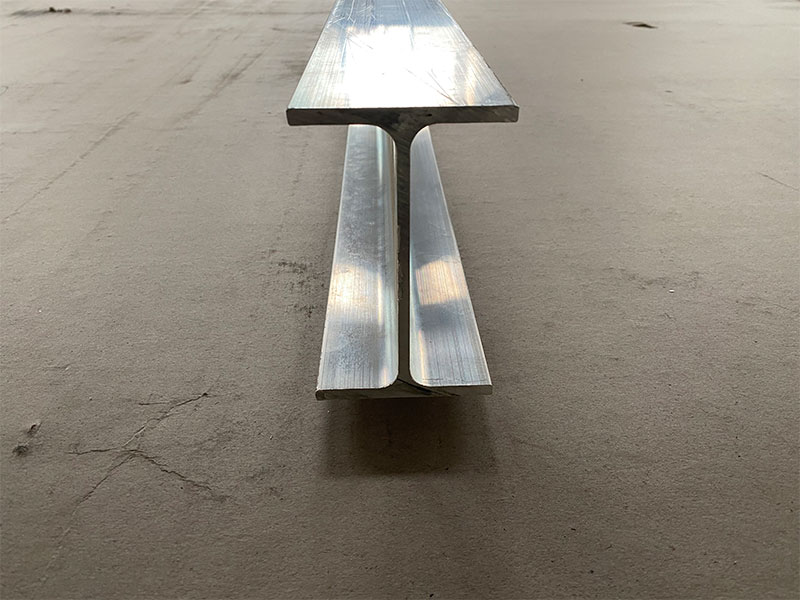
5083 Marine Aluminum Customized Shapes for Coastal Infrastructure Design and Build
When it comes to the demanding environments of coastal infrastructure design and build, 5083 Marine Aluminum continues to solidify its leadership with exceptional strength and corrosion resistance.
View Details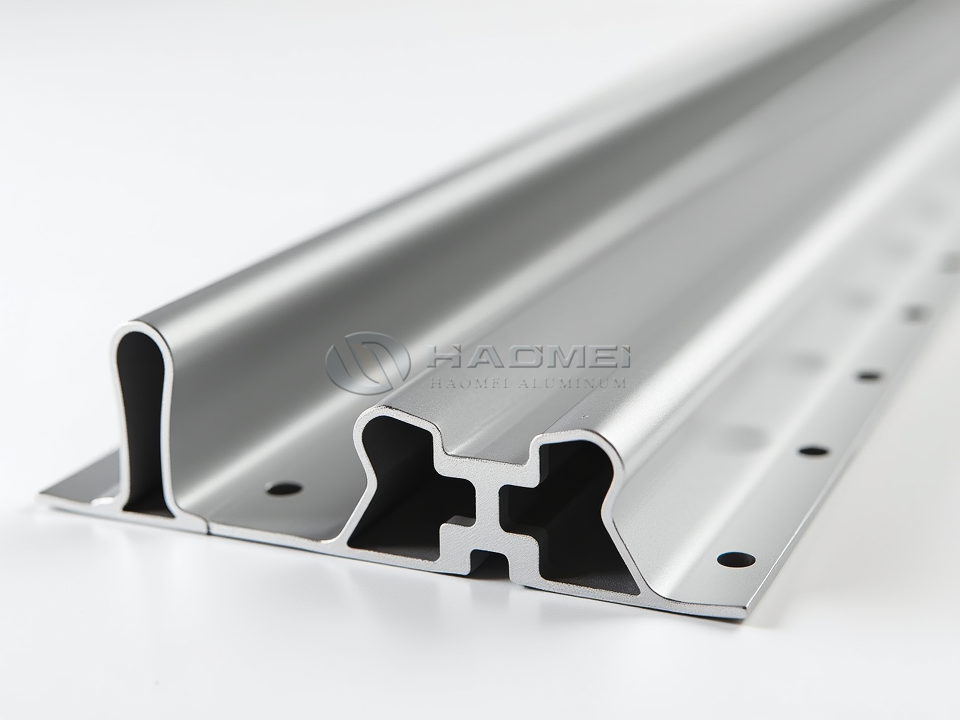
5052 Marine Aluminum Fencing and Railings for Custom Boat Deck Barriers and Safety Rails
Explore 5052 marine aluminum fencing and railings for boat deck barriers, safety rails, saltwater durability, fabrication options, and deck use.
View Details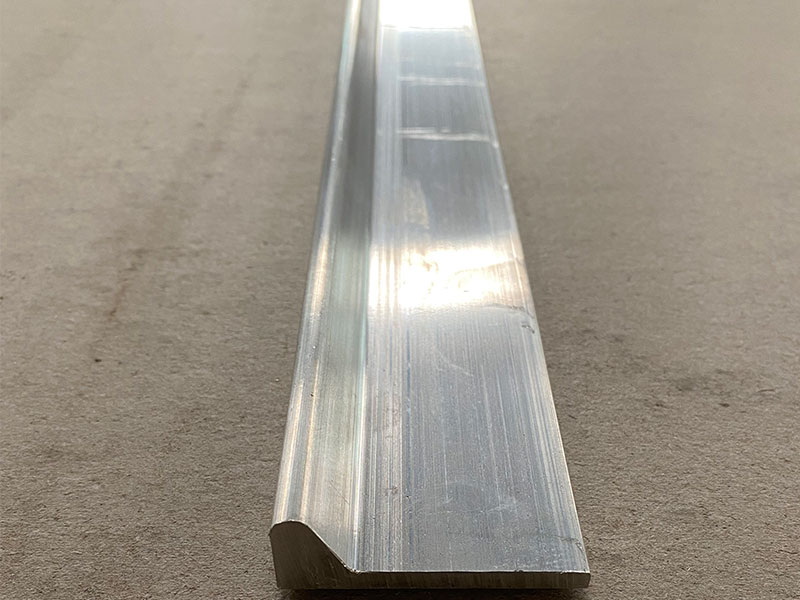
Marine Aluminum Customized Shapes for Marine Engineering Custom Fabrications
High-quality marine aluminum customized shapes tailored for marine engineering custom fabrications. Enhance durability, corrosion resistance, and structural integrity with precision-engineered aluminum solutions designed specifically for maritime applicat
View Details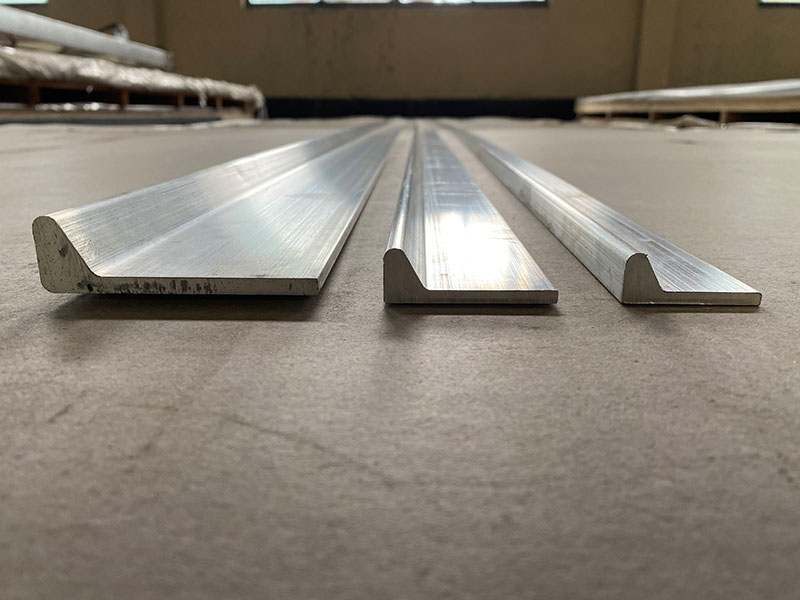
Marine Aluminum Customized Shapes for Offshore Equipment and Structural Components
Offshore projects demand materials that thrive where steel often struggles: salt spray, cyclic loading, tight installation windows, and relentless maintenance costs.
View Details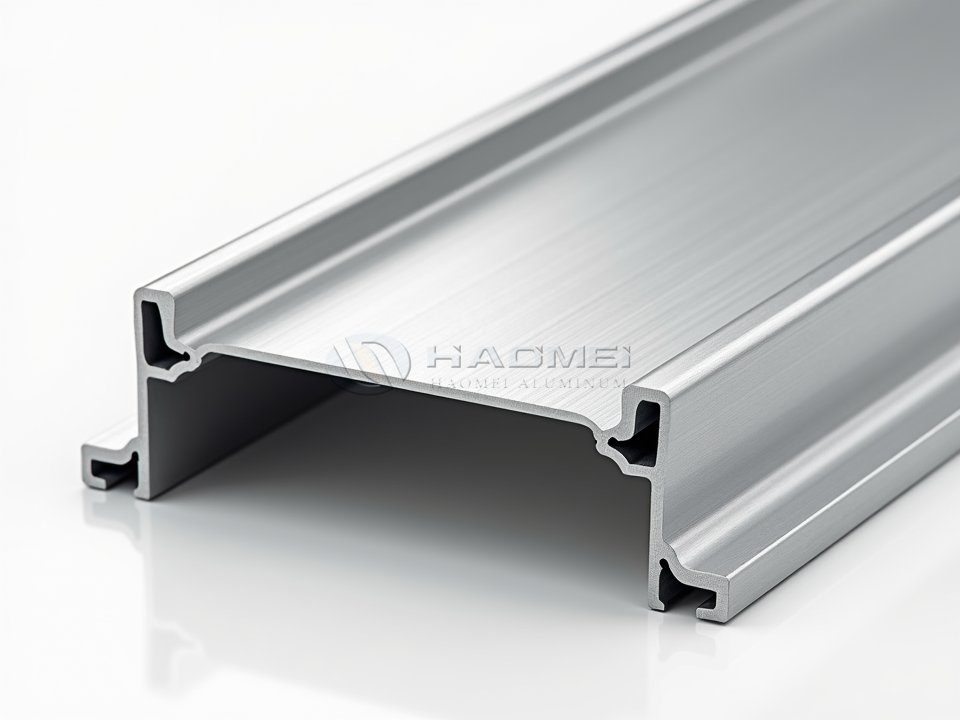
6061 Marine Aluminum Fencing and Railings for Durable Offshore Platform Guardrails
6061 marine aluminum fencing and railings deliver corrosion resistance, weldability, low weight, and dependable strength for offshore platform guardrails.
View Details
Leave a Message