
6082 Marine Aluminum Rod & Bar for High Performance Offshore Components
When offshore equipment is expected to run for years in salt spray, splash zones, and humid machinery spaces, the material choice is rarely about "good enough." 6082 marine aluminum rod and bar is widely selected for offshore and nearshore components because it balances high strength, excellent machinability, reliable weldability, and strong corrosion performance-while keeping weight low for easier handling and better system efficiency.
Produced in rod and bar forms, 6082 is especially practical for turned parts, structural pins, shafts, bushings, custom fittings, and precision-machined hardware used across marine and offshore industries.
Why 6082 for Offshore Rod & Bar Applications
6082 is a heat-treatable Al-Mg-Si alloy (6xxx series) known for its high mechanical strength among 6xxx grades, making it a preferred option when 6061 may be slightly underpowered and 7075 may be less favorable for corrosion and welding in marine exposure.
value drivers for customers include:
- Strength-to-weight advantage that reduces component mass without sacrificing stiffness or load capability
- Marine-capable corrosion resistance, especially when paired with anodizing or proper coating systems
- Predictable machining response for tight tolerances and clean surface finishes
- Weldability for fabrication and repair scenarios commonly faced offshore
- Availability in rod and bar, supporting both high-volume CNC turning and bespoke fabrication
Typical Use Cases Offshore
6082 marine aluminum rod & bar is routinely used for:
- Deck and topside mechanical components such as brackets, supports, and load-spreading elements
- Hydraulic and pneumatic hardware including manifolds, spacers, connectors, and housings
- Offshore lifting and handling assemblies (non-critical lifting accessories where permitted by design code)
- Marine shafts, pins, and axles for auxiliary systems, winches, and guide mechanisms
- Fastener alternatives and custom turned parts where corrosion resistance and weight matter
- Instrumentation and sensor mounting structures exposed to salty atmospheres
- ROV and subsea peripheral frameworks (typically with protective coating/anodizing depending on depth and galvanic pairing)
Alloy Positioning: What 6082 Does Best
High performance in a practical alloy family
6082 is often described as a "workhorse" alloy with an offshore-friendly profile:
- Stronger than many general-purpose 6xxx alloys
- Less corrosion-sensitive than many high-strength 7xxx alloys in marine atmospheres
- More fabrication-friendly than ultra-high-strength alternatives when welding or machining complexity increases
Corrosion behavior in marine environments
6082 performs well in salt-laden air, splash exposure, and general marine atmospheres. Like most aluminum alloys, performance improves significantly with good design practice:
- Avoiding crevices where seawater can stagnate
- Isolating dissimilar metals to reduce galvanic risk
- Using anodizing, paint systems, or sealants where long-life appearance and extra protection are required
Chemical Composition (Typical / Standard Range)
The composition controls strength, corrosion response, and processing stability. Values below reflect widely used limits for EN AW-6082 (actual certificates may vary by standard and supplier).
| Element | Content (wt%) |
|---|---|
| Silicon (Si) | 0.70–1.30 |
| Magnesium (Mg) | 0.60–1.20 |
| Manganese (Mn) | 0.40–1.00 |
| Iron (Fe) | ≤ 0.50 |
| Copper (Cu) | ≤ 0.10 |
| Chromium (Cr) | ≤ 0.25 |
| Zinc (Zn) | ≤ 0.20 |
| Titanium (Ti) | ≤ 0.10 |
| Others (each) | ≤ 0.05 |
| Others (total) | ≤ 0.15 |
| Aluminum (Al) | Balance |
Forms, Temper Options, and What They Mean for Customers
6082 rod and bar are commonly supplied in T6 / T651 conditions for high strength and dimensional stability after heat treatment.
| Temper | Typical meaning | Customer benefit |
|---|---|---|
| T6 | Solution heat-treated and artificially aged | Maximum typical strength for machining and service loads |
| T651 | T6 plus stress-relieving (often by stretching) | Reduced distortion during machining, better dimensional stability |
| O / T4 (less common for offshore rods) | Annealed / naturally aged | Improved formability, lower strength; used when further forming is required |
Typical Technical Specifications (Rod & Bar)
Dimensions and supply ranges depend on mill capability and finish requirements. Below is a practical overview used in procurement and engineering conversations.
| Parameter | Typical supply guidance |
|---|---|
| Product forms | Round bar, flat bar, square bar, precision rod |
| Diameter range (round) | Commonly from small precision sizes up to large diameters (mill-dependent) |
| Length | Random length or fixed cut lengths |
| Surface | Mill finish, peeled/turned, drawn, polished (by request) |
| Tolerance options | Standard extrusion tolerances or precision-machined tolerances |
| Certification | EN/ASTM options, mill test certificates, traceability available |
Mechanical Properties (Typical Values)
Mechanical performance varies with product thickness, processing route, and temper. The table below provides typical expectations for 6082-T6/T651 used in rod & bar machining and offshore components.
| Property | Typical value (6082-T6/T651) |
|---|---|
| Ultimate tensile strength, Rm | ~290–340 MPa |
| Yield strength, Rp0.2 | ~240–300 MPa |
| Elongation (A) | ~8–12% |
| Brinell hardness | ~85–100 HBW |
| Density | ~2.70 g/cm³ |
Physical & Thermal Properties (Useful Numerical Data)
For offshore designers, thermal behavior and conductivity matter in housings, instrumentation mounts, and heat-dissipating parts.
| Property | Typical value |
|---|---|
| Melting range | ~555–650 °C |
| Thermal conductivity | ~160–180 W/m·K |
| Electrical conductivity | ~40–50 %IACS |
| Coefficient of thermal expansion | ~23.5 ×10⁻⁶ /K (20–100 °C) |
| Elastic modulus | ~69 GPa |
Machining, Welding, and Surface Protection
Machining performance
6082 rod and bar are highly compatible with CNC turning and milling, producing stable chips and clean finishes in the right temper. For precision offshore components, T651 is often favored to minimize movement after heavy material removal.
Typical machined components include:
- Tight-tolerance spacers and sleeves
- Threaded connectors and adapters
- Valve and pump auxiliary hardware
- Structural pins and custom shafts
Welding considerations
6082 is generally weldable with appropriate filler selection and procedure control. As with most heat-treatable aluminum alloys, welding can reduce strength in the heat-affected zone, so designs often compensate via geometry, local reinforcement, or post-weld treatment decisions where feasible.
| Joining method | Suitability for 6082 | Notes for offshore fabrication |
|---|---|---|
| MIG / TIG | Good | Manage heat input; consider strength reduction near welds |
| Bolting / fastening | Excellent | Use isolation washers/coatings to manage galvanic couples |
| Adhesive bonding | Good | Surface preparation is critical in marine environments |
Anodizing and coatings
6082 responds well to anodizing, improving surface hardness and corrosion durability. For offshore service, coating selection is often based on exposure type:
| Exposure zone | Common surface approach |
|---|---|
| Marine atmosphere / topside | Anodize or marine coating system |
| Splash zone | Enhanced coating + design to prevent crevice corrosion |
| Dissimilar-metal contact | Isolation + sealants + controlled fastener selection |
Where 6082 Rod & Bar Outperforms Alternatives
| Requirement | 6082 advantage |
|---|---|
| High strength with good corrosion resistance | Stronger than many general 6xxx options while remaining marine-capable |
| Stable CNC machining for precision parts | T651 tempers reduce machining distortion |
| Weldable offshore fabrications | More fabrication-friendly than many high-strength alloys |
| Weight reduction vs steel | Significant mass savings with solid mechanical performance |
Buying Notes: What to Specify on a Purchase Order
To ensure offshore suitability, customers typically specify:
| Item to specify | Why it matters |
|---|---|
| Standard and alloy designation (e.g., EN AW-6082) | Ensures chemistry and compliance expectations |
| Temper (T6 or T651) | Controls strength and machining stability |
| Dimensional tolerances | Impacts fit-up and machining allowance |
| Surface condition (peeled/turned, polished, etc.) | Affects fatigue performance, sealing surfaces, and coating quality |
| Inspection and certification | Supports traceability and offshore QA requirements |
6082 marine aluminum rod & bar is a high-confidence choice for offshore components that demand strength, corrosion resistance, machinability, and fabrication flexibility. From precision-turned connectors to robust structural elements, it supports faster machining cycles, lighter assemblies, and dependable service performance in challenging marine environments.

Related Products
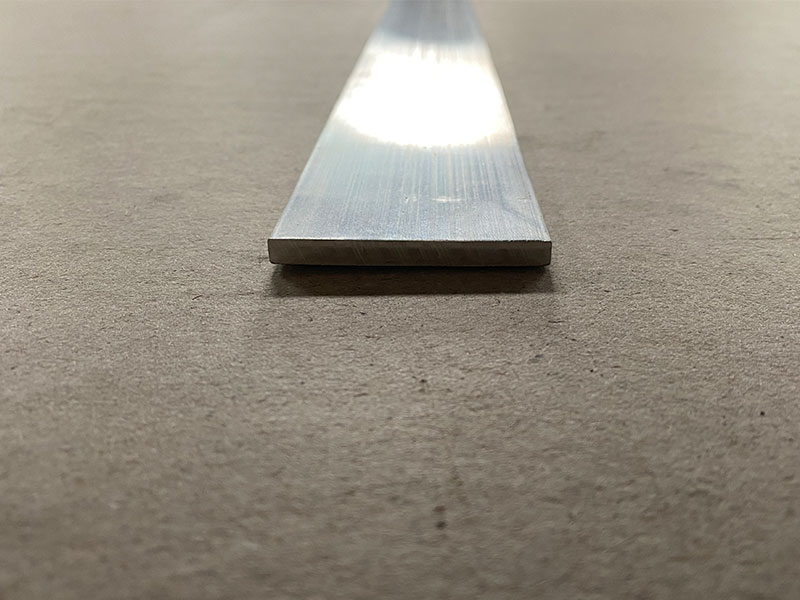
5083 marine aluminum flat bar
5083 aluminum flat bars belong to the 5xxx series of aluminum-magnesium alloys, known primarily for their superior resistance to seawater corrosion and salt spray.
View Details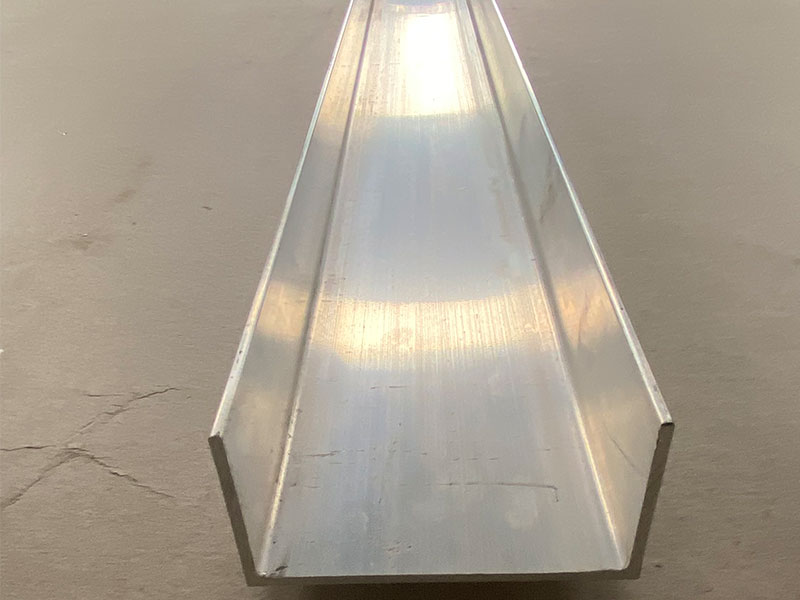
Marine aluminum channels
Marine Aluminum Channels are U-shaped aluminum profiles produced from alloys such as 5083, 5052, and 6061, known for their excellent marine corrosion resistance and superior mechanical strength.
View Details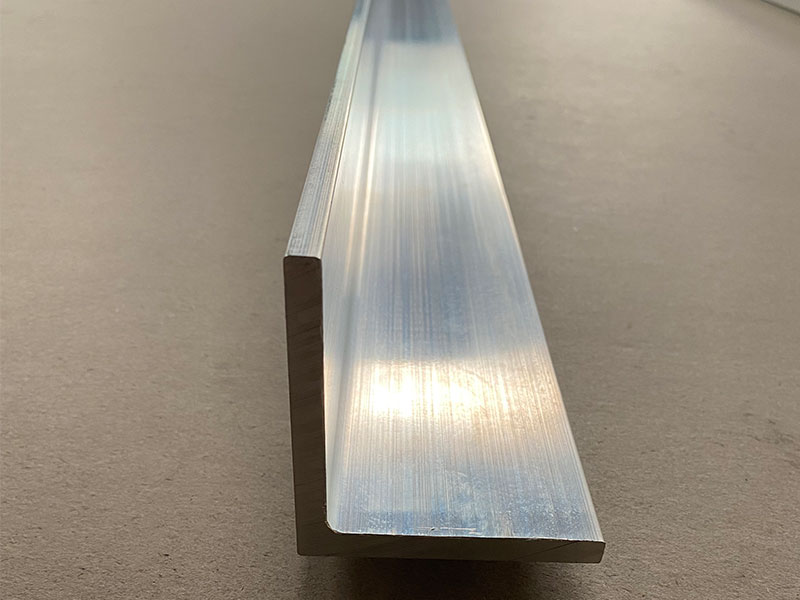
Marine aluminum angles
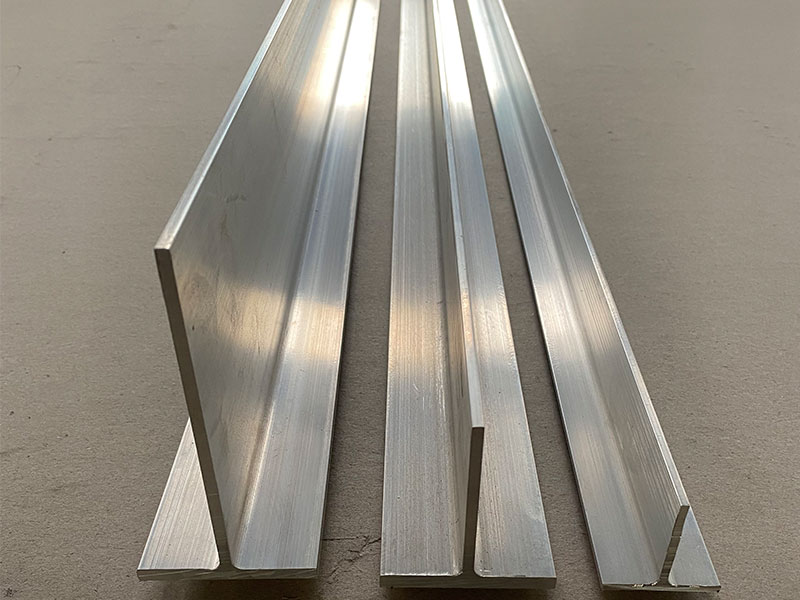
Marine Aluminum Angles are L-shaped cross-sectional aluminum profiles produced from marine-grade aluminum alloys such as 5083, 5052, and 6061.
View Details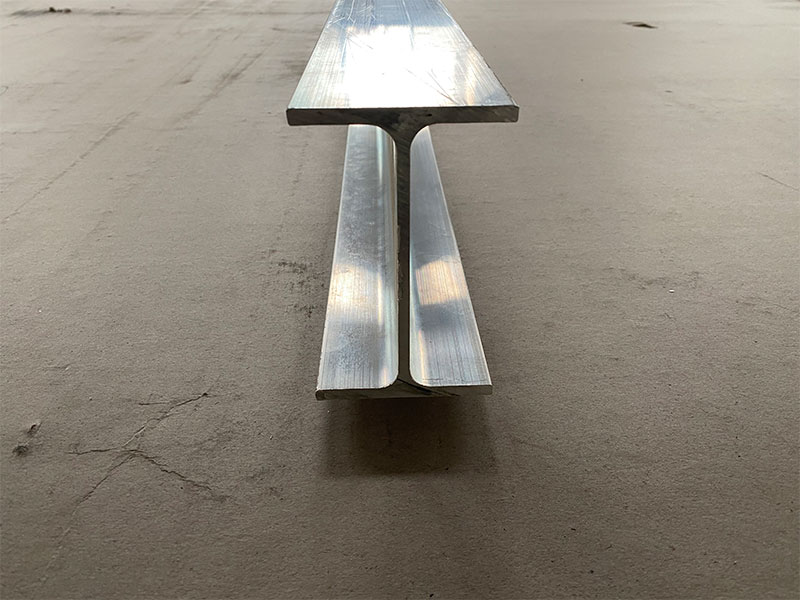
Marine aluminum Z-shaped sections
Marine Aluminum Z-shaped Sections are fabricated from premium marine-grade aluminum alloys such as 5083, 5052, and 6061. These alloys are well-regarded for their superior corrosion resistance in seawater and marine atmospheres, along with good mechanical strength and excellent weldability.
View Details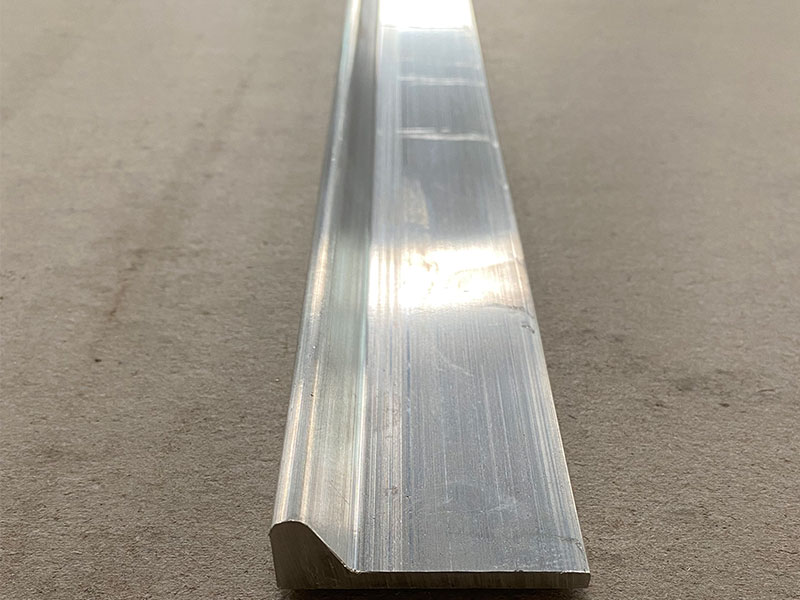
Marine aluminum I-beams
Marine Aluminum I-Beams feature the traditional “I” cross-sectional profile fabricated from marine-grade aluminum alloys like 5083, 5086, and 6061. These alloys are renowned for their outstanding corrosion resistance, especially in saltwater and marine atmospheres, making them ideal for offshore and naval construction.
View Details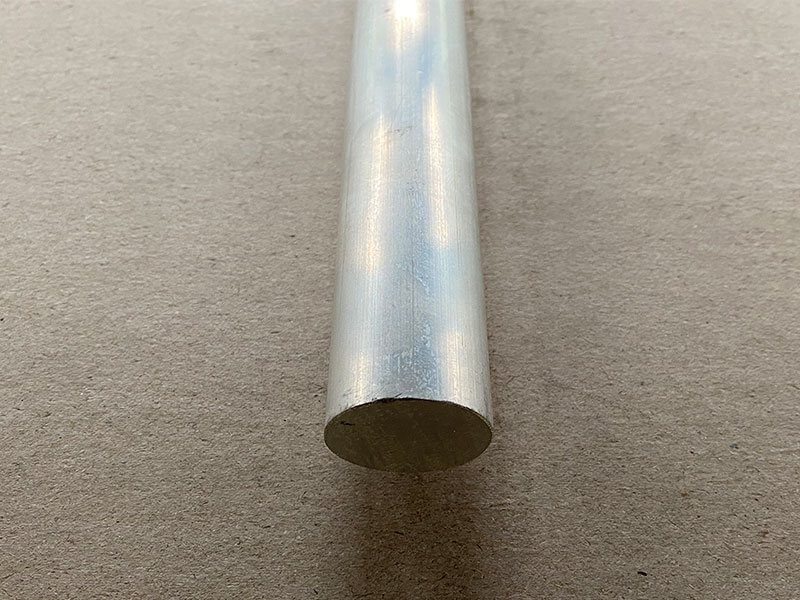
6061 marine aluminum round bar
6061 aluminum belongs to the 6xxx series alloys, alloyed primarily with magnesium and silicon. In the T6 temper, it undergoes solution heat treatment and artificial aging, resulting in enhanced mechanical properties while maintaining excellent corrosion resistance.
View DetailsRelated Blog
6082 Marine Aluminum Rod & Bar for Custom Boat Frame Reinforcements
Marine aluminum is the ideal choice for lightweight, durable, and corrosion-resistant applications, particularly in the production of vessels that operate in harsh marine environments.
View Details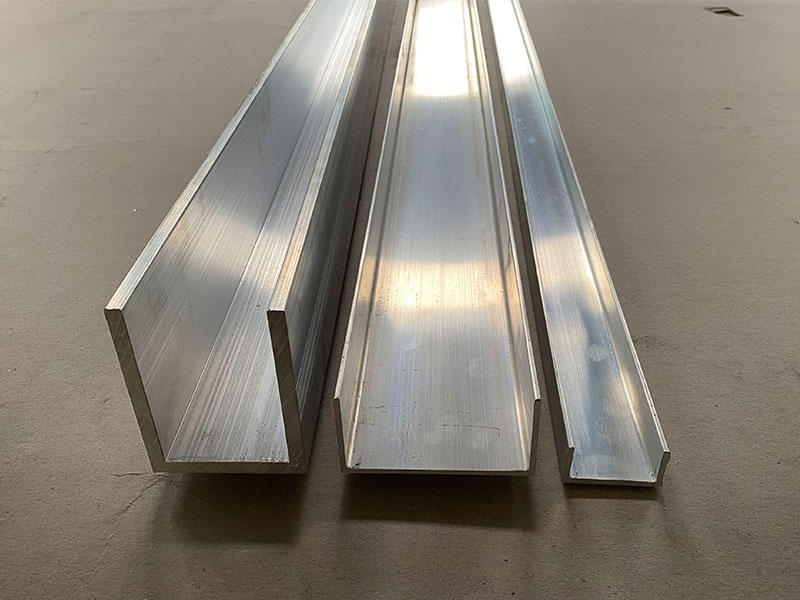
6082 Marine Aluminum Rod & Bar for High Performance Offshore Components
When offshore equipment is expected to run for years in salt spray, splash zones, and humid machinery spaces, the material choice is rarely about "good enough.
View Details
6082 Marine Aluminum Rod & Bar for Offshore Marine Hull Parts
6082 marine aluminum rod and bar is a high-strength, corrosion-resistant wrought aluminum product widely selected for offshore hull parts where structural reliability and long service life matter.
View Details
5083 5086 6061 6082 marine aluminum channel
IntroductionMarine aluminum channel is an essential structural product in shipbuilding, offshore platforms, marine fittings, and related coastal infrastructure. Compared with steel.
View Details
6082 marine aluminum rod & bar
When it comes to marine applications, selecting the right aluminum material is crucial. Among the various alloys available, 6082 marine aluminum rod and bar is know as the premier choice, perfectly balancing strength, corrosion resistance.
View Details
6082 Marine Aluminum Rod & Bar for Custom Coastal Marine Engineering
Coastal and near-shore structures live in a demanding world: salt spray, tidal wet/dry cycling, abrasive sand, stray currents, and constant maintenance pressure.
View Details
Leave a Message