
Marine Aluminum Heat Sink Profile for Cooling Solutions for Boat Engine Electronics
Modern marine engines depend on densely packed electronic systems to manage fuel injection, ignition timing, propulsion control, battery charging, navigation interfaces, and onboard communications. These components generate heat continuously, often inside compact engine rooms where airflow is limited and ambient temperatures can rise quickly. A marine aluminum heat sink profile provides a dependable passive cooling path, carrying heat away from sensitive equipment while resisting the moisture, salt spray, vibration, and temperature cycling found aboard boats.
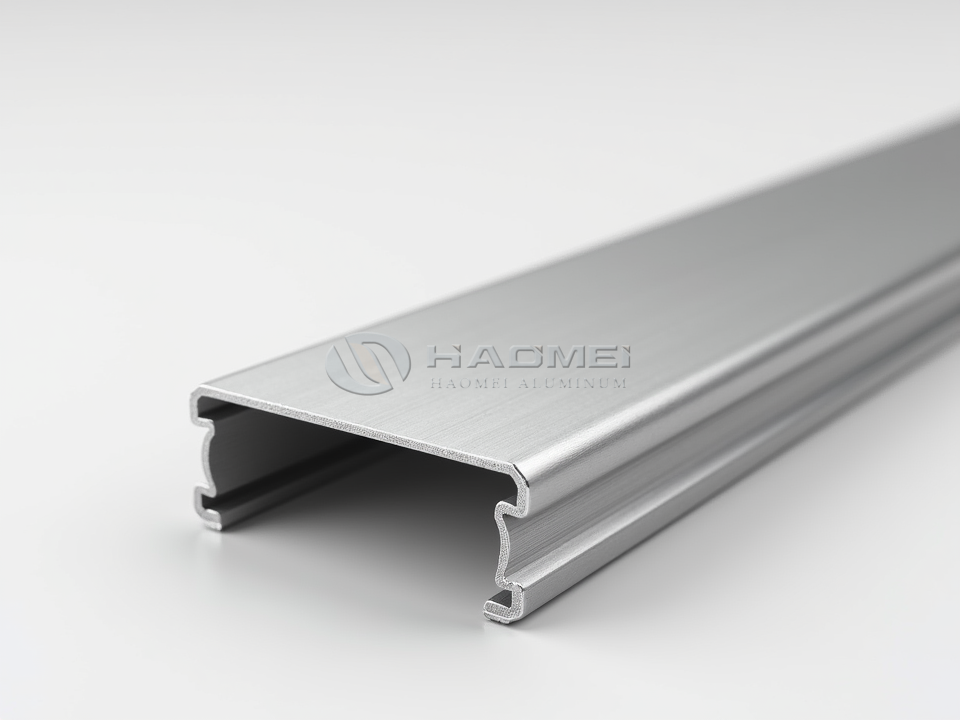
Designed through aluminum extrusion, these profiles combine a flat mounting base with engineered fins, channels, or pin structures. The result is a lightweight cooling component that can be cut to length, drilled, machined, anodized, and integrated into electronic enclosures or mounting assemblies. For boatbuilders, marine equipment designers, and refit contractors, extrusion offers a practical balance of thermal performance, structural strength, and repeatable production.
Built for Heat, Salt, and Constant Motion
Boat engine electronics work in a far harsher environment than comparable land-based systems. An ECU mounted near an inboard engine may face radiant engine heat, restricted ventilation, oil mist, intermittent washdown, and vibration from the drivetrain. Outboard control modules and electric propulsion controllers can experience direct weather exposure, condensation, and thermal shock when the vessel moves between hot machinery spaces and cool sea air.
A marine aluminum heat sink profile helps stabilize component temperature by transferring heat from the electronic device into the aluminum base, then dissipating it through a larger finned surface. Aluminum is particularly suitable because it has strong thermal conductivity relative to its low weight. Extruded fins create extensive surface area without adding excessive mass to the installation.
Marine-grade alloys also provide a more suitable foundation for corrosion control than general-purpose heat sink materials. When paired with an appropriate finish and correct mounting practice, the profile supports durable cooling performance throughout long service intervals.
| Property | Typical Marine Heat Sink Requirement | Benefit for Boat Electronics |
|---|---|---|
| Thermal conductivity | Approximately 150-210 W/m·K, depending on alloy | Rapid movement of heat away from electronic modules |
| Density | Approximately 2.70 g/cm³ | Low added weight for vessels and compact equipment |
| Operating environment | Humidity, salt atmosphere, vibration, engine heat | Suitable for demanding marine installations |
| Profile construction | Extruded base with fins, channels, or mounting grooves | Efficient cooling with flexible installation options |
| Surface treatment | Mill finish, clear anodizing, black anodizing, powder coating | Improved corrosion resistance and appearance |
| Fabrication options | Cutting, drilling, CNC machining, tapping, assembly | Ready integration into housings and control cabinets |
Alloy Selection for Marine Service
The alloy must be selected according to the required thermal output, profile complexity, corrosion exposure, and mechanical loading. Alloy 6063 is widely used for intricate fin geometries because it extrudes cleanly and achieves a high-quality anodized finish. Alloy 6061 offers higher mechanical strength and is appropriate where the heat sink also acts as a structural mounting rail or enclosure component. For installations exposed to aggressive saltwater conditions, 5083 and 5086 may be considered for fabricated cooling plates, though their extrusion behavior is less favorable than 6xxx-series alloys for fine fin designs.
| Alloy | Typical Temper | Thermal Conductivity | Corrosion Behavior | Suitable Use |
|---|---|---|---|---|
| 6063 | T5 or T6 | Approx. 200 W/m·K | Good with anodized finish | Fine-fin extrusions, compact control housings |
| 6061 | T6 | Approx. 167 W/m·K | Good with suitable protection | Heavy-duty mounting profiles and power electronics |
| 6082 | T6 | Approx. 170 W/m·K | Good | Stronger structural cooling sections |
| 5083 | H111 or H116 | Approx. 117 W/m·K | Excellent in marine exposure | Fabricated thermal plates and seawater-adjacent assemblies |
In many applications, 6063-T5 or 6063-T6 provides the most economical route to a detailed finned geometry. The material accepts anodizing well, allowing the profile to receive a protective oxide layer that improves durability in humid and saline air. Black anodizing can also assist radiant heat emission while producing a clean technical appearance for exposed electronic compartments.
Heat Sink Geometry That Works in Engine Compartments
Thermal performance is not determined by alloy alone. The profile shape has a major influence on how effectively heat leaves the aluminum surface. Closely spaced fins can provide substantial area but may trap dust, oil residue, or salt deposits if the surrounding air is stagnant. Wider fin spacing can support more reliable natural convection in enclosed machinery spaces. Where a fan or ducted airflow is available, fin geometry can be tailored to the direction and velocity of that air stream.
Common profile configurations include:
- Straight-fin sections for ECU housings, DC-DC converters, and instrument interfaces
- Cross-cut or pin-fin arrangements for higher surface area where airflow direction changes
- Flat-base profiles for direct mounting beneath power modules and motor controllers
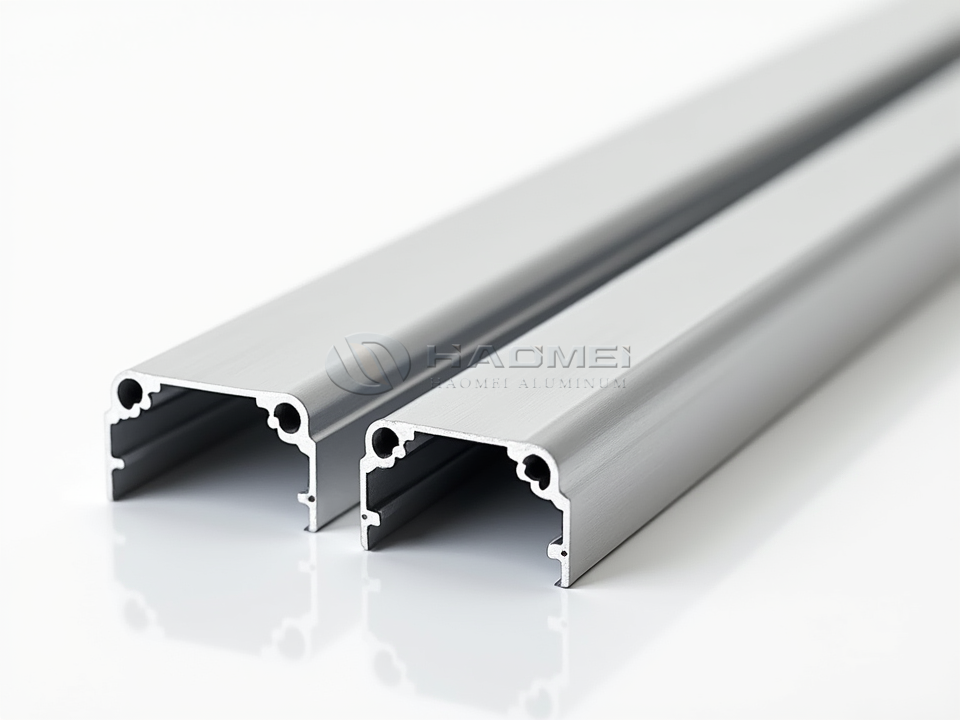
- Channel profiles that combine cooling fins with enclosure walls
- T-slot and rail-based sections for adjustable installation of electronic assemblies
- Hollow extrusions for cooling housings, cable management, and weight reduction
The contact interface between the electronics and the heat sink deserves equal attention. A smooth machined mounting face, thermal pad, silicone gap filler, or thermal grease can reduce interface resistance. Fasteners should apply even pressure without warping the device housing. In marine service, stainless steel fasteners may be used, but insulating washers or protective coatings should be considered to minimize galvanic interaction between dissimilar metals.
For projects requiring dedicated fin layouts, mounting lands, cable channels, or enclosure interfaces, Marine aluminum customized shapes can be developed around the available installation envelope and anticipated thermal load.
Applications Across Boat Engine and Power Systems
Marine aluminum heat sink profiles are used anywhere onboard electronics must remain within its rated operating temperature. They are especially valuable in high-output systems where heat buildup can reduce efficiency, trigger thermal derating, shorten component life, or cause intermittent faults.
Typical uses include engine control units, electronic throttle and shift modules, ignition control units, fuel pump drivers, trim-tab controllers, battery management systems, inverter chargers, electric outboard controllers, propulsion motor drives, lithium battery power distribution modules, NMEA network equipment, radar power supplies, and LED deck-lighting drivers.
In hybrid and electric vessels, the heat sink can become part of a larger thermal management strategy. It may serve as a passive cooling surface on a sealed inverter enclosure, a mounting base for insulated-gate bipolar transistor modules, or a heat-spreading rail inside a battery control cabinet. Where natural convection is insufficient, extruded profiles can work with forced-air fans, liquid cold plates, or heat pipes as part of a multi-stage cooling system.
Installation and Protection Considerations
A well-designed profile performs best when installation details support heat transfer and corrosion protection. Fins should remain accessible for cleaning, especially in engine rooms where airborne oil and dust can accumulate. The heat sink should not be placed directly against insulation, bulkheads, or cable bundles that block airflow. If installed inside a sealed enclosure, engineers should calculate the heat path through the enclosure walls rather than relying on internal fin area alone.
Protective finishes should match the exposure level. Clear anodizing is suitable for many enclosed applications. Black anodizing is often selected for visible equipment and radiative benefit. Powder coating may offer decorative protection, though thick coatings can reduce thermal transfer on active fin surfaces. In highly exposed locations, sealing compounds, drainage paths, and isolation from dissimilar metals help preserve long-term serviceability.
A properly specified Marine aluminum heat sink profile can also reduce the need for oversized fans, lowering noise, maintenance demand, and electrical consumption. Passive aluminum cooling is silent, lightweight, and dependable, making it an excellent fit for marine systems where reliability matters as much as thermal capacity.
A Practical Cooling Component for Modern Vessels
Marine electronics are becoming more powerful, more compact, and more essential to safe vessel operation. Effective thermal control protects these systems from premature aging and heat-related shutdowns. Aluminum heat sink profiles provide a versatile answer: they are corrosion-conscious, easy to fabricate, efficient at spreading heat, and adaptable to the tight spaces found around marine engines and electrical cabinets.
By selecting the right alloy, fin geometry, finish, interface material, and mounting arrangement, boatbuilders can create cooling solutions that remain effective through vibration, humidity, salt exposure, and long engine-running periods. The profile becomes more than a piece of extruded aluminum; it becomes a durable thermal foundation for dependable boat engine electronics.

Related Products
Marine aluminum fencing and railings
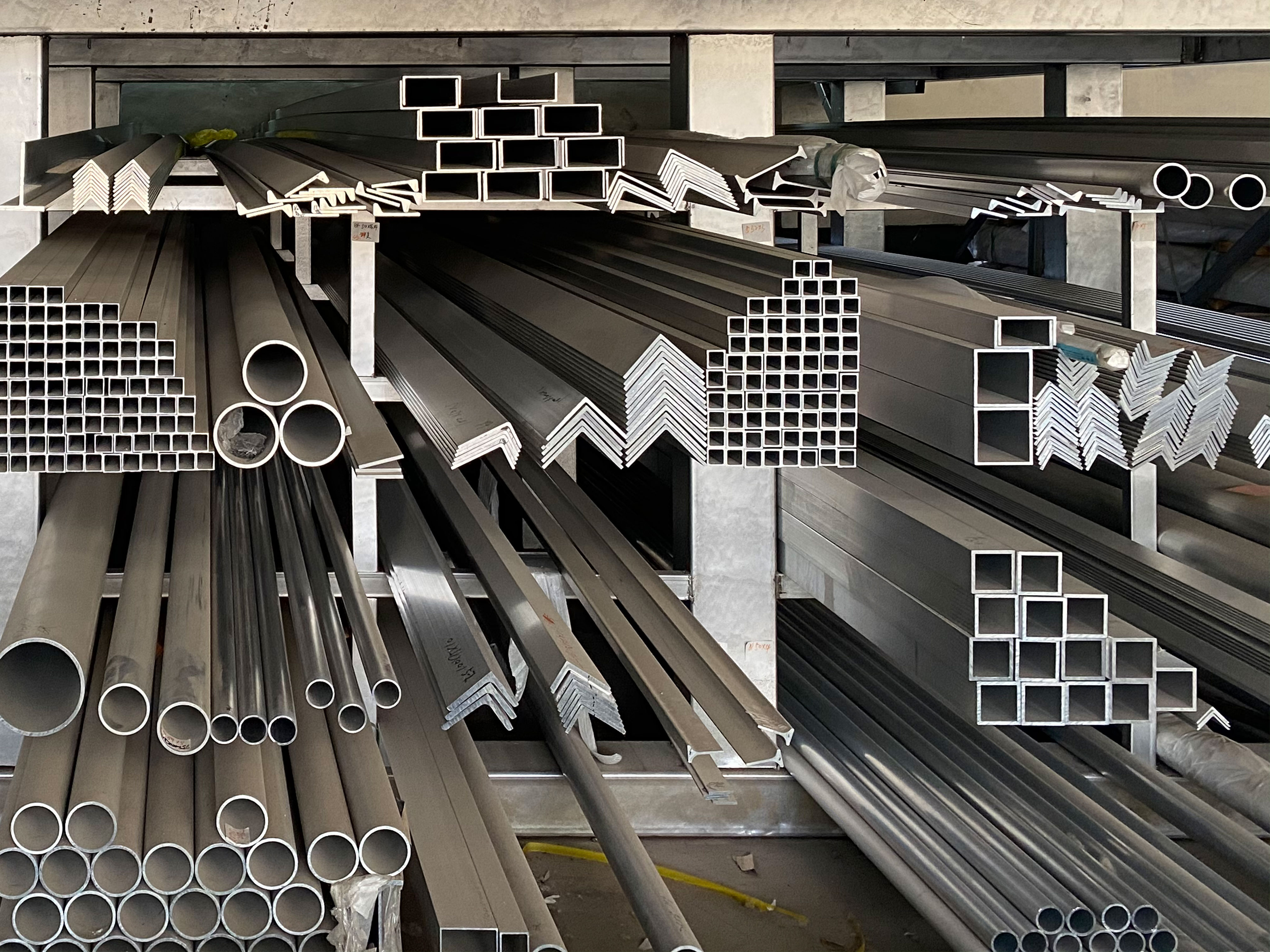
Marine Grade Aluminum Fencing and Railings are fabricated using marine-grade aluminum alloys such as 5083, 5052, and 6061, which are engineered specifically for protection against saltwater corrosion and marine atmospheric conditions.
View Details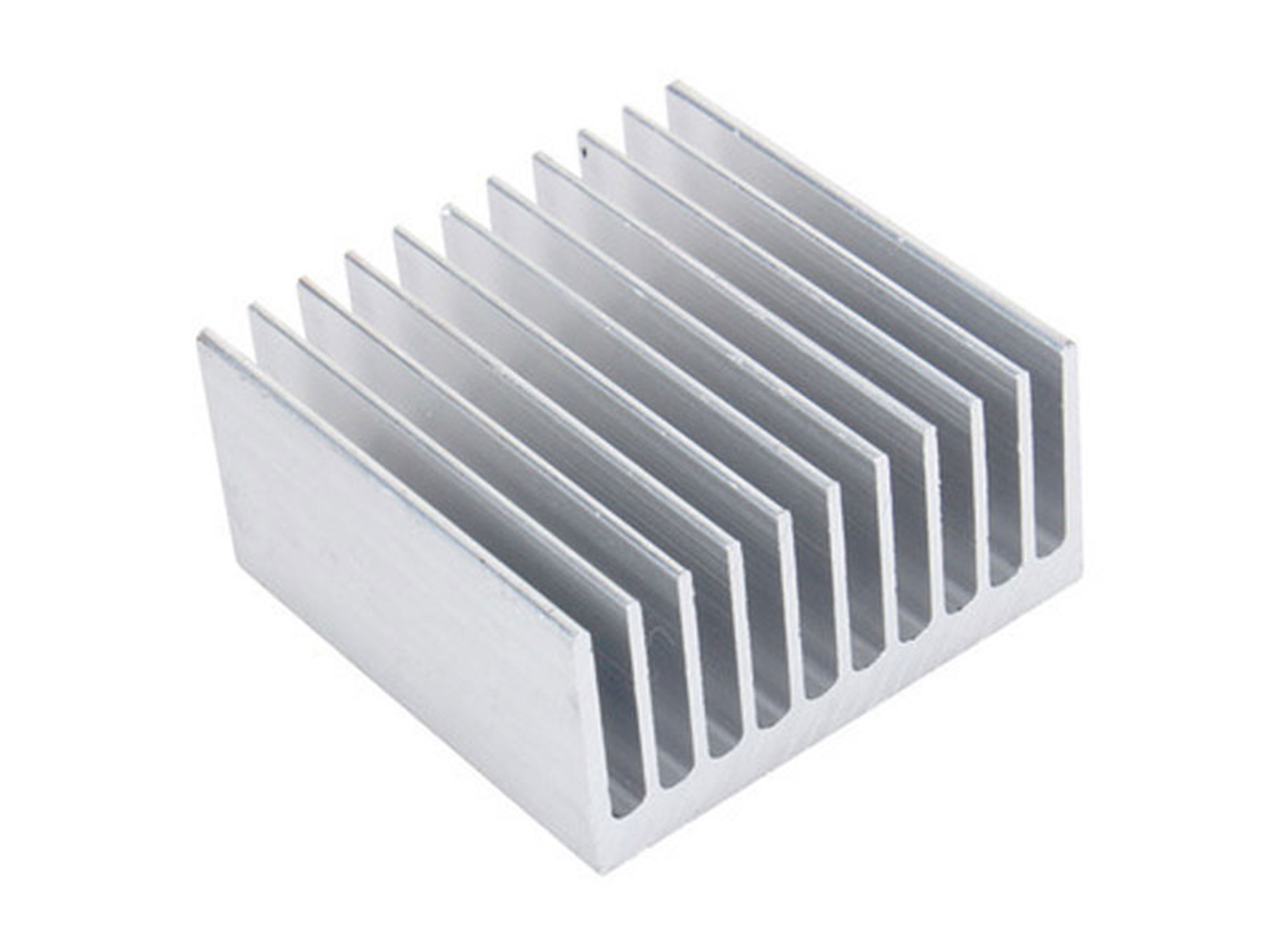
Marine aluminum heat sink profile
Marine Grade Aluminum Heat Sink Profiles utilize alloys such as 6061 and 6063 that not only exhibit high thermal conductivity but also possess excellent corrosion resistance required for saltwater exposure.
View Details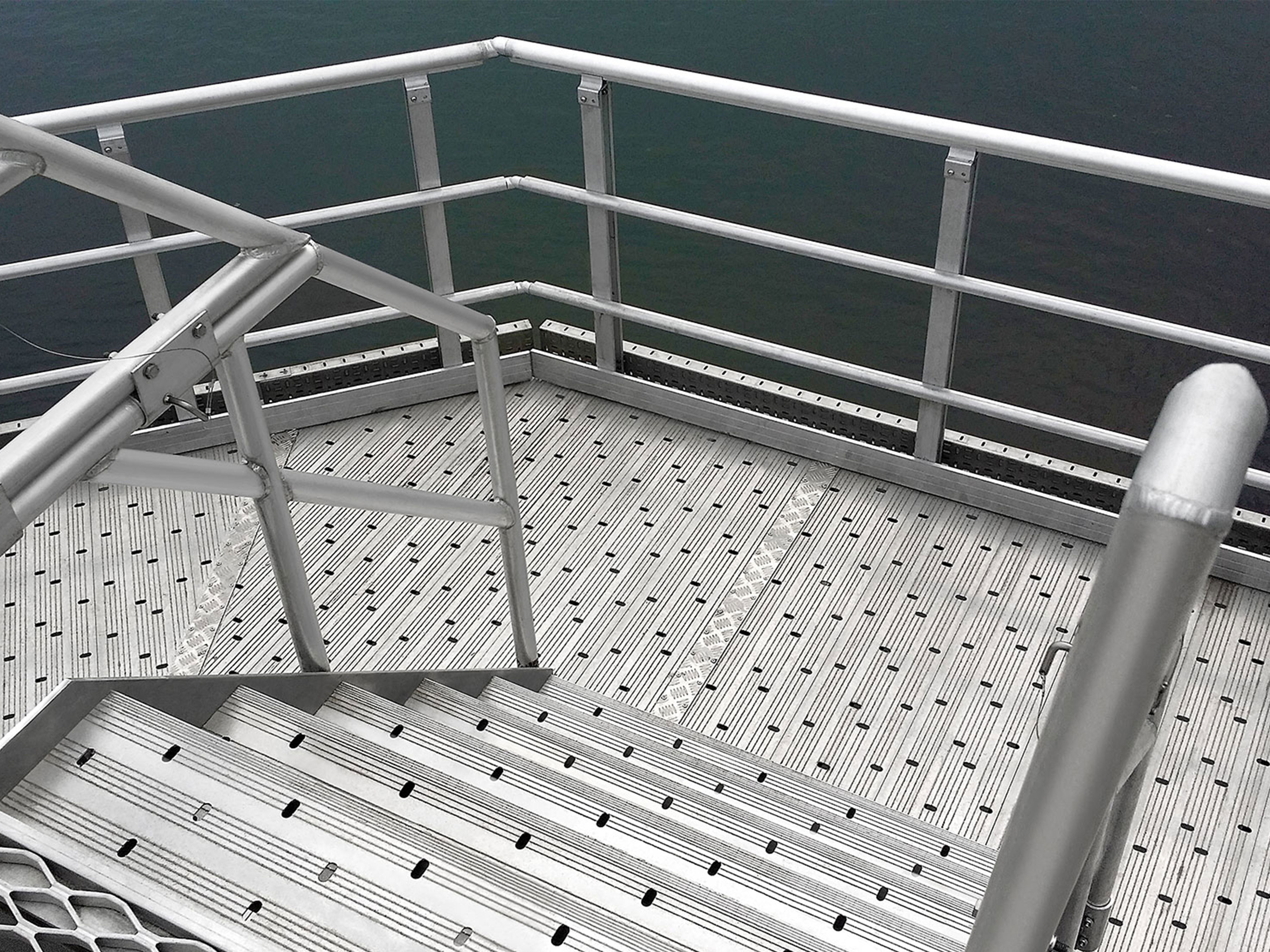
Marine aluminum customized shapes
Marine Grade Aluminum Customized Shapes encompass a broad range of aluminum extrusions and fabrications engineered beyond standard profiles—such as channels, angles, tubes, and beams—into complex, project-specific geometries.
View DetailsRelated Blog
Marine Aluminum Fencing and Railings for Custom Boat Deck Safety Barriers
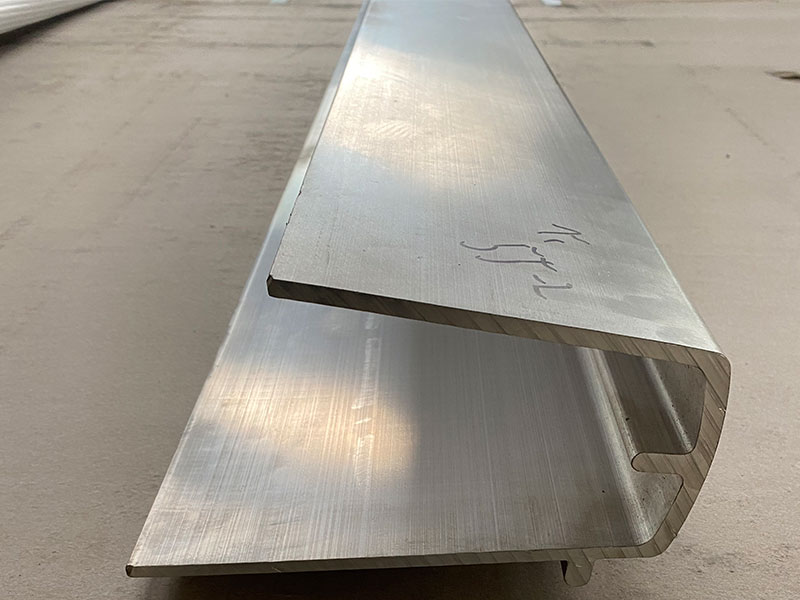
On a boat deck, a fence or railing is more than a boundary-it's a working safety system that has to perform while the platform beneath it is constantly moving, wet, salty, and sun-baked.
View Details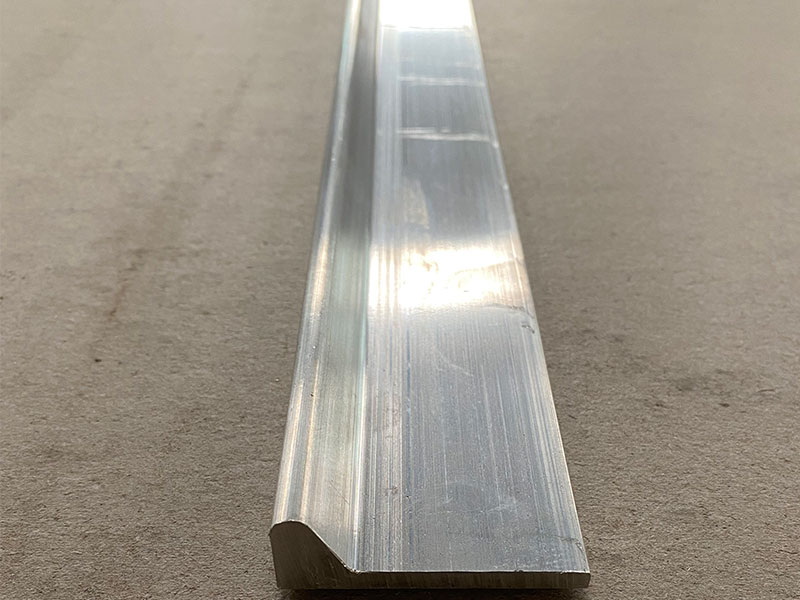
5083 Marine Aluminum Customized Shapes for Offshore Vessel Deck Frame Reinforcements
When it comes to offshore vessel deck frame reinforcements, the choice of materials is critical for durability, strength, and corrosion resistance. Among the myriad of options.
View Details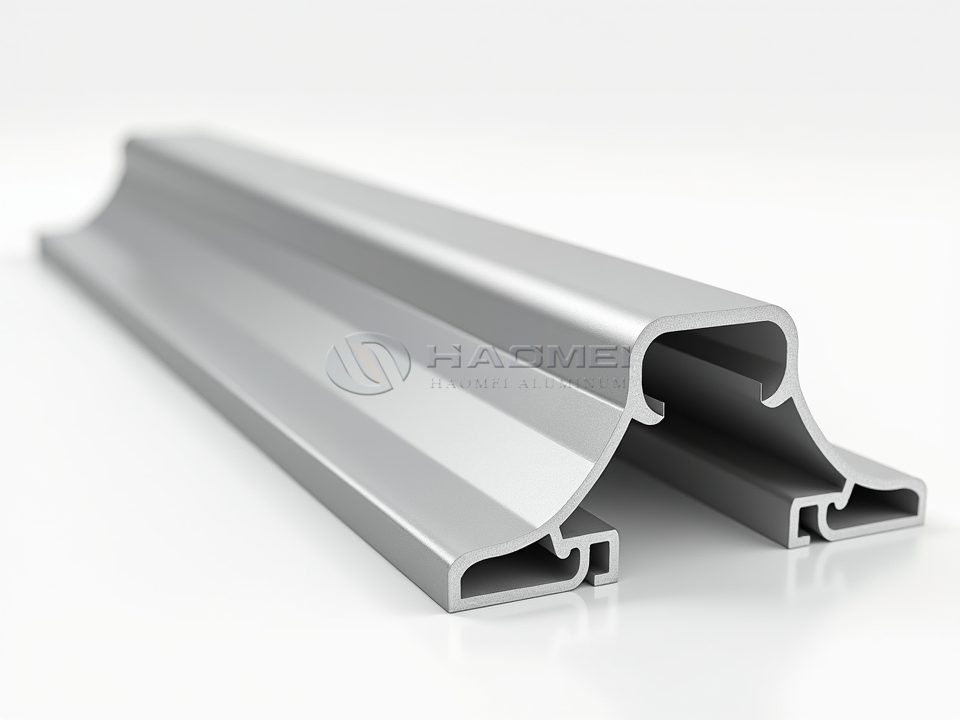
5052 Marine Aluminum Fencing and Railings for High Strength Offshore Safety Barriers
Learn how 5052 marine aluminum fencing and railings provide corrosion resistance, weldability, and dependable strength for offshore safety barriers.
View Details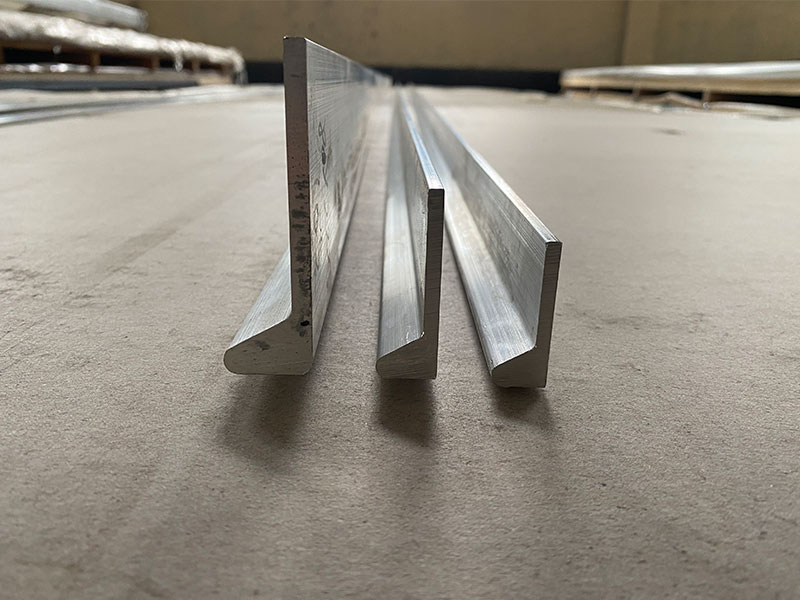
Marine Aluminum Heat Sink Profile for Efficient Marine Equipment Cooling
Marine environments require robust, corrosion-resistant, and thermally efficient materials for equipment enclosures and components.
View Details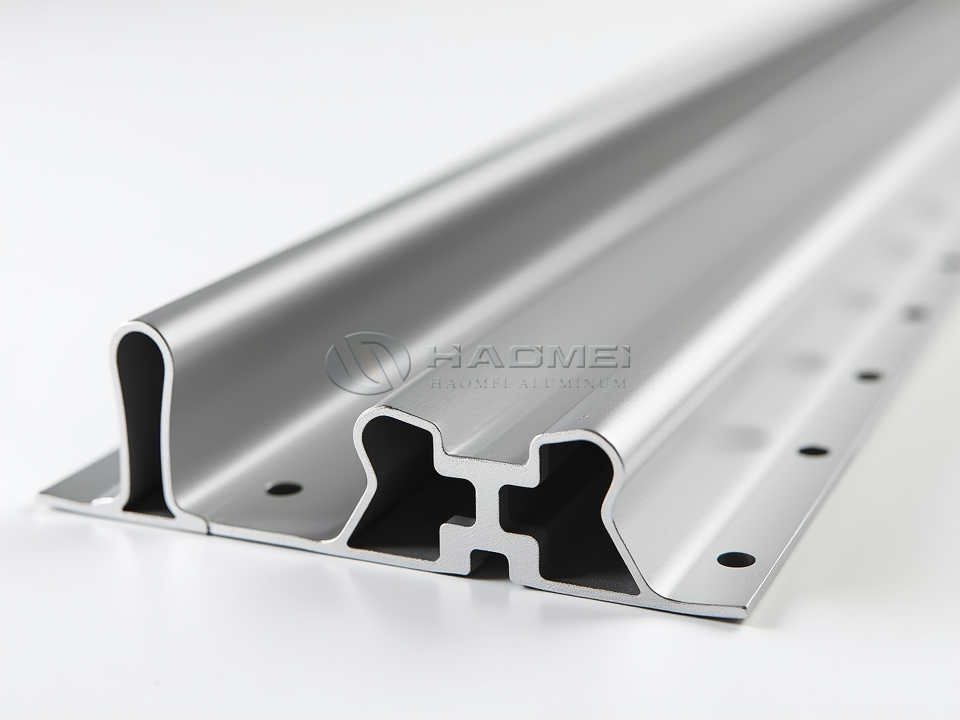
6061 Marine Aluminum Heat Sink Profile for Coastal Electronics Thermal Management
Explore 6061 marine aluminum heat sink profiles for coastal electronics, with thermal data, corrosion guidance, finishes, design choices, and marine uses.
View Details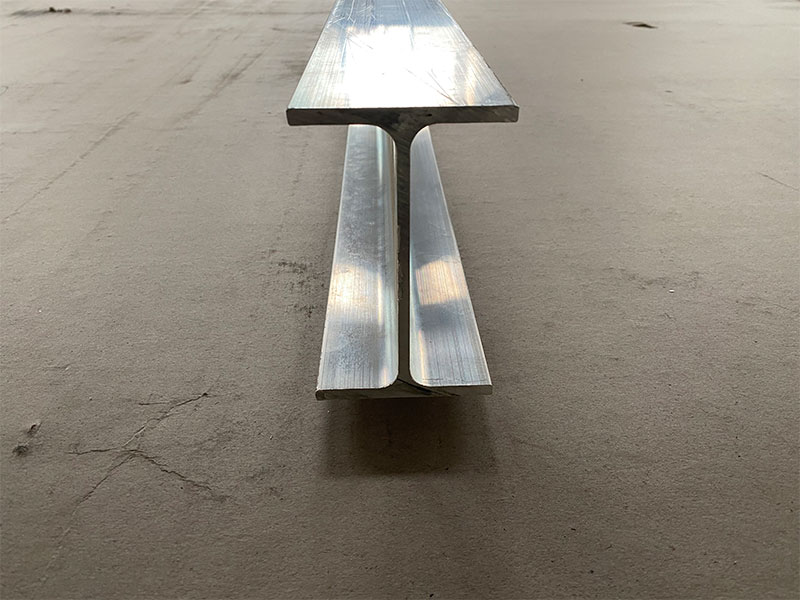
6063 Marine Aluminum Heat Sink Profile for Durable Coastal Electronics Cooling
The 6063 marine-grade aluminum heat sink profile has become an essential component in coastal and marine applications, particularly where electronic cooling is paramount for operational reliability and longevity.
View Details
Leave a Message