
Marine Aluminum Customized Shapes for Offshore Equipment and Structural Components
Offshore projects demand materials that thrive where steel often struggles: salt spray, cyclic loading, tight installation windows, and relentless maintenance costs. Marine aluminum customized shapes-extruded, fabricated, and CNC-finished profiles tailored to your drawings-offer a practical path to lighter structures, corrosion resistance, and faster assembly. From walkways and handrails to equipment skids, ladder systems, frames, and brackets, these shapes are engineered to deliver strength-to-weight efficiency and long-term durability in harsh marine atmospheres.
What "Customized Shapes" Means in Offshore Aluminum
Customized shapes typically include:
- Extrusions: T-slots, channels, angles, hollow sections, complex multi-void profiles
- Fabrications: welded frames, skids, baseplates, stiffened panels
- Machined components: mounting blocks, brackets, flanges, interfaces for equipment
- Kitted assemblies: cut-to-length, drilled, tapped, labeled, packaged by module
The value is not only material selection-it's geometry and processing that reduce field work: fewer welds, fewer fasteners, easier alignment, and quicker replacement.
Core Features for Marine and Offshore Service
High corrosion resistance with marine-focused alloys
Marine-grade aluminum forms a stable oxide layer and resists atmospheric and splash-zone corrosion far better than common carbon steels. With proper alloy selection and surface treatment, it is well suited for topside structures and near-splash applications.
Weight reduction that pays back repeatedly
Lower weight reduces lifting requirements, improves payload efficiency, and lowers fatigue loads on supports. Aluminum shapes also simplify modularization-bigger preassembled modules can be lifted with smaller cranes.
Design flexibility with extrusion capability
Extrusion enables integrated details such as cable channels, drip edges, drainage paths, anti-slip features, and fastening tracks-turning multiple parts into one profile.
Excellent fabrication and joining options
Marine aluminum shapes support MIG/TIG welding, bolting, riveting, adhesive bonding, and hybrid joining. With good weld procedures and proper filler selection, offshore-ready structures are achievable with consistent quality.
Reliable performance at low temperatures
Many marine aluminum alloys maintain toughness and ductility in cold climates, making them popular for offshore wind, Arctic supply systems, and cold-region platforms.
Recommended Marine Aluminum Alloys
The most widely used families for offshore customized shapes are 5xxx (Al-Mg) and 6xxx (Al-Mg-Si). Selection depends on strength needs, welding intensity, form complexity, and corrosion exposure.
Common alloy choices (typical uses)
| Alloy / Temper | Strength level | Marine corrosion behavior | Fabrication notes | Typical offshore use |
|---|---|---|---|---|
| 5083-H116 / H321 | High (non-heat-treatable) | Excellent, especially in seawater exposure | Very good weldability | Plates, stiffeners, tanks, decks, heavy-duty panels |
| 5052-H32 | Medium | Excellent in marine atmosphere | Great formability | Covers, enclosures, formed brackets, ducts |
| 6061-T6 / T651 | Medium-high | Good; often coated/anodized for best results | Strong extrusions; weld strength reduction considered | Frames, skids, machined interfaces, structural shapes |
| 6082-T6 | Medium-high | Good | Popular in structural extrusions | Walkway beams, supports, ladders, handrails |
| 6063-T5 / T6 | Medium | Good | Best for complex extrusion shapes and finishes | Architectural-like profiles, cable trays, housings |
Typical Chemical Composition (Reference Ranges)
Actual chemistry follows applicable standards and mill certificates. Below are representative ranges used commonly in marine projects.
| Alloy | Mg (%) | Si (%) | Mn (%) | Cu (%) | Cr (%) | Zn (%) | Fe (%) | Notes |
|---|---|---|---|---|---|---|---|---|
| 5083 | 4.0–4.9 | ≤0.40 | 0.4–1.0 | ≤0.10 | 0.05–0.25 | ≤0.25 | ≤0.40 | High Mg for marine corrosion resistance |
| 5052 | 2.2–2.8 | ≤0.25 | ≤0.10 | ≤0.10 | 0.15–0.35 | ≤0.10 | ≤0.40 | Excellent formability and seawater atmosphere resistance |
| 6061 | 0.8–1.2 | 0.4–0.8 | ≤0.15 | 0.15–0.40 | 0.04–0.35 | ≤0.25 | ≤0.70 | Strong, versatile structural alloy |
| 6082 | 0.6–1.2 | 0.7–1.3 | 0.4–1.0 | ≤0.10 | ≤0.25 | ≤0.20 | ≤0.50 | Mn improves strength; common in EU structural extrusions |
| 6063 | 0.45–0.9 | 0.2–0.6 | ≤0.10 | ≤0.10 | ≤0.10 | ≤0.10 | ≤0.35 | Best extrusion surface quality |
Mechanical Performance (Typical Values)
Mechanical properties vary by temper, thickness, and product form. Use these as practical planning values and confirm with test reports for critical structures.
| Alloy / Temper | Yield strength (MPa) | Tensile strength (MPa) | Elongation (%) | Notes for offshore design |
|---|---|---|---|---|
| 5083-H116 | 215–260 | 305–360 | 10–16 | Excellent welded marine plate performance |
| 5052-H32 | 160–200 | 210–260 | 10–18 | Good for formed parts and light structural panels |
| 6061-T6 | 240–275 | 290–320 | 8–12 | High strength; consider HAZ reduction in weld zones |
| 6082-T6 | 250–300 | 290–340 | 8–12 | Strong structural extrusions; widely used for beams |
| 6063-T6 | 200–240 | 240–280 | 8–14 | Ideal for complex profiles requiring a clean finish |
Technical Specifications for Customized Offshore Shapes
Capabilities depend on profile complexity and volume. The table below reflects typical offshore-supplier ranges for engineered aluminum shapes.
| Item | Typical range / option | Notes |
|---|---|---|
| Product forms | Extrusions, plates, bars, tubes, fabricated frames | Mixed-material assemblies possible |
| Wall thickness (extrusion) | ~2–15 mm | Thicker walls improve stiffness and welding robustness |
| Max profile envelope (extrusion) | Up to several hundred mm | Determined by press size and die design |
| Length supply | Cut-to-length, often 1–12 m | Longer lengths reduce joints; transport constraints apply |
| Dimensional tolerances | Per EN/ASTM extrusion standards + agreed critical dims | Tight tolerances achievable with secondary machining |
| Machining | Drilling, tapping, milling, CNC pockets, slots | Helps eliminate site drilling and rework |
| Welding | MIG/TIG, qualified WPS/PQR | Use marine-grade fillers and control heat input |
| Surface treatments | Mill finish, anodizing, powder coating, marine paint systems | Coating choice depends on exposure class and aesthetics |
| Traceability | Heat/batch traceability + MTC | Essential for offshore QA/QC |
Corrosion Control and Surface Protection Options
Marine aluminum performs best when design, alloy, and coating work together:
- Design for drainage and ventilation to prevent stagnant seawater traps.
- Avoid galvanic couples with carbon steel; use isolation pads, sleeves, and compatible fasteners.
- Select coatings based on exposure: anodizing for clean environments, robust marine paint systems for aggressive zones, and powder coating where impact resistance and appearance matter.
- Specify sealing and edge coverage for cut faces and drilled holes in coated parts.
Offshore Applications That Benefit Most
Marine aluminum customized shapes show the strongest ROI where weight, corrosion, and modular installation dominate project costs.
Structural and access systems
Common builds include walkway stringers, grating supports, handrail posts, toe boards, ladder rails, kick plates, and equipment platforms. Extruded shapes can integrate anti-slip edges, fastening grooves, and concealed cable routing.
Equipment skids and modular frames
Aluminum skid bases reduce lifting loads and ease alignment during installation. Machined mounting pads, slotted holes, and pre-installed inserts shorten commissioning time and simplify maintenance swaps.
Cable management and protective housings
Cable trays, covers, junction-box frames, instrument racks, and wind shields benefit from 6063/6061 extrusions that combine clean geometry with corrosion performance.
Offshore wind components
Nacelle service platforms, internal ladders, secondary frames, and access covers use lightweight aluminum to reduce tower loads and ease offshore handling.
Marine interfaces and retrofit components
Retrofits often require odd geometries: adapter brackets, transition pieces, pipe supports, guard frames, and reinforcement channels-ideal candidates for custom extrusion plus machining.
Ordering Information Customers Typically Provide
To deliver a profile that fits offshore reality, customers generally supply:
| Input | Preferred detail | Why it matters |
|---|---|---|
| Drawings | 2D + 3D (STEP/IGES), critical dims marked | Controls fit-up and machining accuracy |
| Service environment | Topsides, splash, sheltered, chemical exposure | Drives alloy and coating selection |
| Joining method | Welded, bolted, hybrid | Impacts temper choice and profile design |
| Loads & constraints | Static, fatigue, vibration, impact, deflection limits | Enables efficient section optimization |
| Inspection & QA | MTC, PMI, dimensional reports, NDT | Aligns with offshore documentation needs |
Marine aluminum customized shapes provide a fast, corrosion-resistant, and weight-saving solution for offshore equipment and structural components. By pairing the right alloy family (commonly 5xxx for marine plate and 6xxx for extrusions) with offshore-ready fabrication, machining, and coating systems, these profiles help reduce installation time, improve maintainability, and extend service life in harsh marine environments.

Related Products
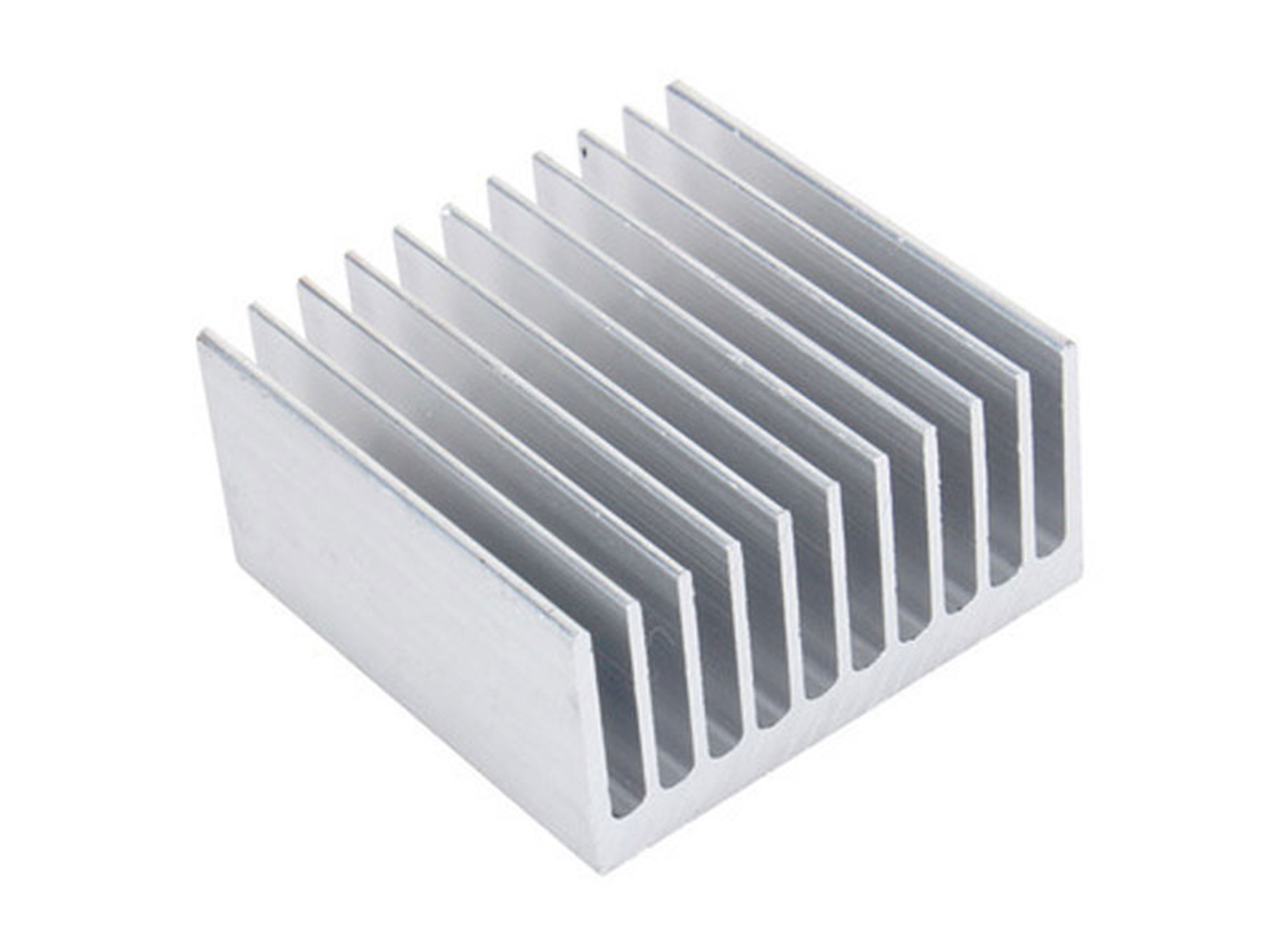
Marine aluminum heat sink profile
Marine Grade Aluminum Heat Sink Profiles utilize alloys such as 6061 and 6063 that not only exhibit high thermal conductivity but also possess excellent corrosion resistance required for saltwater exposure.
View Details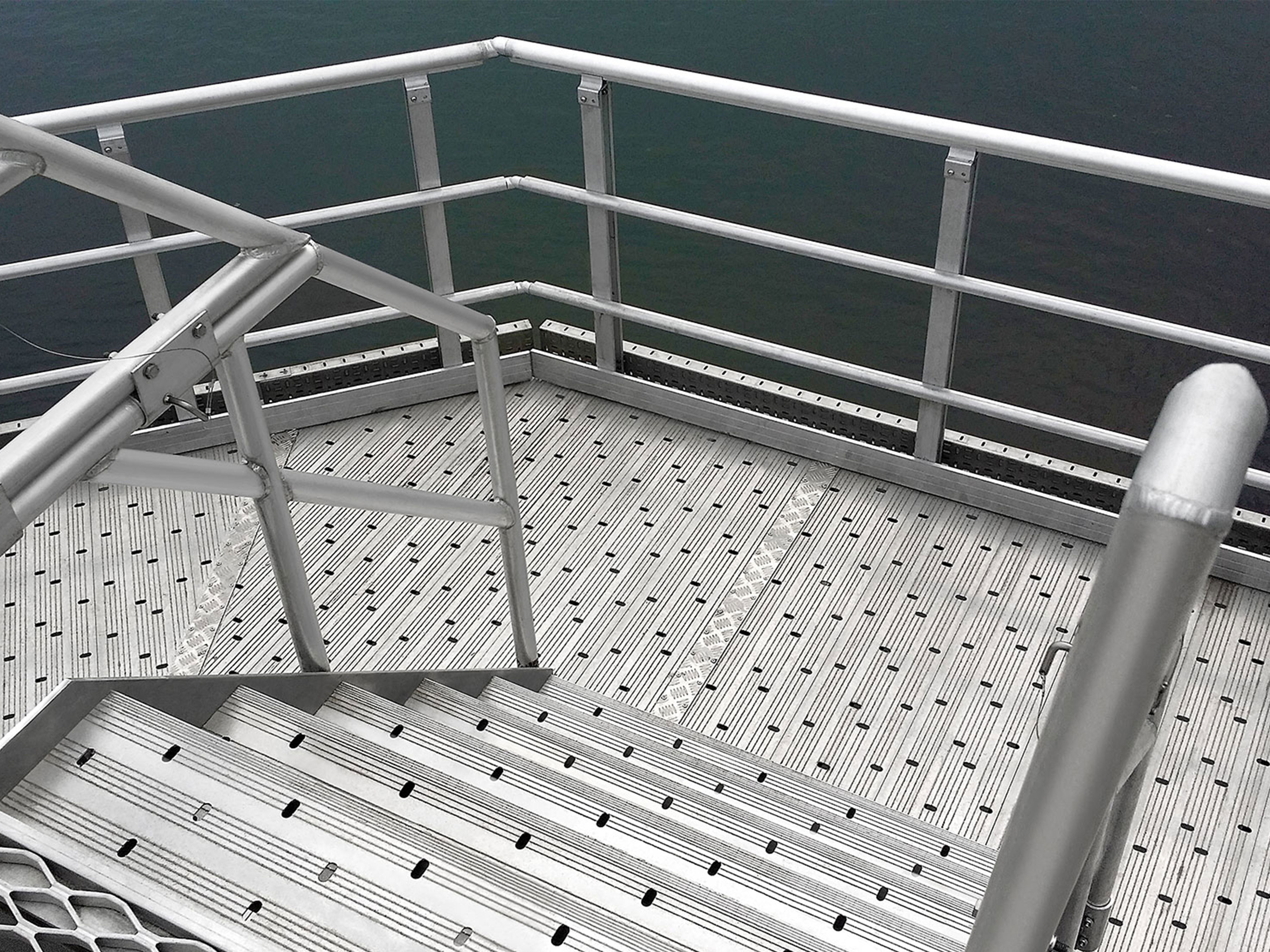
Marine aluminum customized shapes
Marine Grade Aluminum Customized Shapes encompass a broad range of aluminum extrusions and fabrications engineered beyond standard profiles—such as channels, angles, tubes, and beams—into complex, project-specific geometries.
View Details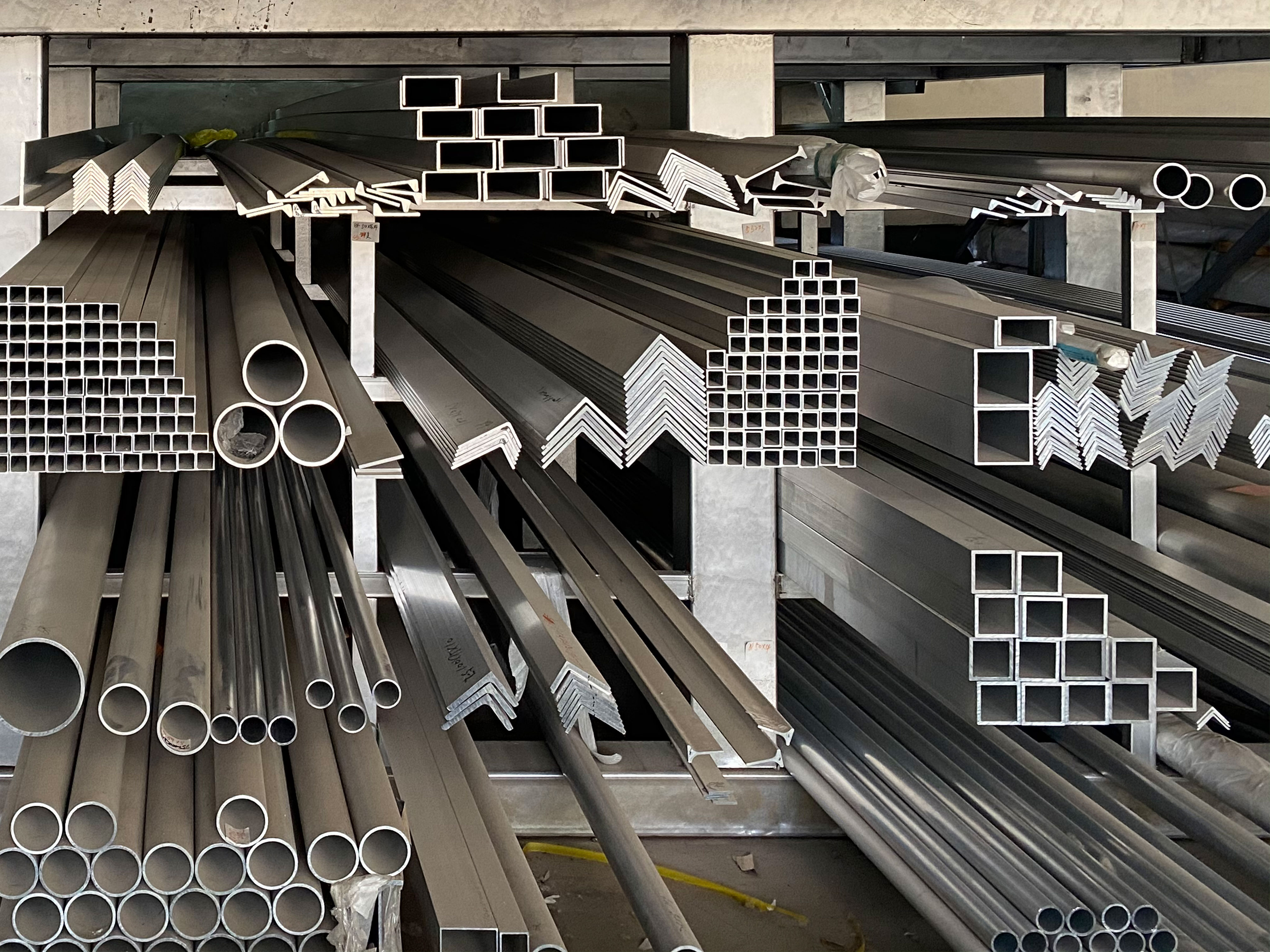
Marine aluminum fencing and railings
Marine Grade Aluminum Fencing and Railings are fabricated using marine-grade aluminum alloys such as 5083, 5052, and 6061, which are engineered specifically for protection against saltwater corrosion and marine atmospheric conditions.
View DetailsRelated Blog
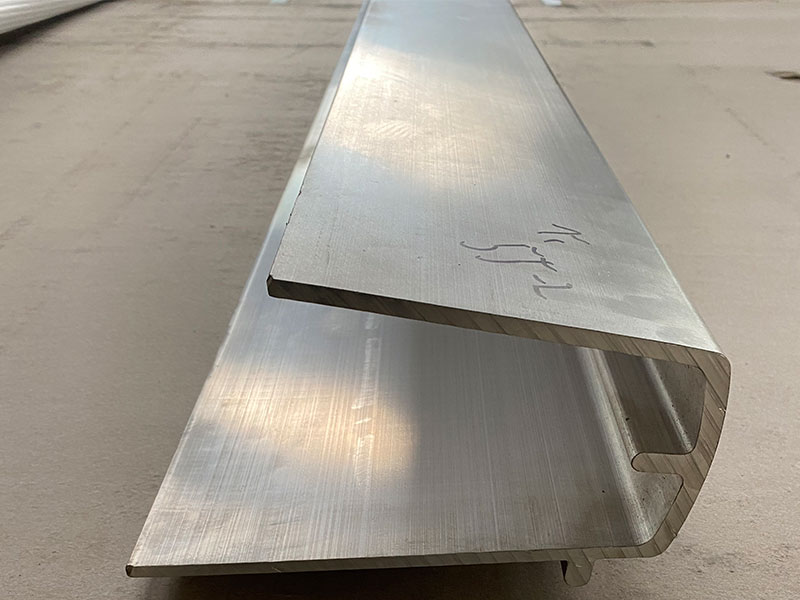
6061 Marine Aluminum Heat Sink Profile for Custom Boat and Ship Engine Cooling
Explore the superior cooling efficiency of 6061 Marine Aluminum Heat Sink Profiles, engineered for custom boat and ship engines. detailed specifications, temper types, chemical properties, standards compliance, and advanced corrosion resistance features o
View Details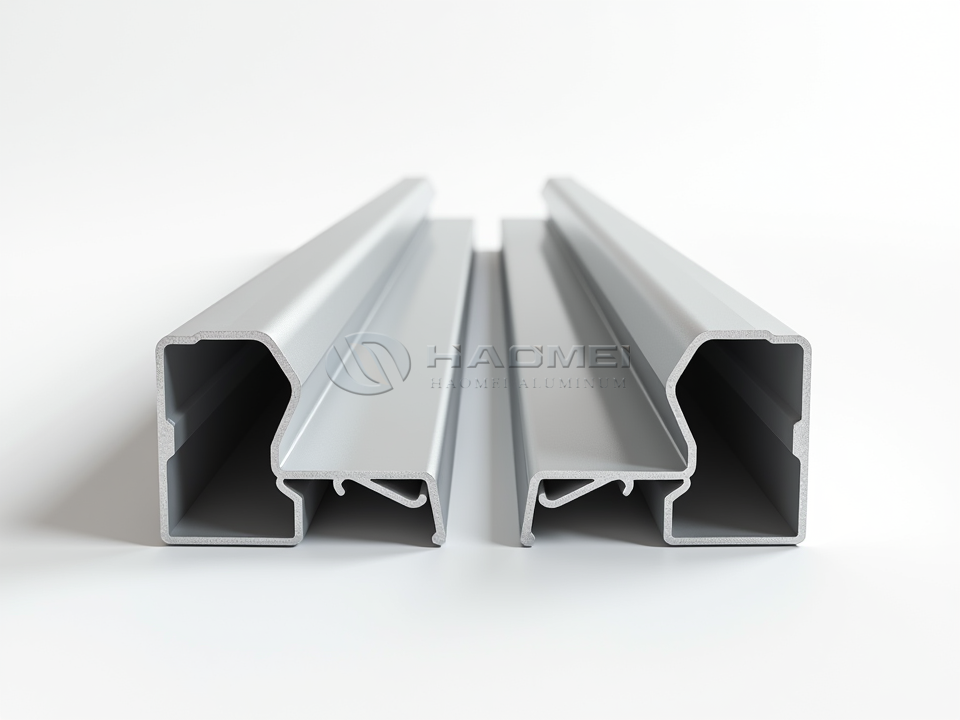
5083 Marine Aluminum Fencing and Railings for Custom Coastal Marine Safety Fencing
Learn how 5083 marine aluminum fencing and railings deliver corrosion resistance, strength, and tailored safety for docks, vessels, marinas, and coasts.
View Details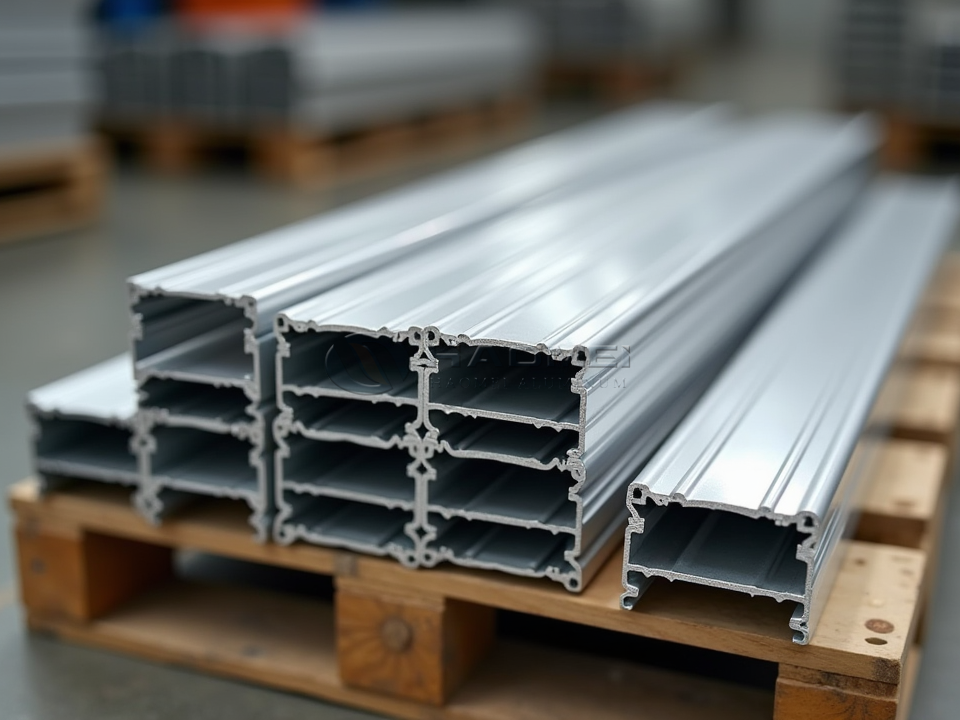
Marine Aluminum Fencing and Railings for Custom Safety Guardrails for Offshore Decks
Marine aluminum guardrails for offshore decks with alloy, temper, coating, load, fabrication, and compliance data for faster project planning.
View Details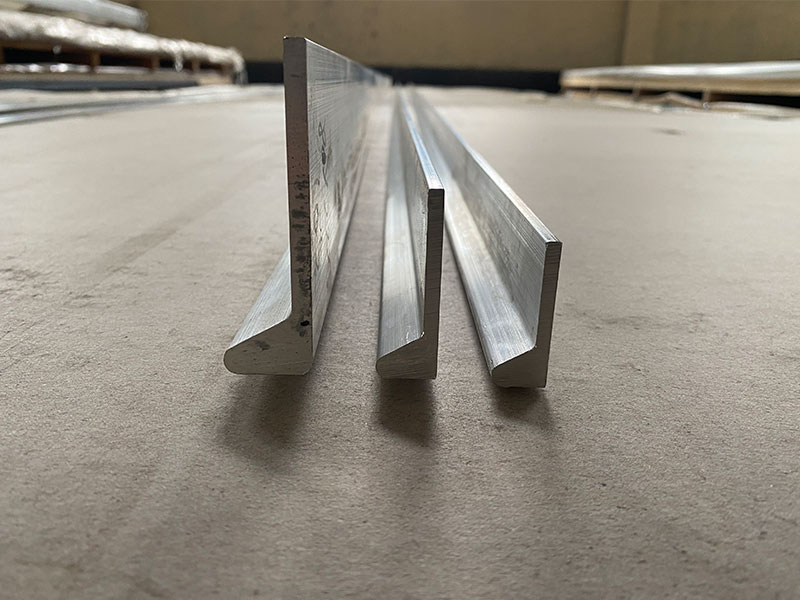
Marine Aluminum Fencing and Railings for High Strength Boat Deck Safety Barriers
When it comes to ensuring safety on boat decks, the choice of fencing and railing materials plays a critical role. Marine aluminum fencing and railings have emerged as the premier solution for high strength, corrosion-resistant.
View Details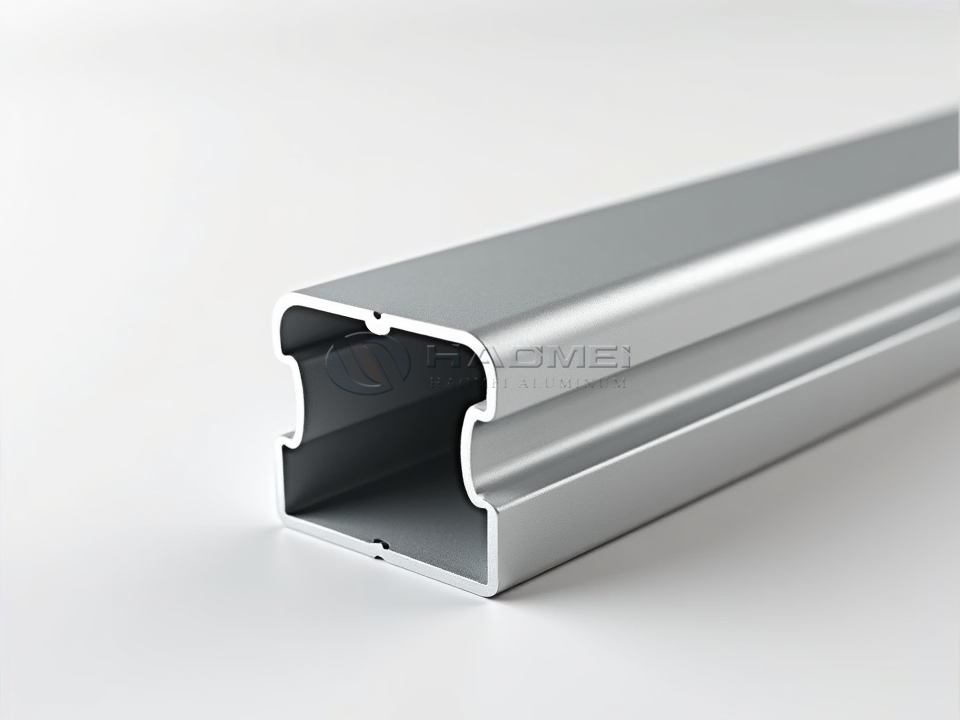
5083 Marine Aluminum Fencing and Railings for Offshore Vessel Deck Railing Solutions
5083 marine aluminum fencing and railings for offshore vessel decks, covering alloy temper, standards, corrosion resistance, and fabrication.
View Details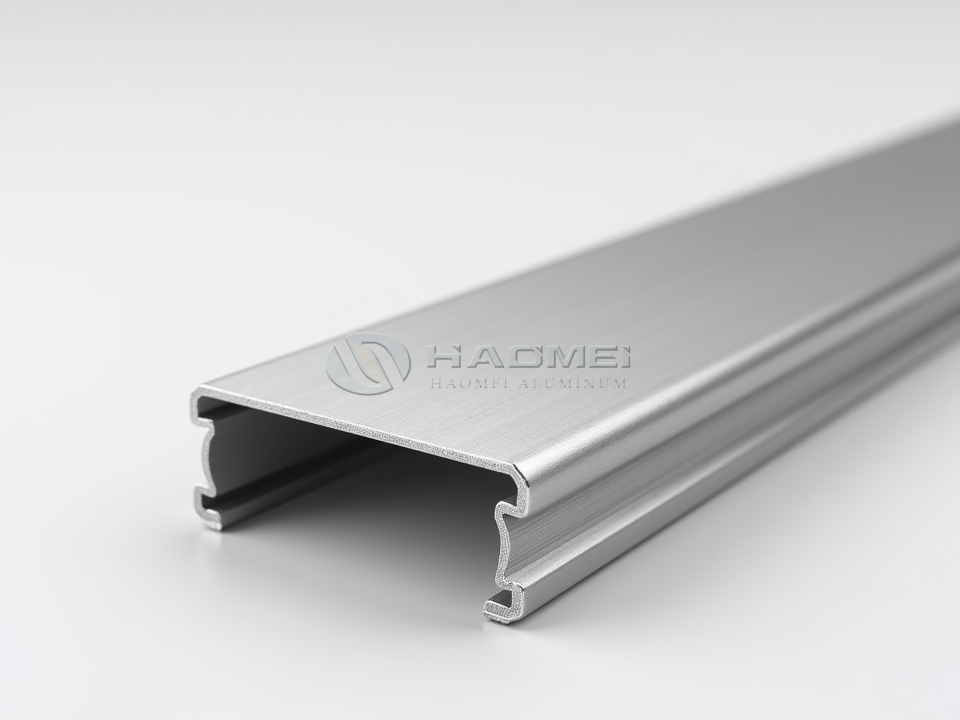
Marine Aluminum Fencing and Railings for Seawater Proof Offshore Deck Railings
Learn how marine aluminum fencing and railings resist seawater, carry deck loads, and serve safe offshore platforms, boats, docks, and walkways reliably.
View Details
Leave a Message