
Marine Aluminum Heat Sink Profile for Cooling Marine Electronics in Saltwater Environments
Marine electronics operate in a demanding thermal environment. Navigation displays, radar processors, battery management units, LED drivers, inverters, radio equipment, and propulsion controls generate heat while facing salt spray, humidity, vibration, and sharp temperature changes. A marine aluminum heat sink profile is engineered to move this heat away from sensitive components while maintaining dependable corrosion resistance and low structural weight.
Manufactured from seawater-resistant aluminum alloys, these extruded profiles combine conductive base sections with extended cooling fins. The design increases surface area, allowing heat to transfer from electronic housings into moving air inside cabinets, consoles, engine spaces, and weather-protected outdoor enclosures.
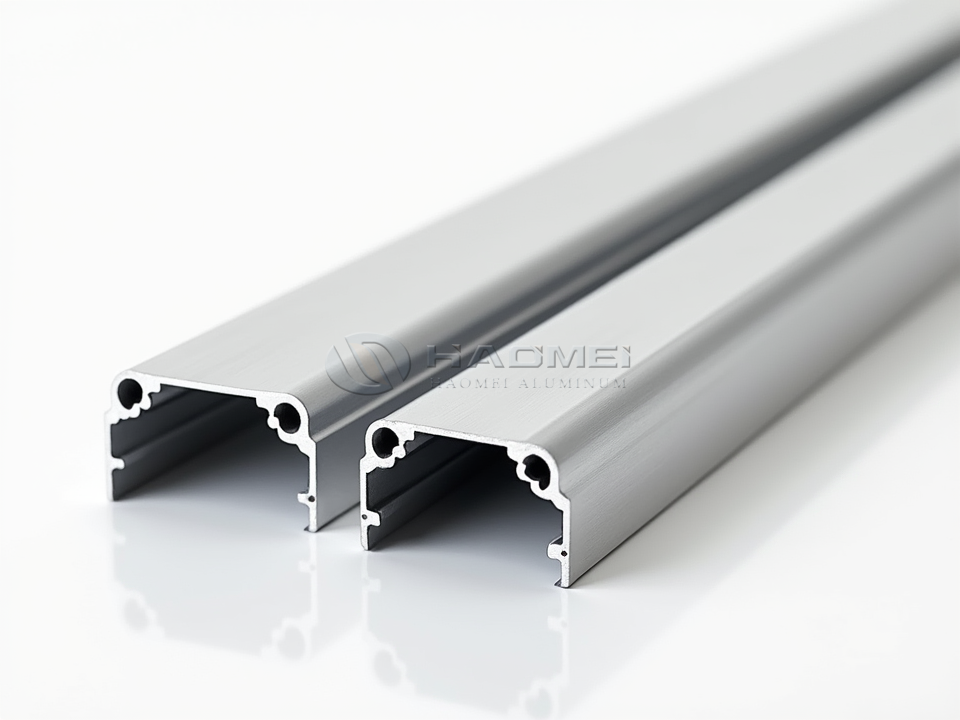
Built for Marine Thermal Management
A heat sink is more than a finned metal section. In marine service, it must maintain contact pressure, resist oxidation, accommodate mounting hardware, and continue releasing heat after long exposure to damp, saline air. The extrusion process makes it possible to form continuous fin geometry, mounting channels, screw bosses, protective ribs, and enclosure interfaces in one profile.
Compared with fabricated steel cooling parts, aluminum profiles offer significantly lower mass and much higher thermal conductivity. This supports compact marine equipment layouts where every kilogram and every millimeter of enclosure space matters.
| Product Feature | Marine Value |
|---|---|
| Extruded fin geometry | Creates a large heat-dissipation surface with consistent dimensions |
| Seawater-resistant alloy options | Helps reduce corrosion risk in humid and salt-laden locations |
| Low density | Minimizes weight on vessels, offshore equipment, and floating platforms |
| High thermal conductivity | Moves heat rapidly from electronic components to cooling fins |
| Custom cross-sections | Integrates mounting slots, covers, cable routes, and sealing interfaces |
| Surface treatment compatibility | Supports anodizing, powder coating, and conversion coatings |
| Good machinability | Allows drilling, tapping, milling, and cut-to-length finishing |
Recommended Alloy Options
Alloy selection depends on installation location, required heat flow, mechanical loading, corrosion exposure, and finishing requirements. For protected electronics housings requiring higher thermal conduction, 6063 is often selected. For more demanding marine structures or external equipment frames, 6061 and 5083-based solutions may be evaluated according to profile geometry and fabrication requirements.
| Alloy | Typical Temper | Thermal Conductivity, W/m·K | Relative Corrosion Resistance | Typical Marine Use |
|---|---|---|---|---|
| 6063 | T5 / T6 | 201-218 | Good | Finned profiles, instrument cabinets, lighting heat sinks |
| 6061 | T6 | 167-180 | Good | Stronger electronic brackets, inverter frames, machined heat sink bodies |
| 5052 | H32 | 138-154 | Very good | Formed covers, corrosion-resistant sheet interfaces |
| 5083 | H111 / H116 | 117-130 | Excellent | Heavy marine structures and saltwater-exposed support components |
Typical Chemical Composition of 6063 Aluminum Alloy
| Element | Si | Mg | Fe | Cu | Mn | Zn | Ti | Al |
|---|---|---|---|---|---|---|---|---|
| Composition, % | 0.20-0.60 | 0.45-0.90 | Max. 0.35 | Max. 0.10 | Max. 0.10 | Max. 0.10 | Max. 0.10 | Balance |
The magnesium-silicon alloy system used in 6063 supports excellent extrusion quality and a clean surface after anodizing. It is particularly suitable for detailed fin profiles with narrow spacing, rounded fin tips, integral mounting features, and attractive visible finishes.
Thermal and Mechanical Performance
Heat sink effectiveness is determined by more than alloy conductivity. Fin height, fin spacing, base thickness, airflow, installation direction, thermal interface material, and enclosure ventilation all influence actual operating temperature. A well-designed profile provides low thermal resistance without creating fins so closely spaced that airflow becomes restricted.
| Performance Parameter | Typical Range or Requirement | Design Importance |
|---|---|---|
| Profile width | 30-300 mm | Fits compact modules or wide electronic housings |
| Fin height | 10-80 mm | Higher fins increase surface area when airflow is available |
| Base thickness | 3-15 mm | Supports heat spreading and reliable threaded mounting |
| Standard cut length | 100-6,000 mm | Allows efficient production and equipment-specific sizing |
| Thermal conductivity, 6063 | 201-218 W/m·K | Supports rapid heat transfer through the profile body |
| Density | Approx. 2.70 g/cm³ | Reduces vessel weight compared with steel alternatives |
| Coefficient of thermal expansion | Approx. 23.5 × 10⁻⁶ /°C | Should be considered for large assemblies and mixed-material joints |
| Service temperature | Typically -40°C to +120°C | Suitable for most marine electronics installations |
| Surface finish | Mill, anodized, powder coated | Selected according to corrosion protection and appearance needs |
In naturally ventilated installations, vertical fins generally perform better because warm air rises through the channels. In forced-air systems, fin spacing should match the expected fan pressure and air volume. For sealed enclosures, the profile can become part of the outer wall, moving heat from internal electronic modules to the exterior without opening the enclosure to moisture.
Corrosion Control in Saltwater Conditions
Saltwater cooling applications require attention to galvanic corrosion as well as surface oxidation. Aluminum naturally forms a protective oxide film, but chloride-rich deposits, stagnant moisture, and direct contact with dissimilar metals can accelerate corrosion. Proper design and finishing extend service life substantially.
| Protection Method | Function | Recommended Application |
|---|---|---|
| Clear or hard anodizing | Strengthens the oxide layer and improves surface durability | Exposed heat sinks, instrument consoles, deck-side enclosures |
| Powder coating | Adds a decorative and protective barrier | Visible housings and external communication equipment |
| Conversion coating | Improves paint adhesion and corrosion resistance | Painted assemblies and multi-part enclosures |
| Isolating washers and pads | Reduces galvanic contact with stainless steel or copper | Bolted heat sinks and mixed-metal frames |
| Thermal interface pad | Fills microscopic air gaps between device and base | Power modules, LED boards, converters, and processors |
| Drainage-oriented design | Prevents trapped saltwater and moisture | Exterior or semi-exposed installations |
Avoid placing bare aluminum directly against copper busbars, carbon fiber parts, or stainless steel fasteners without an insulating barrier. Where stainless fasteners are required, use suitable isolators, sealants, or coated hardware to reduce galvanic exposure.
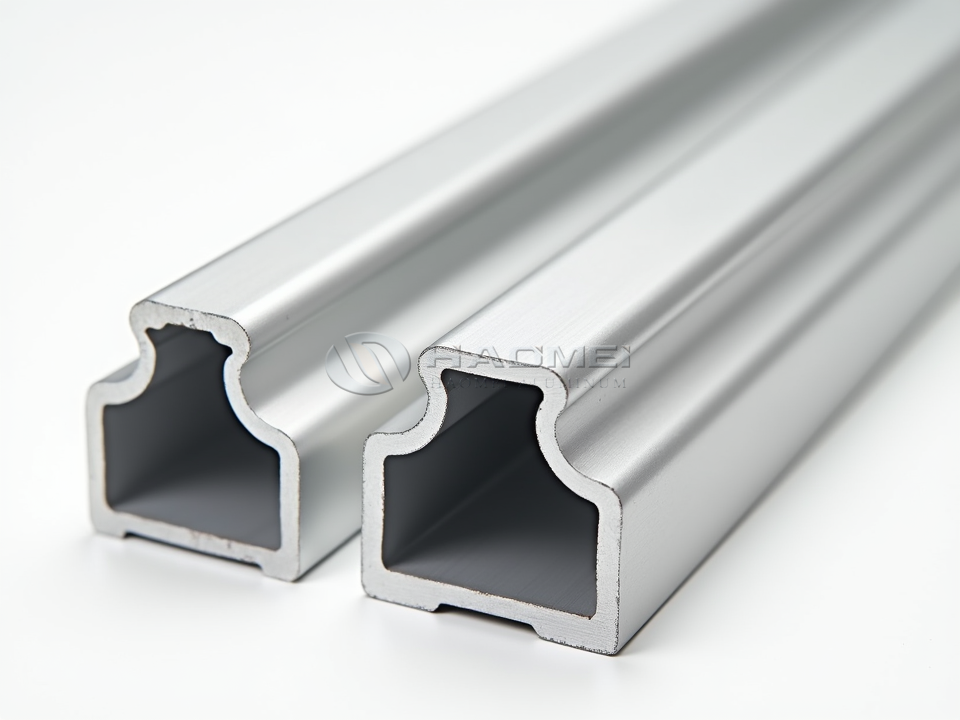
Marine Equipment Applications
Marine aluminum heat sink profiles support thermal control across commercial vessels, leisure craft, offshore platforms, port infrastructure, autonomous surface vehicles, and coastal monitoring stations. Their modular form allows designers to use one extrusion as a heat spreader, enclosure wall, mounting rail, and protective structural element.
| Equipment Type | Heat Source | Profile Function |
|---|---|---|
| Radar and navigation systems | Processors, power boards, displays | Stabilizes operating temperature in compact consoles |
| LED deck and cabin lighting | LED arrays and drivers | Extends LED life by reducing junction temperature |
| Marine battery systems | BMS boards, DC/DC converters | Dissipates heat from high-current control electronics |
| Inverters and chargers | Switching transistors and inductors | Provides a robust external cooling surface |
| Communication equipment | RF power amplifiers and network modules | Supports continuous operation in enclosed cabinets |
| Electric propulsion controls | Motor drives and power electronics | Spreads concentrated heat across a larger surface |
| Offshore sensor stations | Data loggers and solar control systems | Provides lightweight cooling in corrosive coastal air |
For integrated equipment projects, Marine aluminum heat sink profile solutions can be developed with application-specific fin patterns, mounting features, machining, and finish requirements. Broader vessel fabrication programs may also benefit from compatible Marine Grade Aluminum Profiles for frames, covers, rail systems, and electronic equipment supports.
Custom Extrusion and Finishing Possibilities
Custom profiles allow thermal performance and installation efficiency to be developed together. Rather than attaching separate brackets or machining heavy plate, an engineered extrusion can incorporate screw ports, sliding grooves, cover channels, cable-management edges, gasket lands, and anti-vibration features.
| Custom Option | Customer Benefit |
|---|---|
| Fin pitch and fin height adjustment | Matches natural convection or forced-air cooling conditions |
| Integrated mounting channels | Reduces secondary brackets and assembly time |
| Machined holes and threads | Enables direct installation of power modules and covers |
| CNC cut-to-length service | Delivers ready-to-assemble components |
| Anodized finish selection | Balances corrosion protection, appearance, and electrical insulation |
| Powder-coated external faces | Adds visible weather protection for exposed assemblies |
| Thermal pad contact surfaces | Improves flatness where electronic modules transfer heat |
A properly selected marine heat sink profile protects electronic performance, reduces maintenance exposure, and supports longer equipment life in saltwater environments. By combining conductive aluminum, corrosion-conscious finishing, and application-specific extrusion geometry, it provides a practical cooling platform for the modern marine electrical system.

Related Products
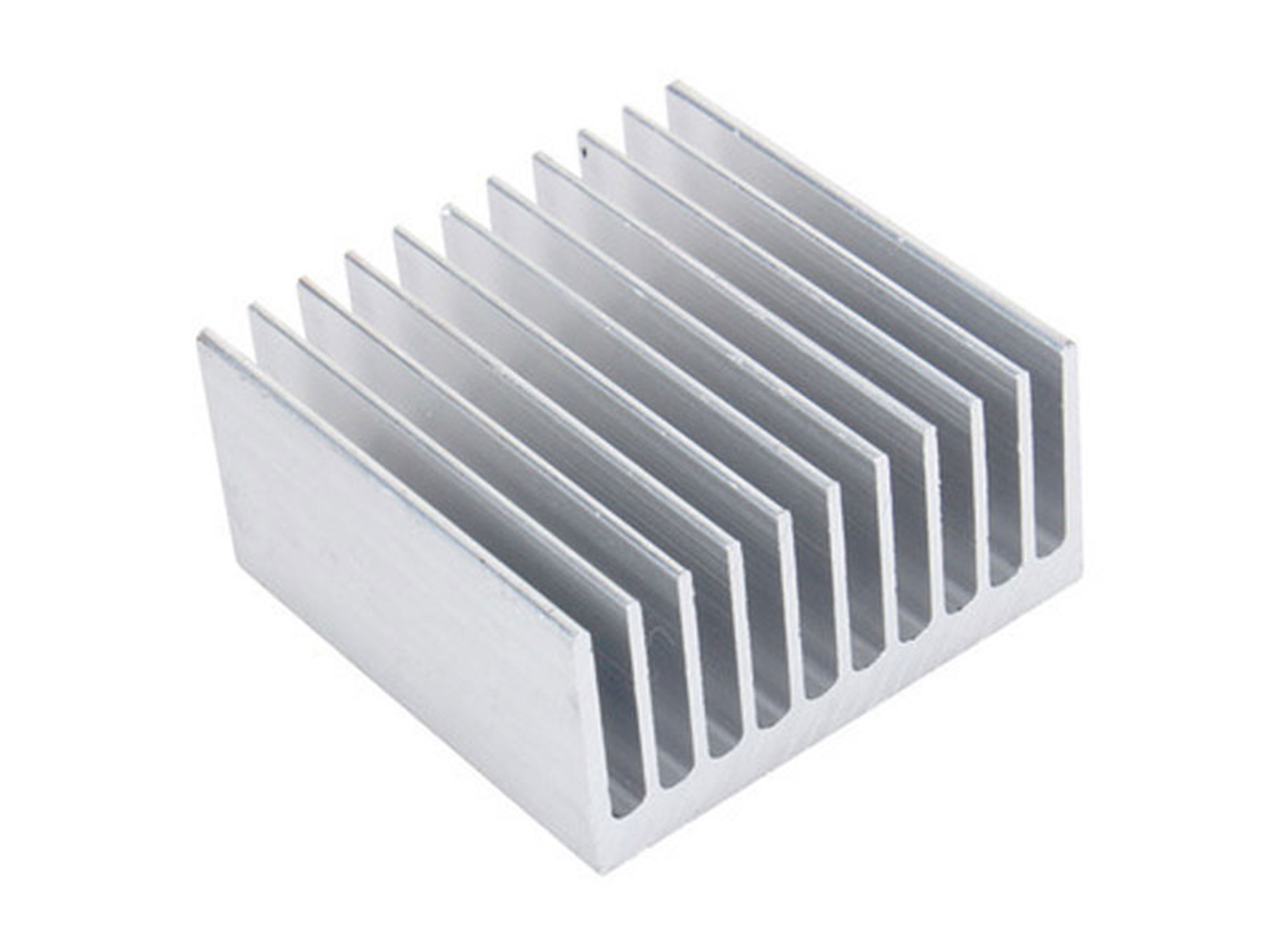
Marine aluminum heat sink profile
Marine Grade Aluminum Heat Sink Profiles utilize alloys such as 6061 and 6063 that not only exhibit high thermal conductivity but also possess excellent corrosion resistance required for saltwater exposure.
View Details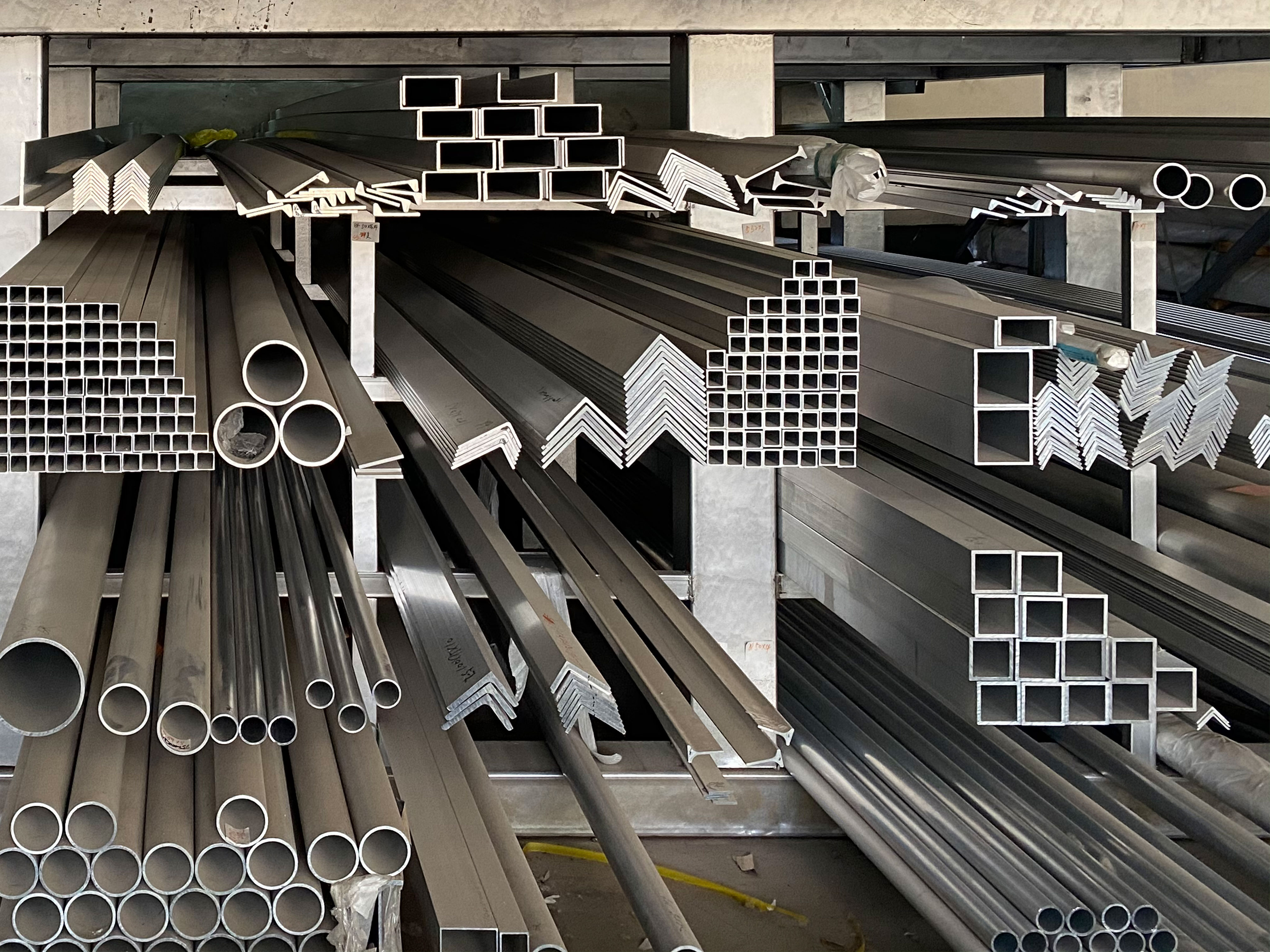
Marine aluminum fencing and railings
Marine Grade Aluminum Fencing and Railings are fabricated using marine-grade aluminum alloys such as 5083, 5052, and 6061, which are engineered specifically for protection against saltwater corrosion and marine atmospheric conditions.
View Details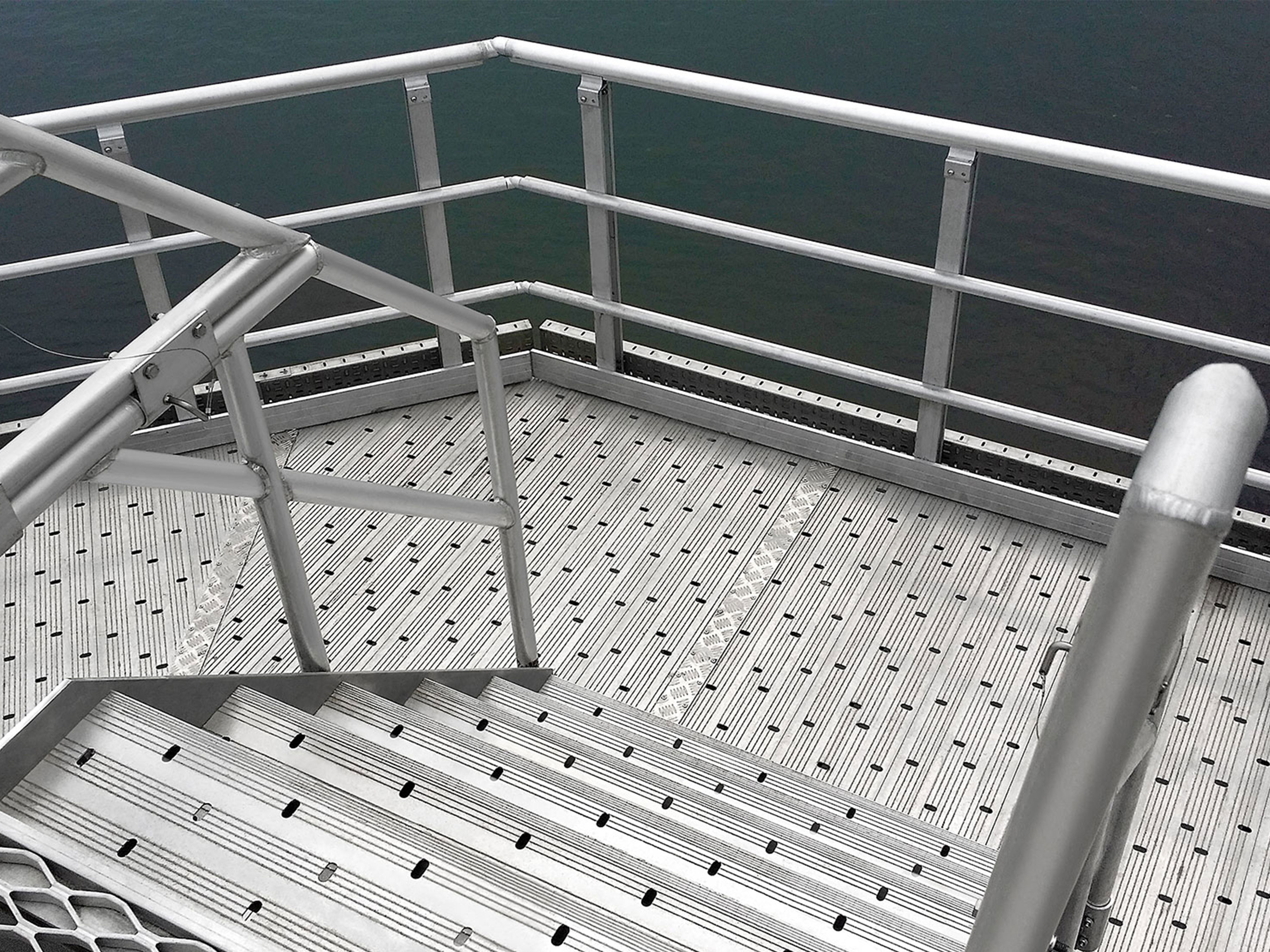
Marine aluminum customized shapes
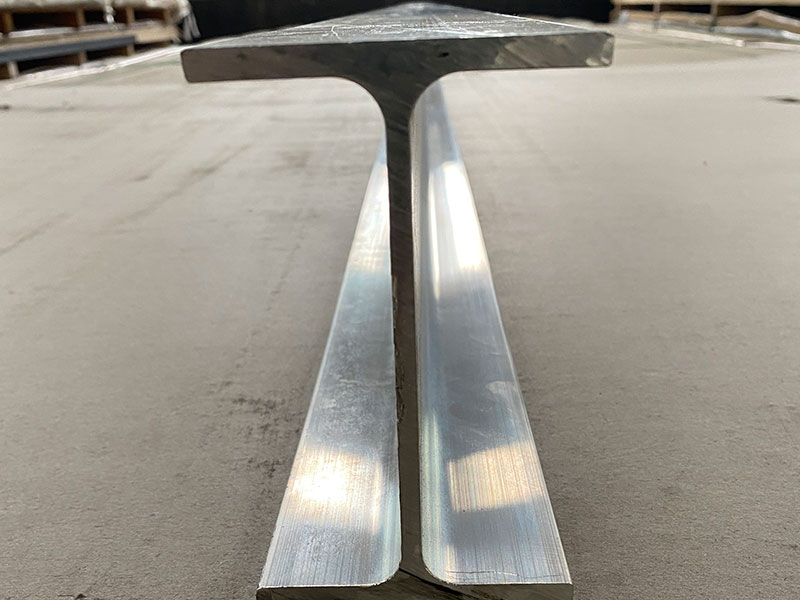
Marine Grade Aluminum Customized Shapes encompass a broad range of aluminum extrusions and fabrications engineered beyond standard profiles—such as channels, angles, tubes, and beams—into complex, project-specific geometries.
View DetailsRelated Blog
6061 Marine Aluminum Fencing and Railings for Custom Offshore Deck and Railings
6061 Marine Aluminum fencing and railings provide a lightweight, corrosion-resistant, high-strength solution for custom offshore decks and railings.
View Details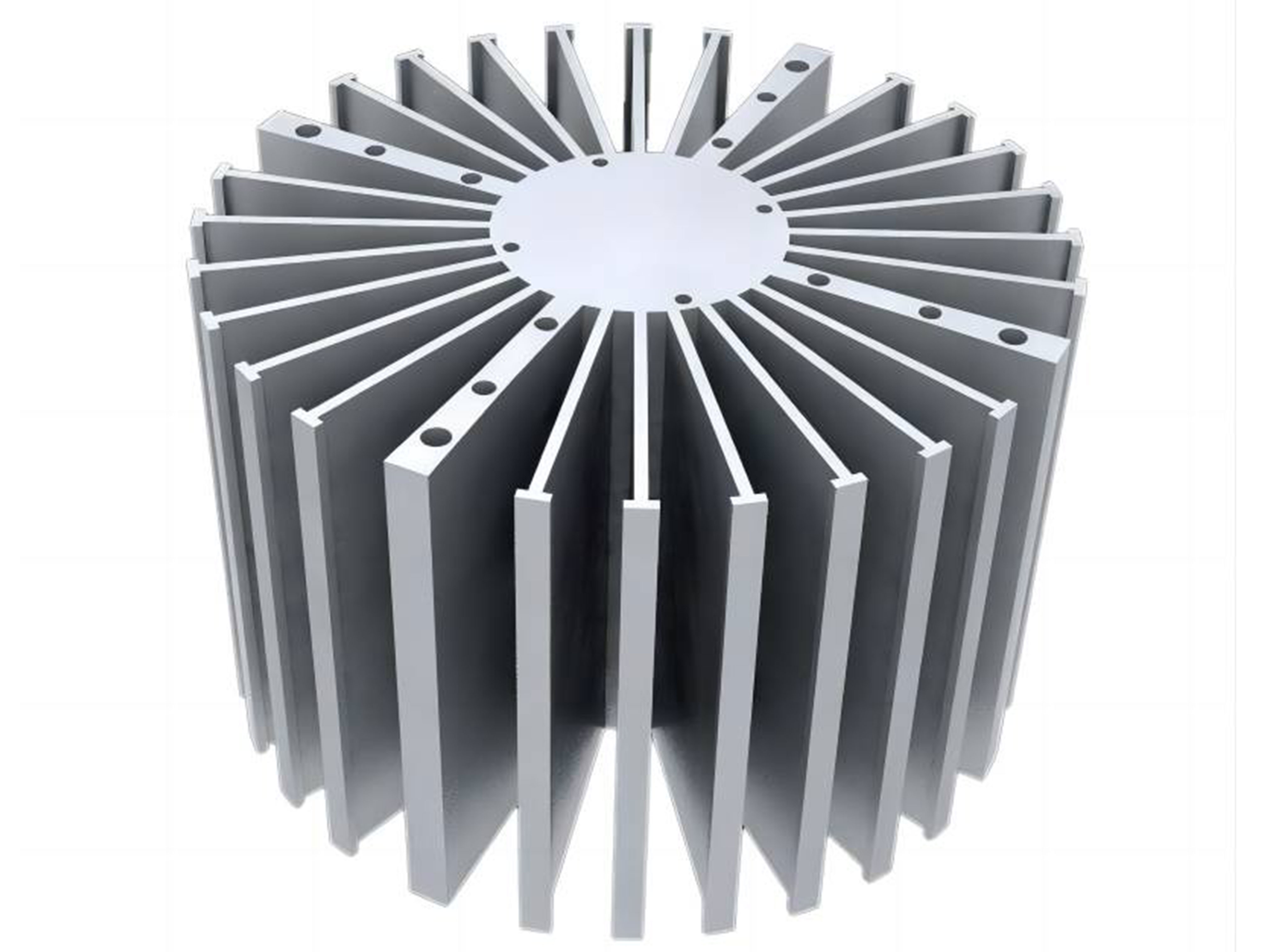
5052 Marine Aluminum Fencing and Railings for High Strength Offshore Platform Guardrails
In marine and offshore environments, the demand for materials that combine excellent strength, corrosion resistance, and durability is paramount. 5052 marine aluminum is a preferred choice for high-performance fencing and railings.
View Details
Marine Aluminum Customized Shapes for Custom Ship Deck and Railing Systems
In the ever-evolving maritime industry, safety, durability, and performance take precedence. Marine aluminum, recognized for its lightweight yet robust characteristics.
View Details
5083 Marine Aluminum Customized Shapes for Offshore Vessel Deck Reinforcements
In the demanding environments of offshore vessels, materials used for deck reinforcements must exhibit exceptional mechanical strength, corrosion resistance, and structural reliability.
View Details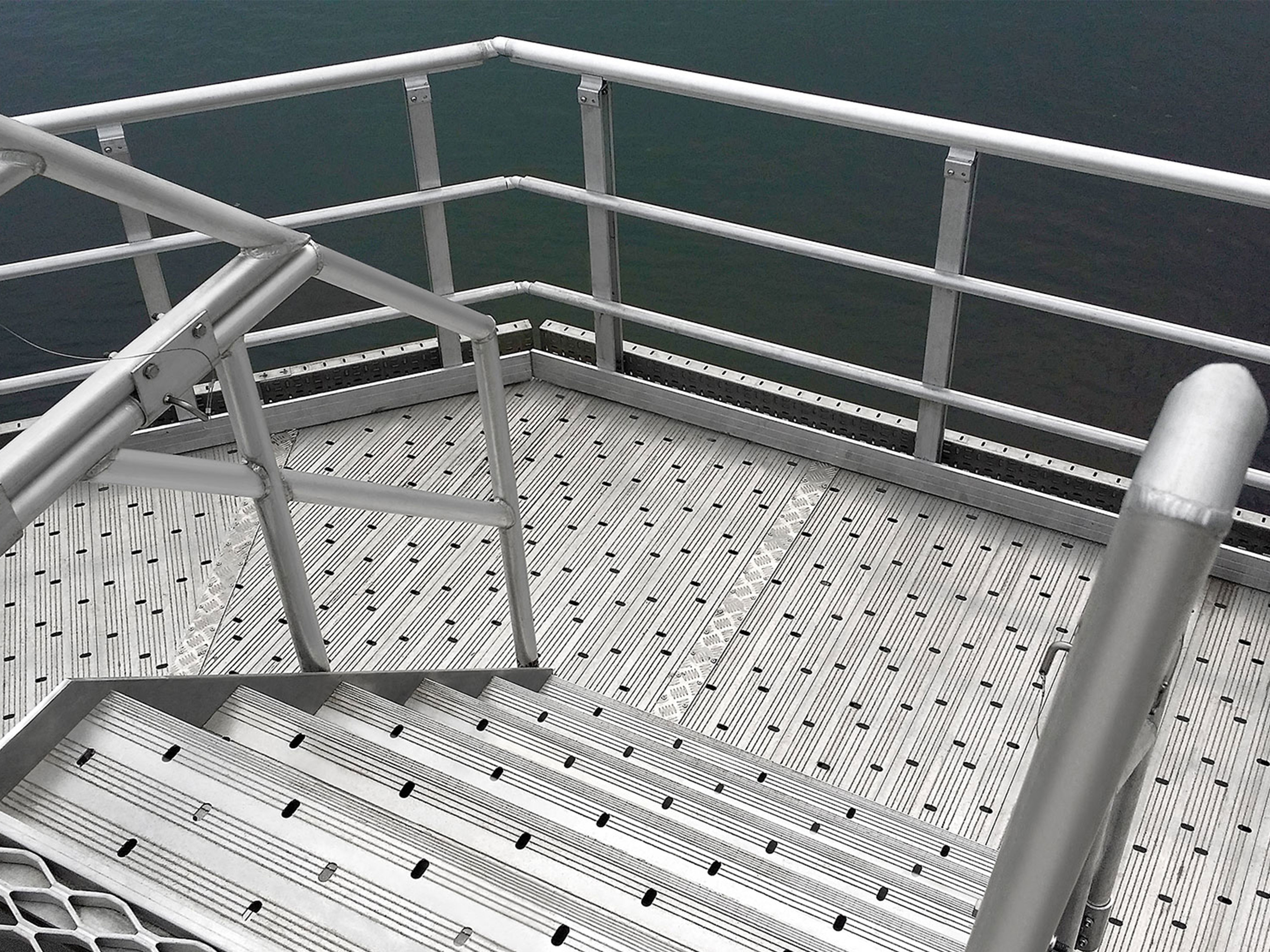
5052 Marine Aluminum Customized Shapes for Custom Marine Frame Solutions
5052 marine aluminum is a high-strength, corrosion-resistant alloy suitable for environments exposed to seawater and high humidity conditions. This alloy is particularly valuable for crafting customized marine frames, decking.
View Details
6063 Marine Aluminum Heat Sink Profile for Cooling Solutions for Offshore Platforms
Explore 6063 marine aluminum heat sink profiles for offshore platforms, including thermal performance, corrosion control, tempers, standards, and design data.
View Details
Leave a Message