
Marine Aluminum Bar for Seawater Resistant Boat Design
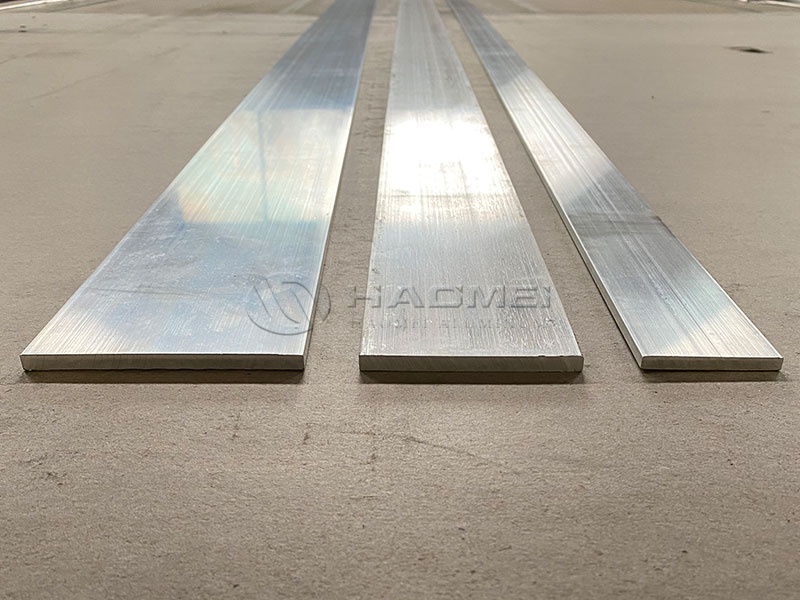
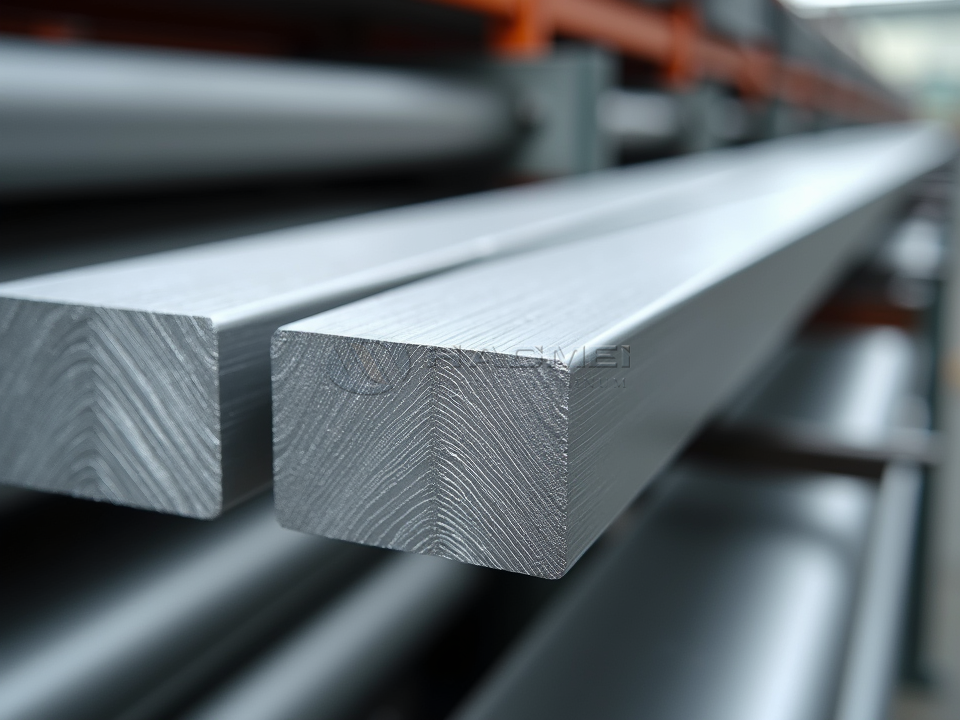
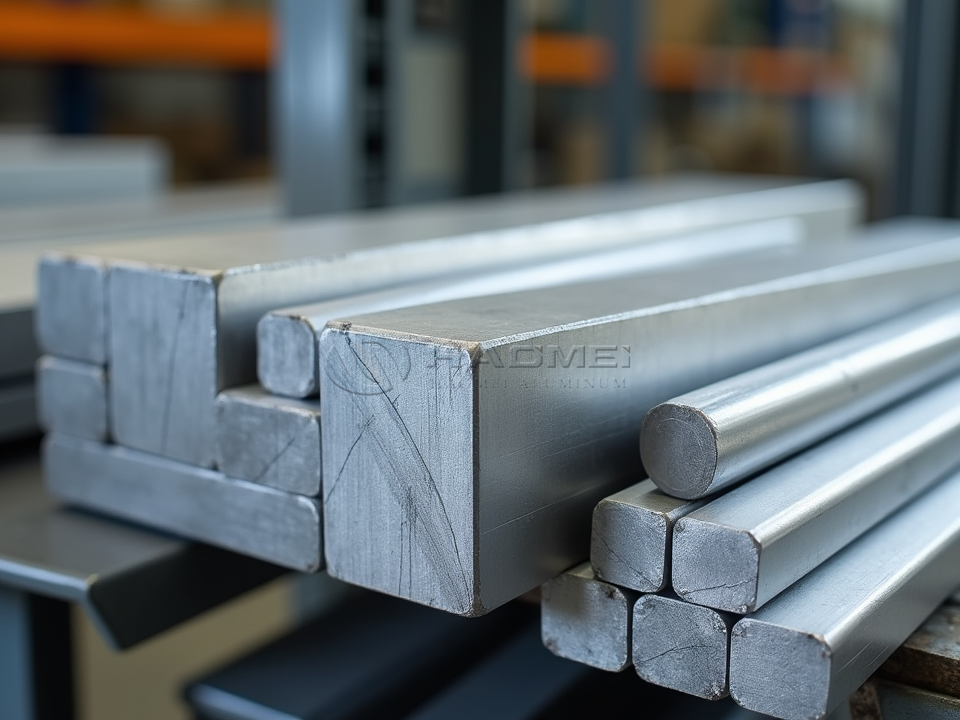
Marine aluminum bar is a dependable material for boatbuilders seeking low weight, strong structural performance, and lasting resistance to saltwater exposure. Available in flat, round, square, and hexagonal profiles, it supports the construction of hull reinforcements, deck structures, rail systems, brackets, marine fittings, and precision-machined hardware.
Compared with carbon steel, aluminum bar significantly reduces vessel weight while maintaining useful strength. This weight reduction can improve payload capacity, fuel efficiency, draft control, and handling. When the appropriate alloy, temper, surface treatment, and isolation practices are selected, marine aluminum performs reliably in splash zones, humid cabins, salt spray, and direct seawater service.
Designed for Demanding Marine Environments
Seawater is highly conductive and chloride-rich, creating conditions that can accelerate corrosion on unsuitable metals. Marine aluminum bars are commonly produced from 5xxx-series aluminum-magnesium alloys for superior corrosion resistance and weldability, or 6xxx-series aluminum-magnesium-silicon alloys when higher machinability and mechanical strength are required.
The natural oxide film on aluminum provides an initial protective barrier. In marine service, this protection is strengthened through proper material selection, clean fabrication, drainage design, anodizing where appropriate, and separation from dissimilar metals. These practices help prevent pitting, crevice corrosion, and galvanic attack around fasteners and fittings.
Marine Grade Aluminum Bars are especially suitable for projects where saltwater durability, fabrication flexibility, and weight savings must work together. They are widely used in fishing boats, patrol craft, yacht equipment, workboats, pontoon vessels, ferries, and offshore support structures.
Alloy Options and Chemical Composition
Alloy selection should reflect whether the bar will be welded, machined, exposed to continuous seawater, or used as a load-bearing fitting. The following compositions are typical limits for commonly selected marine aluminum bar grades. Material certificates should always govern final purchasing requirements.
| Alloy | Si % | Fe % | Cu % | Mn % | Mg % | Cr % | Zn % | Principal Advantage |
|---|---|---|---|---|---|---|---|---|
| 5052 | 0.25 max | 0.40 max | 0.10 max | 0.10 max | 2.2-2.8 | 0.15-0.35 | 0.10 max | Excellent forming and corrosion resistance |
| 5083 | 0.40 max | 0.40 max | 0.10 max | 0.4-1.0 | 4.0-4.9 | 0.05-0.25 | 0.25 max | High seawater resistance and welded strength |
| 5086 | 0.40 max | 0.50 max | 0.10 max | 0.2-0.7 | 3.5-4.5 | 0.05-0.25 | 0.25 max | Strong hull and structural performance |
| 6061 | 0.4-0.8 | 0.70 max | 0.15-0.40 | 0.15 max | 0.8-1.2 | 0.04-0.35 | 0.25 max | Good strength, machining, and finish quality |
| 6082 | 0.7-1.3 | 0.50 max | 0.10 max | 0.4-1.0 | 0.6-1.2 | 0.25 max | 0.20 max | Higher structural strength for fittings |
For permanently welded structures and parts exposed to salt spray or seawater, 5083 and 5086 are often favored. For machined cleats, brackets, mounting blocks, shafts, and fittings, 6061-T6 and 6082-T6 provide excellent dimensional stability and cutting performance. For demanding fabricated fittings, 6082 marine aluminum rod & bar provides an effective balance between strength and machinability.
Technical Specifications
Marine aluminum bars can be supplied in standard stock sizes or cut to project-specific lengths. Flat bars are frequently selected for frames, stiffeners, and mounting plates, while round and hexagonal bars are preferred for turned or threaded components.
| Parameter | Typical Supply Range | Notes |
|---|---|---|
| Available alloys | 5052, 5083, 5086, 6061, 6063, 6082 | Alloy chosen according to corrosion, welding, or machining demands |
| Bar profiles | Flat, round, square, hexagonal | Profile selected according to component geometry |
| Flat bar thickness | 3-150 mm | Heavier sections available by agreement |
| Flat bar width | 10-300 mm | Precision-cut widths available |
| Round bar diameter | 6-300 mm | Suitable for shafts, pins, and machined parts |
| Square bar size | 6 × 6 mm to 200 × 200 mm | Common for supports and fabricated frames |
| Standard length | 1,000-6,000 mm | Custom cutting supports material efficiency |
| Temper options | O, H111, H112, T4, T6 | Temper affects strength, formability, and weld response |
| Surface condition | Mill finish, brushed, anodized, coated | Surface selection depends on appearance and exposure |
| Standards | ASTM B221, EN 755, EN 573, EN 485 | Final compliance subject to alloy and product form |
Mechanical Performance
Mechanical values vary with alloy, bar dimensions, production route, and temper. The figures shown are typical reference values for design comparison rather than final engineering allowances.
| Alloy and Temper | Tensile Strength MPa | Yield Strength MPa | Elongation % | Density g/cm³ | Marine Use |
|---|---|---|---|---|---|
| 5052-H32 | 210-260 | 130-195 | 10-15 | 2.68 | Bent brackets, trims, light supports |
| 5083-H111 | 275-350 | 125-215 | 12-20 | 2.66 | Welded frames and seawater structures |
| 5086-H111 | 260-330 | 125-200 | 12-18 | 2.66 | Hull supports, tanks, and reinforcements |
| 6061-T6 | 290-320 | 240-275 | 8-12 | 2.70 | Machined fittings and rigid brackets |
| 6082-T6 | 295-340 | 250-310 | 8-12 | 2.70 | High-load hardware and structural components |
The low density of aluminum is a major benefit in vessel design. At approximately one-third the density of steel, marine aluminum bar allows designers to build robust supports and fittings without imposing unnecessary mass. Its non-magnetic nature is also beneficial around navigation equipment, sensors, and specialized marine instruments.
Practical Boatbuilding Uses
Marine aluminum bar adapts easily to structural and hardware applications. Flat bar can reinforce deck openings, support windshield frames, form battery tray brackets, and create lightweight stringer connections. Round bar can become hinge pins, davit components, rail supports, pulleys, spacer shafts, and custom-machined deck hardware. Square and hex bars offer practical stock for brackets, mounts, threaded adapters, and equipment supports.
Typical applications include:
- Hull, deck, and cabin reinforcements
- Transom brackets and engine mounting structures
- T-tops, hardtops, canopy frames, and radar supports
- Boarding ladders, handrails, grab handles, and rail bases
- Cleats, chocks, hinges, pins, spacers, and custom fittings
- Fuel tank supports, battery trays, and equipment racks
- Pump mounts, electronic enclosures, and marine instrumentation supports
- Dock hardware, gangway parts, and tender accessories
Fabrication and Corrosion-Control Guidance
5xxx-series bars offer excellent weldability and are suitable for MIG and TIG fabrication using compatible filler metals. 6xxx-series bars can also be welded, but the heat-affected zone may lose part of its T6 temper strength. Designers should account for this reduction when welded 6061-T6 or 6082-T6 components carry major loads.
Corrosion performance depends strongly on installation details. Use marine-grade sealants around penetrations, avoid water-trapping gaps, and provide drainage at horizontal interfaces. Stainless steel fasteners should be electrically isolated from aluminum with non-conductive washers, sleeves, bedding compounds, or protective coatings. Copper-bearing materials and untreated carbon steel should not contact wet aluminum directly.
Anodizing is an effective option for visible rails, trim, and fittings, particularly when a durable decorative finish is needed. For concealed structural bars, a clean mill finish with suitable isolation and protective coating may be sufficient. Regular freshwater rinsing remains a practical maintenance measure for vessels operating in salt spray or coastal marinas.
Value for Seawater-Resistant Boat Design
Marine aluminum bar delivers a practical combination of corrosion resistance, low mass, fabrication versatility, and long service life. Selecting 5083 or 5086 supports welded seawater structures, while 6061-T6 and 6082-T6 provide dependable stock for high-strength machined components. With correct profile selection and careful galvanic-corrosion control, aluminum bar helps boatbuilders create lighter, cleaner, and more durable vessels prepared for demanding marine conditions.

Related Products
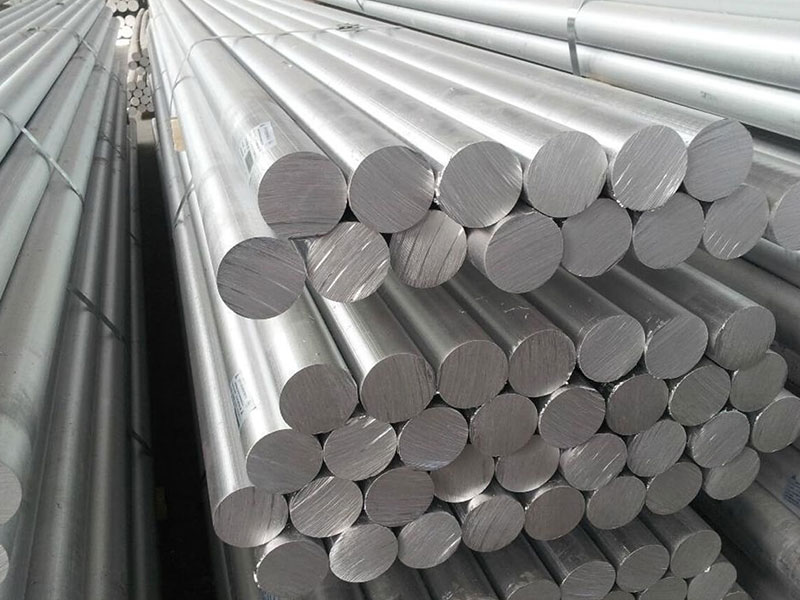
6082 marine aluminum rod & bar
6082 Aluminum Rods & Bars are extruded or rolled products manufactured from 6082 aluminum alloy — a thermally treated (typically T6 temper) aluminum-magnesium-silicon alloy that balances high tensile strength, good weldability, and excellent corrosion resistance.
View Details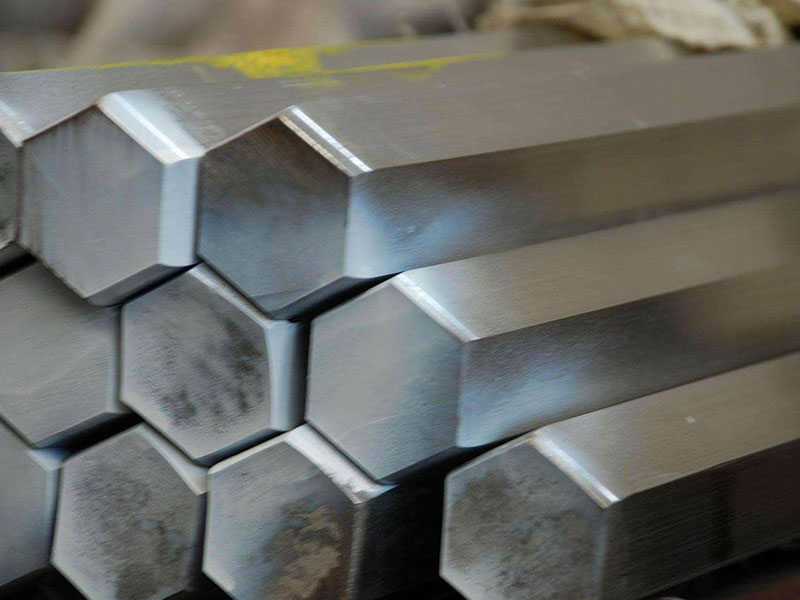
Marine aluminum hexagonal bars
Marine Grade Aluminum Hexagonal Bars are produced from premium corrosion-resistant aluminum alloys such as 5083, 5052, 6061, and 6082.
View Details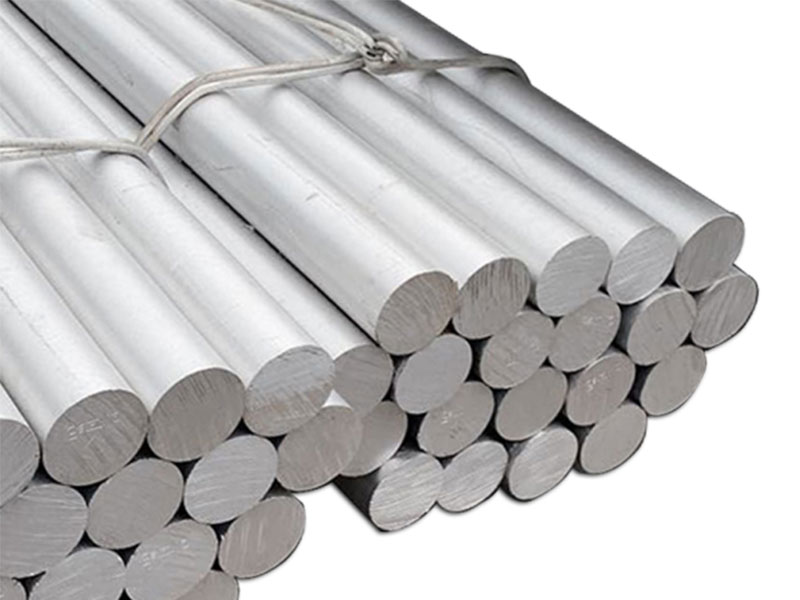
Marine grade aluminum solid bar
Marine Grade Aluminum Solid Bars are produced from premium aluminum alloys optimized for saltwater exposure, such as 5083, 5052, 6061, and 6082. These alloys offer unparalleled resistance to corrosion caused by seawater, salt spray, and marine atmospheres, while maintaining excellent mechanical strength and toughness.
View Details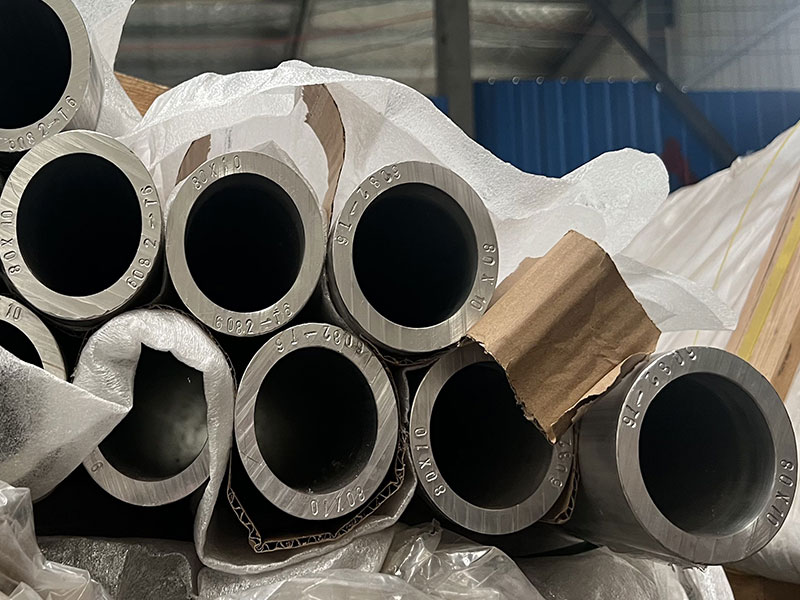
Marine aluminum hollow bars
Marine Grade Aluminum Hollow Bars are fabricated from high-quality alloys such as 5083, 5052, 6061, and 6082, all known for their exceptional resistance to seawater corrosion, salt spray, and marine atmospheres.
View DetailsRelated Blog
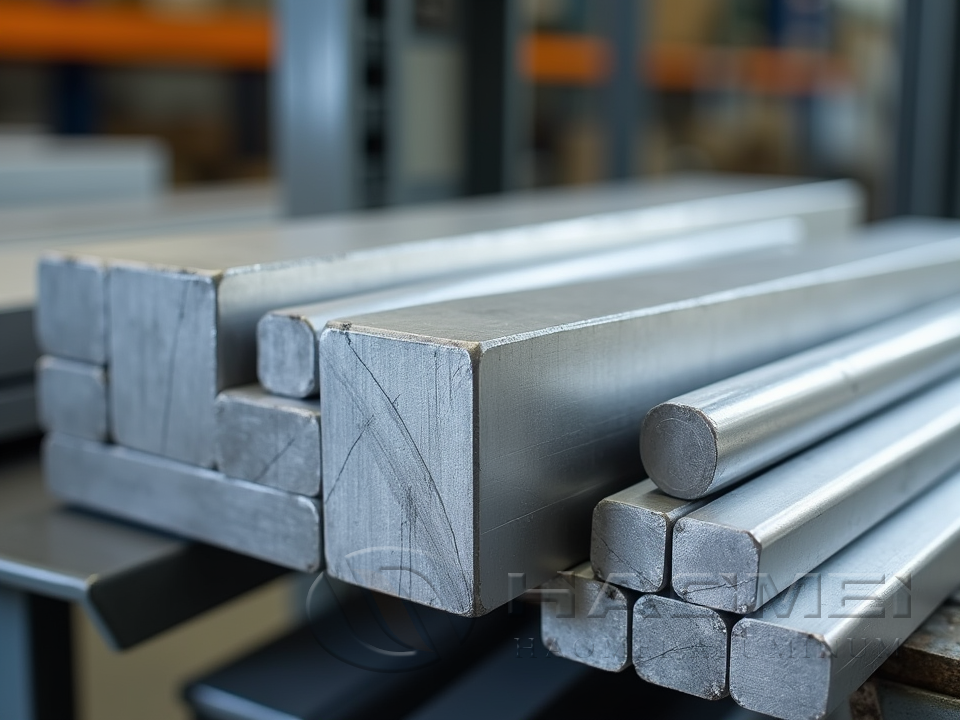
6061 Marine Aluminum Hexagonal Bars for Marine Equipment Reinforcements
6061 marine aluminum hexagonal bars deliver T6 strength, corrosion resistance, and precise six-flat geometry for durable marine reinforcements and fittings.
View Details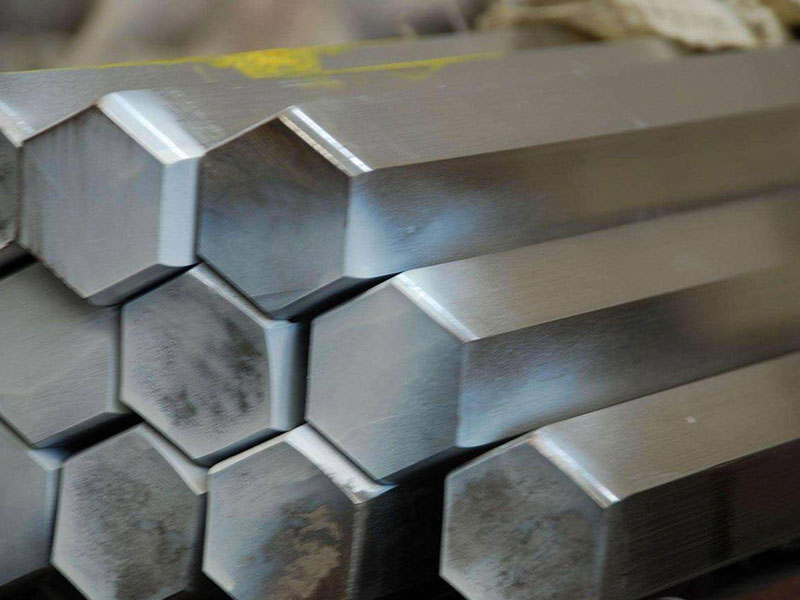
5083 Marine Aluminum Bar for Heavy Marine Equipment Reinforcement
5083 Marine Aluminum Bar for Heavy Marine Equipment Reinforcement: A Structural “Spring” in a Saltwater WorldWhen naval architects and offshore engineers talk about reinforcement materials, they rarely think in terms of “springs.
View Details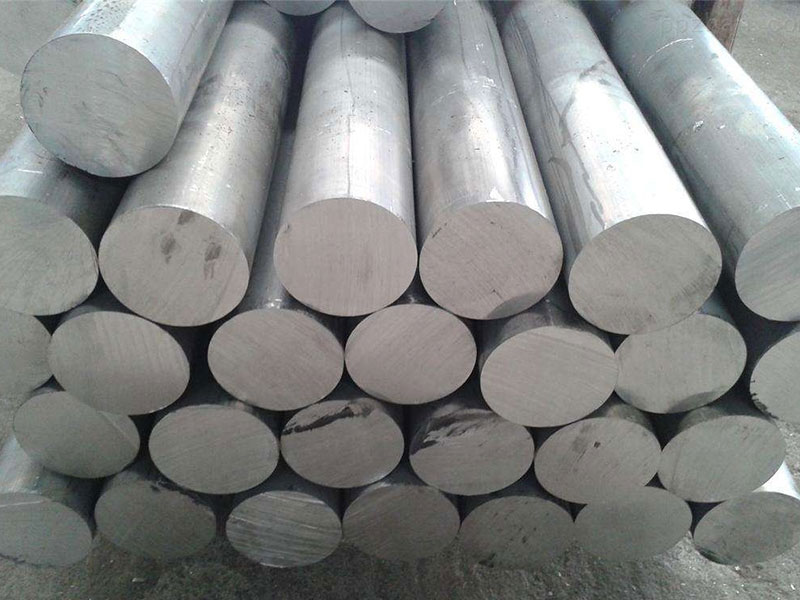
6082 Marine Aluminum Bar for Marine Platform Design and Construction
Marine platforms are often described in terms of scale, load, and durability. Yet from an engineering perspective, the real story begins much earlier-inside the material itself.
View Details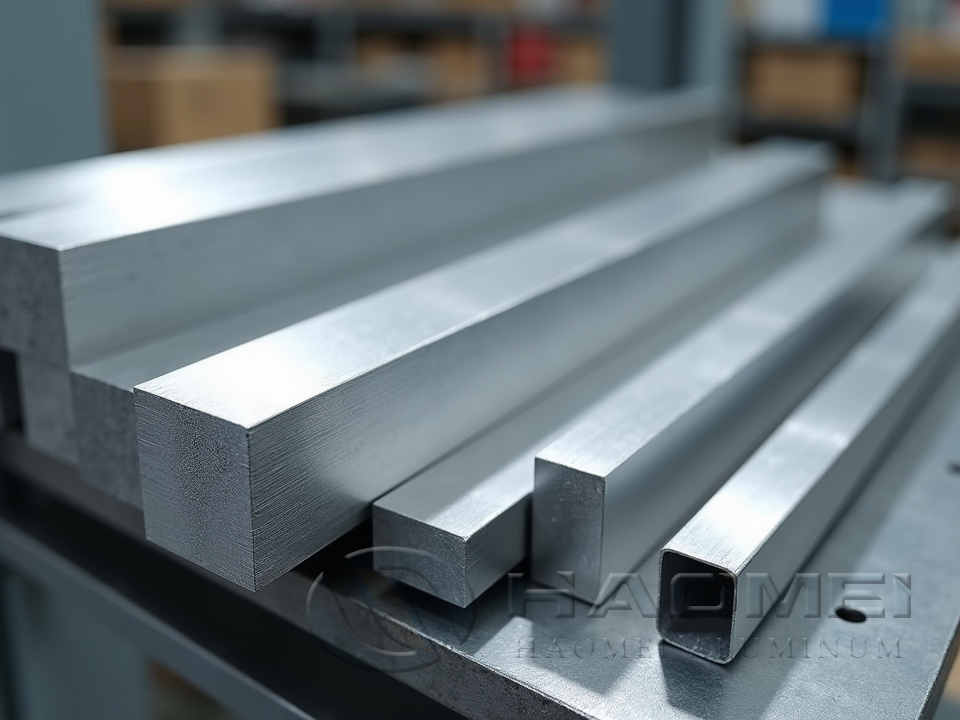
6082 Marine Aluminum Hexagonal Bars for Offshore Platform Construction
Explore 6082 marine aluminum hexagonal bars for offshore platforms, with T6 strength, corrosion resistance, machining data, uses, and specs.
View Details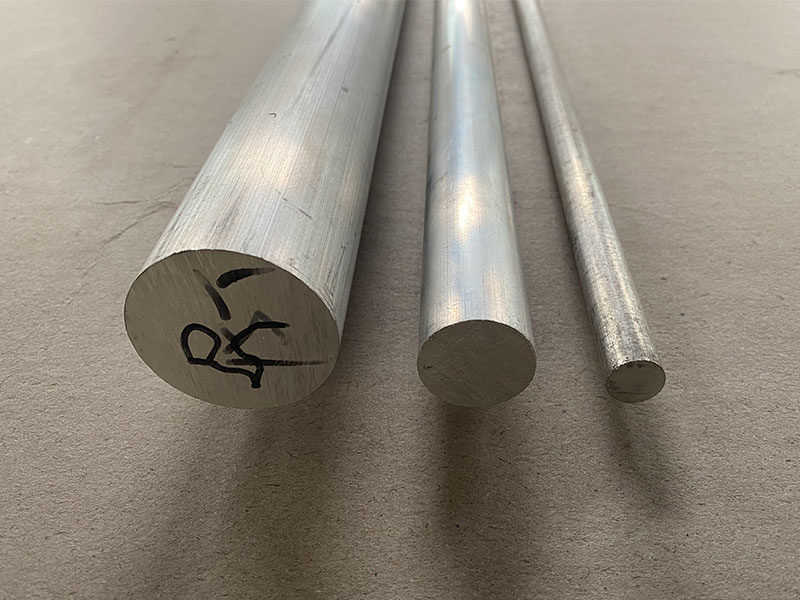
6061 Marine Aluminum Hexagonal Bars for Lightweight Marine Frame Construction
In the ever-evolving marine industry, choosing the correct material for frame construction is a critical factor influencing performance, durability, and safety. Among these materials.
View Details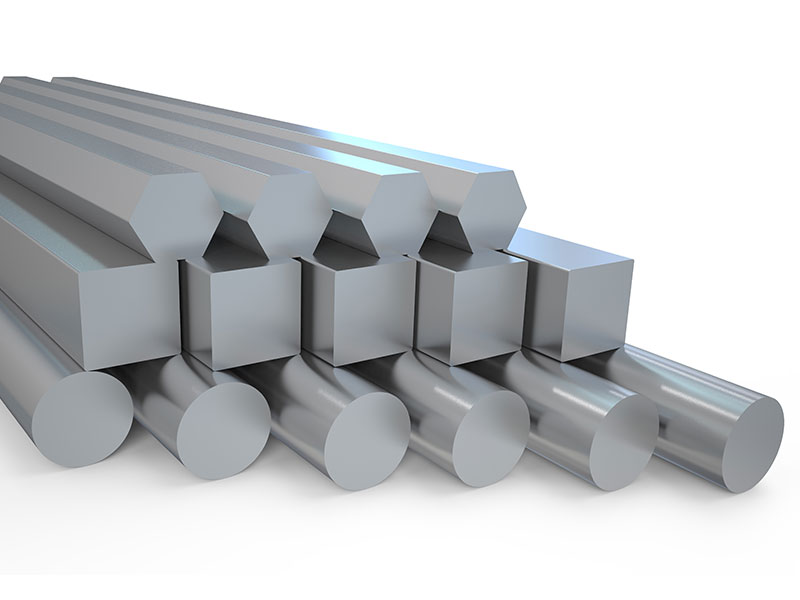
5052 Marine Aluminum Hollow Bars for High Strength Marine Frame Parts
Marine structures demand a material that holds up to saltwater corrosion, cyclic loading, and fabrication realities (forming, welding, machining) without turning maintenance into a constant expense.
View Details
Leave a Message