
10mm Thk Aluminum Sheet Plate 5052 5754 5083 for Boat Truck
A 10mm Plate Is More Than a Thick Sheet
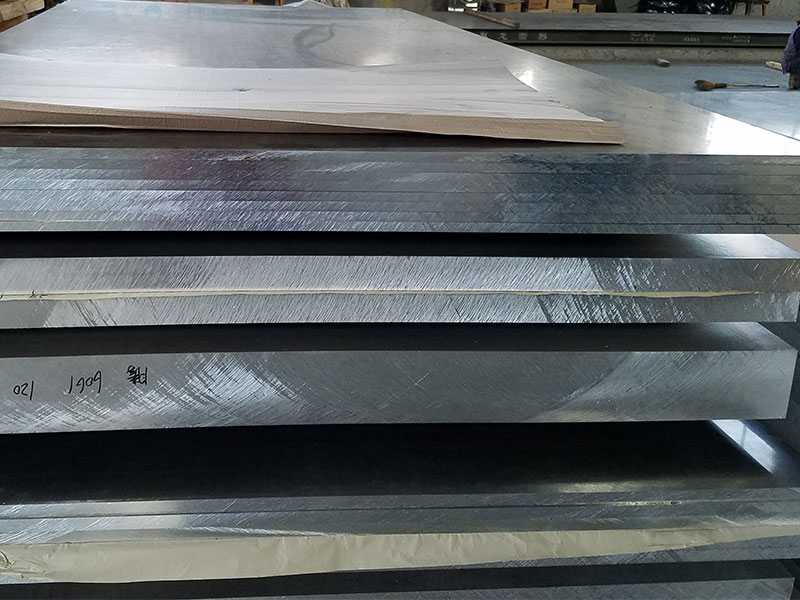
When a project specifies 10mm thk aluminum sheet plate, the decision is rarely just about buying a heavier gauge. At this thickness, aluminum becomes a structural material. It may form a boat hull bottom, a workboat transom, a truck floor, a loading ramp, a machinery platform, or a reinforced bulkhead. The alloy choice influences not only strength, but also welding behavior, forming limits, corrosion life, surface appearance, and long-term repair cost.
For boat and truck fabrication, 5052, 5754, and 5083 are all magnesium-containing aluminum alloys. They are not interchangeable simply because they are corrosion resistant. Each one serves a different working environment and fabrication style.
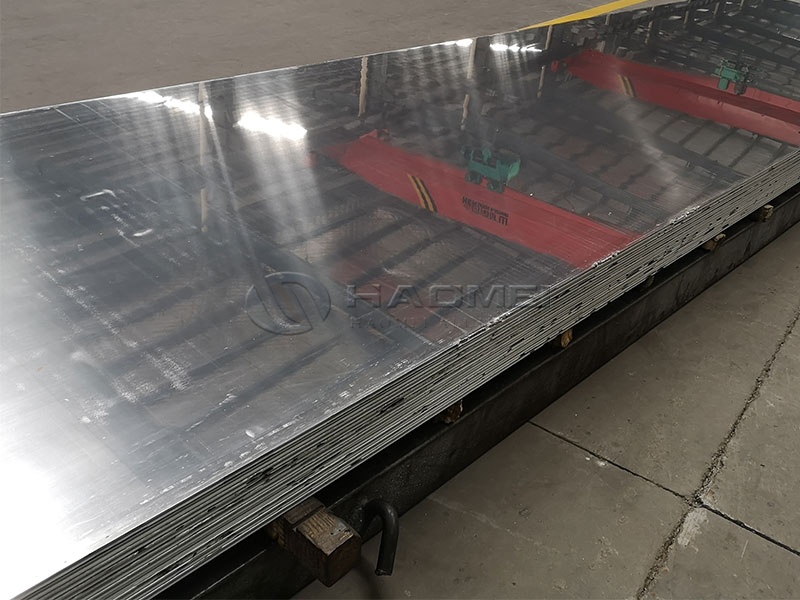
Viewing the Plate Through Its Job, Not Its Grade Number
A practical way to choose 10mm aluminum plate is to ask where the stress comes from. Boats deal with wave impact, vibration, saltwater exposure, concentrated loads around engine beds, and welded seams that must remain dependable for years. Trucks face payload pressure, forklift traffic, abrasion, road spray, thermal cycling, and repeated flexing of body panels and ramps.
A plate that performs well as a truck sidewall may be excessive or difficult to form for a small boat component. Likewise, an alloy selected for a high-speed marine hull may add unnecessary cost to a dry cargo truck floor. Thickness gives rigidity, but alloy and temper determine how that rigidity survives real use.
At 10mm thickness, plate flatness, dimensional tolerance, surface condition, and grain direction deserve attention. Poor flatness can complicate CNC cutting and welding fit-up. Deep scratches can become corrosion starting points in harsh service. Plate should also be selected in a temper suited to the intended process rather than specified only by alloy name.
5052: A Reliable Choice for Formed and General-Purpose Fabrication
5052 aluminum plate is widely valued for its excellent corrosion resistance, good formability, and dependable welding characteristics. In 10mm thickness, it is often used for truck body panels, equipment covers, utility platforms, boat interior structures, fuel tank components, storage boxes, and moderate-load deck sections.
Its appeal is balance. Compared with 5083, 5052 has lower strength, but it is often easier to fabricate for parts involving bends, shaping, or frequent fitting adjustments. For truck applications that need corrosion resistance without the extreme hull strength of a high-magnesium marine alloy, 5052 can be an economical and practical material.
For marine work, 10mm 5052 is best considered for non-critical or moderately loaded structures rather than the primary bottom plating of a demanding offshore vessel. It can serve well in cabin bases, internal partitions, lockers, consoles, deck fittings, and smaller fabricated assemblies. A suitable Marine 5052 aluminum sheet specification is especially useful where good weldability and clean formed edges matter.
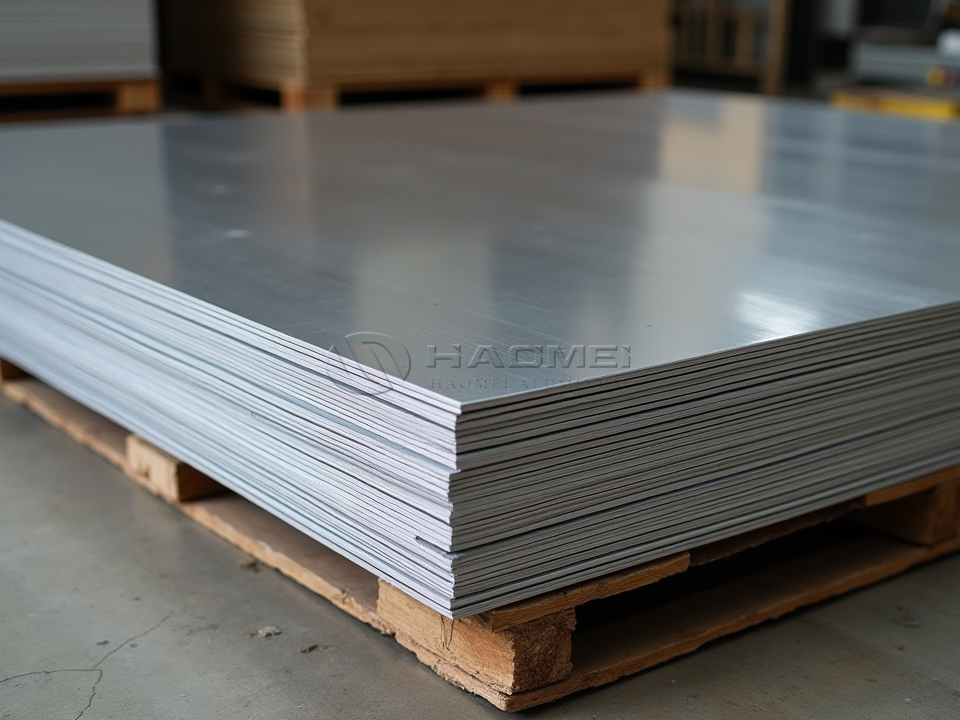
5754: The Practical Bridge Between Marine Exposure and Truck Duty
5754 aluminum plate is often viewed as a highly capable middle ground. It provides stronger mechanical properties than 5052 in many tempers while retaining good corrosion resistance and workable forming behavior. This makes 10mm 5754 plate particularly attractive for truck bodies, dump truck structures, refrigerated vehicle parts, trailer floors, ramps, and transport equipment exposed to wet or salty roads.
For boat building, 5754 is suitable for decks, superstructures, interior framing, bulkheads, and components that need a solid combination of strength and fabrication flexibility. It is less commonly chosen than 5083 for heavily loaded hull bottoms, but it can be a sensible option for vessels operating in moderate conditions or for sections where forming and cost control matter more than maximum strength.
Truck fabricators often appreciate 5754 because it withstands outdoor service well. Road de-icing salts, rainwater, and trapped moisture can quickly damage coated steel if the finish is compromised. Aluminum does not eliminate the need for drainage and sound design, but 5754 provides a durable corrosion-resistant base material for long service life.
5083: Built for Demanding Marine Structures and High Load Areas
When 10mm aluminum plate will carry serious marine loads, 5083 is frequently the preferred alloy. It offers high strength among non-heat-treatable aluminum alloys, excellent resistance to seawater, and very good weldability. It is widely used for hull bottoms, side shells, transoms, engine foundations, decks, bulkheads, patrol boats, fishing vessels, workboats, and offshore structures.
The strongest reason to choose 5083 is not simply that it is labeled marine grade. Its benefit appears in structures that experience repeated dynamic loading. A hull bottom does not receive one static load; it receives thousands of impacts, vibrations, and flex cycles. In this setting, 10mm 5083 plate can provide the strength reserve needed for robust vessel construction.
Tempers such as H116 and H321 are commonly specified for marine plate because they are designed to offer strong corrosion performance in saltwater service while maintaining useful mechanical properties. Selecting the right temper is especially important for thick plate used in welded hull construction. Fabricators should consider weld design, filler wire compatibility, heat input, and post-weld distortion control as part of the material decision.
For demanding vessel projects, a certified Marine 5083 aluminum sheet can support hull and structural fabrication where corrosion resistance and strength must work together.
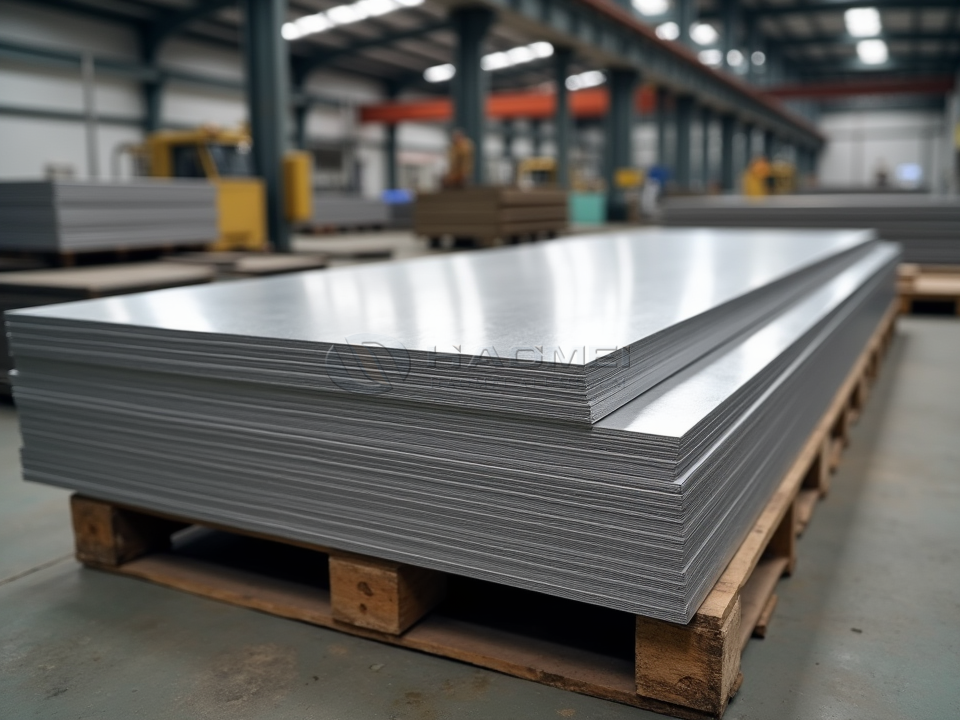
Boat Applications: Put Strength Where the Water Hits
A boat does not require the same alloy in every location. Many efficient designs use 5083 plate in the hull bottom, transom, and highly loaded structural zones, then use 5052 or 5754 for less critical fabricated parts. This approach can manage material cost while preserving the strength needed in impact-prone areas.
For a 10mm hull plate, consider vessel size, operating speed, expected sea conditions, frame spacing, payload, and classification requirements. A thick plate cannot compensate for poor structural layout. Frames, longitudinal stiffeners, weld sequence, drainage details, and isolation from dissimilar metals all affect service life.
Avoid direct contact between bare aluminum and copper-bearing metals, untreated steel, or certain wet timber systems. Use appropriate isolation materials, sealants, coatings, and fasteners. Good corrosion prevention is a construction practice, not merely an alloy selection.
Truck Applications: Design for Wear, Not Only Weight Saving
In trucks and trailers, 10mm aluminum plate is frequently selected for floors, tail lifts, ramps, equipment mounts, heavy-duty side components, and chassis-adjacent structures. The plate must resist denting, abrasion, wheel loads, and local point loads from pallets or machinery.
5052 can suit formed panels and general fabricated parts. 5754 often suits transport structures needing stronger performance under road service. 5083 becomes attractive where heavy loads, moisture exposure, and high structural strength are required, although its higher cost should be justified by the duty cycle.
For walking surfaces, plain plate may require an anti-slip treatment, bonded covering, or textured design. Aluminum tread plate is useful in some areas, but a smooth 10mm structural plate may be better when flatness, welding, or custom machining is required.
Purchase Details That Prevent Fabrication Problems
A clear purchase specification should state alloy, temper, thickness, width, length, required flatness, surface condition, quantity, and intended application. For marine use, request material certificates and confirm the applicable corrosion-related temper. For truck fabrication, confirm whether the plate will be bent, welded, machined, or exposed to concentrated wheel loads.
10mm 5052, 5754, and 5083 aluminum sheet plate can all be excellent materials for boat and truck projects. The best choice comes from matching the plate to the load path, exposure level, fabrication method, and expected life of the finished structure. In simple terms, choose 5052 for balanced fabrication, 5754 for versatile transport duty, and 5083 when marine strength and seawater resistance must carry the heaviest responsibility.

Related Products
Marine 5059 aluminum sheet
5059 aluminum alloy is a strain-hardened material with a unique addition of magnesium and chromium, which provides outstanding resistance to localized corrosion like pitting and stress corrosion cracking.
View Details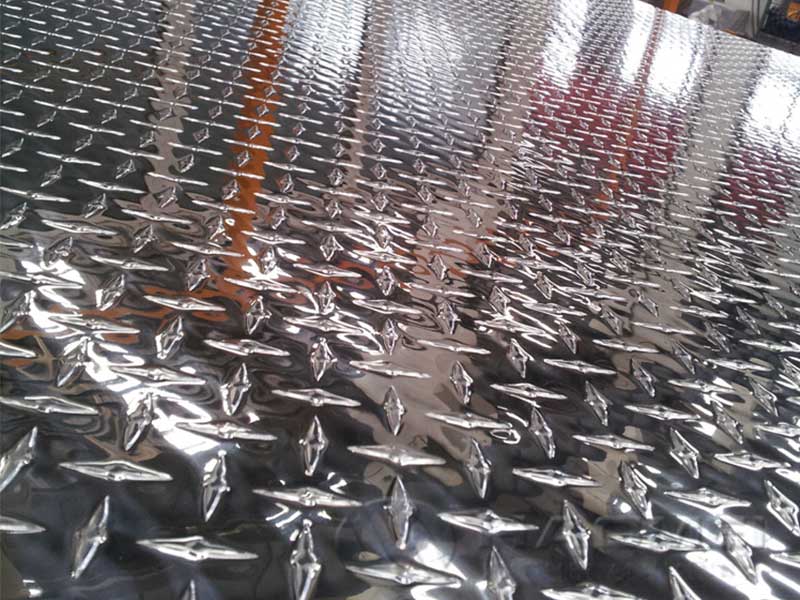
Marine Aluminum Tread Sheets
Marine Aluminum Tread Sheets are aluminum alloy plates featuring a raised surface pattern, commonly referred to as a tread design or diamond plate.
View Details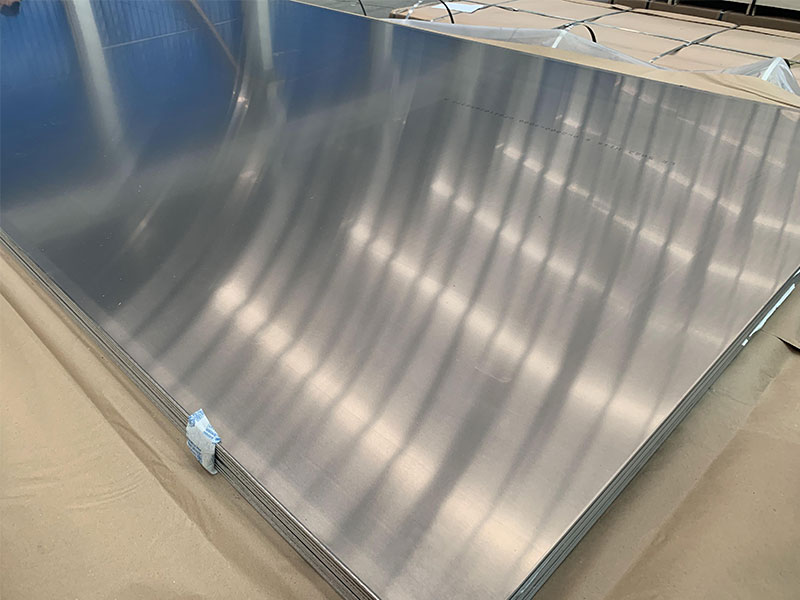
Marine 5052 aluminum sheet
Aluminum alloy 5052 is a non-heat-treatable, strain-hardened alloy with magnesium as the primary alloying element. It is designed to offer superior corrosion resistance in marine and saline environments, making it a dependable choice for components exposed directly to seawater or coastal atmospheric conditions.
View Details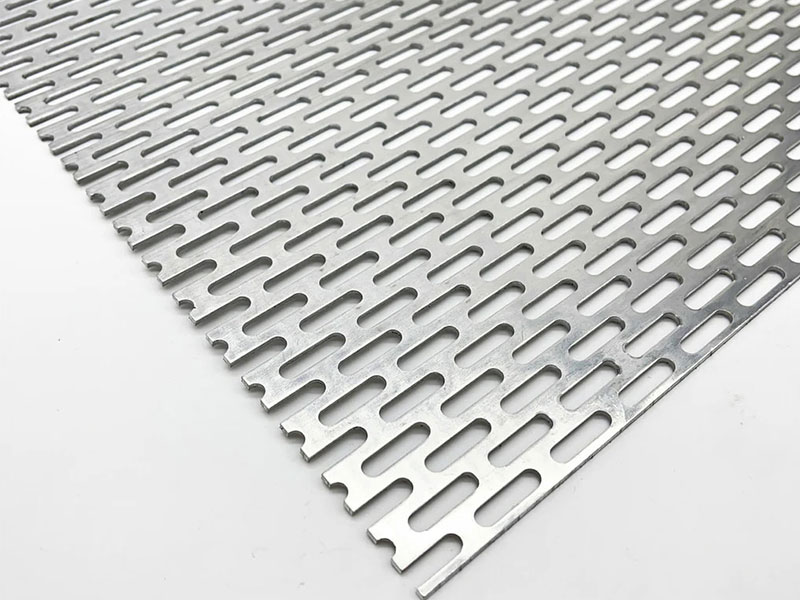
Marine perforated aluminum sheets
Marine Perforated Aluminum Sheets feature a series of uniform holes or shapes punched through the aluminum surface. These perforations can vary in size, pattern, and open area to tailor the sheets for specific applications.
View Details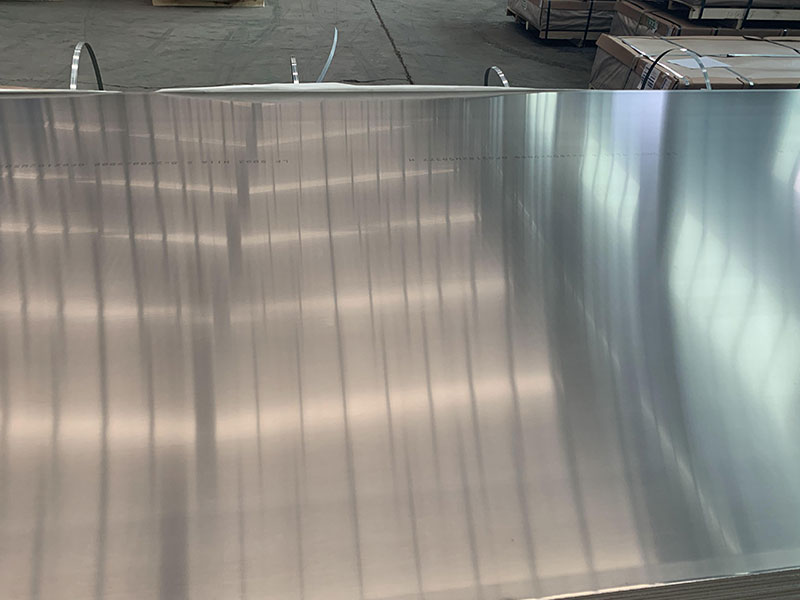
Marine 5383 aluminum sheet
5383 aluminum is a strain-hardened, non-heat-treatable alloy from the 5xxx series primarily alloyed with magnesium. It exhibits a unique balance of corrosion resistance and mechanical properties particularly suited for marine applications.
View Details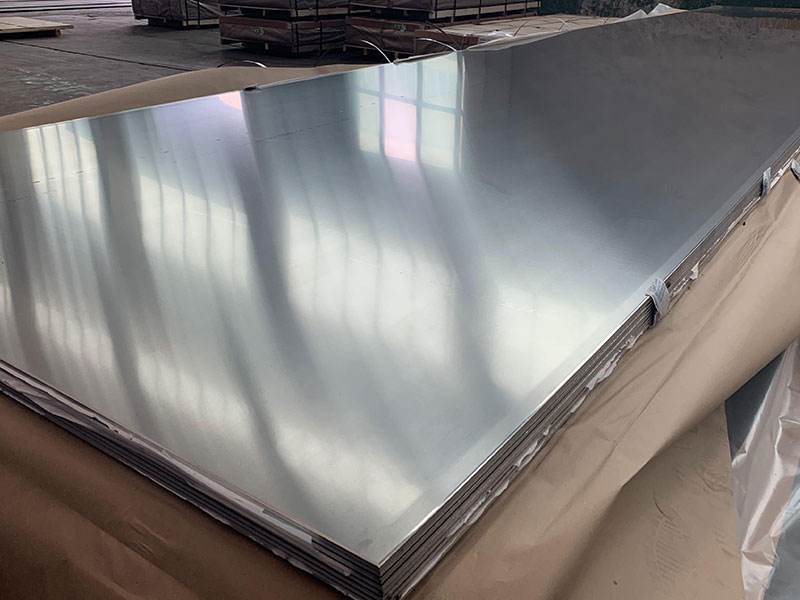
Marine 5086 aluminum sheet
This product article provides an in-depth and comprehensive understanding of Marine 5086 Aluminum Sheets, including their chemical composition, mechanical properties, corrosion resistance, fabrication capabilities, and typical marine applications.
View DetailsRelated Blog
5052 Aluminium Coil for Marine Material
The 5052 aluminium coil is a transformative material, particularly favored in marine applications due to its excellent corrosion resistance, weldability, and remarkable strength characteristics.
View Details
Marine Grade Alloy 5754 Aluminum Sheet
The Marine Grade Alloy 5754 Aluminum Sheet is a premium quality lightweight material specifically engineered to meet the requirements of the marine environment. Our 5754 aluminum sheet boasts exceptional corrosion resistance, high strength.
View Details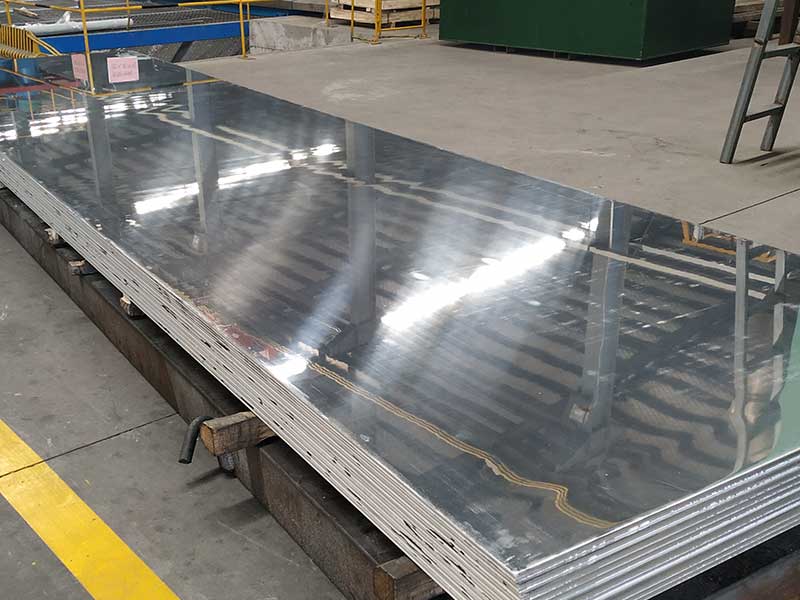
Aluminum Sheet 5083 5086 5754 for Fishing Boat
Aluminum sheets 5083, 5086, and 5754 are widely recognized alloys in the marine industry, known for their excellent corrosion resistance, mechanical strength, and durability.
View Details
5083 Marine Grade Color Coated Aluminum
When it comes to durable, reliable, and visually appealing materials for marine environments, 5083 Marine Grade Color Coated Aluminum stands out as an industry leader.
View Details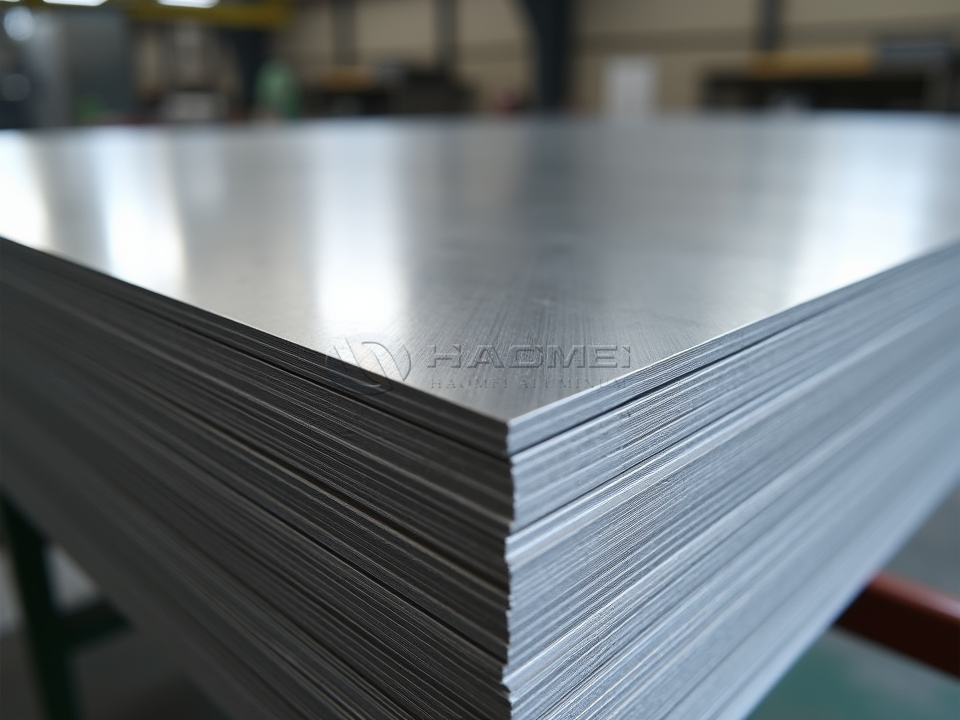
5083 Marine Anodized Aluminum Sheets
5083 marine anodized aluminum sheets combine seawater corrosion resistance, weldability, and durable anodized protection for hulls, decks, and fittings.
View Details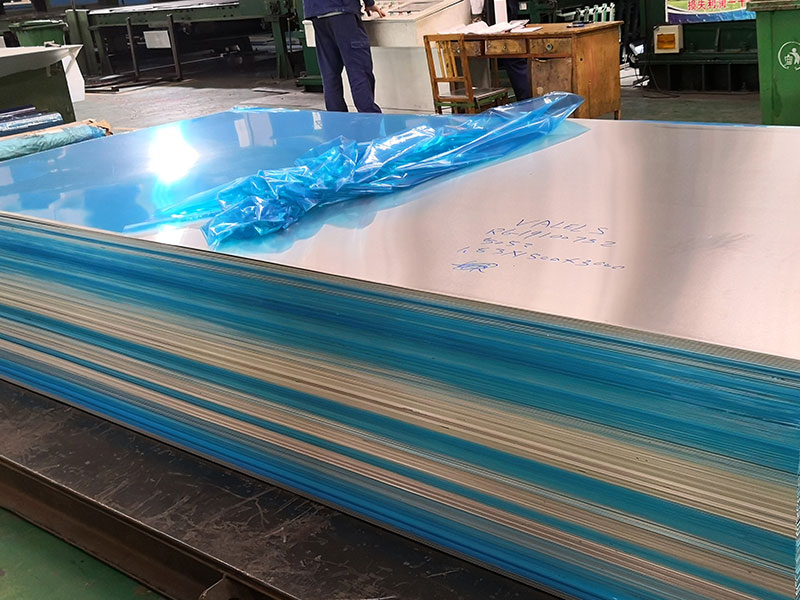
6061 6063 7071 5083 7075 alloy aluminum sheet for boat
Boat builders choose aluminum sheet when they need a hull or structure that stays light, resists corrosion, and remains workable in fabrication. This product range-6061, 6063, 7071, 5083.
View Details
Leave a Message