
5083 Marine Grade Aluminum Solid Bar
A 5083 marine grade aluminum solid bar is more than a machined metal blank. In a boat, offshore platform, or coastal installation, it becomes the structural connection between moving equipment and a corrosive environment. It can be machined into shafts, brackets, cleats, supports, frames, couplings, lifting parts, and custom marine hardware that must retain reliability after long exposure to salt spray, humidity, vibration, and changing loads.
Unlike heat-treatable 6xxx aluminum bars, 5083 gains its strength mainly from magnesium alloying and strain hardening. This difference matters in marine fabrication. It gives 5083 excellent corrosion resistance in seawater and strong welded performance, allowing designers to prioritize service life rather than relying only on high initial strength.
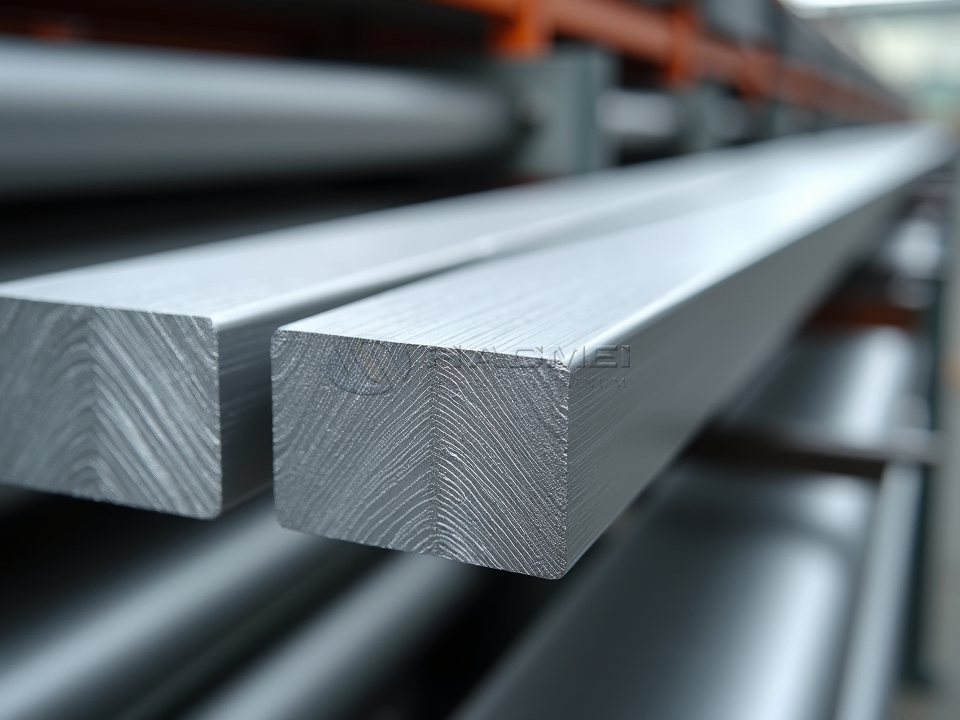
A Solid Bar Designed for Marine Reality
The word "solid" describes a fully filled cross-section, available as round, square, rectangular, flat, or custom-profile bar. Compared with hollow sections, a solid bar provides concentrated material where drilled holes, threads, milled pockets, bearing seats, and mechanical connections are required. It is particularly valuable where a component must transfer load through a compact area without local wall collapse.
5083 is an Al-Mg-Mn alloy. Magnesium provides its principal strengthening effect and contributes to corrosion resistance, while manganese helps control grain structure and improves stability during processing. Chromium is present in a controlled amount to support resistance to stress-corrosion cracking. Together, these elements produce a practical alloy for parts that live close to the waterline, inside damp engine spaces, or on exposed decks.
For applications requiring a broader range of profiles and sizes, Marine Grade Aluminum Bars can be selected according to load direction, machining allowance, and installation method.
Chemical Composition of 5083 Aluminum
The chemical limits are generally specified by EN AW-5083 and ASTM B221 or ASTM B211, depending on the supplied product form. Values are percentages by weight.
| Element | Typical Specification Range, % |
|---|---|
| Silicon, Si | 0.40 max |
| Iron, Fe | 0.40 max |
| Copper, Cu | 0.10 max |
| Manganese, Mn | 0.40-1.00 |
| Magnesium, Mg | 4.00-4.90 |
| Chromium, Cr | 0.05-0.25 |
| Zinc, Zn | 0.25 max |
| Titanium, Ti | 0.15 max |
| Other elements, each | 0.05 max |
| Other elements, total | 0.15 max |
| Aluminum, Al | Balance |
This relatively high magnesium content is why 5083 is regularly selected for marine structures. It forms a stable protective oxide layer and performs well in chloride-containing conditions. However, corrosion resistance also depends on fabrication discipline. Clean cutting tools, compatible fasteners, proper drainage, sealed crevices, and electrical isolation from dissimilar metals remain important in service.
Tempers That Shape Performance
5083 is not strengthened through a T6-style precipitation heat treatment. Instead, it is commonly delivered in annealed or strain-hardened tempers. The selected temper changes formability, hardness, tensile performance, and machining response.
| Temper | Condition | Typical Use |
|---|---|---|
| O | Annealed, soft condition | Forming, bending, welded fabrication |
| H111 | Slightly strain hardened | General structural bar and fabricated parts |
| H112 | As fabricated, with controlled mechanical properties | Heavy sections and structural components |
| H116 | Strain hardened and stabilized for marine corrosion resistance | Hull-related and seawater-exposed service |
| H321 | Strain hardened and stabilized with enhanced corrosion control | Critical marine and offshore environments |
H116 and H321 are especially relevant where the bar will work in persistent saltwater exposure. These tempers are associated with improved resistance to exfoliation corrosion and stress-corrosion cracking when produced and tested to applicable marine requirements. For machined items, H111 and H112 often offer a sensible balance between strength, availability, and workable cutting behavior.
Typical mechanical properties vary with temper and section size. As a general guide, 5083-H111 or H112 bar can offer tensile strength around 270-350 MPa, yield strength around 125-230 MPa, and elongation commonly in the 10-16% range. Project specifications should always define the required temper, diameter or width, inspection condition, and minimum mechanical values rather than relying on nominal figures alone.
Standards and Supply Conditions
A 5083 marine grade aluminum solid bar may be supplied to several recognized specifications, depending on regional project requirements and product geometry. Common references include ASTM B211 for aluminum-alloy bar, rod, and wire; ASTM B221 for extruded bars and profiles; EN 755 for extruded rod, bar, tube, and profiles; EN 573 for chemical composition; and EN 485 where relevant to rolled products.
Marine projects may also request certification aligned with DNV, ABS, Lloyd's Register, BV, or CCS requirements. Class approval is not automatically attached to every 5083 bar. If a vessel, offshore asset, or regulated installation needs it, the purchase order should state the required class society, product form, temper, dimensions, inspection scope, and certificate type.
Typical delivery conditions include mill finish, sawn lengths, precision-cut lengths, rough-machining allowance, protective wrapping, and material test certification. Surface quality should be agreed when the bar will be anodized, polished, or exposed in visible hardware.
Functions Across Marine Equipment
The most useful way to view 5083 solid bar is as a source material for components that must combine corrosion endurance with fabrication flexibility. It is often machined into deck brackets, mooring hardware supports, davit parts, equipment bases, rudder-related fittings, ladder supports, pipe clamps, handrail connectors, and lightweight structural joints.
In workboats and yachts, it can serve as a robust base material for custom components where stainless steel would add excessive weight. On offshore equipment, it supports non-sparking, corrosion-resistant structures and fabricated assemblies. In port facilities, it may be applied to coastal access systems, gangway fittings, seawater-adjacent frames, and maintenance hardware.
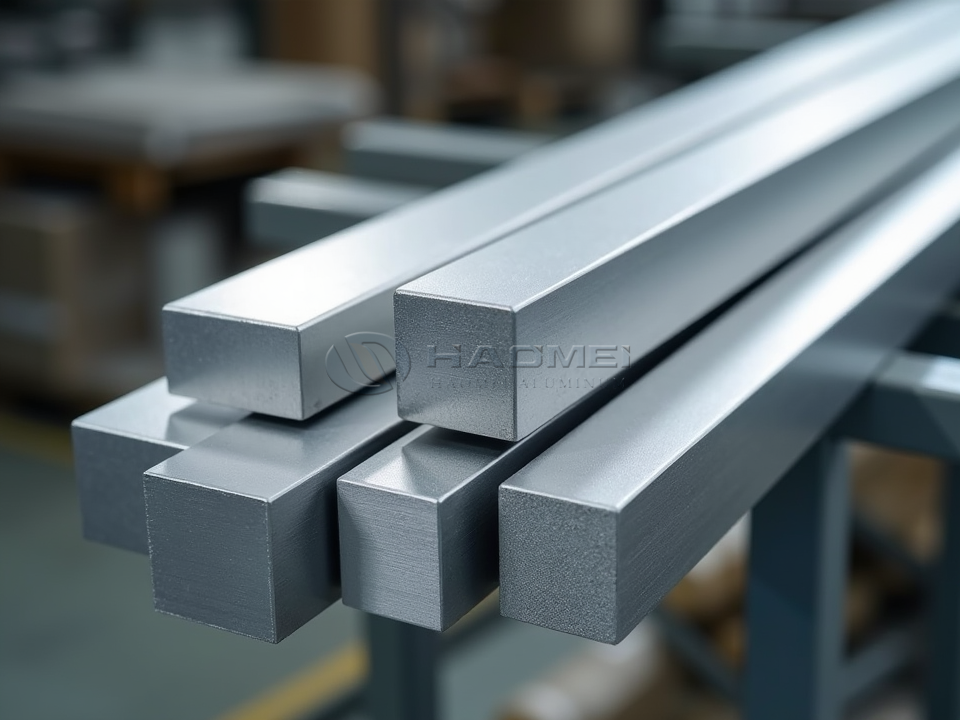
5083 also performs well in welded construction. Gas metal arc welding and gas tungsten arc welding are commonly used with compatible 5xxx filler alloys such as 5183 or 5356, selected according to joint design and service requirement. The heat-affected zone can experience some softening in strain-hardened material, so designers should calculate strength using welded-condition properties rather than parent-bar figures.
Machining and Installation Considerations
Although 5083 is readily machinable, it is softer and more prone to built-up edge than many 6xxx alloys. Sharp tools, positive rake geometry, suitable coolant, stable workholding, and chip evacuation help produce clean finishes. Threaded holes should be designed with adequate engagement length, particularly where repeated assembly is expected.
When a part is bolted to stainless steel, carbon steel, or copper-bearing hardware, galvanic corrosion must be controlled. Use insulating washers or sleeves where appropriate, apply marine-grade sealant at interfaces, and prevent stagnant seawater from remaining between contacting surfaces. A good component can fail early if its installation creates a wet crevice or an electrical corrosion path.
For applications centered on high-strength machined fittings, comparing 5083 with 6082 marine aluminum rod & bar can be useful. 6082-T6 often offers higher machining strength, while 5083 usually provides stronger confidence in welded and continuously seawater-exposed structures.
Choosing the Right 5083 Solid Bar
A correct specification starts with the function of the finished part. Define the cross-section, final machining dimensions, temper, corrosion environment, welded or unwelded condition, certification requirement, and surface expectation. A 5083-H116 or H321 solid bar is a strong choice for critical saltwater exposure, while H111 or H112 can be highly effective for general fabricated and machined marine components.
With its magnesium-rich chemistry, dependable weldability, low density, and proven seawater resistance, 5083 marine grade aluminum solid bar gives marine engineers a durable starting point for parts that must keep working long after the first launch.

Related Products
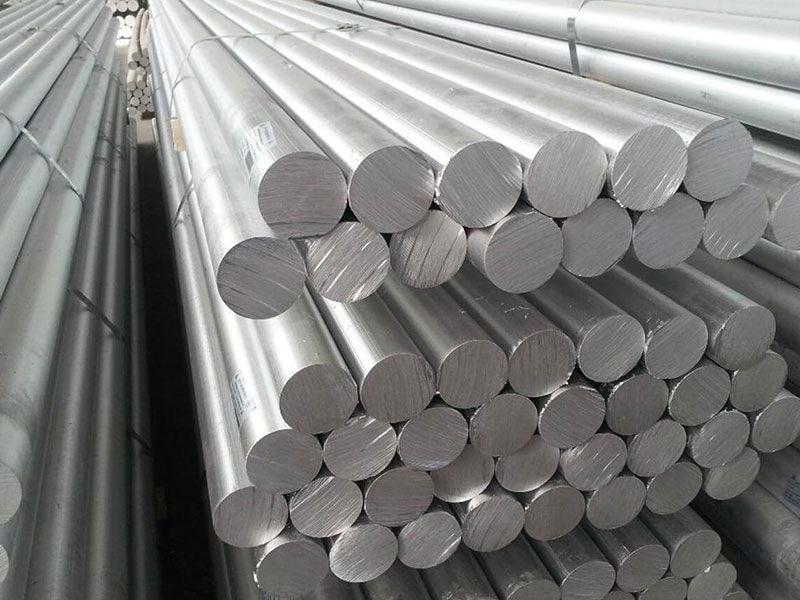
6082 marine aluminum rod & bar
6082 Aluminum Rods & Bars are extruded or rolled products manufactured from 6082 aluminum alloy — a thermally treated (typically T6 temper) aluminum-magnesium-silicon alloy that balances high tensile strength, good weldability, and excellent corrosion resistance.
View Details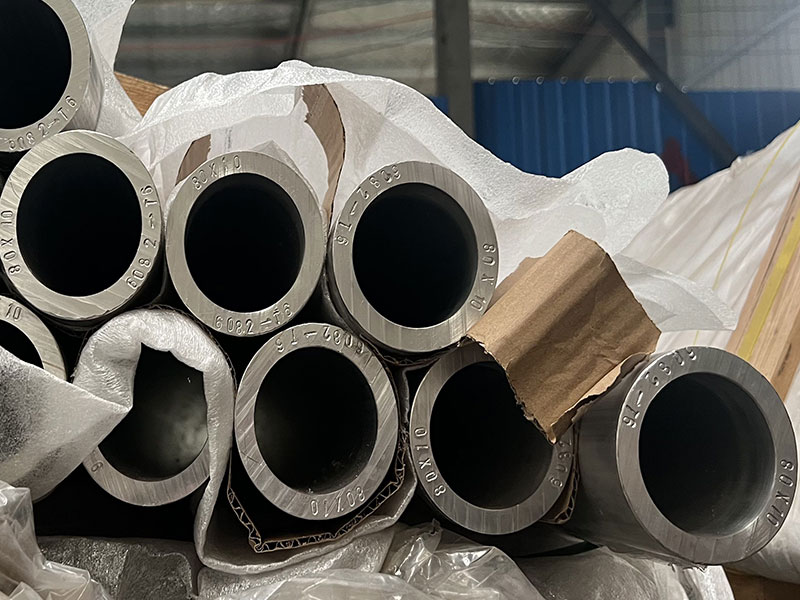
Marine aluminum hollow bars
Marine Grade Aluminum Hollow Bars are fabricated from high-quality alloys such as 5083, 5052, 6061, and 6082, all known for their exceptional resistance to seawater corrosion, salt spray, and marine atmospheres.
View Details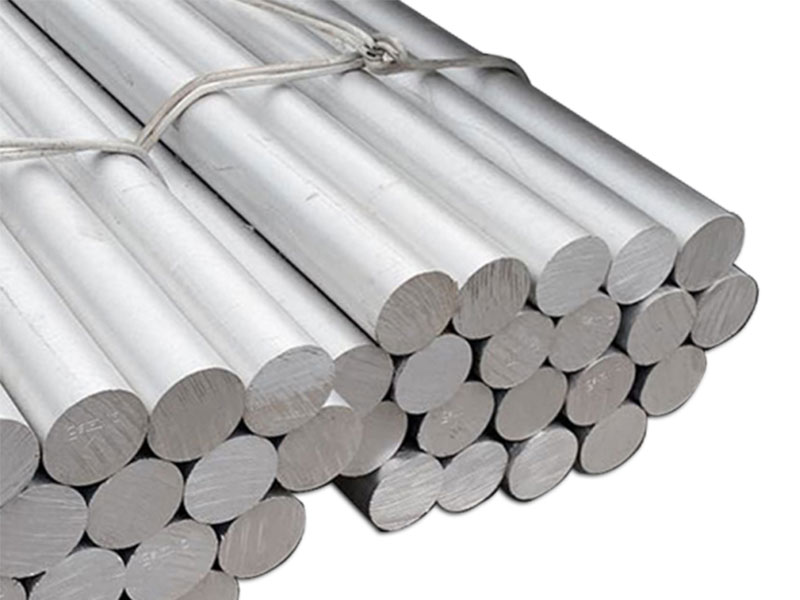
Marine grade aluminum solid bar
Marine Grade Aluminum Solid Bars are produced from premium aluminum alloys optimized for saltwater exposure, such as 5083, 5052, 6061, and 6082. These alloys offer unparalleled resistance to corrosion caused by seawater, salt spray, and marine atmospheres, while maintaining excellent mechanical strength and toughness.
View Details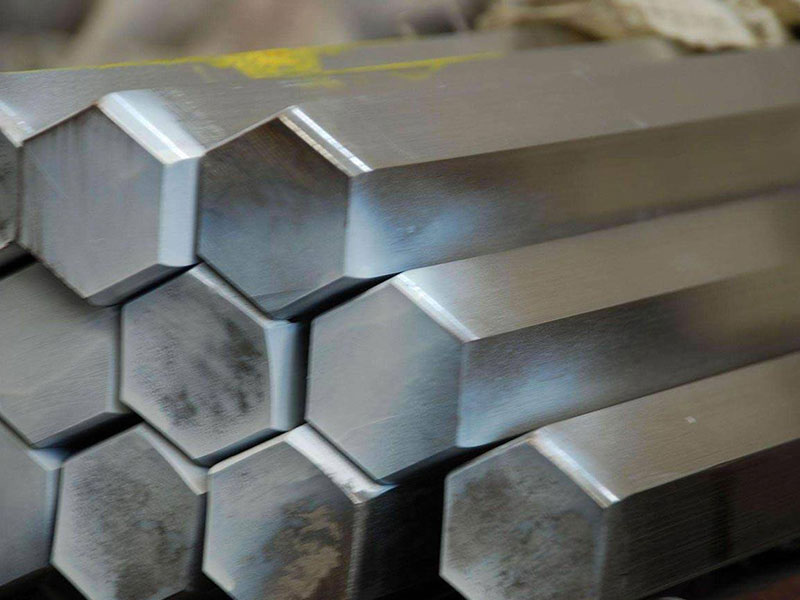
Marine aluminum hexagonal bars
Marine Grade Aluminum Hexagonal Bars are produced from premium corrosion-resistant aluminum alloys such as 5083, 5052, 6061, and 6082.
View DetailsRelated Blog
Marine Aluminum Bar for Seawater Resistant Boat Design
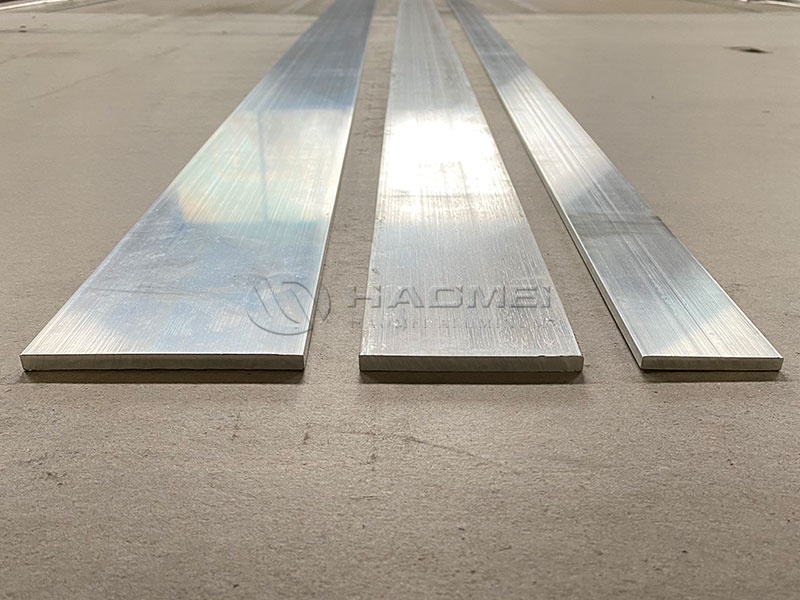
Marine aluminum bar guidance for seawater-resistant boat structures, fittings, and frames, covering alloys, dimensions, corrosion control, and fabrication needs.
View Details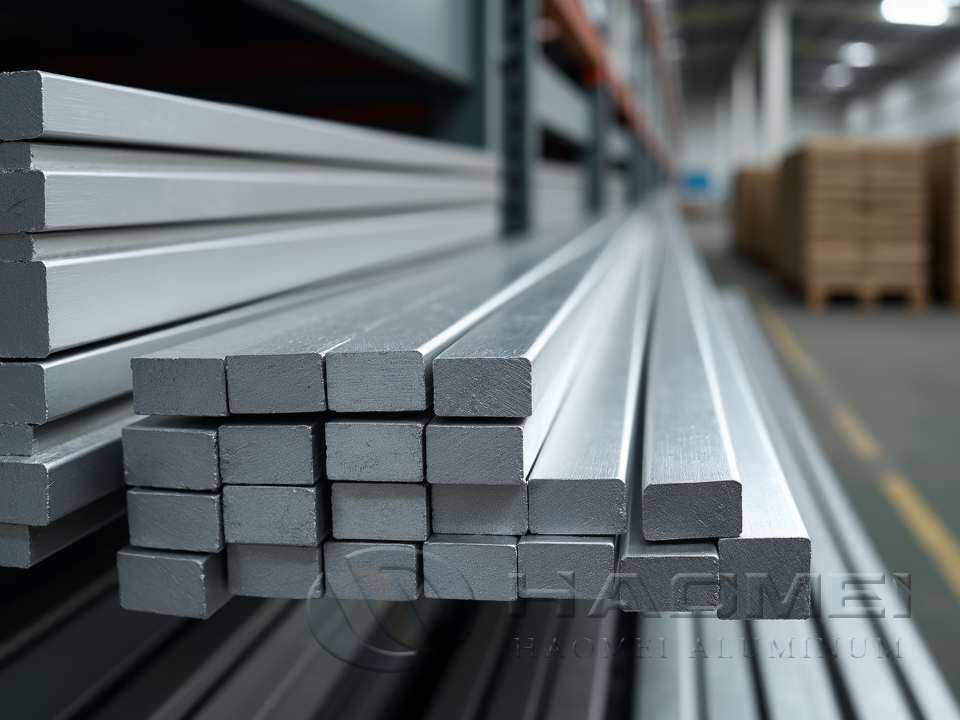
5052 Marine Aluminum Hexagonal Bars For Seawater Tolerant Marine Frames
Practical guidance on 5052 marine aluminum hexagonal bars for corrosion-resistant frames, fittings, bracing, and seawater exposed boat structures.
View Details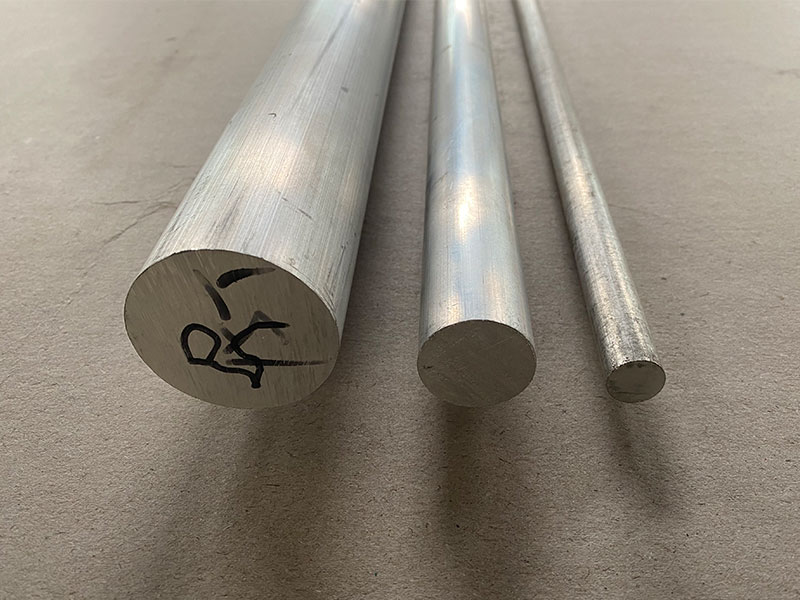
6061 Marine Aluminum Hexagonal Bars for Lightweight Marine Frame Construction
In the ever-evolving marine industry, choosing the correct material for frame construction is a critical factor influencing performance, durability, and safety. Among these materials.
View Details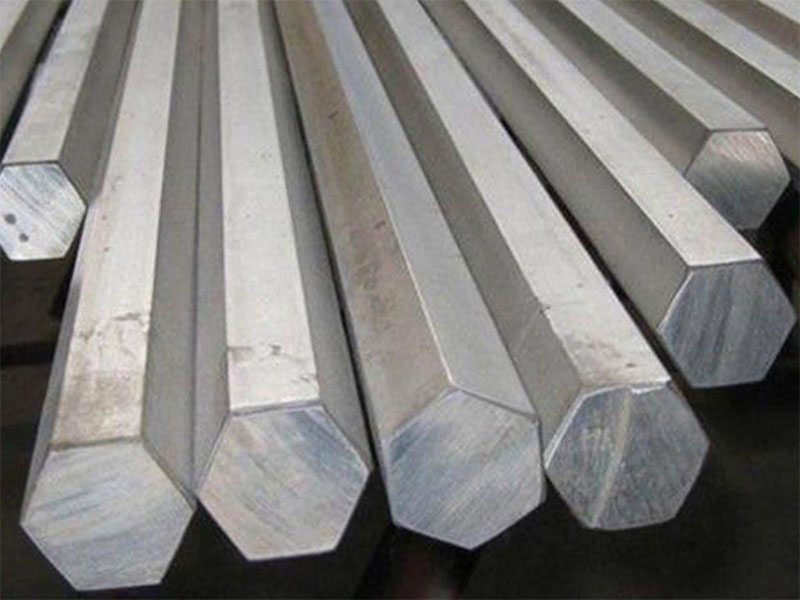
Marine Aluminum Hexagonal Bars for Custom Marine Vessel Support
Marine environments demand materials that resist corrosion, carry load reliably, and remain workable for custom fabrication. Marine aluminum hexagonal bars are purpose-built for these conditions: a high-strength.
View Details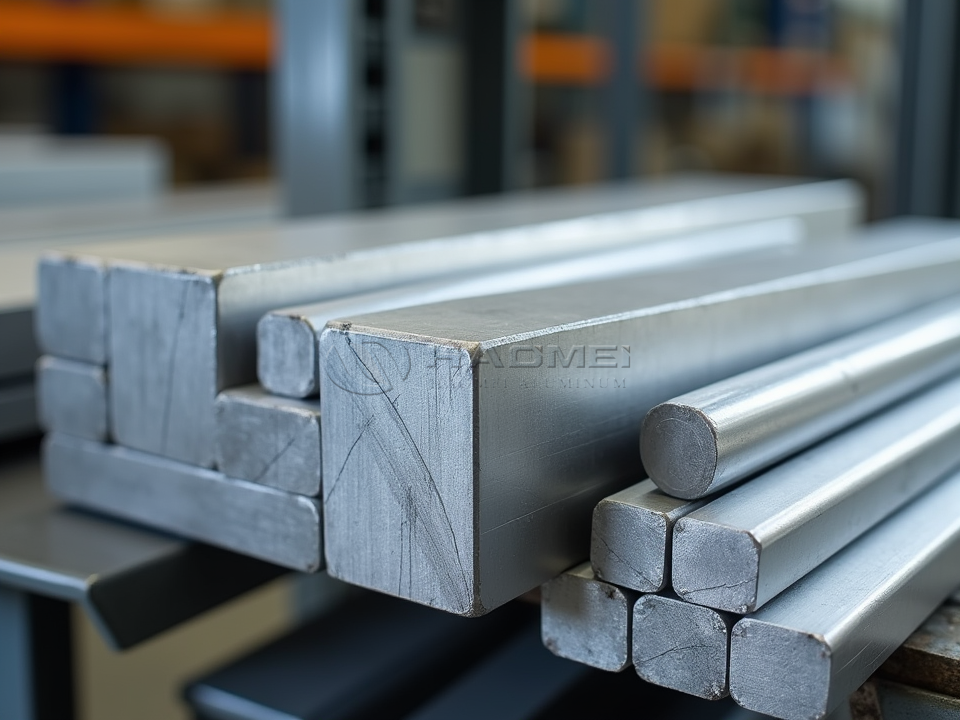
6061 Marine Grade Aluminum Solid Bar for Marine Equipment Customization
6061 marine grade aluminum solid bar offers strength, machinability, and corrosion control for custom boat fittings, frames, shafts, and deck hardware parts.
View Details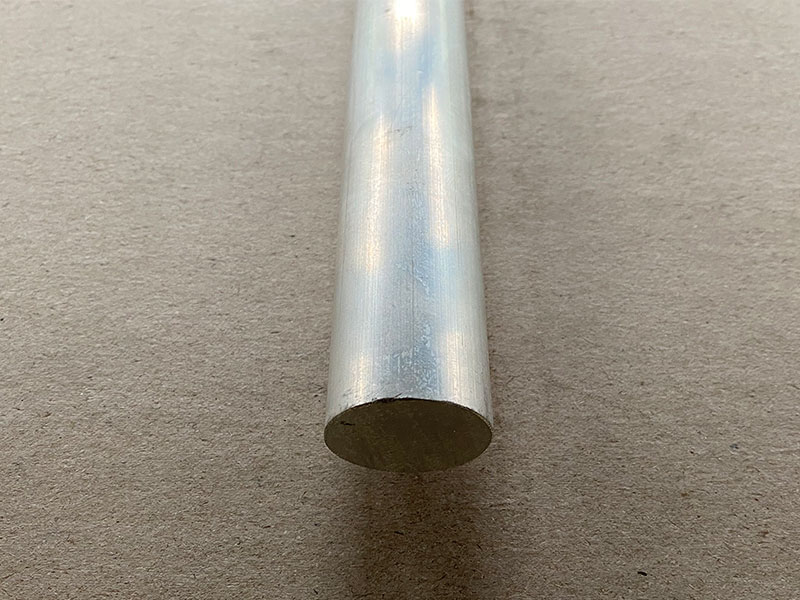
5083 Marine Aluminum Hollow Bars for Offshore Marine Engineering
Offshore structures punish materials with a combination of chloride-rich seawater, cyclic loading, impact, abrasion, and temperature swings. In this environment, 5083 marine aluminum stands out as a workhorse alloy.
View Details
Leave a Message