
7075 T6 Marine Aluminum Sheet
7075 T6 Marine Aluminum Sheet is a high-strength aluminum-zinc-magnesium-copper alloy engineered for demanding weight-sensitive structures. Its outstanding strength-to-weight ratio makes it a preferred choice for protected marine components where stiffness, fatigue performance, and precision machining are more important than direct seawater exposure resistance.
In the T6 temper, 7075 aluminum is solution heat-treated and artificially aged to achieve very high mechanical strength. It is commonly selected for fast craft structures, marine hardware, load-bearing brackets, mast fittings, gangway components, offshore equipment, and performance-oriented vessel parts.
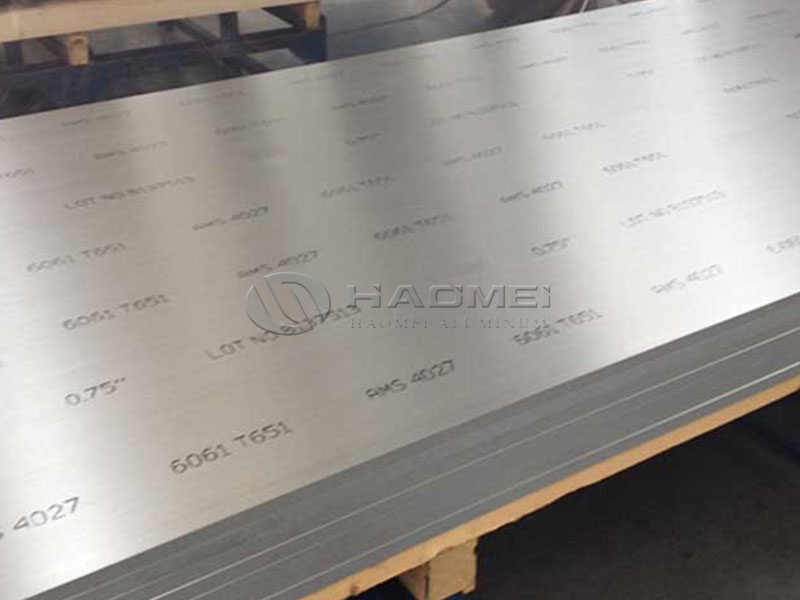
Product Characteristics
| Property | Benefit for Marine Fabrication |
|---|---|
| Very high tensile strength | Supports heavily loaded parts while reducing section thickness |
| Low density | Helps lower vessel displacement and improve payload efficiency |
| High stiffness | Limits deflection in frames, brackets, fittings, and precision assemblies |
| Good machinability | Produces clean edges, accurate holes, threads, and milled profiles |
| Heat-treatable alloy | T6 temper delivers stable, high-strength performance |
| Good fatigue capability | Suitable for cyclically loaded parts when properly designed |
| Protective finishing compatibility | Can be painted, sealed, or coated for improved marine durability |
7075 T6 is not normally used as an unprotected hull plating alloy. Compared with 5xxx marine alloys, it has lower resistance to saltwater corrosion and greater sensitivity to stress-corrosion cracking in aggressive conditions. For this reason, design teams typically specify 7075 T6 for enclosed, drained, coated, or isolated components rather than continuously wetted structural areas.
For hull shell, decks, tanks, and exposed welded structures, Marine Grade Aluminum Sheets in 5083, 5086, or 5052 alloys are often more suitable because they provide stronger natural resistance to seawater and excellent weldability.
Typical Marine Applications
| Application Area | Typical 7075 T6 Component | Selection Reason |
|---|---|---|
| High-speed vessels | Structural brackets, stiffeners, support plates | High load capacity with low weight |
| Deck equipment | Winch mounts, cleats, davit parts, mounting pads | Strength and dimensional stability |
| Mast and rigging systems | Fittings, spreader brackets, attachment blocks | High stiffness and machinability |
| Gangways and access systems | Reinforced joints, hinge parts, support members | Reduced weight during handling |
| Offshore equipment | Instrument frames, housings, machined adapters | Precision fabrication and strength |
| Marine trailers | Suspension brackets, reinforced plates, couplings | Excellent load-bearing capability |
| Recreational craft | Performance hardware and non-welded reinforcements | Lightweight, premium mechanical properties |
Chemical Composition
The composition of 7075 aluminum is controlled to develop high strength after heat treatment. Zinc is the principal alloying element, while magnesium and copper contribute to precipitation hardening.
| Element | Composition, % by Weight |
|---|---|
| Zinc, Zn | 5.1 - 6.1 |
| Magnesium, Mg | 2.1 - 2.9 |
| Copper, Cu | 1.2 - 2.0 |
| Chromium, Cr | 0.18 - 0.28 |
| Iron, Fe | 0.50 max |
| Silicon, Si | 0.40 max |
| Manganese, Mn | 0.30 max |
| Titanium, Ti | 0.20 max |
| Other elements, each | 0.05 max |
| Other elements, total | 0.15 max |
| Aluminum, Al | Balance |
Mechanical and Physical Specifications
Mechanical values can vary with sheet thickness, production route, testing direction, and applicable standard. The figures shown are typical values for 7075-T6 sheet and plate material.
| Parameter | Typical Value | Unit |
|---|---|---|
| Temper | T6 | - |
| Tensile strength | 510 - 570 | MPa |
| Yield strength | 430 - 505 | MPa |
| Elongation | 5 - 11 | % |
| Brinell hardness | Approximately 150 | HBW |
| Density | 2.81 | g/cm³ |
| Elastic modulus | 71.7 | GPa |
| Thermal conductivity | Approximately 130 | W/m·K |
| Melting range | 477 - 635 | °C |
| Electrical conductivity | Approximately 33 | % IACS |
Available Sizes and Supply Conditions
7075 T6 marine aluminum sheet can be supplied in standard mill sizes or cut-to-size formats for CNC machining, fabrication, and assembly operations. Surface protection is recommended during shipping and storage to prevent scratches, moisture staining, and contamination.
| Supply Item | Common Range |
|---|---|
| Thickness | 0.8 mm - 150 mm |
| Standard sheet width | 1,000 mm - 2,500 mm |
| Standard sheet length | 2,000 mm - 6,000 mm |
| Custom cut length | Available upon request |
| Surface finish | Mill finish, protective film, coated finish |
| Edge condition | Mill edge, trimmed edge, saw-cut edge |
| Typical standards | ASTM B209, EN 485, AMS specifications where required |
Fabrication Considerations for Marine Service
7075 T6 machines exceptionally well and is suitable for drilling, milling, tapping, turning, and waterjet cutting. Sharp tools, suitable cutting fluids, and stable fixturing help preserve surface quality on high-precision parts. The alloy can be formed only with care because the T6 condition has limited bendability compared with softer tempers.
Welding is generally not recommended for 7075 T6. Heat from welding significantly reduces strength in the heat-affected zone and can increase corrosion-related risks. Bolted joints, riveted connections, adhesive bonding, or mechanical fastening are commonly preferred for marine assemblies.
| Fabrication Process | Suitability | Practical Guidance |
|---|---|---|
| CNC machining | Excellent | Ideal for complex fittings and close-tolerance components |
| Drilling and tapping | Excellent | Use correct thread engagement and corrosion-resistant fasteners |
| Sawing | Excellent | Produces efficient blanks for machining operations |
| Waterjet cutting | Excellent | Minimizes heat input and preserves temper properties |
| Bending | Limited | Use generous bend radii and validate with trial forming |
| Welding | Not recommended | Choose mechanical joining or redesign with a weldable alloy |
Corrosion Protection and Installation Practice
For marine use, 7075 T6 requires a deliberate corrosion-control plan. Anodizing, epoxy primers, polyurethane topcoats, conversion coatings, and sealed paint systems can substantially improve service life. Edges, drilled holes, machined pockets, and fastener interfaces deserve particular attention because coating damage often begins at these locations.
Avoid direct contact with stainless steel, copper alloys, and carbon steel in wet or salt-laden environments. Use insulating washers, sealants, compatible coatings, and well-designed drainage paths to reduce galvanic corrosion. Regular inspection is recommended for parts exposed to splash zones, trapped moisture, or high sustained stress.
Why Choose 7075 T6 for Selected Marine Parts
7075 T6 Marine Aluminum Sheet delivers a valuable balance of low mass, extreme strength, stiffness, and excellent machining performance. It is especially effective when a conventional marine alloy does not provide enough strength within the available design space. With proper finishing, material isolation, and thoughtful placement away from permanent seawater exposure, 7075 T6 can provide durable, high-performance service in advanced marine equipment and lightweight vessel structures.

Related Products
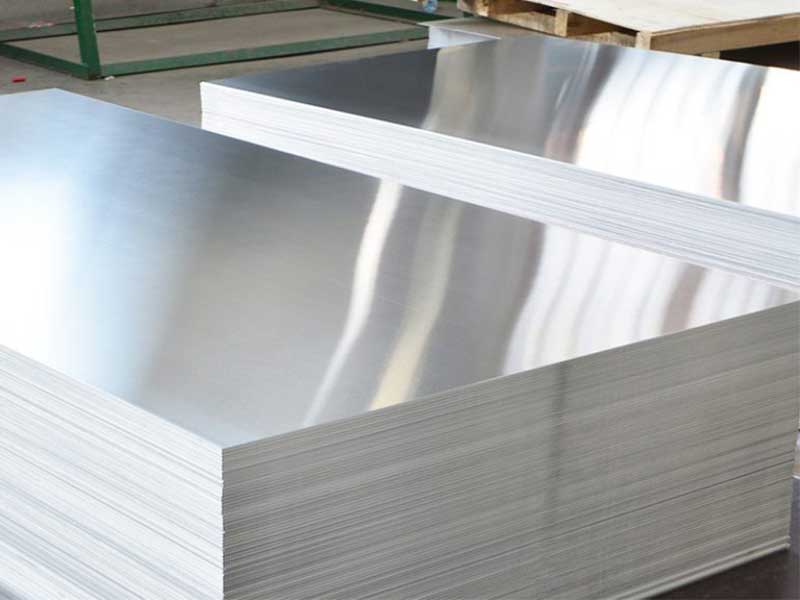
Marine anodized aluminum sheets
Marine Anodized Aluminum Sheets start with premium marine-grade aluminum alloys such as 5000 and 6000 series (typically 5083, 5052, and 6061).
View Details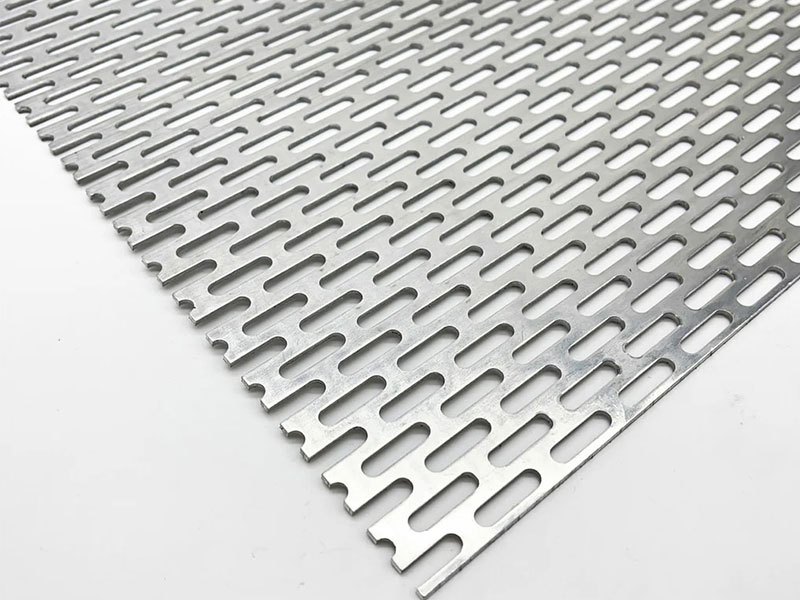
Marine perforated aluminum sheets
Marine Perforated Aluminum Sheets feature a series of uniform holes or shapes punched through the aluminum surface. These perforations can vary in size, pattern, and open area to tailor the sheets for specific applications.
View Details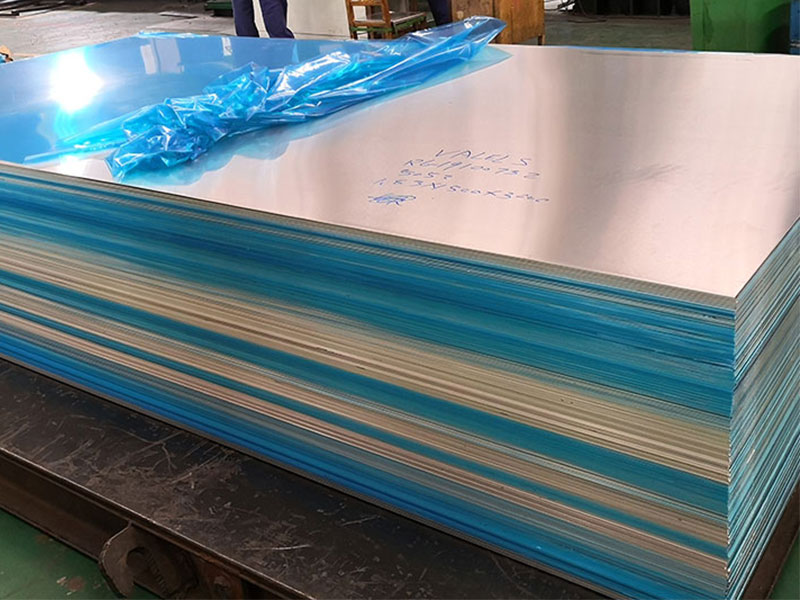
Marine 5059 aluminum sheet
5059 aluminum alloy is a strain-hardened material with a unique addition of magnesium and chromium, which provides outstanding resistance to localized corrosion like pitting and stress corrosion cracking.
View Details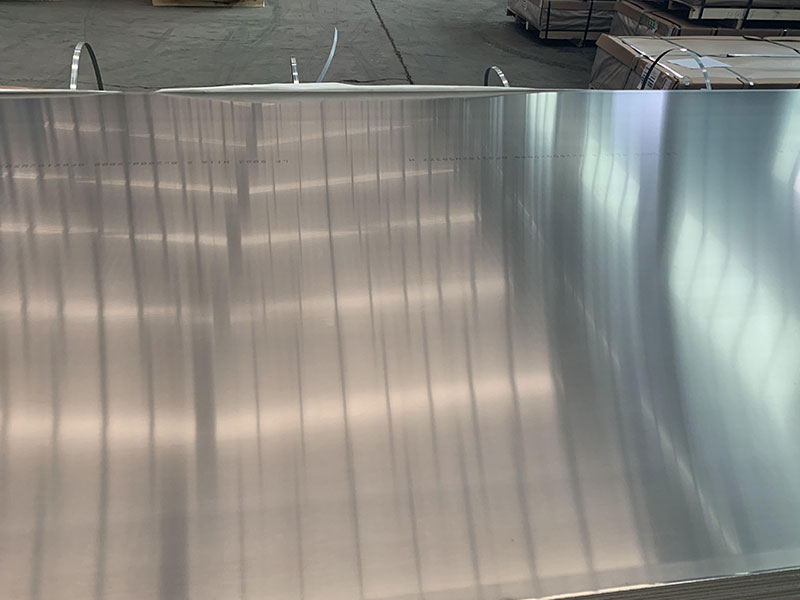
Marine 5383 aluminum sheet
5383 aluminum is a strain-hardened, non-heat-treatable alloy from the 5xxx series primarily alloyed with magnesium. It exhibits a unique balance of corrosion resistance and mechanical properties particularly suited for marine applications.
View Details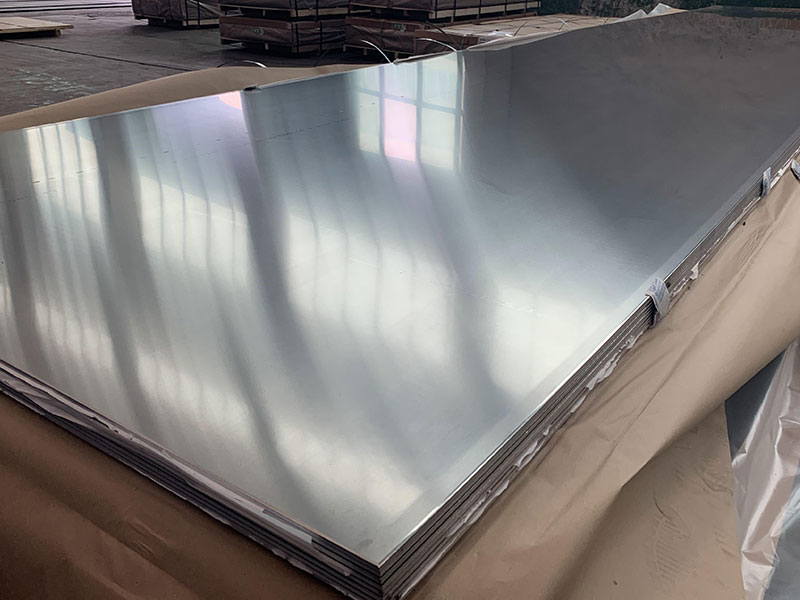
Marine 5086 aluminum sheet
This product article provides an in-depth and comprehensive understanding of Marine 5086 Aluminum Sheets, including their chemical composition, mechanical properties, corrosion resistance, fabrication capabilities, and typical marine applications.
View Details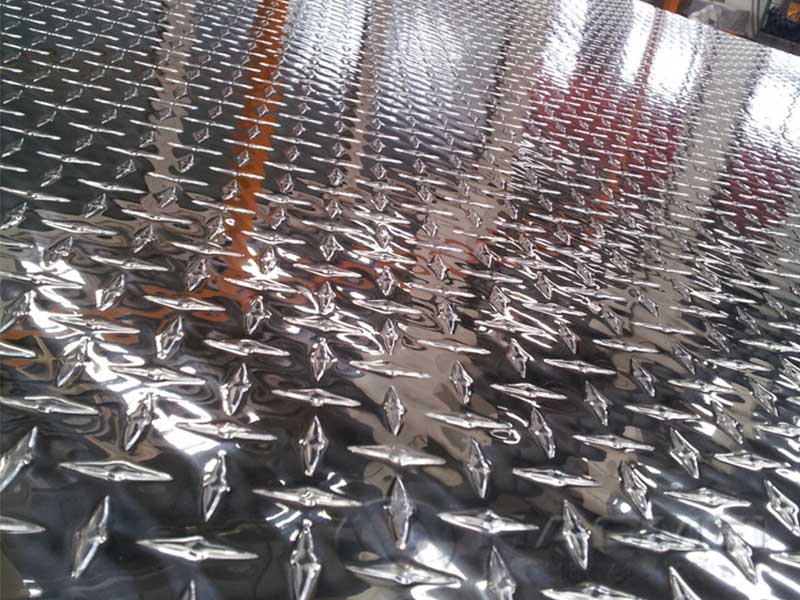
Marine Aluminum Tread Sheets
Marine Aluminum Tread Sheets are aluminum alloy plates featuring a raised surface pattern, commonly referred to as a tread design or diamond plate.
View DetailsRelated Blog
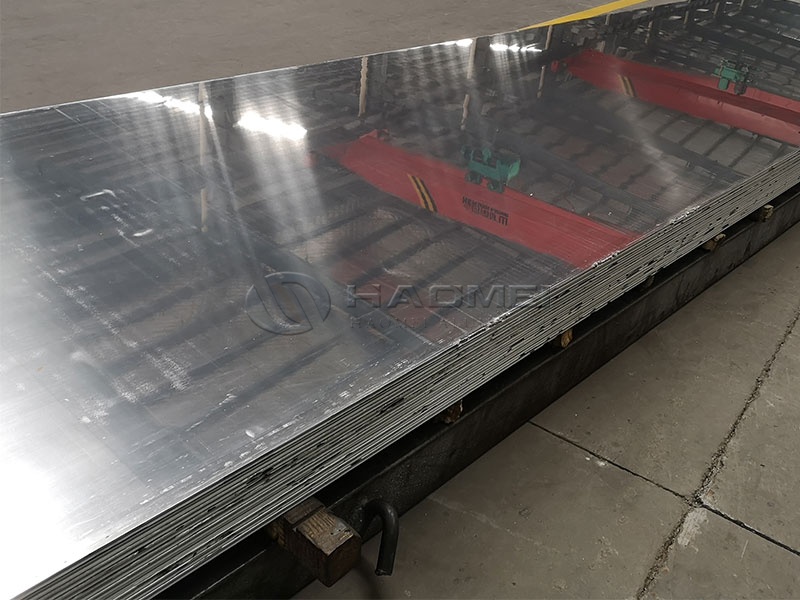
10mm Thk Aluminum Sheet Plate 5052 5754 5083 for Boat Truck
Compare 10mm 5052, 5754, and 5083 aluminum plates for boat hulls, decks, truck bodies, ramps, and heavy-duty structural work.
View Details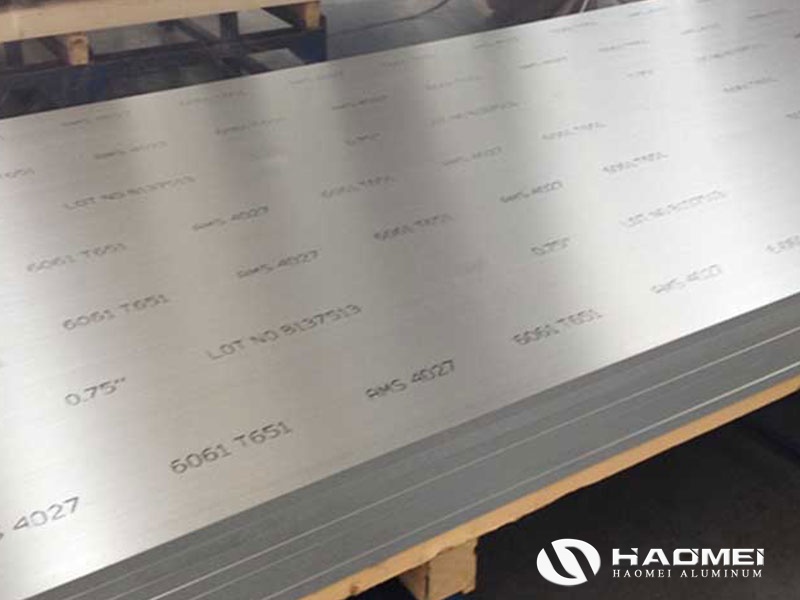
Marine 6061 Aluminum Plate
Marine 6061 aluminum plate offers high strength, excellent machinability, and good corrosion resistance for decks, frames, and marine equipment parts.
View Details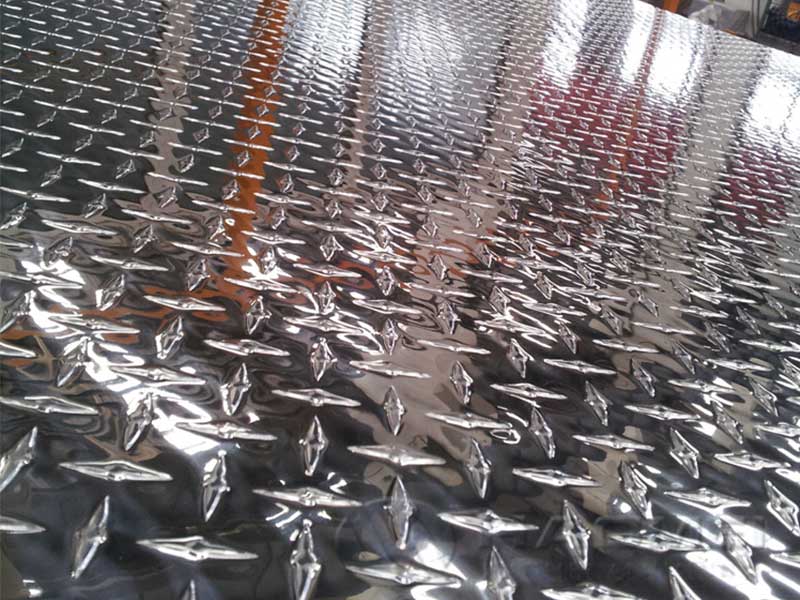
Marin grade aluminum sheet 5052 5mm thick for boat
What is Marine Grade Aluminum 5052?Aluminum 5052 is a non-heat-treatable aluminum-magnesium alloy primarily known for excellent corrosion resistance, high strength among the non-heat treatable grades, and superb weldability.
View Details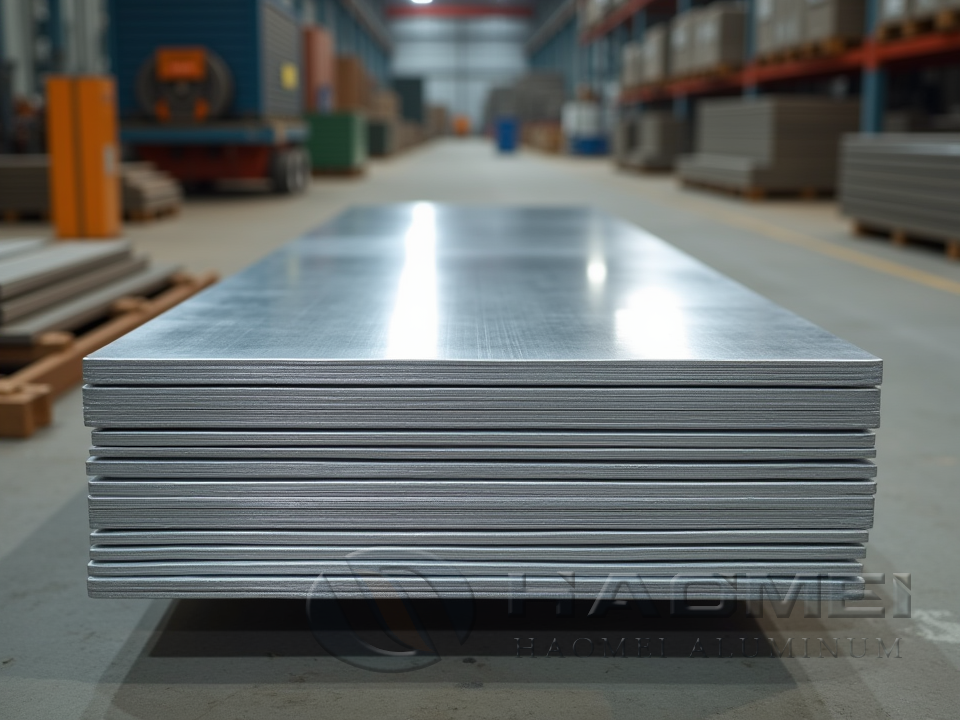
Marine Heavy Duty Aluminum Plate
A practical guide to marine heavy duty aluminum plate, covering alloys, tempers, standards, parameters, corrosion behavior, and shipbuilding selection advice.
View Details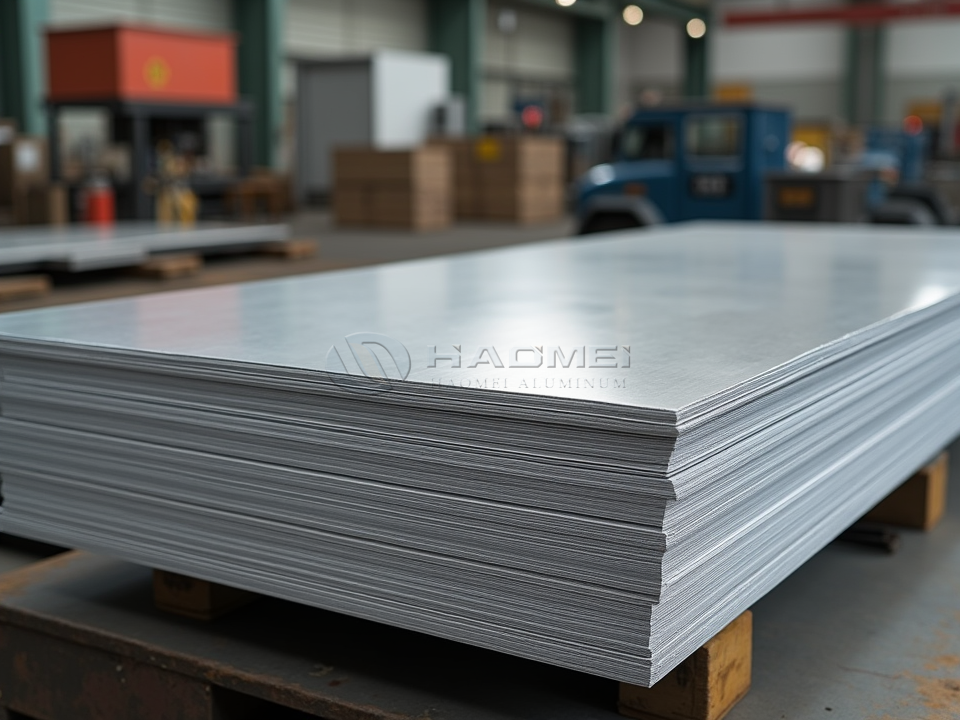
Factory Marine Grade Aluminum Alloy Aluminium Plate Sheet 5052 5083
Factory marine grade 5052 and 5083 aluminum plate sheet delivers corrosion resistance, weldability, strength, and dependable value for marine construction.
View Details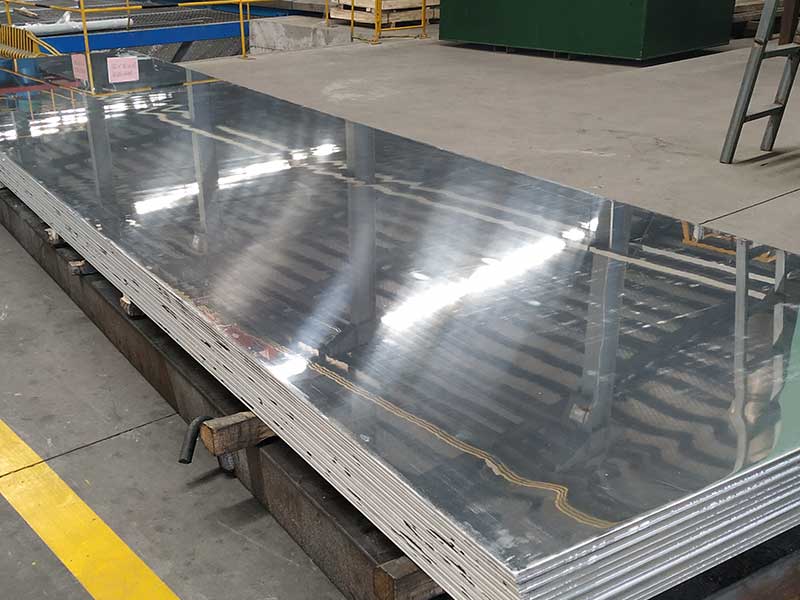
5083 marine aluminium sheet
Aluminum has emerged as a material in marine applications, primarily due to its excellent resistance to corrosion and lightweight properties. Among the various grades of aluminum.
View Details
Leave a Message