
Aluminium Plate 5083 5086 H116 H321 for Boat Building Marine
Choose Marine Aluminium From the Weld Line Outward
A boat hull does not experience seawater as a laboratory sample. It faces salt spray, trapped bilge water, vibration, weld heat, impact loads, and long periods of wet-dry exposure. For this reason, selecting aluminium plate for boat building should begin with the finished welded structure, not only with a tensile-strength figure on a mill certificate.
5083 and 5086 are both Al-Mg marine alloys widely used for hull plating, decks, bulkheads, superstructures, workboats, patrol vessels, fishing boats, and landing craft. In H116 and H321 tempers, they are especially valued for their resistance to exfoliation corrosion in demanding saltwater service. The practical difference lies in how each alloy and temper supports the builder's design, fabrication method, and expected operating environment.
Why 5083 and 5086 Belong in a Marine Hull
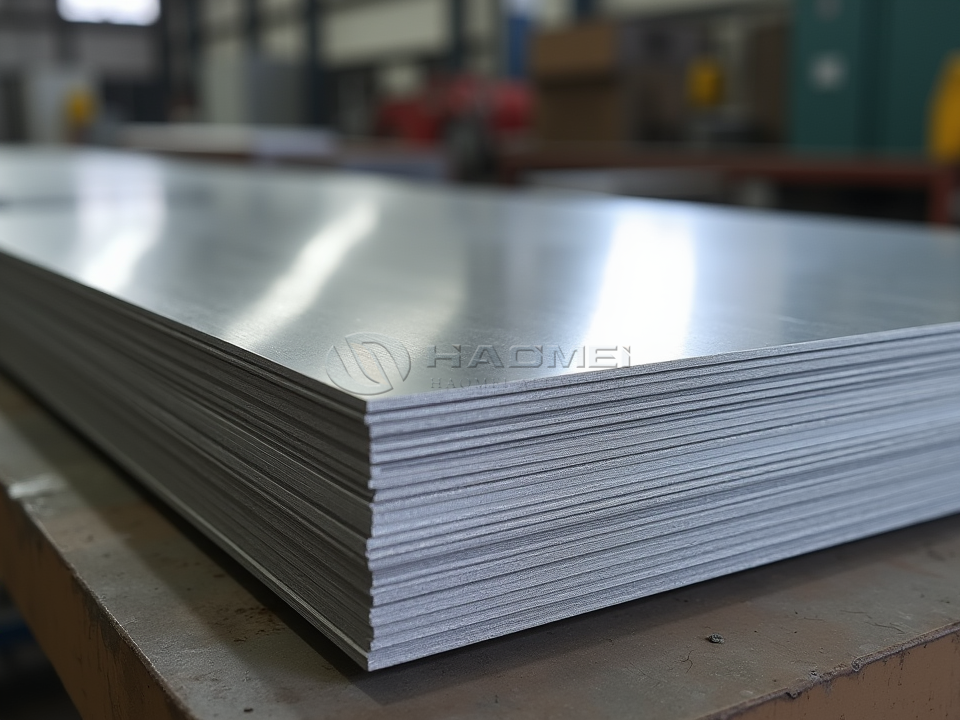
Both 5083 and 5086 are non-heat-treatable aluminium alloys. Their strength comes primarily from magnesium content and controlled strain hardening rather than solution heat treatment. This matters in boat construction because welded zones naturally lose some of the cold-work strength present in the parent plate. A responsible hull design considers the softened heat-affected zone beside every major weld.
5083 normally offers higher strength than 5086, making it a frequent choice for heavily loaded hull bottoms, side shells, longitudinal stiffeners, transverse frames, and larger vessel structures. It is well suited to boats where plate weight, impact resistance, and structural capacity must work together.
5086 is also an excellent seawater-resistant alloy and is often selected when good welding behavior, forming performance, and reliable corrosion resistance are priorities. It is common in hulls, deck structures, wheelhouses, tanks, and medium-duty marine fabrication. The choice is not simply "5083 is better" or "5086 is easier." The right grade depends on plate thickness, vessel service, forming radius, weld layout, and structural calculations.
For projects needing proven hull material, Marine 5083 aluminum sheet is a practical option for builders balancing strength with long-term seawater performance. Where fabrication calls for 5086, Marine 5086 aluminum sheet provides a dependable alternative for marine panels and welded structures.
H116 and H321: Tempers Made for Harsh Water Exposure
The temper designation is not a minor suffix. H116 and H321 identify material processed and qualified for marine environments where corrosion performance is as important as mechanical strength.
H116 describes strain-hardened aluminium with controlled properties and tested resistance to exfoliation corrosion. It is frequently used for plates exposed to seawater or humid marine atmospheres, particularly hull plating and structural panels. H116 can provide a favorable balance of strength, flatness, and corrosion resistance for production boatbuilding.
H321 is also strain hardened, then stabilized to improve resistance to sensitization. Sensitization can occur when certain aluminium-magnesium alloys spend extended time at elevated temperatures, potentially increasing susceptibility to intergranular or exfoliation corrosion. H321 is therefore valued for vessels expected to see demanding service conditions, hot climates, or long-lived welded structures where corrosion assurance is a serious purchasing consideration.
In real fabrication, H116 and H321 should not be treated as interchangeable without checking the specification. Confirm the required standard, mechanical properties, corrosion-test requirements, thickness range, and class or customer documentation. For regulated vessels, the plate may also need certification from a recognized marine classification society.
Think Like Water: The Most Useful Buying Perspective
The best way to judge marine aluminium is to follow the path water will take through the boat. Seawater becomes most destructive when it is trapped, oxygen-starved, contaminated, or held against dissimilar materials. A premium 5083 H321 plate can still suffer premature corrosion if the hull design creates wet pockets, if drainage is poor, or if stainless fittings are installed without insulation.
When ordering plate, consider where each panel will live after fabrication. Hull bottom panels may face abrasion, slamming, and impact. Side plating sees spray and fender wear. Decks encounter foot traffic, standing water, and fittings. Bilges face stagnant water, fuel residue, cleaning chemicals, and electrical stray-current risk. These conditions influence alloy choice, temper, thickness, surface condition, and protective measures.
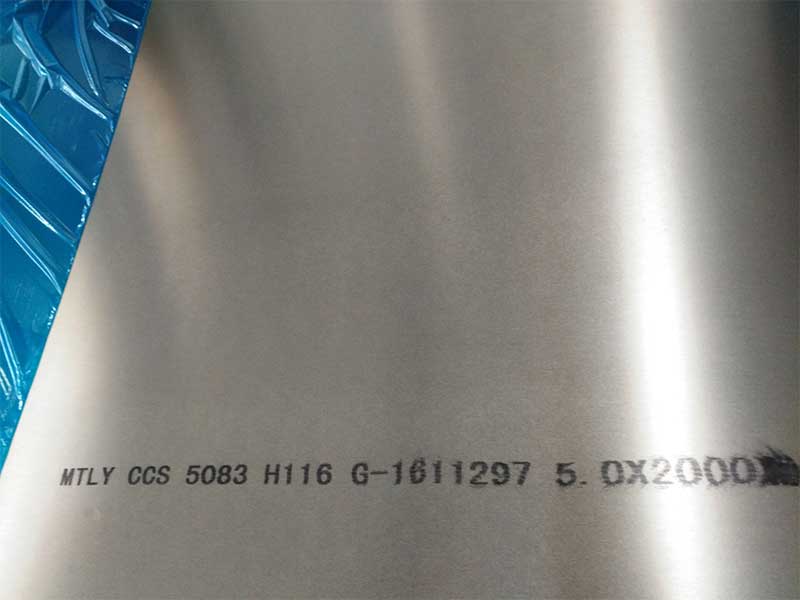
A mill finish is normal for much marine plate, but the surface should be clean and free from deep scratches, roll damage, oil contamination, or handling marks that could complicate welding or finishing. Protective film can be useful for visible cabin panels, although it is usually unnecessary for hull sections that will be welded and coated.
Welding Is Where Material Selection Becomes Real
5083 and 5086 are readily weldable with suitable filler metals such as 5183, 5356, or 5556, selected according to the joint design, service temperature, strength requirement, and corrosion considerations. The filler choice should be made by the welding procedure, not by habit alone.
Weld heat reduces the strength of strain-hardened H116 and H321 material in the heat-affected zone. This does not mean these tempers are unsuitable for welded boats. It means the engineer must account for the post-weld condition when establishing plate thickness and stiffener spacing. Good weld sequencing, controlled heat input, clean joint preparation, and sound fit-up reduce distortion and help create a durable structure.
Avoid using carbon-steel tools directly on aluminium fabrication surfaces. Embedded iron particles can create staining and localized corrosion. Dedicated stainless or aluminium-compatible brushes, clean abrasives, and dry storage practices are small details with large consequences over the life of a vessel.
Plate Thickness, Flatness, and Cut Size Matter
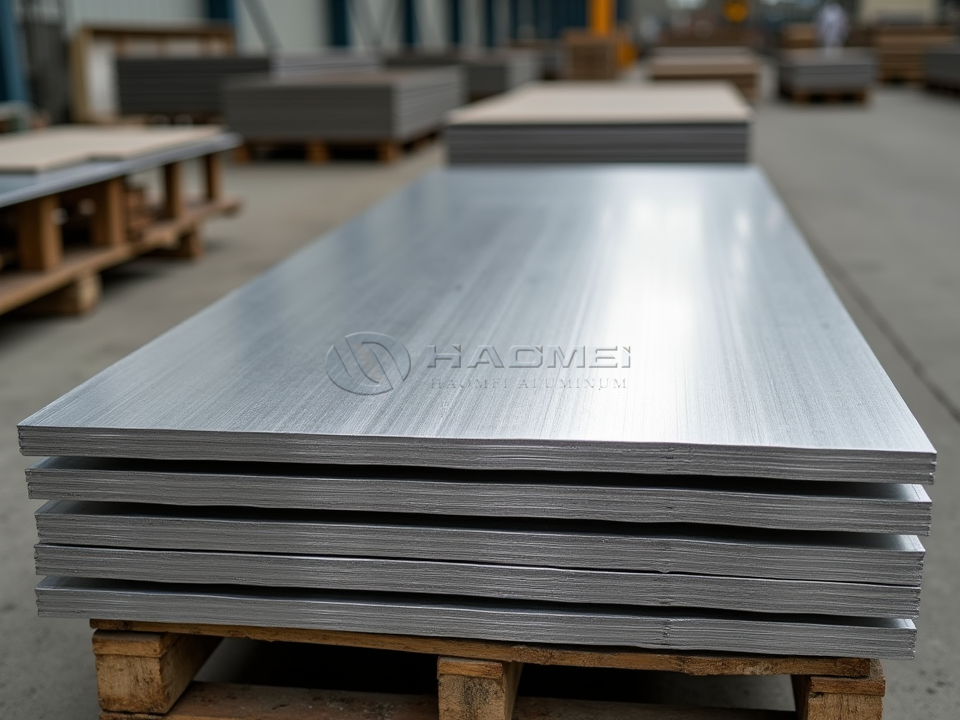
Marine aluminium purchasing should specify more than alloy and temper. State thickness tolerance, width, length, flatness expectations, edge condition, required certificates, and whether the plate will be CNC cut, press formed, or welded directly. Large-format plates can reduce butt welds and save labor, but they must be practical for transport, handling, nesting, and shop equipment.
Thinner plates are economical and lighter, yet they are more sensitive to welding distortion and impact damage. Heavier plates improve stiffness and durability but add weight, cost, and forming effort. The best result is normally a balanced structure: plate thickness designed for local loads, supported by correctly spaced frames and longitudinals rather than excessive plate alone.
5083 H116 is often favored for exterior hull plating where strength and corrosion resistance are both critical. 5083 H321 may be selected where stabilization and severe-service corrosion performance are emphasized. 5086 H116 is a strong candidate for many welded marine structures, especially where good workability and dependable seawater resistance suit the design.
Protect the Finished Boat, Not Only the Plate
Even marine-grade aluminium needs intelligent protection. Isolate aluminium from copper-bearing alloys, carbon steel, and unsuitable stainless components where moisture can form an electrolyte. Use compatible sealants and insulating washers, maintain paint systems where specified, and keep bilges clean and dry. Electrical bonding and cathodic-protection systems must be engineered carefully because stray current can damage aluminium rapidly.
The most successful boatbuilding purchase is not merely a plate with the correct stamp. It is material matched to a vessel's weld plan, drainage design, operating waters, maintenance habits, and certification needs. 5083 and 5086 H116 or H321 plates offer an excellent foundation, but their full value appears when alloy selection and practical marine construction are treated as one decision.

Related Products
Marine 5083 aluminum sheet
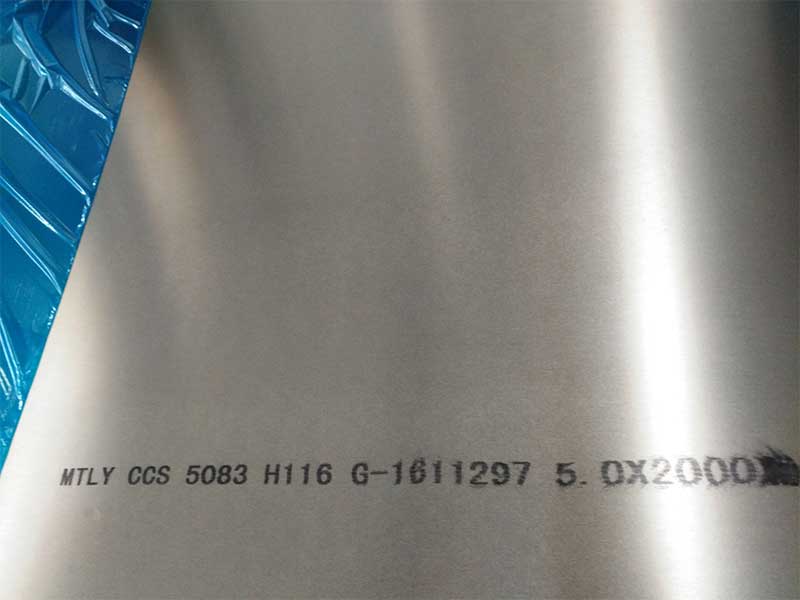
Aluminum alloy 5083 is a non-heat-treatable alloy primarily composed of magnesium and trace elements that deliver outstanding protection against corrosion, particularly in seawater and saline atmospheres.
View Details
Marine 5383 aluminum sheet
5383 aluminum is a strain-hardened, non-heat-treatable alloy from the 5xxx series primarily alloyed with magnesium. It exhibits a unique balance of corrosion resistance and mechanical properties particularly suited for marine applications.
View Details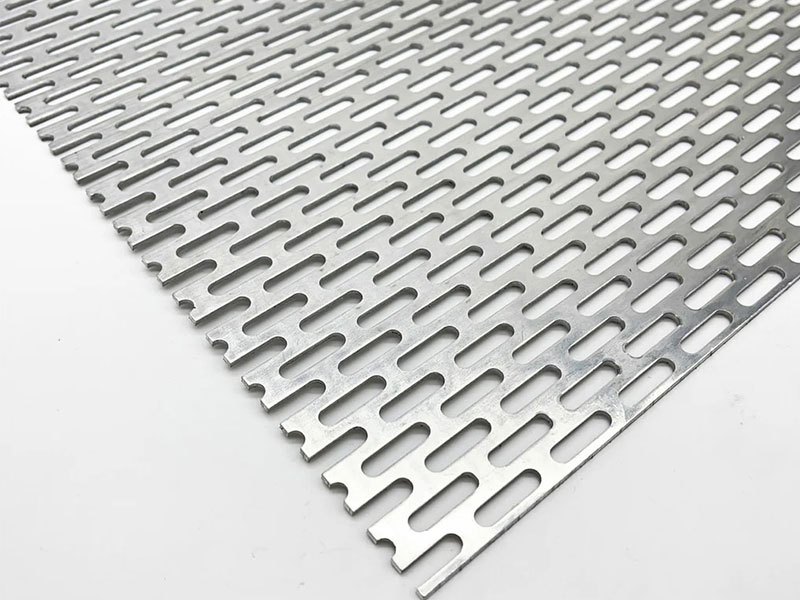
Marine perforated aluminum sheets
Marine Perforated Aluminum Sheets feature a series of uniform holes or shapes punched through the aluminum surface. These perforations can vary in size, pattern, and open area to tailor the sheets for specific applications.
View Details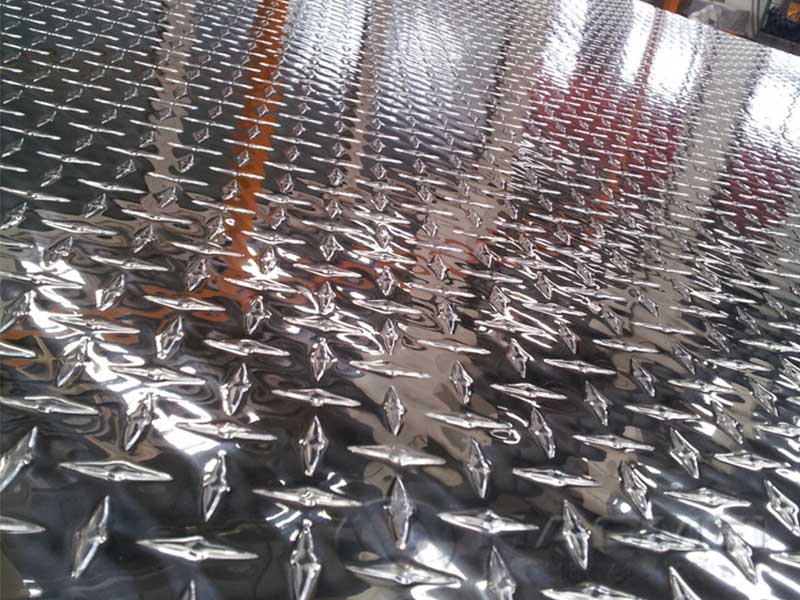
Marine Aluminum Tread Sheets
Marine Aluminum Tread Sheets are aluminum alloy plates featuring a raised surface pattern, commonly referred to as a tread design or diamond plate.
View Details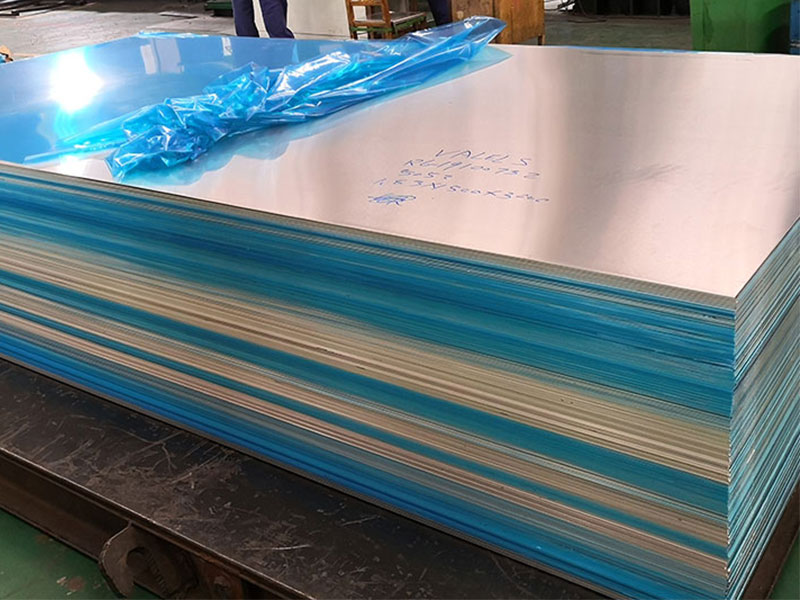
Marine 5059 aluminum sheet
5059 aluminum alloy is a strain-hardened material with a unique addition of magnesium and chromium, which provides outstanding resistance to localized corrosion like pitting and stress corrosion cracking.
View Details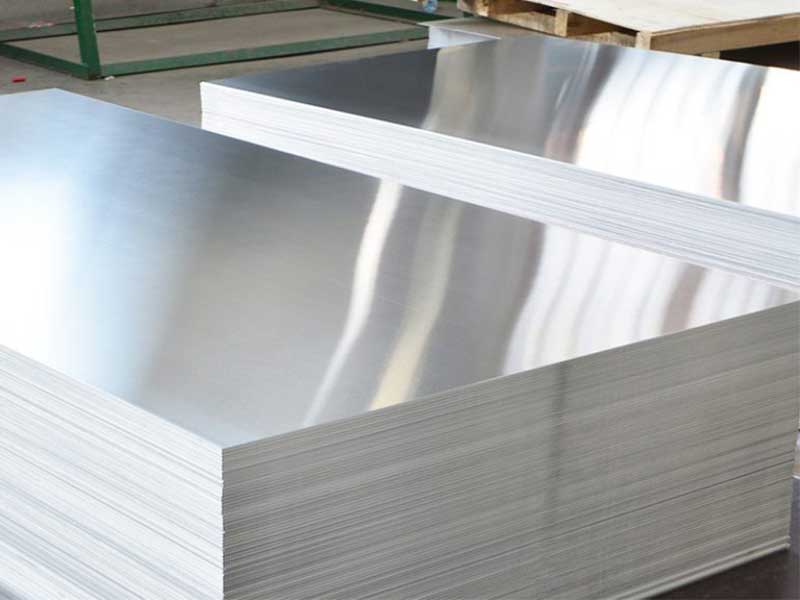
Marine anodized aluminum sheets
Marine Anodized Aluminum Sheets start with premium marine-grade aluminum alloys such as 5000 and 6000 series (typically 5083, 5052, and 6061).
View DetailsRelated Blog
Aluminum sheet tai 6061 alloy metal rolls for boat
Aluminum has long been the favored material in maritime applications due to its unique combination of lightweight characteristics and exceptional resistance to corrosion.
View Details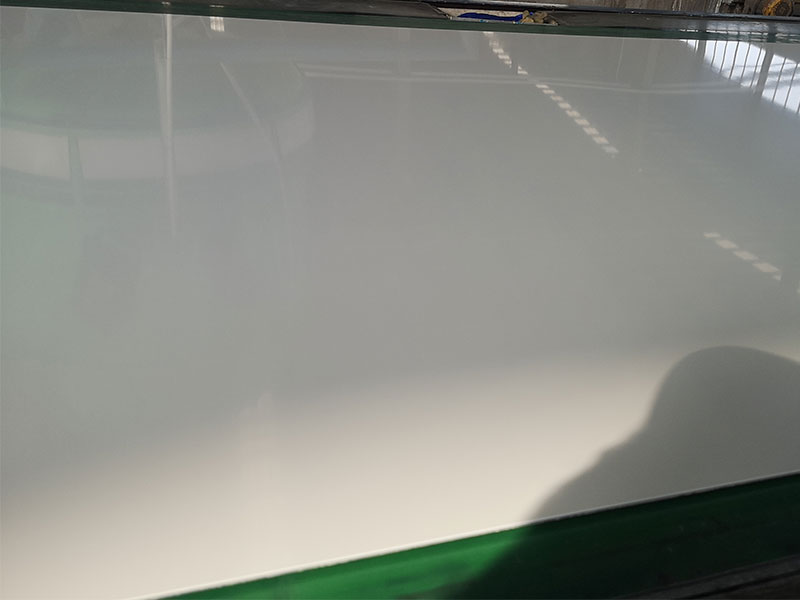
Aluminum sheet 5754 O H111 H112 Marine Grade
Aluminum sheet 5754 O H111 H112 is a high-performance marine-grade aluminum alloy widely used in the marine industry. Renowned for its excellent corrosion resistance and mechanical properties.
View Details
Marine Grade Aluminium Alloy Plate
Learn how marine grade aluminium alloy plate performs in saltwater, with alloy chemistry, tempers, standards, dimensions, and selection guidance.
View Details
Aluminium sheet 8mm alloy 5052 h112 for boat
When selecting materials for marine applications, especially in boat building, the balance between strength, corrosion resistance, and workability is crucial. Aluminium sheet 8mm thick made from alloy 5052 in temper H112 epitomizes this balance.
View Details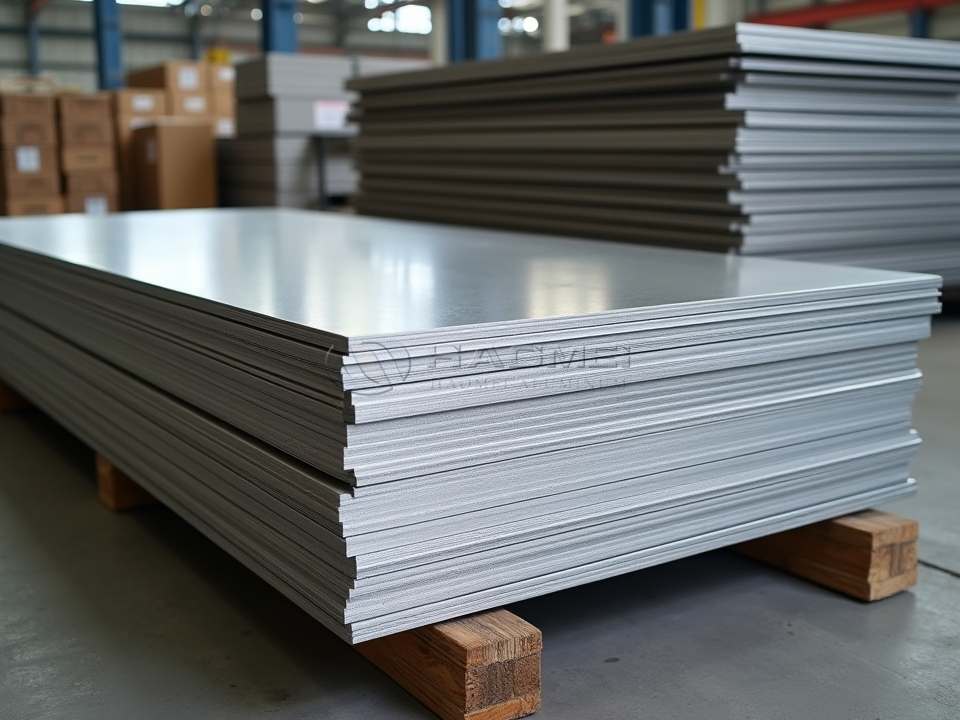
Marine Grade Aluminium 5083 Plate
Marine grade aluminium 5083 plate offers high strength, seawater corrosion resistance, weldability, and dependable performance for marine structures.
View Details
Aluminum foil 0.5mm Thick 5000 Series Marine Grade
Aluminum Foil 0.5mm Thick 5000 Series Marine Grade: A "Sealing Skin" for Real-World Marine WorkWhen people hear "aluminum foil," they often imagine thin kitchen wrap.
View Details
Leave a Message