
Aluminum Elbow for Offshore Liquid and Gas Separation Systems
An aluminum elbow for offshore liquid and gas separation systems is a directional pipe fitting engineered to route process media, utility fluids, vents, drains, and low-pressure support lines through compact offshore modules. By changing flow direction without excessive restriction, the elbow helps connect separators, scrubbers, knock-out drums, coalescers, pumps, heat exchangers, and instrument piping within space-sensitive platform layouts.
In offshore service, low mass is a major design advantage. Aluminum elbows can reduce support loads, simplify handling during installation, and help lower topside structural weight. When the alloy, temper, welding procedure, and corrosion-control plan are properly matched to the service environment, aluminum fittings provide dependable performance in marine atmospheres and non-aggressive liquid or gas duties.
Function in Separation Process Piping
A liquid and gas separation train handles mixed production fluids by separating gas, hydrocarbon liquid, water, condensate, and entrained solids. Although the separator vessel performs the primary phase separation, connecting piping determines how safely and efficiently the fluids move between equipment. An aluminum pipe elbow directs these streams around structural members and between skid-mounted components while maintaining a controlled internal flow path.
Typical elbow functions include:
| Function | Role in an Offshore System | Design Consideration |
|---|---|---|
| Flow redirection | Changes pipe direction between separation equipment and downstream lines | Long-radius geometry reduces turbulence and pressure loss |
| Vent routing | Connects low-pressure gas vents, purge lines, and atmospheric discharge piping | Verify gas composition and ignition-risk requirements |
| Drain handling | Routes clean drains, non-corrosive utility water, and recovery lines | Avoid stagnant pockets where deposits may form |
| Utility distribution | Supports compressed air, cooling-water, and low-pressure service lines | Confirm temperature, pressure, and fluid compatibility |
| Skid integration | Connects compact modules with limited installation space | Use accurate center-to-face dimensions and alignment tolerances |
For high-pressure hydrocarbon production piping, sour service, chloride-rich produced water, or systems subject to severe erosion, aluminum may not be the preferred wetted material. Material selection must be based on process chemistry, design pressure, temperature, fire exposure, inspection requirements, and the project piping class.
Common Offshore Applications
Aluminum elbows are especially practical where seawater exposure is external rather than internal, and where weight reduction offers measurable benefits. They are frequently used in non-process-critical piping and fabricated module structures.
| Application Area | Typical Medium | Suitability Notes |
|---|---|---|
| Separator skid utility lines | Instrument air, nitrogen, clean water | Good option when corrosion isolation is applied |
| Vent and drain piping | Low-pressure gas, dry air, non-aggressive drains | Confirm condensate chemistry before selection |
| HVAC and enclosure systems | Air and ventilation flow | Lightweight construction supports rapid assembly |
| Firewater support structures | Non-wetted brackets and routing supports | Aluminum is generally not selected for direct firewater process duty without engineering approval |
| Chemical injection support lines | External structural routing | Wetted compatibility depends entirely on injected chemical |
| Marine platform auxiliary systems | Freshwater, dry gas, low-pressure utility fluids | Use marine-grade surface protection and proper joints |
For matching straight sections, 6061-T6 90-Degree Marine Aluminum Pipe Elbow fittings can be specified alongside compatible aluminum tubing to create lightweight, corrosion-conscious routing assemblies.
Elbow Geometry and Technical Parameters
Elbows are commonly supplied in 45°, 90°, and 180° configurations. A 90-degree elbow is the most widely used format for skid piping because it provides a compact route around vessels and support steel. Long-radius elbows are often preferred for liquid lines because they minimize abrupt velocity changes, localized turbulence, and pressure drop.
| Parameter | Typical Range or Option | Engineering Value |
|---|---|---|
| Nominal pipe size | 1/2 in to 12 in, custom larger sizes available | Selected from process flow and line class requirements |
| Elbow angle | 45°, 90°, 180°, custom angle | Matches piping route and layout constraints |
| Radius type | Short radius, long radius, custom bend radius | Long radius improves flow behavior |
| Wall thickness | Schedule-based or custom wall thickness | Determined by pressure design and corrosion allowance |
| End preparation | Plain end, bevel end, flange-ready end, grooved end | Selected for welding or mechanical joining method |
| Manufacturing method | Extruded, mandrel-bent, welded fabrication, machined | Depends on size, tolerance, and service requirements |
| Surface finish | Mill finish, brushed, anodized, coated | Supports corrosion control and project appearance |
| Dimensional tolerance | Project-specific or applicable fitting standard | Ensures fit-up with pipe spools and equipment nozzles |
The internal surface should remain smooth and free from sharp weld intrusions, folds, or excessive ovality. These conditions can disturb liquid flow and encourage accumulation of solids or wax in services where deposits are possible.
Alloy and Temper Selection
Marine aluminum elbows are often produced from 5xxx-series or 6xxx-series alloys. The choice depends on whether corrosion resistance, strength, extrudability, weldability, or heat treatment response has priority.
| Alloy | Common Temper | Primary Characteristics | Typical Elbow Use |
|---|---|---|---|
| 5052 | H32, H34 | Strong atmospheric corrosion resistance and good formability | Formed low-pressure fittings and auxiliary piping |
| 5083 | H111, H116 | High strength and excellent marine exposure resistance | Fabricated fittings for demanding marine structures |
| 5086 | H111, H116 | Good weldability and seawater corrosion resistance | Marine piping and lightweight fabricated spools |
| 6061 | T6, T651 | High mechanical strength, machinability, and broad availability | Machined or fabricated elbows, structural process skids |
| 6063 | T5, T6 | Fine surface finish and excellent extrudability | Lightweight low-pressure routing and profiles |
| 6082 | T6 | Higher strength among common 6xxx alloys | Structural and heavy-duty fabricated connections |
Temper selection affects strength, bending response, and heat-affected-zone behavior. A 6061-T6 elbow offers high parent-metal strength, but welding locally reduces the heat-treated condition. Engineers should use weld-zone mechanical properties in pressure and support calculations rather than relying only on T6 base-material values.
Chemical Composition of Common Aluminum Alloys
| Alloy | Mg % | Si % | Fe % Max | Cu % Max | Mn % | Cr % | Zn % Max | Al % |
|---|---|---|---|---|---|---|---|---|
| 5052 | 2.2-2.8 | 0.25 | 0.40 | 0.10 | 0.10 | 0.15-0.35 | 0.10 | Balance |
| 5083 | 4.0-4.9 | 0.40 | 0.40 | 0.10 | 0.4-1.0 | 0.05-0.25 | 0.25 | Balance |
| 5086 | 3.5-4.5 | 0.40 | 0.50 | 0.10 | 0.2-0.7 | 0.05-0.25 | 0.25 | Balance |
| 6061 | 0.8-1.2 | 0.4-0.8 | 0.70 | 0.15-0.40 | 0.15 | 0.04-0.35 | 0.25 | Balance |
| 6082 | 0.6-1.2 | 0.7-1.3 | 0.50 | 0.10 | 0.4-1.0 | 0.25 | 0.20 | Balance |
Values are typical specification ranges and should be verified against the mill test certificate for each production lot.
Mechanical and Physical Data
| Property | 5083-H116 Typical | 6061-T6 Typical | Relevance to Offshore Fittings |
|---|---|---|---|
| Density | 2.66 g/cm³ | 2.70 g/cm³ | Reduces topside weight compared with steel |
| Tensile strength | 305-385 MPa | 290-310 MPa | Supports mechanical design of pipe spools |
| Yield strength | 215 MPa minimum | 240-276 MPa | Important for pressure and support calculations |
| Elastic modulus | 71 GPa | 69 GPa | Influences deflection and vibration response |
| Melting range | 574-638°C | 582-652°C | Relevant to welding and fire-risk assessment |
| Thermal conductivity | Approx. 117 W/m·K | Approx. 167 W/m·K | Affects heat transfer and thermal expansion behavior |
Standards, Fabrication, and Inspection
The applicable standard depends on the fitting construction, joining method, project location, and governing piping code. Offshore projects commonly combine international material standards with client specifications and classification-society requirements.
| Area | Common Reference Standards | Typical Control Point |
|---|---|---|
| Wrought aluminum material | ASTM B221, ASTM B241/B241M, EN 755, EN 573 | Alloy, temper, dimensions, chemistry |
| Aluminum welding | AWS D1.2/D1.2M, ISO 15614-2, ISO 10042 | Qualified welding procedure and welder qualification |
| Pressure piping design | ASME B31.3, ASME B31.8 where applicable, EN 13480 | Pressure, temperature, flexibility, supports |
| Dimensional elbow practice | ASME B16.9 as a dimensional reference where contractually accepted | Center-to-face, angle, end geometry |
| Offshore classification | DNV, ABS, Lloyd's Register project rules | Material traceability and approval requirements |
| Quality documentation | EN 10204 3.1 or project equivalent | Mill certificates, inspection records, traceability |
Fabricated elbows should undergo visual inspection, dimensional checks, and leak or pressure testing when required by the piping class. Dye penetrant testing may be specified for critical aluminum welds. For marine exposure, isolate aluminum from carbon steel and copper-bearing alloys using non-conductive gaskets, sleeves, coatings, or compatible fasteners to reduce galvanic corrosion risk.
Installation Practices for Long Service Life
Proper installation protects the elbow as much as alloy selection. Pipe supports should prevent vibration, unsupported weight, and point loading at the bend. Clamps need non-abrasive liners to prevent coating damage and fretting. Drain paths should be arranged to avoid trapped seawater, while external coatings or anodizing should be repaired after cutting or welding.
Where operating temperatures fluctuate, allow for aluminum's relatively high thermal expansion. Expansion loops, flexible connections, sliding supports, and correctly positioned anchors can reduce stress at separator nozzles and branch connections. With controlled fabrication, documented materials, and service-specific engineering, aluminum elbows become an efficient component in lightweight offshore liquid and gas separation installations.

Related Products
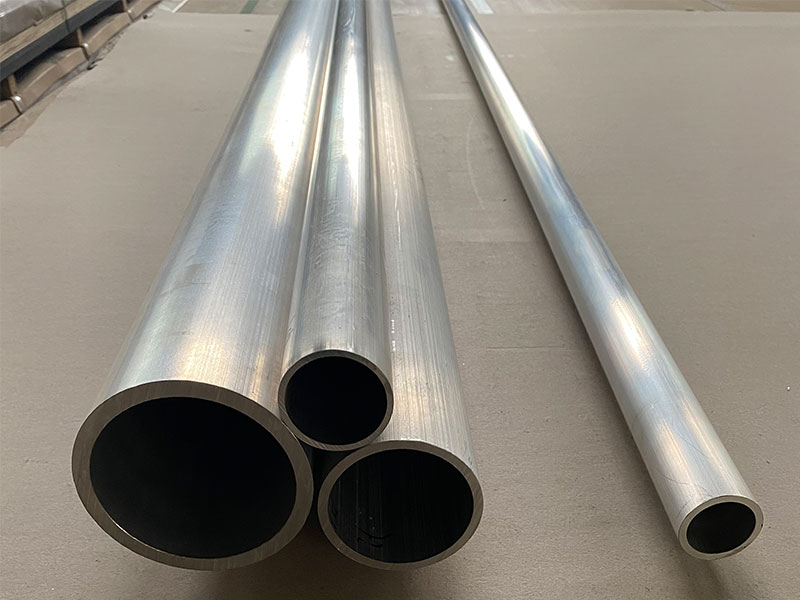
Marine aluminum round tubes
Marine Grade Aluminum Round Tubes are manufactured from premium marine alloys such as 5083, 5052, 6061, and 6082, all selected for their proven resistance to seawater corrosion and marine atmosphere degradation.
View Details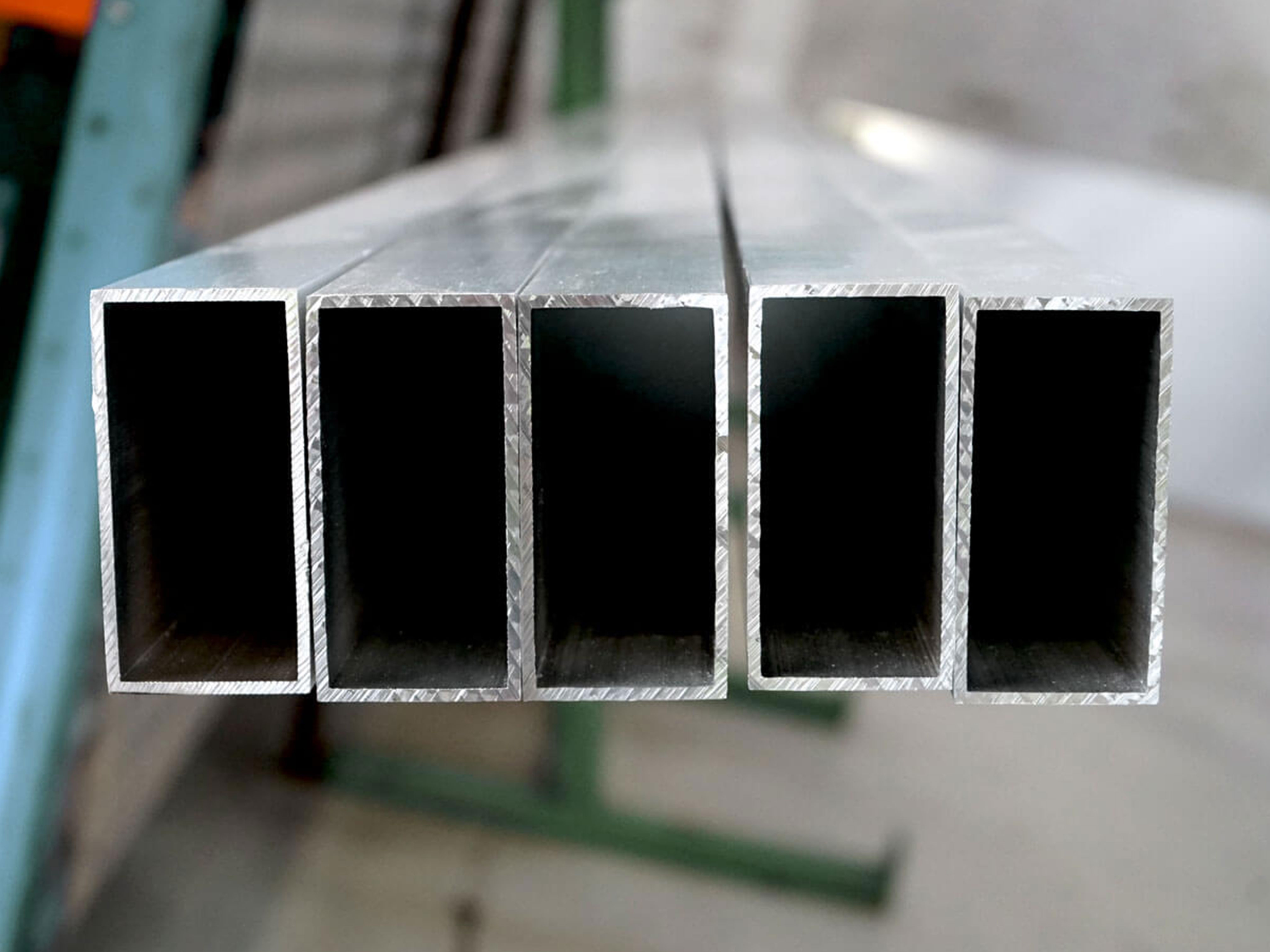
Marine aluminum rectangular tubes
Marine Grade Aluminum Rectangular Tubes are made from high-performance alloys such as 5083, 5052, 6061, and 6082. These alloys are renowned for their ability to resist corrosive seawater and marine atmospheres while providing excellent mechanical strength and toughness.
View Details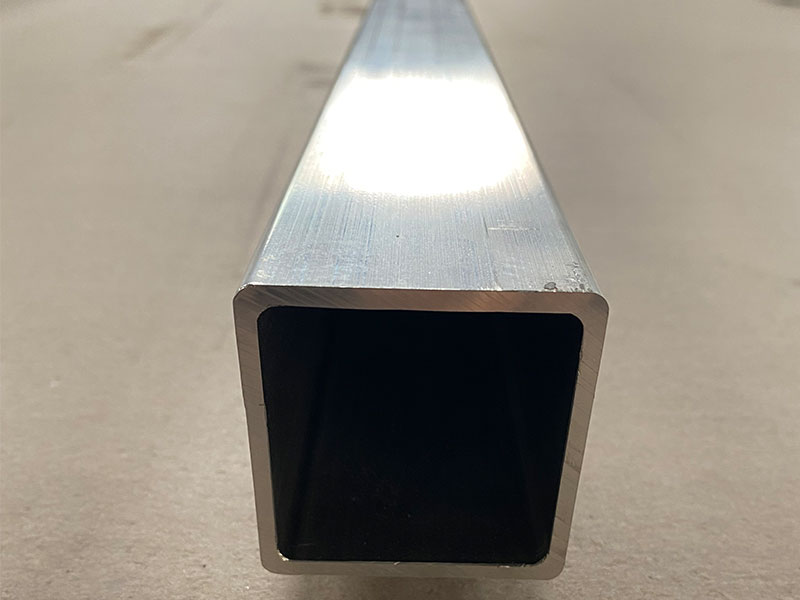
Marine aluminum square tubes
Marine Grade Aluminum Square Tubes are typically constructed from marine-grade alloys such as 5083, 5052, 6061, and 6082—well-known for their ability to withstand the aggressive effects of saltwater and marine atmospheres.
View Details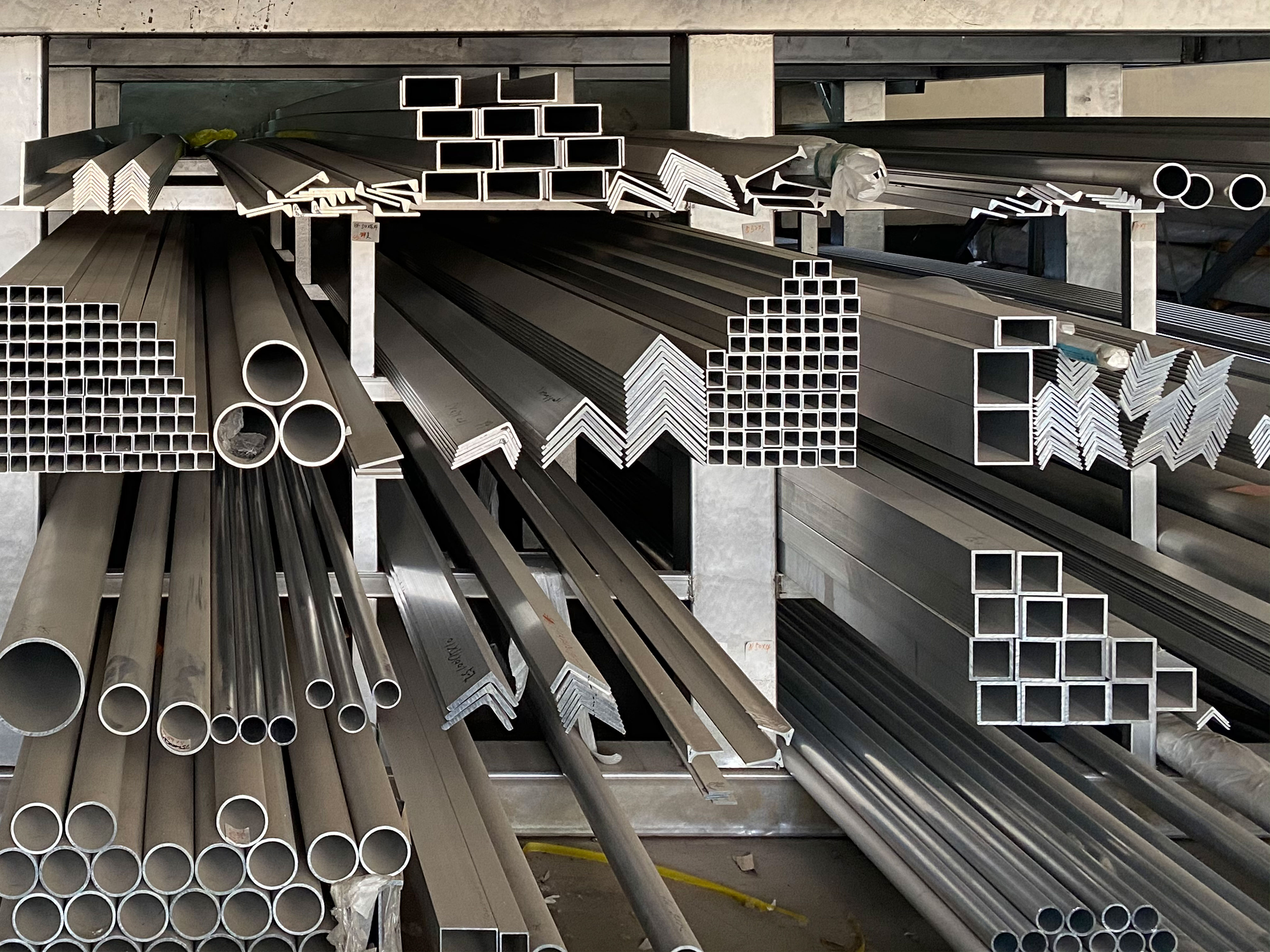
Custom marine aluminum profile tubes
Custom Marine Grade Aluminum Profile Tubes are manufactured from premium marine aluminum alloys such as 5083, 5052, 6061, and 6082.
View Details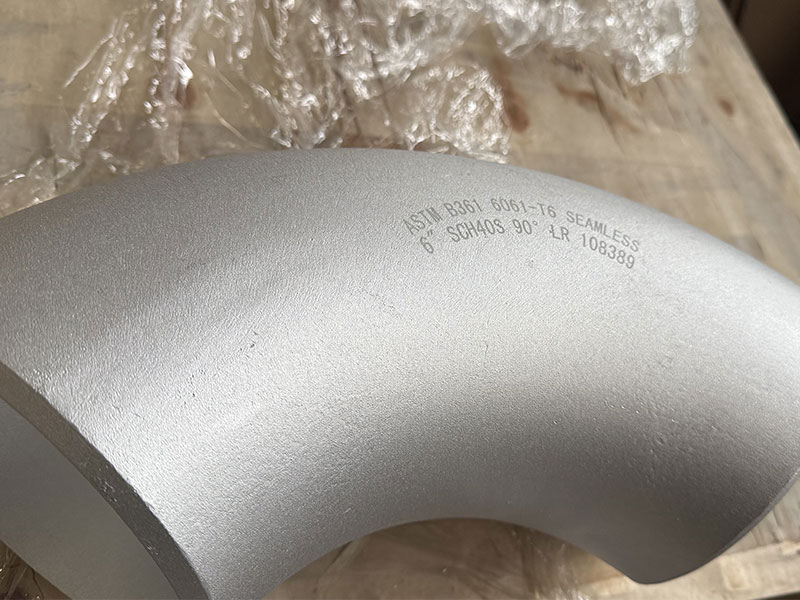
6061-T6 90-Degree Marine Aluminum Pipe Elbow
Manufactured from premium 6061-T6 marine-grade aluminum alloy, this elbow fitting is engineered to provide reliable and efficient pipe direction changes within shipbuilding, offshore platforms, and marine infrastructure systems.
View DetailsRelated Blog
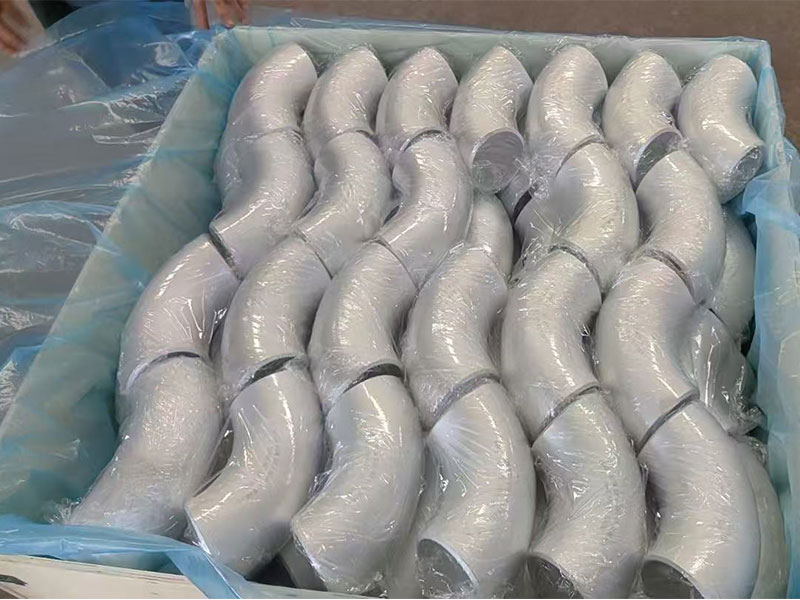
Marine Aluminum Pipe Elbow for Emergency Fire Suppression Lines
In the domain of marine safety systems, reliability and durability are paramount. Among the essential components in fire suppression systems onboard ships and offshore platforms is the Marine Aluminum Pipe Elbow used in emergency fire suppression lines.
View Details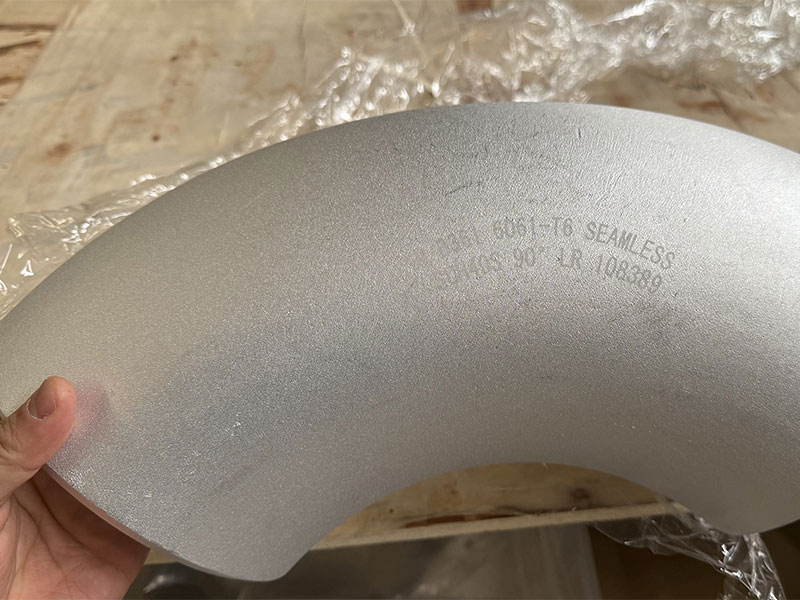
5083 Marine Aluminum Tubes for Marine Hull Construction
5083 aluminum alloy is one of the most widely used non-heat-treatable marine alloys. Designed for superior corrosion resistance, high strength, and excellent weldability, 5083 tubes are ideal for hull structures, superstructures, piping.
View Details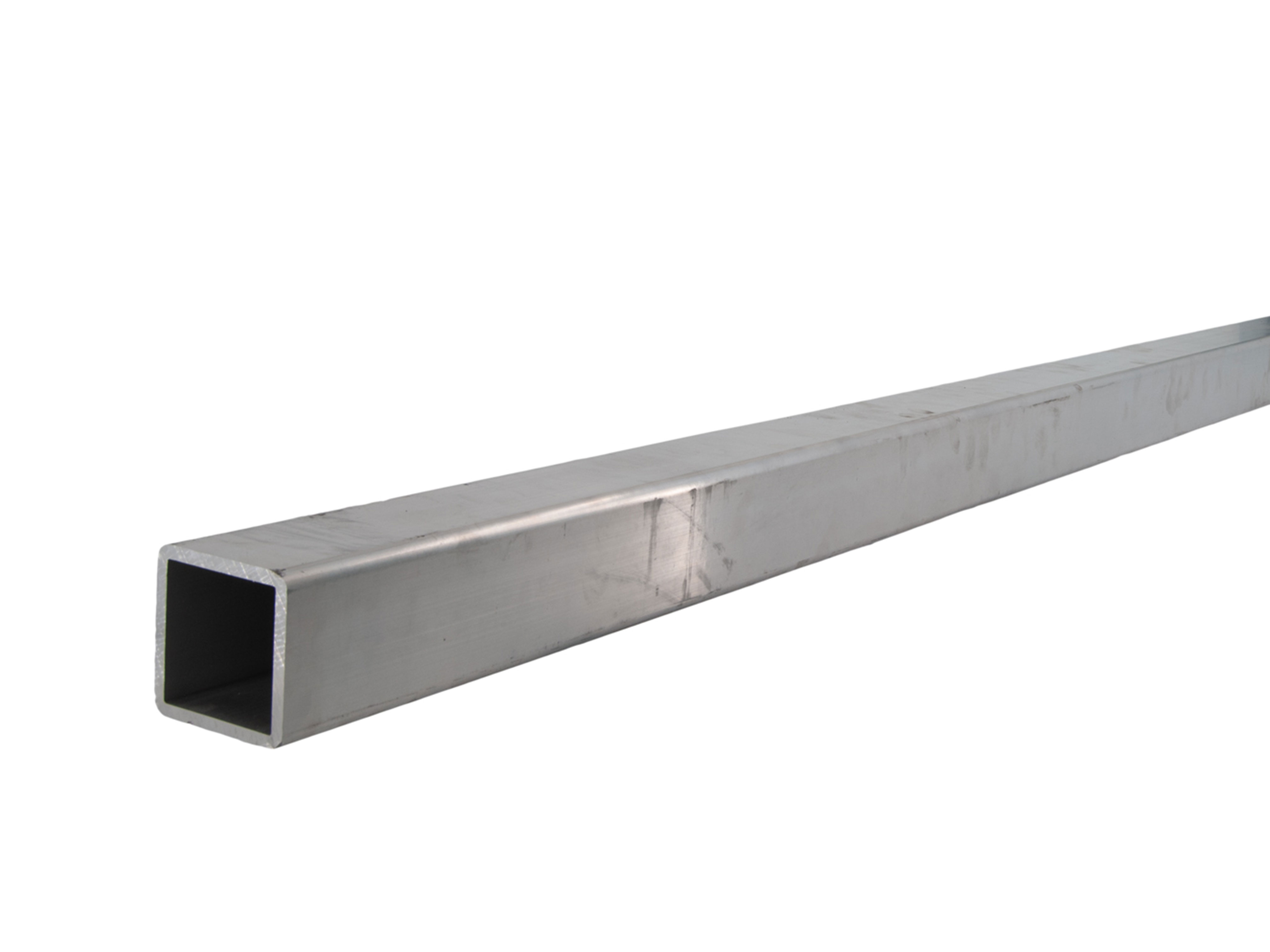
Marine Aluminum Tubes for Saltwater Resistance
Marine aluminum tubes are exceptionally designed for marine applications, specifically engineered to withstand the harsh conditions of saltwater environments. These tubes exhibit remarkable corrosion resistance and structural integrity.
View Details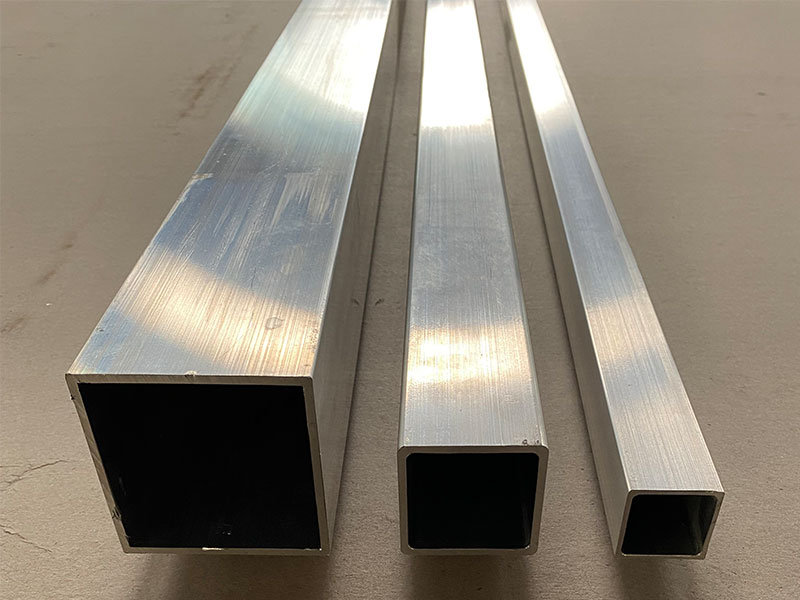
5083 Marine Aluminum Tubes for Saltwater Proof Boat Hulls
When builders talk about a saltwater-proof boat hull, the conversation often gets stuck on a single idea: corrosion resistance. That's necessary, but it's not the whole story.
View Details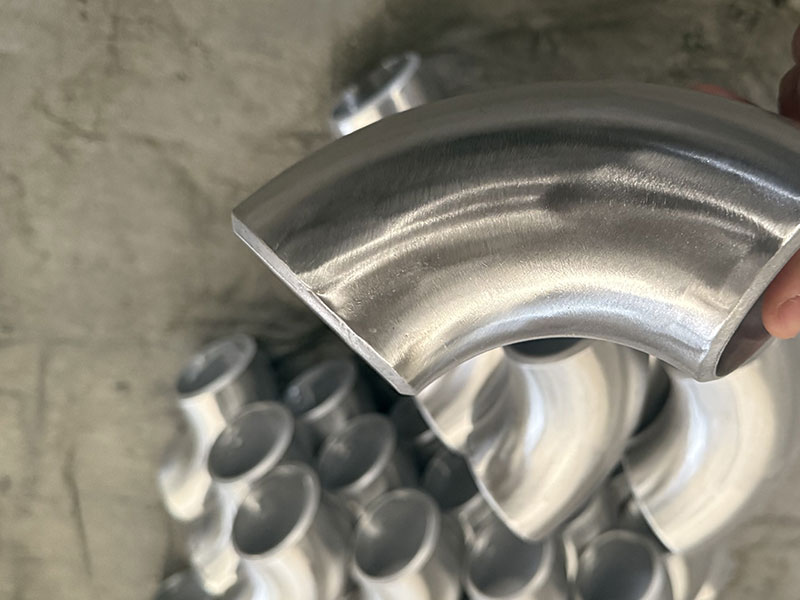
Marine grade aluminum alloy pipe 6061 t6 aluminium square
Marine projects demand materials that stay reliable when salt spray, humidity, vibration, and daily handling all work against them. 6061-T6 aluminium square pipe is a widely trusted choice because it blends high strength.
View Details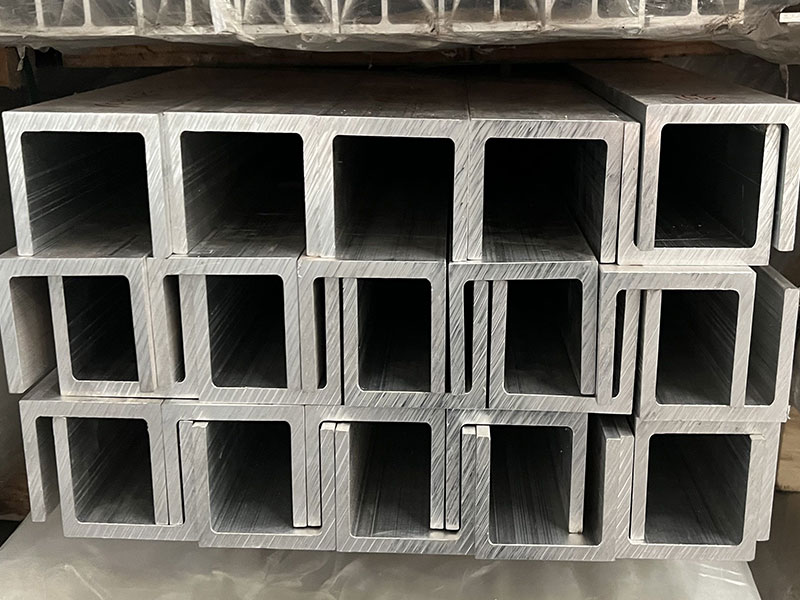
6082 Marine Aluminum Tubes for Yacht Frame Strengthening
Marine aluminum tubes are vital components designed to enhance the integrity, longevity, and performance of yacht structures. Among various aluminum alloys, 6082 marine aluminum tubes is know as a premium choice.
View Details
Leave a Message