
Marine Aluminum Elbow for Shipboard Water and Chemical Supply Lines
A marine aluminum elbow does more than change the direction of a pipe. In a shipboard water or chemical supply system, it manages pressure movement, vibration, flow resistance, installation space, and corrosion exposure at one of the most demanding points in the line. Straight pipe can be supported at regular intervals, but elbows carry the extra forces created when fluid changes direction. Selecting the right elbow material and geometry is therefore a practical decision that affects long-term reliability at sea.
Marine aluminum elbows are commonly used in fresh-water distribution, ballast-related auxiliary systems, deck wash lines, grey-water equipment, low-pressure cooling circuits, and selected chemical transfer services. Their low density makes them particularly valuable on fast vessels, aluminum workboats, patrol craft, ferries, offshore support vessels, and lightweight superstructures where every kilogram influences payload or stability.
The Elbow as a Controlled Turning Point
A 90-degree elbow is often treated as a simple fitting, yet it is a flow-control component. When liquid reaches a sharp turn, velocity distribution becomes uneven. Turbulence rises along the outer radius, pressure drops through the bend, and suspended particles or aggressive media may concentrate in localized areas. A well-made marine aluminum elbow reduces these effects through controlled radius, consistent wall thickness, and a smooth internal bore.
Long-radius elbows are generally preferred when installation space permits. Their larger centerline radius produces a gentler directional change, reducing pressure loss and limiting turbulence. Short-radius elbows are useful in compact engine-room or deck-service layouts, but they demand careful attention to support spacing and fluid velocity.
For water lines, a smooth elbow helps maintain stable pressure at downstream valves, pumps, spray nozzles, and manifolds. For chemical supply lines, smooth internal surfaces reduce trapped residue and simplify flushing. This matters when a vessel alternates between cleaning agents, treatment liquids, or process chemicals that must not remain in dead zones.
A 6061-T6 90-Degree Marine Aluminum Pipe Elbow is often selected for fabricated systems that need good strength, dimensional stability, and compatibility with aluminum pipework. However, the fluid itself must always determine the final alloy and protection strategy.
Alloys Chosen for Marine Elbows
The most suitable aluminum alloy depends on whether corrosion resistance, weldability, strength, or chemical compatibility is the dominant design condition. Marine piping systems often use 5xxx-series aluminum-magnesium alloys where saltwater resistance and weld performance are important. Heat-treatable 6xxx-series alloys are also common for fittings and machined components requiring higher mechanical strength.
| Alloy | Typical Temper | Main Alloying Elements | Marine Elbow Characteristics | Typical Service Direction |
|---|---|---|---|---|
| 5052 | H32, H34 | Aluminum, magnesium, chromium | Good formability and corrosion resistance | Fresh water, low-pressure utility lines |
| 5083 | H111, H321 | Aluminum, magnesium, manganese | Excellent seawater resistance and weldability | Marine process lines, welded assemblies |
| 5086 | H32, H116 | Aluminum, magnesium, manganese | Strong corrosion resistance in marine atmospheres | Water systems and exposed piping areas |
| 6061 | T6 | Aluminum, magnesium, silicon, copper | Good strength and machinability, widely available | Structural piping, elbows, brackets, controlled fluid service |
| 6082 | T6 | Aluminum, magnesium, silicon, manganese | Higher strength with good general corrosion performance | Heavy-duty fittings and supported pipe runs |
The chemical composition of the alloy is not simply a laboratory detail. Magnesium improves the corrosion performance of 5xxx grades, making them well suited to wet, chloride-containing surroundings. Silicon and magnesium in 6xxx alloys allow heat treatment and higher strength, although seawater exposure, galvanic pairing, and welded zones require more deliberate engineering.
| Chemical Property | 5052 | 5083 | 5086 | 6061 | 6082 |
|---|---|---|---|---|---|
| Magnesium, % | 2.2-2.8 | 4.0-4.9 | 3.5-4.5 | 0.8-1.2 | 0.6-1.2 |
| Silicon, % | 0.25 max | 0.40 max | 0.40 max | 0.4-0.8 | 0.7-1.3 |
| Manganese, % | 0.10 max | 0.4-1.0 | 0.2-0.7 | 0.15 max | 0.4-1.0 |
| Chromium, % | 0.15-0.35 | 0.05-0.25 | 0.05-0.25 | 0.04-0.35 | 0.25 max |
| Copper, % | 0.10 max | 0.10 max | 0.10 max | 0.15-0.40 | 0.10 max |
| Aluminum, % | Balance | Balance | Balance | Balance | Balance |
Values are typical composition limits and should be verified against the requested material certificate and applicable product standard.
Temper Condition and Its Effect on Service Life
Temper identifies how the material received its mechanical properties. H-temper conditions, such as H32 or H116, are strain-hardened and stabilized states commonly associated with 5xxx marine alloys. They offer favorable corrosion behavior and good fabrication characteristics. T6 indicates solution heat treatment followed by artificial aging, delivering higher strength for alloys such as 6061 and 6082.
A T6 elbow can be beneficial where pipe supports are widely spaced or vibration loads are elevated. Yet welding near a T6 fitting changes the local condition in the heat-affected zone and reduces strength around the weld. Fabricators should consider welded-joint efficiency, approved welding procedure specifications, filler selection, and post-weld inspection rather than assuming the original T6 strength remains unchanged.
For welded water networks, 5083 or 5086 can be a more forgiving choice. For bolted, flanged, or mechanically connected assemblies, 6061-T6 and 6082-T6 may provide a strong and precise solution.
Common Parameters for Marine Aluminum Elbows
Marine aluminum elbows can be produced as seamless, extruded-and-bent, welded, machined, or fabricated components. The preferred construction depends on pressure, diameter, inspection requirements, and the nature of the transported medium.
| Parameter | Common Range or Option |
|---|---|
| Nominal angle | 45 degrees, 90 degrees, 180 degrees, custom angles |
| Pipe outside diameter | 16 mm to 300 mm or custom sizes |
| Wall thickness | 1.5 mm to 12 mm, based on pressure and fabrication method |
| Bend radius | Short radius, long radius, custom centerline radius |
| End connection | Plain end, butt-weld end, flanged, threaded adapter, grooved connection |
| Surface treatment | Mill finish, anodized, epoxy-coated, chemically pretreated |
| Typical pressure class | Determined by wall thickness, alloy, joining method, temperature, and vessel rules |
| Inspection options | Dimensional check, visual inspection, dye penetrant testing, pressure testing, material certificate |
The elbow wall should match the connected pipe as closely as practical. A sudden wall-thickness change can create stress concentration, difficult welding conditions, or uneven flow behavior. In chemical systems, an internal mismatch may become a deposit point where residues collect.
Chemical Service Requires Compatibility, Not Assumption
Aluminum performs well with many water-based services, but it is not suitable for every chemical. Strong alkalis, including sodium hydroxide and potassium hydroxide, can attack aluminum rapidly. Certain acids, high-chloride solutions, oxidizing agents, and mixed chemical formulations may also require another material, an internal liner, or a protective coating.
Fresh water, treated water, and many neutral or mildly acidic solutions can be suitable when pH, temperature, concentration, and contamination are controlled. For chemical dosing lines, specify the exact medium rather than using general descriptions such as "cleaner" or "treatment chemical." A small concentration change can transform a compatible line into a corrosion risk.
Galvanic corrosion also deserves attention. When aluminum elbows connect to copper alloys, carbon steel, or stainless steel in a wet environment, electrical isolation may be necessary. Insulating gaskets, sleeves, non-conductive spacers, approved coatings, and drainage design help prevent dissimilar-metal attack.
Standards and Installation Practice
Marine aluminum elbow production may be aligned with material and dimensional requirements from ASTM, EN, ISO, ASME, or vessel-class rules. Frequently referenced materials include ASTM B241/B241M for aluminum extruded pipe and tube, ASTM B210 for drawn seamless tube, EN 754 and EN 755 for aluminum products, and applicable ASME B16 dimensional practices where the fitting configuration follows pipe-system conventions.
For vessel projects, classification society requirements from DNV, ABS, Lloyd's Register, BV, or CCS may govern material approval, welding, pressure testing, traceability, and installation acceptance. The final specification should state the alloy, temper, dimensions, bend radius, service medium, design pressure, operating temperature, connection type, and testing method.
When building a complete lightweight network, matching elbows with certified Marine Grade Aluminum Tubing helps maintain consistent metallurgy, tolerances, and corrosion performance across the run.
A properly selected marine aluminum elbow turns a vulnerable change of direction into a durable part of the vessel's fluid infrastructure. With the correct alloy, temper, radius, joining method, and chemical compatibility review, it supports efficient water delivery and safer chemical handling through years of marine operation.

Related Products
Marine aluminum square tubes
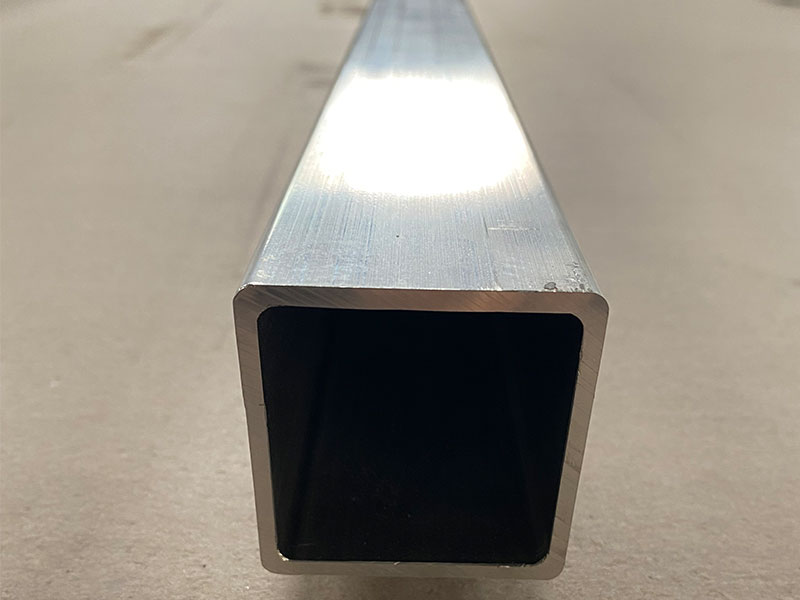
Marine Grade Aluminum Square Tubes are typically constructed from marine-grade alloys such as 5083, 5052, 6061, and 6082—well-known for their ability to withstand the aggressive effects of saltwater and marine atmospheres.
View Details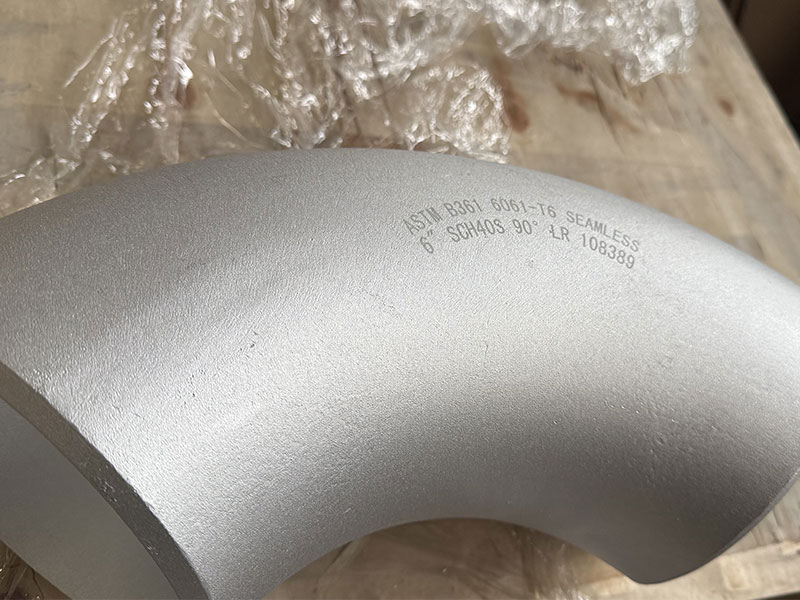
6061-T6 90-Degree Marine Aluminum Pipe Elbow
Manufactured from premium 6061-T6 marine-grade aluminum alloy, this elbow fitting is engineered to provide reliable and efficient pipe direction changes within shipbuilding, offshore platforms, and marine infrastructure systems.
View Details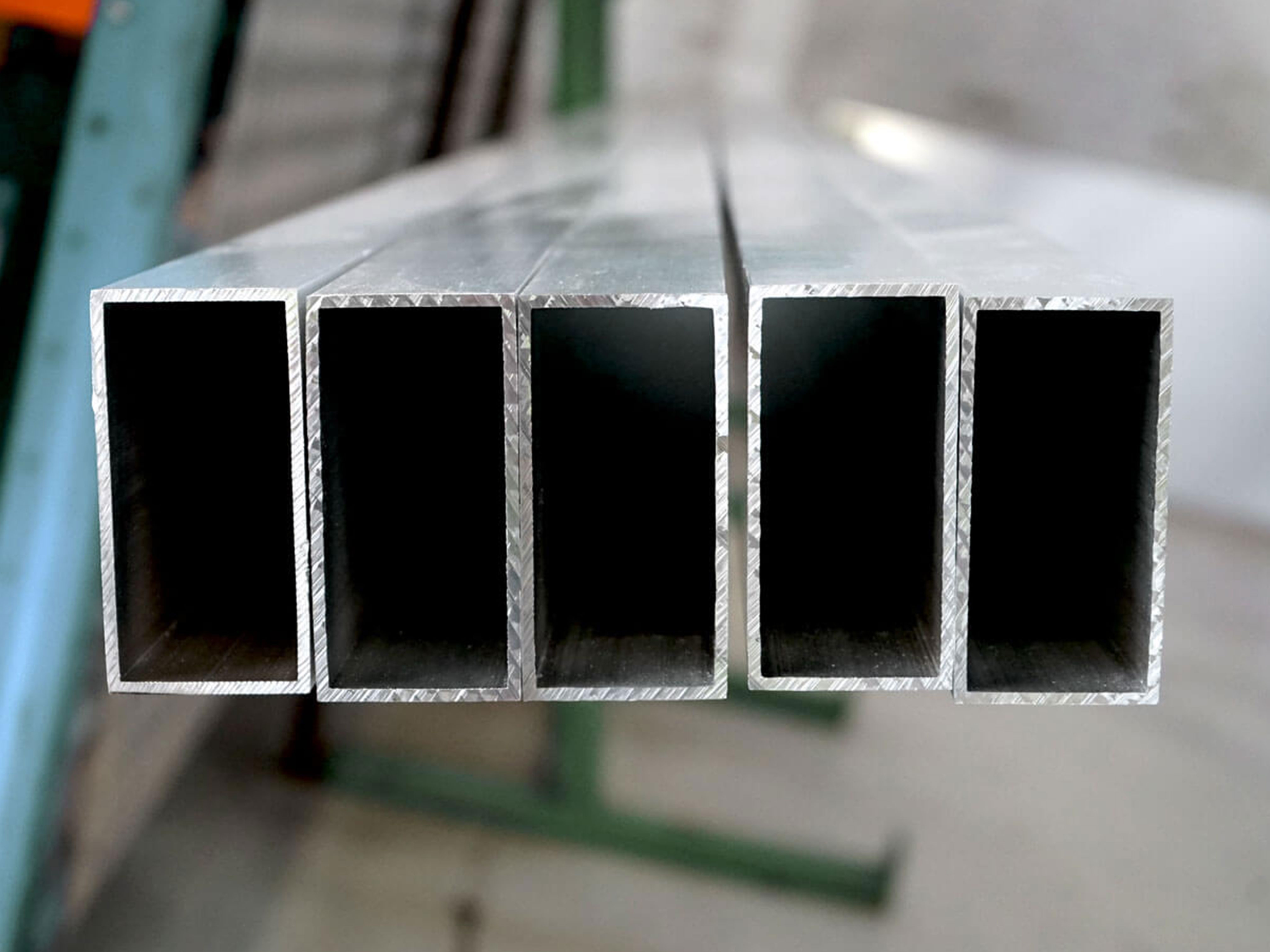
Marine aluminum rectangular tubes
Marine Grade Aluminum Rectangular Tubes are made from high-performance alloys such as 5083, 5052, 6061, and 6082. These alloys are renowned for their ability to resist corrosive seawater and marine atmospheres while providing excellent mechanical strength and toughness.
View Details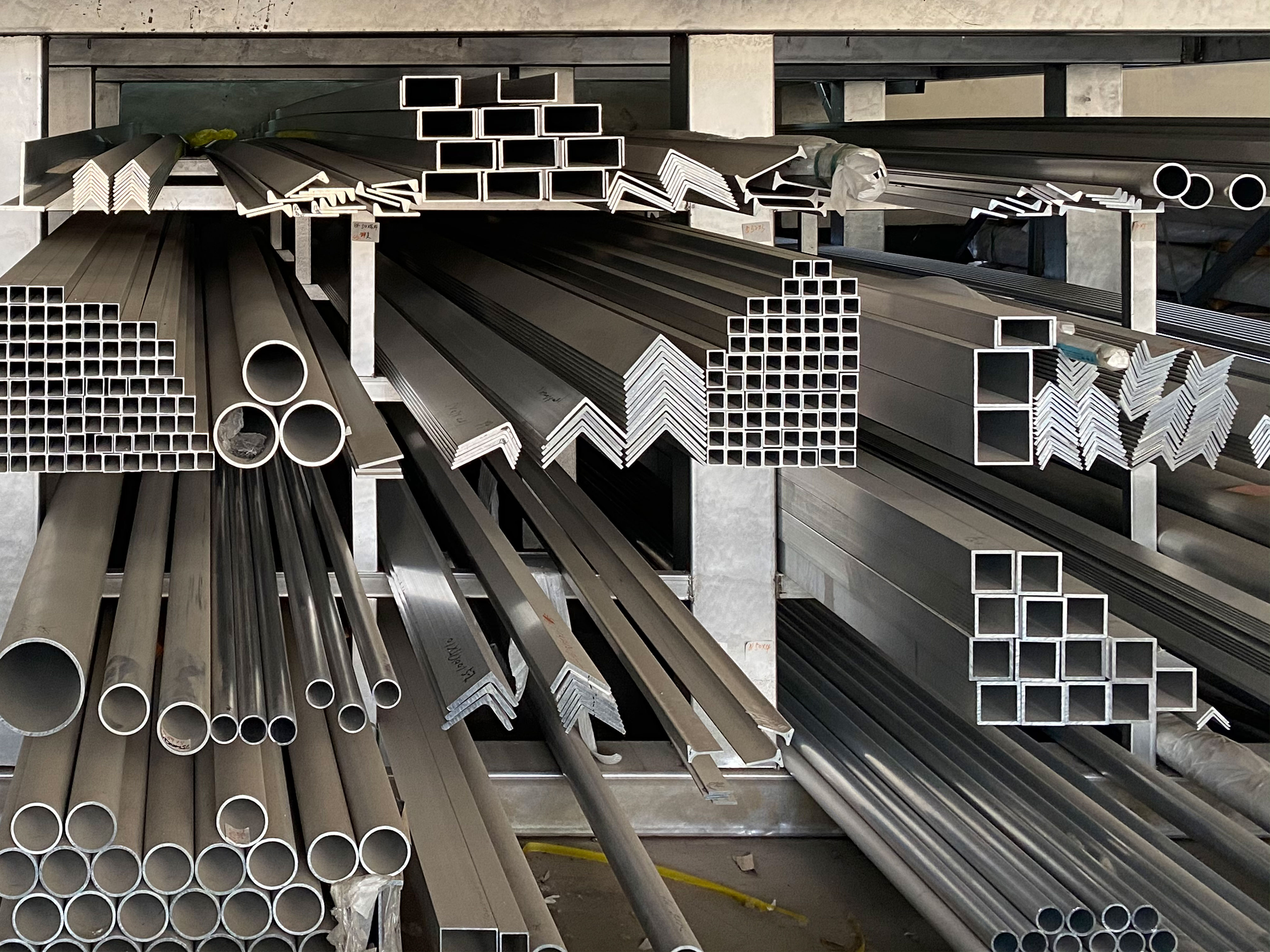
Custom marine aluminum profile tubes
Custom Marine Grade Aluminum Profile Tubes are manufactured from premium marine aluminum alloys such as 5083, 5052, 6061, and 6082.
View Details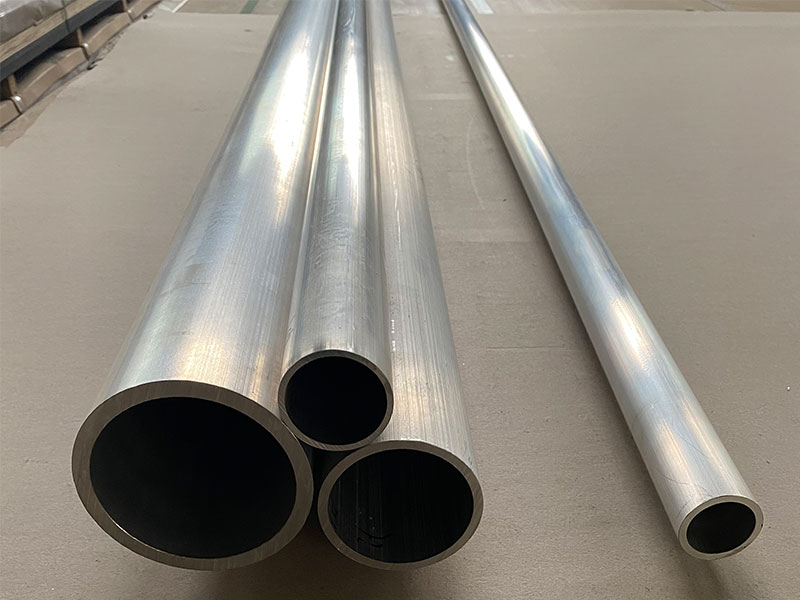
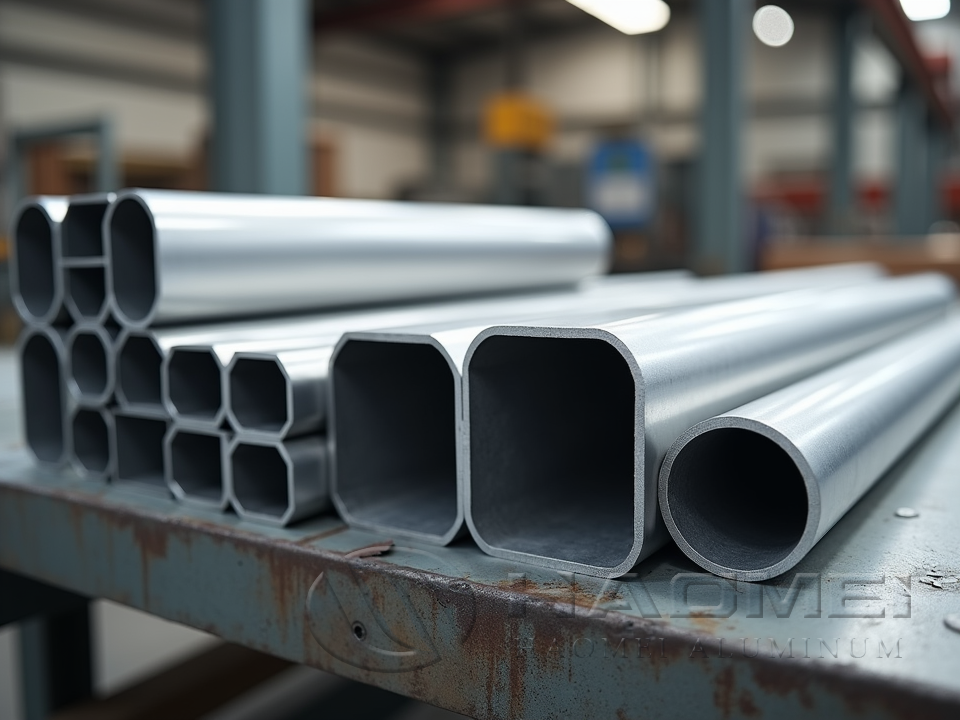
Marine aluminum round tubes
Marine Grade Aluminum Round Tubes are manufactured from premium marine alloys such as 5083, 5052, 6061, and 6082, all selected for their proven resistance to seawater corrosion and marine atmosphere degradation.
View DetailsRelated Blog
Marine Aluminum Pipe Elbow For Offshore Pipeline Pressure Relief
Marine aluminum pipe elbow for offshore pressure relief lines, covering materials, features, specifications, corrosion resistance, and practical uses.
View Details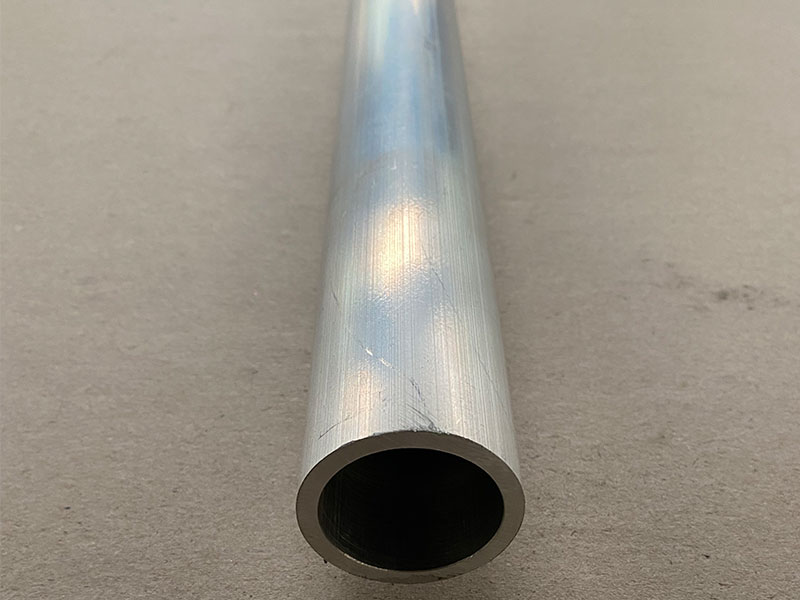
5052 Marine Aluminum Tubes for High Performance Boat Structures
When it comes to high-performance boat structures, the strength, weight, and durability of materials matter enormously. One of the most favored materials in the marine industry is **5052 Marine Aluminum Tubes.
View Details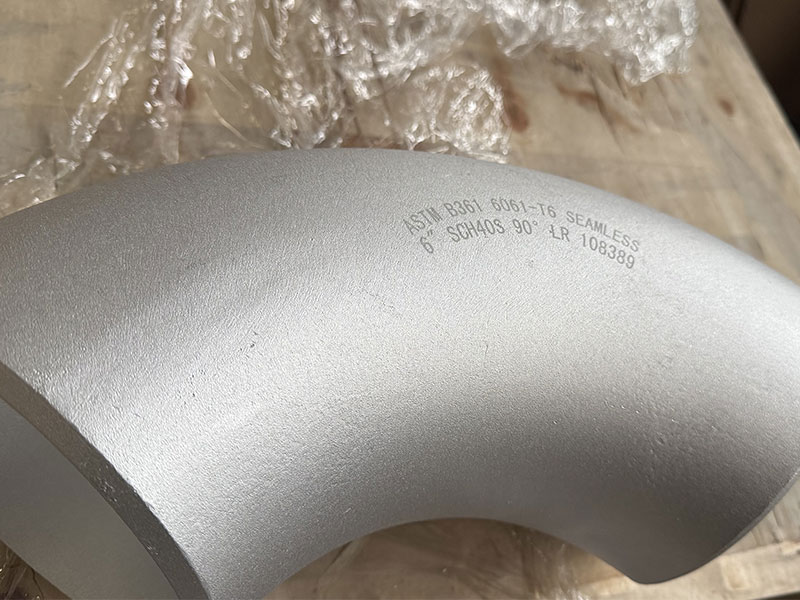
Aluminum Elbow for Ship Hot Water and Heating Systems
High-performance Aluminum Elbow designed for ship hot water and heating systems. Featuring optimal corrosion resistance, precise alloy specifications, and industry-standard tempering, this marine-grade fitting ensures durability and superior heat conducti
View Details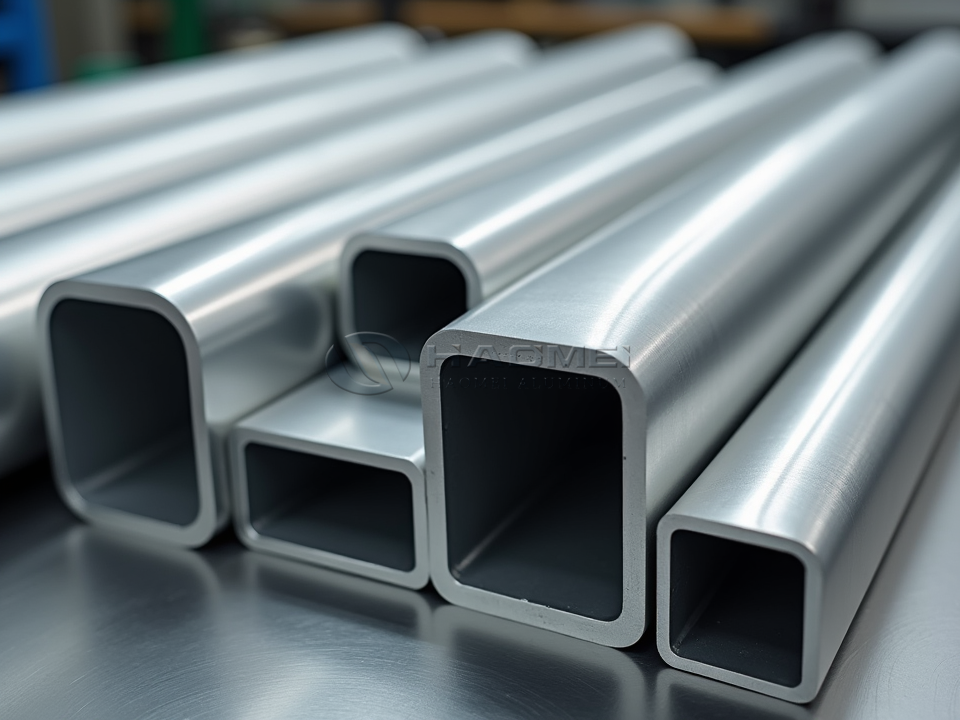
Aluminum Elbow for Shipboard Fuel and Water Storage Systems
Marine aluminum elbow guide covering alloy choices, corrosion resistance, specs, installation, and use in shipboard fuel and water storage systems.
View Details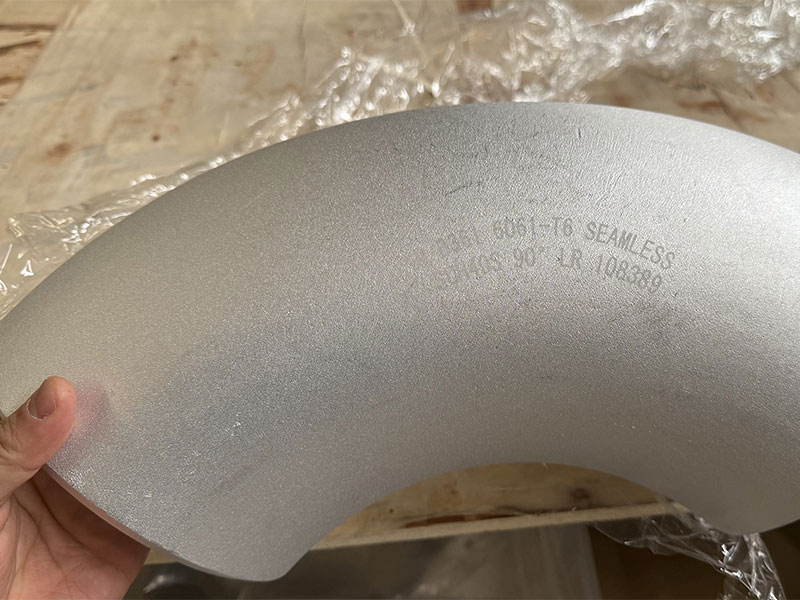
Custom Made Marine Aluminum Elbow for Offshore Installations
Custom made marine aluminum elbows are corrosion‑resistant, lightweight, and high‑strength fittings engineered for offshore installations, topside piping, and subsea support systems.
View Details
5083 Marine Aluminum Tubes for Coastal Boat Engineering Solutions
In coastal boat engineering, selecting materials that offer superior performance, durability, and resistance to harsh marine environments is critical. 5083 marine aluminum tubes present an exceptional solution.
View Details
Leave a Message