
Anodized Marine Aluminium Plate
Anodized marine aluminium plates are specialized aluminium alloy sheets enhanced through the anodizing process to provide superior corrosion resistance, durability, and aesthetics. They are specifically engineered to meet the rigorous demands of maritime environments where exposure to moisture, salt, and varying temperatures can rapidly degrade materials. These plates combine the inherent properties of marine-grade aluminium alloys with the benefits of anodization, providing a long-lasting, high-performance solution ideal for shipbuilding, offshore platforms, and other marine applications.
Features
- Corrosion Resistance: The anodized layer significantly increases resistance against saltwater corrosion and oxidation, enhancing the life-cycle of aluminium plates in harsh marine environments.
- Enhanced Surface Hardness: Anodization improves the surface hardness, making the plate more scratch-resistant and durable.
- Lightweight and High Strength: Utilizing marine-grade aluminium alloys, these plates offer an excellent strength-to-weight ratio.
- Non-toxic and Environmentally Friendly: Anodized surfaces are inert and safe for marine wildlife while being suitable for FDA-compliant applications such as food handling onboard.
- Aesthetic Enhancement: The smooth, uniform anodized finish provides an attractive appearance, which can be left natural or customizable with various dyes.
Chemical Composition
Marine aluminium plates generally use alloys from the 5XXX series (notably 5083 and 5052), which form the foundation for anodized products targeting marine applications. Below is a typical chemical composition for an anodized marine aluminium plate 5083 alloy:
| Element | Composition (%) |
|---|---|
| Aluminium (Al) | Balance (94.2 - 97.0) |
| Magnesium (Mg) | 4.0 — 4.9 |
| Manganese (Mn) | 0.4 — 1.0 |
| Iron (Fe) | ≤ 0.4 |
| Silicon (Si) | ≤ 0.4 |
| Copper (Cu) | 0.05 – 0.1 |
| Zinc (Zn) | ≤ 0.25 |
| Chromium (Cr) | 0.05 – 0.25 |
Note: Composition values may vary slightly based on specific supplier and grade requirements.
Technical Specifications
| Attribute | Value/Range |
|---|---|
| Thickness | 1.0 mm – 50 mm |
| Width | Up to 2500 mm |
| Length | 2000 mm – 8000 mm |
| Density | ~2.66 g/cm³ |
| Tensile Strength | 290 - 350 MPa |
| Yield Strength | 145 - 270 MPa |
| Elongation at Break | 12% - 17% |
| Hardness (Brinell) | 70 - 90 HB |
| Anodized Layer Thickness | Typically 10–25 microns |
| Surface Finish | Bright, Matt, or Custom Colored |
| Corrosion Resistance | Excellent in saltwater environments |
| Thermal Conductivity | Approx. 121 W/mK |
| Operating Temperature | -200 °C to +150 °C |
Performance & Benefits
| Performance Attribute | Benefit Description |
|---|---|
| Enhanced Corrosion Resistance | Smooth anodized oxide layer acts as a protective barrier preventing vessel degradation and marine organism corrosion. |
| Increased Surface Hardness | Greatly improves resistance to wear, abrasion, and mechanical damage critical for harsh outdoor conditions. |
| Lightweight with High Strength | Allows structural elements in boats and ships to remain strong yet simple to maneuver and maintain. |
| Improved Aesthetic Appeal | The anodizing process creates a uniform surface, offering better paint and coating adhesion if needed, and reduces maintenance frequency. |
| Maintenance Friendly | Pure anodized surfaces repel dirt and avoid extensive upkeep. Light cleaning is often sufficient to maintain appearance. |
Common Applications
The wide-ranging properties of anodized marine aluminium plates enable usage across numerous applications within the marine and heavy industry fields. Typical use cases include:
- Shipbuilding and Offshore Platforms: Hull plating, decks, structural bulkheads, and superstructures that require corrosion resistance under marine atmosphere.
- Marine Transportation Containers: Shipping containers, refrigerated modules, and cargo shells exposed to saline environment.
- Transportation and Vehicles: Components of ferries, river cruisers, and marine cargo carriers benefit from corrosion resistance and lightweight attributes.
- Architectural Marine Fixtures: Railings, ladders, and docking components exposed to weather and salt spray regularly.
- Underwater and Marine Electronics Housing: Protective casings for marine instrumentation exposed to high humidity and saltwater.
- Decorative Panels for Yachts and Cruise Liners: Offers long-term beauty in complex environments where untreated surfaces may rapidly degrade.
Anodized marine aluminium plates are a critical material solution designed for enduring excellence in harsh aquatic environments. They enhance the durability, functional life, and visual quality of marine vessels and offshore structures while providing an optimized balance of weight and strength. By using marine-grade aluminium alloys subject to precisely controlled anodizing processes, customers gain an engineering superlative capable of meeting demanding industry needs — all while reducing the costs and risks associated with corrosion and mechanical deterioration.
For more specific material dimensions, customized coatings, or questions related to anodized marine aluminium plates, please contact our technical support or sales engineers. We ensure reliable material supply consistent with both international standards and your unique engineering requirements.

Related Products
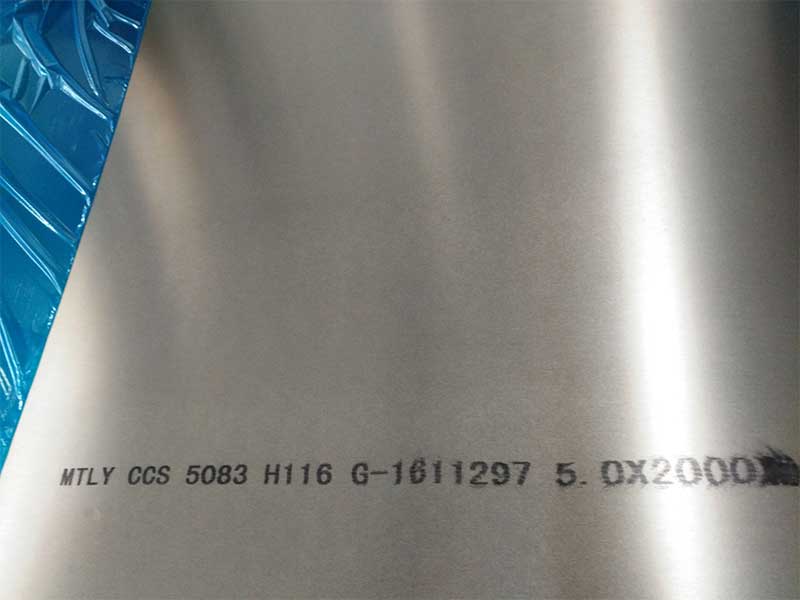
Marine 5083 aluminum plate
Marine 5083 Aluminum Plate belongs to the 5xxx series of aluminum-magnesium alloys and is classified as a non-heat-treatable alloy. Its high magnesium content (typically 4.0–4.9%) enhances its corrosion resistance, especially against seawater-related degradation such as pitting and stress corrosion cracking.
View Details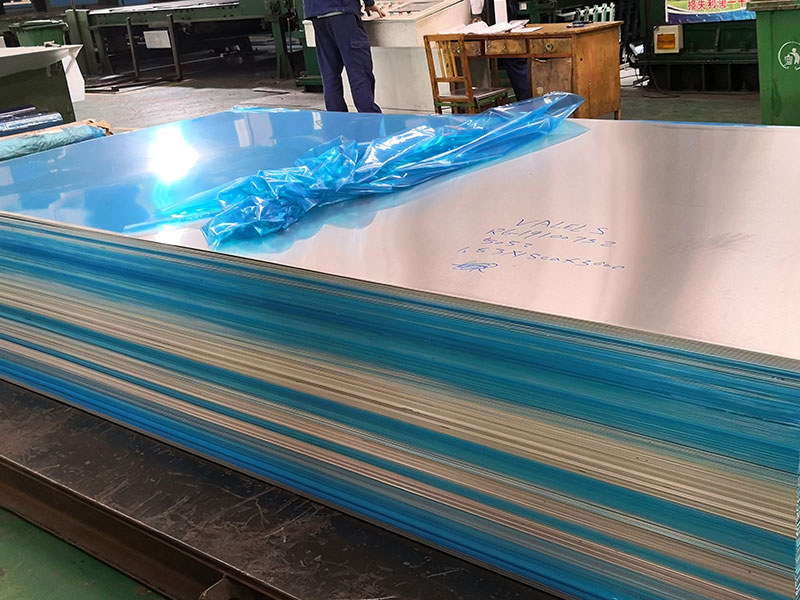
Marine 5059 aluminum plate
Marine 5059 Aluminum Plate is distinguished by its high magnesium content and carefully balanced alloying elements, designed to maximize strength without compromising corrosion resistance.
View Details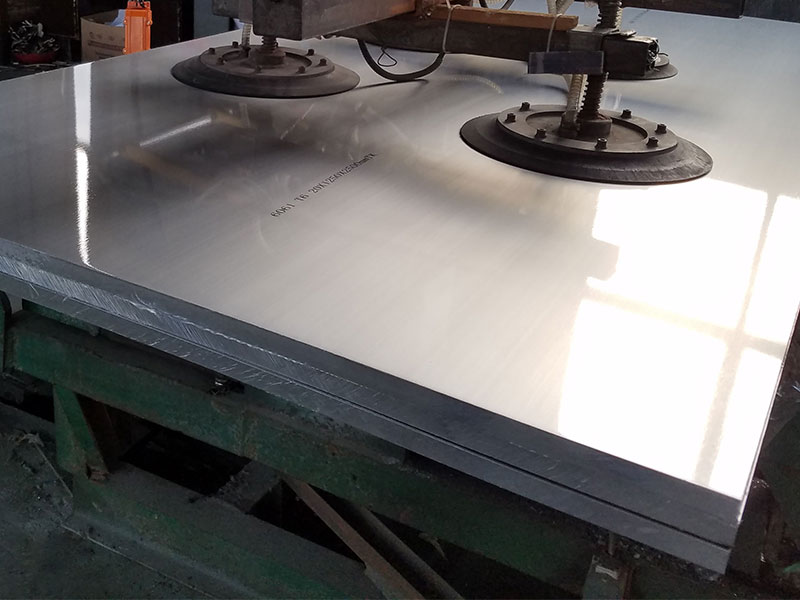
Marine heavy duty aluminum plate
Marine Heavy Duty Aluminum Plates Sheets generally refer to thick aluminum alloy plates and heavy gauge sheets produced from marine-grade alloys such as 5083, 5086, 5059, and 5383.
View Details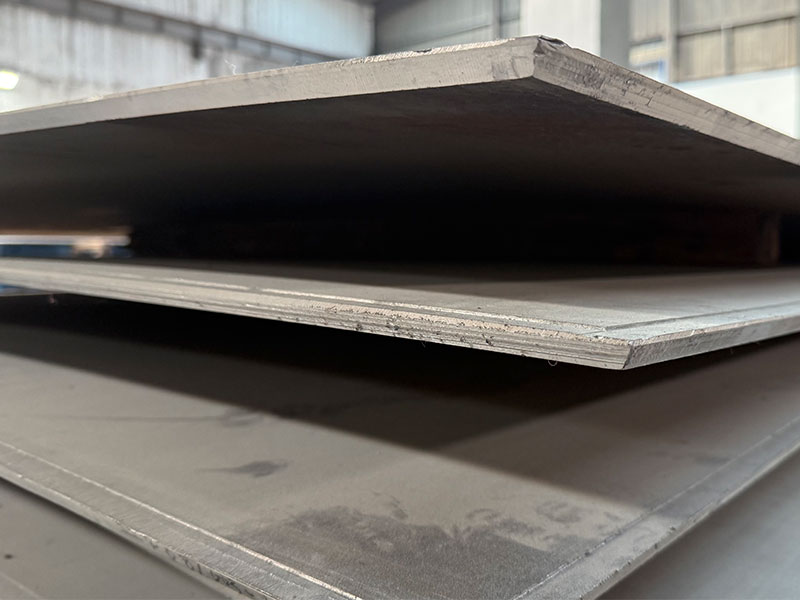
Marine aluminum steel clad plate
Aluminum / Steel Clad Plates consist of a sandwich construction in which a layer of marine-grade aluminum alloy is metallurgically bonded to a steel substrate.
View Details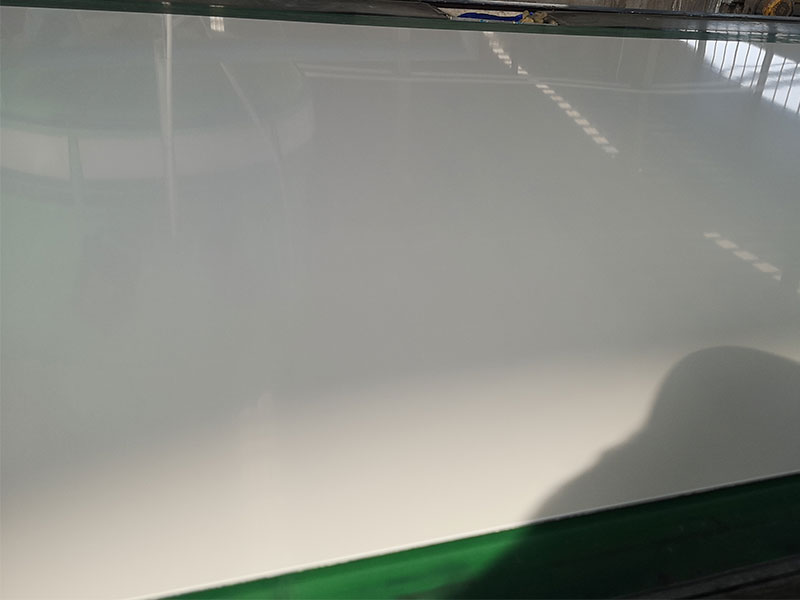
Marine 5086 aluminum plate
5086 Aluminum Plate belongs to the 5xxx series of aluminum-magnesium alloys. Its hallmark is a high magnesium content—generally between 4.0% and 4.9%—which delivers enhanced corrosion resistance, particularly against saltwater and marine atmospheric conditions.
View Details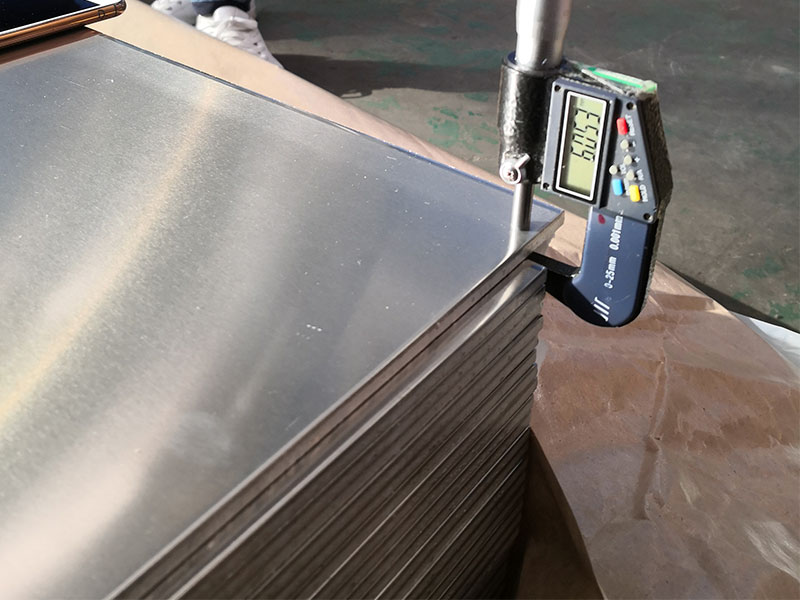
Marine 5383 aluminum plate
The 5383 aluminum alloy belongs to the 5xxx series of aluminum-magnesium alloys known for remarkable resistance to marine corrosion and high strength.
View DetailsRelated Blog
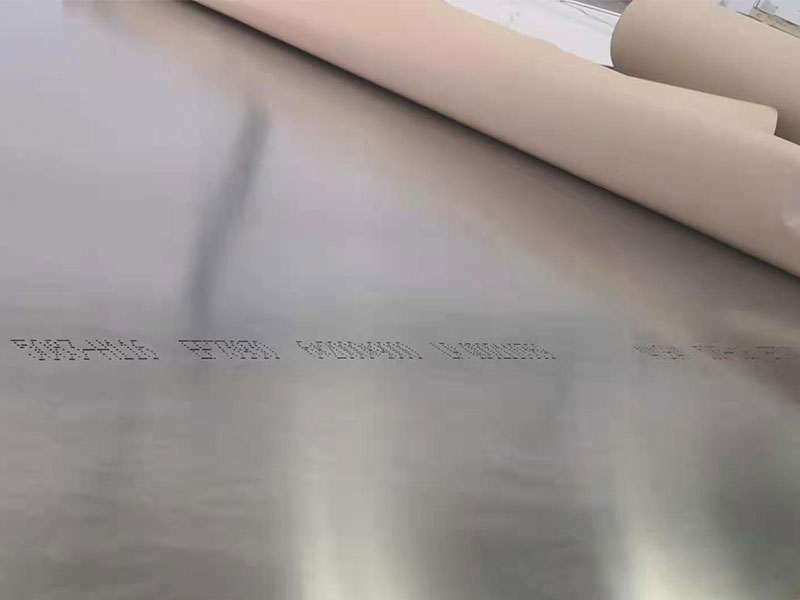
5083 hot rolled aluminium sheet plate for shipbuilding
5083 hot rolled aluminium sheet plate is a premium-grade aluminum product tailored specifically for shipbuilding applications. Renowned for its exceptional resistance to seawater corrosion, high strength, and easily weldable nature.
View Details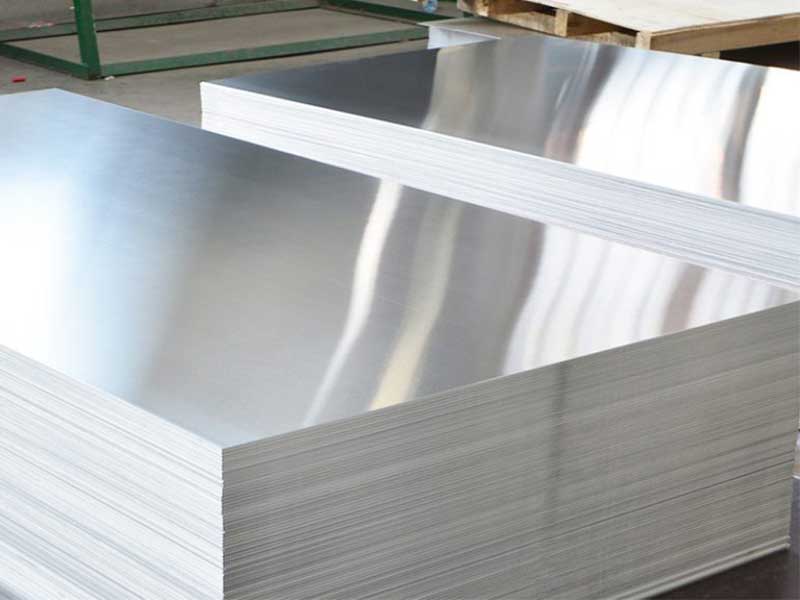
7.5 mm marine grade 5083 h16 h22 aluminium sheet plate
Marine environments are notoriously harsh, subjecting materials to saltwater corrosion, mechanical stress, and temperature fluctuations. Among the materials engineered to withstand these conditions, 7.
View Details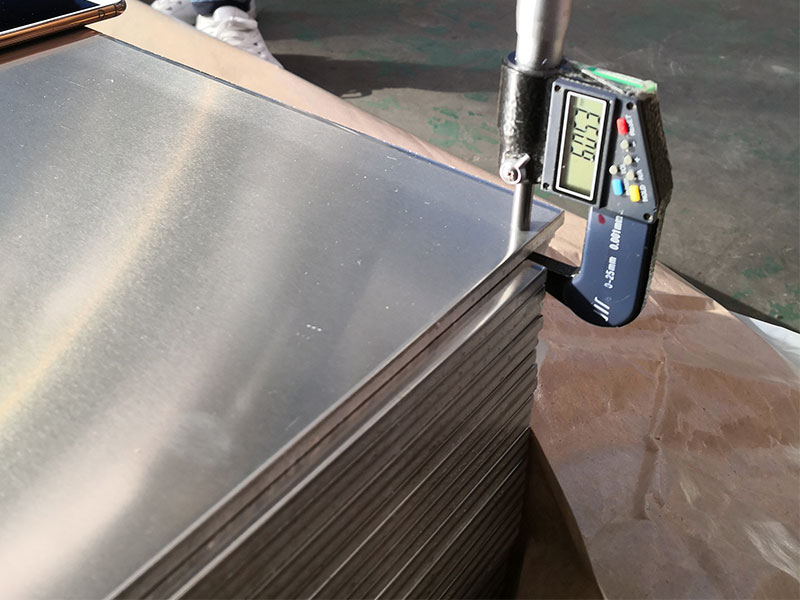
6082 t6 aluminum sheet for shipbuilding marine plate 6063 alloy
The marine and shipbuilding industry demands materials that withstand the harsh conditions of the sea while maintaining excellent performance and durability. Among the various materials available.
View Details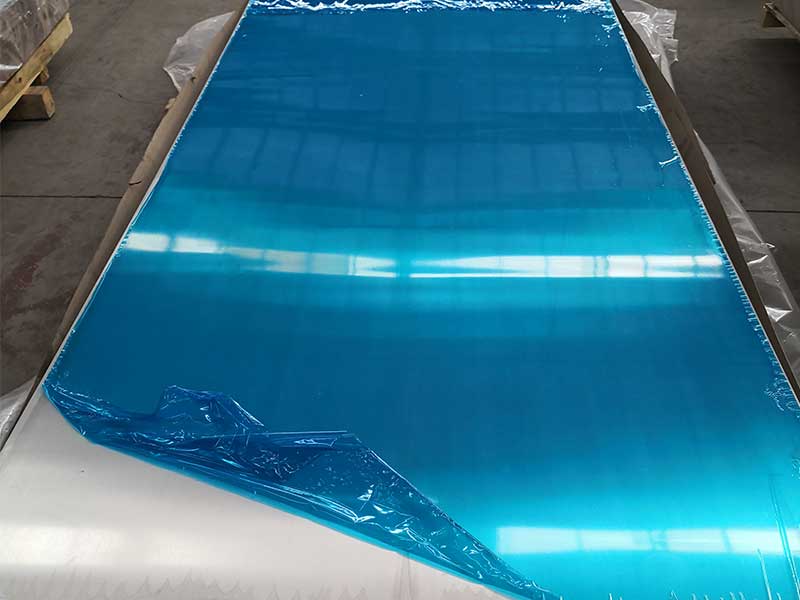
11 mm thick marine aluminium plate 5083
Marine industries demand materials that offer exceptional strength, corrosion resistance, and durability under harsh environmental conditions. The 11 mm thick marine aluminium plate 5083 is specifically designed to meet these rigorous standards.
View Details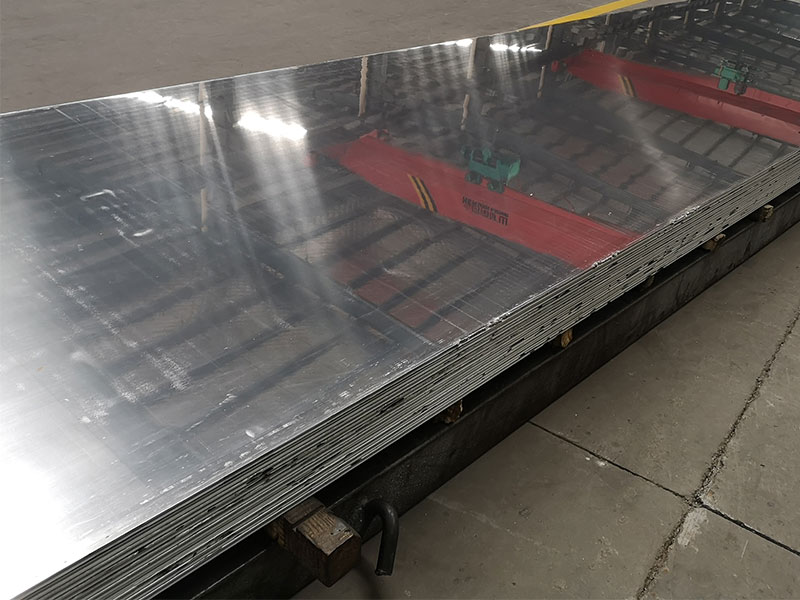
Marine Aluminum Alloy Plate 5052 5083 6061
Marine environments pose extreme challenges—constant exposure to saltwater corrosion, mechanical stresses, and environmental fluctuations demand materials that combine strength, durability, and corrosion resistance.
View Details
5083 5754 5182 aluminum alloy plate for boat
When it comes to constructing durable, lightweight, and corrosion-resistant boats, marine-grade aluminum alloy plates like 5083, 5754, and 5182 is know as the industry champions.
View Details
Leave a Message