
Application of 5052 Marine Aluminum Hollow Bars in Yacht Manufacturing
Yacht builders often judge a material by what happens after years of salt spray, vibration, docking impacts, and repeated wet-dry cycles. In this environment, 5052 marine aluminum hollow bars offer a practical balance of corrosion resistance, low weight, weldability, and formability. Rather than being used only as a tube-shaped substitute for solid stock, hollow bars can be designed as efficient structural and functional components that reduce mass without sacrificing the strength needed for marine service.
A hollow aluminum section places material around the outside diameter, where it contributes most effectively to bending stiffness. This makes 5052 hollow bars especially suitable for yacht parts that must remain light while resisting localized loads, torsion, or continuous vibration.
Why 5052 Works in the Marine Environment
5052 is an aluminum-magnesium alloy in the 5xxx series. Its corrosion resistance comes largely from its aluminum oxide surface film and magnesium-bearing composition. In yacht manufacturing, it performs well in atmospheric marine exposure, freshwater, coastal humidity, and many saltwater splash-zone applications.
Unlike heat-treatable 6xxx aluminum alloys, 5052 gains strength mainly through cold working. This gives fabricators a useful choice between softer tempers for forming and stronger tempers for machined or semi-structural parts. It also has good weldability using appropriate filler metals, commonly 5356 or 5183 where the welding procedure requires them.
For yacht manufacturers, the material's real value is not simply corrosion resistance. It is the way that corrosion resistance, workable fabrication behavior, and lightweight design can be combined in one component. A hollow bar can serve as a handrail support, tubular bracket, trim frame, equipment sleeve, conduit housing, or custom-machined marine fitting.
Common Yacht Applications
5052 hollow bars are often selected for components that need a clean profile, controlled internal diameter, and reliable performance in moist spaces. Typical uses include:
- Deck rail supports and lightweight tubular frames
- Bimini, canopy, and windscreen support members
- Interior furniture frames and cabin partition supports
- Cable, hydraulic-line, and drainage protection sleeves
- Custom-machined collars, spacers, bushings, and mounting tubes
- Seating frames, tender supports, and light-duty davit accessories
- Engine-room protective housings where low weight and corrosion resistance are required
For designs requiring a round, square, or rectangular cavity, Marine aluminum hollow bars can reduce machining waste compared with drilling deep holes into solid bars. This is especially beneficial for parts such as stanchion bases, bearing sleeves, spacer tubes, and equipment adapters.
Chemical Composition of 5052 Aluminum Alloy
The composition of 5052 is controlled to provide good resistance to marine corrosion while retaining forming and welding capability. Magnesium is the principal alloying element, while chromium contributes to corrosion resistance and structure stability.
| Element | Typical Requirement, % by Weight |
|---|---|
| Aluminum, Al | Balance |
| Magnesium, Mg | 2.2-2.8 |
| Chromium, Cr | 0.15-0.35 |
| Silicon, Si | 0.25 max |
| Iron, Fe | 0.40 max |
| Copper, Cu | 0.10 max |
| Manganese, Mn | 0.10 max |
| Zinc, Zn | 0.10 max |
| Titanium, Ti | 0.10 max |
| Other elements, each | 0.05 max |
| Other elements, total | 0.15 max |
Actual mill test certificates should be reviewed for every order, particularly when the hollow bars will be used in certified yacht construction or welded assemblies.
Typical Parameters for 5052 Marine Aluminum Hollow Bars
Dimensions are normally produced to project requirements. Round hollow bars are specified by outside diameter, wall thickness, inside diameter, straightness, and length. Square or rectangular hollow sections require external dimensions, wall thickness, corner radius, and twist tolerance.
| Parameter | Typical Range or Condition |
|---|---|
| Alloy | 5052 / AlMg2.5 |
| Product form | Round, square, rectangular, or custom hollow bar |
| Outside diameter | Commonly 10-250 mm, subject to production capability |
| Wall thickness | Commonly 1.0-25 mm, depending on section size |
| Standard lengths | 3 m, 5 m, 6 m, or cut-to-length |
| Surface finish | Mill finish, brushed, polished, anodized, or coated |
| Density | Approximately 2.68 g/cm³ |
| Melting range | Approximately 605-650°C |
| Corrosion behavior | Good resistance in marine atmospheres and splash exposure |
| Welding suitability | Good, with qualified marine welding procedures |
Tighter tolerances may be needed when hollow bars will be CNC machined into precision fittings. For decorative yacht hardware, surface appearance should also be specified, since extrusion lines, die marks, and handling scratches may remain visible after polishing or anodizing.
Temper Options and Mechanical Behavior
5052 is a non-heat-treatable alloy. It should not be specified as T6, because T6 is a heat-treatment temper associated with heat-treatable alloys such as 6061. Strength in 5052 is developed through strain hardening and, in some cases, stabilization.
| Temper | General Condition | Typical Yacht Use |
|---|---|---|
| O | Annealed, soft condition | Formed parts, bent frames, complex shaping |
| H32 | Strain hardened and stabilized | General marine fittings, formed supports, trim structures |
| H34 | Higher strain-hardened condition | Stiffer rail components, sleeves, structural accessories |
| H36 | High-strength cold-worked condition | Parts requiring improved dent resistance |
| H38 | Full hard condition | Limited formed applications and rigid small sections |
Mechanical values vary with wall thickness, extrusion method, and temper. As a general guide, 5052-H32 commonly provides tensile strength around 210-260 MPa, while elongation remains suitable for many fabrication operations. The O temper offers much greater formability but lower strength. Designers should use certified values from the mill certificate rather than relying only on general reference data.
Standards and Quality Conditions
Material standards help yacht builders align purchasing specifications, fabrication requirements, and inspection records. Common references for 5052 hollow bars include ASTM B221 for extruded aluminum bars, rods, profiles, and tubes; ASTM B241 for seamless extruded pipe and seamless extruded tube; EN 573-3 for chemical composition; EN 755 for extruded product requirements; and EN 10204 for inspection documentation.
Where yacht construction is classed, requirements from organizations such as ABS, DNV, Lloyd's Register, or Bureau Veritas may also apply. Classification acceptance depends on the vessel, intended service, welding plan, traceability level, and the exact product form. A builder should confirm whether mill certificates, third-party inspection, ultrasonic examination, dimensional reports, or corrosion-related testing are required before procurement.
For applications that require a solid profile rather than a hollow section, Marine grade aluminum solid bar can be more appropriate for heavily machined fittings, pins, and high-contact mounting parts.
Fabrication Notes for Yacht Builders
The performance of 5052 hollow bar depends greatly on fabrication discipline. During cutting and machining, tools should be kept free from carbon-steel contamination. Embedded iron particles can create rust staining on aluminum surfaces, which may be mistaken for failure of the aluminum itself.
When welding, use clean joint preparation and select filler wire according to the design and corrosion requirements. Heat input should be controlled because the heat-affected zone loses some cold-work strength. If a high-temper hollow bar is welded, the joint area should not be assumed to retain the same strength as the parent material.
Galvanic corrosion also deserves attention. Aluminum hollow bars should be isolated from stainless steel, copper alloys, and carbon steel where moisture can remain trapped. Non-conductive washers, sealants, protective coatings, and drainage provisions help prevent corrosion at joints. Open tube ends should be capped or drained, since stagnant seawater inside a hollow section can create a more aggressive local environment than the outer surface.
A Lightweight Path to Durable Yacht Components
5052 marine aluminum hollow bars provide yacht designers with more than a lightweight metal tube. They offer a material platform for cleaner structures, efficient machining, corrosion-aware detailing, and lower vessel weight. When the correct temper, wall thickness, finish, welding procedure, and isolation method are selected, 5052 hollow sections can support dependable yacht components from deck hardware to interior frames and protected utility systems.
For marine projects where weight, formability, and saltwater durability must work together, 5052 remains a highly practical choice.

Related Products
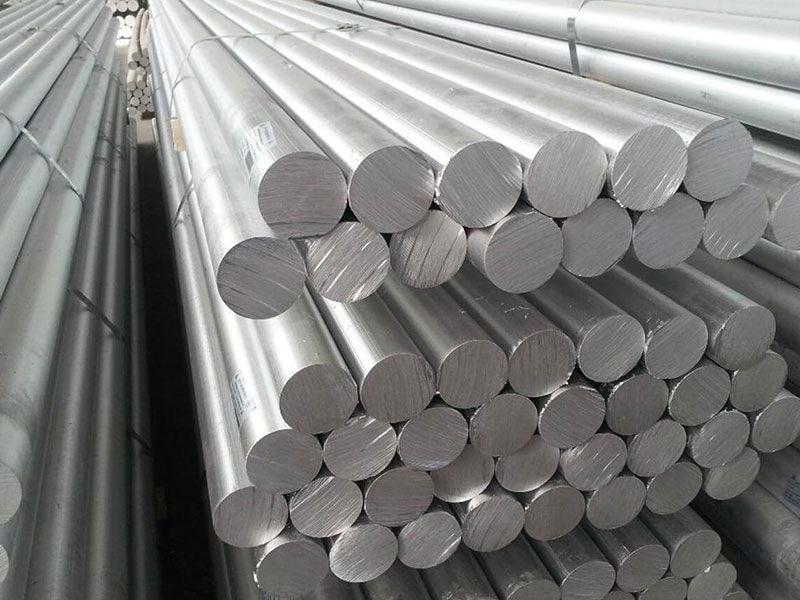
6082 marine aluminum rod & bar
6082 Aluminum Rods & Bars are extruded or rolled products manufactured from 6082 aluminum alloy — a thermally treated (typically T6 temper) aluminum-magnesium-silicon alloy that balances high tensile strength, good weldability, and excellent corrosion resistance.
View Details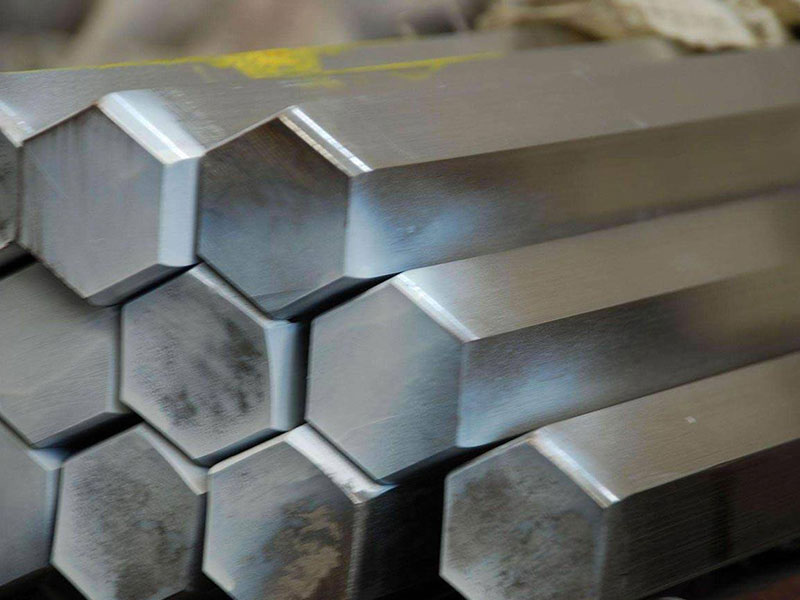
Marine aluminum hexagonal bars
Marine Grade Aluminum Hexagonal Bars are produced from premium corrosion-resistant aluminum alloys such as 5083, 5052, 6061, and 6082.
View Details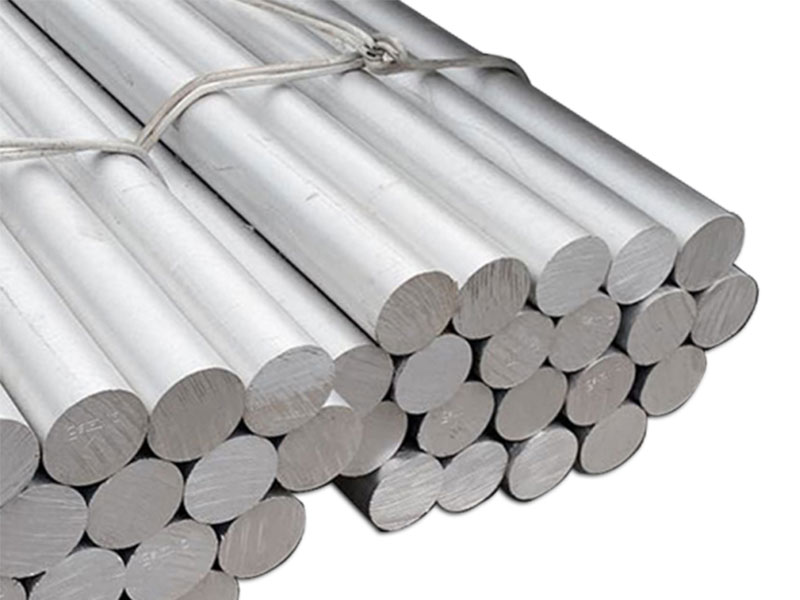
Marine grade aluminum solid bar
Marine Grade Aluminum Solid Bars are produced from premium aluminum alloys optimized for saltwater exposure, such as 5083, 5052, 6061, and 6082. These alloys offer unparalleled resistance to corrosion caused by seawater, salt spray, and marine atmospheres, while maintaining excellent mechanical strength and toughness.
View Details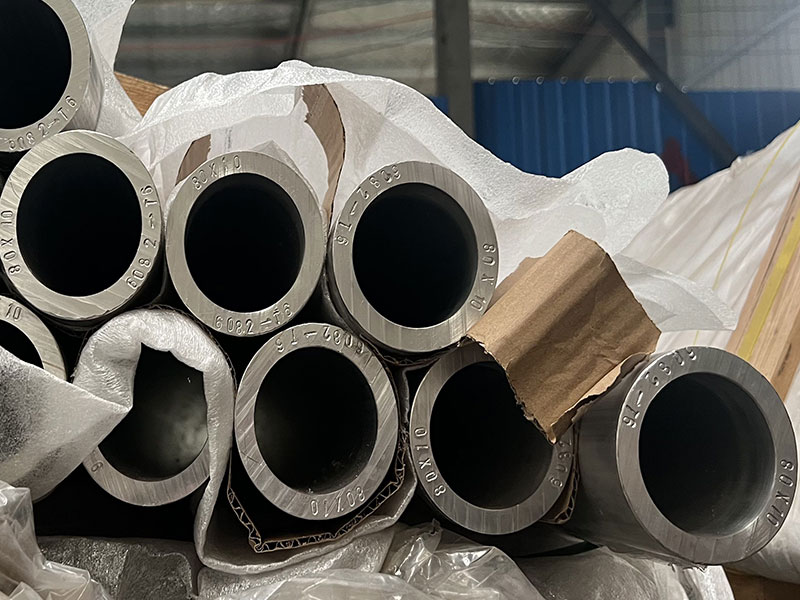
Marine aluminum hollow bars
Marine Grade Aluminum Hollow Bars are fabricated from high-quality alloys such as 5083, 5052, 6061, and 6082, all known for their exceptional resistance to seawater corrosion, salt spray, and marine atmospheres.
View DetailsRelated Blog
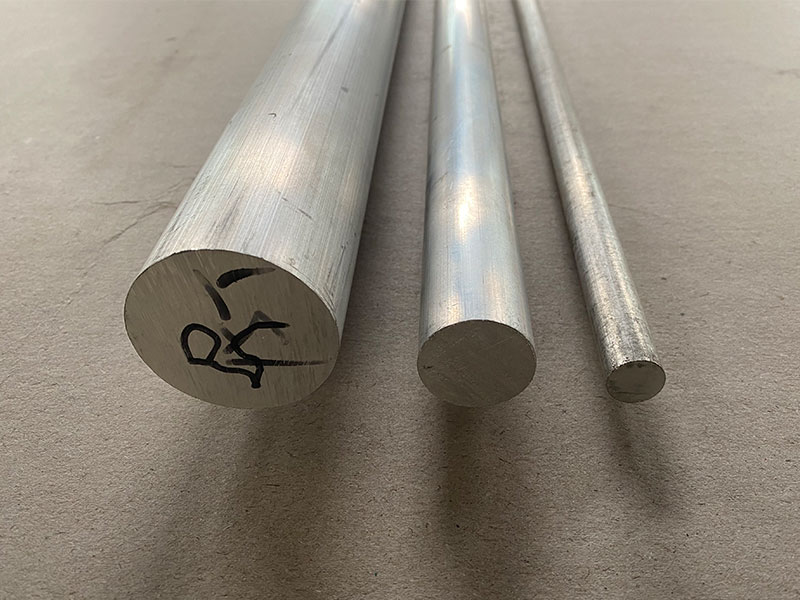
6082 Marine Aluminum Hexagonal Bars for Offshore Marine Construction Parts
6082 Marine Aluminum Hexagonal Bars for Offshore Marine Construction Parts: Unveiling Their Functional Excellence and Unique ApplicationsWhen it comes to the demanding realm of offshore marine construction, material selection is to ensuring longevity, saf
View Details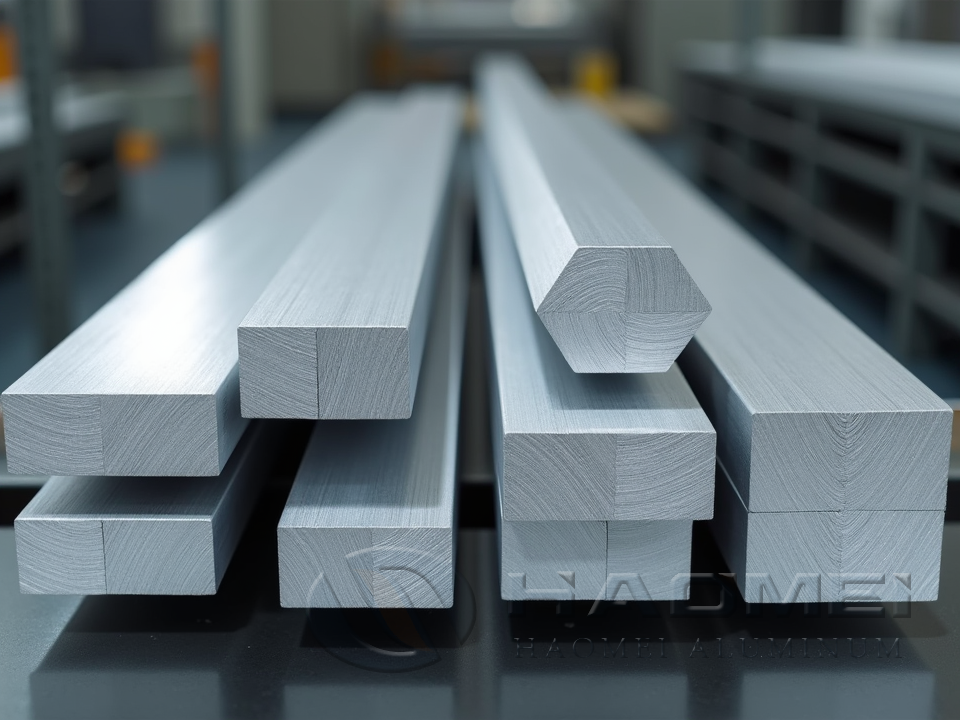
6061 Marine Aluminum Hexagonal Bars for Offshore Vessel Strengthening
Learn how 6061 marine aluminum hexagonal bars add strength, corrosion resistance, and machining efficiency to offshore vessel upgrades and deck hardware.
View Details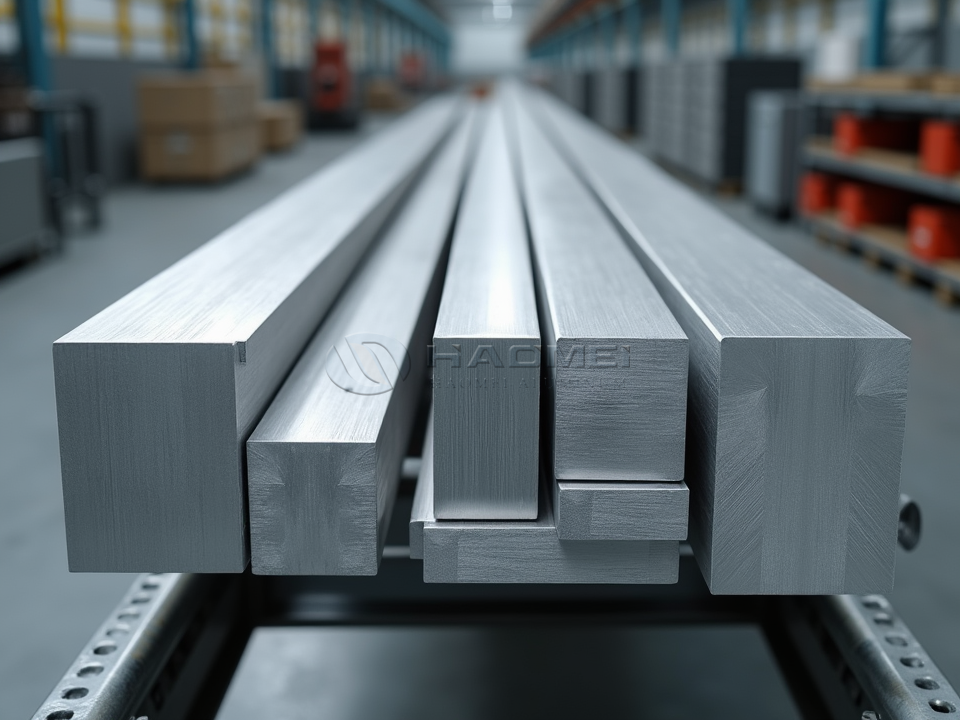
Marine Grade Aluminum Solid Bar for Offshore Engineering Applications
Marine grade aluminum solid bar combines seawater corrosion resistance, machinability, and structural strength for reliable offshore fittings and equipment components.
View Details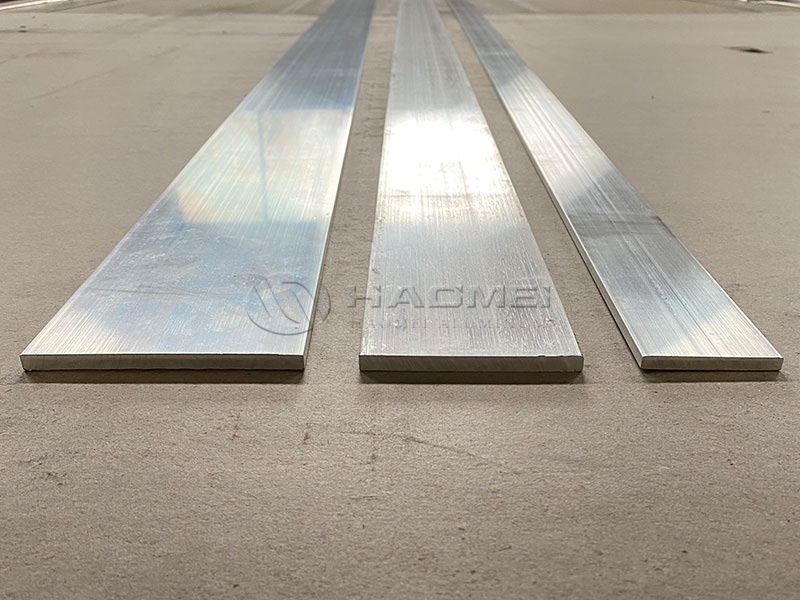
How to Choose Corrosion Resistant Marine Aluminum Bars
Choose corrosion resistant marine aluminum bars by matching alloy, temper, profile, standards, and isolation details to real saltwater service conditions.
View Details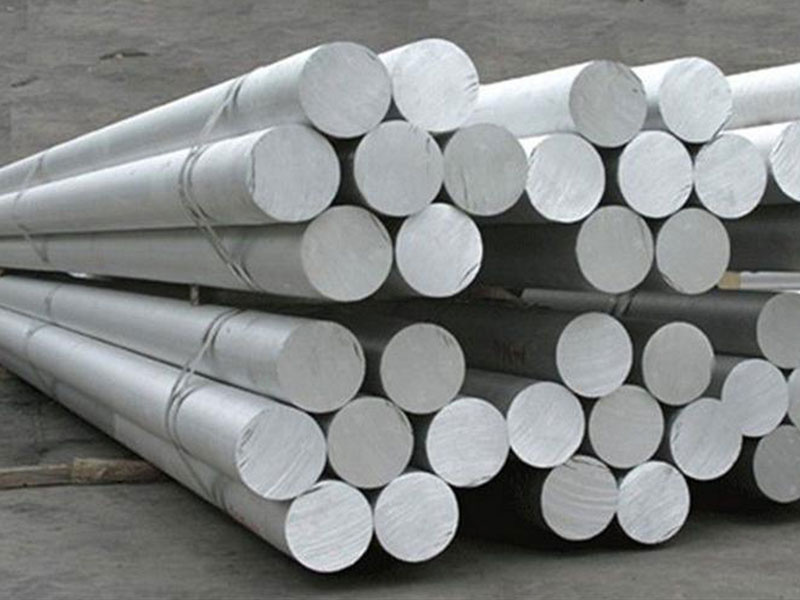
6082 Marine Aluminum Bar for High Strength Marine Components
In the demanding world of marine engineering, the choice of materials defines not only the longevity but also the safety and performance of vessels. Among the plethora of metal options.
View Details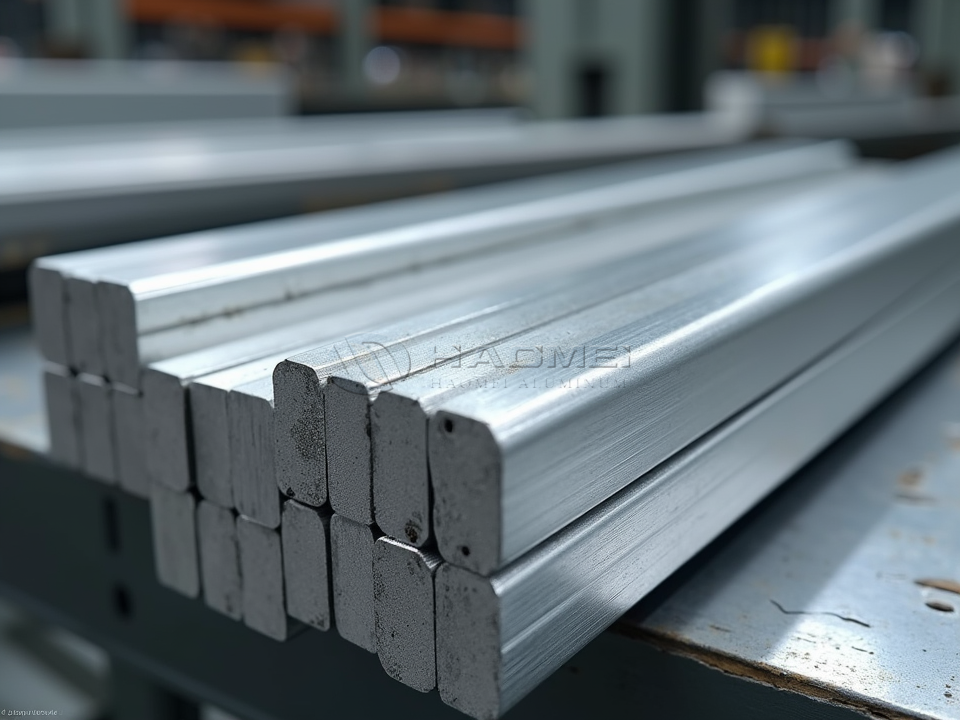
Advantages of 5083 Marine Grade Aluminum Bar for Marine Use
Explore how 5083 marine grade aluminum bar combines seawater corrosion resistance, weldability, and strength for reliable marine structures and hardware.
View Details
Leave a Message