
Marine Grade Aluminum Solid Bar for Offshore Engineering Applications
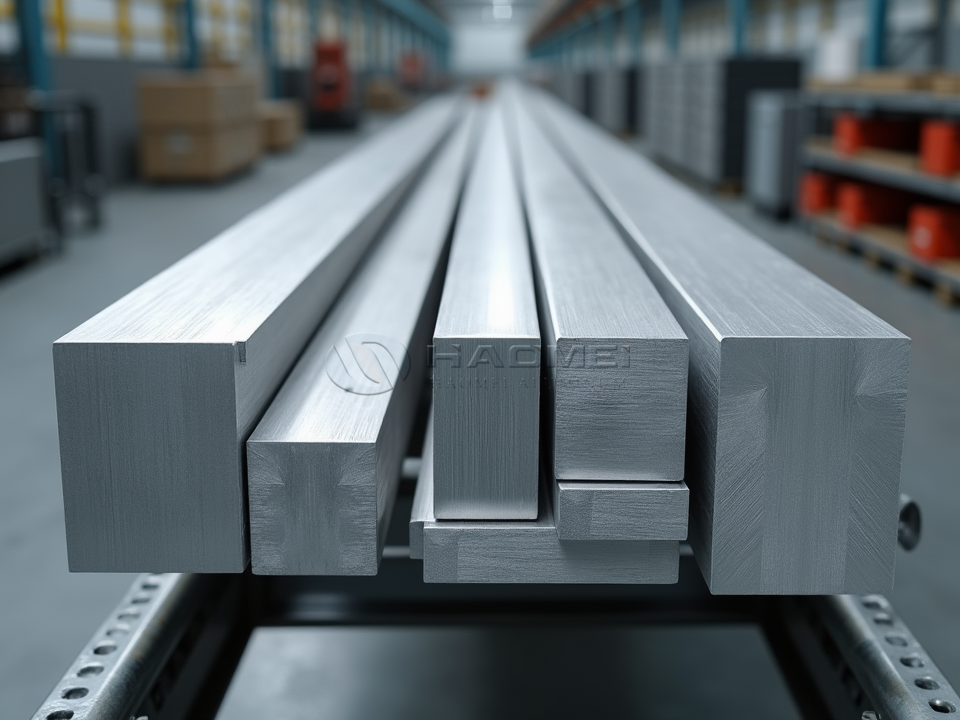
Marine grade aluminum solid bar is engineered for components exposed to salt spray, humidity, splash zones, vibration, and long service cycles. In offshore engineering, a bar is rarely just raw stock. It becomes a precision-machined bracket, valve body, cleat, shaft collar, instrument mount, handrail connection, or structural fitting that must remain dependable when the environment is at its harshest.
Compared with ordinary aluminum stock, marine alloys are selected for their balanced resistance to chloride corrosion, useful mechanical strength, low density, and practical fabrication behavior. The result is a material that helps offshore platforms, workboats, floating systems, port equipment, and marine energy installations reduce dead weight without compromising operational reliability.
Built for Saltwater Exposure
The major advantage of marine grade aluminum solid bar is its naturally protective oxide film. When the surface is clean and properly maintained, this film provides meaningful resistance against atmospheric and seawater corrosion. Aluminum-magnesium alloys such as 5052, 5083, and 5086 are especially valued where direct marine exposure is expected. Their magnesium content supports excellent corrosion performance while retaining good formability and weldability.
Heat-treatable aluminum-magnesium-silicon alloys, particularly 6061-T6 and 6082-T6, offer higher strength and excellent machinability. They are widely used for accurately machined offshore fittings, load-bearing supports, frames, and hardware. In highly aggressive seawater service, alloy selection should consider coating design, crevice geometry, galvanic isolation, and whether the part will be welded or machined.
A properly specified Marine grade aluminum solid bar can deliver a long working life while reducing the lifting, handling, and installation burden associated with steel alternatives. Aluminum weighs approximately one-third as much as carbon steel, an important benefit on topside structures and weight-sensitive vessels.
Common Alloy Choices and Performance
| Alloy and Temper | Typical Strength Level | Corrosion Behavior | Fabrication Characteristics | Suitable Offshore Uses |
|---|---|---|---|---|
| 5052-H32 | Medium | Excellent in marine atmosphere | Good bending and welding | Covers, brackets, light-duty fittings |
| 5083-H116/H321 | Medium to high | Excellent in seawater | Good welding, moderate machining | Structural components, deck equipment |
| 5086-H116/H321 | Medium to high | Excellent in seawater | Very good weldability | Marine supports, frames, heavy-duty fittings |
| 6061-T6 | High | Good with suitable protection | Excellent machining, moderate weld strength retention | Precision parts, flanges, mounts, structural hardware |
| 6082-T6 | High | Good with suitable protection | Strong, machinable, weldable | Offshore fittings, load-bearing connections |
Mechanical values vary with bar size, temper, production route, and applicable standard. Material certification should be reviewed for each purchase requirement, especially where a component is designed for lifting, fatigue loading, pressure containment, or safety-related duty.
Typical Chemical Composition
The chemistry of a marine aluminum bar influences corrosion resistance, strength, weldability, and response to machining. The following table gives commonly referenced nominal composition ranges in weight percent.
| Alloy | Magnesium | Manganese | Silicon | Iron | Copper | Chromium | Aluminum |
|---|---|---|---|---|---|---|---|
| 5052 | 2.2-2.8 | 0.10 max | 0.25 max | 0.40 max | 0.10 max | 0.15-0.35 | Balance |
| 5083 | 4.0-4.9 | 0.40-1.0 | 0.40 max | 0.40 max | 0.10 max | 0.05-0.25 | Balance |
| 5086 | 3.5-4.5 | 0.20-0.7 | 0.40 max | 0.50 max | 0.10 max | 0.05-0.25 | Balance |
| 6061 | 0.8-1.2 | 0.15 max | 0.4-0.8 | 0.70 max | 0.15-0.40 | 0.04-0.35 | Balance |
| 6082 | 0.6-1.2 | 0.4-1.0 | 0.7-1.3 | 0.50 max | 0.10 max | 0.25 max | Balance |
Shapes, Sizes, and Surface Options
Marine aluminum solid bar is available in round, square, flat, rectangular, and hexagonal profiles. Round bars are frequently machined into pins, bushings, rollers, spacers, and shaft-related parts. Square and rectangular bars provide convenient stock for brackets, guide blocks, support feet, and structural connections. Flat bar is often chosen for stiffeners, frames, ladders, and fabricated hardware.
Standard stock lengths can be cut to project requirements, helping reduce workshop scrap and machining preparation time. Precision saw cutting, close dimensional tolerances, deburred edges, and protective packaging are useful for offshore fabricators handling multiple part references.
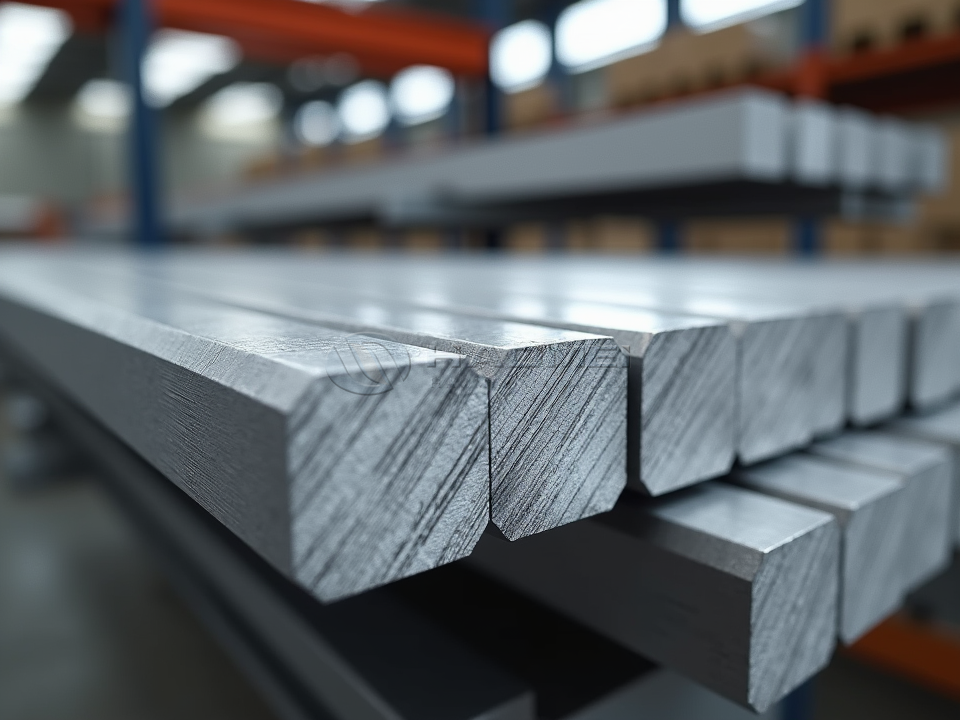
Surface treatment can significantly extend service performance. Mill finish is practical for internal or protected applications. Anodizing improves surface hardness and atmospheric durability, while marine paint systems provide an additional barrier in exposed locations. For 6061 and 6082 parts used beside stainless steel, copper alloys, or carbon steel, electrical isolation through non-conductive washers, sleeves, gaskets, or coatings is strongly recommended.
Offshore Engineering Applications
Marine aluminum solid bar supports a broad range of fabricated and machined parts across coastal and offshore assets. Common applications include:
- Platform handrail fittings, ladder components, and access system brackets
- Instrument supports, cable tray connections, junction-box mounts, and control cabinet hardware
- Boat landing accessories, fender supports, cleats, and deck fittings
- Pump, valve, and piping support components in non-pressure structural duties
- Winch guards, guide blocks, mounting plates, and lightweight equipment frames
- ROV handling fixtures, sensor brackets, and marine monitoring assemblies
- Gangway, pontoon, floating dock, and marina hardware
- Wind farm service vessel equipment and offshore renewable-energy structures
For demanding fittings that need high strength and controlled machining, 6082 marine aluminum rod & bar is a practical choice. Its T6 temper provides dependable strength for engineered connections, while its machinability supports accurate threads, bores, slots, and bearing seats.
Design Considerations for Long-Term Service
Successful aluminum design offshore depends on more than selecting an alloy. Avoid narrow gaps that trap seawater and create crevice corrosion conditions. Provide drainage paths, prevent stagnant water accumulation, and use smooth transitions to limit stress concentration. Where fatigue is possible, generous radii and suitable section thickness are preferable to sharp internal corners.
Galvanic corrosion deserves close attention. Aluminum can corrode rapidly when electrically coupled with more noble metals in the presence of seawater. Stainless fasteners should be isolated where possible, and contact surfaces should be sealed or coated. Welding procedures must match the selected alloy and filler metal, since heat input can reduce strength in heat-treatable tempers near the weld zone.
Marine grade aluminum solid bar offers an efficient foundation for offshore parts that must be light, durable, corrosion-conscious, and easy to machine. With the right alloy, temper, finish, and joint design, it performs confidently from sheltered harbor equipment to exposed offshore structures.

Related Products
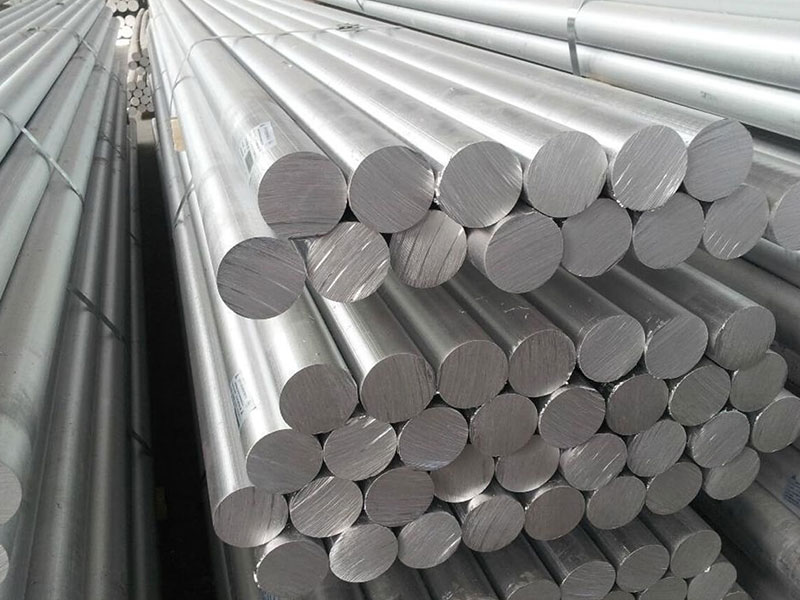
6082 marine aluminum rod & bar
6082 Aluminum Rods & Bars are extruded or rolled products manufactured from 6082 aluminum alloy — a thermally treated (typically T6 temper) aluminum-magnesium-silicon alloy that balances high tensile strength, good weldability, and excellent corrosion resistance.
View Details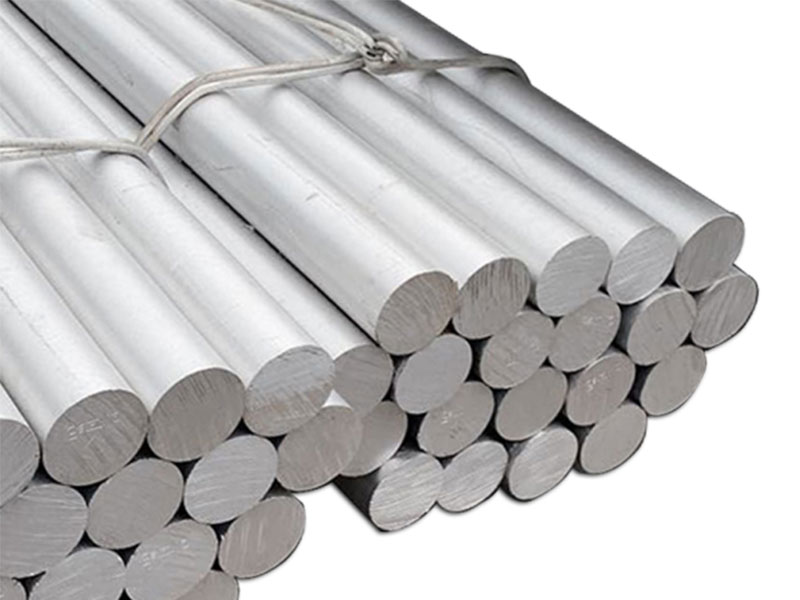
Marine grade aluminum solid bar
Marine Grade Aluminum Solid Bars are produced from premium aluminum alloys optimized for saltwater exposure, such as 5083, 5052, 6061, and 6082. These alloys offer unparalleled resistance to corrosion caused by seawater, salt spray, and marine atmospheres, while maintaining excellent mechanical strength and toughness.
View Details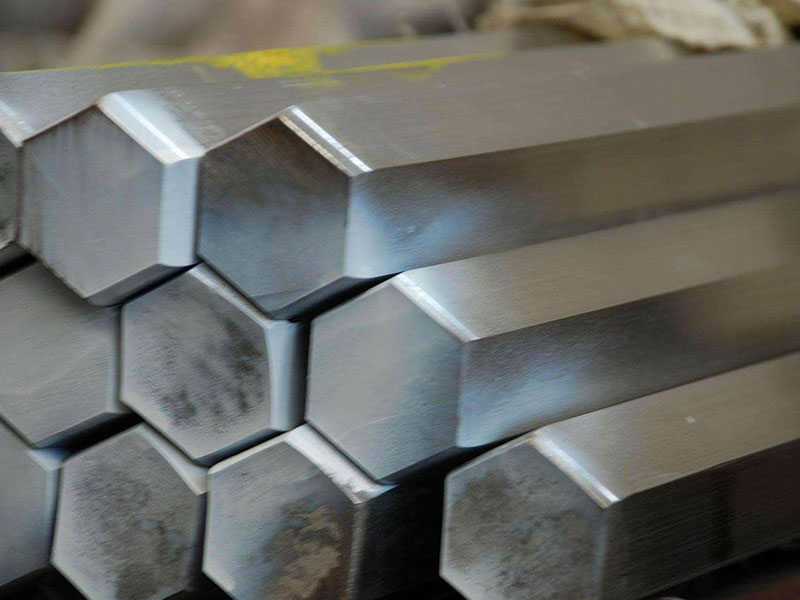
Marine aluminum hexagonal bars
Marine Grade Aluminum Hexagonal Bars are produced from premium corrosion-resistant aluminum alloys such as 5083, 5052, 6061, and 6082.
View Details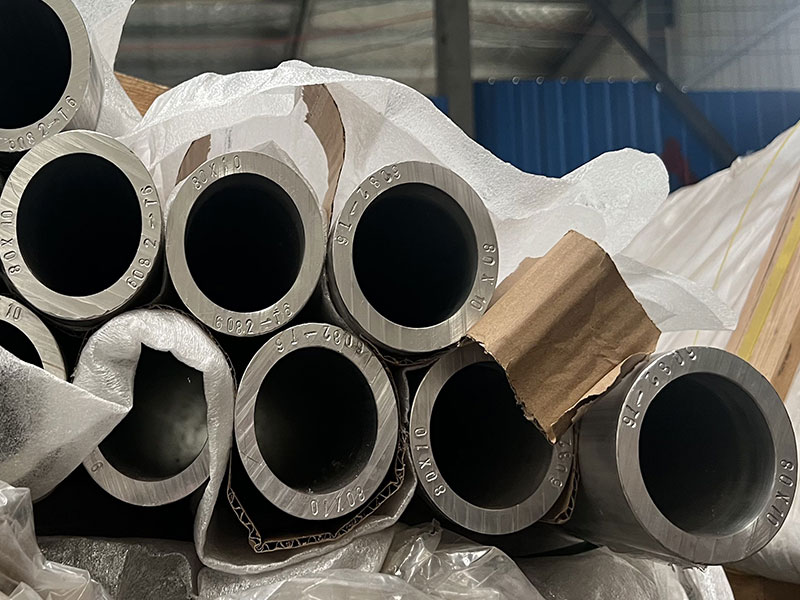
Marine aluminum hollow bars
Marine Grade Aluminum Hollow Bars are fabricated from high-quality alloys such as 5083, 5052, 6061, and 6082, all known for their exceptional resistance to seawater corrosion, salt spray, and marine atmospheres.
View DetailsRelated Blog
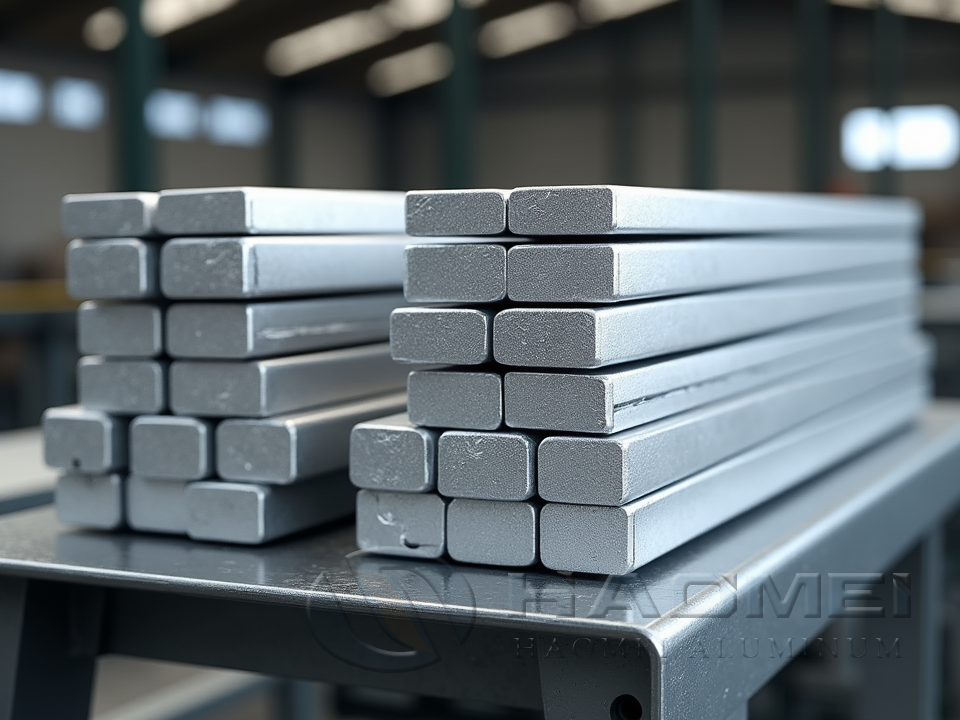
Marine Aluminum Hexagonal Bars for Coastal Boat Design and Customization
Marine aluminum hexagonal bars for coastal boats, covering alloys, tempers, corrosion resistance, machining uses, standards, and custom size options for builds.
View Details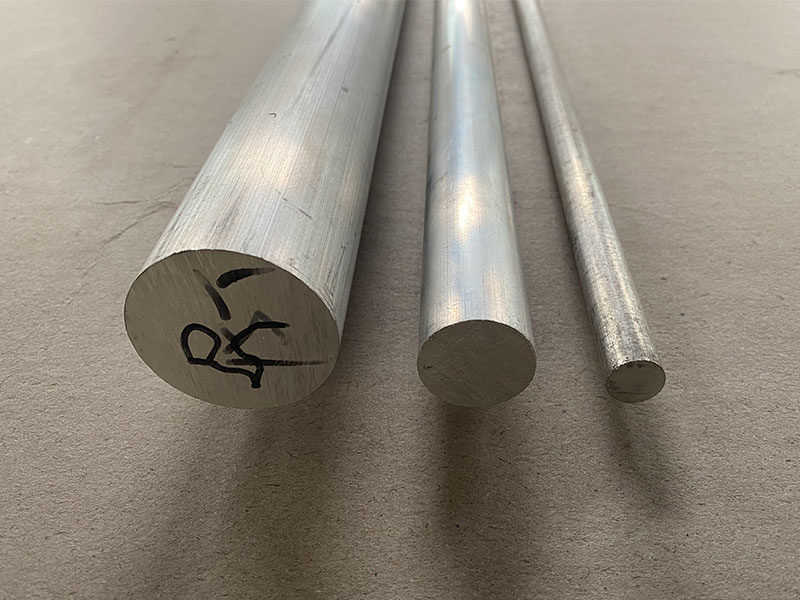
6082 Marine Grade Aluminum Solid Bar for Saltwater Resistant Marine Parts
The 6082 marine grade aluminum solid bar is a high‑strength, corrosion‑resistant alloy widely used for structural components in harsh marine environments. It offers an excellent balance of strength, workability, and long‑term durability, maki.
View Details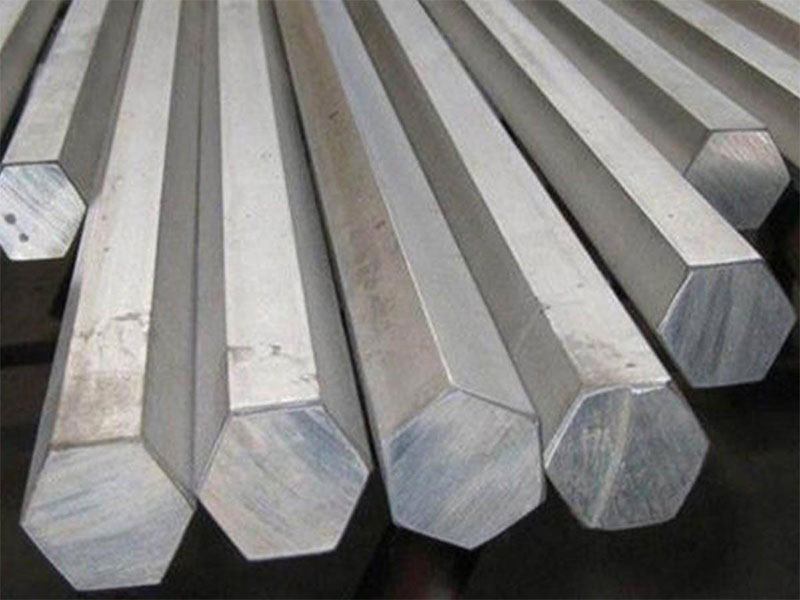
Marine Aluminum Hollow Bars for Marine Platform Construction
In the challenging domain of marine platform construction, the choice of materials directly influences the longevity, safety, and performance of offshore installations.
View Details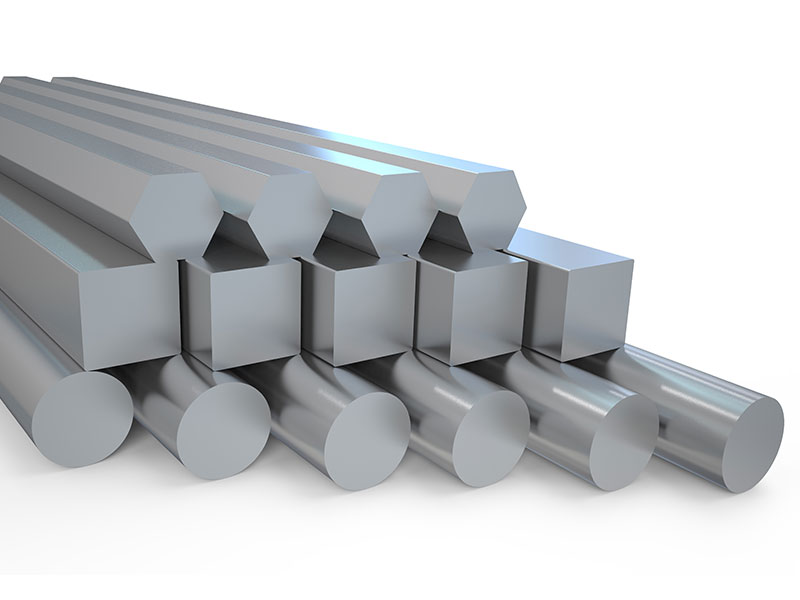
5083 Marine Aluminum Bar for Long Term Marine Equipment Support
Marine applications demand materials that can withstand harsh environments, conduct excellent performance, and provide durability for long-lasting use. One such product that has gained prominence in the marine industry is the 5083 Marine Aluminum Bar.
View Details
6082 Marine Grade Aluminum Solid Bar For Offshore Structural Solutions
6082 marine grade aluminum solid bar data for offshore frames, fittings, machining, corrosion control, standards, tempers, and design selection.
View Details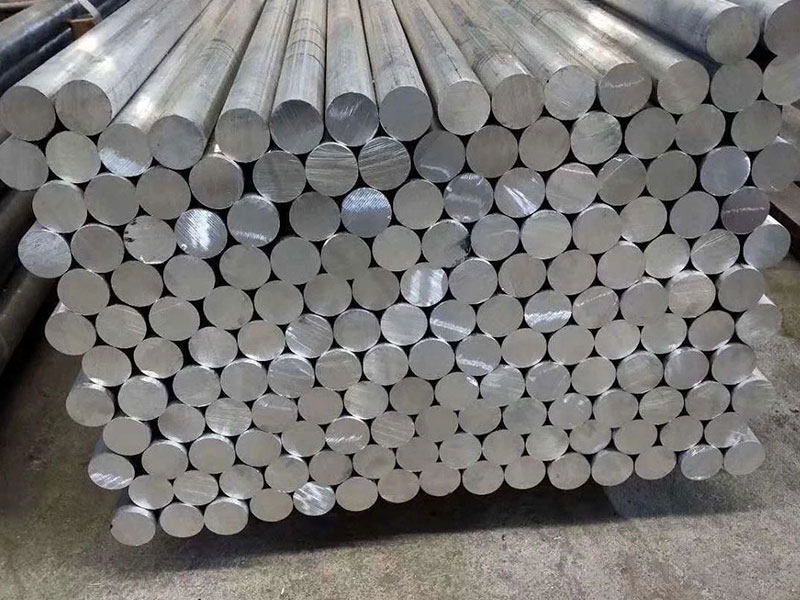
6082 Marine Aluminum Hollow Bars for Boat Hull and Deck Strengthening
6082 Marine Aluminum Hollow Bars for Boat Hull and Deck StrengtheningIn modern boatbuilding, strength is no longer measured only by how thick a plate looks or how heavy a frame feels.
View Details
Leave a Message