
Anodized Aluminum Sheet 5154 O H111 H112 Marine Grade
Anodized aluminum sheet 5154 O H111 H112 Marine Grade is a magnesium-bearing aluminum product designed for demanding saltwater, coastal, and high-humidity environments. Combining the corrosion resistance of alloy 5154 with a controlled anodic oxide finish, it provides a clean metallic appearance, dependable surface durability, and low-weight fabrication advantages.
The material is well suited to marine structures that require bending, forming, welding, or decorative exposed surfaces. Available in O, H111, and H112 tempers, 5154 sheet can be selected according to the balance required between formability, strength, and fabrication stability.
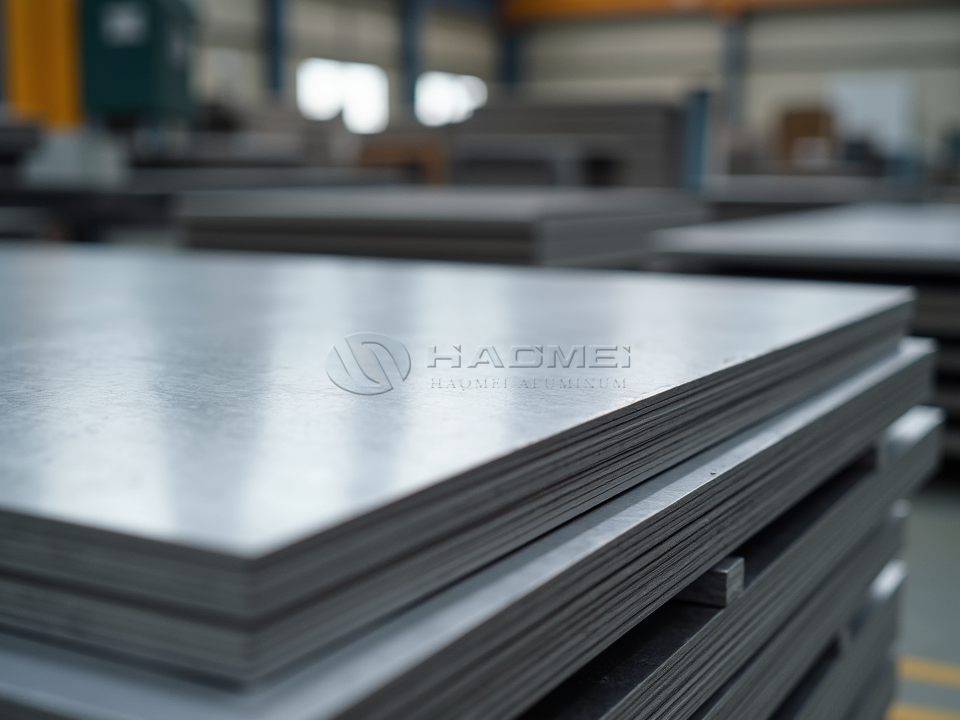
Material Characteristics
Alloy 5154 belongs to the 5xxx aluminum-magnesium family. Magnesium gives the material strong resistance to general corrosion and seawater exposure without relying on a heat-treatment strengthening process. Chromium contributes to grain-structure control and supports reliable performance in fabricated marine components.
The anodized surface is electrochemically grown from the aluminum substrate rather than applied as a separate paint film. This oxide layer improves resistance to staining, handling marks, weathering, and surface oxidation. When sealed properly, the finish offers enhanced protection in splash zones, wet decks, coastal cabins, and exterior fittings.
| Property | Product Value |
|---|---|
| Alloy series | 5xxx aluminum-magnesium alloy |
| Alloy designation | EN AW-5154 / AA 5154 |
| Available tempers | O, H111, H112 |
| Surface condition | Mill finish, clear anodized, colored anodized on request |
| Primary strength | Corrosion resistance in marine and coastal service |
| Fabrication suitability | Bending, rolling, stamping, cutting, and welding |
| Density | Approximately 2.66 g/cm³ |
| Relative weight benefit | About one-third the density of carbon steel |
| Magnetic behavior | Non-magnetic |
| Recyclability | Fully recyclable aluminum alloy |
For projects requiring a wider selection of treated sheets, Marine anodized aluminum sheets provide additional alloy and finish options for vessel interiors, deck equipment, and coastal installations.
Chemical Composition
The composition of 5154 aluminum is controlled to deliver corrosion resistance and stable fabrication behavior. Magnesium is the principal alloying element, while chromium helps maintain a refined grain structure. Values can vary slightly according to the governing standard, product thickness, and mill certification requirements.
| Element | Typical Specification, % by Weight |
|---|---|
| Silicon, Si | 0.25 max |
| Iron, Fe | 0.40 max |
| Copper, Cu | 0.10 max |
| Manganese, Mn | 0.10 max |
| Magnesium, Mg | 3.10-3.90 |
| Chromium, Cr | 0.15-0.35 |
| Zinc, Zn | 0.20 max |
| Titanium, Ti | 0.20 max |
| Other elements, each | 0.05 max |
| Other elements, total | 0.15 max |
| Aluminum, Al | Balance |
Temper Options and Mechanical Performance
Temper selection has a direct effect on forming response and strength. O temper is fully annealed and preferred for deep drawing, complex bends, and curved panels. H111 is lightly strain-hardened, providing somewhat higher strength while retaining good workability. H112 is commonly supplied for thicker sheet or plate products and offers mechanical properties appropriate to the actual manufacturing route.
| Temper | Condition | Typical Tensile Strength | Typical 0.2% Proof Strength | Typical Elongation | Suitable Fabrication |
|---|---|---|---|---|---|
| O | Annealed, soft | 190-240 MPa | 80 MPa min | 12-18% | Deep forming, curved parts, pressed panels |
| H111 | Slightly strain-hardened | 210-260 MPa | 110 MPa min | 10-16% | General marine panels, brackets, covers |
| H112 | Strain-hardened from hot working | Depends on thickness | Depends on thickness | Good | Heavier fabricated parts and structural components |
Mechanical figures are typical guidance values and should be confirmed against the mill test certificate, applicable standard, thickness range, and delivery condition for design-critical work.
Anodized Finish Performance
Anodizing creates a hard aluminum oxide layer integrated with the sheet surface. Unlike paint, the finish does not peel as a separate coating layer. It is particularly useful where marine components need a refined appearance and improved resistance to fingerprints, mild abrasion, moisture, and atmospheric contaminants.
| Anodizing Parameter | Typical Range or Requirement |
|---|---|
| Anodic coating type | Sulfuric acid anodized finish |
| Common coating thickness | 10-25 μm |
| Recommended exterior marine range | 15-25 μm, sealed |
| Finish options | Clear, satin, brushed, bronze, black, custom shades |
| Surface hardness | Higher than untreated aluminum surface |
| Electrical conductivity | Reduced at anodized surface due to oxide layer |
| Edge protection | Cut edges and drilled holes may require sealing or isolation |
| Maintenance | Freshwater rinse and neutral cleaner as required |
The anodized layer should be specified with the intended service environment in mind. For decorative cabin panels, 10-15 μm may be suitable. For exposed rail components, consoles, doors, and coastal equipment, a sealed 15-25 μm finish provides stronger environmental protection.
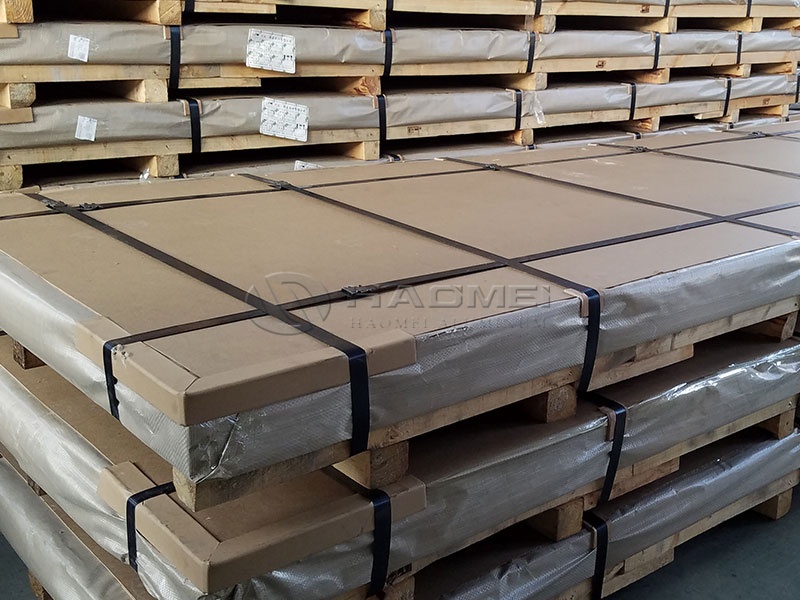
Marine Applications
5154 marine grade sheet is valued where corrosion resistance and shaping flexibility matter more than maximum structural strength. It is frequently selected for exposed and semi-exposed fabricated parts, especially where a bright, clean anodized appearance supports the vessel design.
| Application Area | Typical 5154 Anodized Sheet Use |
|---|---|
| Boat interiors | Cabin wall panels, lockers, galley surfaces, trim |
| Deck equipment | Instrument housings, console panels, access covers |
| Passenger vessels | Decorative cladding, partitions, luggage structures |
| Fishing boats | Storage boxes, equipment guards, control enclosures |
| Coastal buildings | Marine walkways, wall cladding, service doors |
| Marina facilities | Sign panels, protective screens, utility enclosures |
| Transport equipment | Corrosion-resistant body panels and lightweight covers |
For high-load hull plating or heavily stressed welded structures, a stronger alloy may be more appropriate. In those cases, Marine 5083 aluminum sheet is commonly considered for hulls, bulkheads, and structural marine fabrication.
Fabrication and Handling Benefits
The O, H111, and H112 temper range gives fabricators flexibility when selecting material for different production processes. O temper responds well to severe bending and shaping. H111 offers a practical balance for panels that need improved stiffness without sacrificing straightforward processing. H112 is suitable when thicker material and production-route strength characteristics are required.
5154 can be welded by common aluminum welding methods, including MIG and TIG processes. Appropriate filler alloy selection, joint preparation, and welding procedure qualification remain important for corrosion-sensitive marine assemblies. After welding, anodized areas are altered by heat input, so visible components may require post-fabrication finishing or design features that conceal weld zones.
During handling, protective film, clean gloves, non-marking separators, and dry storage help preserve the anodized appearance. Contact with carbon-steel particles should be avoided because embedded contamination can create staining or localized corrosion risks in wet service.
Purchasing Considerations
Specify the sheet thickness, width, length, temper, anodizing thickness, color, protective film requirement, and applicable quality documentation when ordering. Marine projects may also require dimensional tolerances, surface-quality acceptance criteria, salt-spray testing requirements, or material certificates linked to the production batch.
Anodized aluminum sheet 5154 O H111 H112 Marine Grade offers a practical combination of low mass, reliable seawater resistance, attractive surface finish, and fabrication versatility. It is an effective material choice for marine panels, trim, enclosures, fittings, and coastal equipment where long-term appearance and corrosion performance are equally important.

Related Products
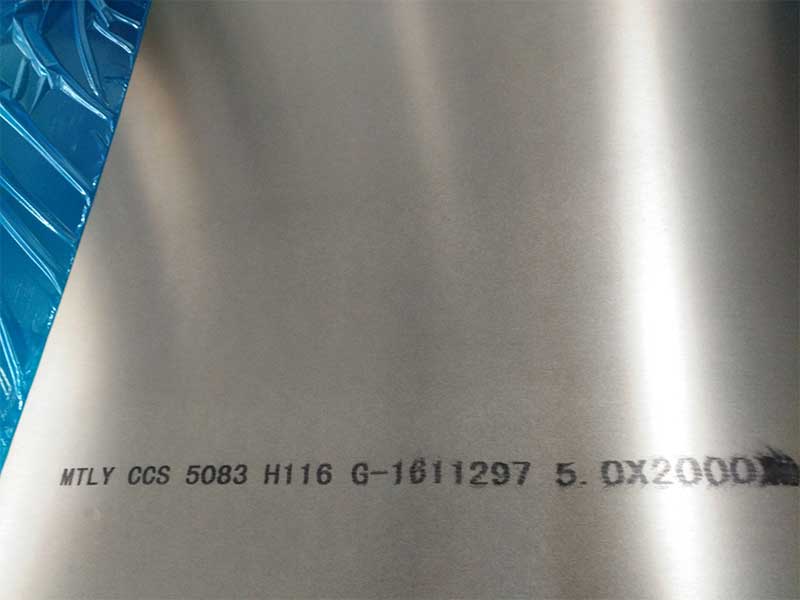
Marine 5083 aluminum sheet
Aluminum alloy 5083 is a non-heat-treatable alloy primarily composed of magnesium and trace elements that deliver outstanding protection against corrosion, particularly in seawater and saline atmospheres.
View Details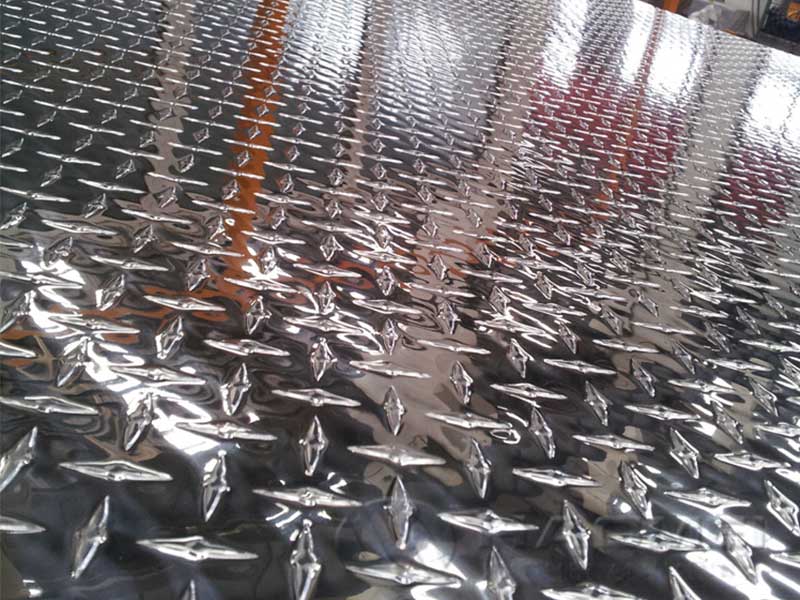
Marine Aluminum Tread Sheets
Marine Aluminum Tread Sheets are aluminum alloy plates featuring a raised surface pattern, commonly referred to as a tread design or diamond plate.
View Details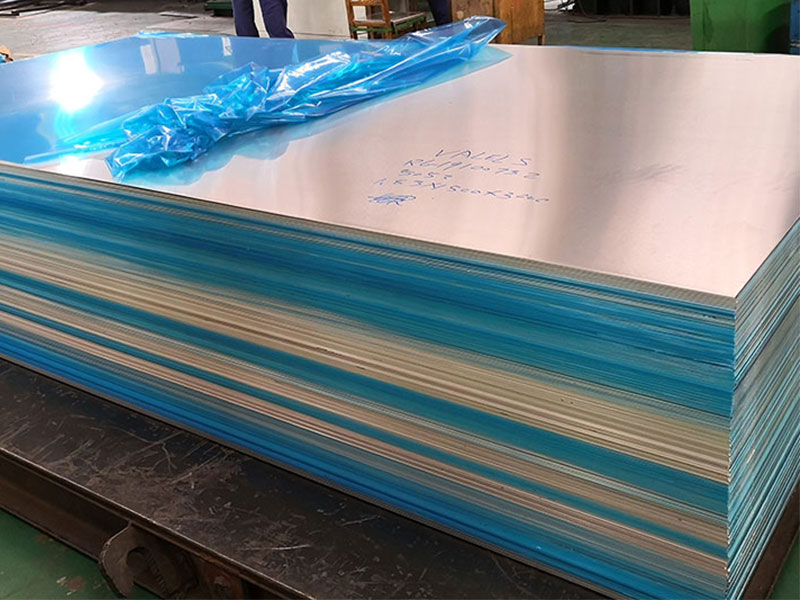
Marine 5059 aluminum sheet
5059 aluminum alloy is a strain-hardened material with a unique addition of magnesium and chromium, which provides outstanding resistance to localized corrosion like pitting and stress corrosion cracking.
View Details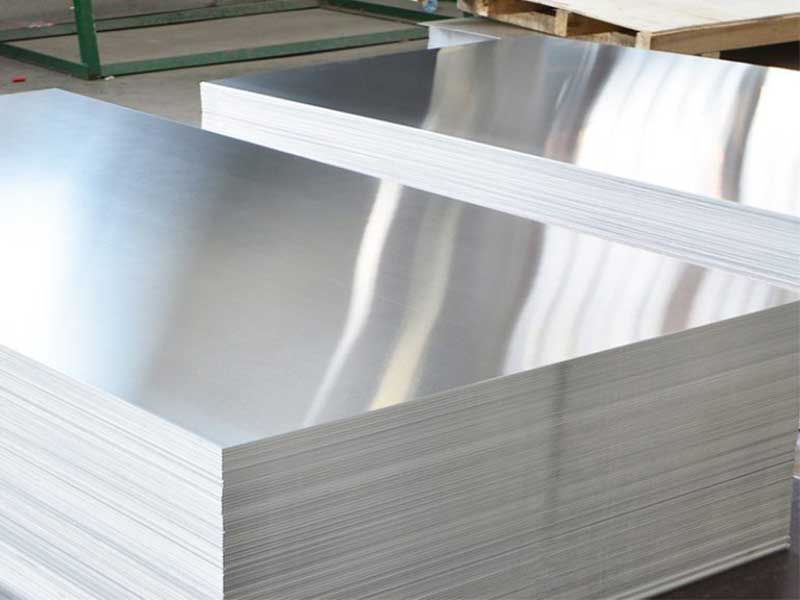
Marine anodized aluminum sheets
Marine Anodized Aluminum Sheets start with premium marine-grade aluminum alloys such as 5000 and 6000 series (typically 5083, 5052, and 6061).
View Details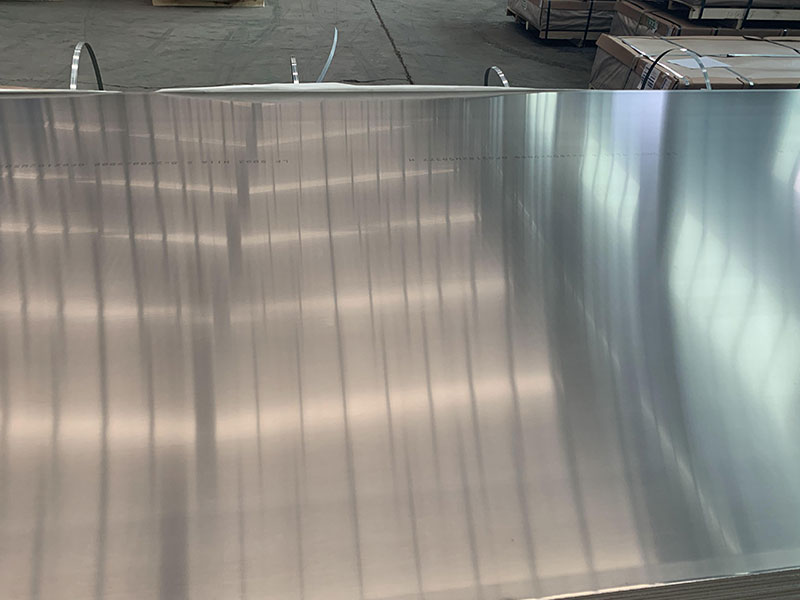
Marine 5383 aluminum sheet
5383 aluminum is a strain-hardened, non-heat-treatable alloy from the 5xxx series primarily alloyed with magnesium. It exhibits a unique balance of corrosion resistance and mechanical properties particularly suited for marine applications.
View Details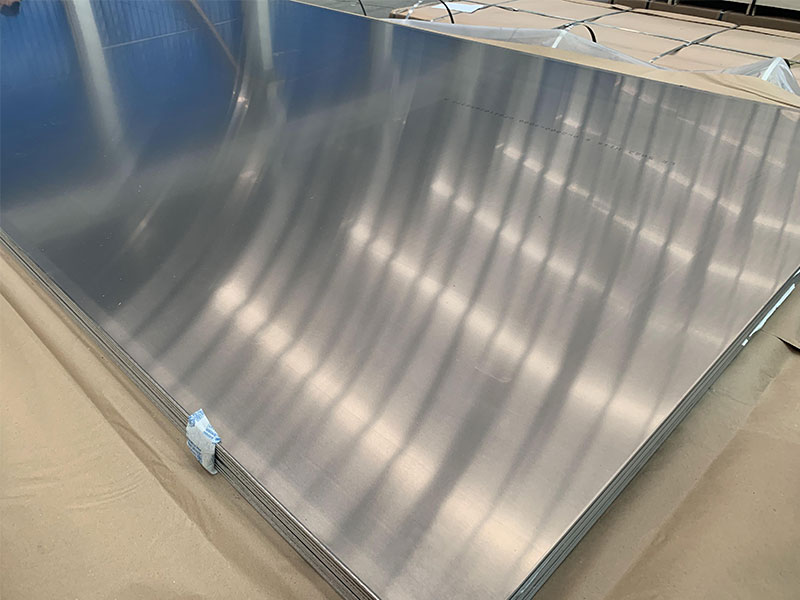
Marine 5052 aluminum sheet
Aluminum alloy 5052 is a non-heat-treatable, strain-hardened alloy with magnesium as the primary alloying element. It is designed to offer superior corrosion resistance in marine and saline environments, making it a dependable choice for components exposed directly to seawater or coastal atmospheric conditions.
View DetailsRelated Blog
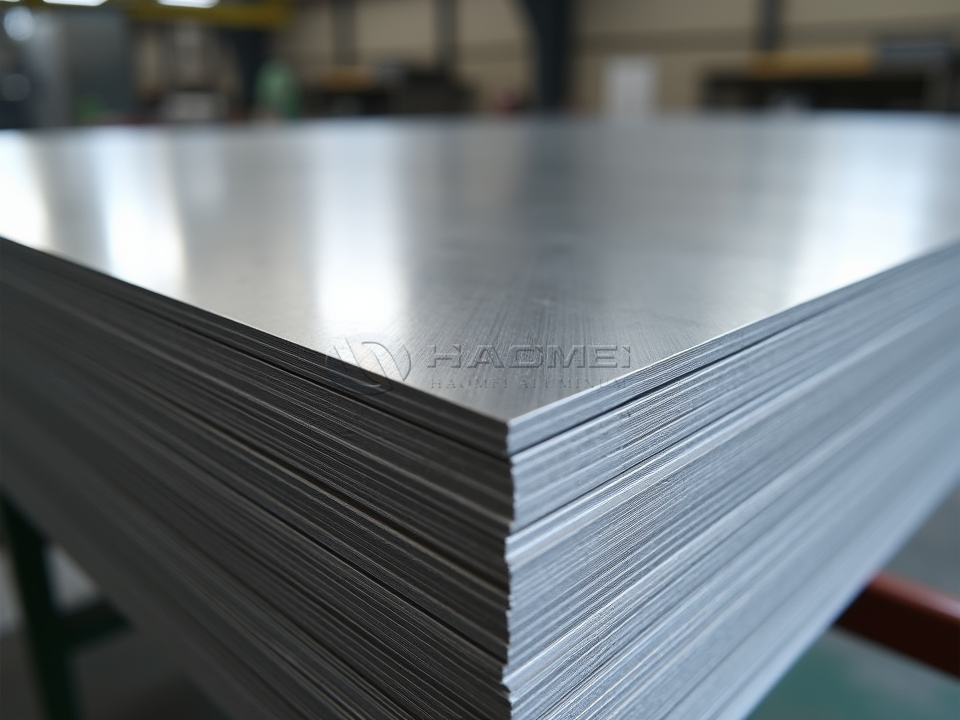
5083 Marine Anodized Aluminum Sheets
5083 marine anodized aluminum sheets combine seawater corrosion resistance, weldability, and durable anodized protection for hulls, decks, and fittings.
View Details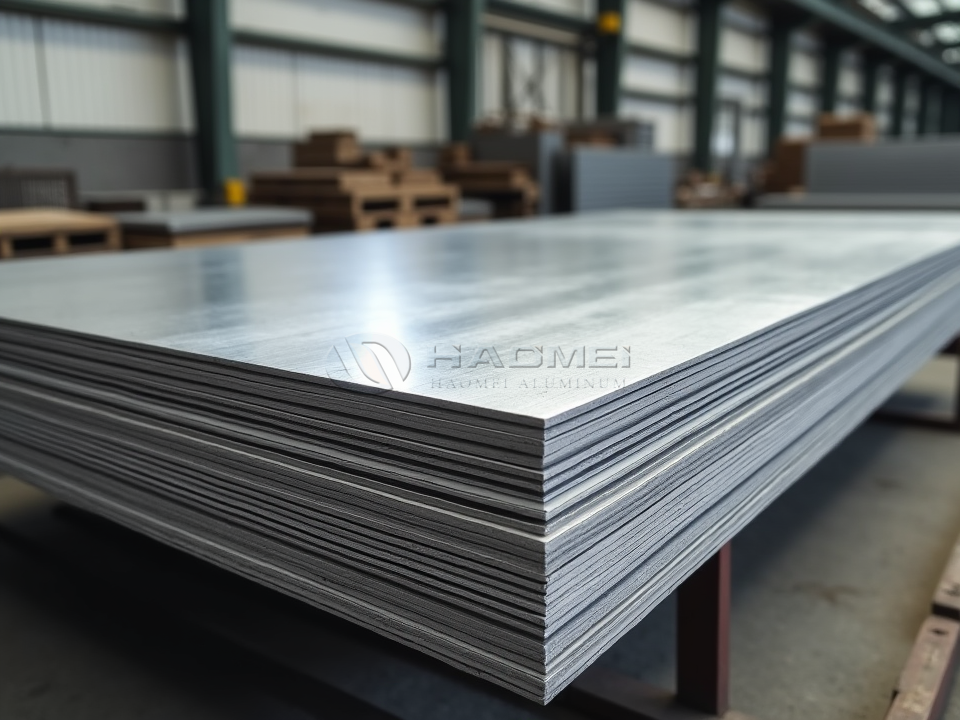
Marine Aluminum 5083 H116 6082 T6 Coil Sheet Plate
Marine aluminum 5083 H116 and 6082 T6 coil, sheet and plate for hulls, decks, cabins, offshore structures and welded marine parts.
View Details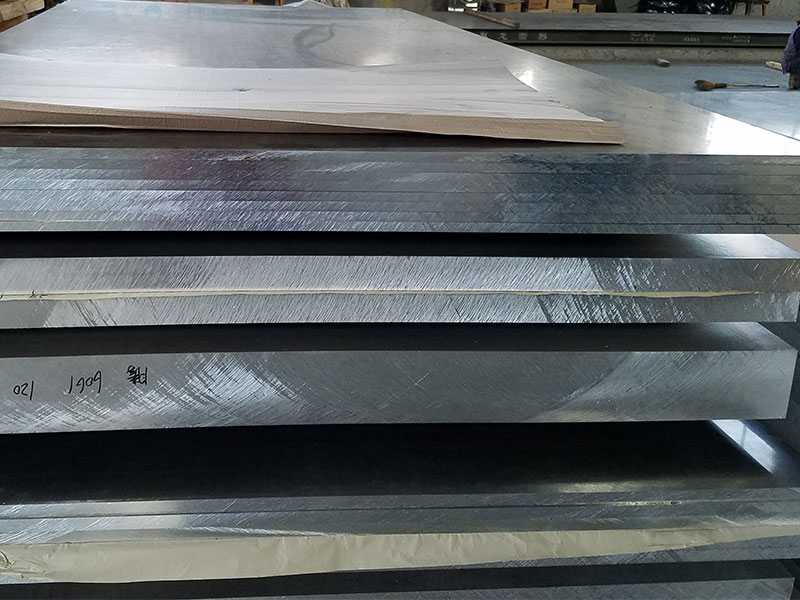
Marine aluminium
Marine aluminium is a family of corrosion-resistant aluminium alloys engineered for continuous exposure to saltwater, humidity, and aggressive coastal atmospheres.
View Details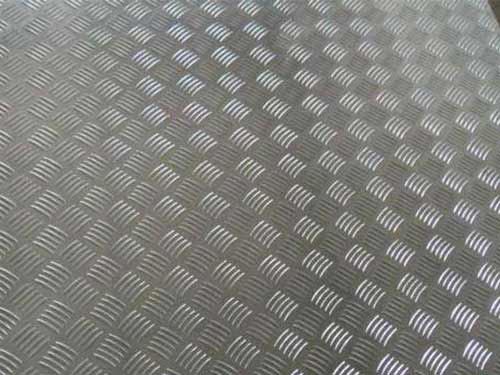
6061 Marine Aluminum Tread Sheets
6061 Marine Aluminum Tread Sheets (often called 6061 aluminum diamond plate or tread plate) are engineered to deliver a practical blend of corrosion resistance, structural strength, and slip-resistant surface performance in wet, abrasive.
View Details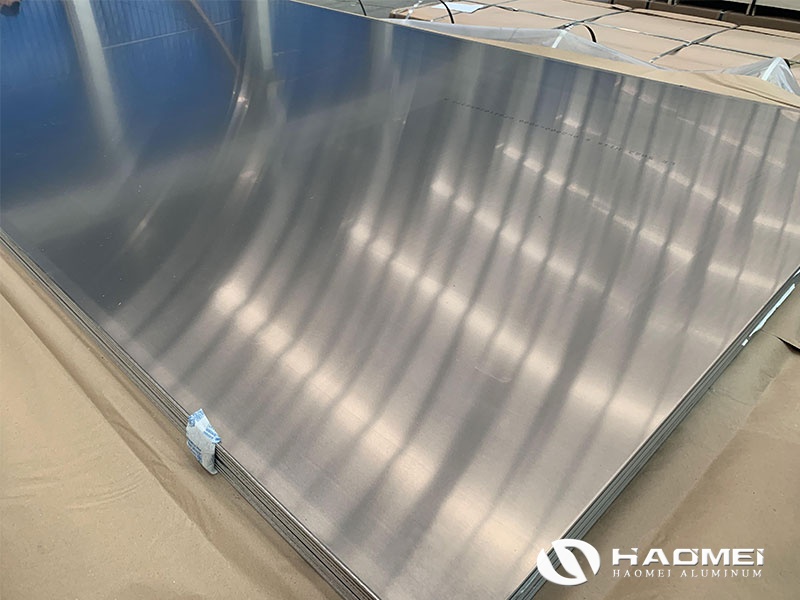
Marine Aluminum Tread Sheets
Marine aluminum tread sheets provide lightweight, corrosion-resistant, slip-resistant flooring for decks, walkways, platforms, and marine equipment.
View Details
5083 10mm Thickness Aluminum coil for Boat
5083 10mm Thickness Aluminum Coil for Boat: When "Strength" Also Means "Staying Beautiful at Sea"In boatbuilding, material decisions are rarely about a single property.
View Details
Leave a Message