
Manufacture Marine Aluminum Metal Plate 5083
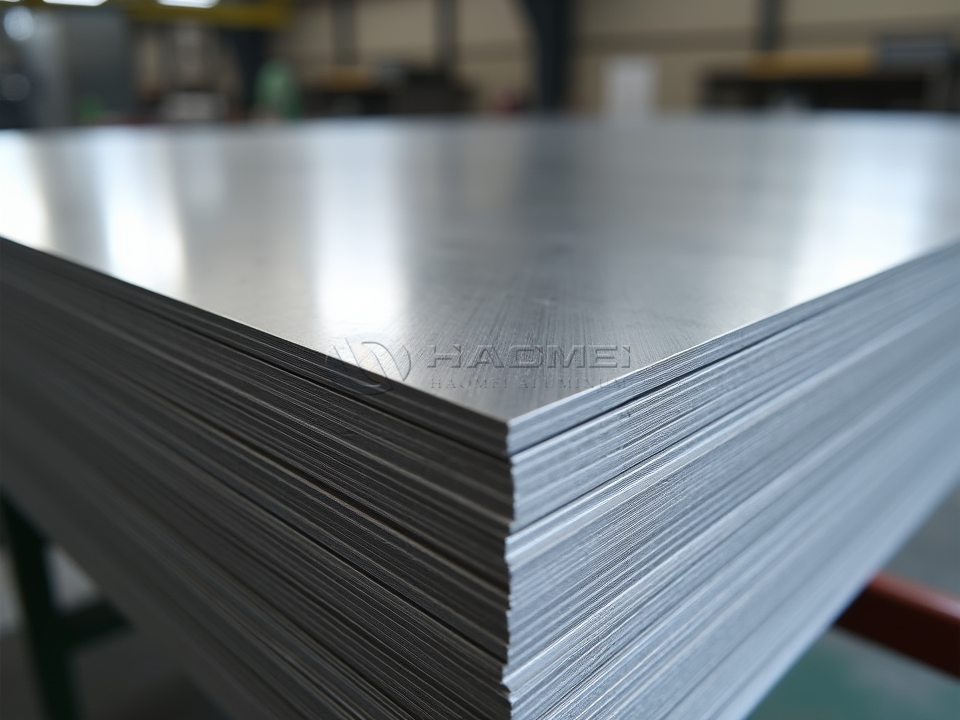
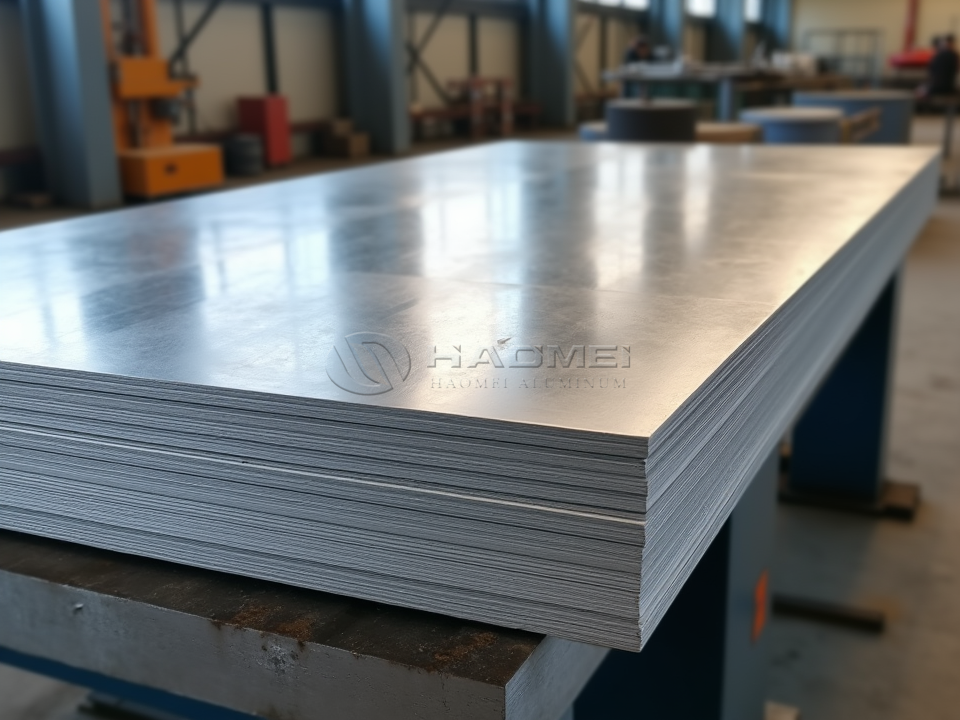
Manufacturing 5083 marine aluminum metal plate is not simply a rolling process. It is a controlled conversion of aluminum, magnesium, and minor alloying elements into a plate that can survive salt spray, vibration, welding heat, cargo impact, and long-term structural loading. For shipbuilders, the value of 5083 lies in how reliably it performs after fabrication, not only in its appearance when delivered.
5083 belongs to the non-heat-treatable 5xxx aluminum alloy family. Its strength is developed through magnesium content and strain hardening rather than solution heat treatment. This makes the alloy especially suitable for welded marine structures because it retains a useful level of strength in and around weld zones while offering excellent resistance to seawater corrosion.
Why 5083 Plate Works at Sea
A vessel is exposed to several forms of stress at once: wave loading, flexing, vibration, localized impact, humidity, salt deposits, and temperature changes. Marine aluminum plate 5083 functions as a lightweight structural barrier against those combined conditions. Its density is approximately 2.66 g/cm³, about one-third that of steel, allowing designers to reduce vessel mass without sacrificing structural integrity.
The high magnesium level gives 5083 plate strong corrosion resistance in chloride-rich environments. When correctly selected and fabricated, the alloy develops a stable oxide film that protects the surface from normal atmospheric and seawater exposure. This characteristic is especially valuable for hull shell plating, deck plating, bulkheads, superstructures, wheelhouses, offshore modules, and tank structures.
The alloy also responds well to welding methods commonly used in shipyards, including MIG and TIG welding. Typical filler alloys include 5183, 5356, and 5556, selected according to joint design, strength requirements, and corrosion expectations. Careful welding practice remains important because excessive heat input, poor cleaning, or unsuitable filler selection can reduce the benefits of the base plate.
For projects requiring certified material, Marine 5083 aluminum sheet can be specified in suitable thicknesses, tempers, dimensions, and inspection conditions for vessel construction.
Manufacturing Route: Building Performance Into the Plate
The production route begins with tightly controlled alloy composition. Primary aluminum is melted with magnesium, manganese, chromium, and trace elements. The melt is refined, degassed, filtered, and cast into slabs. Clean metal handling is essential because inclusions and excessive hydrogen can affect internal quality, surface finish, and forming performance.
After homogenization, the slab is hot rolled into plate. This stage breaks down the cast structure and establishes the grain pattern needed for marine-grade properties. Subsequent cold rolling or controlled finishing operations bring the plate to its final gauge and temper. A final stabilization treatment may be applied for tempers such as H321 and H116, which are frequently requested for marine service.
The manufacturing focus is not merely thickness reduction. It is the balance of tensile strength, elongation, flatness, surface quality, corrosion resistance, and resistance to exfoliation corrosion. Plate intended for hull use must also be traceable by heat number, batch records, mechanical test data, and inspection documentation.
Chemical Composition of 5083 Aluminum Plate
The following composition limits are commonly referenced for AA 5083 aluminum alloy. Actual certification values should be checked against the purchase specification and applicable standard.
| Element | Composition, % by Weight |
|---|---|
| Silicon, Si | 0.40 max |
| Iron, Fe | 0.40 max |
| Copper, Cu | 0.10 max |
| Manganese, Mn | 0.40-1.00 |
| Magnesium, Mg | 4.0-4.9 |
| Chromium, Cr | 0.05-0.25 |
| Zinc, Zn | 0.25 max |
| Titanium, Ti | 0.15 max |
| Other elements, each | 0.05 max |
| Other elements, total | 0.15 max |
| Aluminum, Al | Balance |
Magnesium is the principal strengthening element, while manganese and chromium help control grain structure and improve resistance to stress corrosion and exfoliation. Copper is kept very low because high copper content can reduce corrosion performance in marine environments.
Tempers That Match Fabrication Needs
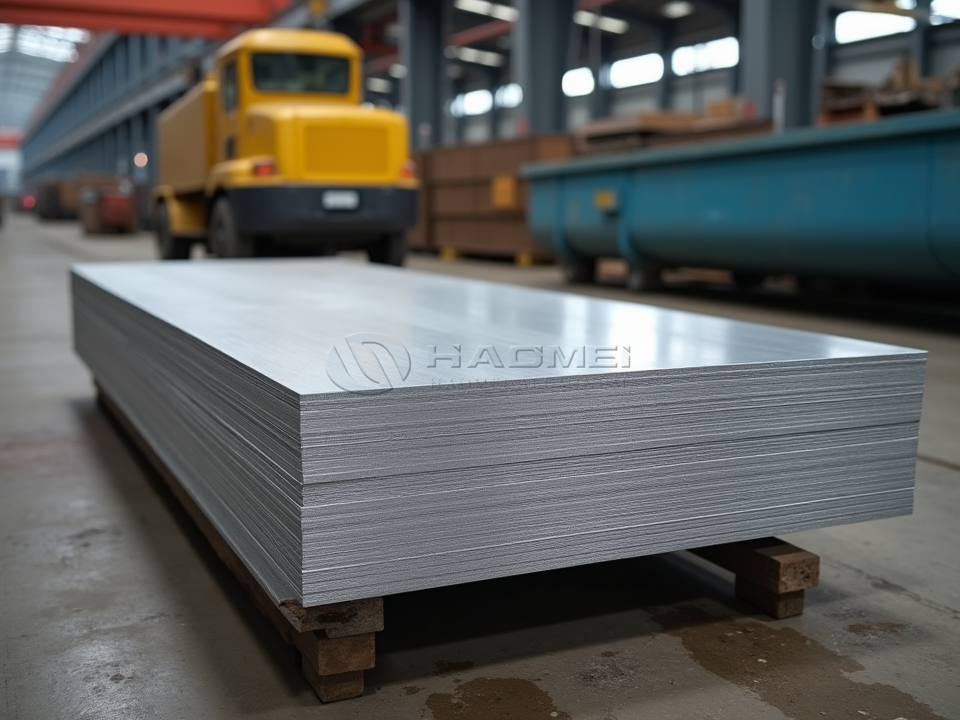
The condition of a 5083 plate changes how it behaves during cutting, bending, welding, and service. Choosing the correct temper is therefore part of the engineering decision.
| Temper | Condition | Typical Marine Use |
|---|---|---|
| O | Fully annealed, soft | Curved panels, formed parts, tanks, complex fabrication |
| H111 | Slightly strain hardened | General fabricated structures and moderate forming |
| H112 | Hot-worked condition | Thick plate, structural components, welded assemblies |
| H116 | Strain hardened with corrosion-control processing | Hull plating and structures exposed to seawater |
| H321 | Strain hardened and stabilized | Hull shell, decks, superstructures, offshore structures |
5083-H116 and 5083-H321 are widely specified for hull and deck applications because these tempers are designed to provide stable corrosion performance in a marine atmosphere. The O temper is preferred where deep forming or tight bending radii are needed, though it offers lower strength than strain-hardened alternatives.
Typical mechanical properties vary with thickness and governing standard. For 5083-H321 plate, tensile strength often falls in the approximate range of 305-385 MPa, while yield strength is commonly around 215 MPa or higher. Elongation values may range from 10% to 16% depending on plate thickness. These figures are guidance values; project specifications and mill test certificates remain the controlling references.
Standards and Inspection Conditions
Marine aluminum metal plate 5083 can be manufactured to several recognized standards depending on the destination market and classification requirement. Frequently requested standards include ASTM B928/B928M for high-magnesium aluminum alloy plate used in marine service, ASTM B209/B209M for aluminum sheet and plate, EN 485 for tolerances and mechanical properties, EN 573 for chemical composition, and EN 10204 for inspection documentation.
Shipbuilding projects may also require approval or inspection aligned with classification societies such as DNV, ABS, Lloyd's Register, Bureau Veritas, CCS, or RINA. Requirements may cover chemical analysis, tensile testing, bend testing, ultrasonic testing, dimensional tolerance, surface condition, and corrosion-related qualification.
Common supply parameters include thicknesses from approximately 3 mm to 200 mm, widths from 1,000 mm to 2,500 mm, and lengths tailored to nesting plans or vessel modules. Wider and longer plates can reduce weld seams, which helps lower fabrication time and minimizes distortion risk.
Applications Beyond the Hull
The most familiar use for 5083 is exterior hull plating on patrol boats, ferries, fishing vessels, workboats, yachts, landing craft, and high-speed craft. Yet its role extends into many areas where corrosion resistance and weldability matter. It is used for deck panels, watertight bulkheads, engine-room partitions, ramps, hatch covers, gangways, offshore walkways, fish holds, cryogenic tanks, and chemical or fuel-related containment systems.
For non-structural walking surfaces, drainage covers, and anti-slip access areas, Marine Aluminum Tread Sheets may complement 5083 structural plate by providing improved foot grip in wet environments.
A well-manufactured 5083 plate helps shipyards create lighter vessels with efficient payload capacity and reduced fuel demand. More importantly, it provides a material foundation that remains dependable after cutting, bending, welding, coating, and years of seawater exposure. When composition, temper, standard, and inspection level are matched to the actual vessel duty, 5083 becomes more than aluminum plate: it becomes a working part of the vessel's safety and service life.

Related Products
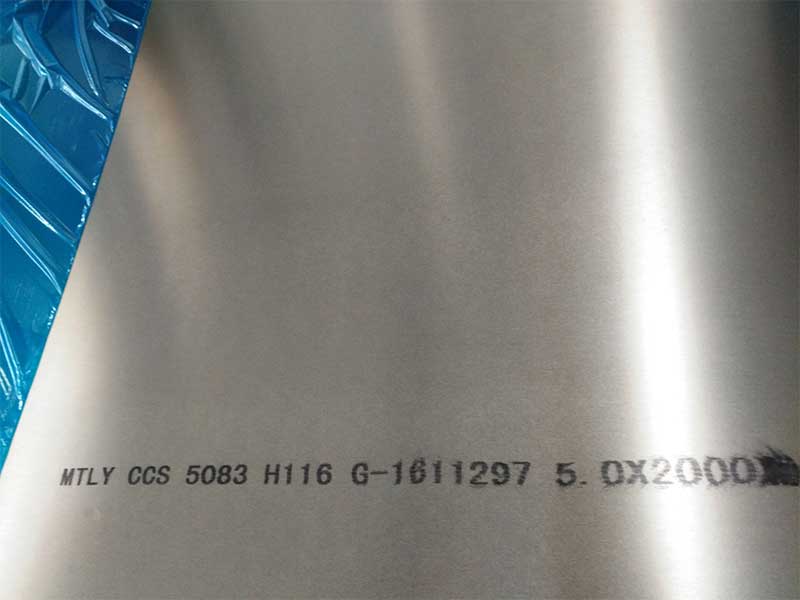
Marine 5083 aluminum sheet
Aluminum alloy 5083 is a non-heat-treatable alloy primarily composed of magnesium and trace elements that deliver outstanding protection against corrosion, particularly in seawater and saline atmospheres.
View Details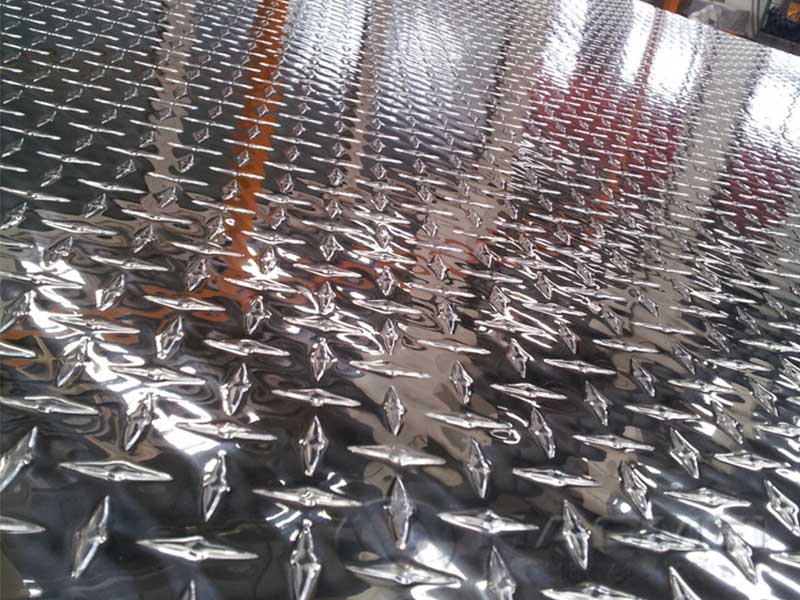
Marine Aluminum Tread Sheets
Marine Aluminum Tread Sheets are aluminum alloy plates featuring a raised surface pattern, commonly referred to as a tread design or diamond plate.
View Details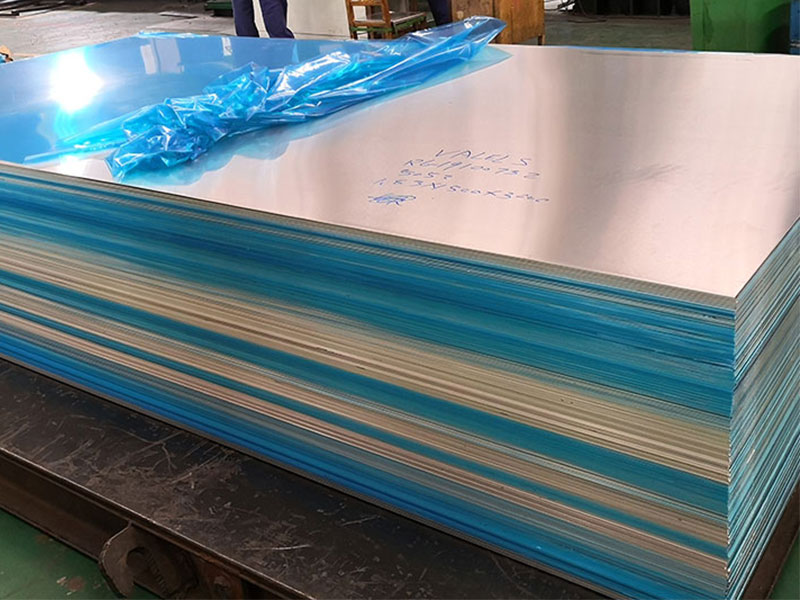
Marine 5059 aluminum sheet
5059 aluminum alloy is a strain-hardened material with a unique addition of magnesium and chromium, which provides outstanding resistance to localized corrosion like pitting and stress corrosion cracking.
View Details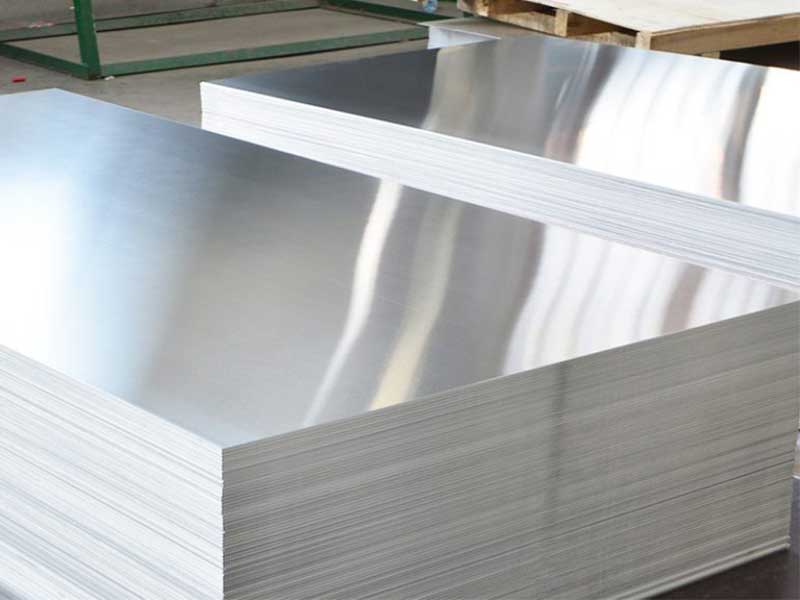
Marine anodized aluminum sheets
Marine Anodized Aluminum Sheets start with premium marine-grade aluminum alloys such as 5000 and 6000 series (typically 5083, 5052, and 6061).
View Details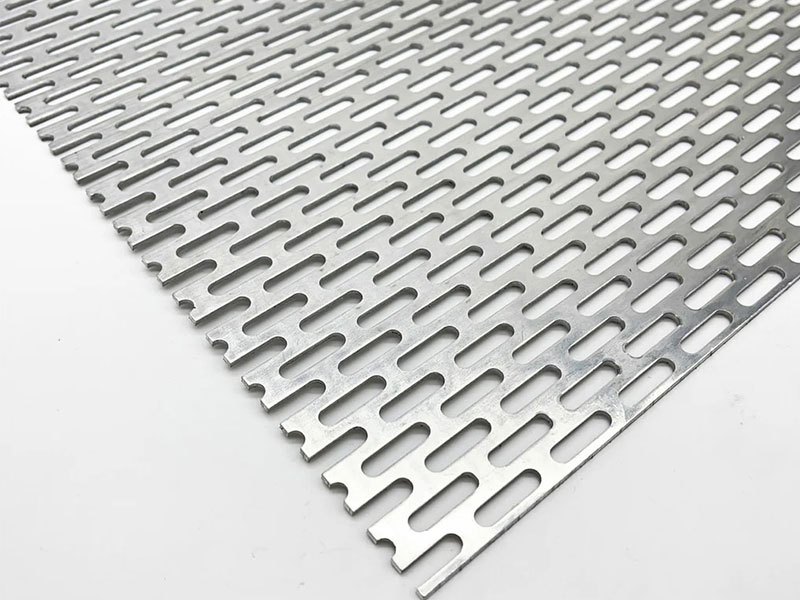
Marine perforated aluminum sheets
Marine Perforated Aluminum Sheets feature a series of uniform holes or shapes punched through the aluminum surface. These perforations can vary in size, pattern, and open area to tailor the sheets for specific applications.
View Details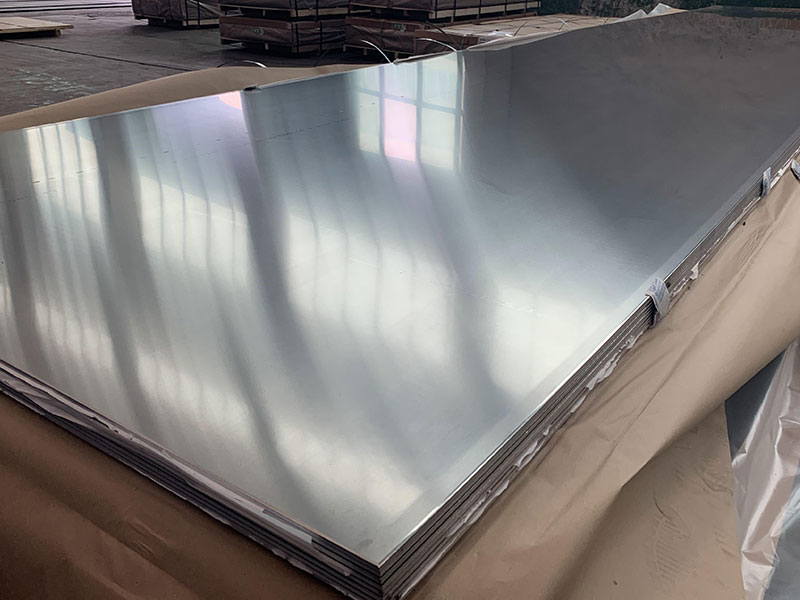
Marine 5086 aluminum sheet
This product article provides an in-depth and comprehensive understanding of Marine 5086 Aluminum Sheets, including their chemical composition, mechanical properties, corrosion resistance, fabrication capabilities, and typical marine applications.
View DetailsRelated Blog
Alloy Aluminium Checkered Plate For Marine
A practical guide to marine alloy aluminium checkered plate, covering alloys, tread patterns, corrosion resistance, specifications, and uses.
View Details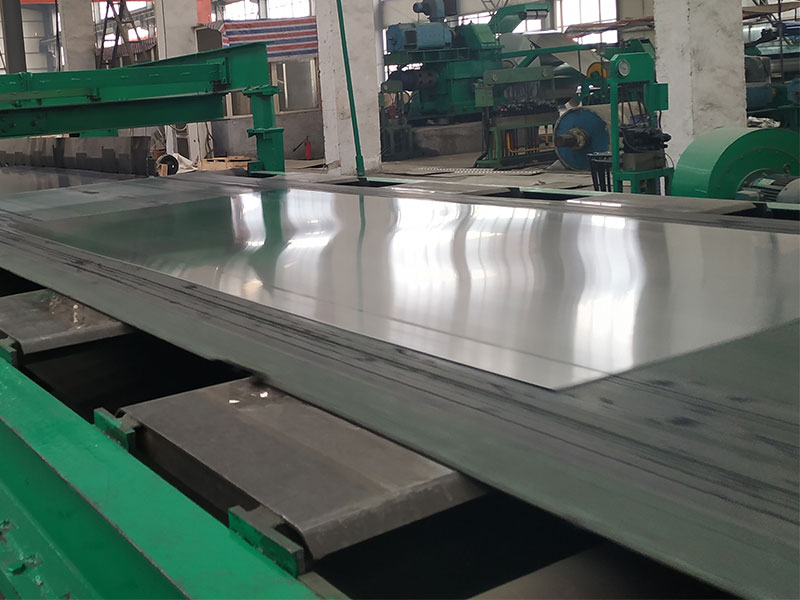
Aluminium sheet 8mm alloy 5052 h112 for boat
When selecting materials for marine applications, especially in boat building, the balance between strength, corrosion resistance, and workability is crucial. Aluminium sheet 8mm thick made from alloy 5052 in temper H112 epitomizes this balance.
View Details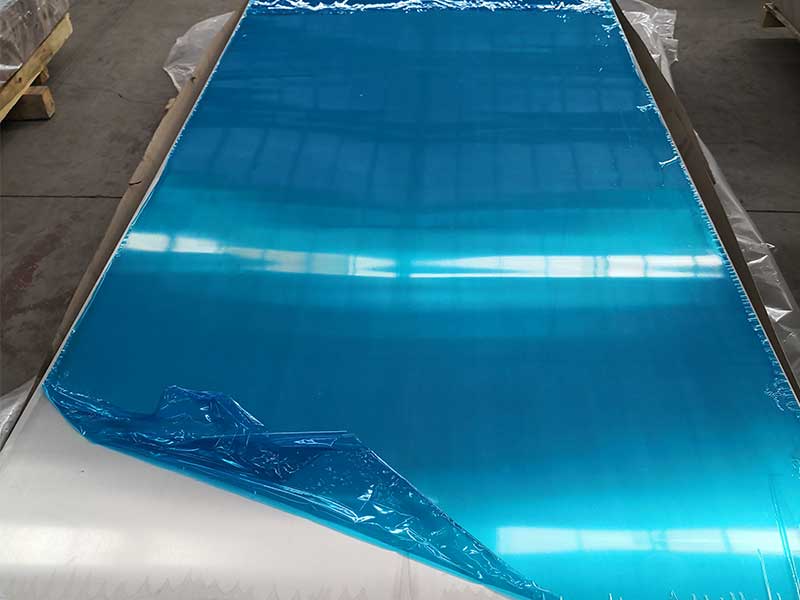
10mm 8mm 6mm Marine Aluminium Sheet
In the demanding maritime environment, material performance can decide the lifespan and safety of vessels and related structures. Marine aluminium sheets, particularly in 10mm, 8mm, and 6mm thicknesses, offer a unique combination of durability.
View Details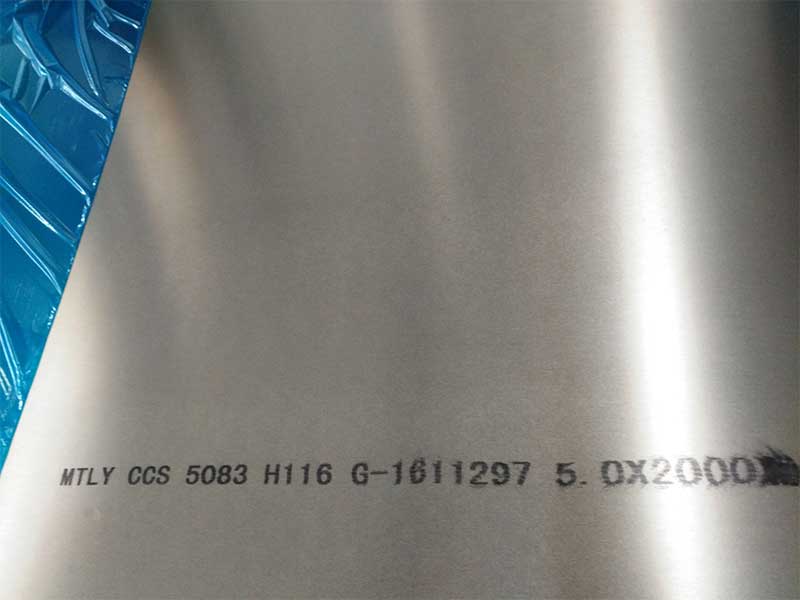
Aluminum sheet 5083 h116 with certificate of CCS for marine
High-performance Aluminum Sheet 5083 H116, certified by CCS for marine use. Explore its chemical properties, mechanical parameters, tempering conditions, and compliance standards making it ideal for marine environments.
View Details
Astm standard 5083 5052 aluminium sheet for boat material
ASTM Standard 5083 & 5052 Aluminum Sheet for Boat Material: Reading Marine Alloy Like a Hull Designer, Not a CatalogIn marine construction, aluminum sheet is often discussed as if it were simply a grade name plus a thickness.
View Details
Marine Grade Alloy Aluminum Plate Sheet 5052 5083
Compare 5052 and 5083 marine aluminum plate sheet grades, including chemistry, tempers, standards, properties, and boatbuilding uses.
View Details
Leave a Message