
Marine Grade 5052 5083 5086 H111 H112 H116 H321 Aluminum Sheet for Boat
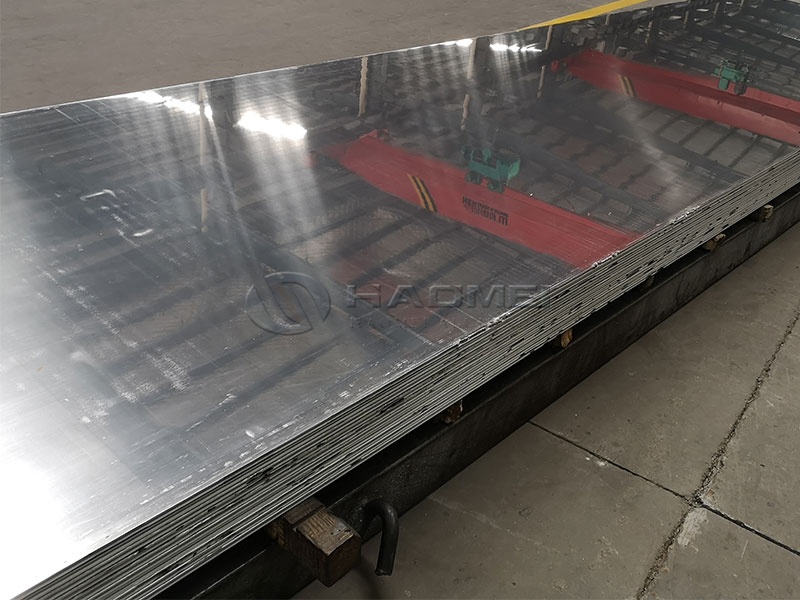
Marine grade 5052, 5083, and 5086 aluminum sheet is engineered for boatbuilding environments where seawater corrosion, welded strength, weight control, and long service life must work together. These Al-Mg alloy sheets are widely used for hull plating, decks, cabins, fuel tanks, workboats, patrol boats, fishing vessels, pontoons, and offshore service structures.
Compared with steel, marine aluminum reduces vessel weight, improves fuel efficiency, simplifies fabrication, and resists rust without heavy protective coatings. Compared with ordinary aluminum sheet, marine grades deliver better saltwater performance, stronger welded joints, and more reliable behavior under cyclic wave loading.
Product Snapshot
| Item | Details |
|---|---|
| Product | Marine grade aluminum sheet for boat |
| Main alloys | 5052, 5083, 5086 |
| Tempers | H111, H112, H116, H321 |
| Alloy family | 5xxx Al-Mg non-heat-treatable aluminum |
| Main advantages | Saltwater corrosion resistance, weldability, formability, high strength-to-weight ratio |
| Common surface | Mill finish, brushed, PVC film protected, coated on request |
| Typical standards | ASTM B209, EN 485, EN 573, ABS, DNV, CCS, LR certification on request |
Why 5xxx Marine Aluminum Works Well on Boats
The strength of 5052, 5083, and 5086 comes mainly from magnesium solid-solution strengthening rather than heat treatment. This makes them well suited for welded marine structures because they do not lose performance in the same way as many heat-treated alloys near the weld zone.
5052 is valued for excellent forming behavior and strong corrosion resistance. It is often selected for cabins, deck panels, small boat parts, tanks, and interior marine structures. 5083 offers higher strength and is a preferred alloy for hull bottoms, side shells, bulkheads, and load-bearing welded structures. 5086 provides a strong balance between corrosion resistance, weldability, and toughness, making it suitable for hulls, ramps, superstructures, and heavy-duty marine fabrication.
For customers comparing Marine Grade Aluminum Sheets, the best alloy choice depends on vessel size, hull design, welding method, forming radius, and classification requirements.
Alloy Selection Guide
| Alloy | Strength Level | Corrosion Resistance | Formability | Typical Boat Uses |
|---|---|---|---|---|
| 5052 | Medium | Excellent | Excellent | Cabin panels, decks, tanks, small hull parts, covers |
| 5083 | High | Excellent | Good | Hull plating, bulkheads, decks, workboats, patrol boats |
| 5086 | Medium-high | Excellent | Good | Hull sides, superstructures, ramps, welded marine parts |
Temper Selection for Marine Service
Temper condition affects strength, flatness, forming behavior, and corrosion stability. H111, H112, H116, and H321 are frequently specified for marine plate and sheet because they support fabrication and long-term exposure in seawater.
| Temper | Meaning in Practice | Marine Benefit | Common Use |
|---|---|---|---|
| H111 | Slightly strain-hardened after annealing | Good formability with stable mechanical properties | Formed panels, curved hull components |
| H112 | As-fabricated with controlled properties | Good plate stability and general fabrication performance | Thick plate, welded structures |
| H116 | Strain-hardened, corrosion-resistant marine temper | Improved resistance to exfoliation and intergranular corrosion | Hull plating, high-exposure seawater parts |
| H321 | Strain-hardened and stabilized | Good strength with improved corrosion stability | Hull bottoms, decks, bulkheads |
Chemical Composition
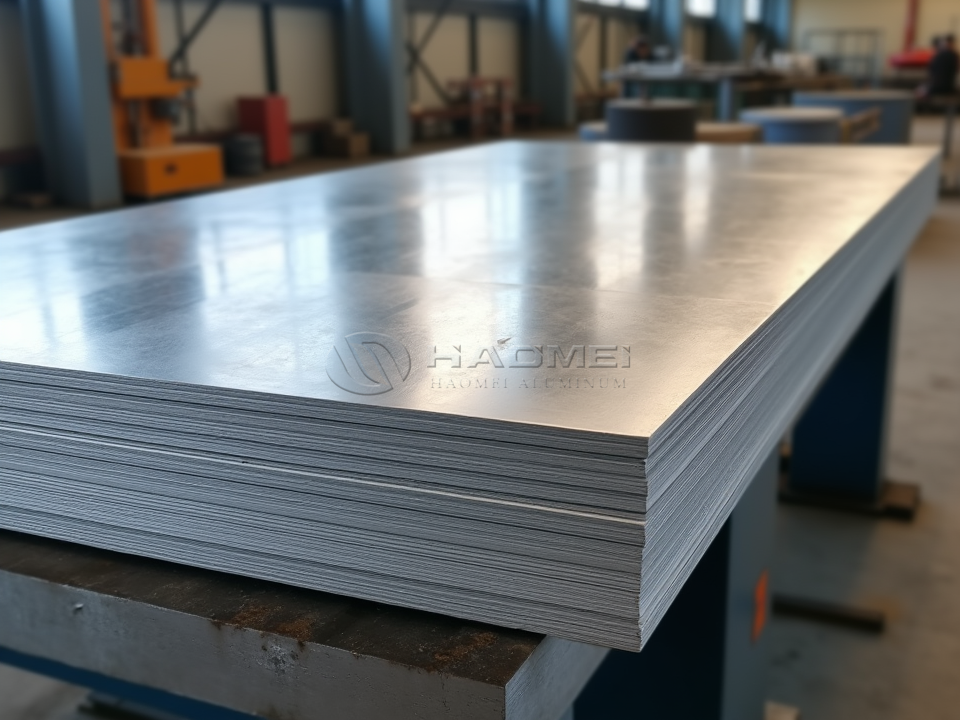
Typical composition ranges are shown as percentage by weight. Final values should be confirmed by mill test certificate.
| Alloy | Si | Fe | Cu | Mn | Mg | Cr | Zn | Ti | Al |
|---|---|---|---|---|---|---|---|---|---|
| 5052 | ≤0.25 | ≤0.40 | ≤0.10 | ≤0.10 | 2.2-2.8 | 0.15-0.35 | ≤0.10 | - | Balance |
| 5083 | ≤0.40 | ≤0.40 | ≤0.10 | 0.40-1.00 | 4.0-4.9 | 0.05-0.25 | ≤0.25 | ≤0.15 | Balance |
| 5086 | ≤0.40 | ≤0.50 | ≤0.10 | 0.20-0.70 | 3.5-4.5 | 0.05-0.25 | ≤0.25 | ≤0.15 | Balance |
The higher magnesium content in 5083 and 5086 improves strength and marine corrosion resistance. Chromium helps refine corrosion behavior, while controlled copper content supports seawater durability.
Typical Mechanical Properties
Values vary with thickness, standard, and certification route. The figures are typical reference ranges for marine sheet and plate.
| Alloy Temper | Tensile Strength MPa | Yield Strength MPa | Elongation % | Typical Thickness Range |
|---|---|---|---|---|
| 5052 H111 | 170-230 | ≥65 | ≥12 | 1.5-100 mm |
| 5052 H112 | 175-240 | ≥70 | ≥10 | 3-150 mm |
| 5083 H111 | 275-350 | ≥125 | ≥12 | 3-120 mm |
| 5083 H116 | 305-385 | ≥215 | ≥10 | 4-80 mm |
| 5083 H321 | 305-385 | ≥215 | ≥10 | 4-80 mm |
| 5086 H111 | 240-310 | ≥95 | ≥12 | 3-100 mm |
| 5086 H112 | 240-320 | ≥105 | ≥10 | 4-150 mm |
| 5086 H116 | 270-350 | ≥195 | ≥10 | 4-80 mm |
Size and Supply Capability
| Parameter | Common Range |
|---|---|
| Thickness | 1.0-200 mm |
| Width | 1000-2600 mm |
| Length | 2000-12000 mm or cut to size |
| Flatness | Controlled by plate thickness and standard |
| Surface protection | Paper interleaving, PVC film, pallet packing |
| Edge condition | Mill edge, slit edge, saw cut edge |
| Inspection | Chemical test, tensile test, ultrasonic test on request |
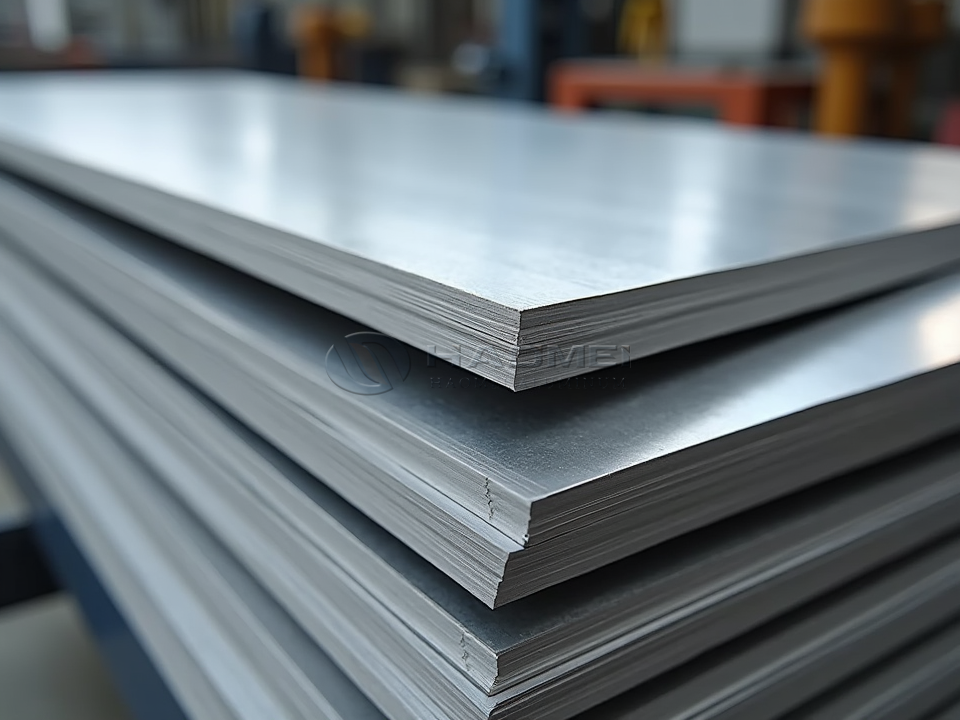
Custom sizes reduce cutting loss in boatyards and help maintain consistent weld layouts. For large hull plates, stable flatness and controlled diagonal tolerance are important for faster assembly and cleaner seam alignment.
Boatbuilding Applications
| Application | Recommended Alloy and Temper | Reason |
|---|---|---|
| Hull bottom | 5083 H116, 5083 H321, 5086 H116 | High strength, seawater durability, welded reliability |
| Side shell | 5083 H111, 5086 H111, 5086 H116 | Good forming with marine corrosion resistance |
| Deck plate | 5052 H112, 5083 H111, 5086 H112 | Weight saving and good workability |
| Bulkheads | 5083 H111, 5083 H321 | Strength and weld performance |
| Fuel and water tanks | 5052 H111, 5083 H111 | Corrosion resistance and formability |
| Cabin and superstructure | 5052 H111, 5086 H111 | Easy fabrication and attractive surface finish |
| Workboat ramps | 5083 H116, 5086 H116 | Higher load capacity and abrasion resistance |
Fabrication Performance
Marine aluminum sheet can be cut, bent, rolled, drilled, machined, and welded using common shipyard processes. MIG and TIG welding are widely used, often with 5356 or 5183 filler wire depending on design requirements. Clean joint preparation is essential because aluminum oxide and surface contamination can affect weld quality.
For bending, 5052 offers the easiest forming. 5083 and 5086 require larger bend radii, especially in harder tempers. H111 is often preferred when curved forming is important, while H116 and H321 are selected when plate strength and corrosion stability in exposed hull areas are more critical.
Surface Quality and Packing
Marine aluminum sheet should have a clean, smooth surface free from serious scratches, oil stains, cracks, corrosion spots, laminations, and edge damage. Protective film can be applied when panels are used for visible cabins or decorative boat parts. Export packing normally uses moisture-resistant wrapping, wooden pallets, steel straps, and corner protection to prevent transit damage.
Buying Notes
Before ordering, confirm alloy, temper, thickness, width, length, certification, inspection requirements, and whether the material will be used above or under the waterline. For classed vessels, request mill certificates and marine society approval documents in advance. Correct alloy selection reduces maintenance, improves welding efficiency, and helps the finished boat deliver safe, lightweight, and durable performance in saltwater service.

Related Products
Marine 5052 aluminum sheet
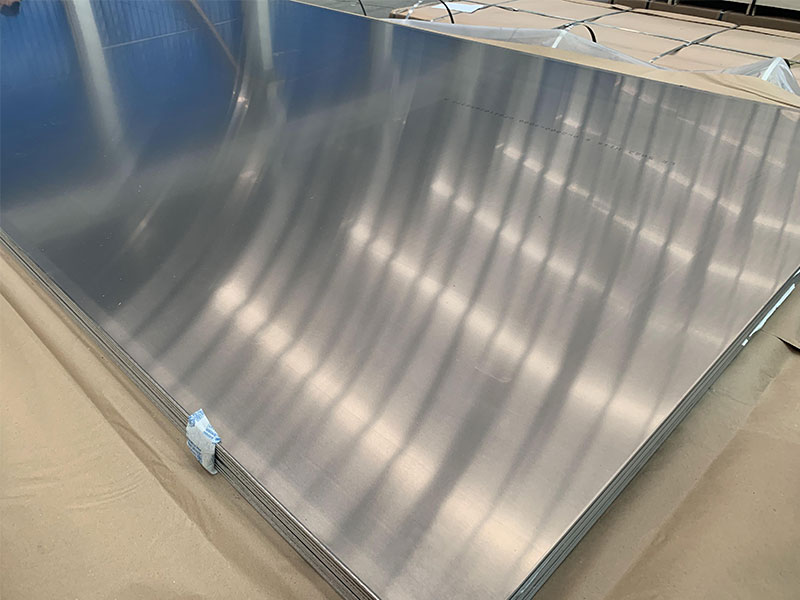
Aluminum alloy 5052 is a non-heat-treatable, strain-hardened alloy with magnesium as the primary alloying element. It is designed to offer superior corrosion resistance in marine and saline environments, making it a dependable choice for components exposed directly to seawater or coastal atmospheric conditions.
View Details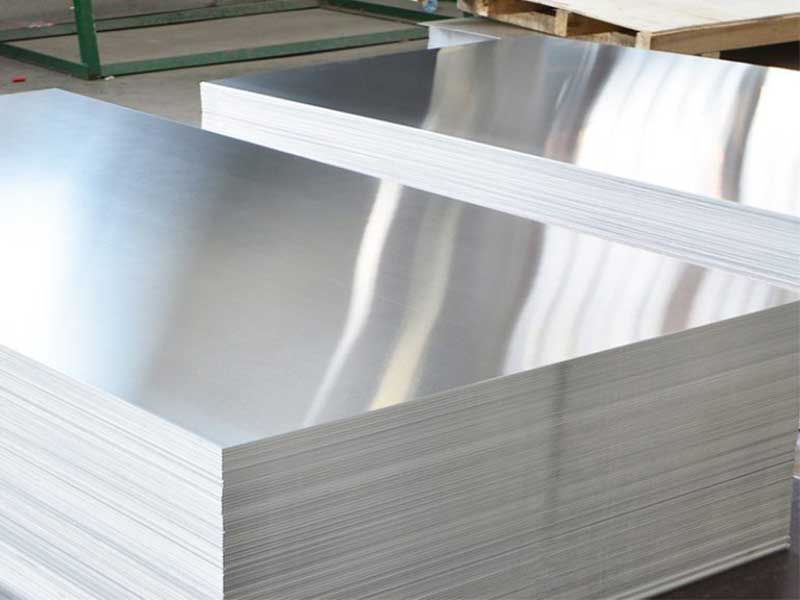
Marine anodized aluminum sheets
Marine Anodized Aluminum Sheets start with premium marine-grade aluminum alloys such as 5000 and 6000 series (typically 5083, 5052, and 6061).
View Details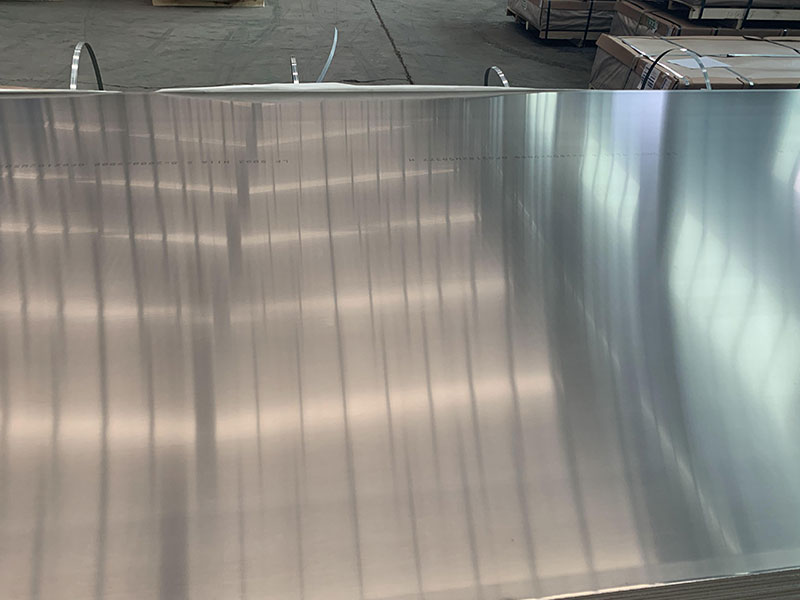
Marine 5383 aluminum sheet
5383 aluminum is a strain-hardened, non-heat-treatable alloy from the 5xxx series primarily alloyed with magnesium. It exhibits a unique balance of corrosion resistance and mechanical properties particularly suited for marine applications.
View Details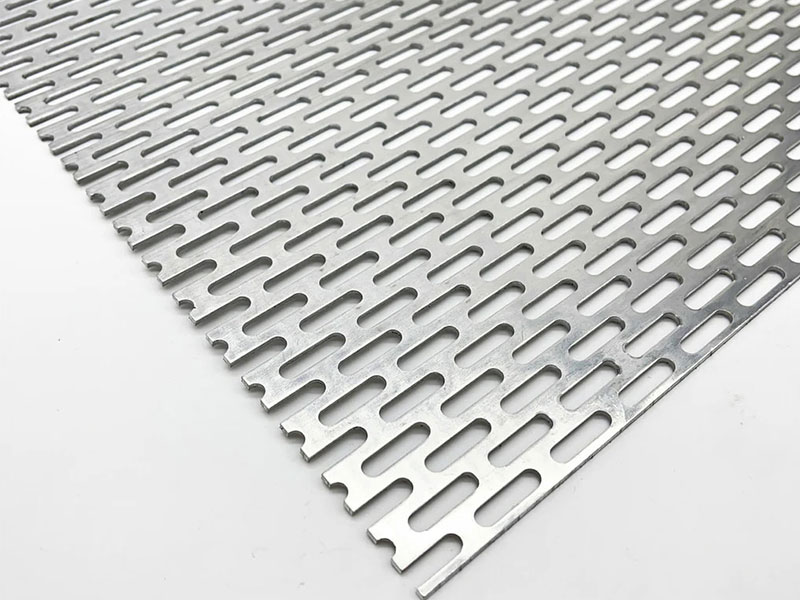
Marine perforated aluminum sheets
Marine Perforated Aluminum Sheets feature a series of uniform holes or shapes punched through the aluminum surface. These perforations can vary in size, pattern, and open area to tailor the sheets for specific applications.
View Details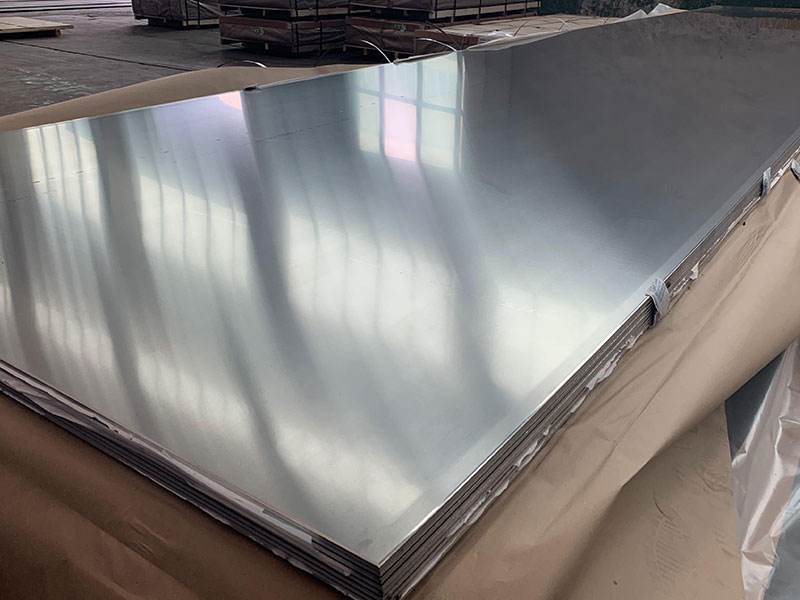
Marine 5086 aluminum sheet
This product article provides an in-depth and comprehensive understanding of Marine 5086 Aluminum Sheets, including their chemical composition, mechanical properties, corrosion resistance, fabrication capabilities, and typical marine applications.
View Details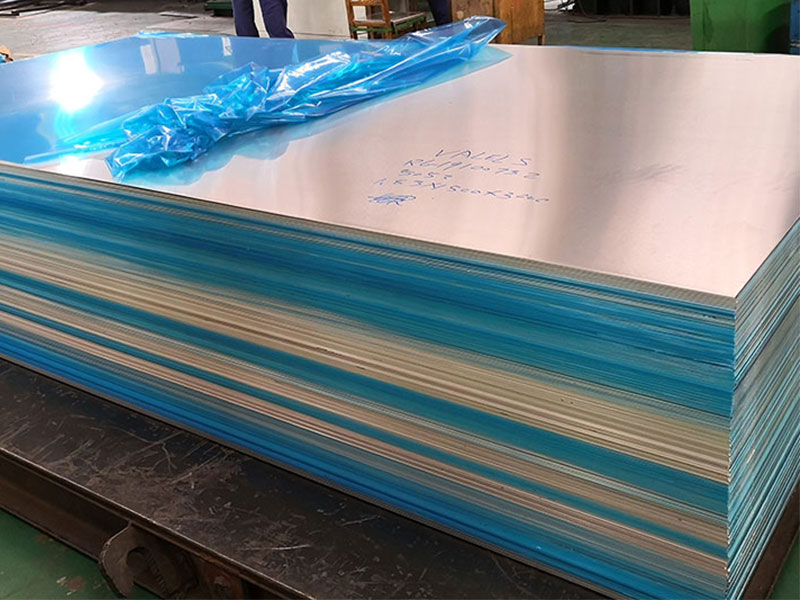
Marine 5059 aluminum sheet
5059 aluminum alloy is a strain-hardened material with a unique addition of magnesium and chromium, which provides outstanding resistance to localized corrosion like pitting and stress corrosion cracking.
View DetailsRelated Blog
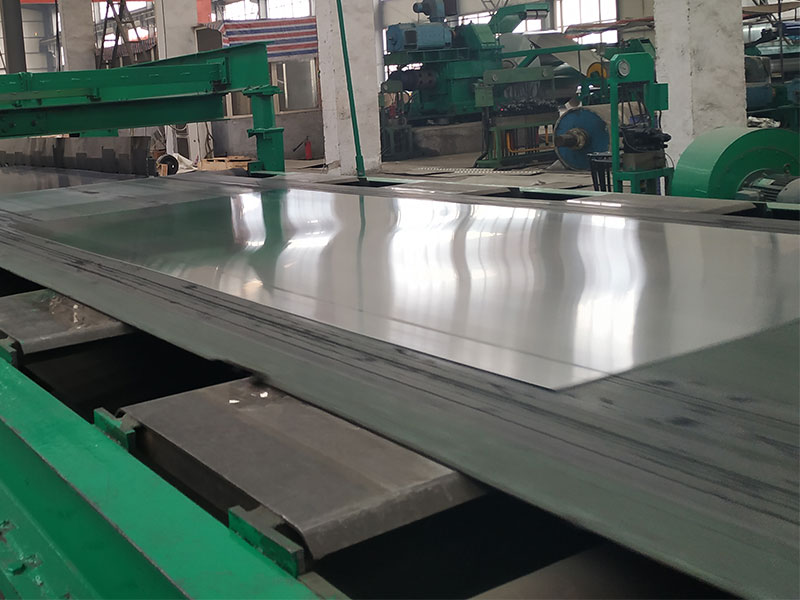
Aluminium sheet 8mm alloy 5052 h112 for boat
When selecting materials for marine applications, especially in boat building, the balance between strength, corrosion resistance, and workability is crucial. Aluminium sheet 8mm thick made from alloy 5052 in temper H112 epitomizes this balance.
View Details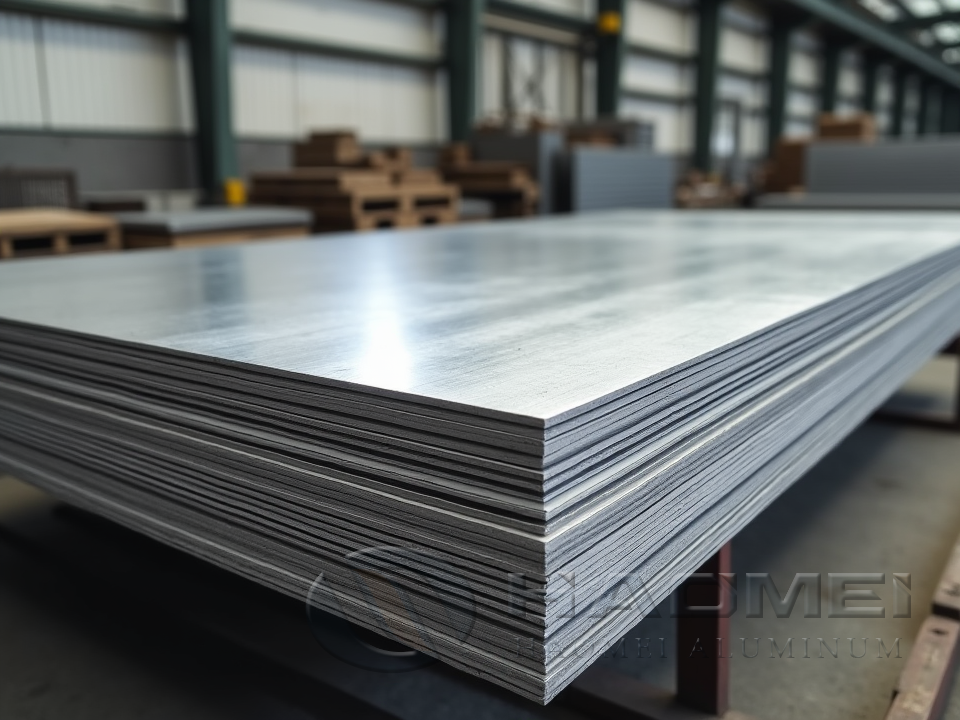
Marine 5383 Aluminum Sheet
Learn 5383 marine aluminum sheet properties, tempers, standards, chemistry, sizes, fabrication notes, and boatbuilding uses in one guide.
View Details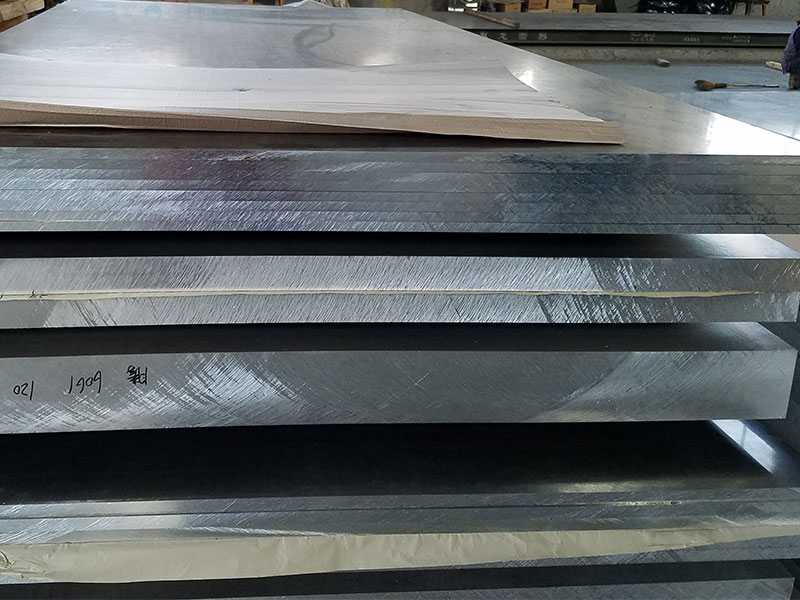
5083 10mm Thickness Aluminum coil for Boat
5083 10mm Thickness Aluminum Coil for Boat: When "Strength" Also Means "Staying Beautiful at Sea"In boatbuilding, material decisions are rarely about a single property.
View Details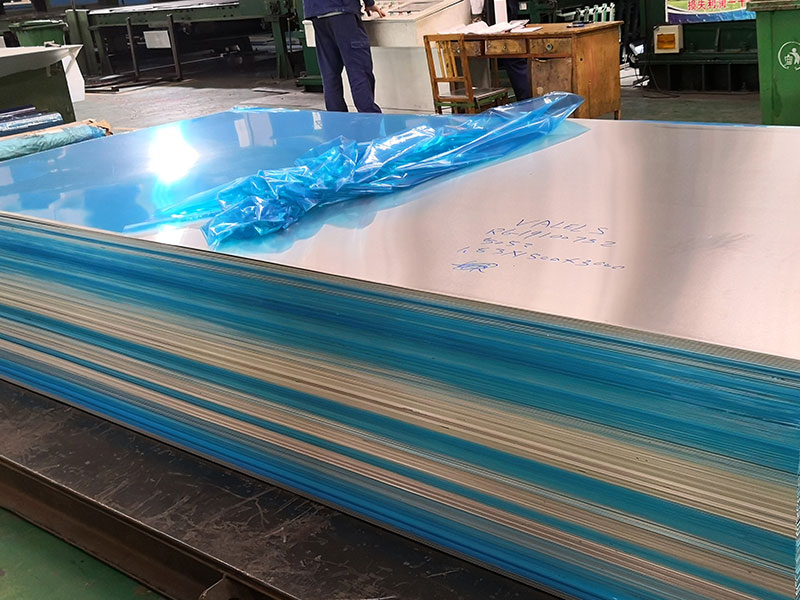
6061 6063 7071 5083 7075 alloy aluminum sheet for boat
Boat builders choose aluminum sheet when they need a hull or structure that stays light, resists corrosion, and remains workable in fabrication. This product range-6061, 6063, 7071, 5083.
View Details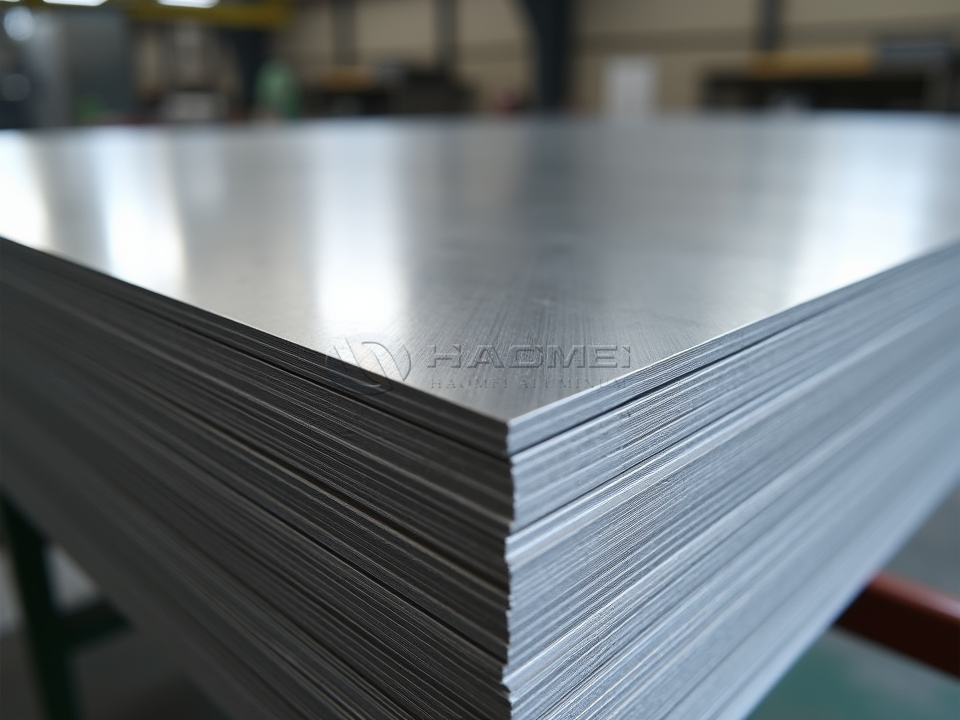
5083 Marine Anodized Aluminum Sheets
5083 marine anodized aluminum sheets combine seawater corrosion resistance, weldability, and durable anodized protection for hulls, decks, and fittings.
View Details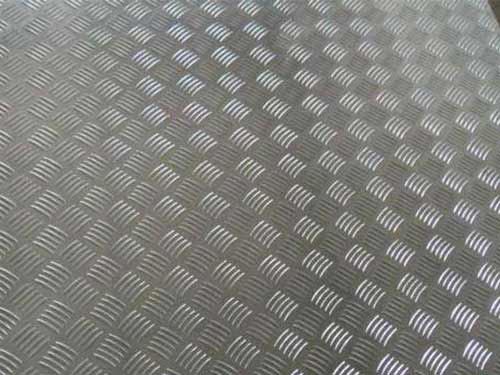
6061 Marine Aluminum Tread Sheets
6061 Marine Aluminum Tread Sheets (often called 6061 aluminum diamond plate or tread plate) are engineered to deliver a practical blend of corrosion resistance, structural strength, and slip-resistant surface performance in wet, abrasive.
View Details
Leave a Message